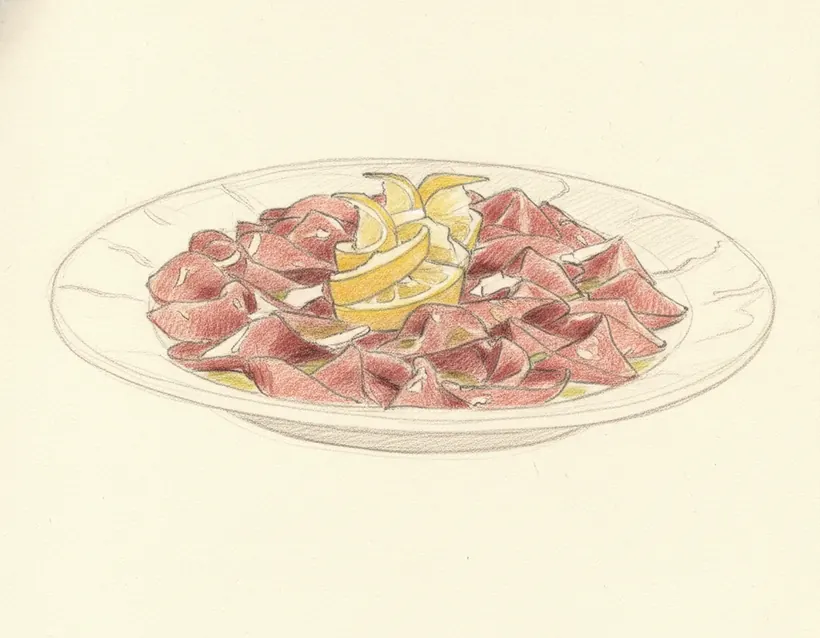
Bresaola della ValtellinaAir-dried salt beef
Lean beef salted and air-dried in the Valtellina mountains, sliced thin and dressed with oil, lemon and Grana, a light Alpine antipasto.
Pairs with
Lombardy eats richly and drinks widely: butter and rice on the Milanese plain, buckwheat and mountain cheese in Valtellina, pumpkin tortelli in Mantua. Its wines span the Alpine Nebbiolo of Valtellina, the sparkling Franciacorta, the reds of Oltrepò Pavese and rarities like the sweet Moscato di Scanzo.
Lean beef salted and air-dried in the Valtellina mountains, sliced thin and dressed with oil, lemon and Grana, a light Alpine antipasto.
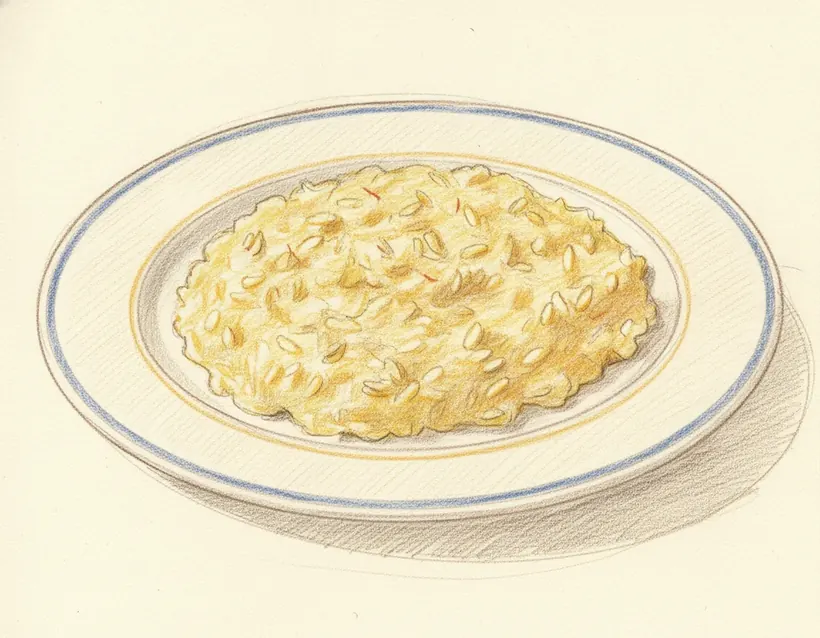
Rice slowly cooked in broth with butter, onion and marrow, turned gold and fragrant with saffron and finished with Parmigiano.
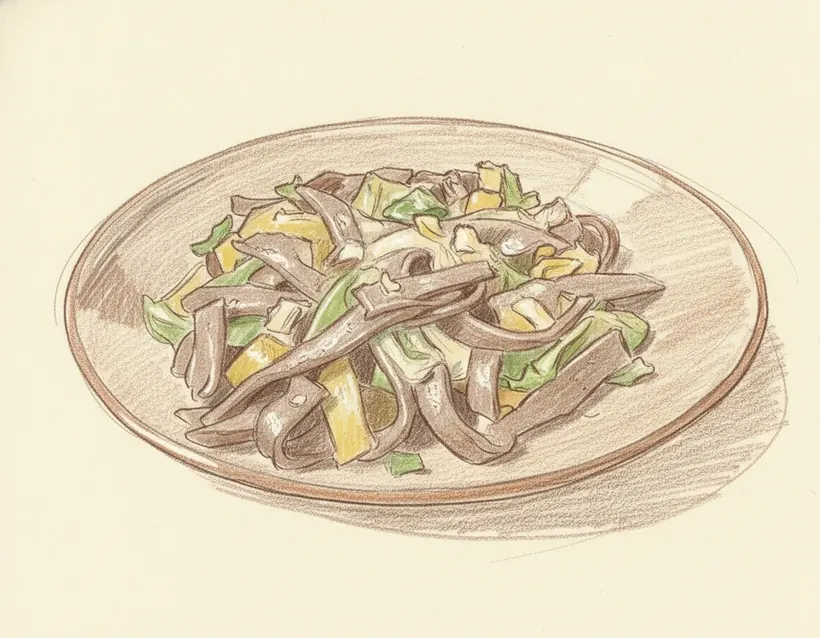
Short buckwheat tagliatelle layered with potato, savoy cabbage, melted Valtellina Casera cheese and sage butter, the hearty Alpine primo.
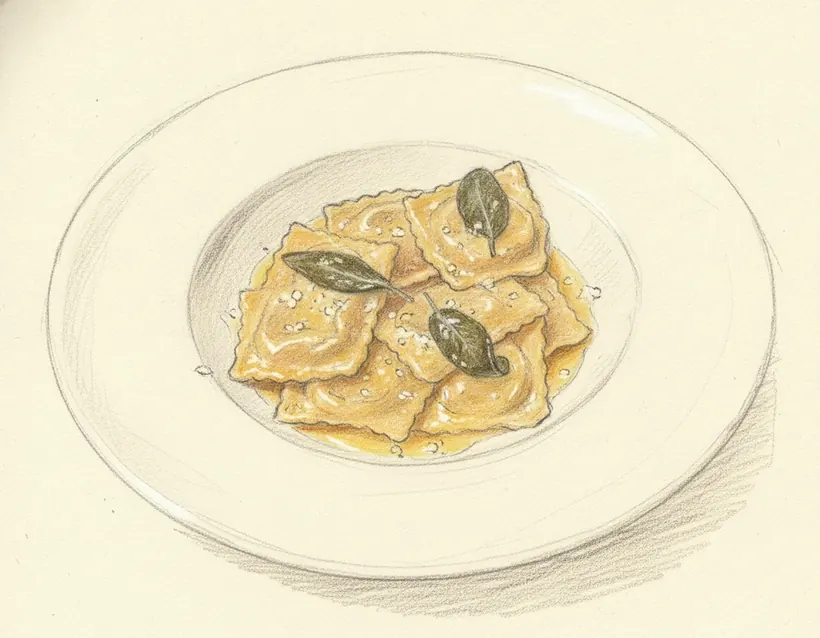
Egg-pasta parcels filled with sweet roasted pumpkin, amaretti and mostarda, dressed in butter and sage, the sweet-savoury Mantuan primo.
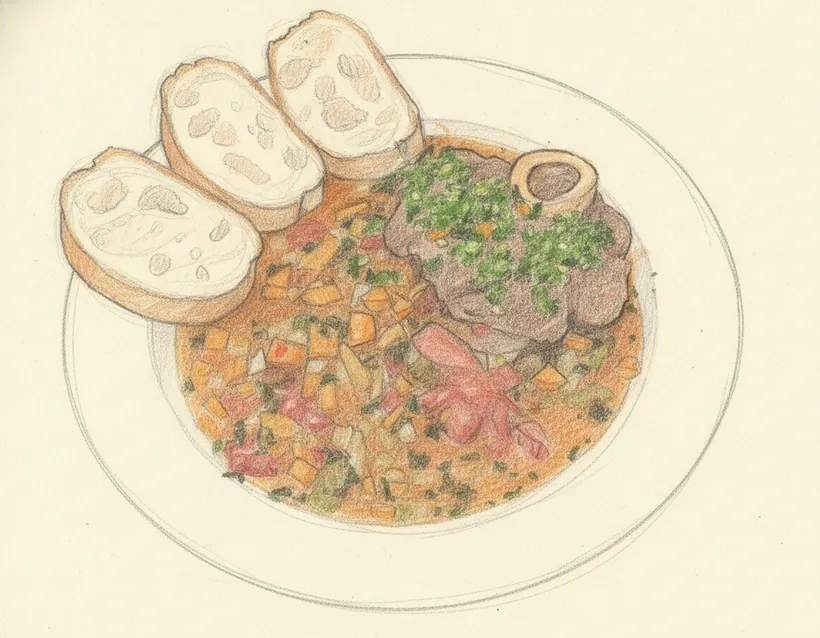
Cross-cut veal shanks braised with wine and broth until the marrow melts, finished with a lemon-garlic-parsley gremolata, often served with the saffron risotto.
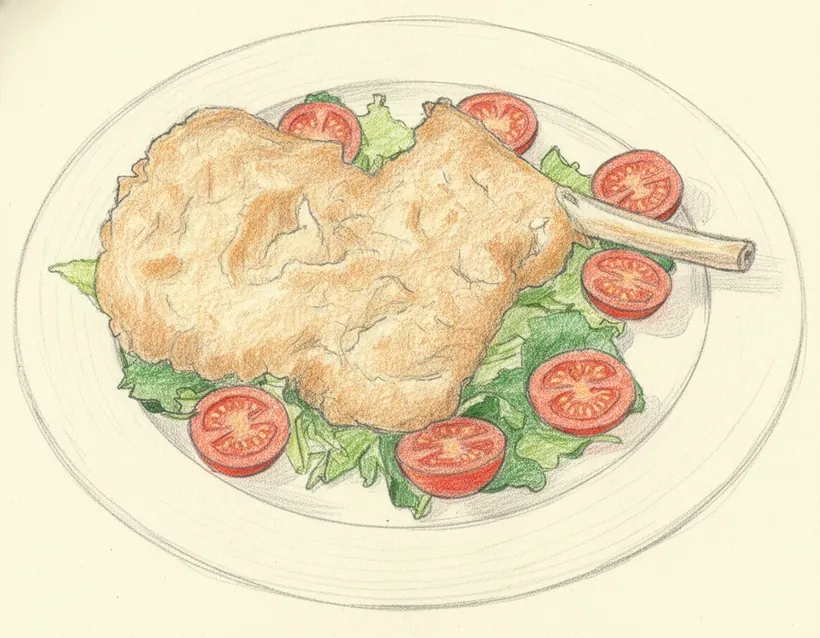
A thick, bone-in veal cutlet breaded and fried in butter until golden, the Milanese classic.
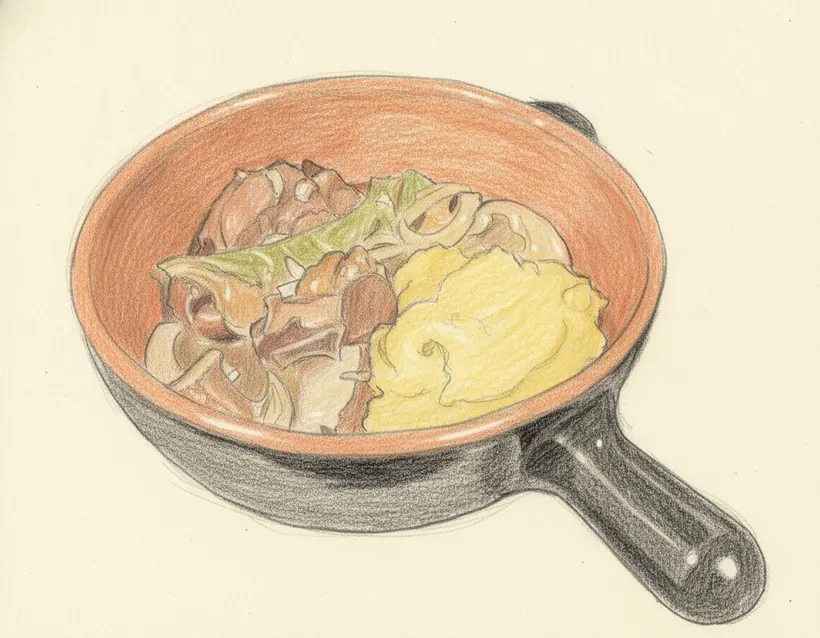
A winter stew of the humbler cuts of pork, ribs, rind, sausage, trotter, slow-cooked with savoy cabbage until soft and unctuous.
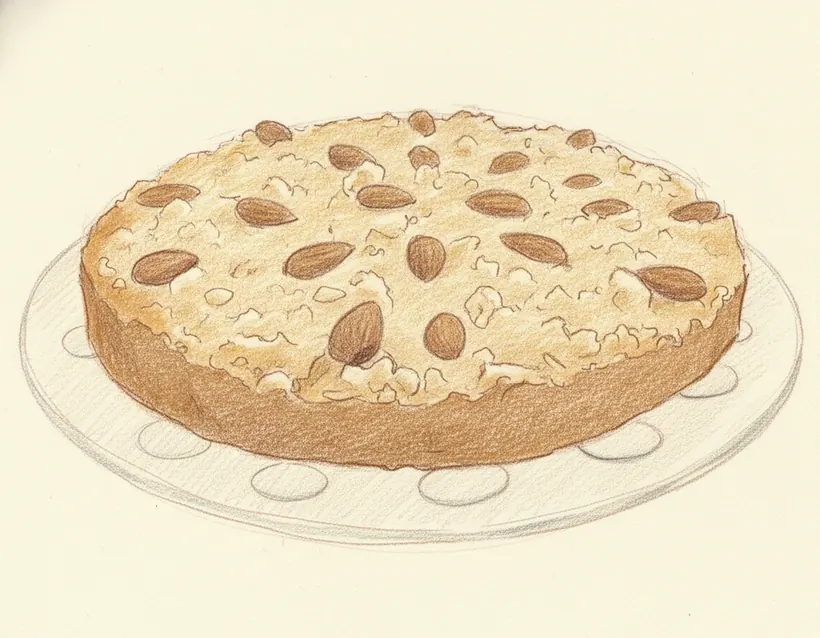
A hard, crumbly Mantuan cake of cornmeal, flour, almonds and butter, broken by hand rather than sliced.
DOP, IGP, STG, Slow Food Presidia and traditional specialities of Lombardy.
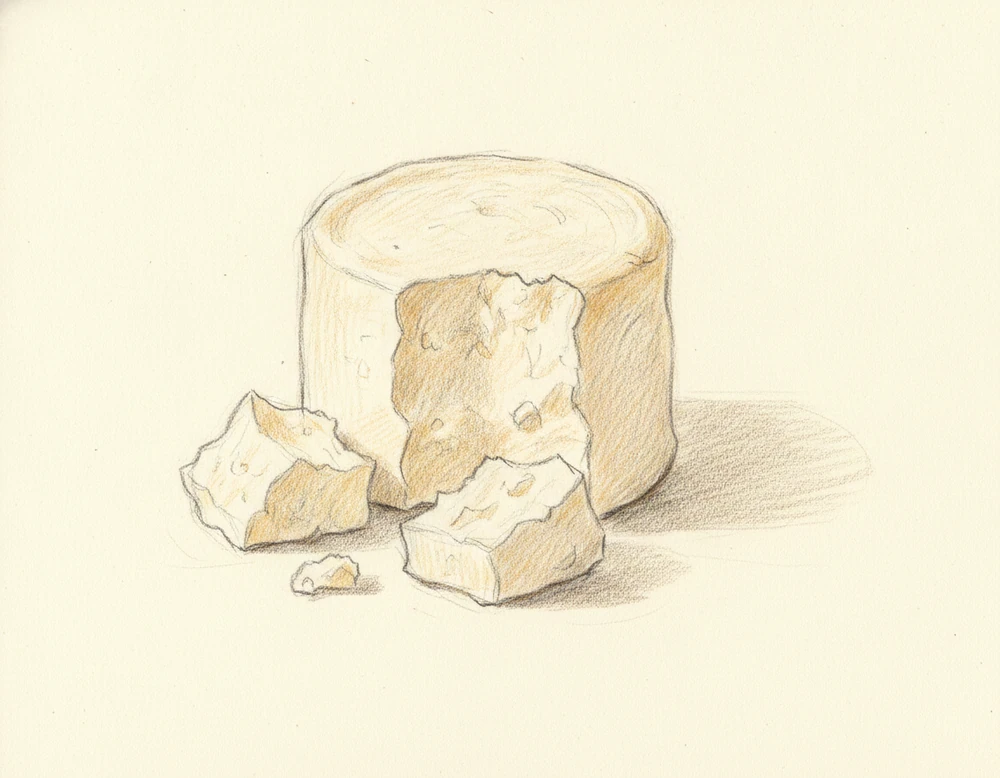
Valtorta is a small place in the Val Brembana, and Agrì is what has survived there: a little uncooked-curd cylinder of whole cow's milk, made both at the cooperative dairy and in the houses. It takes three days and a practised hand. The taste is sweet and aromatic, the smell delicate. When the road down the valley was still difficult, the women mixed the pasta di agro at home, packed it into panniers and bundles and carried it on foot over the mountain paths into the Valsassina, where the cheeses were finished.
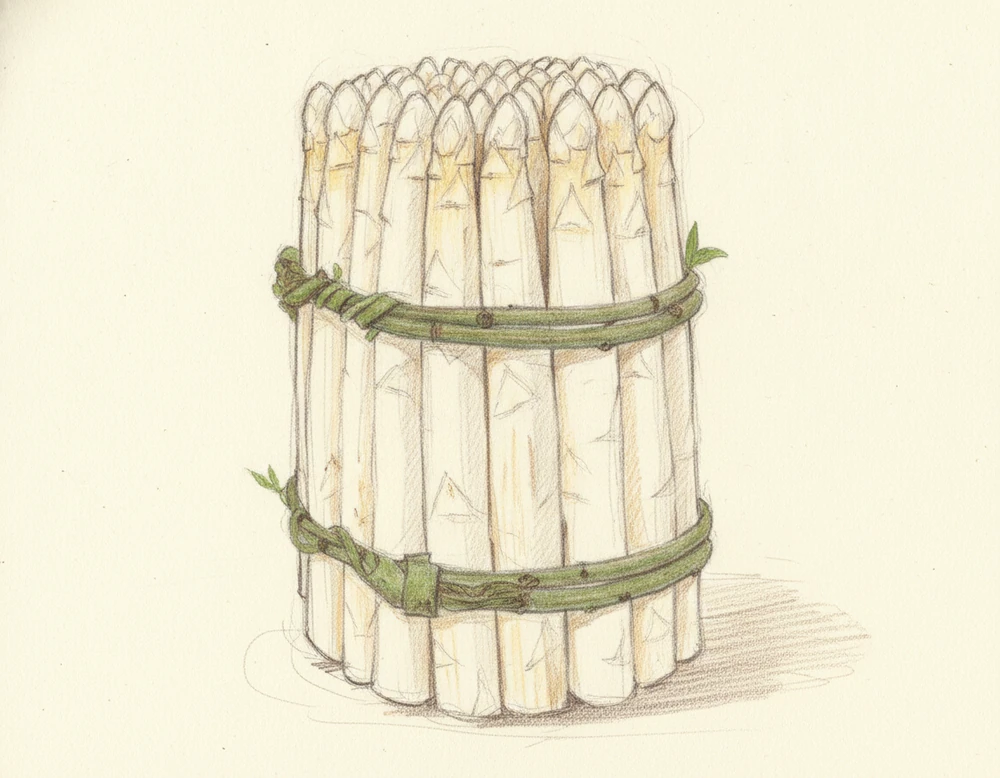
White asparagus from Cantello in the Varese pre-Alps, grown from Precoce di Argenteuil and its hybrids alongside other cultivars suited to white production: Grolim, Zeno, Cumulus, Vitalim, Giove, Vittorio, Eros, Franco, Fruhlim, Magnus, Herkolim and Terralim.
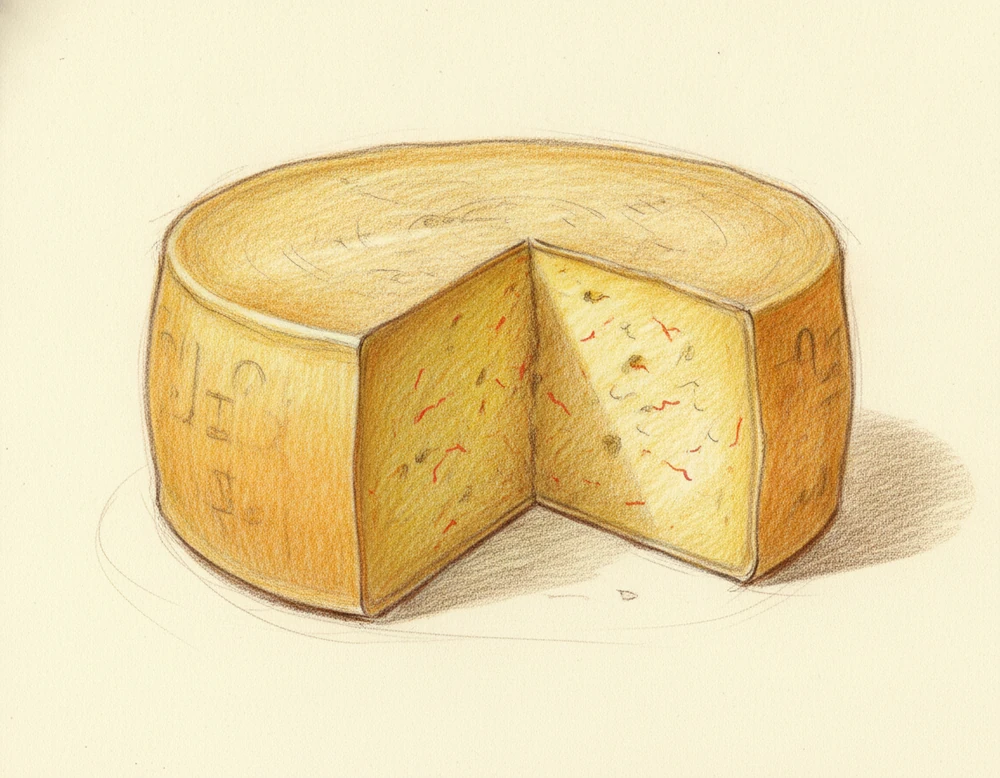
Bagolino north of Brescia calls its people Bagossi, and the valley's cheese takes the name from them. It is an uncooked-curd cheese of raw part-skimmed cow's milk, and by long habit the cheesemaker works a little saffron in as the curd is broken. The wheels are far bigger than a mountain toma, usually 16 to 18 kilos and sometimes 20 to 22.
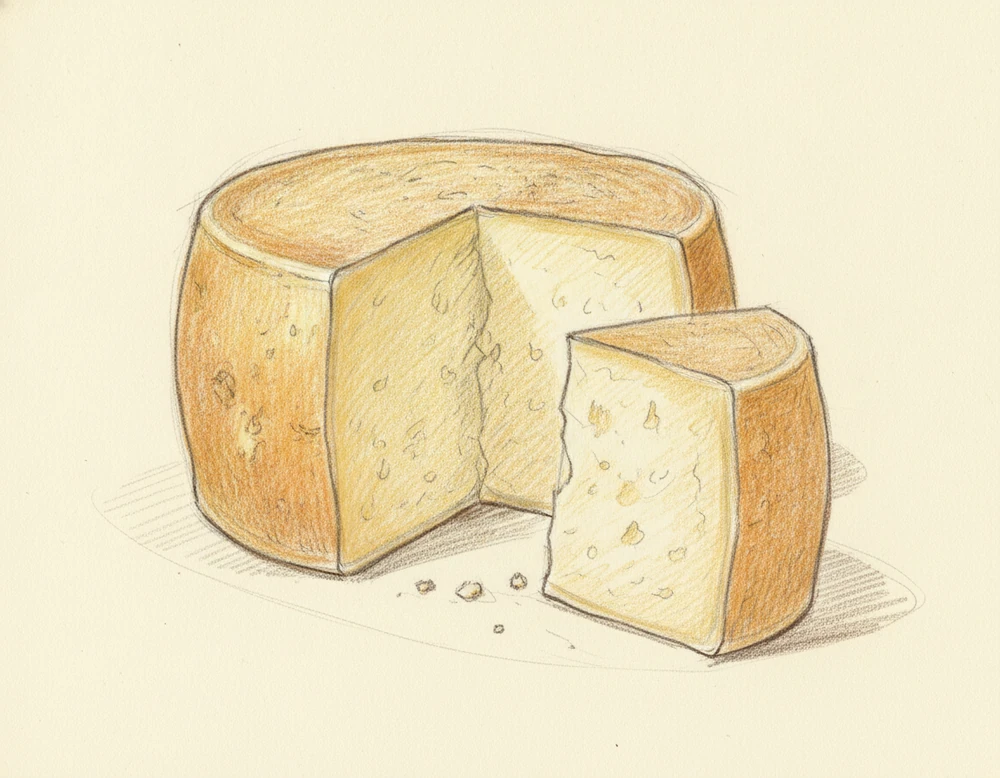
An alpine cow's-milk cheese from the Valtellina, made in the high summer pastures and aged long. Its zone is written not as a province but as a set of alpeggi, the named summer grazings themselves.
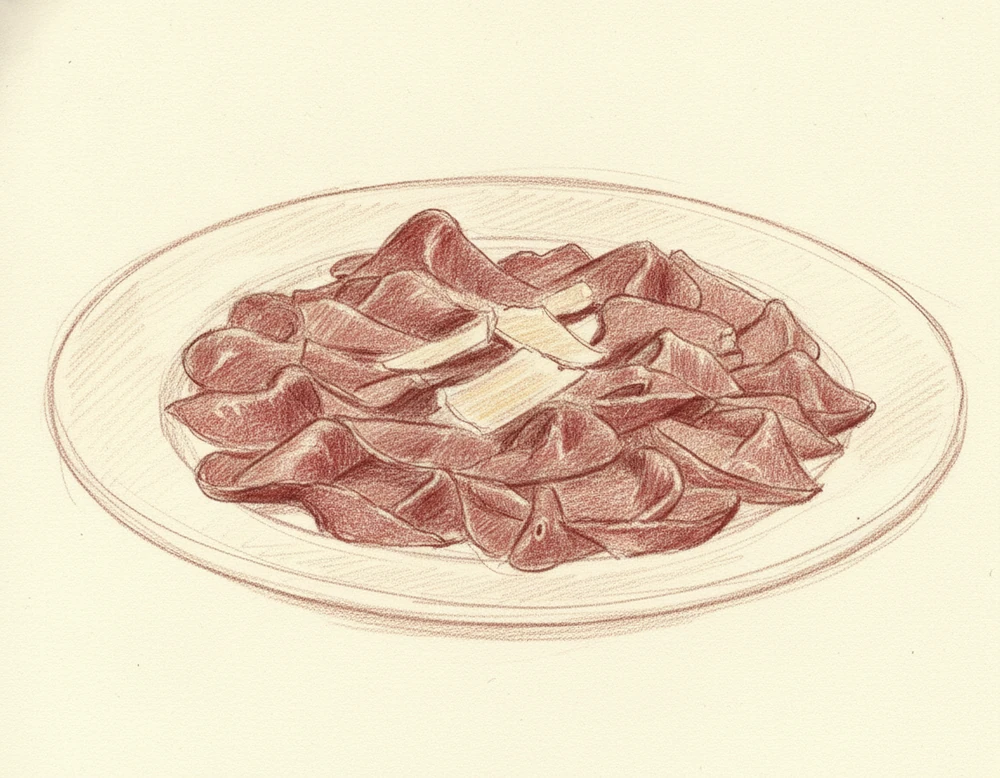
Air-dried salted beef from the Valtellina, the only major Italian cured meat made from beef rather than pork. It is cut from the boned leg of cattle aged between 18 months and four years.
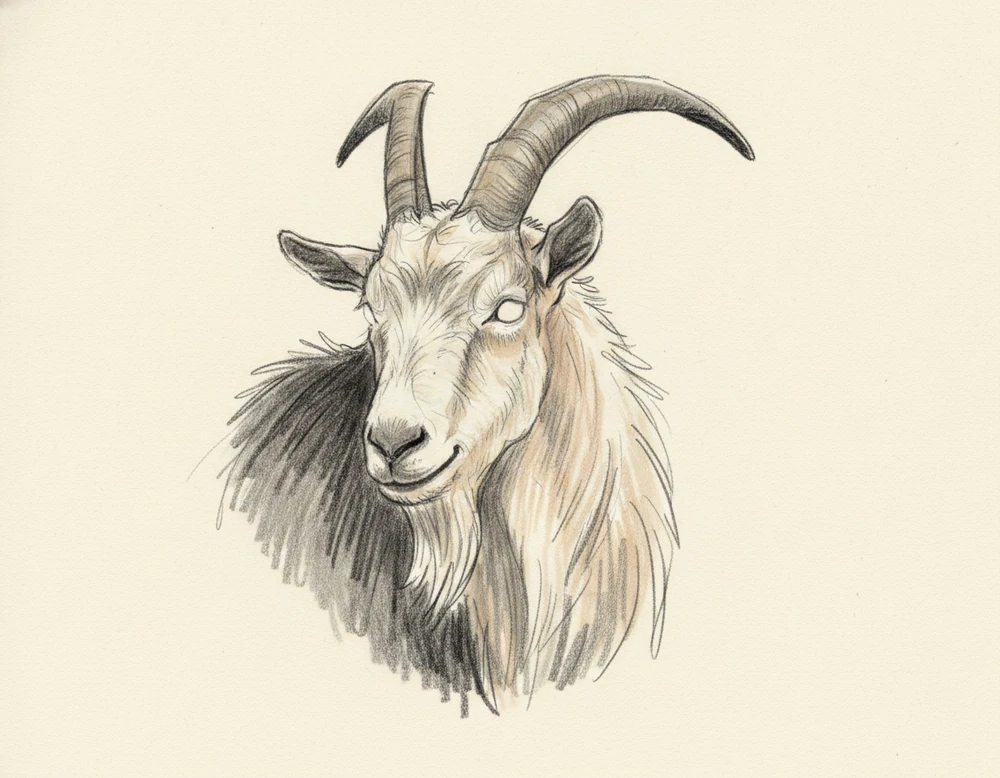
Big horns twisting outwards and a long coat that comes grey, beige, black, brown or dappled, most often black-grey behind and white-beige in front. Its history is not clear; the likeliest account puts its origin in the Val Gerola in the Sondriese, where isolation let it diverge from other goats and hardiness fitted it to pastures nothing else could reach. Every family used to keep them.
Breme is a medieval village of 700 people in the lower Lomellina, where the Sesia meets the Po, and the sigulla starts at its 10th-century abbey of San Pietro: a chronicle of 906 has monks from Novalesa, in the Turinese, moving here away from Saracen raids and finding both a new house for their congregation and ground that suited their vegetables, the white or golden onion and the red. The red weighs six or seven hundred grams, squat and deeply coloured, and it has lasted on sweetness, crunch and digestibility; the village calls it dolcissima.
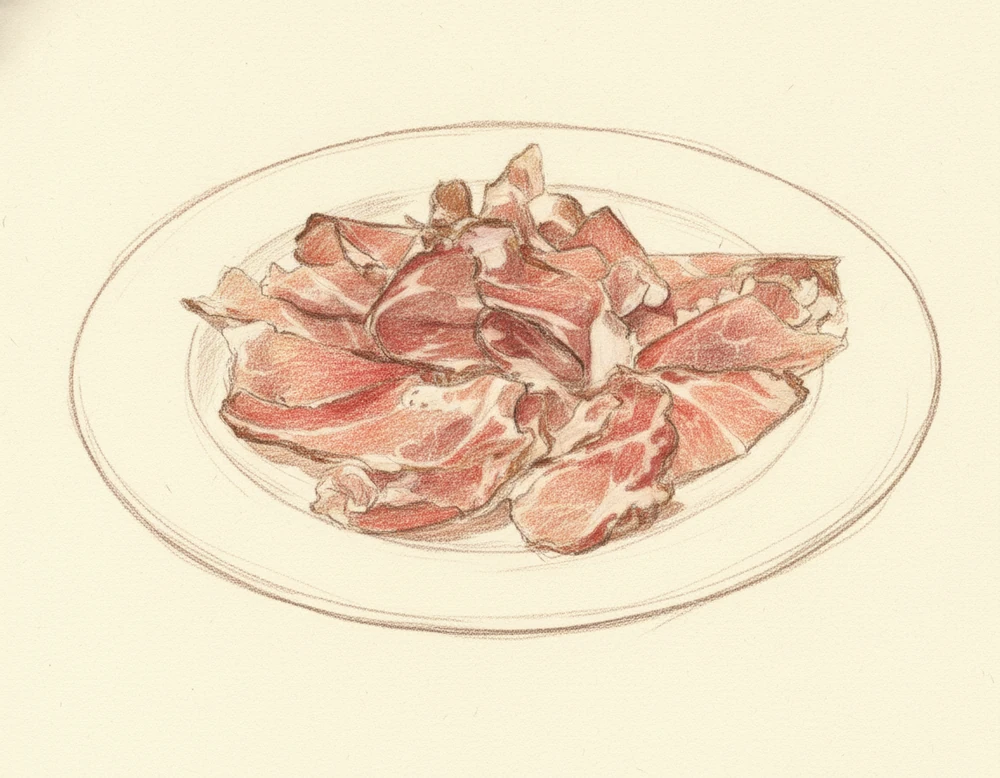
A cured neck muscle, unpressed so it stays a true cylinder some 25 to 40 cm long and never lighter than 1.3 kg. A correctly matured slice shows no yellow or soft fat and no interior mould, the marks the disciplinare uses to define a badly cured one.
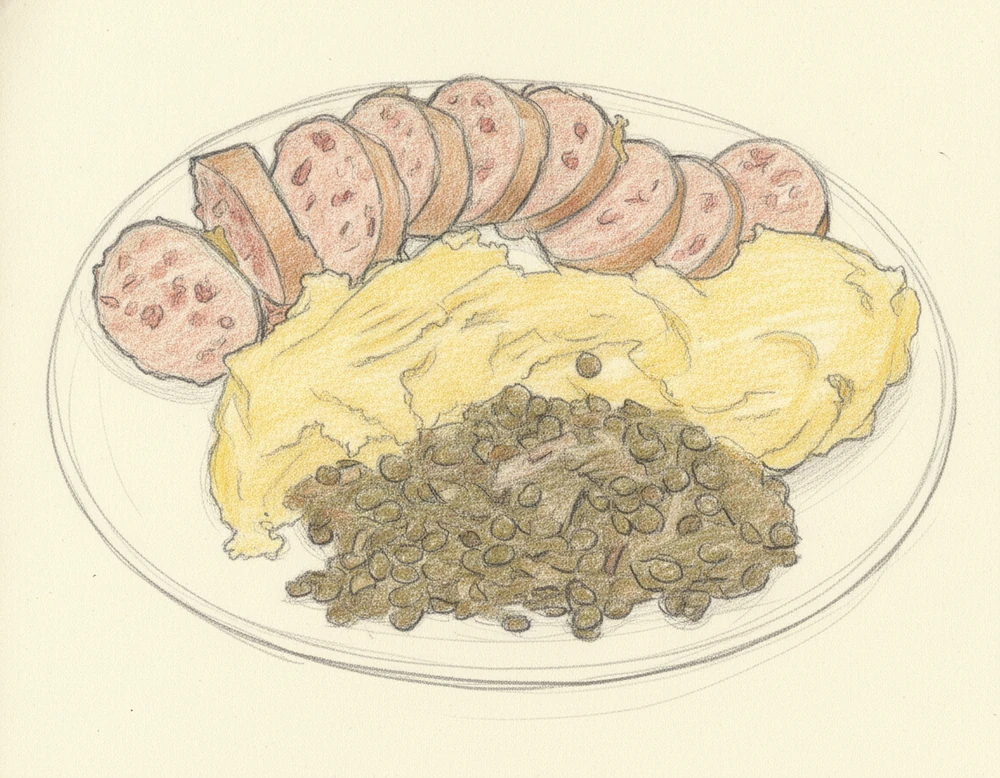
A large fresh sausage of pork meat, rind and fat, seasoned and cased, traditionally simmered for hours and served with lentils at New Year. It shares its filling, its zone and its history with Zampone Modena, which packs the same mixture into a boned trotter.
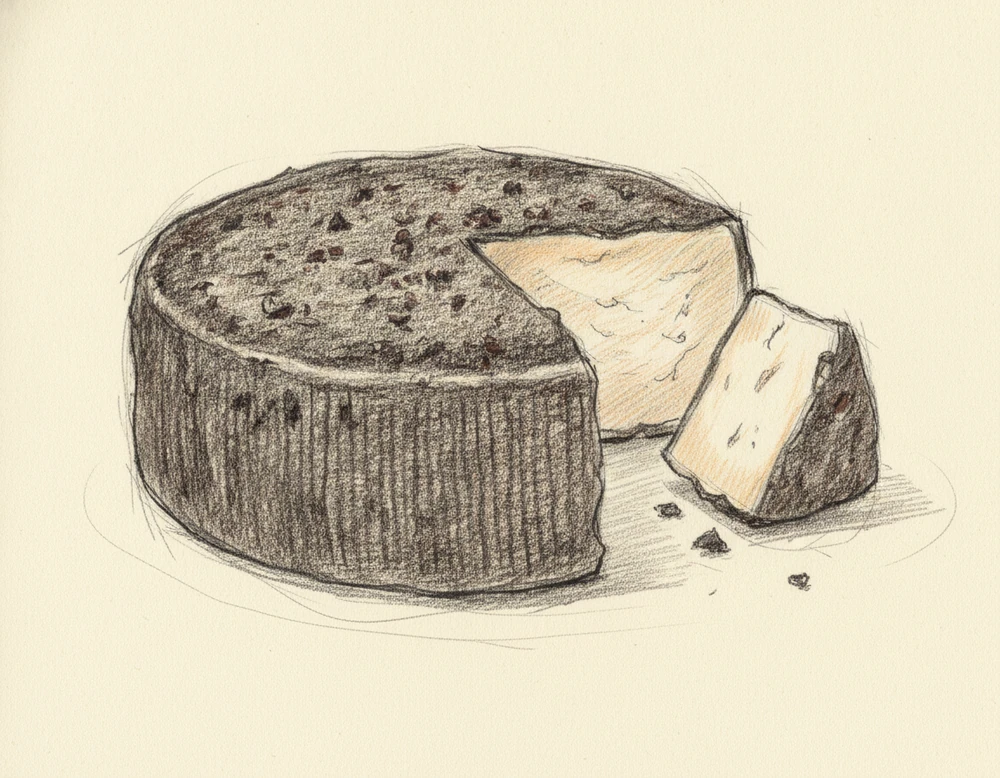
Fatulì is dialect for small piece. It is made from the raw milk of the Bionda dell'Adamello, a native goat of the Adamello massif, the Saviore valley and the Valcamonica, medium-sized and coloured from pale brown to blond. The cheeses are small cylinders with flat sides, the rind lighter or darker with the smoking and marked with the grooves of the grates.
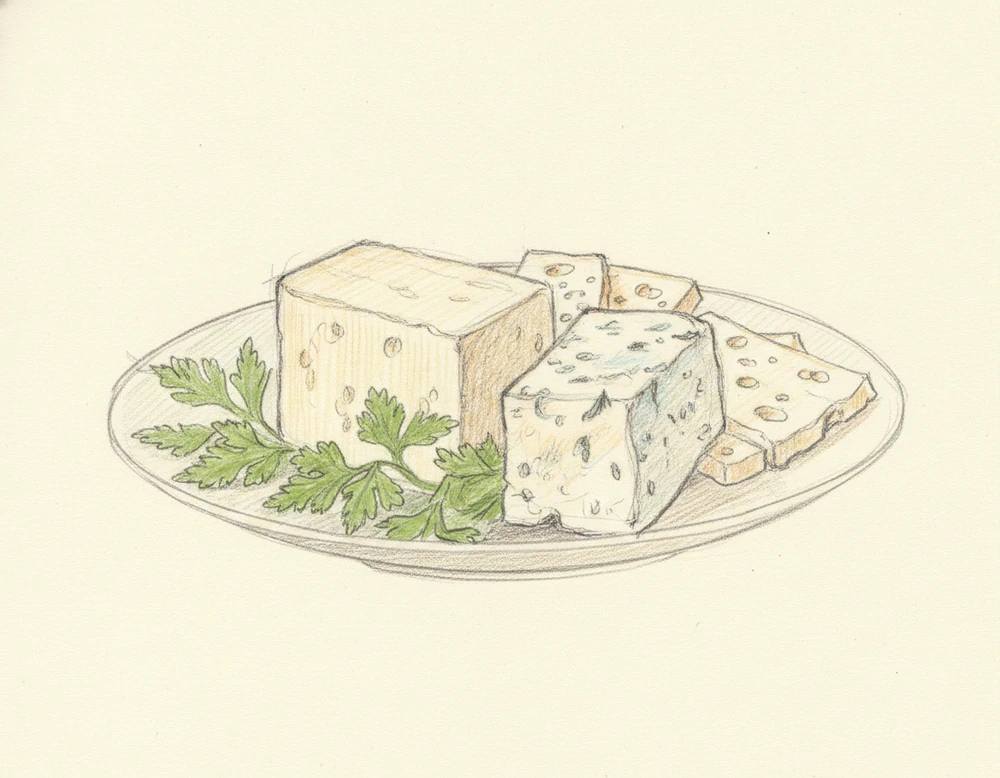
Italy's first DOP made from goat's milk alone. A semi-hard raw whole-milk cheese from the hills above Luino on Lake Maggiore, aged a minimum of 20 days.
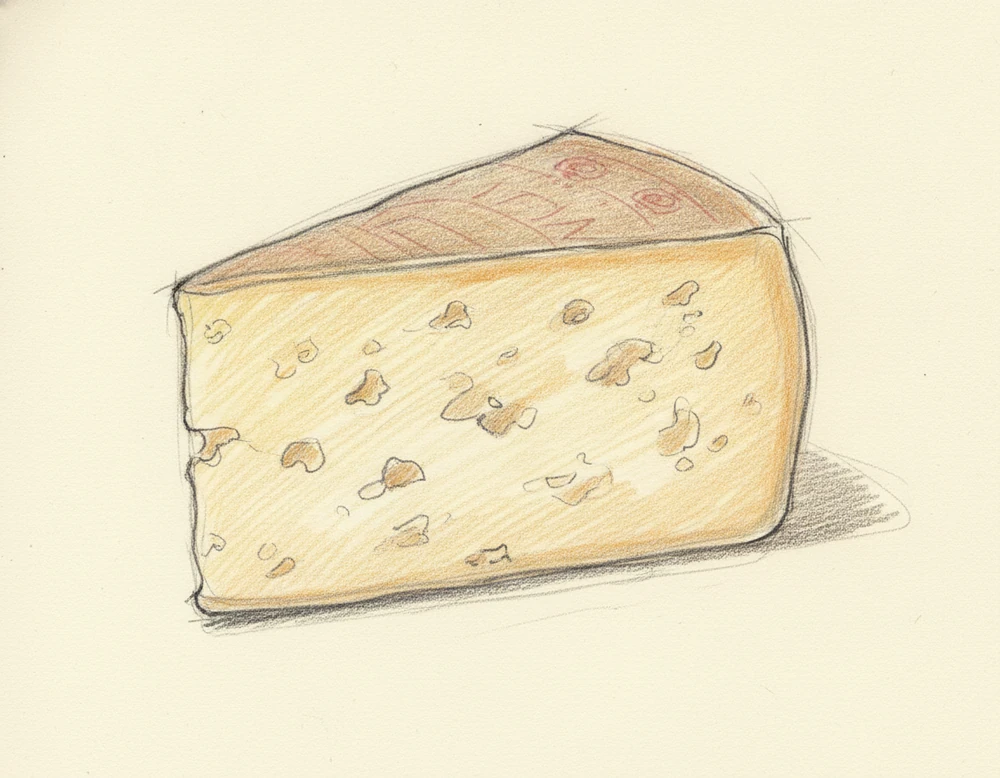
A full-fat semi-cooked cheese from the high Brembana valley, made only from whole raw cow's milk of weak natural acidity. The name is simply the mountain dialect for mountain cheese.
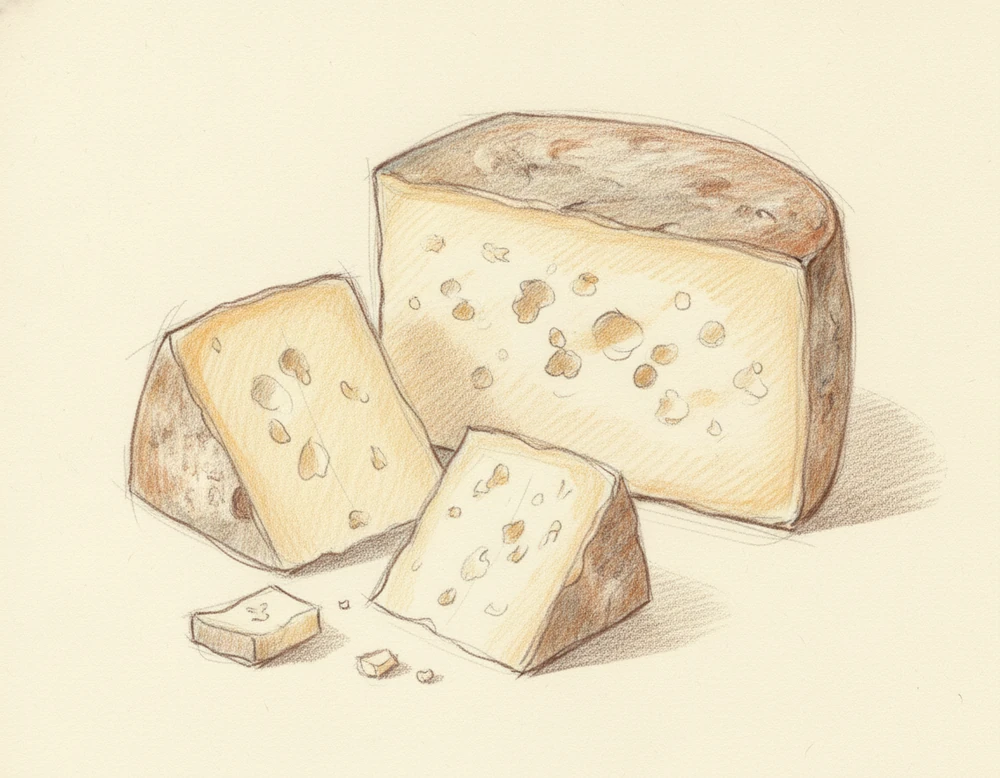
Furmàcc, furmai, formai: cheese, in the dialects of the Lombard alpine valleys. The rest of the name is a claim, cheese of the hay, and it says that what the cows ate is what the cheese is. Through the Valtellina and its tributaries, from the Val Chiavenna and Val di Lei west along the Adda to the Stelvio and Livigno east, summer cheese and winter cheese are two different things: in the hundred days on the high rotational pastures the milk goes whole into the grasso d'alpe, known locally under names like Storico Ribelle, while down in the valleys the milk is skimmed for a semi-fat or lean latteria. The making is much the same; the milk is not.
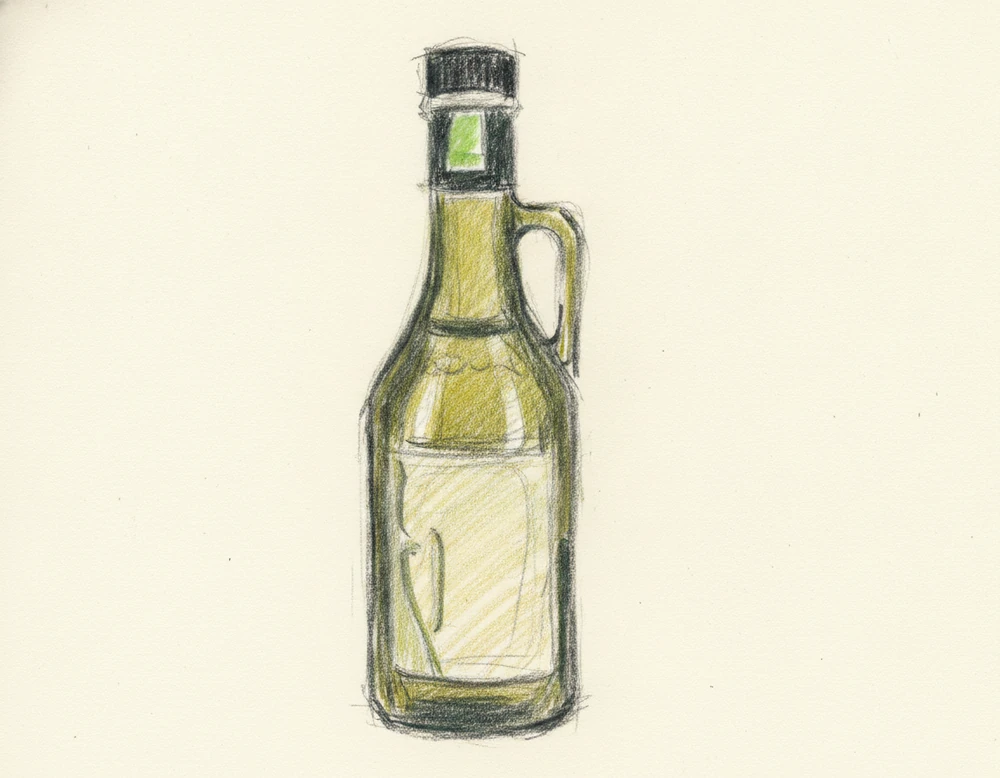
The olive oil of the Lake Garda basin, one of the northernmost olive-growing zones in the world. Green to yellow at varying intensity, with a light to medium fruity nose and a fruity taste with sweet notes and a characteristic almond finish.
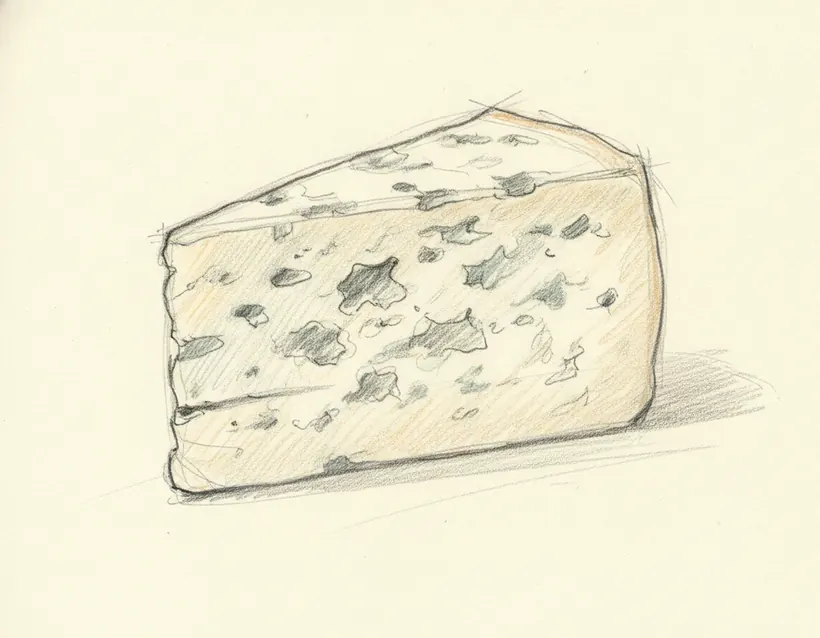
A soft, creamy cow's-milk blue cheese veined with blue-green mould, sold sweet and mild or sharp and piccante.
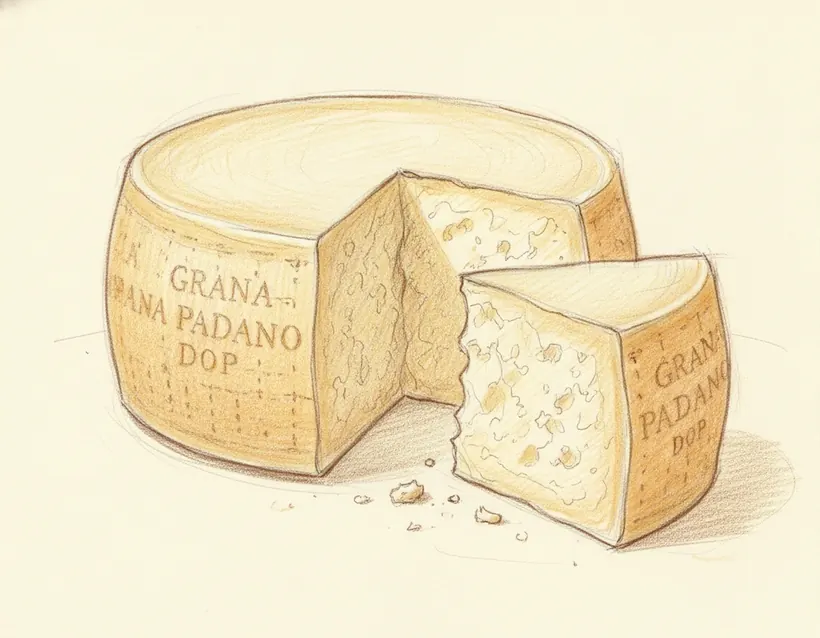
A hard, grainy cow's-milk cheese of the Po valley aged in giant drums, milder and younger-eaten than Parmigiano.
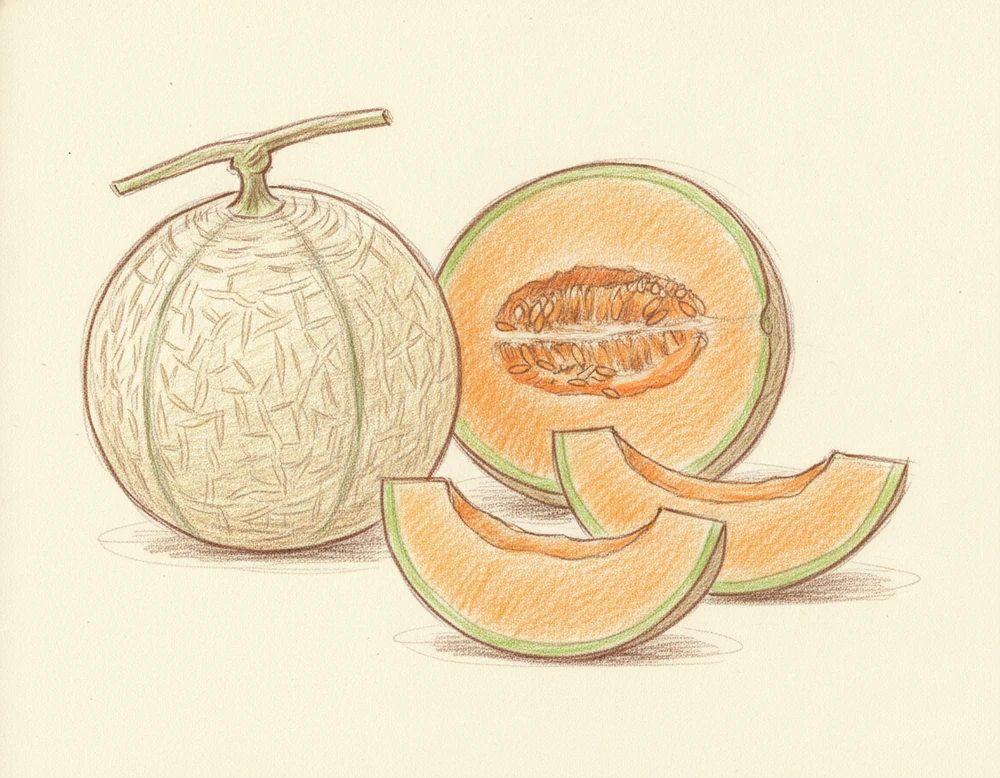
A melon from a small town south of Bergamo, held in the germplasm bank of the University of Valencia. The rind is thick and netted, the stalk pronounced and left on at harvest, the fruit oval and often very large, 2 to 6 kilos, the flesh dense, warm orange, sweet and heavily perfumed.
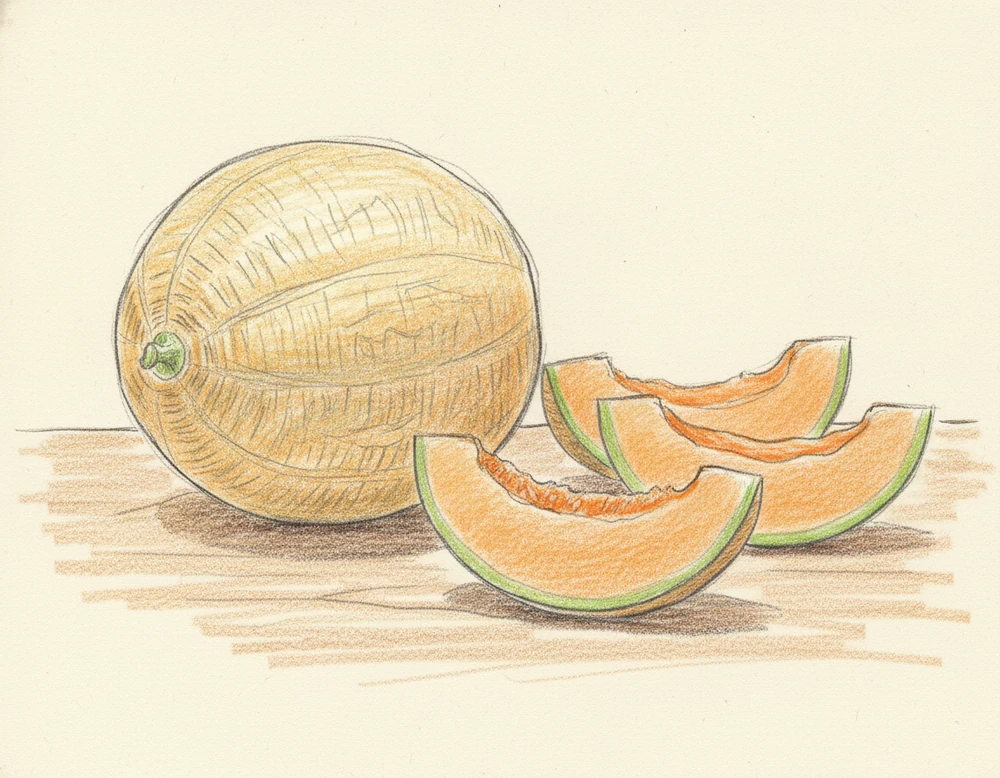
Fresh melon from the Mantua plain, covering both Cucumis melo cantalupensis and reticulatus, in smooth and netted types, with or without the segment grooving.
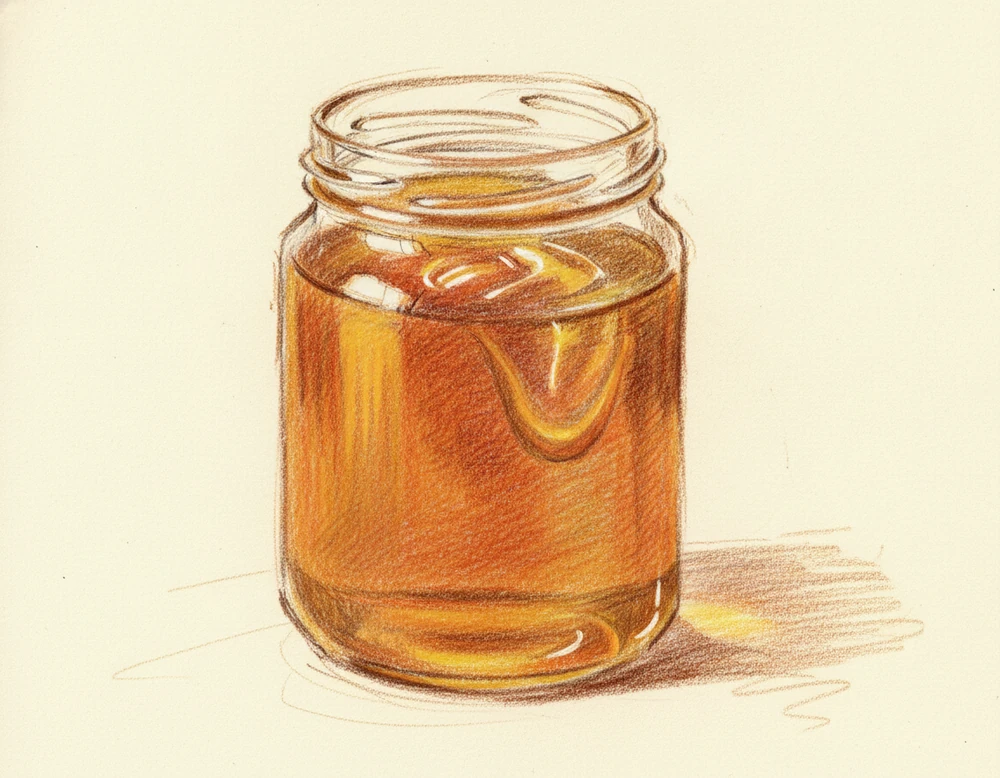
Honey gathered, extracted and prepared entirely within the province of Varese, the green province of the lakes, bounded west by Lake Maggiore and the Ticino, north and part-east by the Swiss border.
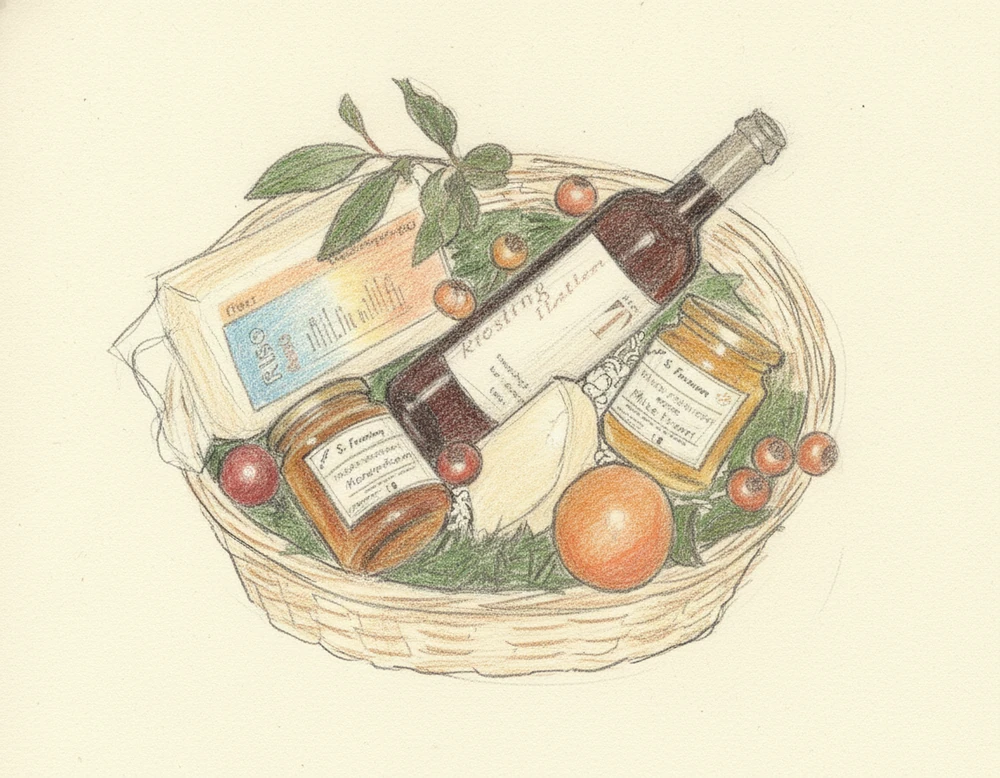
The classic Alpine honeys: rhododendron, millefiori and fir honeydew. Only nectar foraged above 1,400 m counts as high mountain, and even in a good season, which comes round every four or five years, the yield runs to a few hundred quintals.
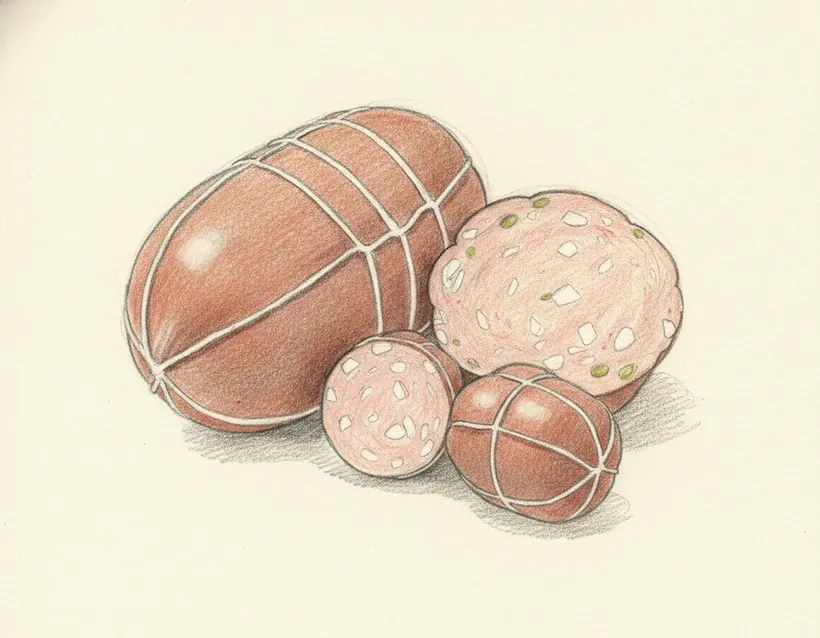
A large, silky pink cooked pork sausage studded with white fat cubes and pistachios, gently spiced, the pride of Bologna.
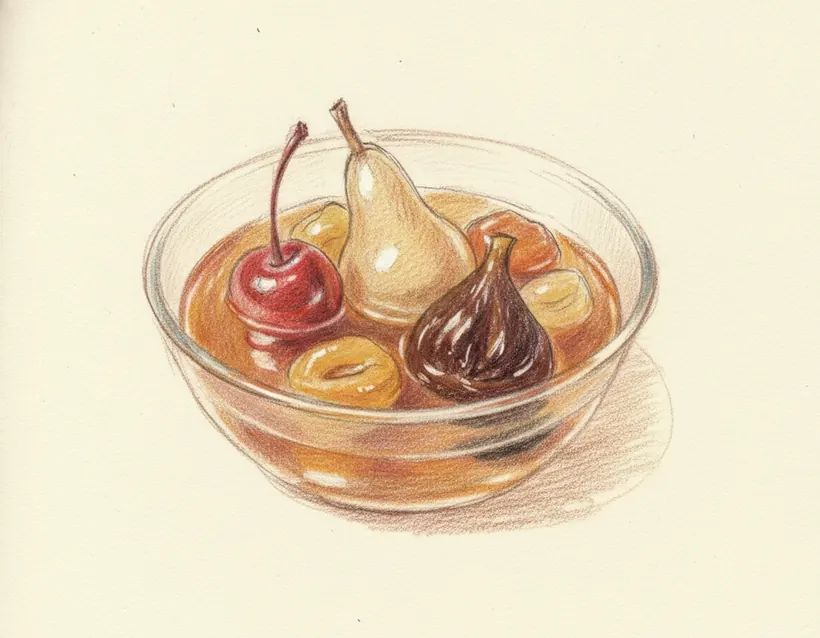
Whole candied fruits suspended in a clear, fiery mustard-spiked syrup, served with boiled meats and cheese.
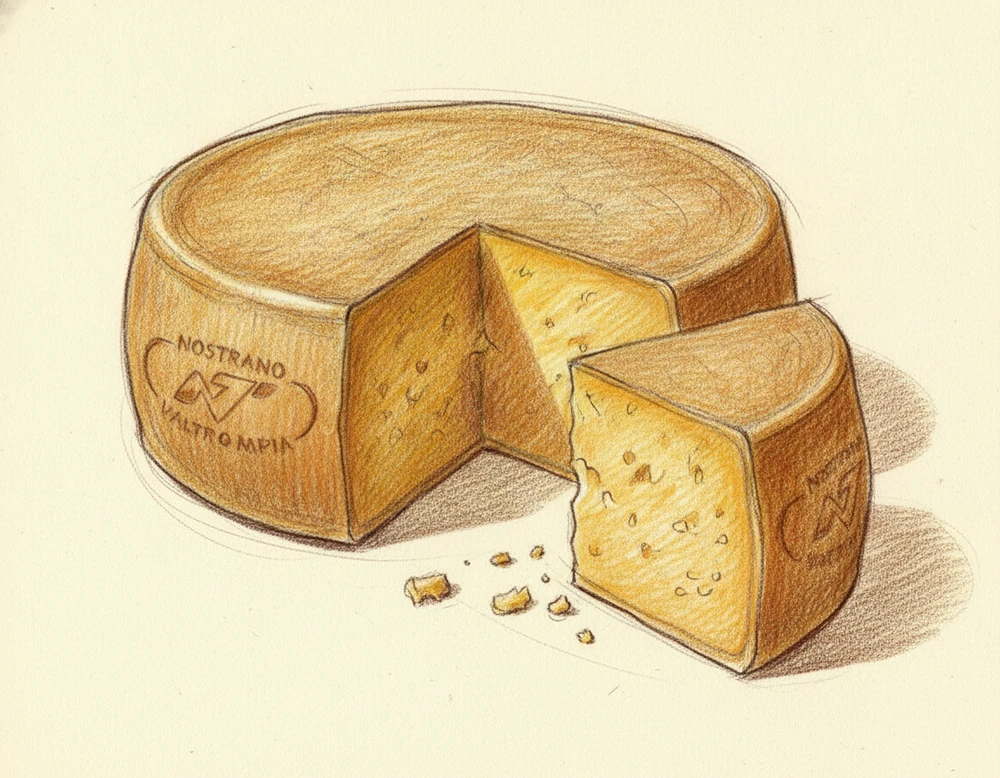
An extra-hard semi-fat raw-milk cheese from the Val Trompia, made year round and, unusually for an Italian cheese, coloured and flavoured with saffron.
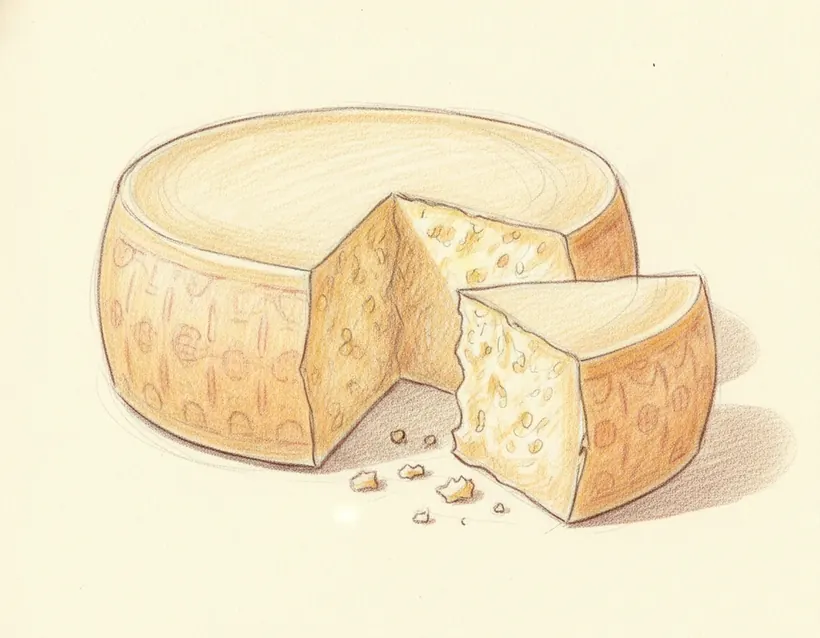
The 'king of cheeses', a hard, granular cow's-milk cheese aged one to three-plus years in vast drums, made only from raw evening-and-morning milk within a strictly bounded zone.
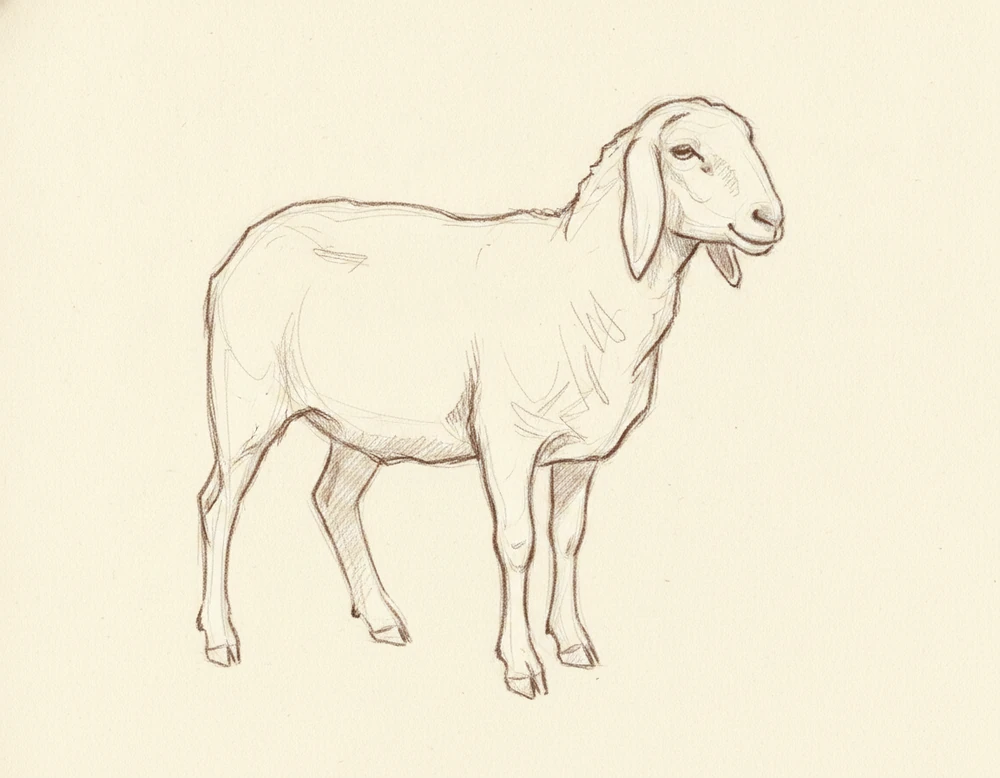
The Brianza is lake country running up to the Prealps with no great sweep of pasture, so its sheep grazed the margins, steep and often terraced ground, and in doing so held back the broadleaf wood that would otherwise have closed over it. The Brianzola is one of the big alpine meat breeds: tall, rams to 100 kilos and ewes to 80, convex profile, hornless in both sexes, thin drooping ears, an unspotted white fleece of medium-fine wool that shortens to a bright coat on the head, throat, belly and legs. It was simply the razza locale or nostrana until the 1930s, when the name Brianzola first appears in the Como provincial agricultural bulletins.
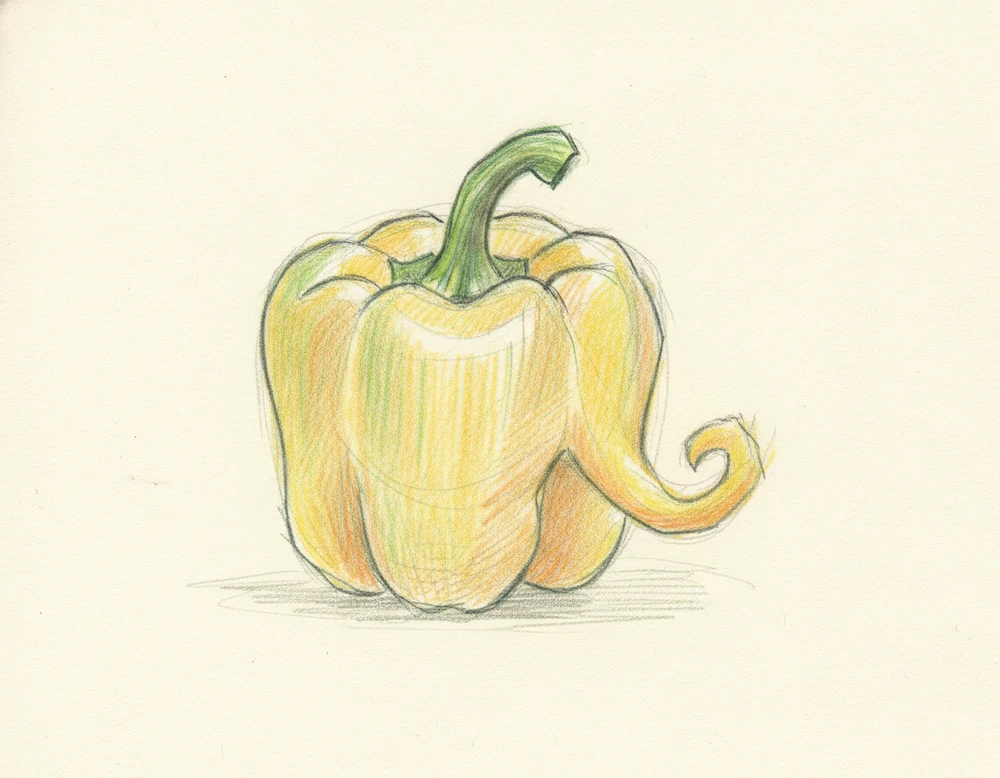
Squarish, with four ribs or sometimes three, one of them often longer and hooked. Ripe it is yellow to nearly orange, but it is very good several days before that, still pale green. Thin-skinned, firm and meaty without being watery, sweet and delicate with an occasional flash of heat.
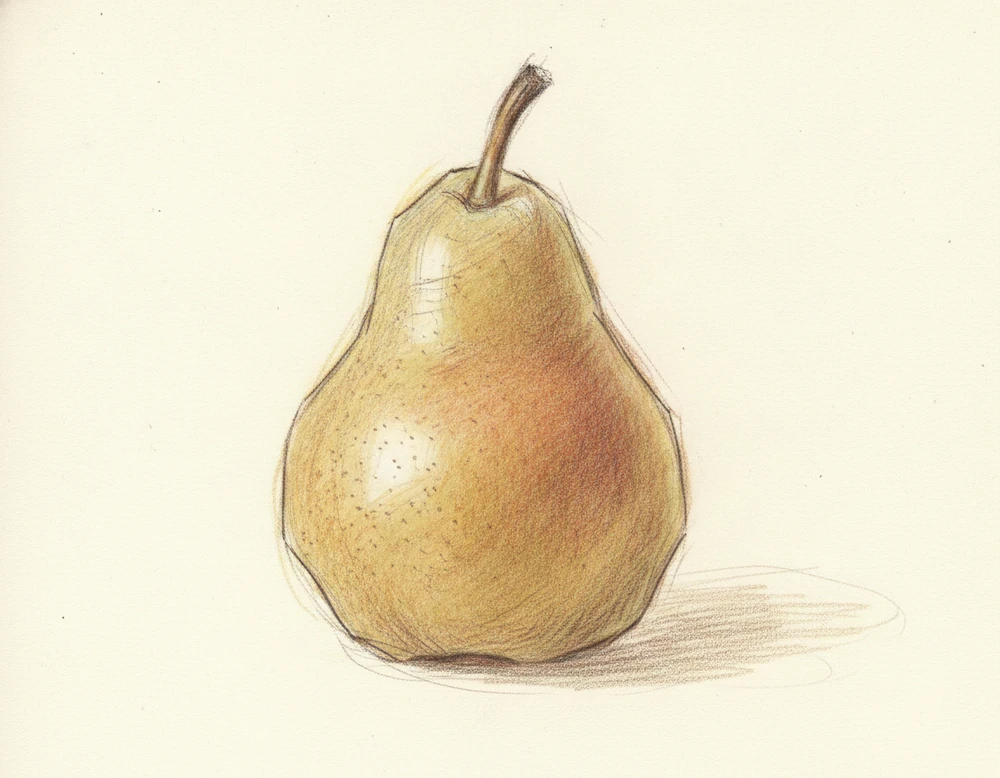
Pears from the Mantua plain in eight named cultivars: Abate Fetel, Conference, Decana del Comizio, Kaiser, Max Red Bartlett, William, Carmen and Santa Maria, each with its own size, sugar and firmness minimums.
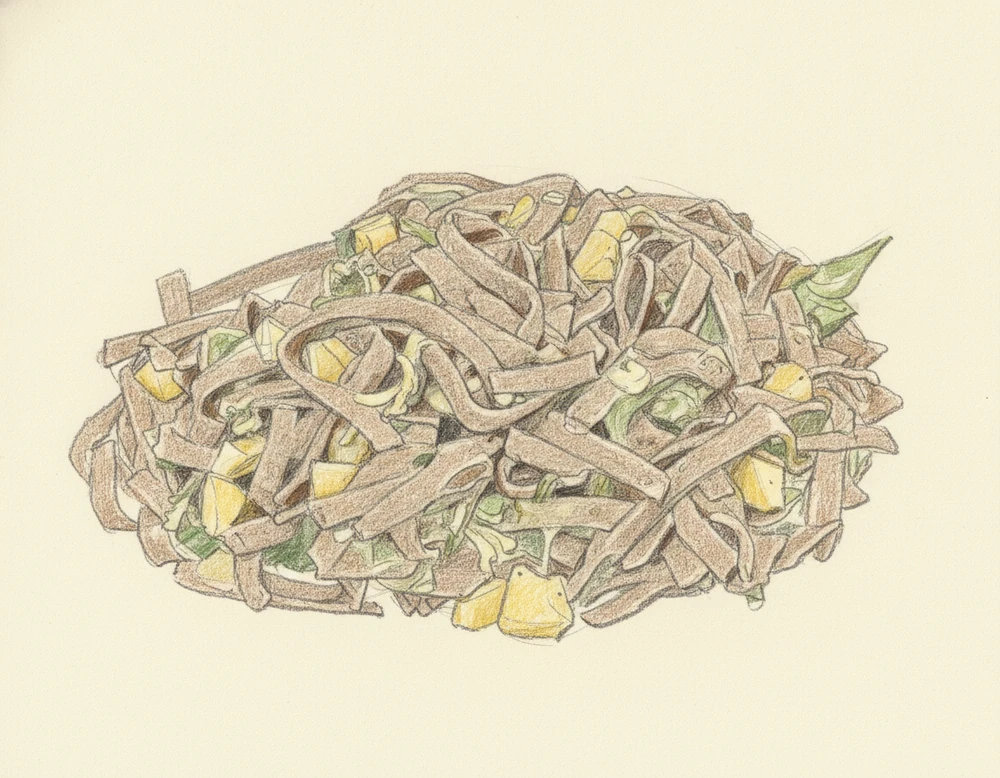
Buckwheat pasta from the Valtellina, sold both dry and fresh, cooked with cabbage or chard, potato and mountain cheese. Three shapes are recognised: flat tagliatella, rolled tagliatello, and a concave gnocchetto.
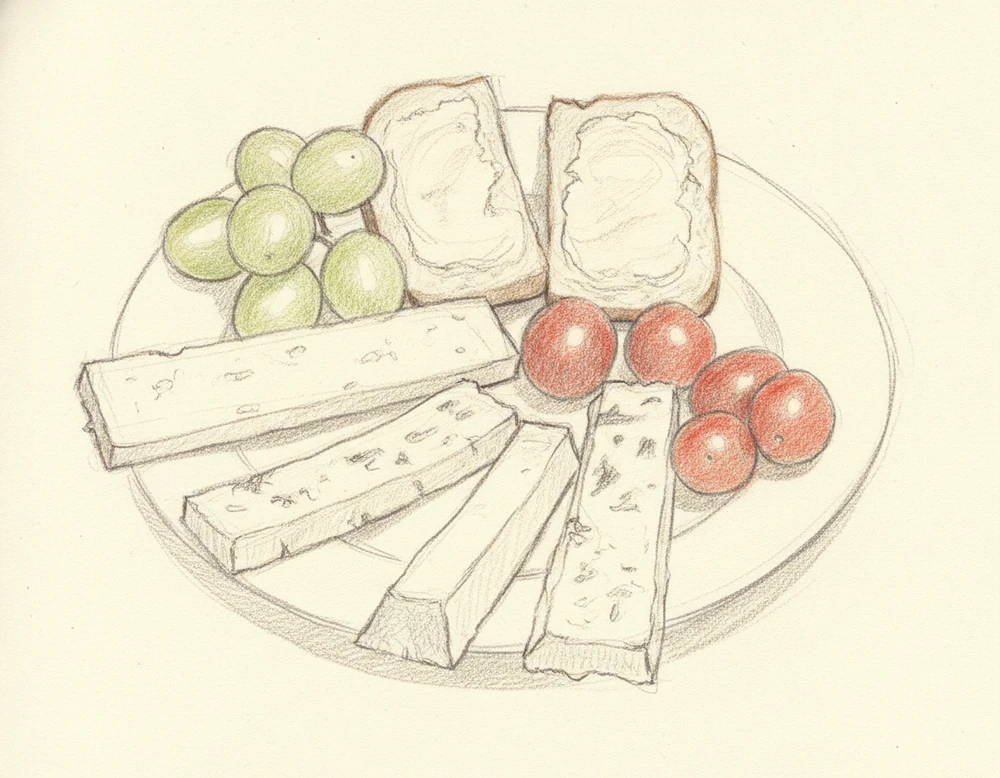
A pasta-filata cow's-milk cheese of the Po valley, made in both a mild and a piquant version and hung in ropes to age. It is one of the few Italian cheeses whose zone is written comune by comune across four regions rather than as a province or a valley.
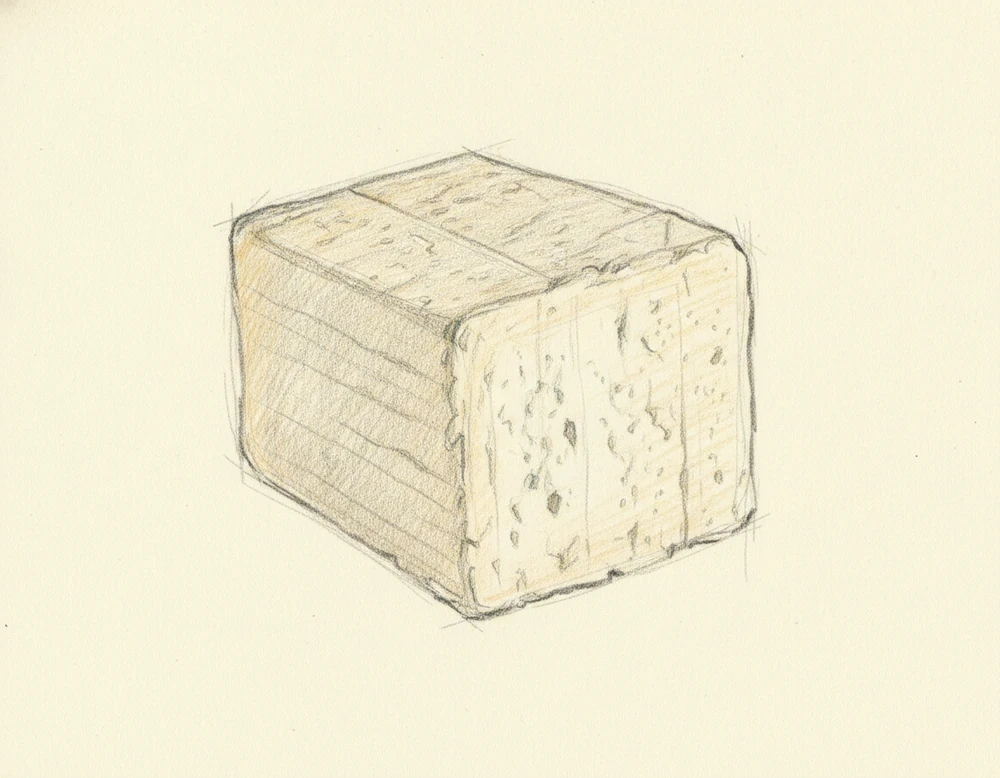
A soft cow's-milk table cheese made from at least two milkings: the first whole, the later ones optionally skimmed. The name comes from the quartirola, the fourth cut of autumn grass the cows grazed on.
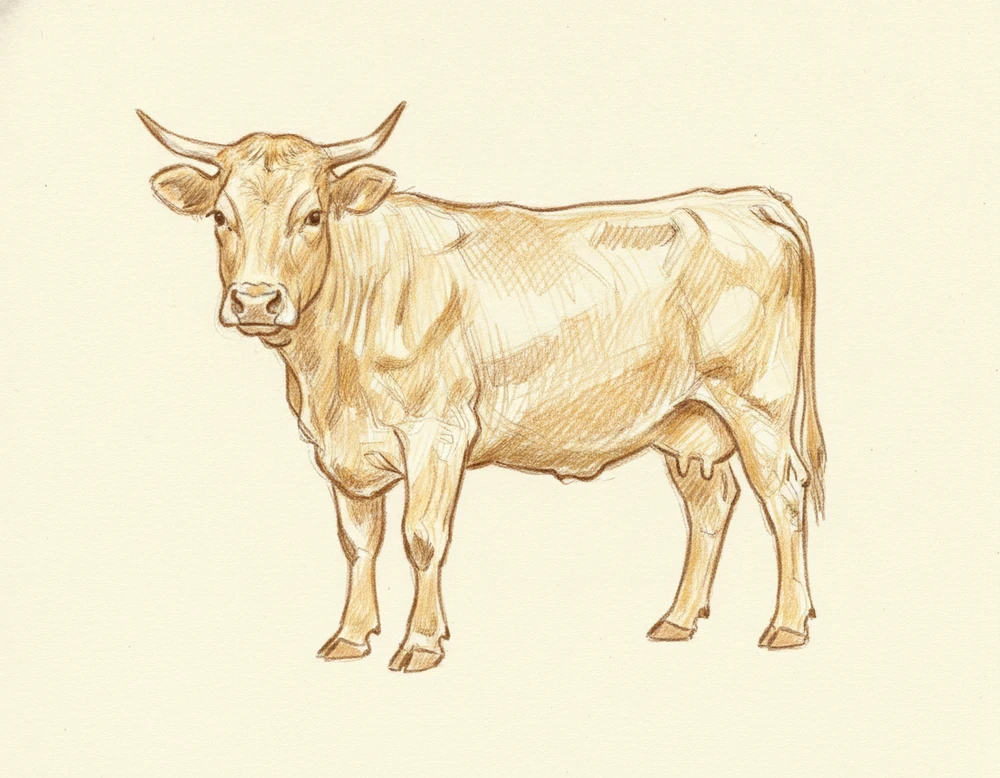
One breed under many names: Varzese, Tortonese, Ottonese, Cabellotta and Montana, and Biunda in dialect for its golden-blond coat. It was once common across the Lombard plain, around Alessandria and Pavia, and in the Apennines behind La Spezia.
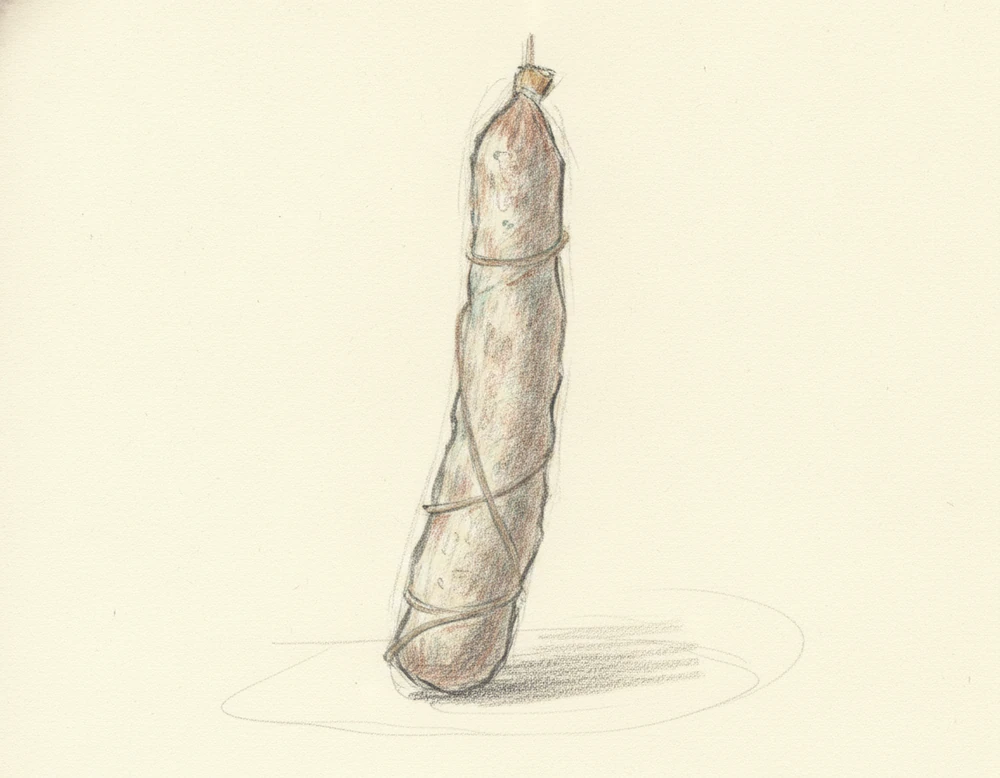
A finely ground salame from the Brianza, the hill country between Milan and Lecco, made from pork raised across three northern regions.
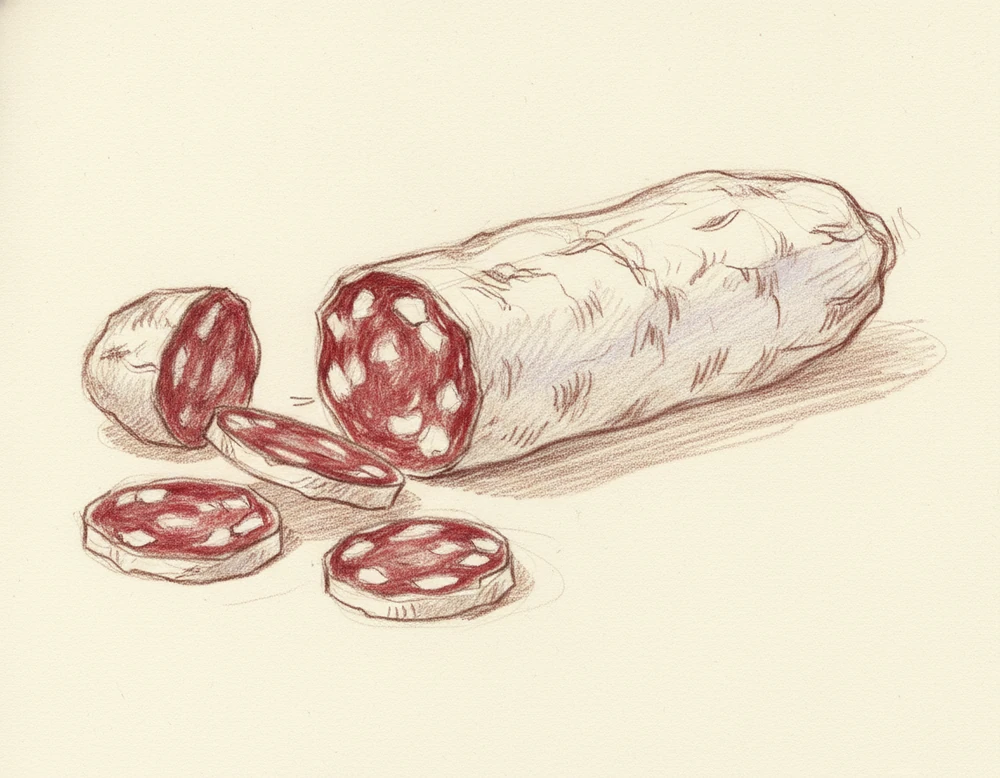
A cylindrical, somewhat irregular salame of at least 500 g finished, no less than 65 mm across and 150 mm long when made up. Compact and soft-textured, its microflora is dominated by lactobacilli and cocci, which is what the disciplinare actually specifies.
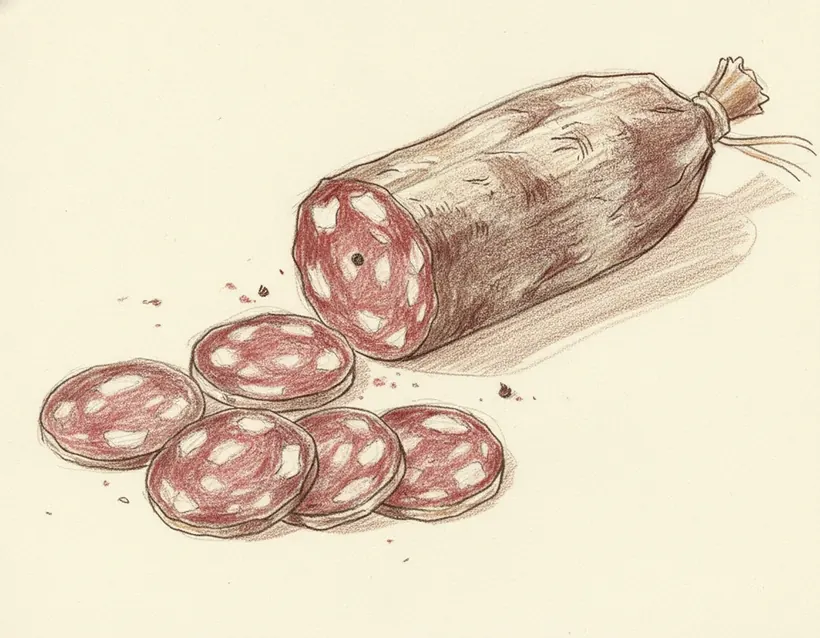
A cured pork salami of the Oltrepò hills, coarsely bound and gently spiced, matured in the Staffora valley air.
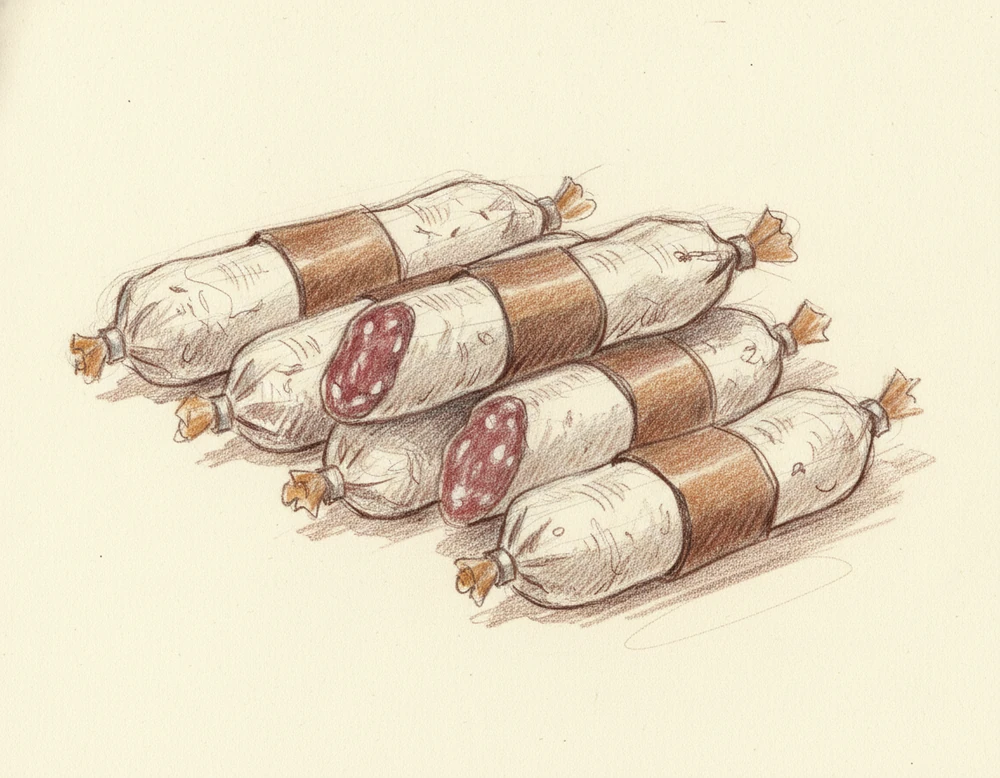
Small salami sized to be carried in a hunter's pocket, which is where the name comes from. The zone is unusually wide: pigs may be raised across eleven Italian regions, from Friuli down to Molise.
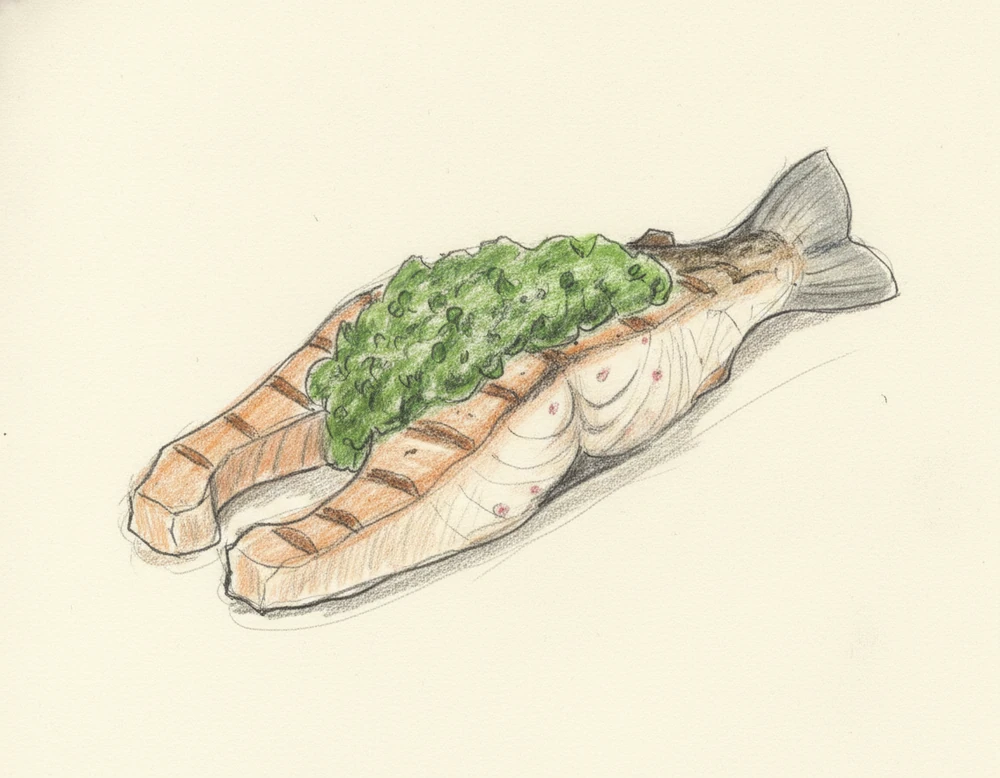
Farmed Arctic char, Salvelinus alpinus, raised in the cold spring water of the Trentino valleys. Grey-green to brown, back and flanks scattered with whitish, yellow or pink spots with no halo, dorsal and caudal fins grey.
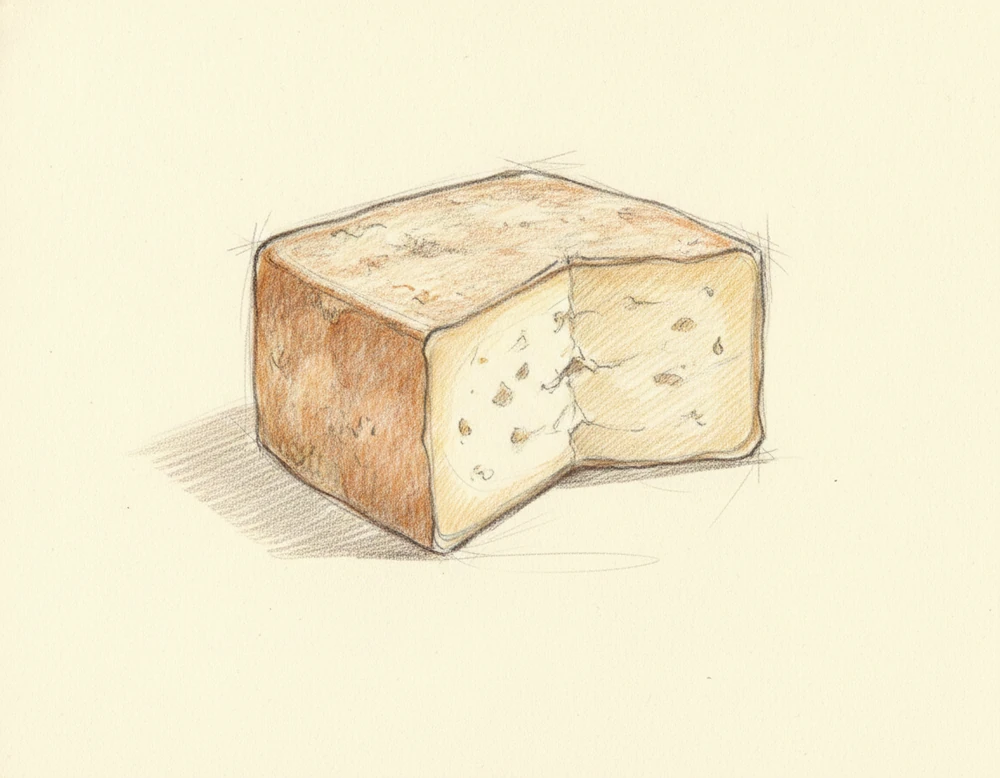
A washed-rind soft table cheese of raw curd from the Crema plain, made from whole cow's milk and aged over 75 days. Its name comes from salvare, to save: it was the way to keep a spring milk glut from going to waste.
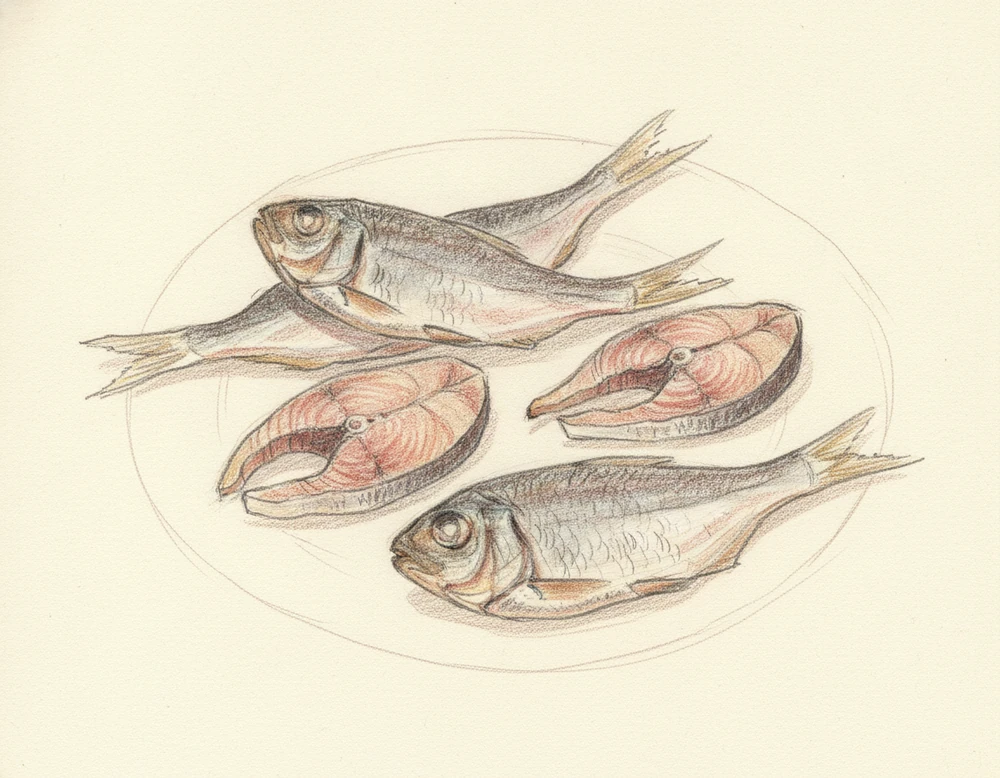
Italian calls it sardina for its shape, but Alosa agone is a freshwater fish, the twaite shad, found in many of the alpine lakes. Around Lake Iseo it is preserved in a way of its own. The fishing is hard and pays badly and is at risk of going altogether; overfishing and the absence of restocking are pulling the catch down.
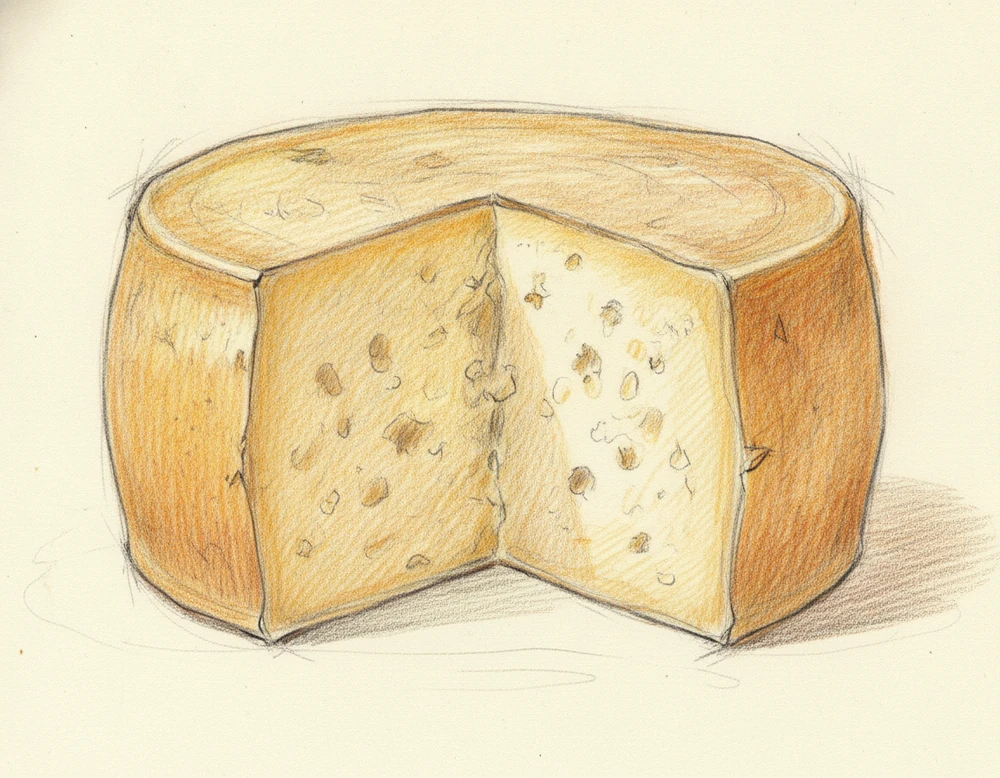
Silter is a Celtic word and it names the place the cheese was aged, a shilter, often cut into the rock and finished off in brick with a vaulted roof. Lombard cheesemaking descends from the Celts, who are reckoned the fathers of it across northern Italy, although the name itself is only documented from the 17th century. The cheese is built for ageing and is made all year, on the alpeggi in summer and at the winter stations below.
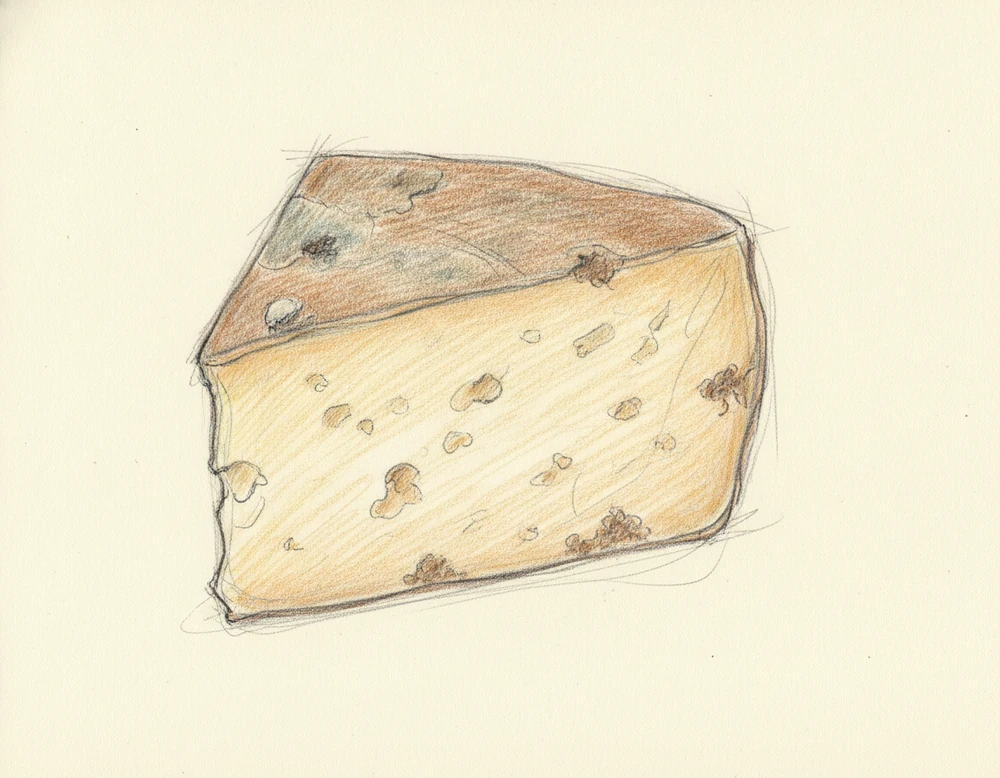
A hard, semi-fat raw-milk cheese from the Val Camonica and the Sebino, made year round and aged a minimum of 100 days. The name is the local word for the room the wheels mature in.
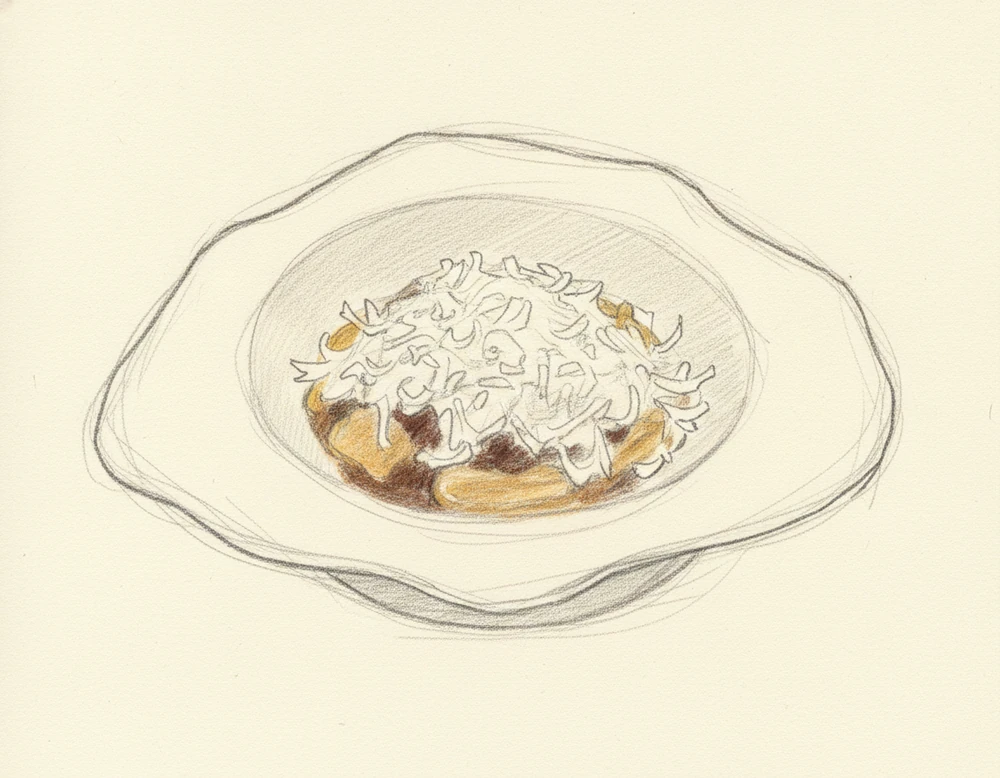
The old heart of it is the valleys of the Bitto torrent, the Gerola and the Albaredo. The dairies work between 1,400 and 2,000 metres and keep the practices that make both the cheese and, as much, the alpine grassland and its diversity. The pasture is turned: the herd moves up in stages from the lowest station to the highest, and the milk is often made on the spot in a calécc, one of the old stone shelters scattered over the slopes. Orobica goats go up too, and 10 to 20 percent goat's milk in the vat is what gives the cheese its aromatic length.
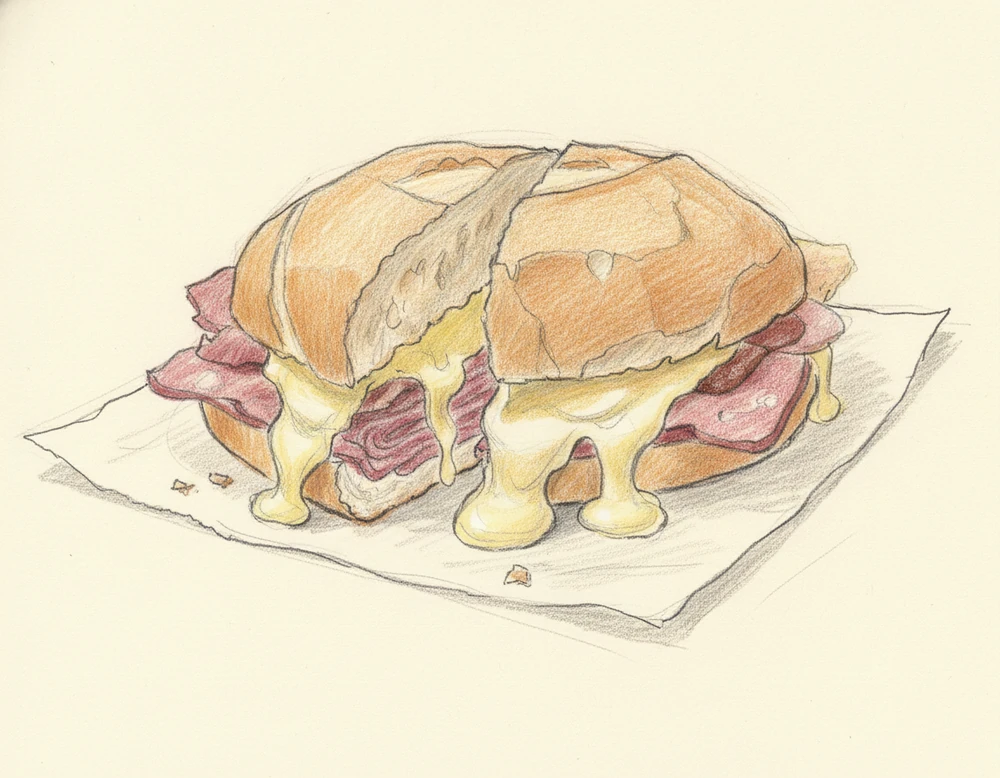
Stracchino appears to come from stracch, tired: the cheese made at the halts on the transhumance out of what little whole milk the exhausted cows would give. It had to be quick, with no heating of the milk and little time to set or drain. The Taleggio valley's version was the famous one, so much so that from the early 1900s every cheese of the type came to be called Taleggio. Taleggio now being an industrial cheese, the old word stracchino is what is left to name the artisanal mountain original.
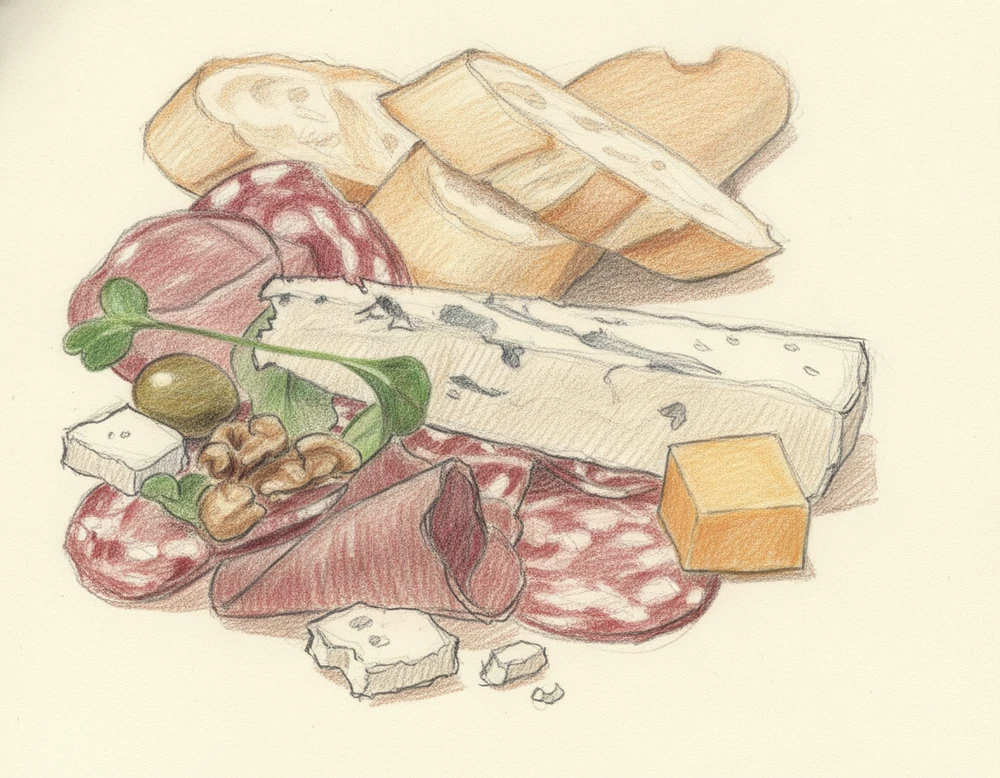
A two-curd raw-milk cow cheese from the Val Taleggio, aged at least 75 days and often veined with blue. It is the ancestor of Gorgonzola's technique, made by layering two curds of different ages so cavities form for the mould to colonise.
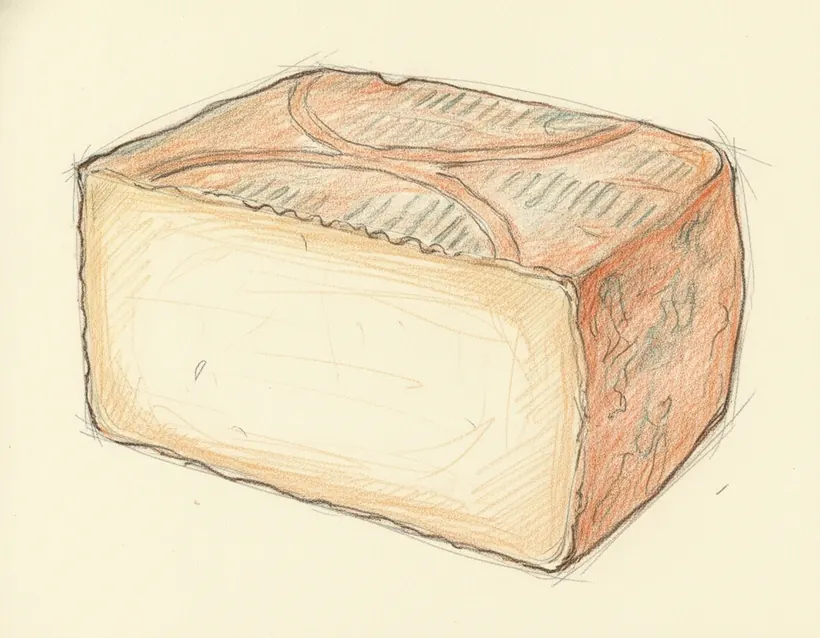
A square, soft washed-rind cow's-milk cheese with a thin pinkish crust and a buttery, tangy paste.
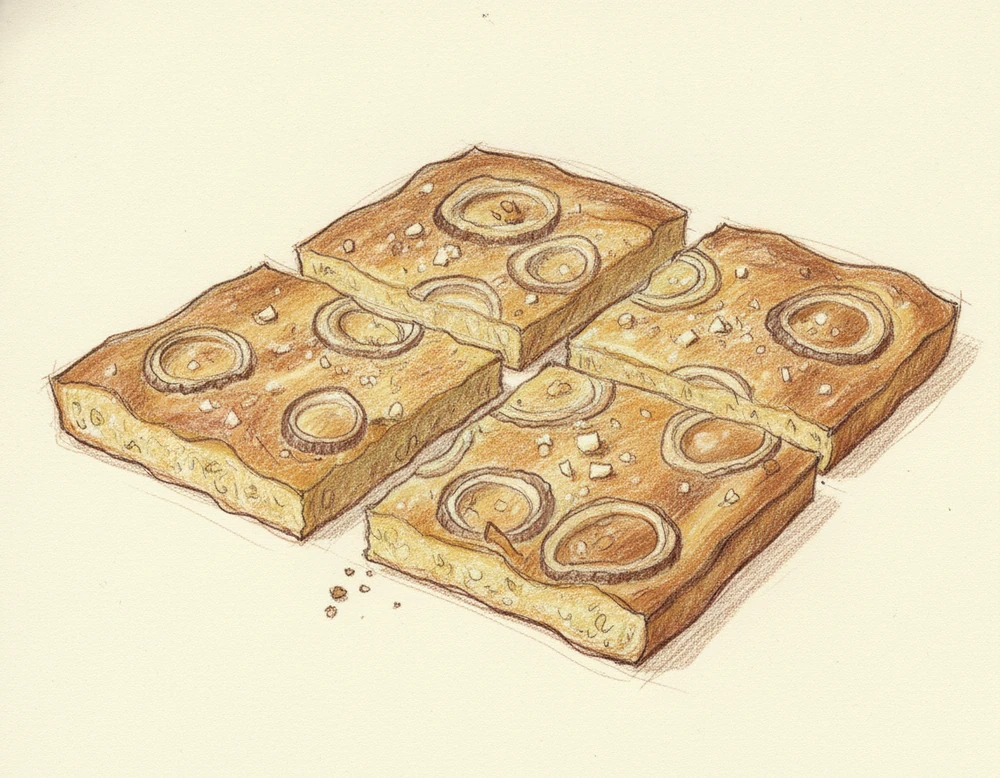
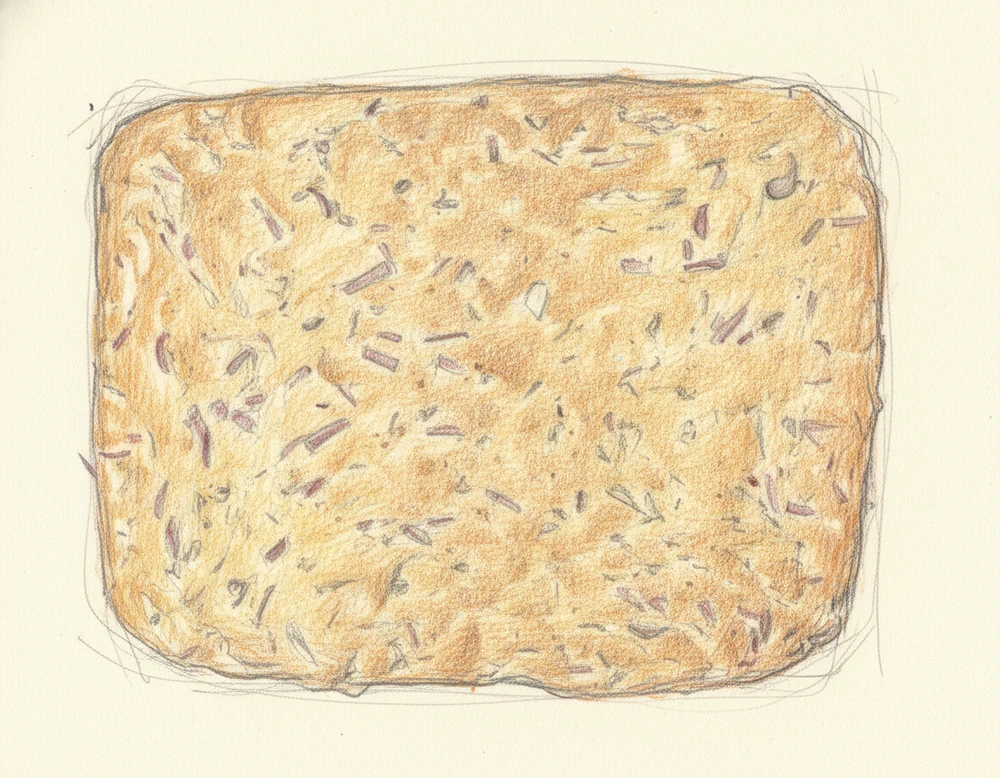
Felonica sits in the far southeast of the Mantovano where Emilia-Romagna, Lombardy and Veneto meet, and tiròt is its focaccia. The name is the tiratura, the pulling: the soft dough of 0 flour, onion, lard, olive oil, yeast, salt and water is stretched into the trays by hand. Every family made it for feast days, each woman to her own recipe, mixing at home and carrying the dough to the town ovens. It is thin, a few millimetres, deep golden, cut in rectangles, sweet and very savoury at once, and it wants eating straight out of the oven.
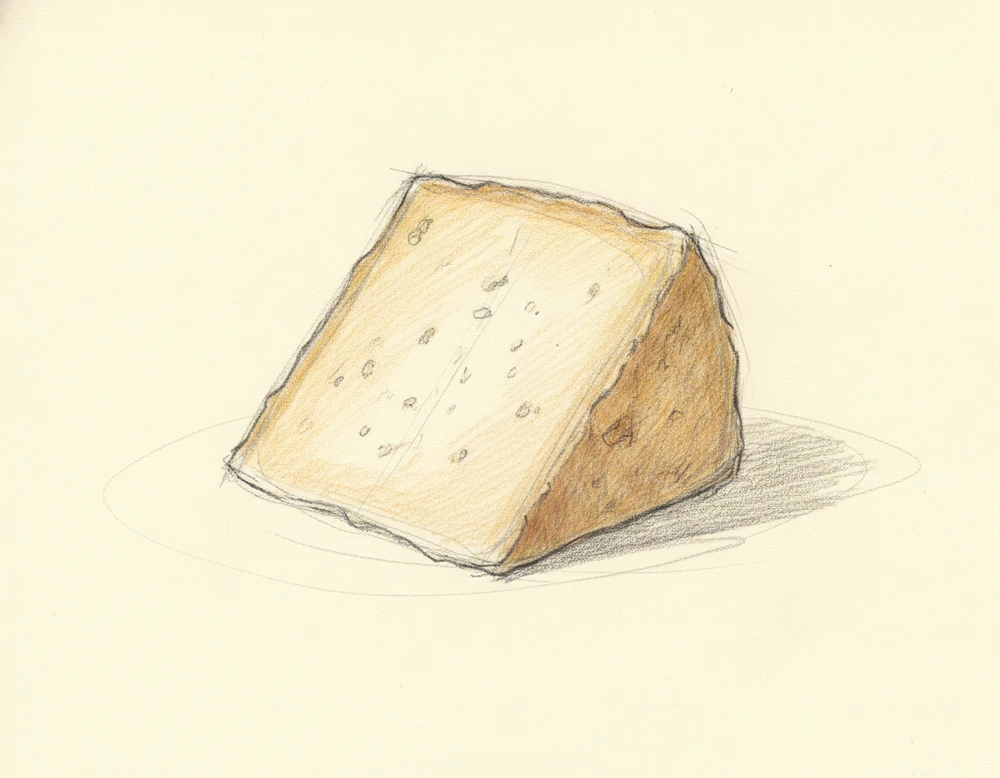
The Valvestino is a small valley between Lake Idro and Lake Garda, on the Trentino border, under Monte Tombea at 1,950 metres, which gives the cheese its name. It is made from raw milk on the Denai and Piani di Rest meadows at the foot of the mountain, where the hay barns stand with thatch sloping right down to the ground, probably a Lombard form. The valley was reachable only by a hard road, shut by snow for weeks at a time, and stayed under Austria-Hungary until the end of the First World War, though its small trade in butter, cheese, wood and charcoal always ran down to the Garda towns.
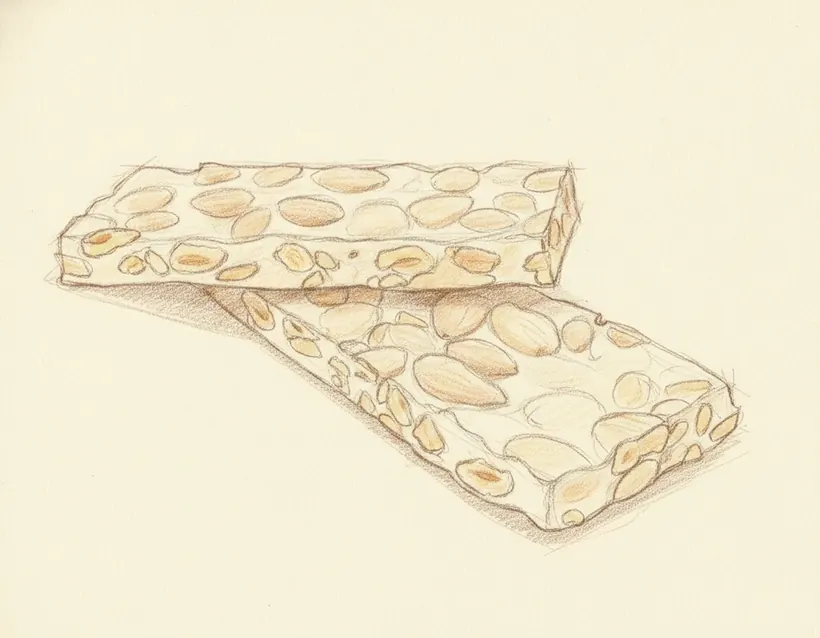
The hard or soft honey-and-egg-white nougat packed with almonds, made in Cremona since a Renaissance wedding feast.
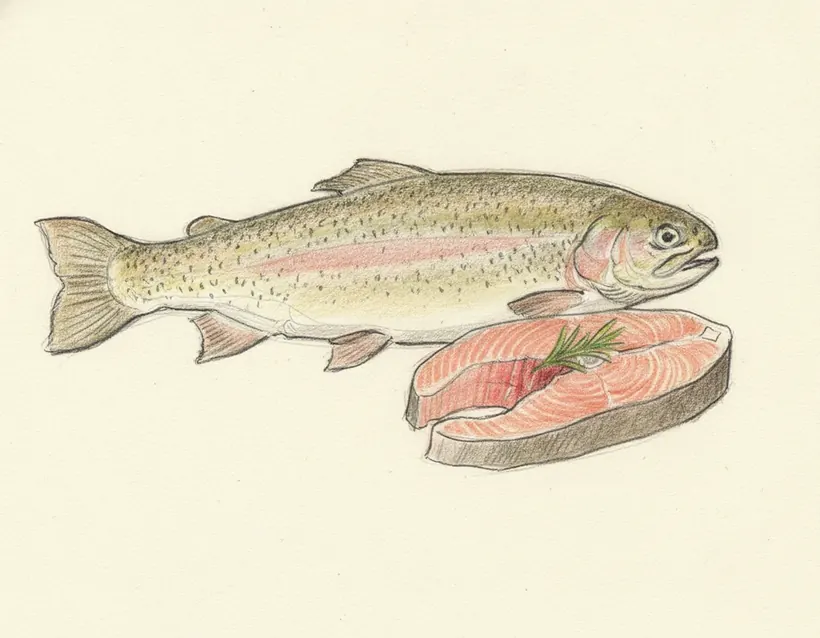
Trout raised in the cold, clear mountain streams and lakes of Trentino, firm-fleshed and delicate.
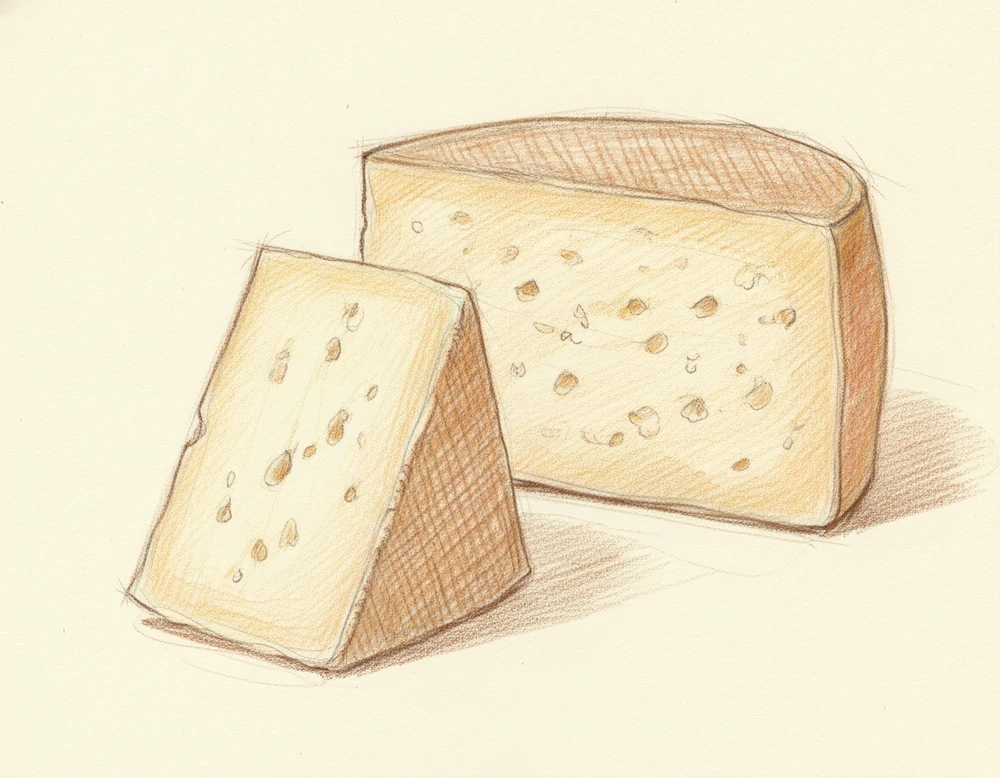
The semi-fat valley cheese of the Valtellina, made from traditional-breed cow's milk and matured in the casere, the ageing rooms it is named for. It is the cheese that melts into pizzoccheri and sciatt.
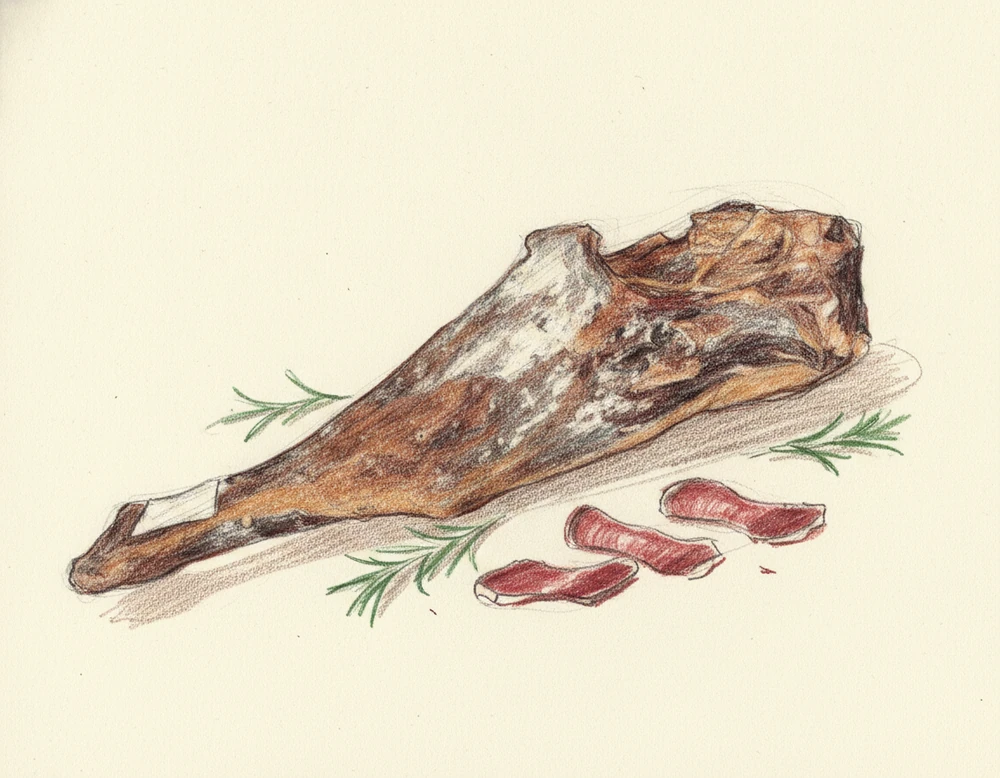
A cured goat leg or shoulder shaped, as the name says, like a violin: the muscle tapers to the hoof the way the instrument tapers to its neck, and it is held and sliced accordingly. It belongs to the whole Valchiavenna, once a road for travellers out of Germany, Austria and Switzerland. Salting and ageing meat here goes back beyond record, but very few artisans still make this in the old way.
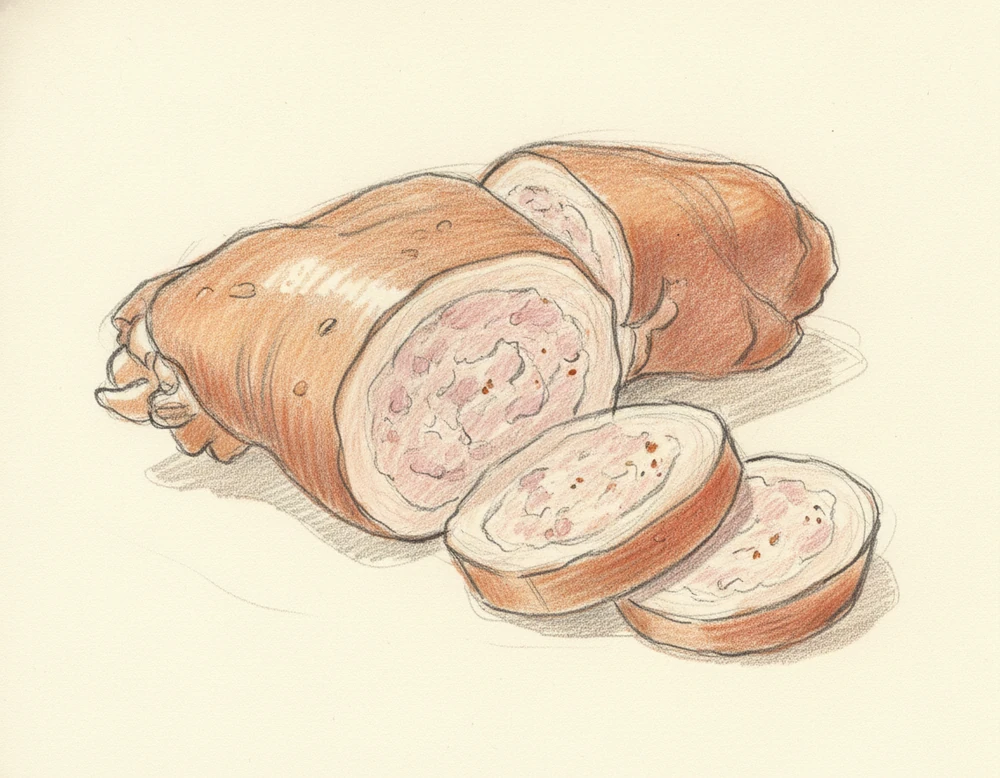
The Modena Christmas dish: a boned front trotter stuffed with a seasoned mix of pork meat, rind and fat, then either sold fresh for long boiling or pre-cooked and sterilised in its pack. Cotechino Modena is the same filling in a plain casing rather than the trotter.