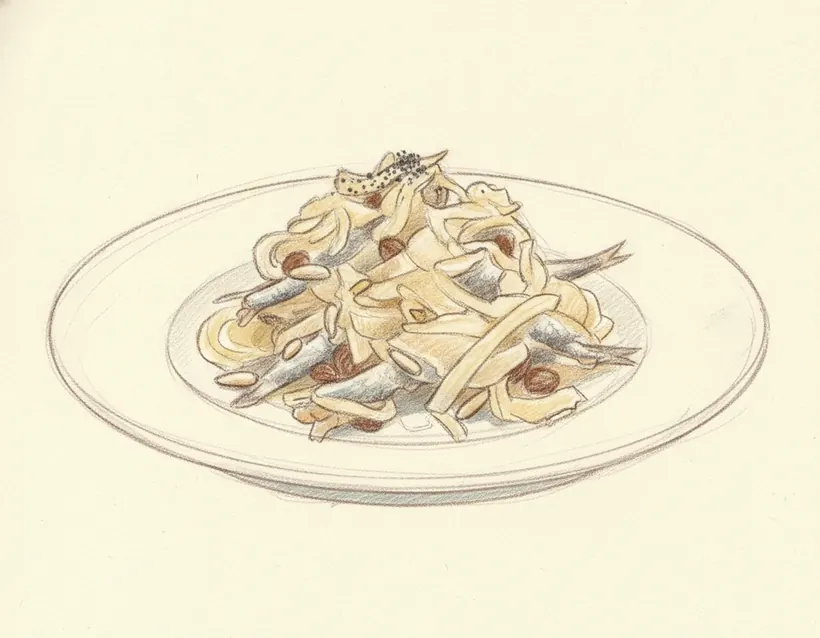
Sarde in SaorSweet-and-sour sardines
Fried sardines marinated with slow-cooked onions, vinegar, pine nuts and raisins, a Venetian sailors' preserve now eaten as a cicchetto.
The Veneto table runs from the Venetian lagoon to the Verona hills: cicchetti and salt cod in the city, risotto in a hundred guises across the plain, and the great Valpolicella reds and Soave whites of the west. It is a cuisine of sweet-sour contrasts, polenta and radicchio, built for both crisp Garganega and brooding Amarone.
Fried sardines marinated with slow-cooked onions, vinegar, pine nuts and raisins, a Venetian sailors' preserve now eaten as a cicchetto.
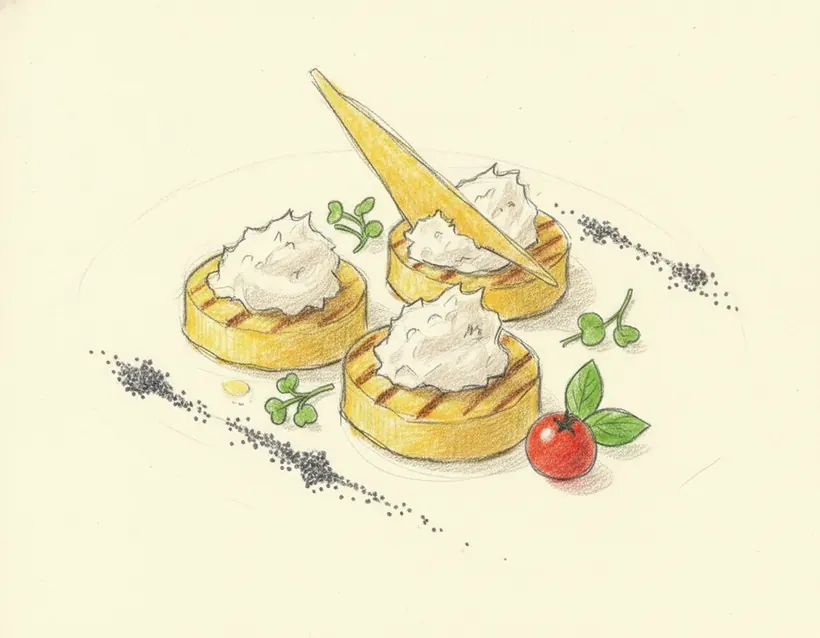
Poached stockfish beaten with oil into a soft, pale cream, spread on grilled polenta, a signature Venetian cicchetto.
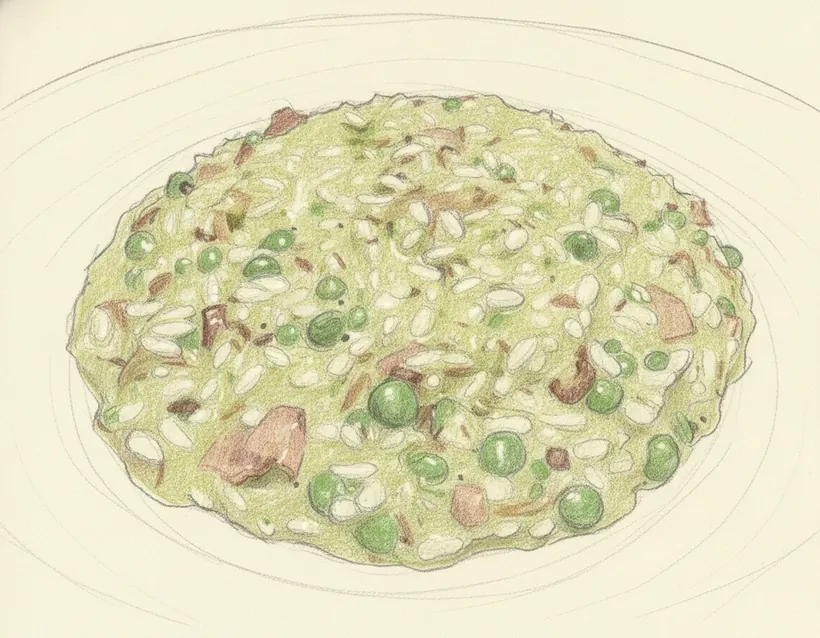
A loose, soupy risotto of new-season peas and rice, historically served to the Doge on St Mark's day.
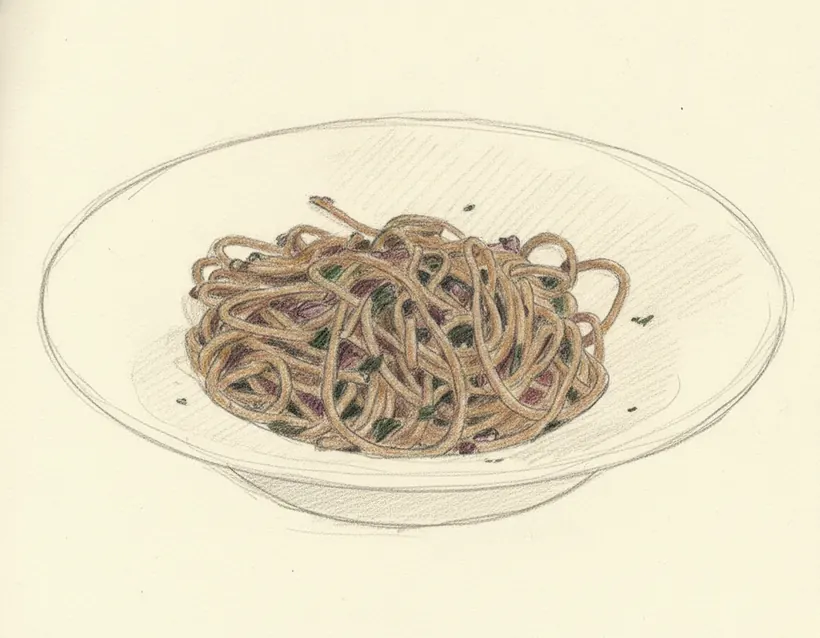
Rough, thick whole-wheat pasta dressed with a long-cooked sauce of onions and salted anchovies (or sardines), a Venetian lean-day dish.
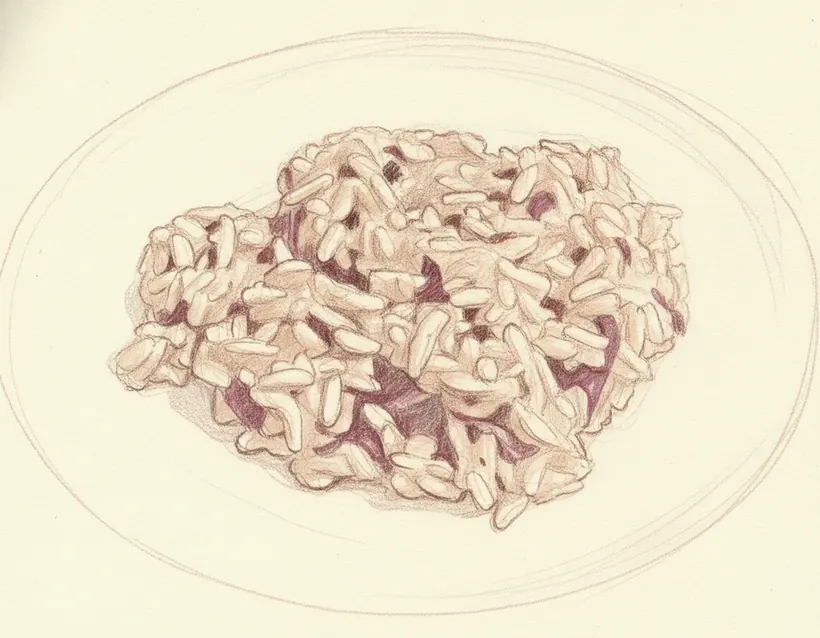
A creamy risotto coloured and flavoured by the bitter, spear-leaved late radicchio of Treviso, finished with butter and cheese.
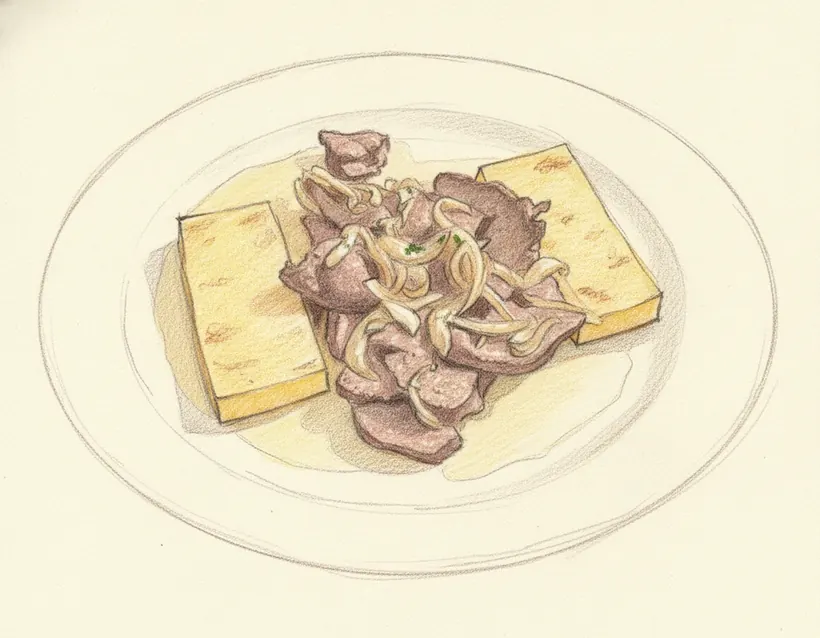
Thin slices of calf's liver cooked quickly with a mass of sweet, slow-softened onions, served with grilled polenta.
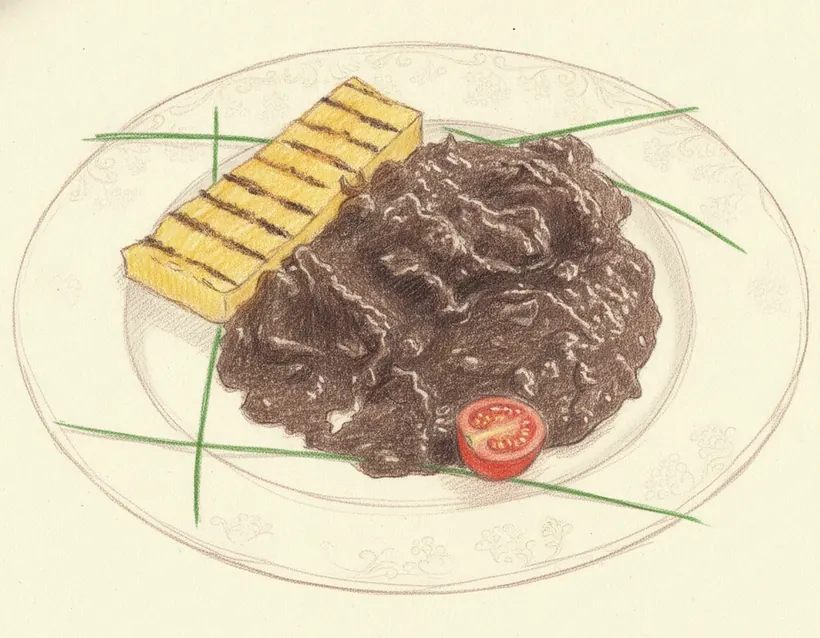
Horse (or beef) marinated in red wine and slow-braised for hours into a dark Verona stew, traditionally served over polenta or gnocchi.
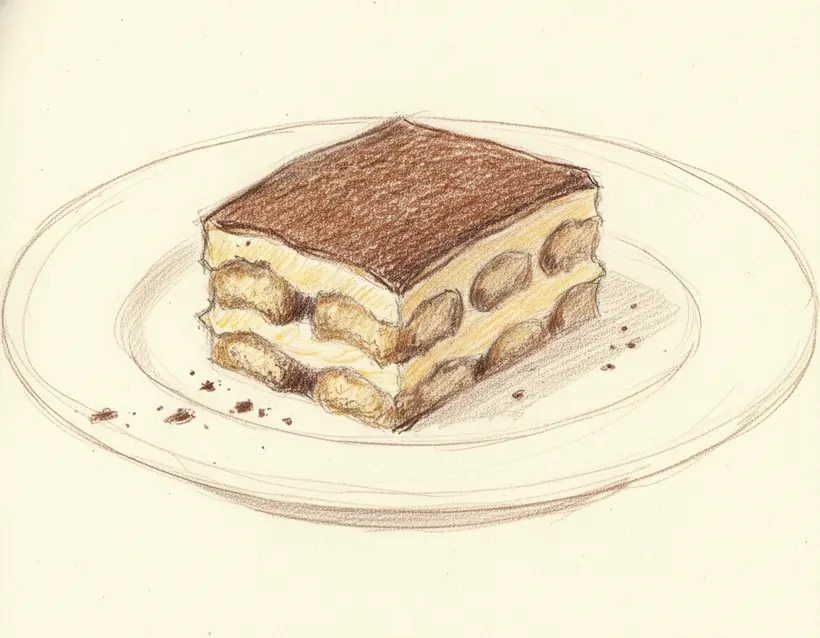
Savoiardi soaked in coffee layered with a whipped mascarpone-and-egg cream, dusted with cocoa, a dessert claimed by Treviso.
DOP, IGP, STG, Slow Food Presidia and traditional specialities of Veneto.
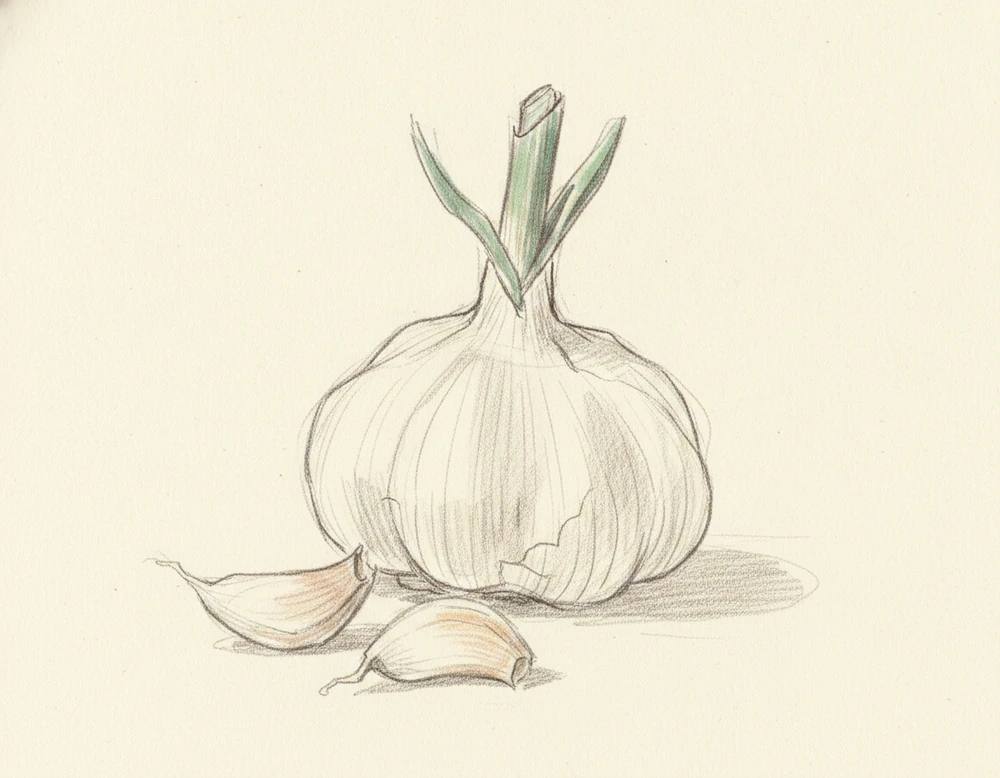
Garlic from the Polesine, the low ground between the Adige and the Po, with a bulb of uniform brilliant white and no coloured striping at all. It is round and compact, slightly flattened where the roots go in, and its narrow lance-shaped leaves are green-blue.
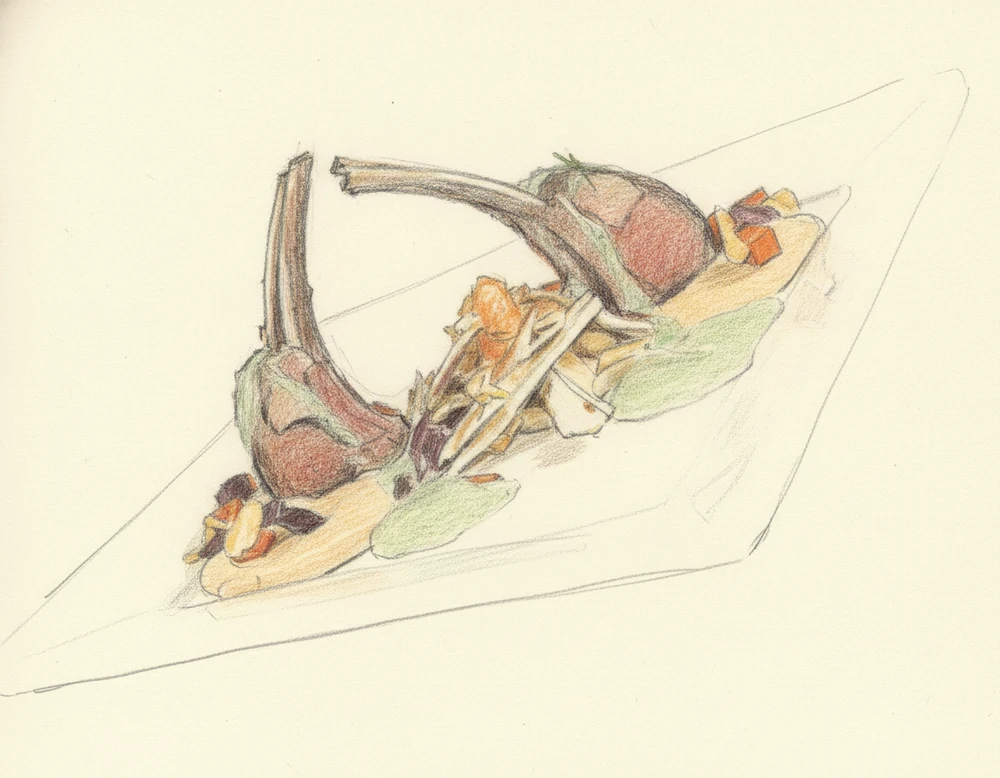
The Alpago gives its name to a medium-small, thick-fleeced sheep whose hornless head and lower legs carry odd dark blotches. As with most native breeds the numbers collapsed over the last century; about 3,000 are farmed today, slightly up on the early 1990s, when the European Community listed it among local breeds at risk. It can give meat, milk and wool, but is now kept wild or half-wild almost entirely for the meat, which is very good.
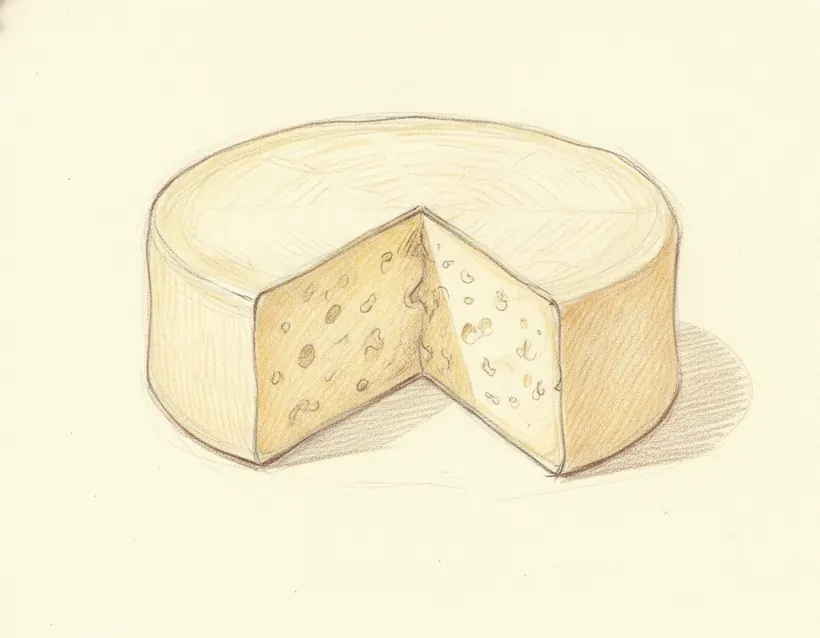
A cow's-milk cheese of the Asiago plateau, made young and springy (pressato) or aged hard and piquant (d'allevo).
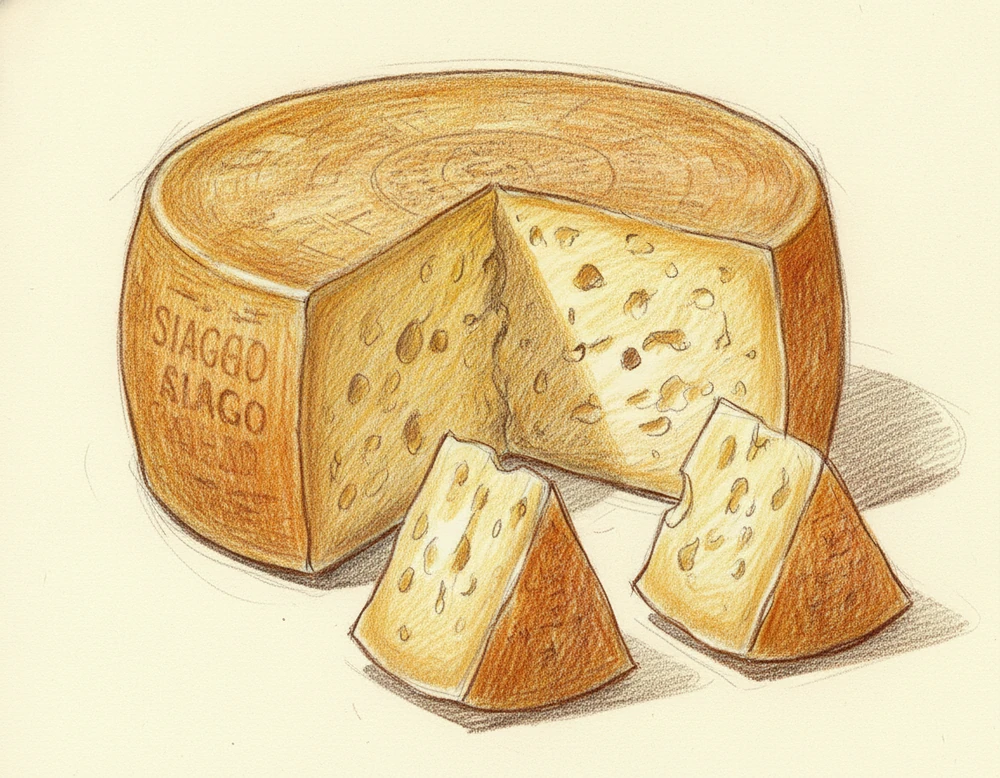
Habit still runs the plateau: driving across it you pull over for the cattle, Bruna or Grigia Alpina or Rendena, going up to the pastures or coming down. More than 70 mountain dairies are still working in the Sette Comuni, but only a few make the aged Asiago, and among them about a thousand wheels a year. It smells of cut grass, then ripe fruit, then musk, and the flavour is uncommonly layered.
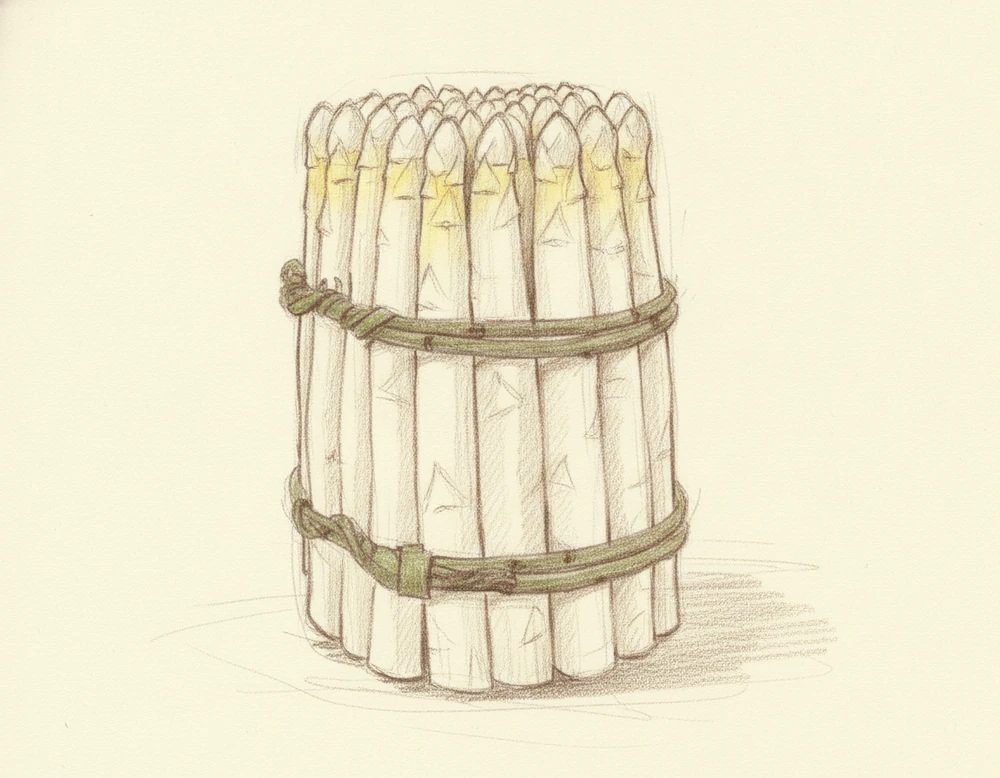
White asparagus spears grown from the local Comune, or Chiaro, di Bassano ecotype. Spears must be white, straight, whole and tightly closed at the tip, never hollow, split, peeled or broken.
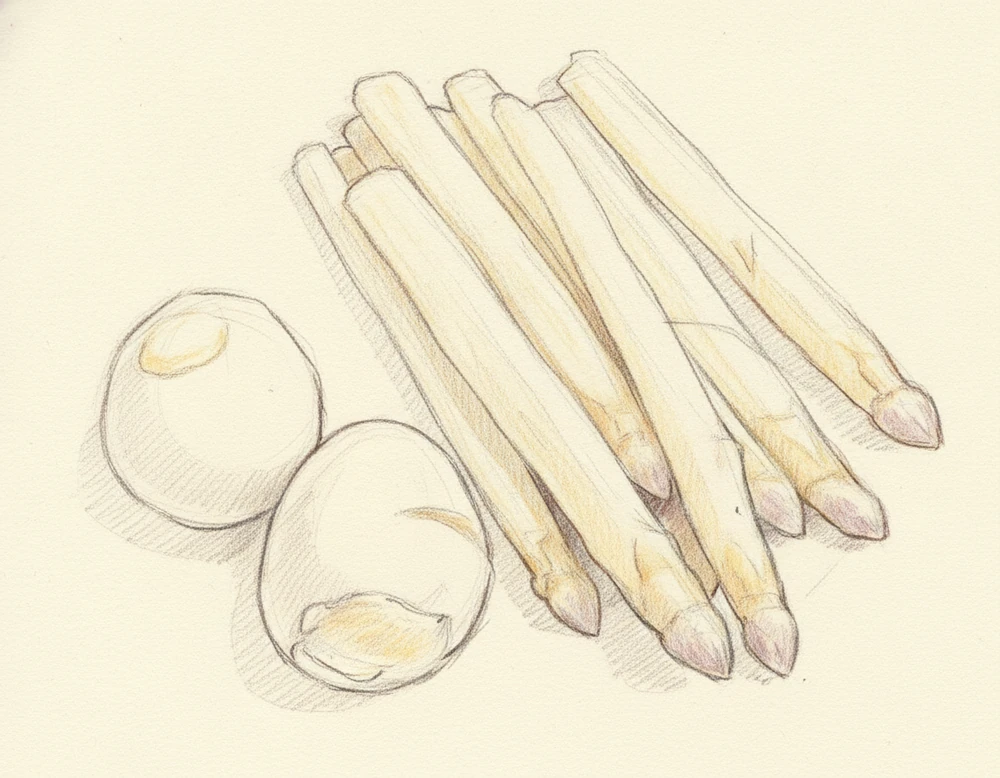
White asparagus from the Piave gravels around Cimadolmo, grown from a named cultivar list headed by Precoce d'Argenteuil, with Larac, Dariana, Cumulus, Darbella, Vittorio, Voltaire and Zeno; other cultivars may make up at most a fifth of a planting.
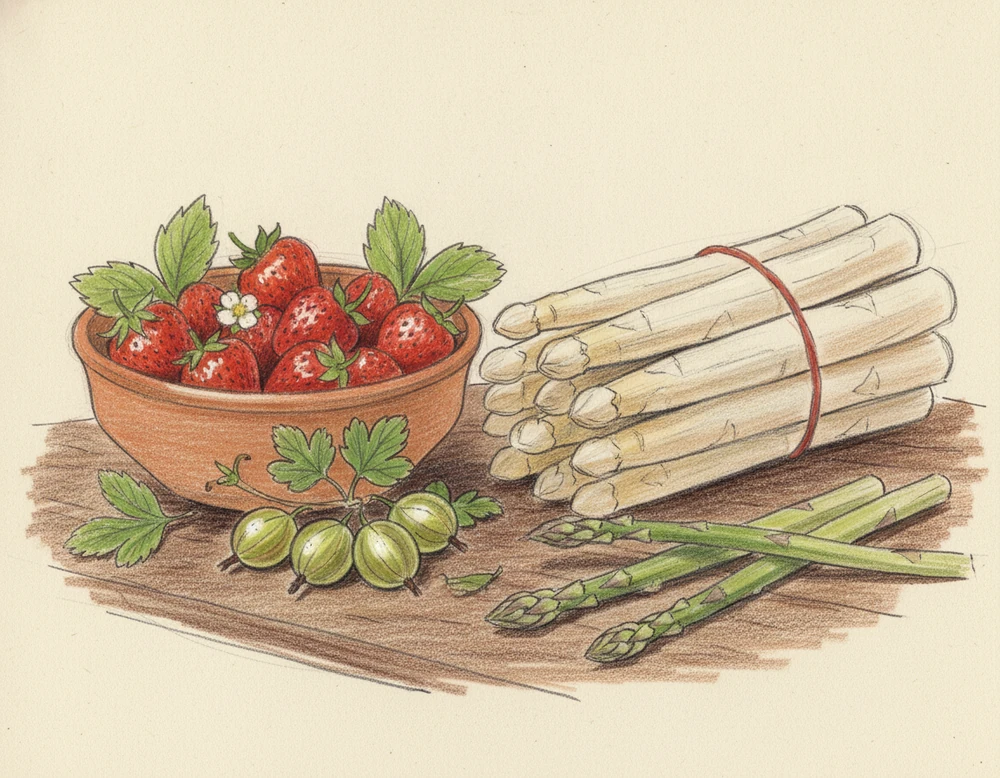
Made in both a white and a green type, each with its own list of permitted Asparagus officinalis varieties. The white draws on Thielim, Zeno, Grolim, Cumulus, Darzilla, Hercolim, Marco, Vittorio, Giove, Avalim and Dariana; the green on Eros, Thielim, Grolim, Cumulus, Magnus, Giove, Vittorio, Avalim and Dariana.
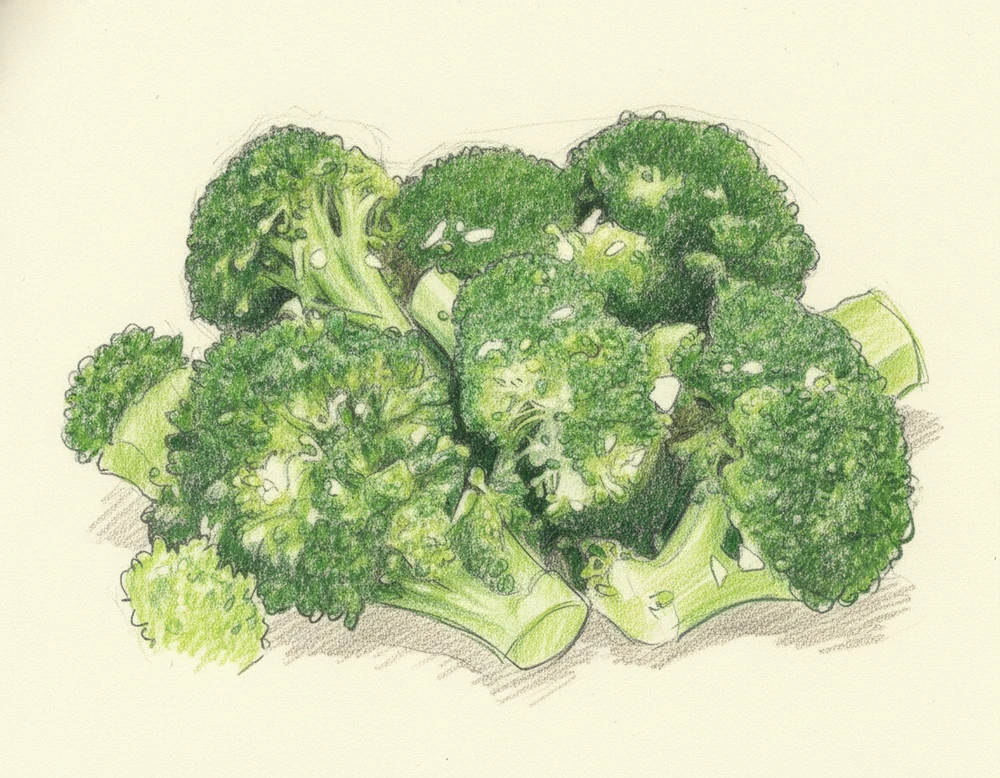
A medium-small plant with long, open, thin leaves on tender ribs and small budding side shoots. It never makes the head a broccoli usually makes, only a small heart of leaves at the centre, which together with the soil and the way it is grown sets it well apart from the Torbole or Creazzo types. It used to be put on the driest, stoniest ground, often as a second crop among the vines that now dominate the country.
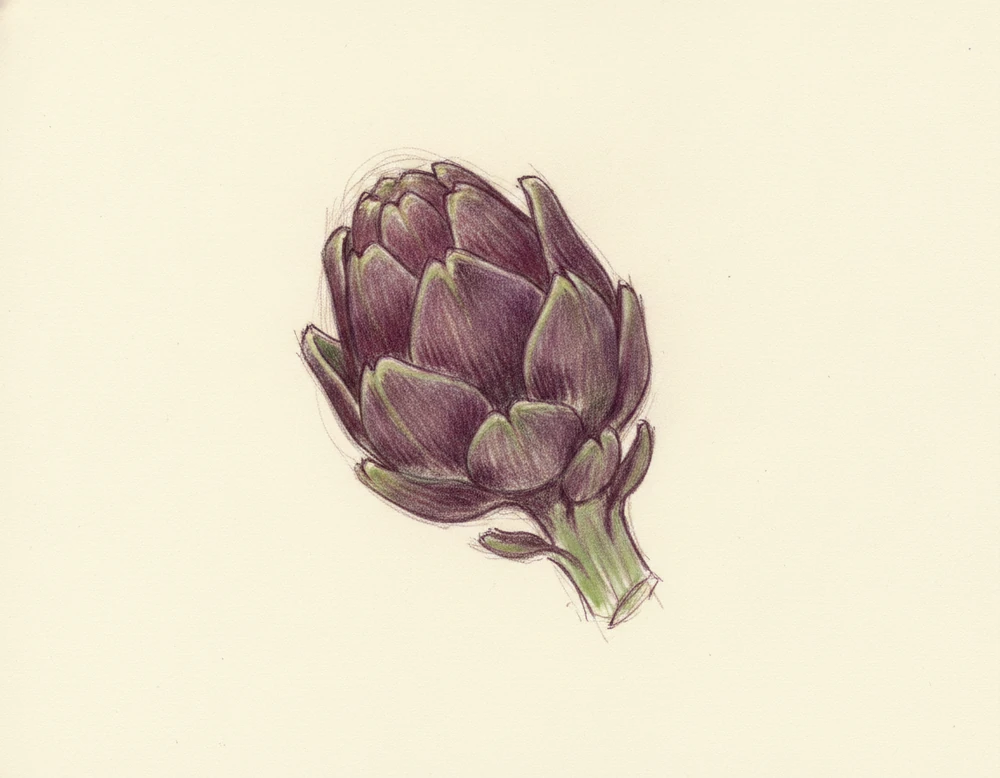
The clay of Sant'Erasmo is salty and drains well, and what grows on it tastes of something: this artichoke among the rest, dark purple, tender, spiny and long in shape. Venetian calls them articiochi, and it was the Jewish community that brought them into the city's cooking; they are generally eaten raw. The first apical buds, the castraure, are the delicacy.
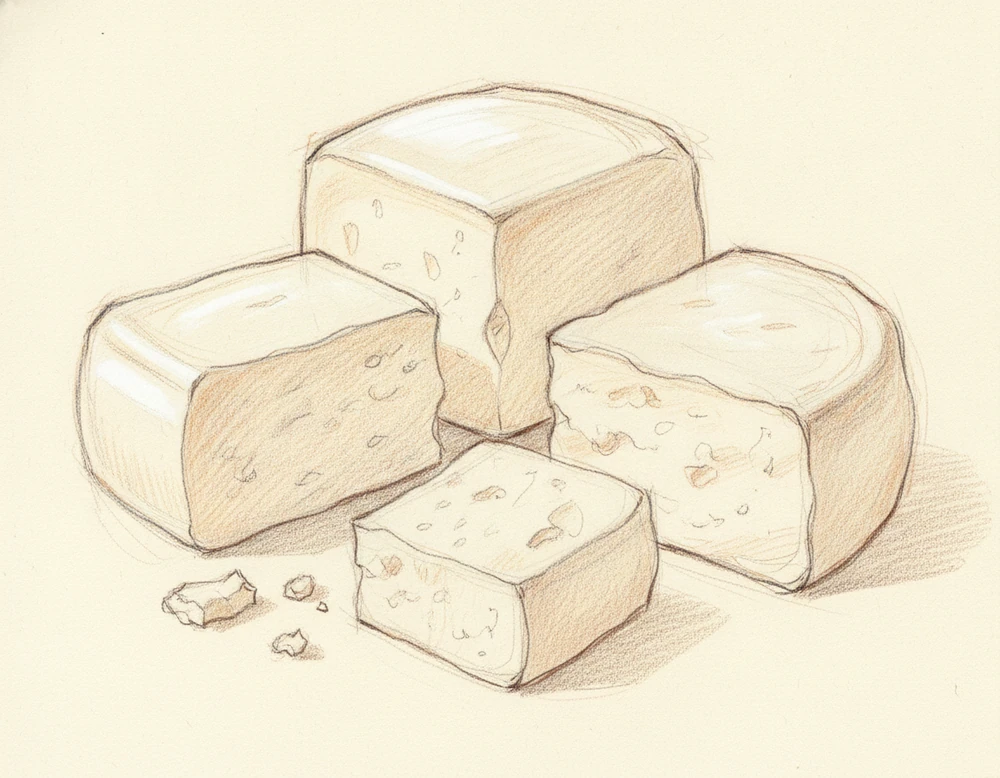
A young, soft cow's-milk cheese from the Treviso countryside, milk-white to cream, glossy and melting in the mouth, with little or no rind. The disciplinare is explicit that it is not a spreadable or high-cream cheese, despite the texture.
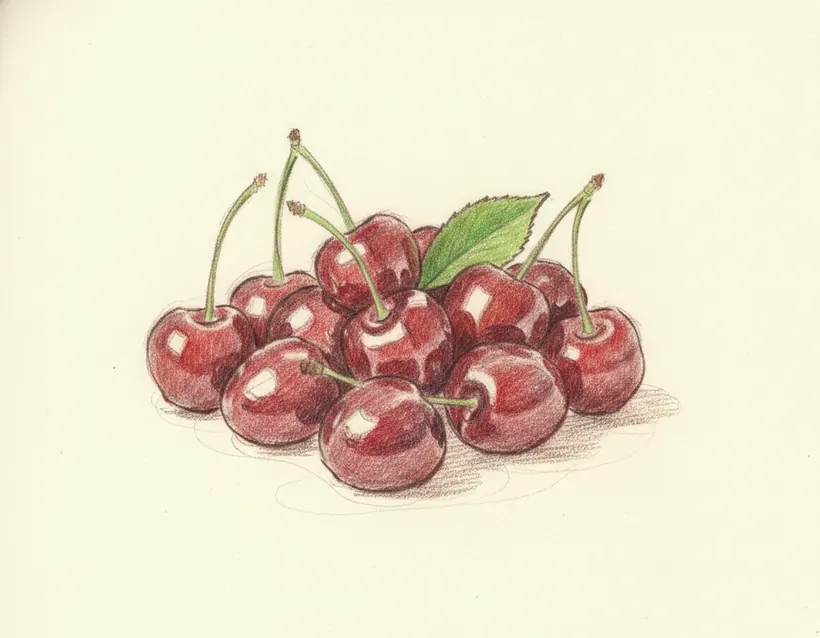
Bright, firm, sweet cherries from the walled town of Marostica at the foot of the Asiago plateau.
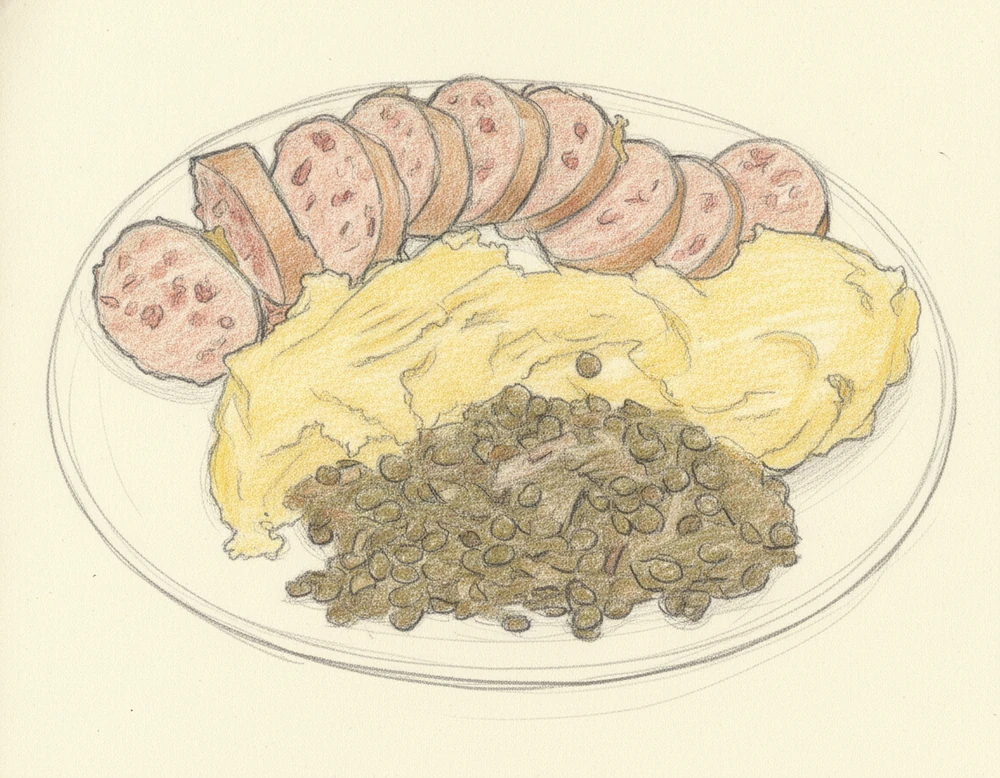
A large fresh sausage of pork meat, rind and fat, seasoned and cased, traditionally simmered for hours and served with lentils at New Year. It shares its filling, its zone and its history with Zampone Modena, which packs the same mixture into a boned trotter.
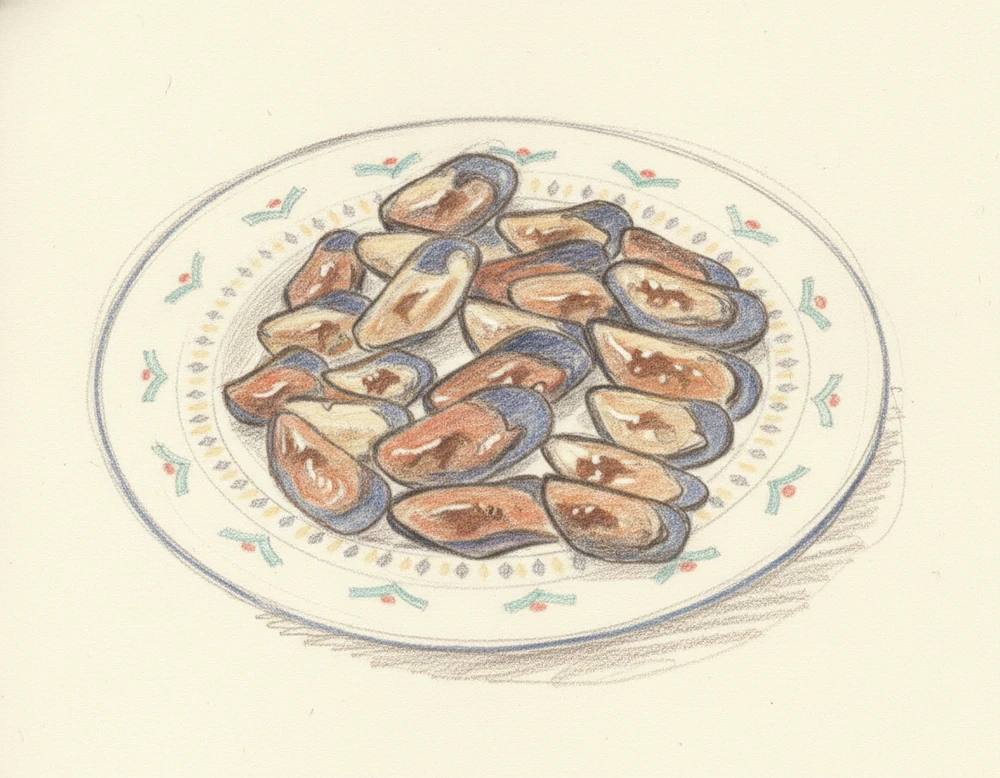
A mussel farmed in the Sacca di Scardovari lagoon in the Po delta. The shell is elongated and black-violet, the valves domed and near-triangular with fine concentric striations, iridescent violet inside, the colour shifting with the season and the animal's sex.
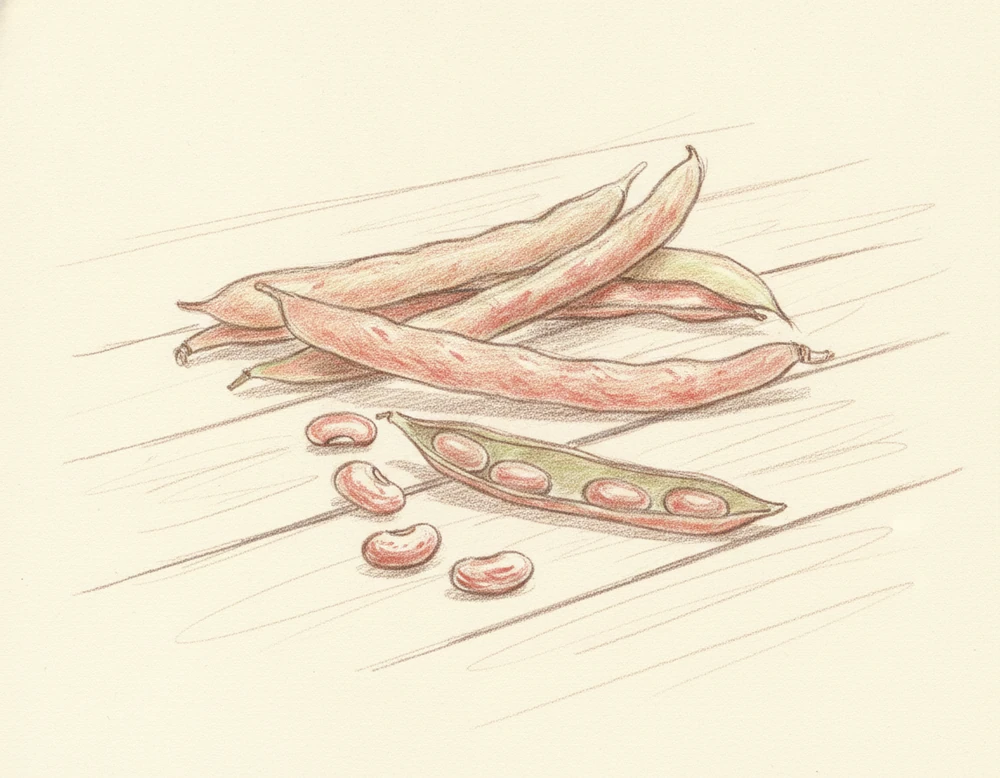
A borlotti-type bean grown high in the Belluno valleys around Lamon, on ground and in a climate the disciplinare treats as part of the product's identity rather than incidental to it.
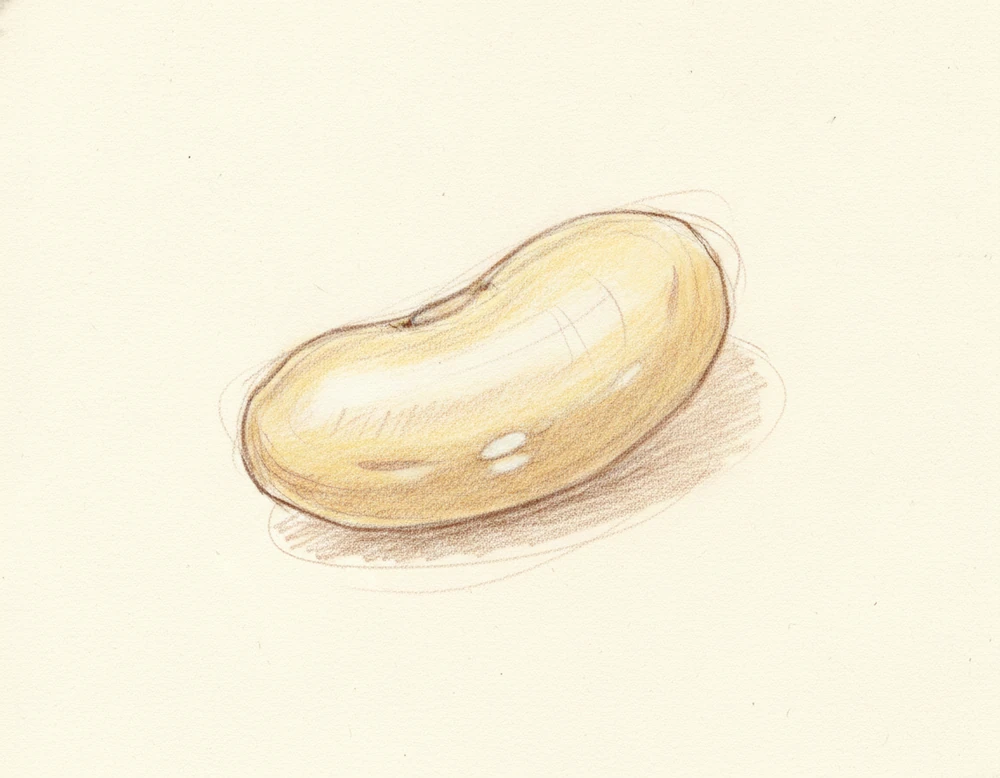
Also Fasol Biso or Solferino. Beans went out from this valley to the rest of Italy from the 1530s on, and the Gialèt is one of many grown here, documented from the early 20th century. It was always a bean of value, raised to sell to the landowner or the gentry rather than eaten by the households that grew it, which is why no peasant dish calls for it. The flavour is very delicate, so it is best plainly boiled or in a barley soup.
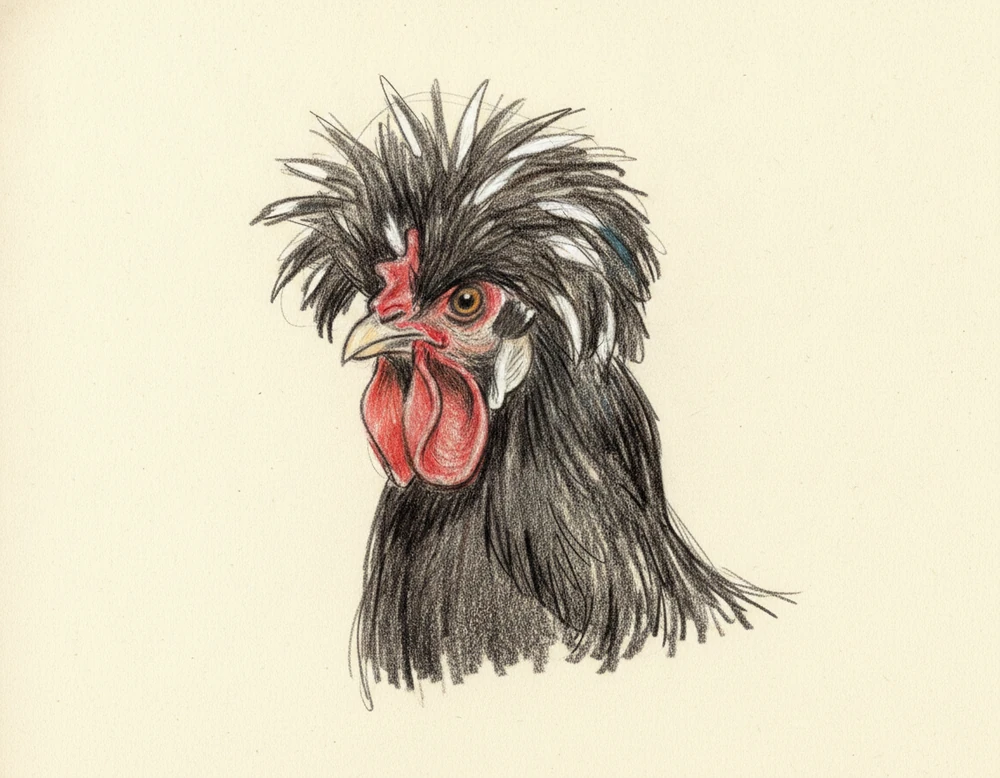
Unmistakable: a long beard, fleshy red nostrils either side of the beak, side whiskers, and a crest of long pointed feathers off the top of the head falling over the eyes. It cannot see much past them, which accounts for its tentative walk. The plumage runs black, white, gold, tan or silver. There were still several thousand birds early in the 20th century and next to none by the 1960s; the breed was held in Italy by the Duca degli Abruzzi institute in Padua and by a teacher, Gabriele Baldan, who gathered a few small breeders around it.
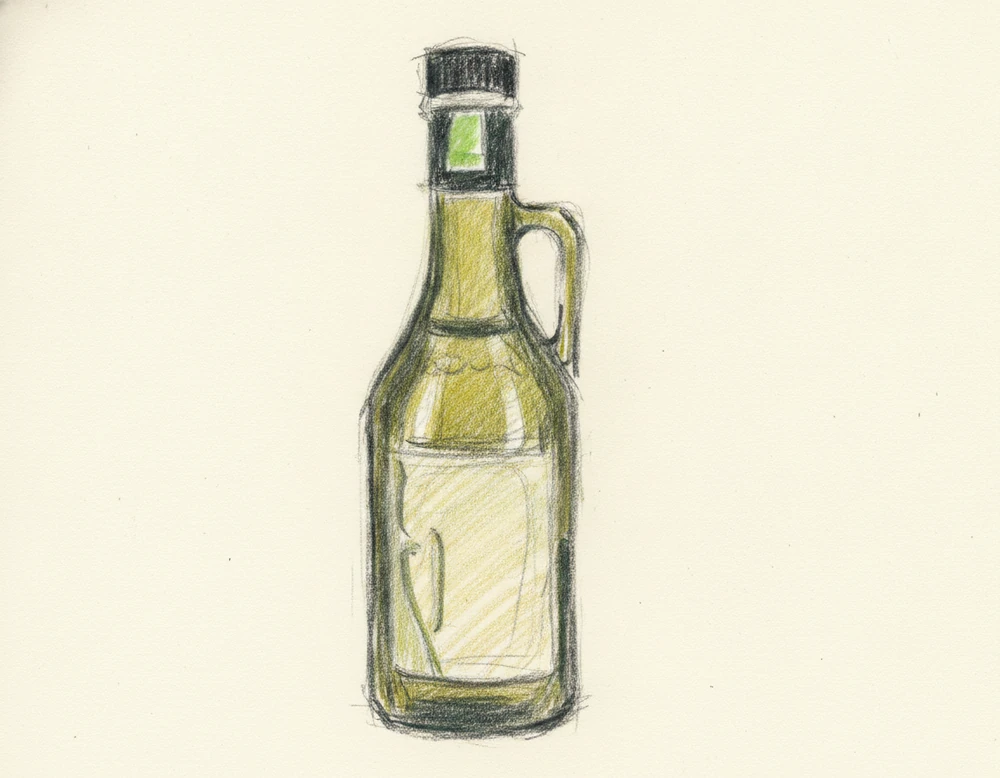
The olive oil of the Lake Garda basin, one of the northernmost olive-growing zones in the world. Green to yellow at varying intensity, with a light to medium fruity nose and a fruity taste with sweet notes and a characteristic almond finish.
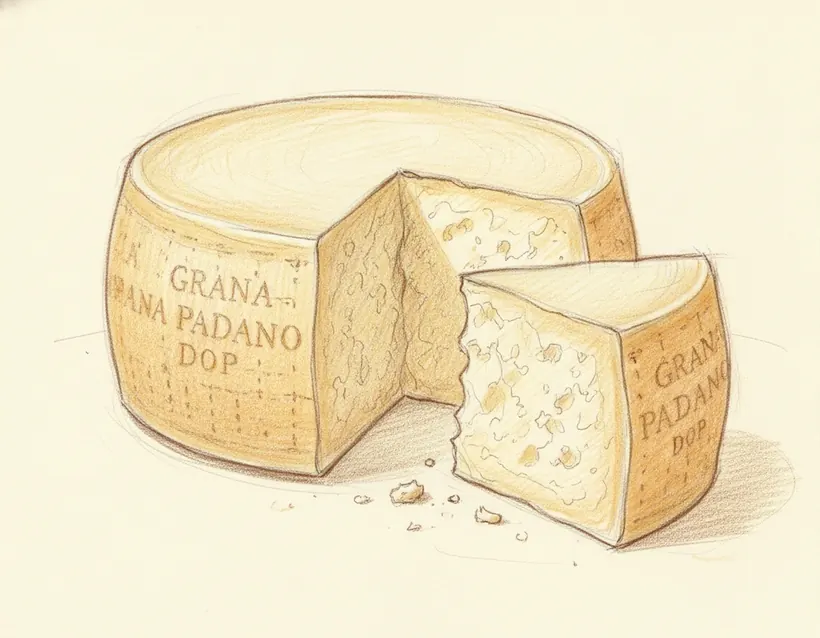
A hard, grainy cow's-milk cheese of the Po valley aged in giant drums, milder and younger-eaten than Parmigiano.
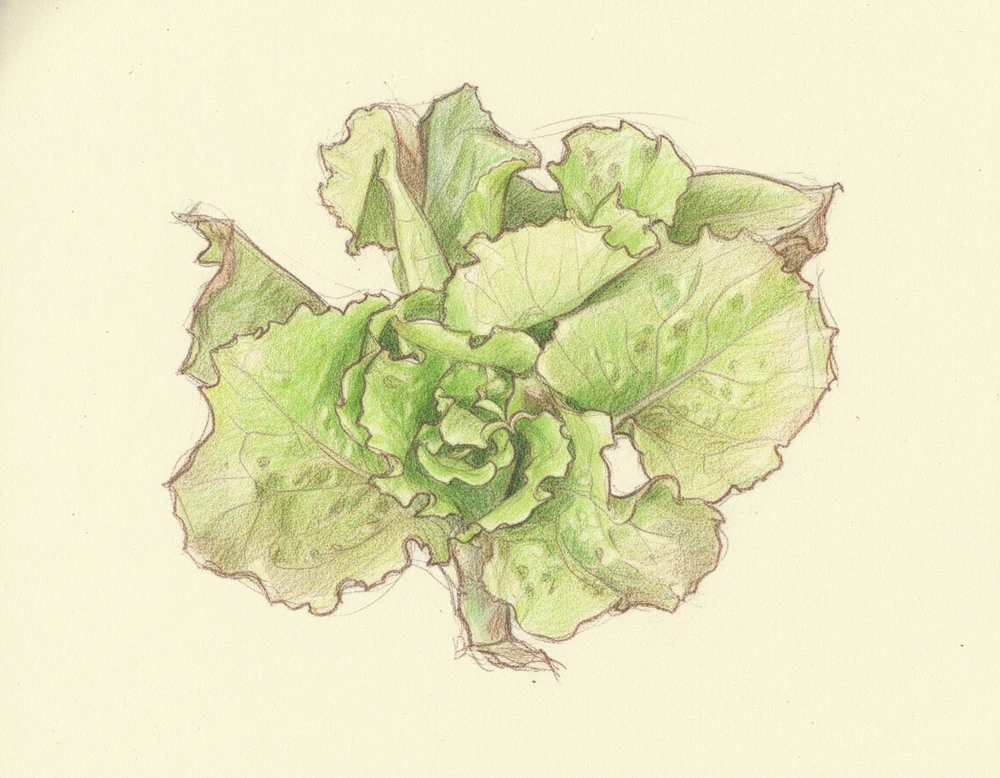
Lettuce from the sandy Adige soils around Lusia, in two varieties: Cappuccia (Lactuca sativa capitata) and Gentile (crispa). The stem is short, at most 6 cm, and very fleshy, and the head is notably light for its size.
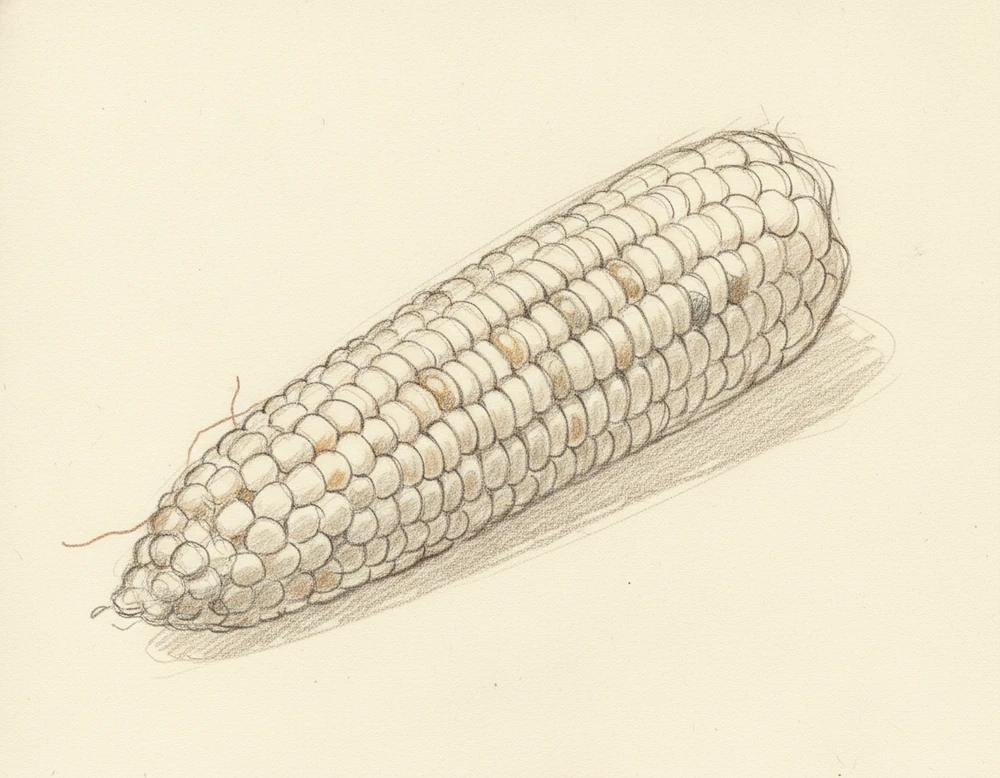
Veneto's cooking runs on polenta, usually of Marano maize, but until the end of the Second World War a white polenta was common too, and thought better of: yellow maize was hardier and belonged to the foothills, white to the plain. The white was Biancoperla, whose cobs are long and tapered with big, bright, pearl-white kernels. It was at its widest in the second half of the 19th century and still covered over 50,000 hectares in 1950.
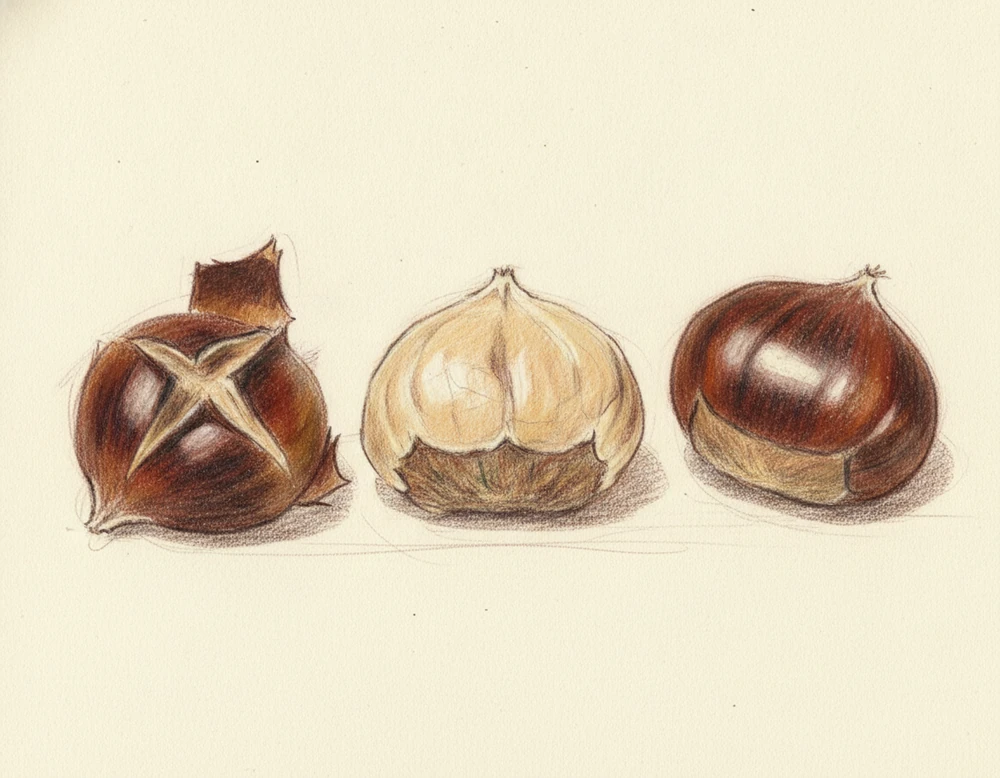
An ecotype selected in the Treviso pre-Alps by soil, aspect and generations of local tending. It is more demanding than an ordinary chestnut, wanting richer ground, better exposure and more work.
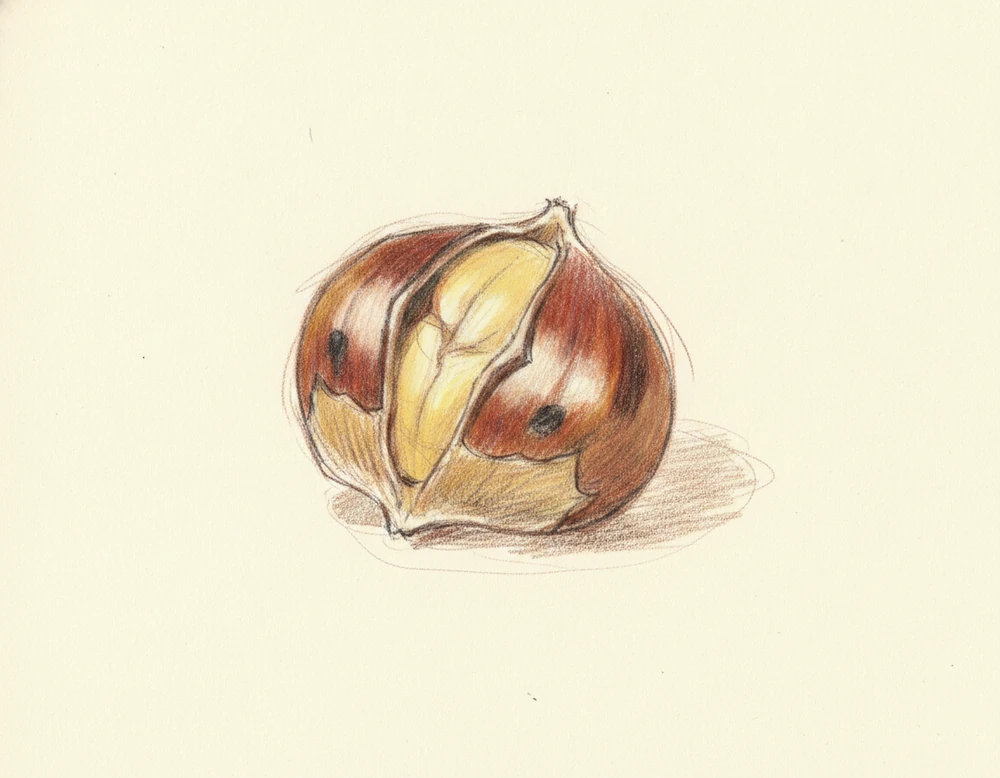
A chestnut from the slopes above Lake Garda at San Zeno di Montagna, from ecotypes of Castanea sativa selected over generations under the lake's influence and propagated agamically as the local Marrone variety.
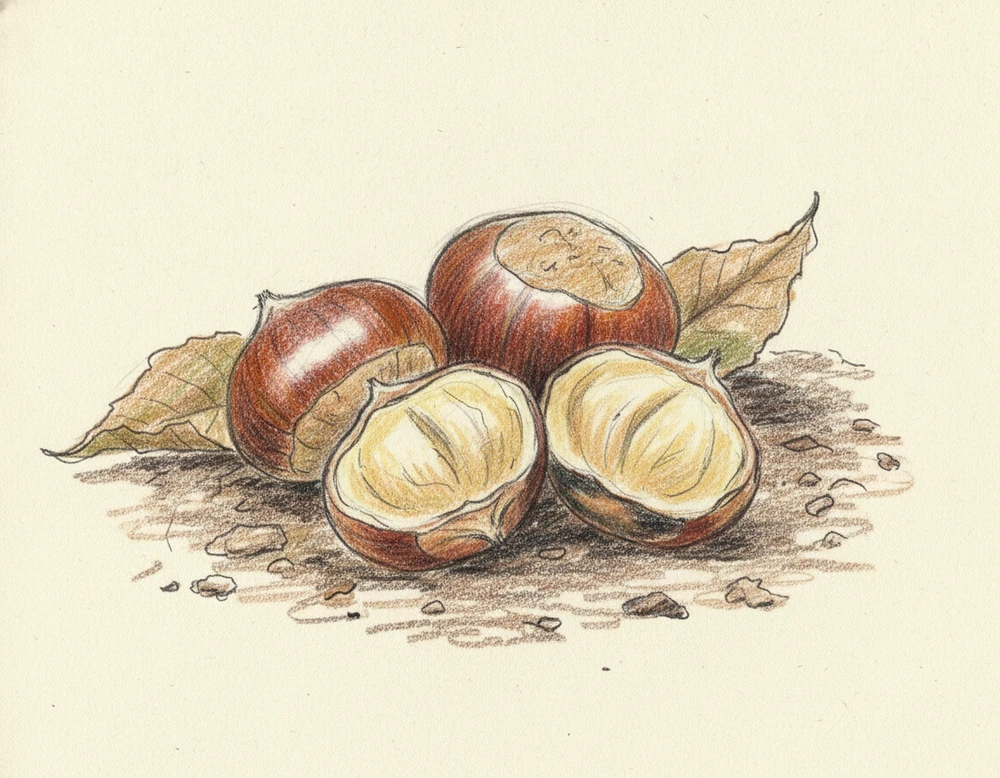
Chestnuts from the Monfenera massif above the Piave, with pale hazel to straw-yellow flesh of uniform, compact, mealy texture and a sweet, agreeable taste.
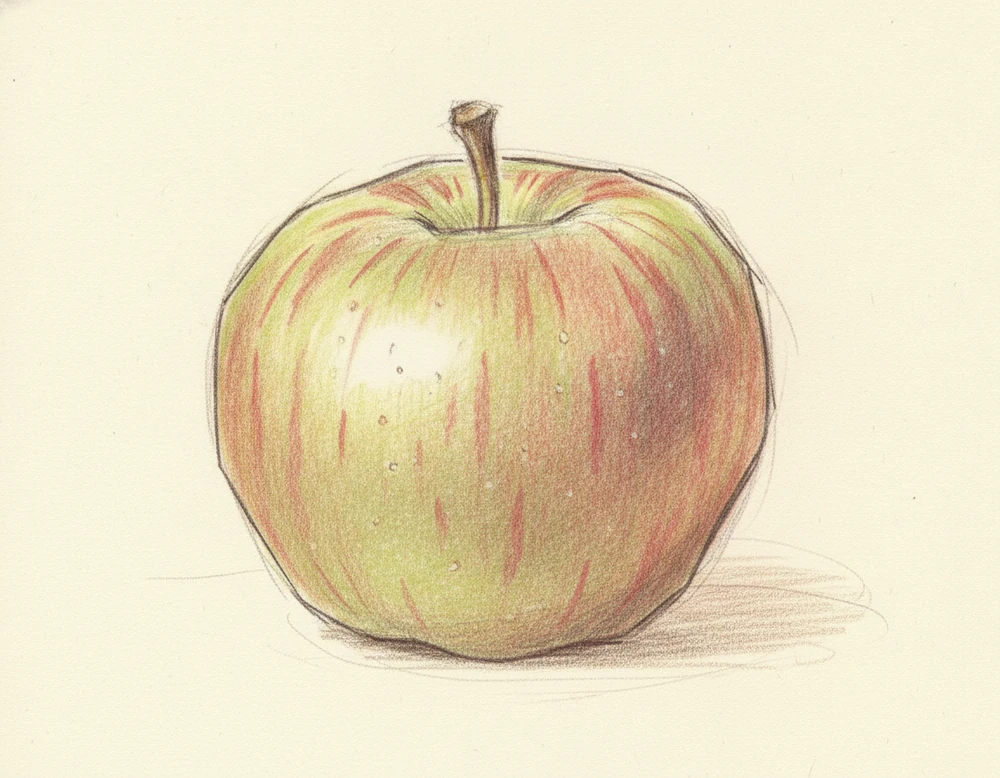
The Decio is thought to go back to Roman times and to take its name from the general Ezio, who landed at Adria and fought Attila at Padua. Primo Candioli described it for the Agriculture Inspectorate in 1941 as an old Veronese variety worth only to growers able to bring in a large, sound crop every year by pruning, feeding and managing pests, and largely confined to the soils of the middle and lower Veronese. It spread through Belfiore, which is where the best of it comes from. Slightly flattened, green with a red flush over 20 to 30 percent of the skin, the flesh white and firm.
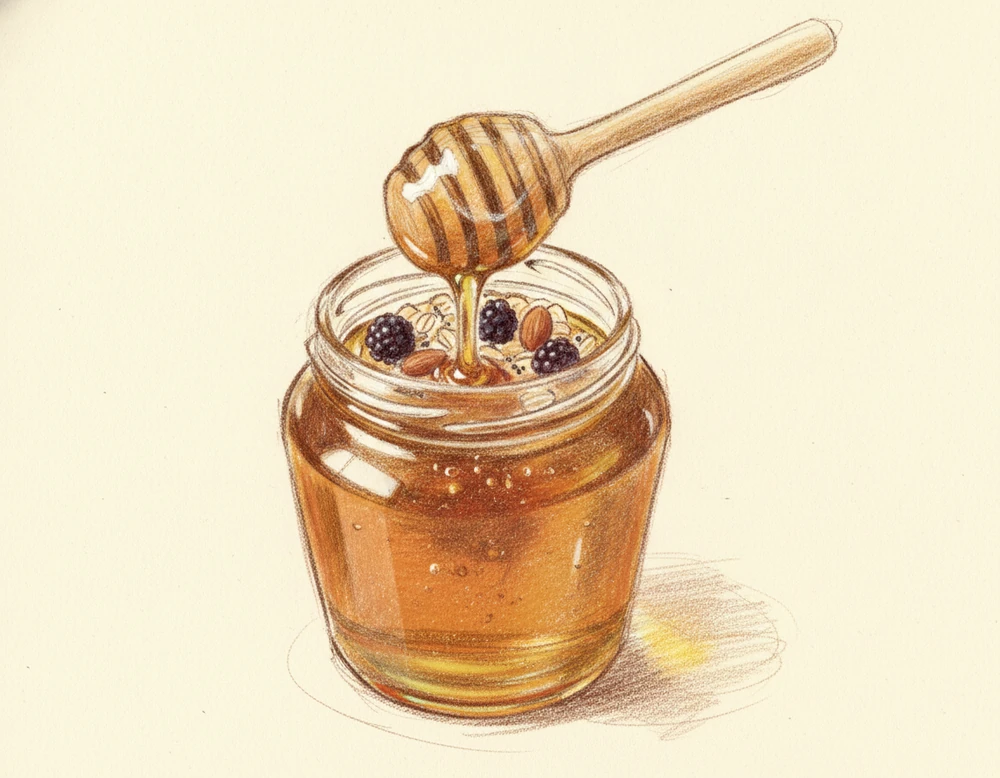
Honey from the nectar and honeydew of the Belluno mountains, made by a local Apis mellifera ecotype that arose from natural crossing of mostly Ligustica and Carnica bees and has adapted over time to the Alpine environment there.
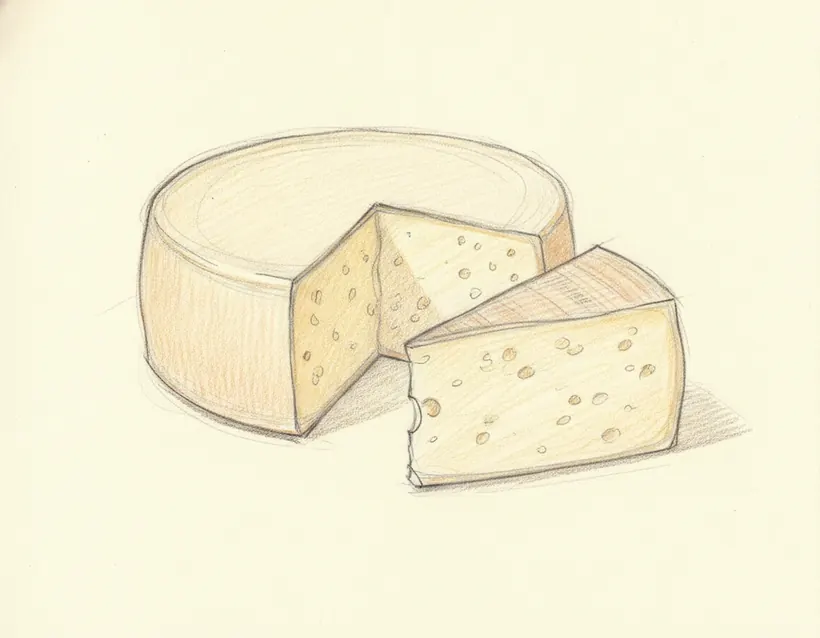
An Alpine cooked cow's-milk cheese first made by Benedictine monks, eaten fresh and springy or aged hard and grainy, and fried into frico.
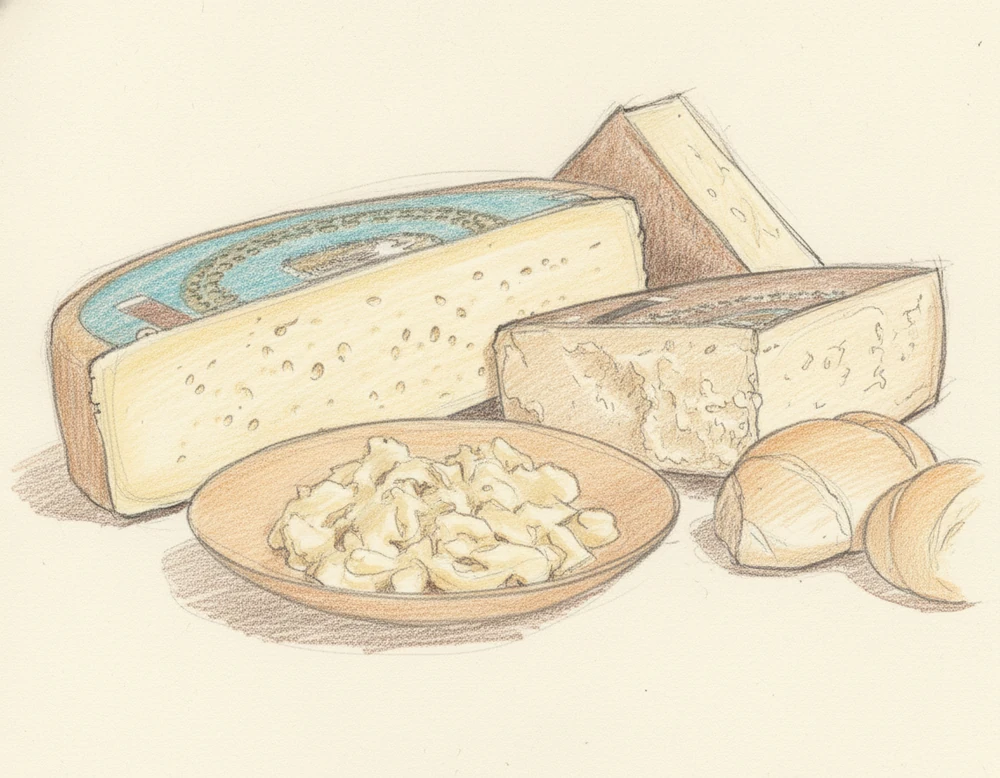
The Lessini above Verona are good cattle country, gentle grassy slopes with a long growing season, and their cheeses are nearly always made from milk already skimmed for butter. The Monte in the name probably refers not to the mountain but to the method, monte being dialect for working the milk of more than one milking together. The malga version, which is the one built to age, is made up at the dairies from grazing milk; Monte Veronese as such can also be made lower down from cattle kept indoors.
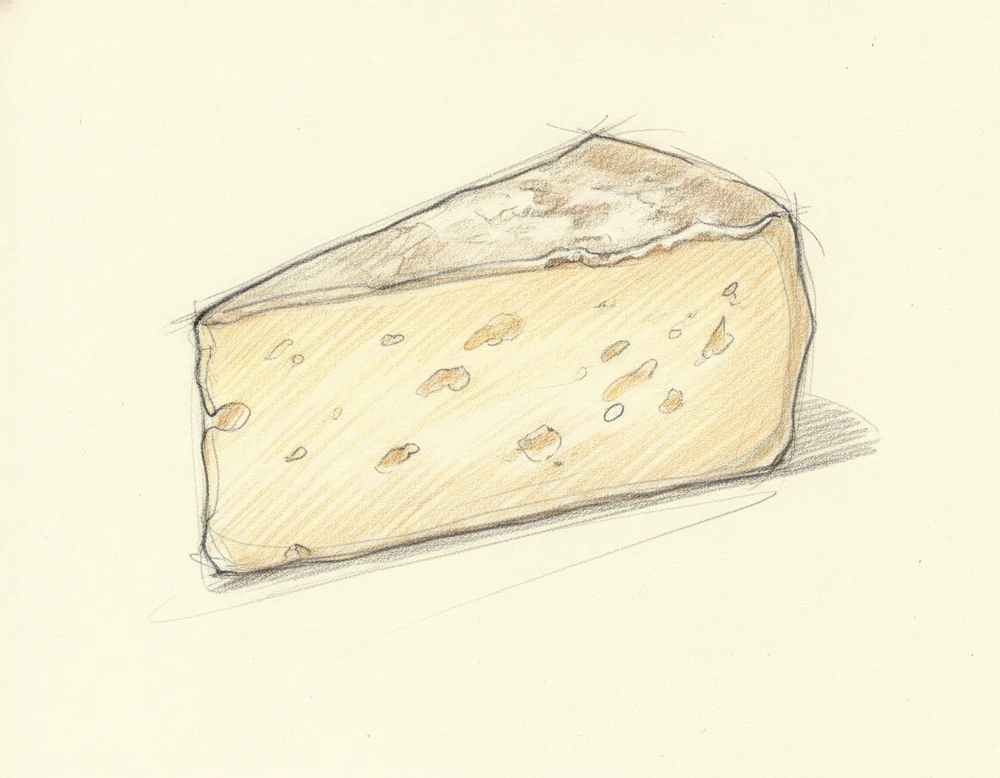
The herders and woodsmen who settled the slopes of Monte Grappa made a soft, lean, uncooked-curd cow's cheese and named it after where they had come from in the Balkans, Morlachia. The milk was skimmed right down, the fat going to butter to sell on the plain, and what was left made a poor man's cheese that was a staple up there.
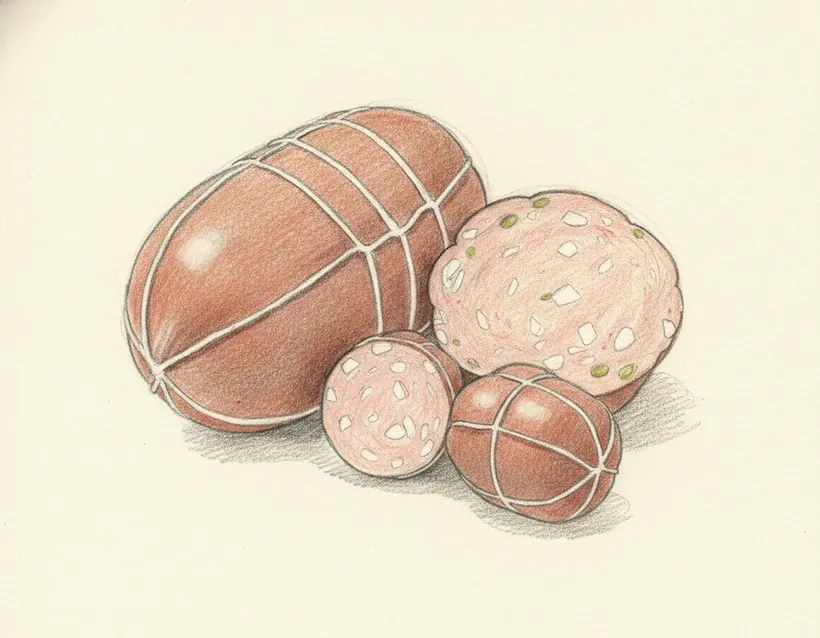
A large, silky pink cooked pork sausage studded with white fat cubes and pistachios, gently spiced, the pride of Bologna.
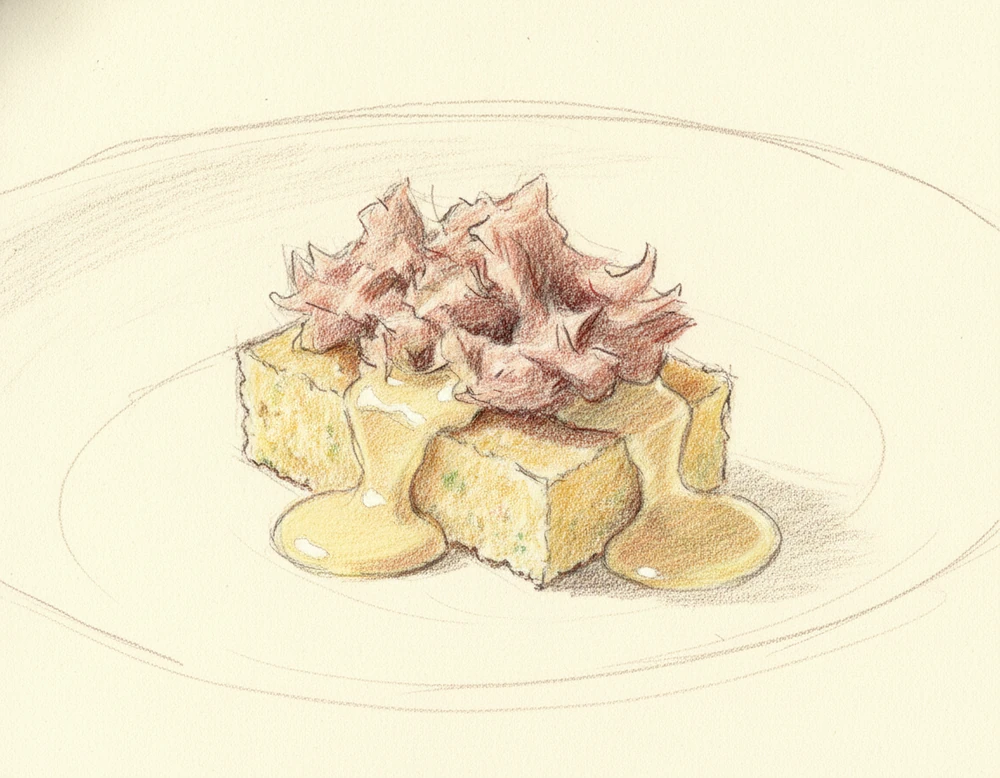
Veneto farms once kept grey and grey-and-white geese, later displaced by the big white Romagnola. The birds went into cured meats, a prosciutto they call parsuti in dialect, and into oca in onto or oca in pignatto, goose in its own fat: a confit that used every part of the bird and would keep for months. The women made it in winter, in the slack time, against the summer to come, and the first geese were traditionally killed and eaten in early November for Saint Martin.
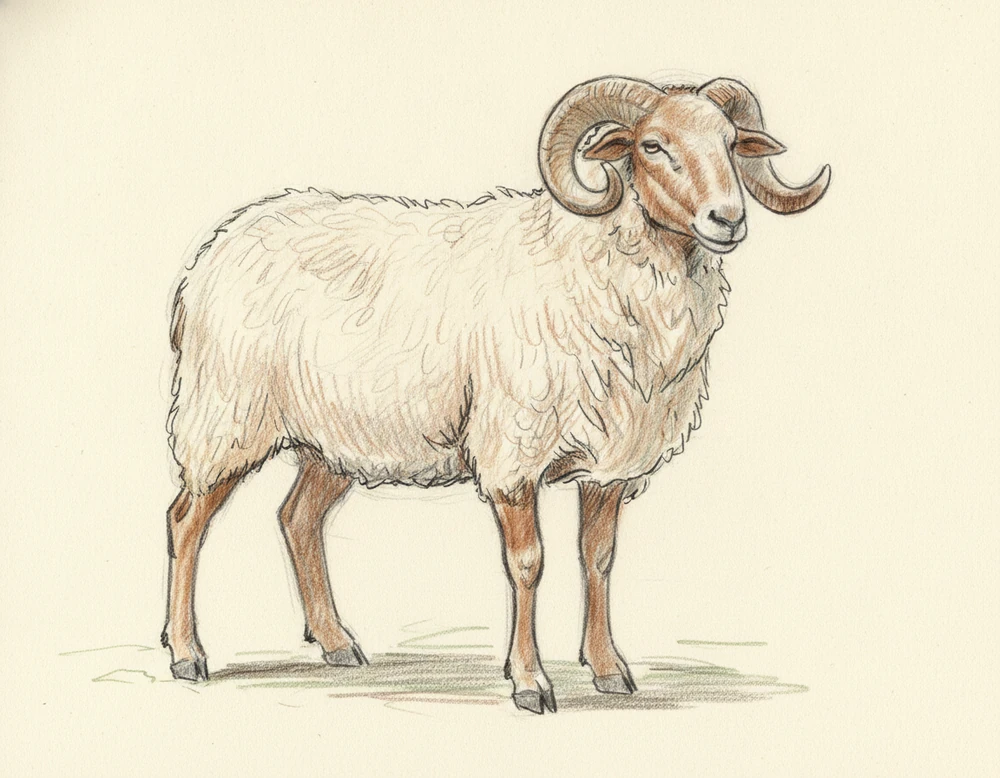
Kept for centuries on the Lessinia pastures, part of them now inside the Monti Lessini regional park. Sheep have been here since the Neolithic, but it was the arrival of the Cimbri in the 14th century, settlers of Bavarian and Tyrolean origin, that cleared the mountains and made herding serious. Between the 14th and 15th centuries Verona's woollen cloth went as far as northern Europe against the wool of Flanders and England, and the city still carries the traces: the Capitello dell'Agnello, whose column holds a sheep much like a Brogna, emblem of the Arte della Lana, and the Sgarzarie loggia where the cloth was sold. From the 16th century silk undercut the wool trade.
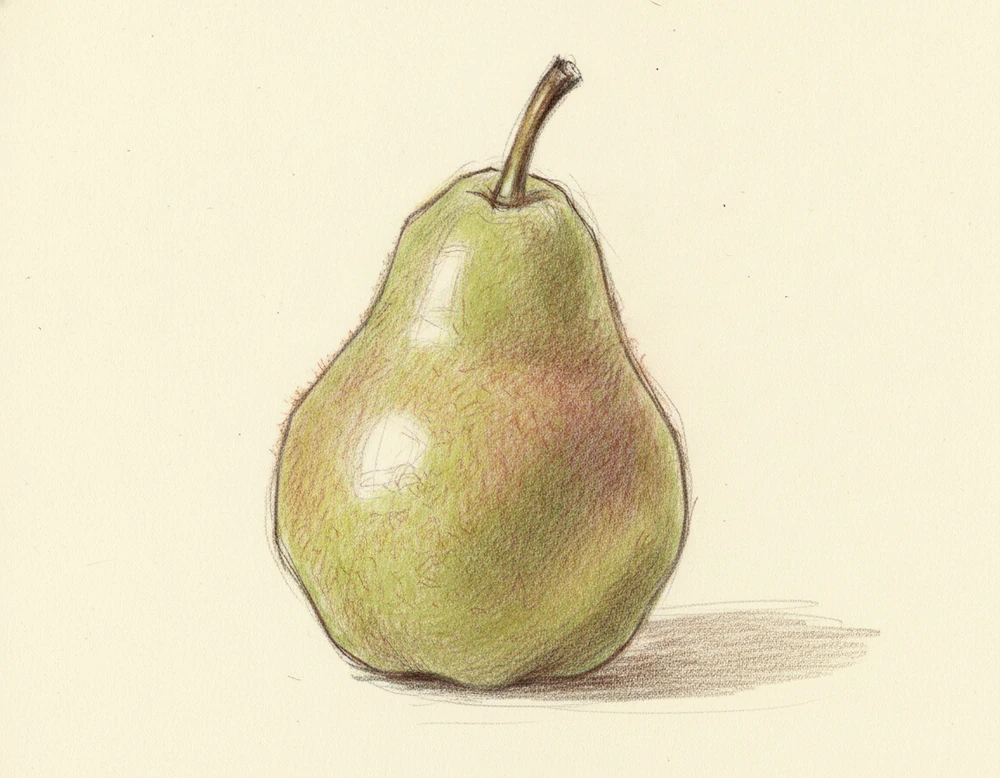
About 200 trees are left, scattered through the Valpantena and the Mezzane and Illasi valleys and, in better numbers, the upper Valpolicella. The pears are medium-small and green with faint reddish markings at picking, and they have to be ripened after it.
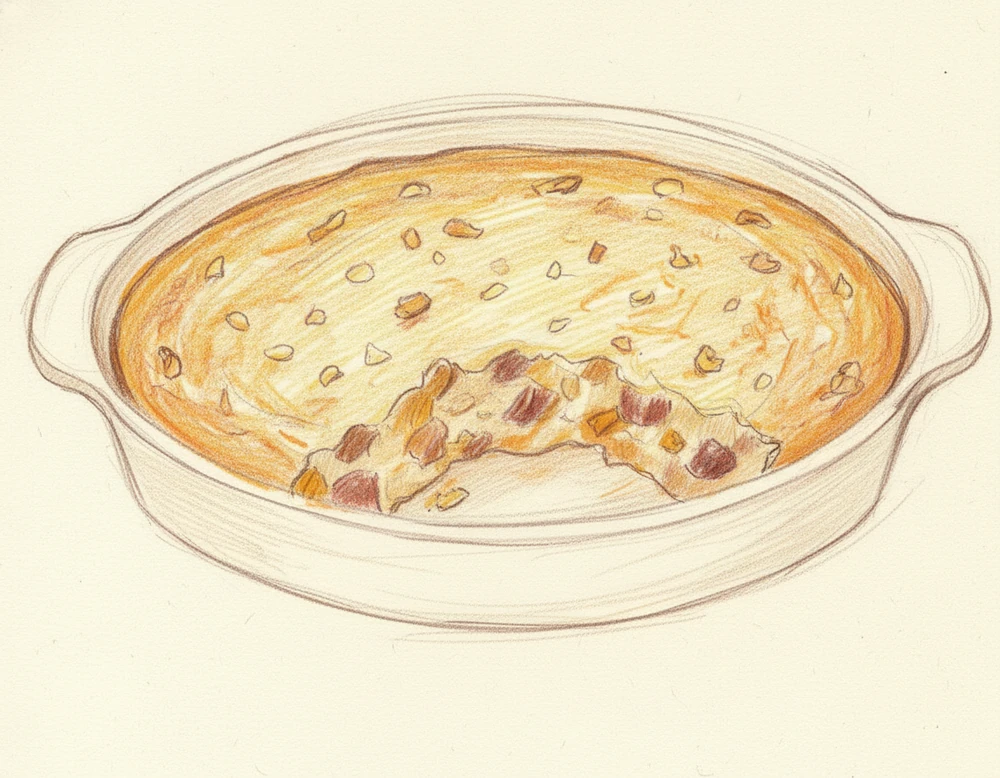
Peaches and nectarines from the Verona plain, defined by how much colour they carry: over 70 per cent of the skin for yellow peaches, over 60 for yellow nectarines, over 30 for white peaches, all as overcolour against the ground colour.
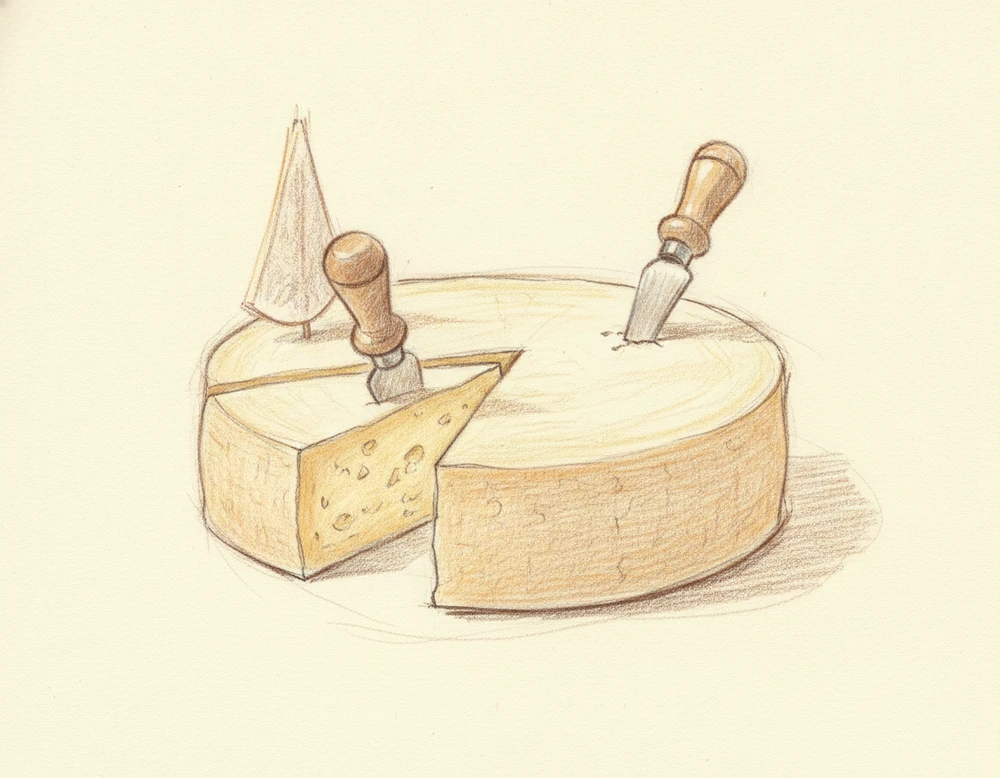
A hard, cooked-curd cow's-milk cheese from the mountain territory of Belluno, sold at five ages that each get their own name. It shrinks as it ages, from 320 mm across at Fresco to 280 mm at Vecchio Selezione Oro, and concentrates as it goes.
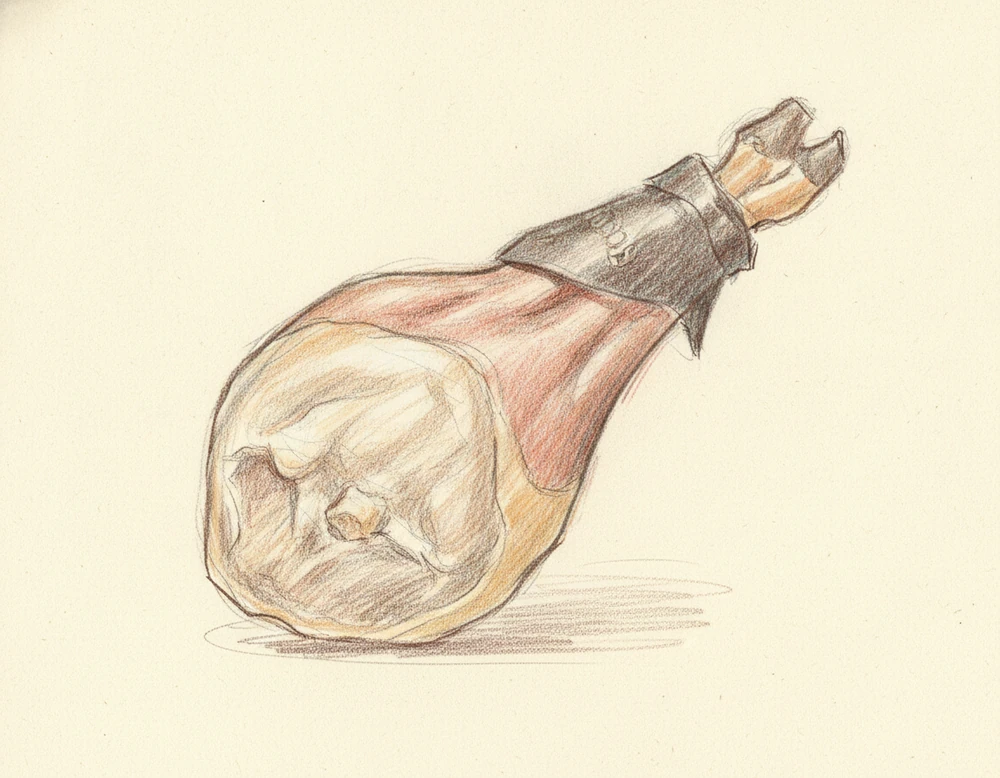
A raw cured ham from the Berici and Euganei hills south of Vicenza and Padova, the third of Italy's classic hill-cured prosciutti alongside Parma and San Daniele.
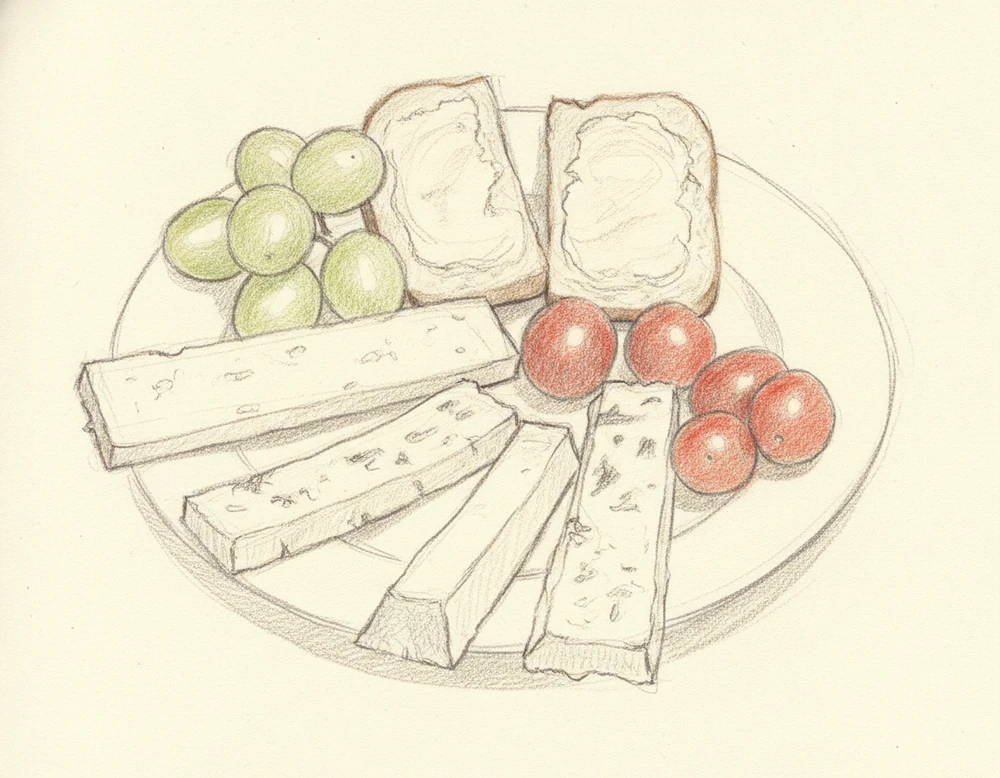
A pasta-filata cow's-milk cheese of the Po valley, made in both a mild and a piquant version and hung in ropes to age. It is one of the few Italian cheeses whose zone is written comune by comune across four regions rather than as a province or a valley.
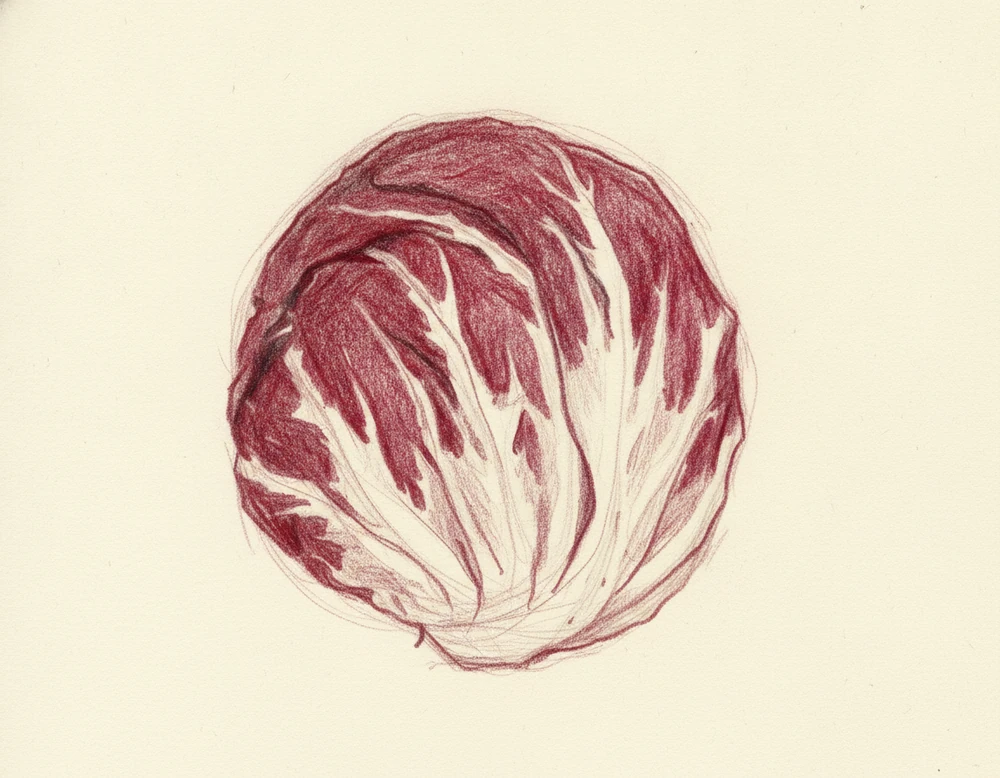
The round radicchio: rounded leaf blades wrapped tightly into a spherical head, red of varying intensity with white central ribs. Made in an early and a late type, both from wild-variety Cichorium intybus.
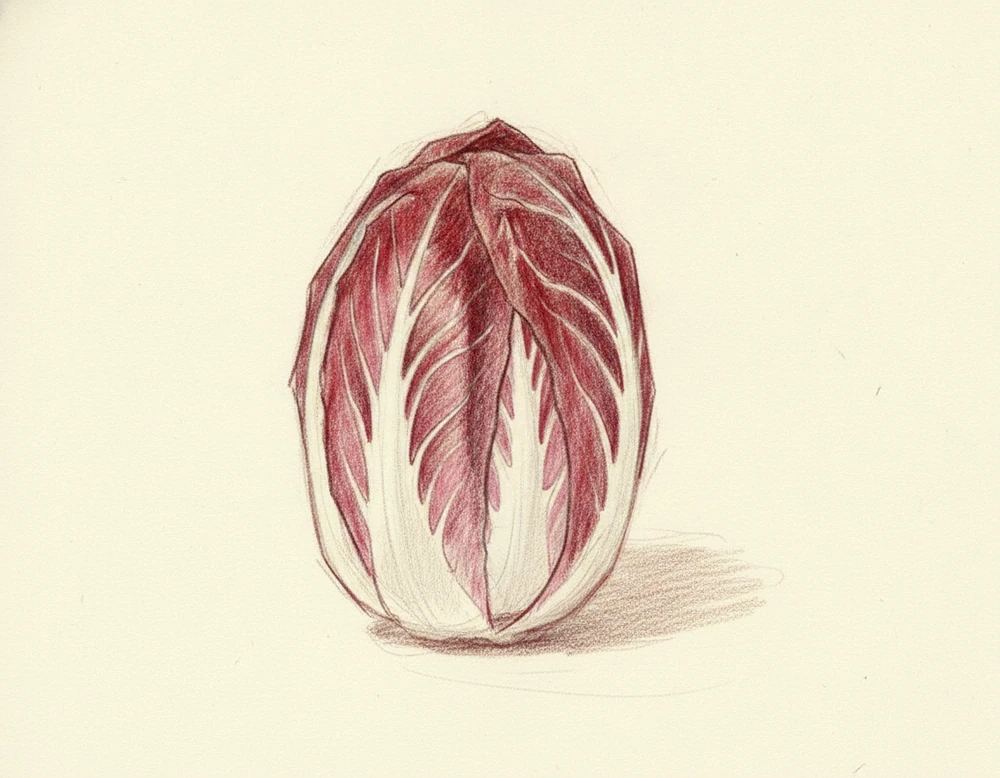
Grown from the Rossa di Verona variety in an early and a late type. The leaves are stalkless and unserrated, folded upward into a channel; winter cold turns them deep red and packs them into a tight head with a pronounced white central rib.
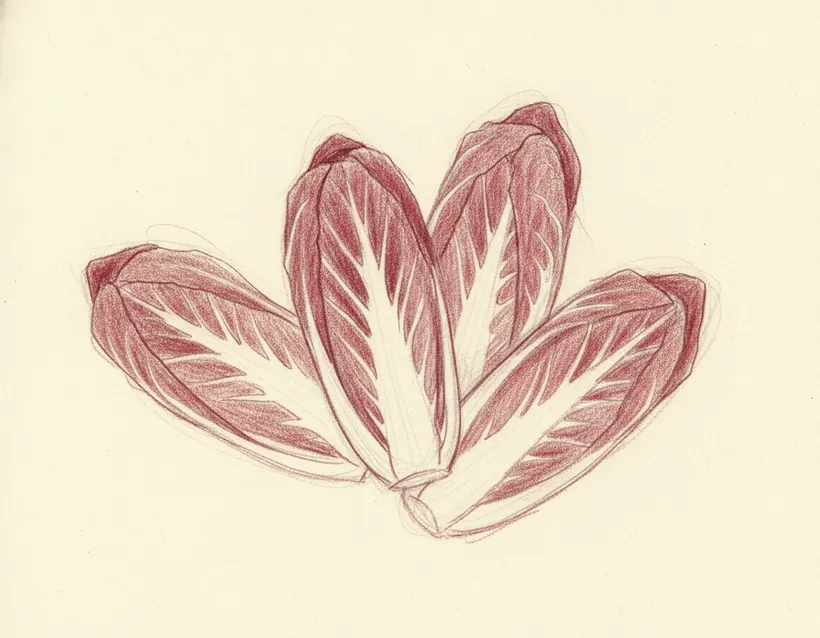
The elongated wine-red chicory of Treviso with crisp white ribs, bittersweet, grilled or eaten raw.
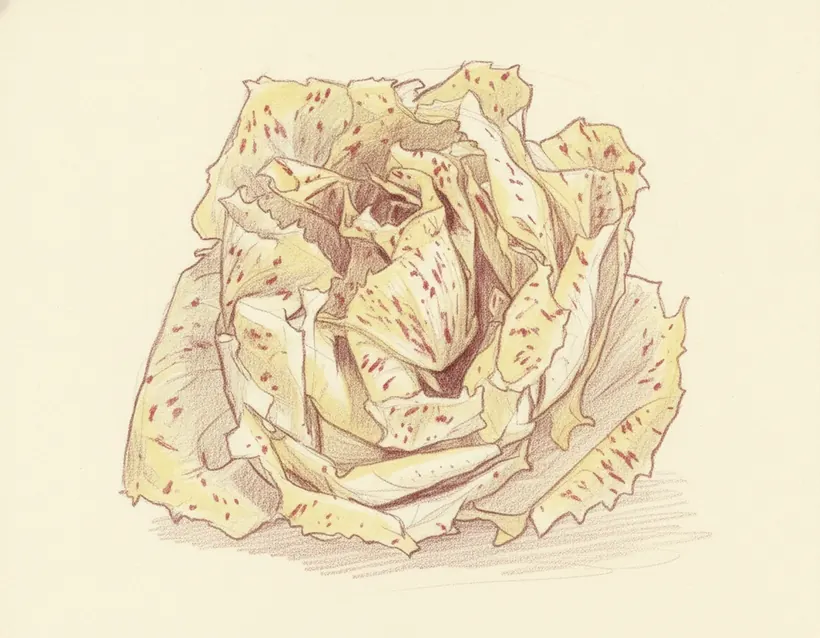
An open, rose-shaped chicory of creamy leaves flecked with wine-red, mild and tender.
Named for the Trentino valley it has been kept in for centuries, and hardy enough for both hill and mountain grazing. Medium-small, chestnut brown going almost black in the bulls, with a pale line along the back, ivory hair inside the ears and fine horns, white at the base and black at the tip.
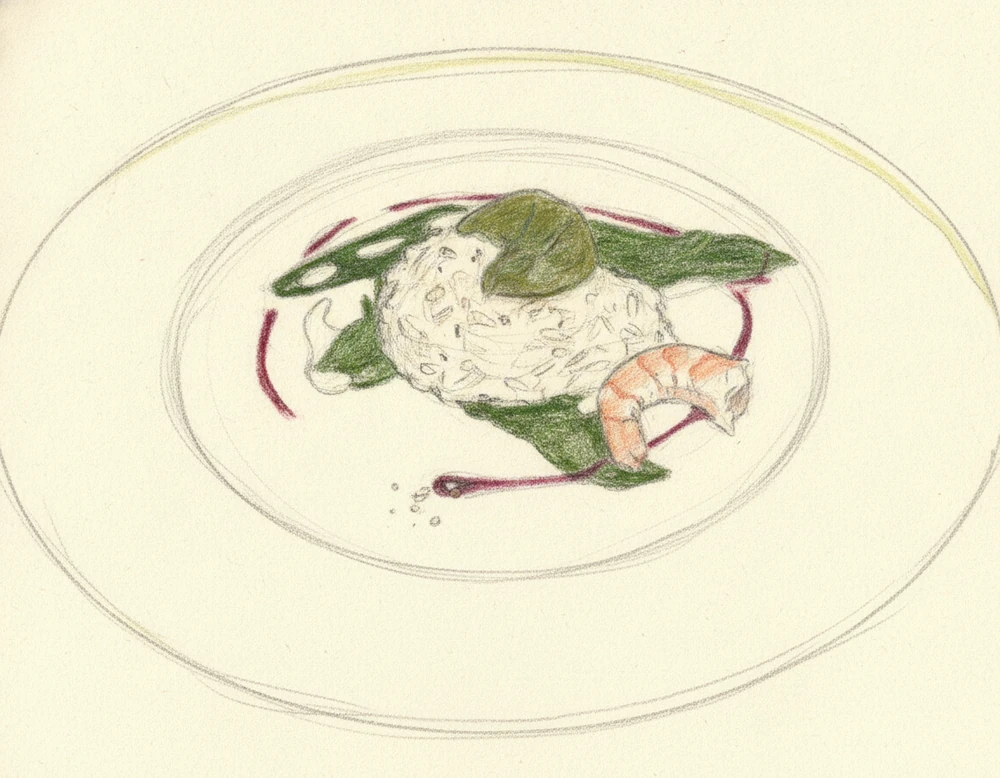
Japonica rice of the superfino group grown on the reclaimed land of the Po delta, admitted in nine varieties including Carnaroli, Volano, Baldo, Arborio, Cammeo, Karnak, Telemaco, Caravaggio and Keope. The grain is large and holds its shape in the pan.
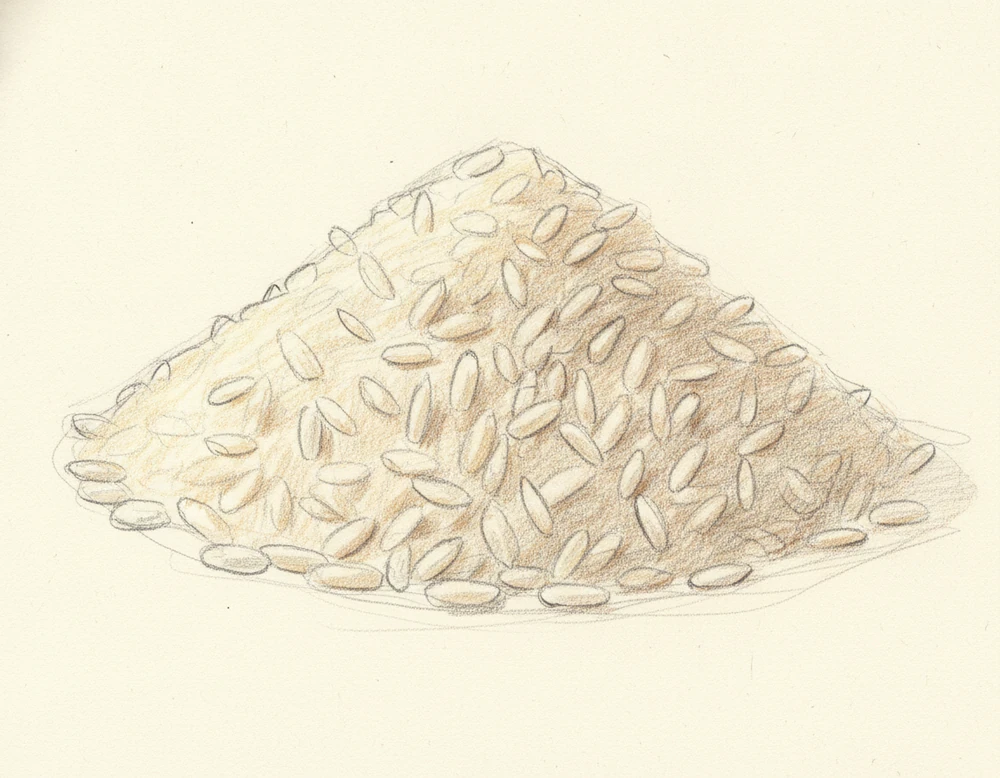
Rice has been grown at Grumolo delle Abbadesse, halfway between Vicenza and Padua, since the 16th century, brought in by the nuns of the Benedictine abbey of San Pietro di Vicenza. It marked the place: Venetian nobles built fine villas here to keep an eye on their land. The rice is Vialone Nano, medium-small in the grain, and the soil and the water make it very good. The crop covers about 100 hectares.
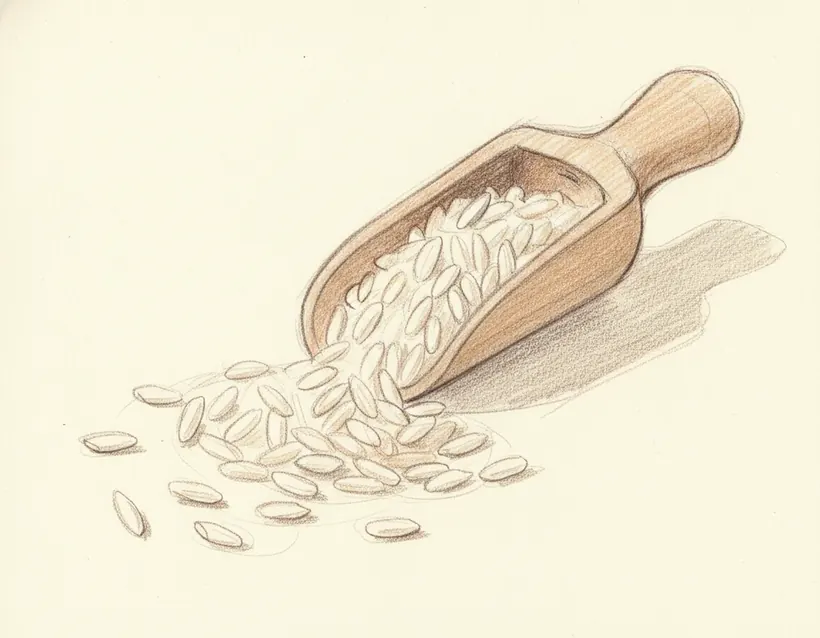
A short, plump risotto rice of the Verona lowlands that drinks up broth while keeping its bite, the grain of risi e bisi.
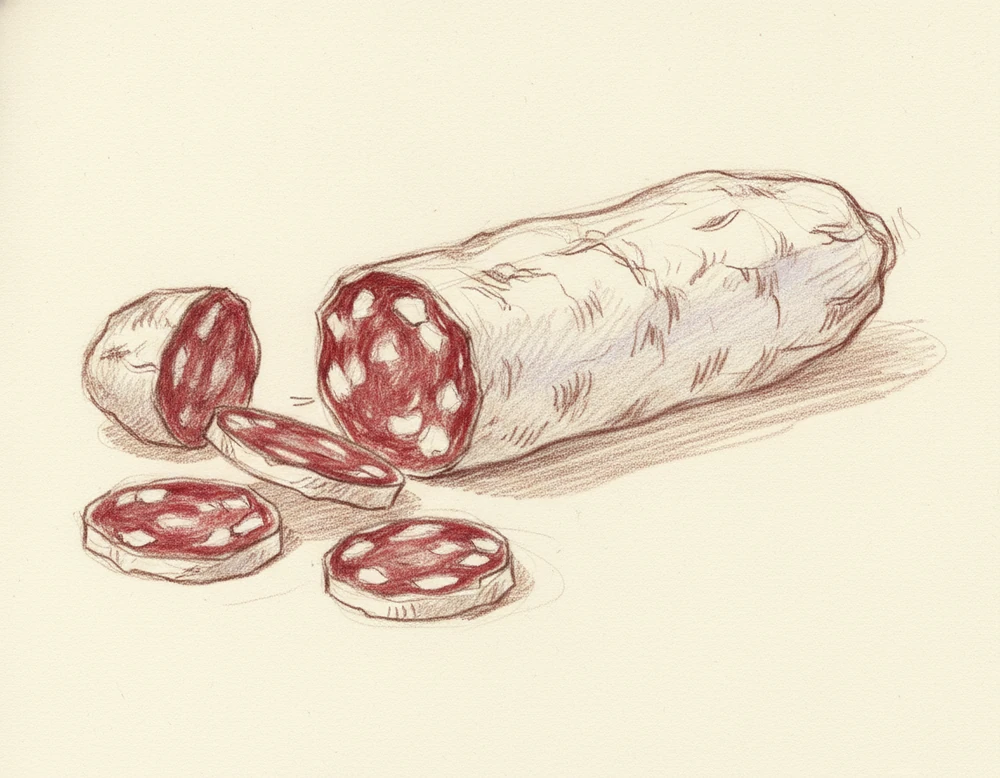
A cylindrical, somewhat irregular salame of at least 500 g finished, no less than 65 mm across and 150 mm long when made up. Compact and soft-textured, its microflora is dominated by lactobacilli and cocci, which is what the disciplinare actually specifies.
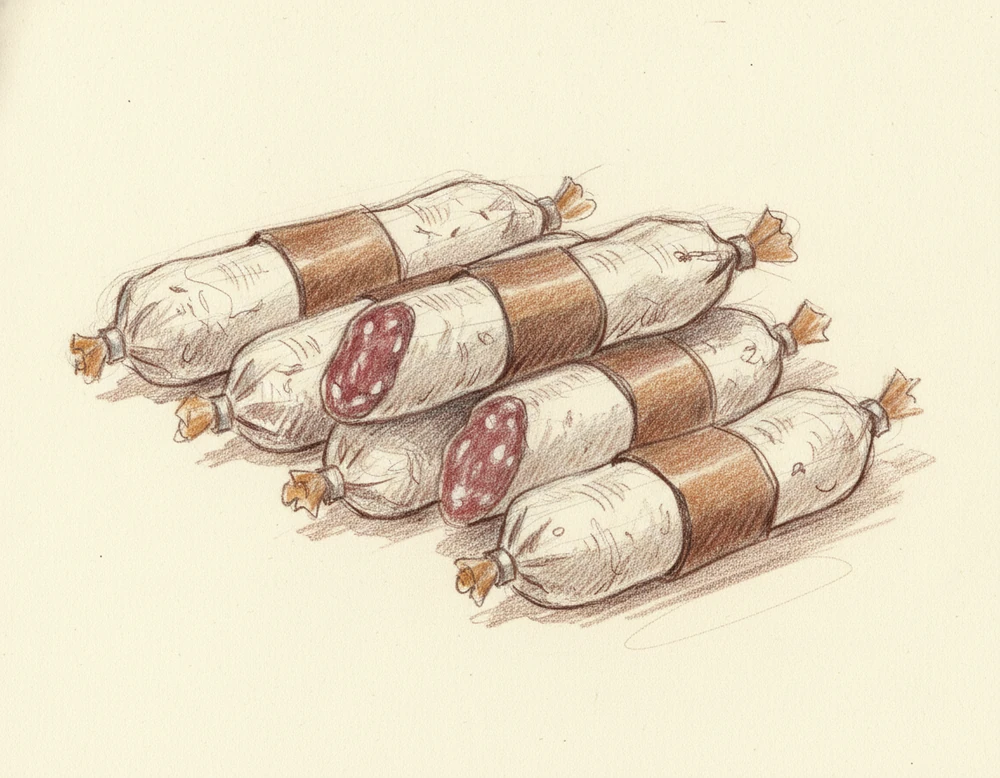
Small salami sized to be carried in a hunter's pocket, which is where the name comes from. The zone is unusually wide: pigs may be raised across eleven Italian regions, from Friuli down to Molise.
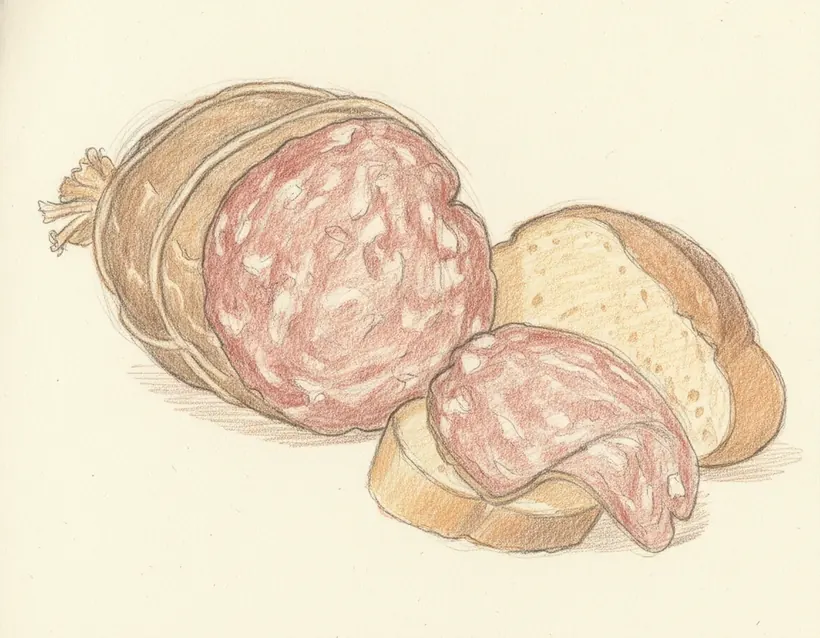
A large, soft, coarsely-ground pork salami of the Vicenza country, gently spiced and matured.
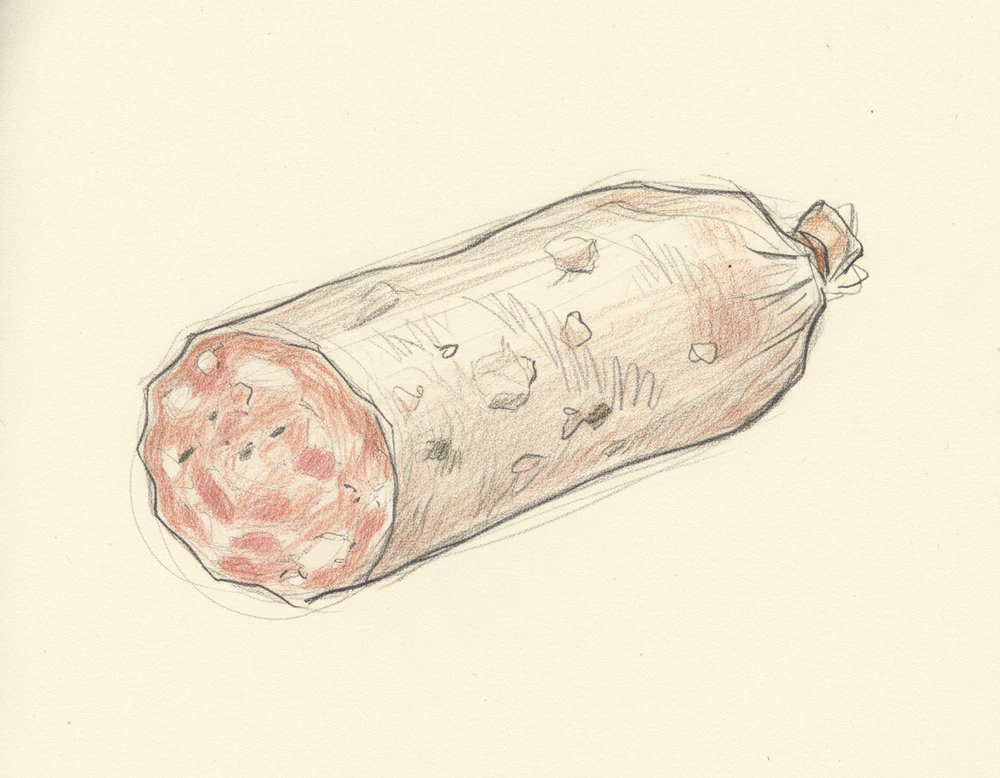
A small salami, under 200 grams, of the southern Veronese. Being that small it would dry out fast, so the trick was to keep it in lard through the winter, and it is still eaten that way, with fresh bread or grilled polenta. A second version is made without the lard; it dries quickly and is really a salamino.
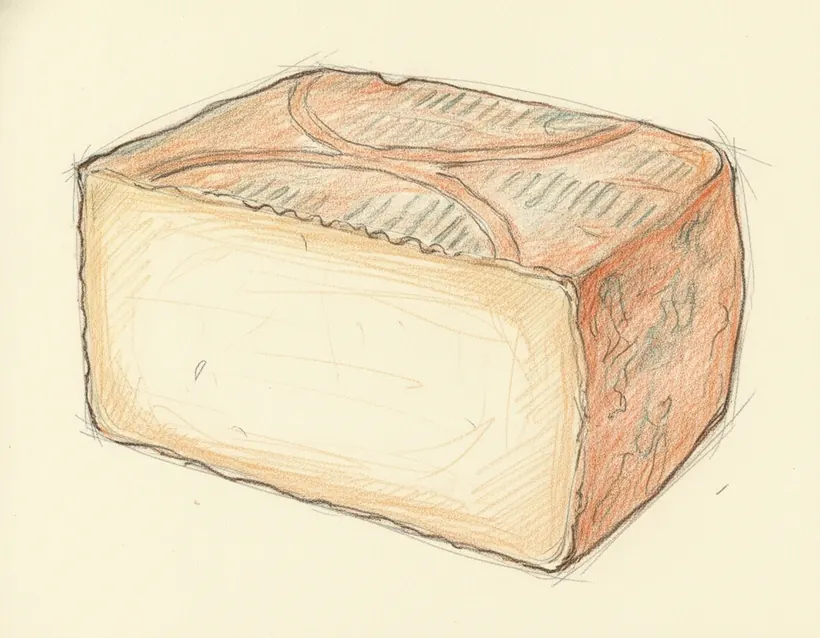
A square, soft washed-rind cow's-milk cheese with a thin pinkish crust and a buttery, tangy paste.
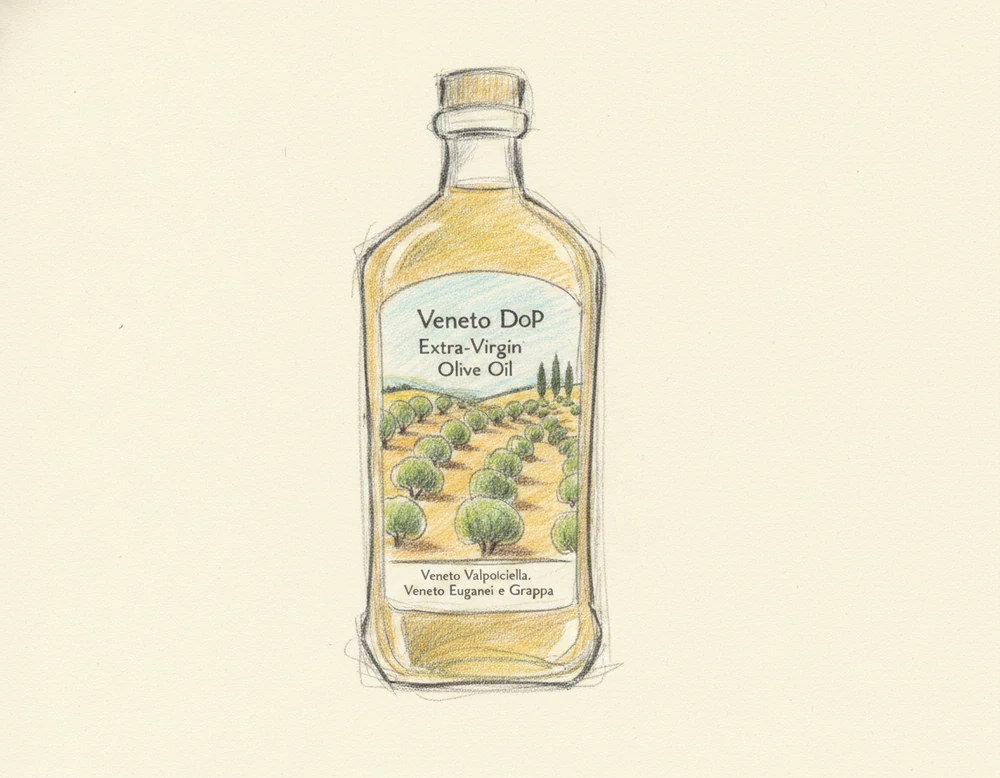
One DOP covering three named Veneto olive zones. Veneto Valpolicella is built on Grignano or Favarol at 50 per cent or more, with Leccino, Casaliva or Frantoio, Maurino, Pendolino, Leccio del Corno and Trep or Drop making up the rest; Veneto Euganei e Berici and Veneto del Grappa each have their own varietal recipe.
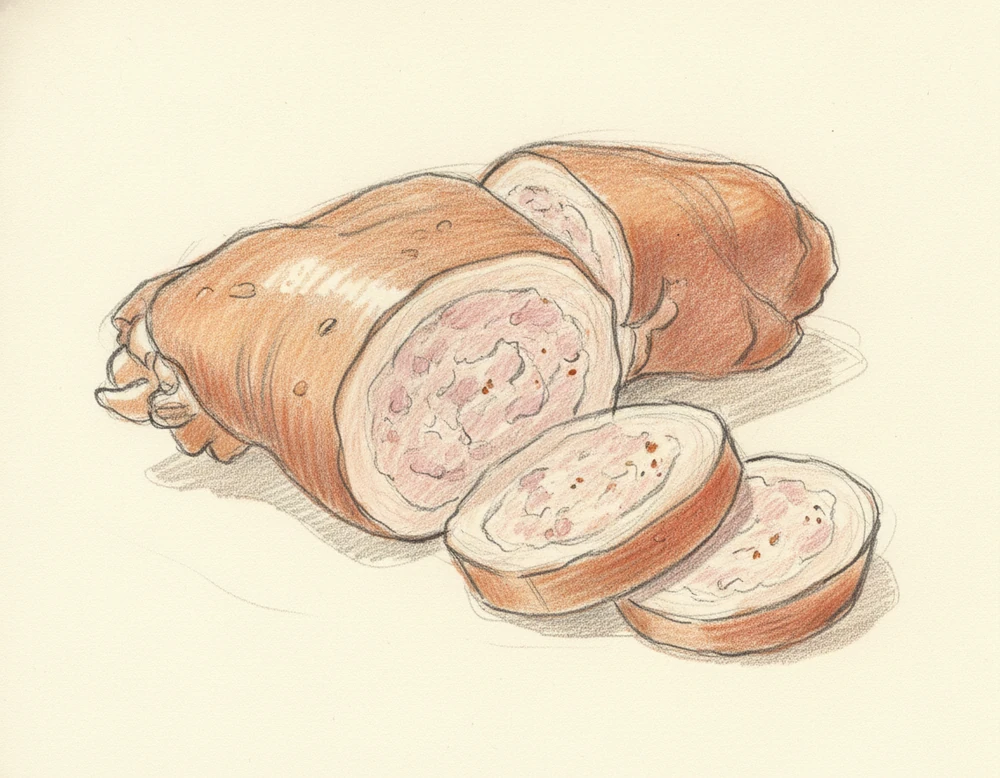
The Modena Christmas dish: a boned front trotter stuffed with a seasoned mix of pork meat, rind and fat, then either sold fresh for long boiling or pre-cooked and sterilised in its pack. Cotechino Modena is the same filling in a plain casing rather than the trotter.