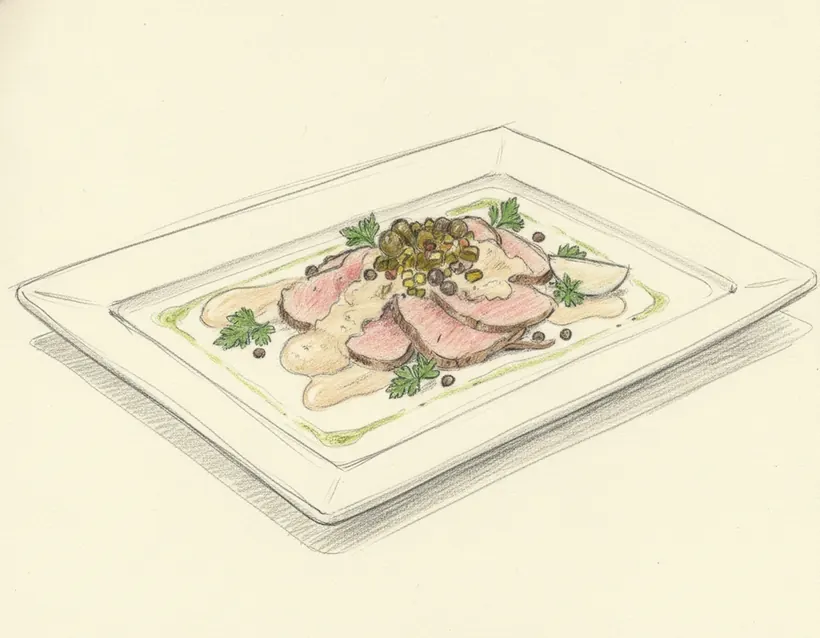
Vitello TonnatoCold veal in tuna sauce
Thin slices of cold poached veal blanketed in a creamy sauce of tuna, anchovy, capers and egg. A summer antipasto of Piedmontese-French origin.
Pairs with
Piedmontese cooking is rich, wintry and French-inflected: raw veal, egg-yolk pastas, white truffle from Alba, braises built on the region's own Nebbiolo, and a butter-and-hazelnut sweetness rather than olive oil. It is a table made for Barolo, Barbaresco and Barbera.
Thin slices of cold poached veal blanketed in a creamy sauce of tuna, anchovy, capers and egg. A summer antipasto of Piedmontese-French origin.
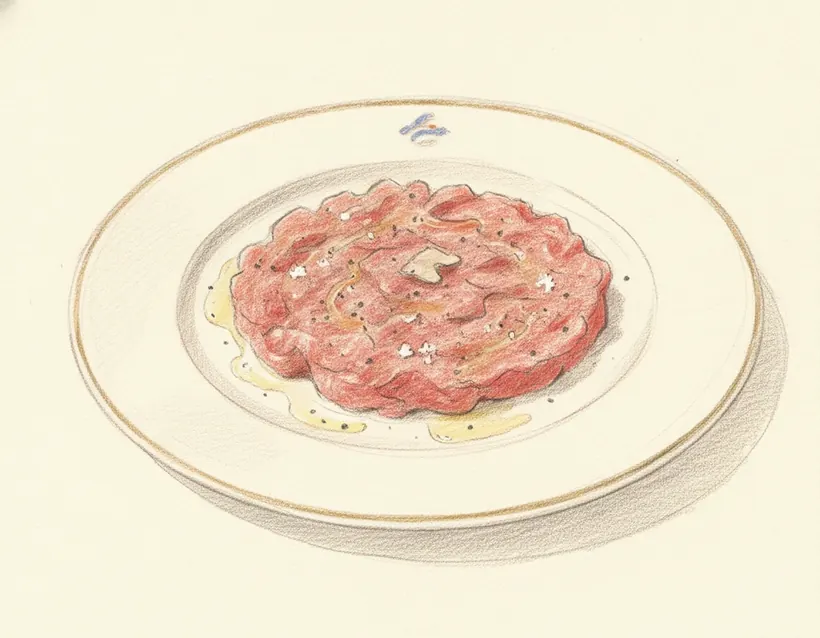
Hand-chopped raw veal (Fassona breed) dressed simply with olive oil, lemon and salt, sometimes with shaved white truffle in season.
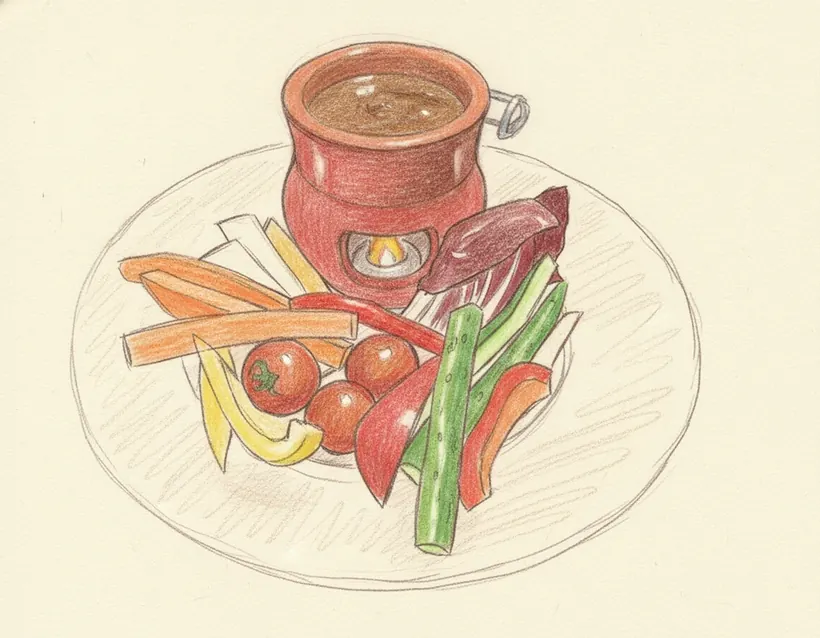
A communal winter dip of garlic and anchovies melted in oil and butter, kept warm over a flame for dunking raw and cooked vegetables.
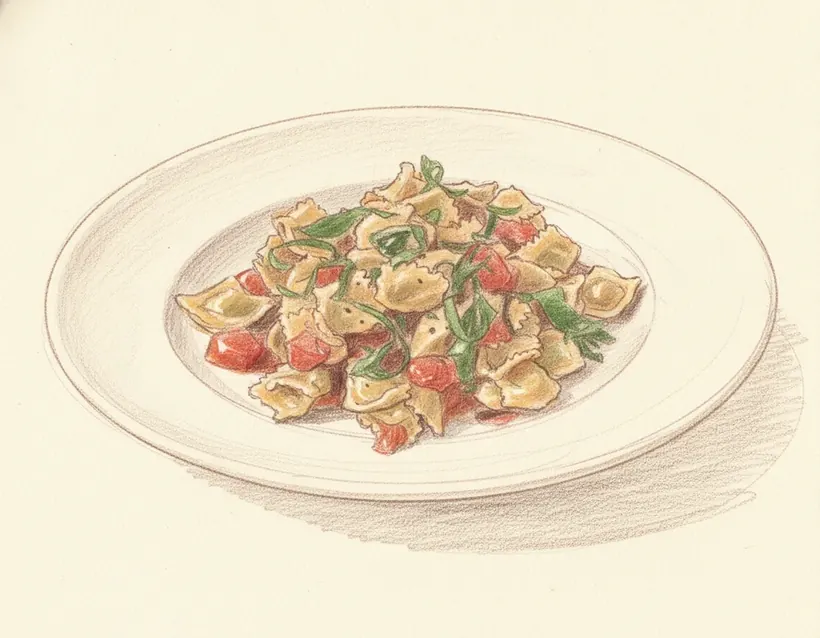
Tiny egg-pasta parcels 'pinched' (plin) shut around a roast-meat filling, served in butter and sage or in their own roasting juices.
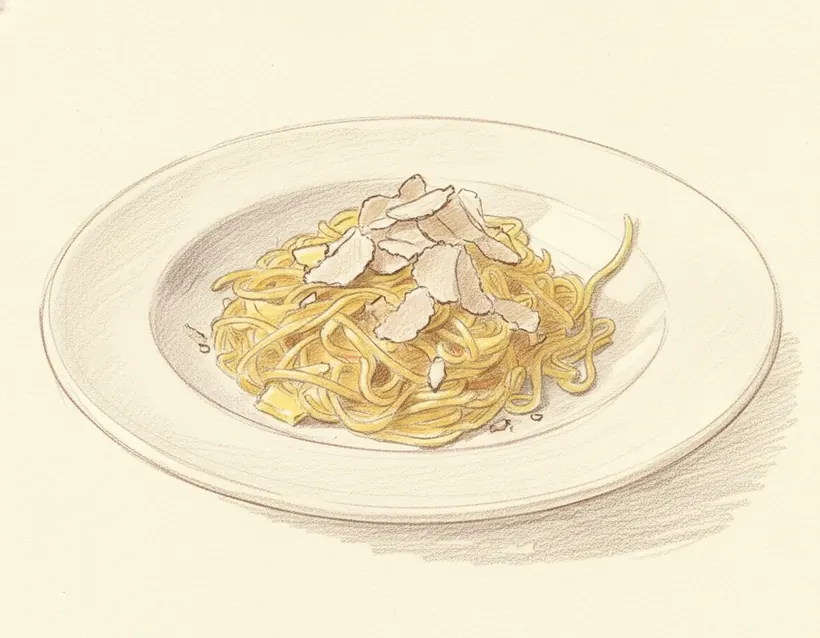
Very thin, richly yolked hand-cut noodles in butter, showered with shaved Alba white truffle in autumn.
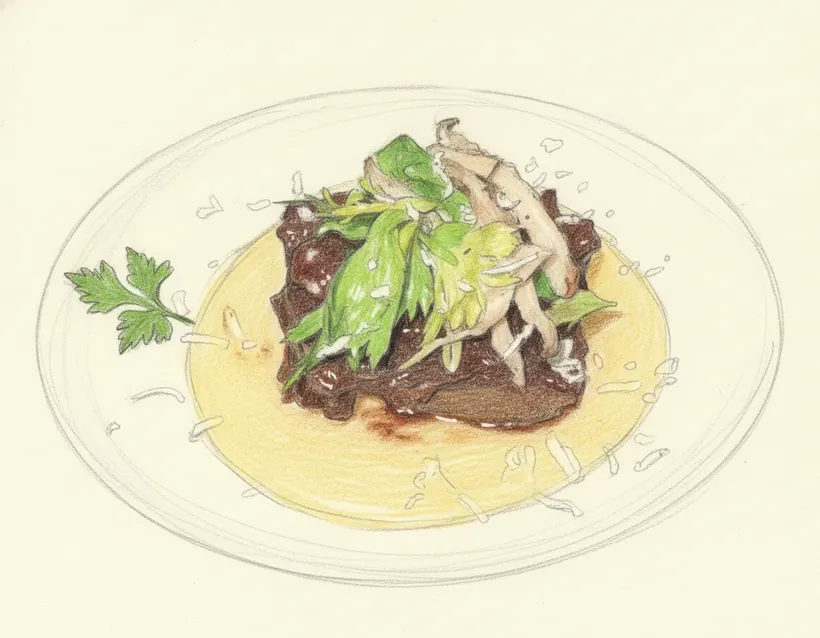
A beef chuck marinated and slow-braised for hours in Barolo with aromatics until spoon-tender, the wine reduced to a glossy sauce.
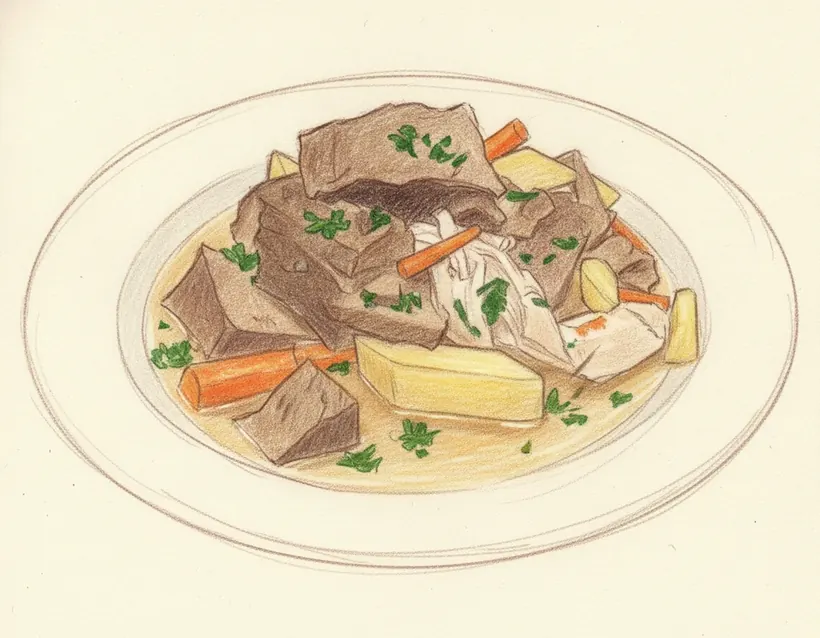
An array of boiled meats and cuts served from the trolley with salse, notably the green bagnet verd of parsley, anchovy and capers.
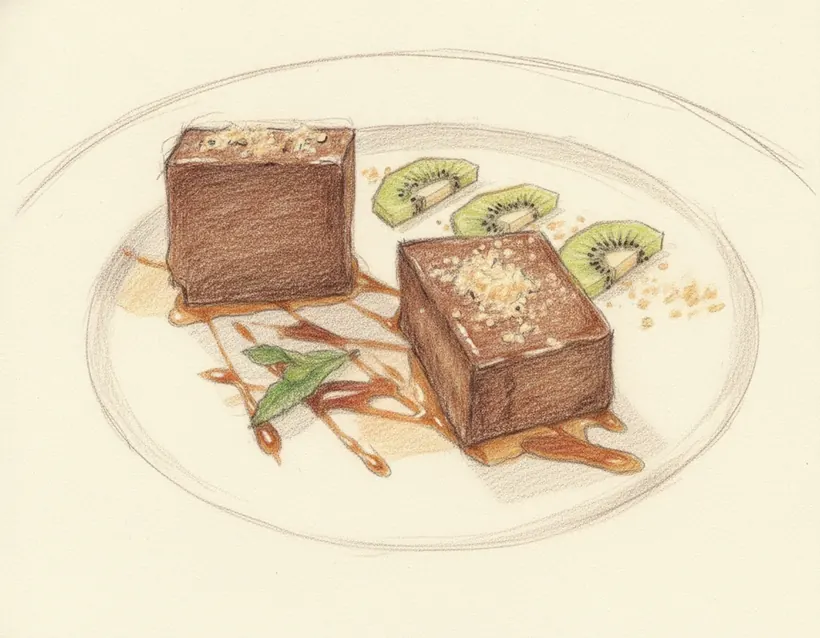
A dark baked custard of cocoa, crushed amaretti, eggs and a little rum, set with caramel, the classic Langhe dessert.
DOP, IGP, STG, Slow Food Presidia and traditional specialities of Piedmont.
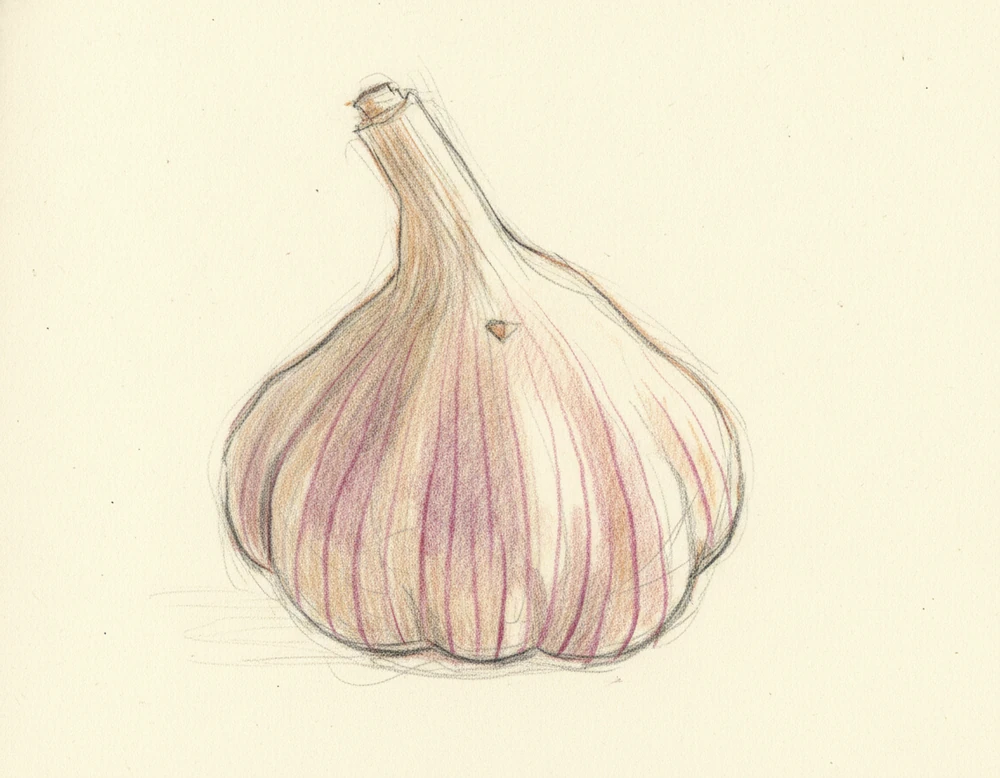
Garlic from the Grana valley below the Alps, where cold snowy winters give way to cool breezy springs and summers. That microclimate is what makes the flavour delicate when it is cooked.
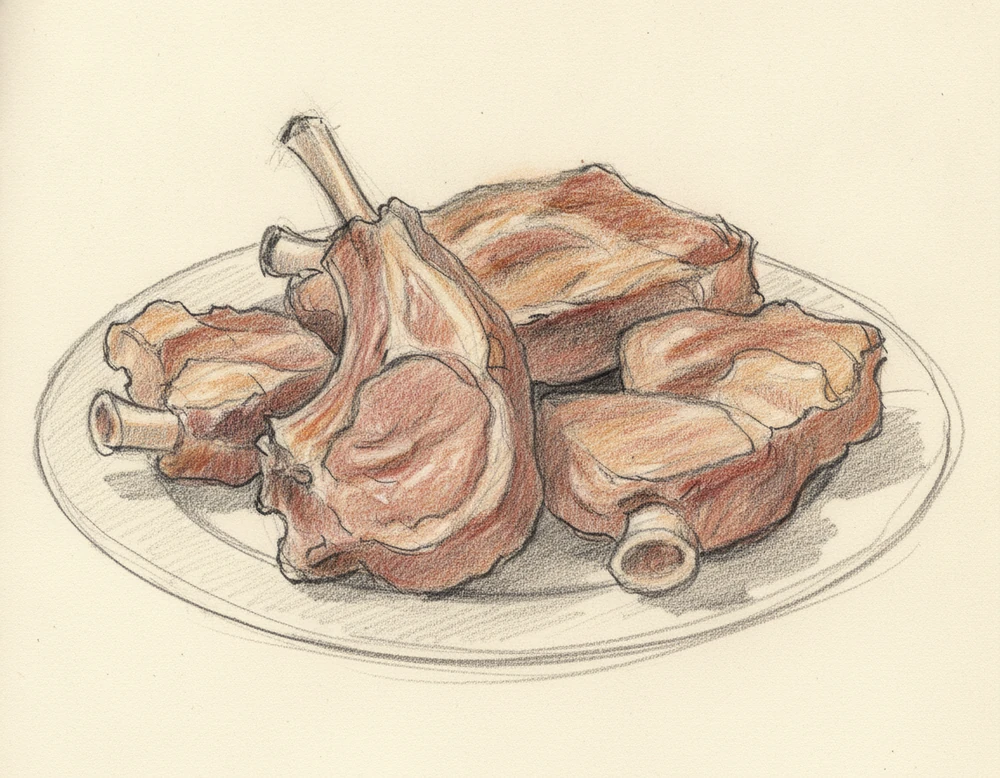
Lamb of the Sambucana sheep, farmed in the Stura valley mountains since the 18th century. Suited to high pasture, medium-large, with thin strong legs, no horns and no wool on the head. It is the meat the breed is prized for.
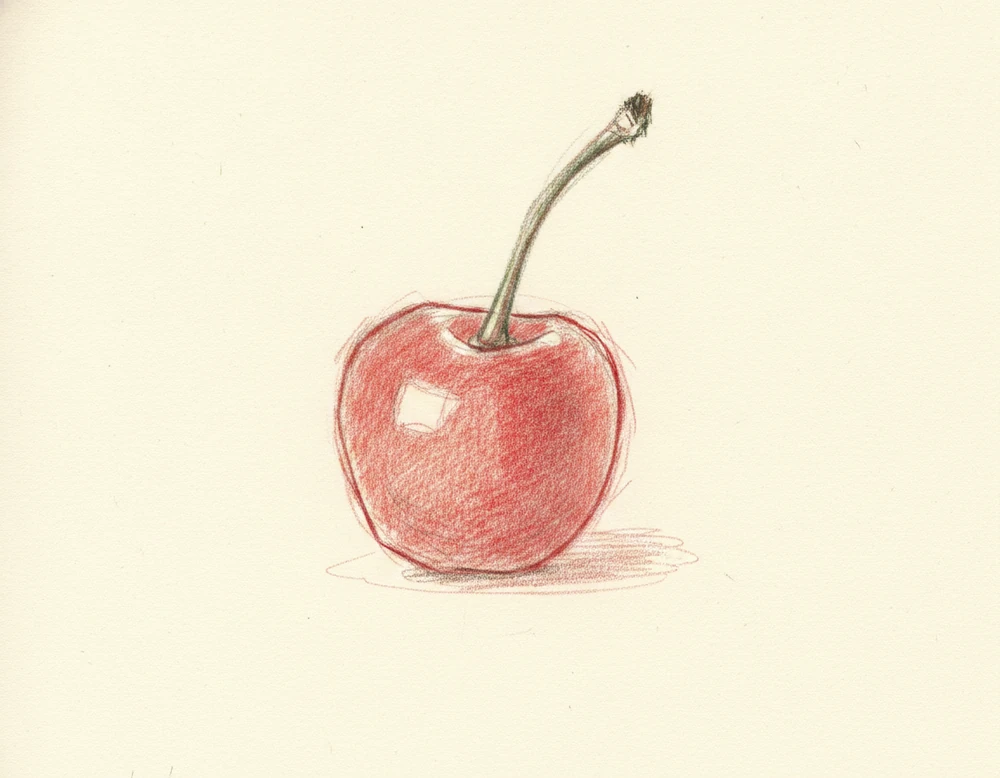
A bright red bigarreau cherry from the Grue valley. Until the early 1980s cherry trees covered the whole valley, Pistoiesi and late Grisone among them, but the Bella mattered most: crisp enough to hold up preserved in spirit.
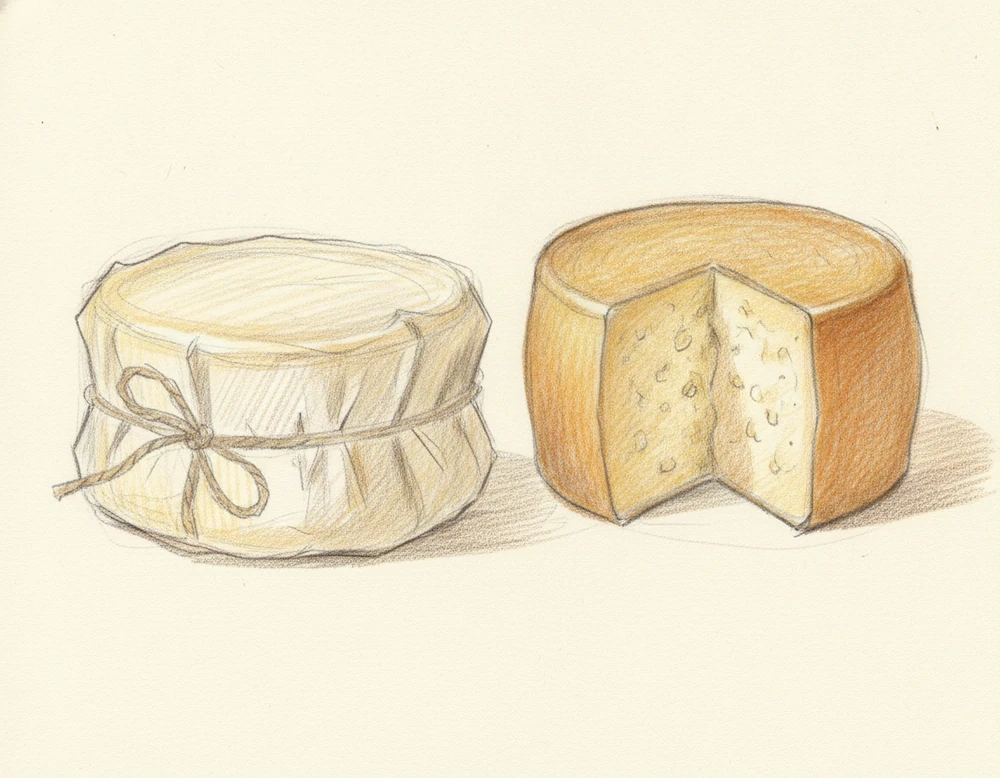
A pressed cow's-milk cheese from the Cuneo province, made in a Tenero and a Duro type. Small additions of sheep's or goat's milk are permitted, and the milk may be hygienised and inoculated with lactic ferments or natural starters.
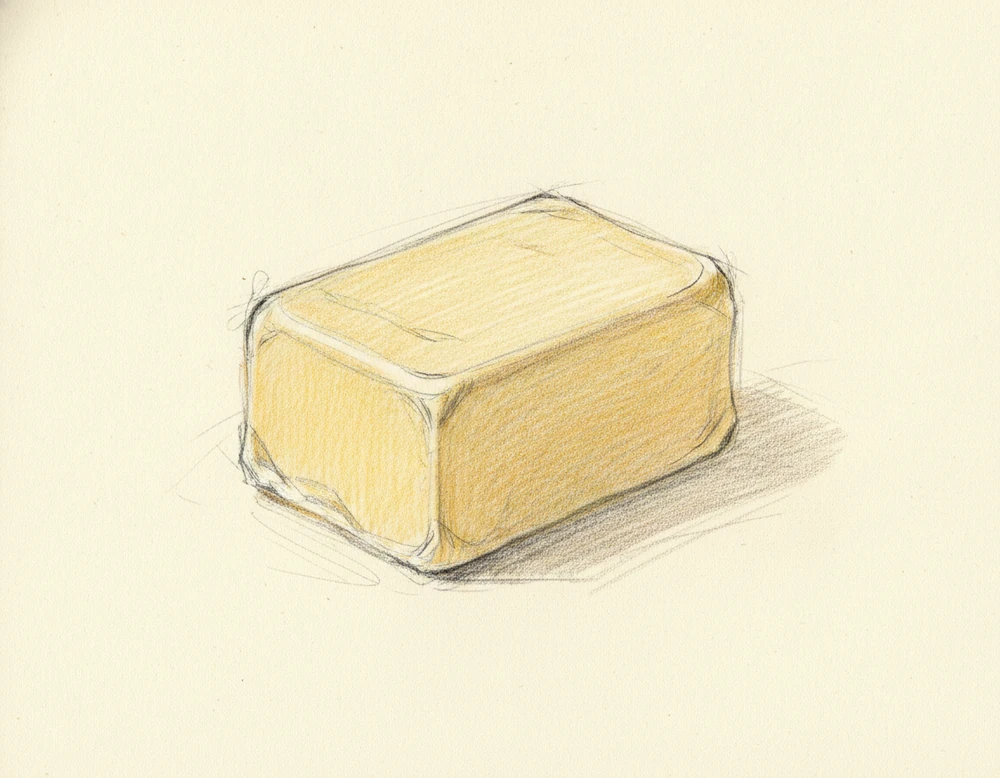
Butter churned from risen cream in the upper Elvo valley near Biella, where abundant mountain springs shaped the practice: the cream goes to butter and the skimmed milk to toma. That is the opposite of the neighbouring Valsesia, which makes Macagn from whole milk.
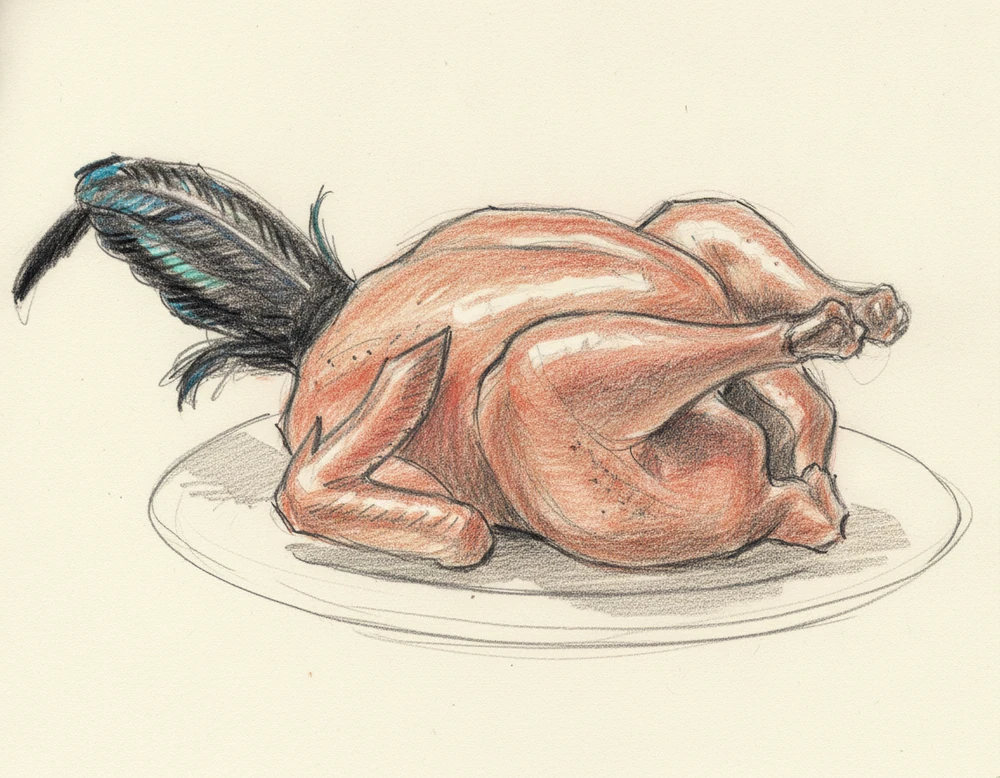
Capons of the Morozzo breed. Grown, the birds carry a long black metallic tail and glossy brick-red feathers edged blue or green. Cockerels are hatched in spring, castrated in August, then run free another four or five months, which is what makes the meat tender.
Named for the sorì, the Piedmontese word for the sun-facing flank of a hill, the south-east to south-west slopes where the best vineyards sit and where Mediterranean crops will also grow this far north.
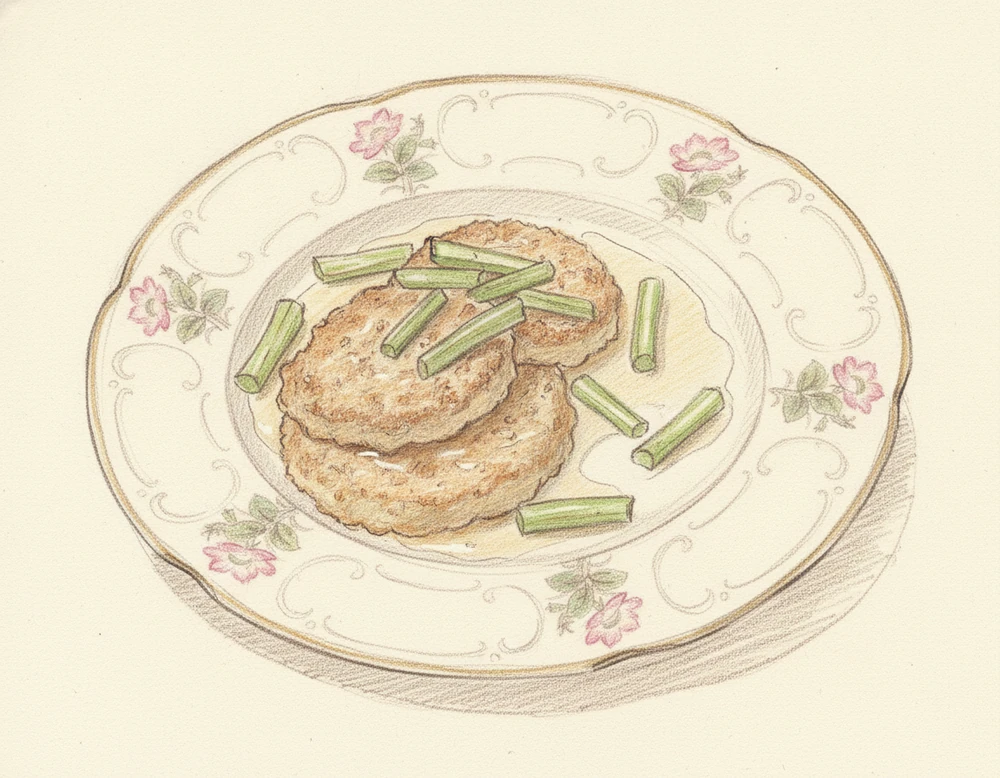
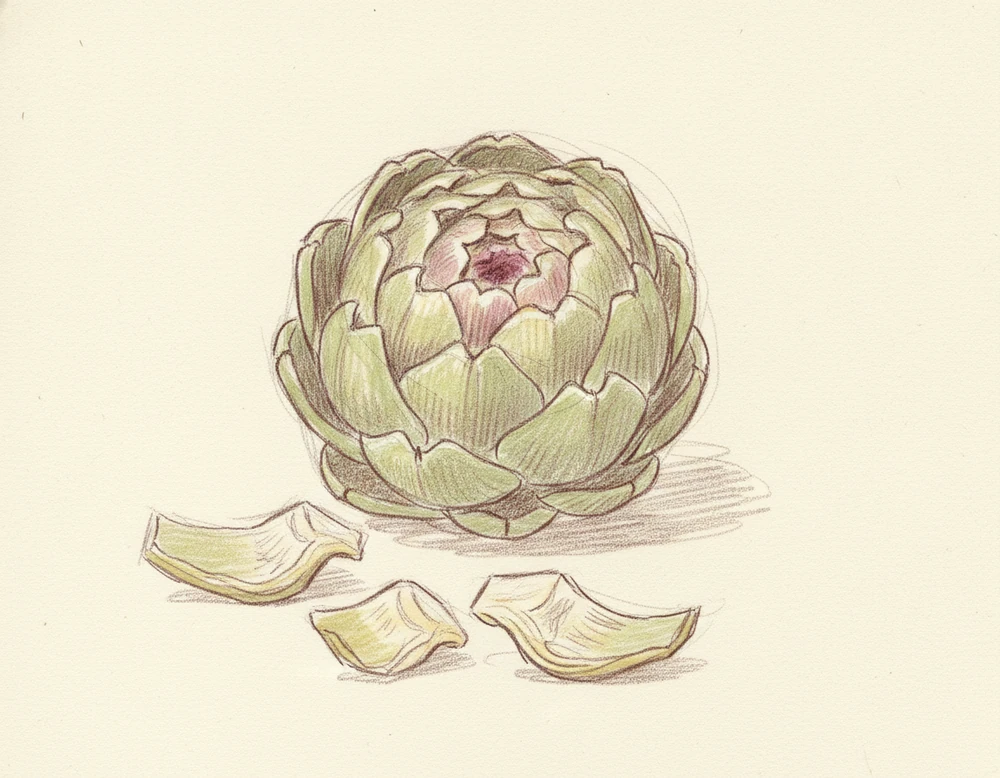
The hunchback cardoon, and the one ingredient bagna caoda cannot do without, the scalding sauce of garlic, olive oil and anchovy served with vegetables. Sown in May in the sandy ground along the Belbo.
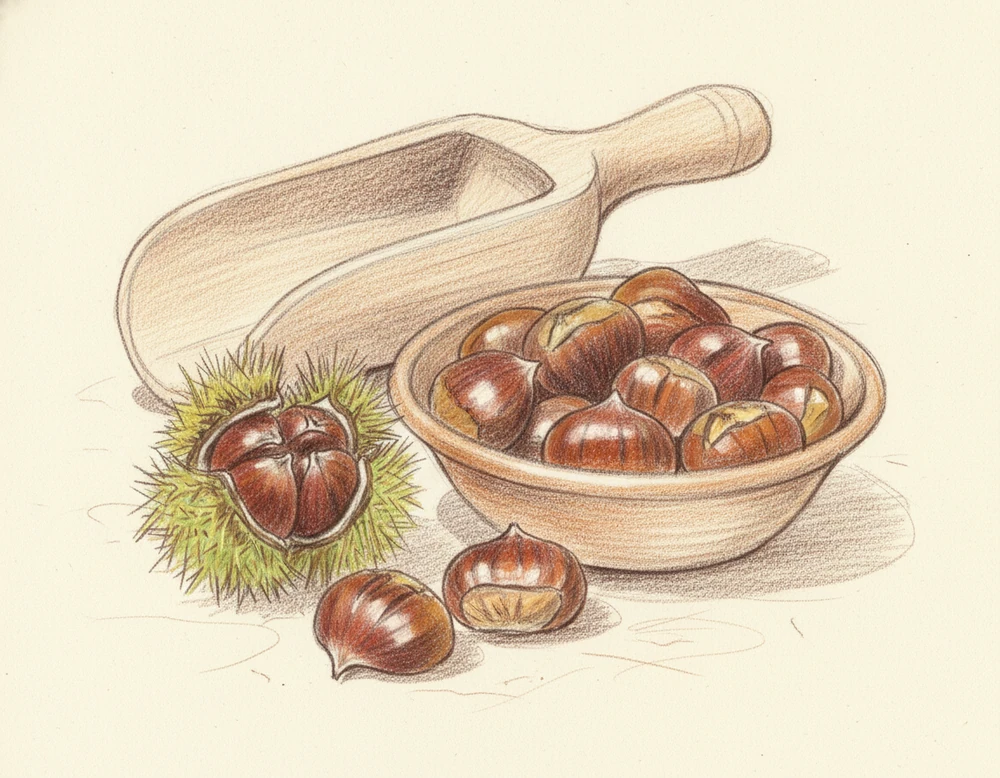
Chestnuts of Castanea sativa only, with interspecific hybrids expressly excluded, in a long list of named local varieties: Ciapastra, Tempuriva, Bracalla, Contessa, Pugnante, Sarvai d'Oca, Sarvai di Gurg, Sarvaschina, Siria, Rubiera, Marrubia, Gentile and Verdesa among them.
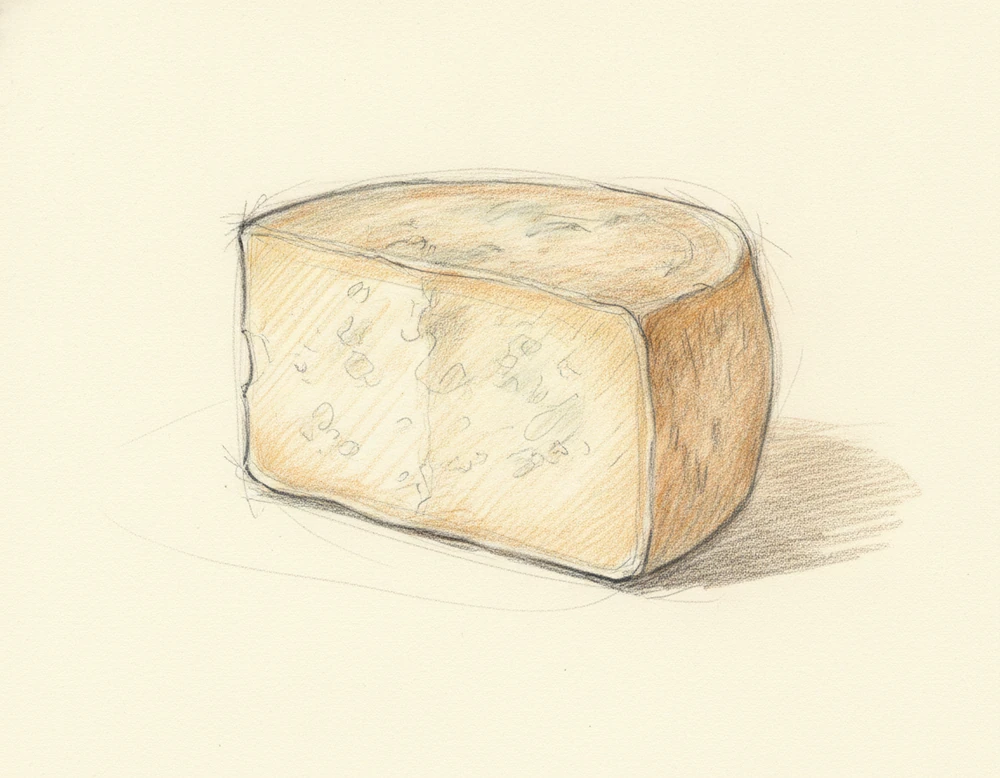
The alpine-pasture Castelmagno. The name appears as early as a judgment of 1277 requiring a number of cheeses in exchange for the rent of certain pastures. Wheels run 15 to 25 cm across and 12 to 20 cm deep.
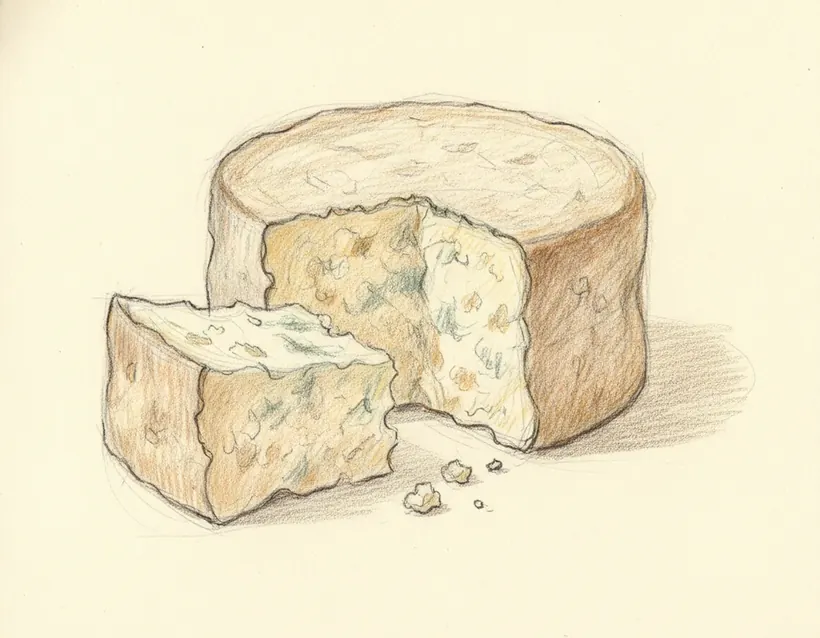
An ancient semi-hard cow's-milk cheese from the high Grana valley, crumbly and sharp, sometimes blue-veined with age.
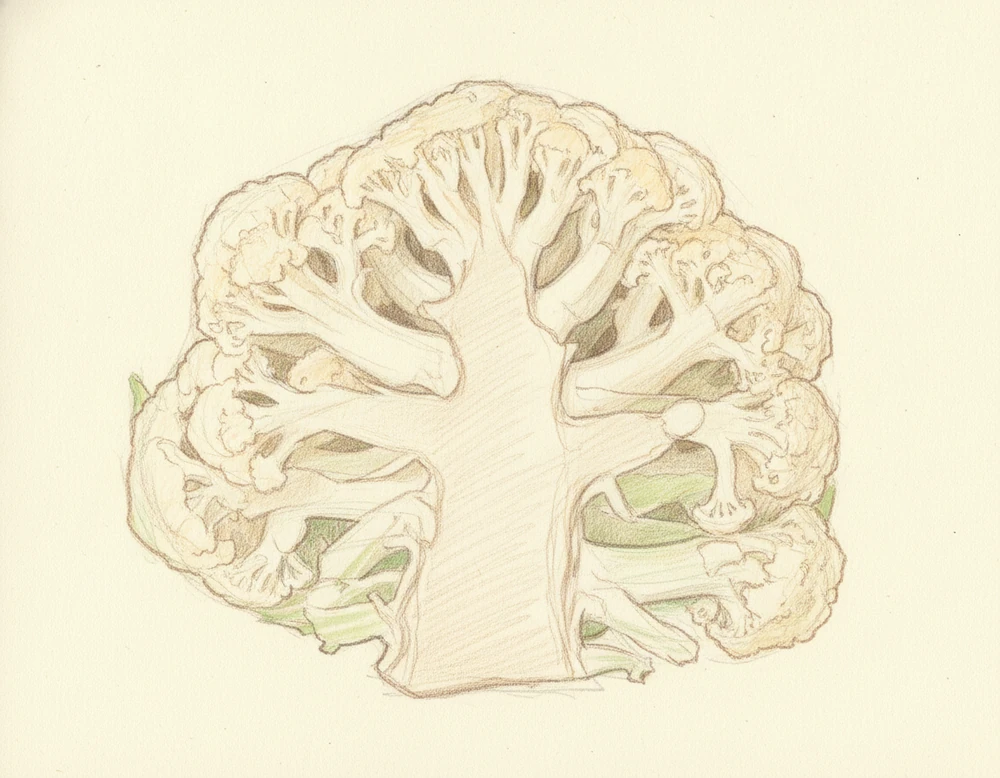
The local cauliflower of Moncalieri, below the hills south of Turin. Until the 1970s practically every market-gardening family there grew it and it was sought after in the markets, then it all but disappeared over the following decades.
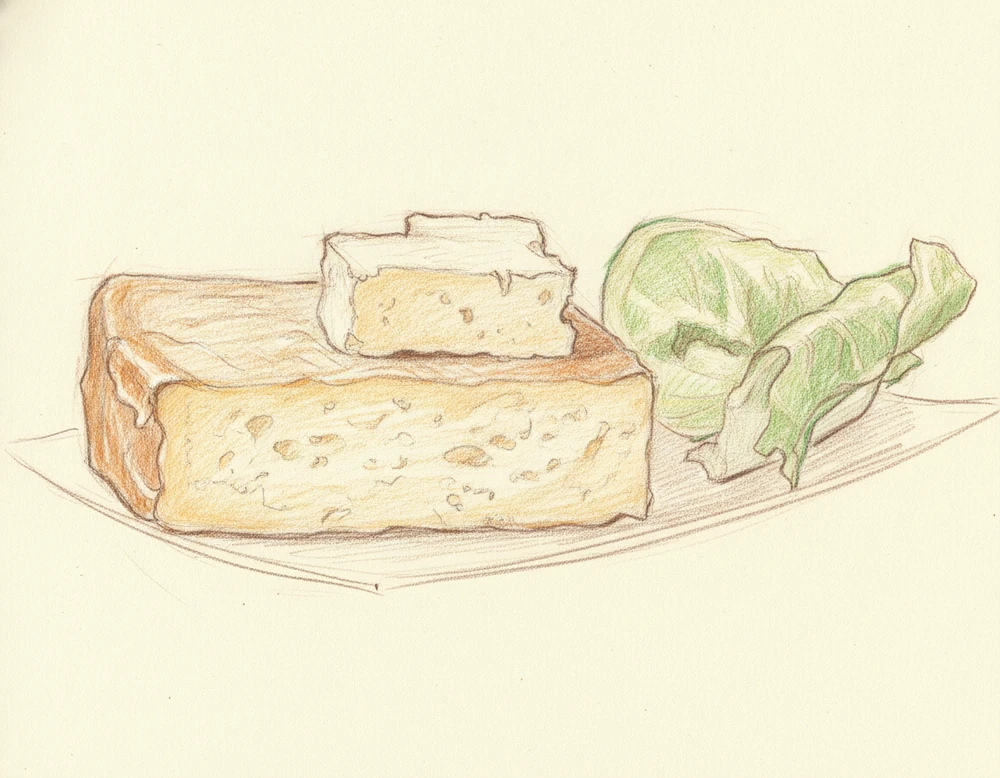
Cevrin is the Sangone valley's dialect name for a cheese of mixed goat's and cow's milk, curdled slowly somewhere between lactic and rennet-set. The amber rind is wrinkled and damp; the paste is faintly granular, yellow at the edge and white towards the middle.
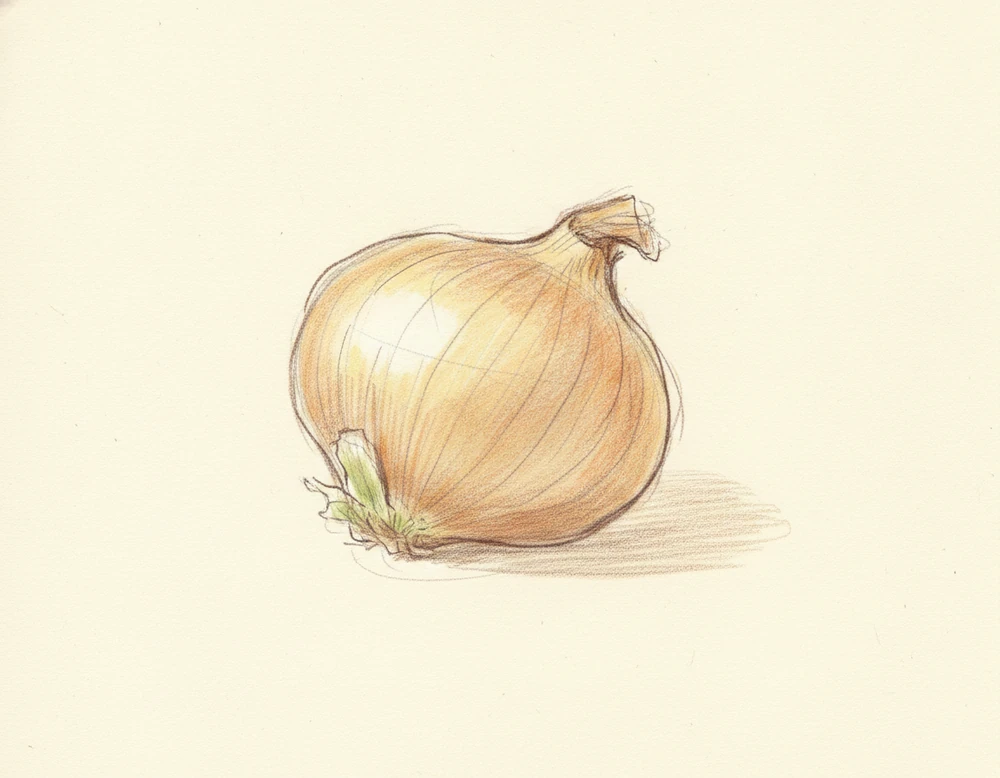
A blond onion from the plain between the Agogna and the Sizzone, near Novara. Growers used to take crates down to Cureggio station every day for the Milan and Turin markets.
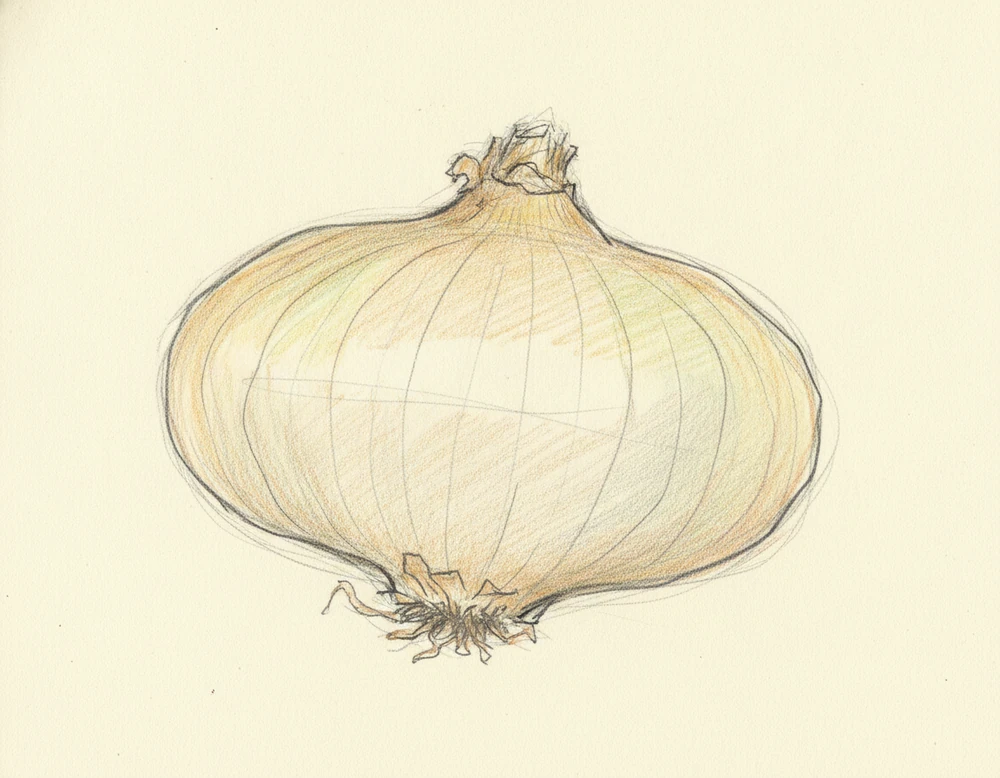
A flat blond onion from Drubiaglio, a hamlet of Avigliana lying in a broad valley ringed by wooded moraine hills at the mouth of the Val di Susa. The Dora Riparia and the Messa torrent flooded the ground there regularly until it was drained.
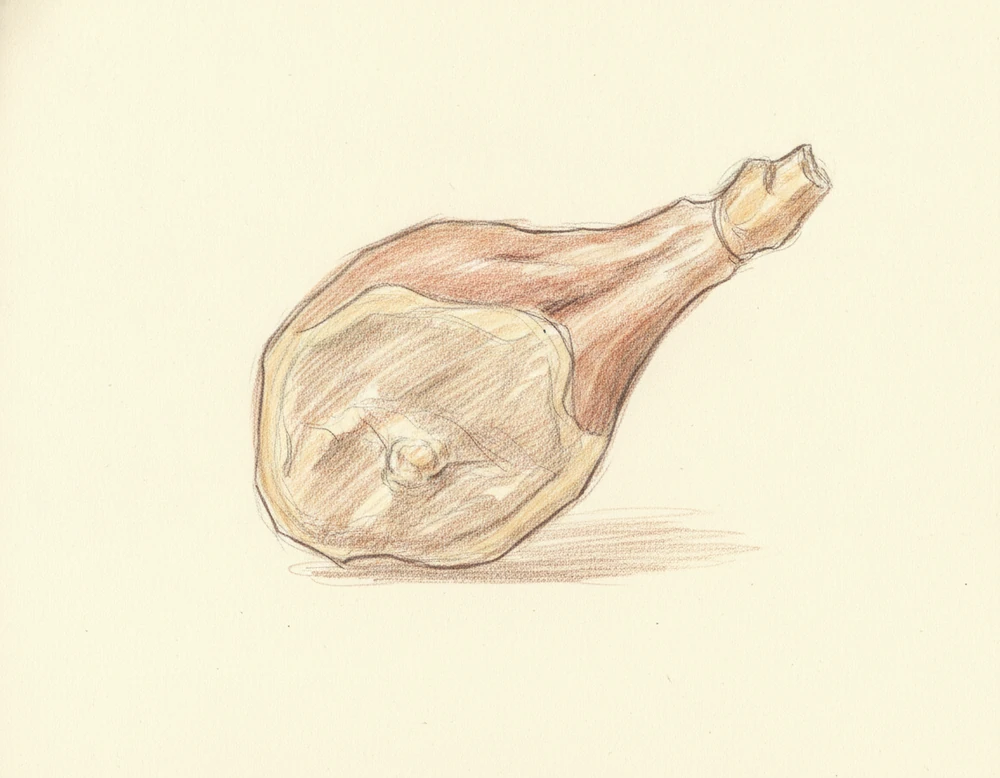
A raw cured ham made only from fresh legs of pigs born, raised and slaughtered inside the production zone, the plain and hills around Cuneo.
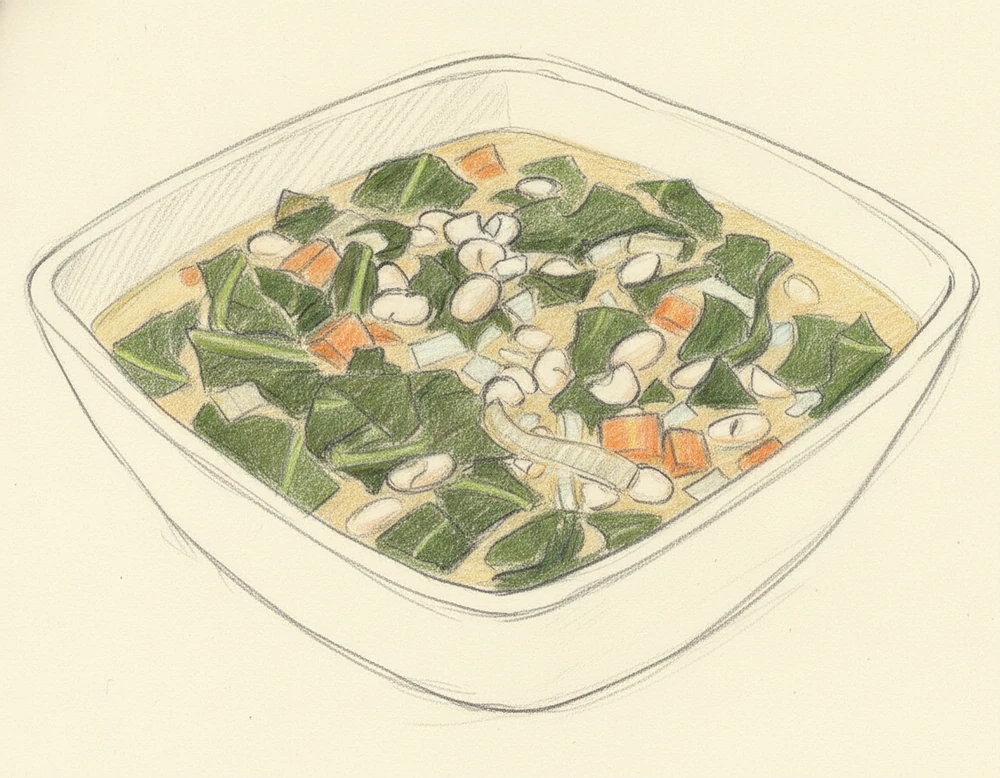
Climbing beans (Phaseolus vulgaris and P. coccineus) sold as waxy pods for shelling and as dried grain, from the Bianco di Bagnasco and Vedetta ecotypes and the Billò, Corona, Stregonta, Bingo, Rossano, Barbarossa, Solista and Millenium varieties.
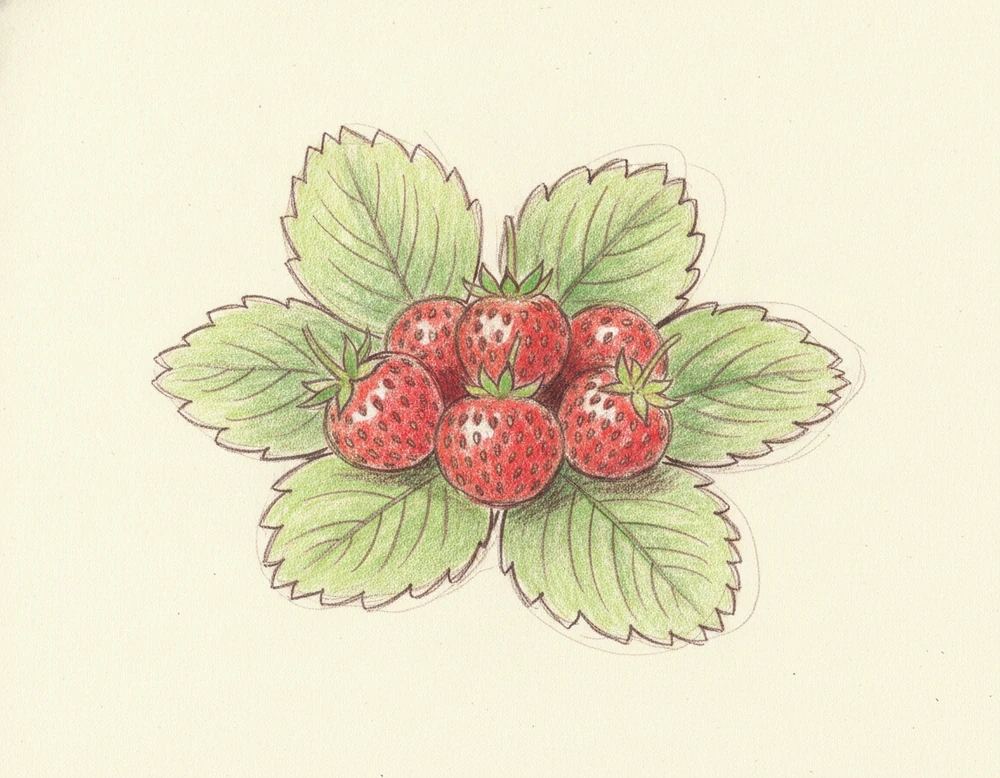
A strawberry selected in the early 20th century from wild plants on the hills around Tortona. Barely larger than a raspberry, it carries a heady scent and a sweet, delicate taste.
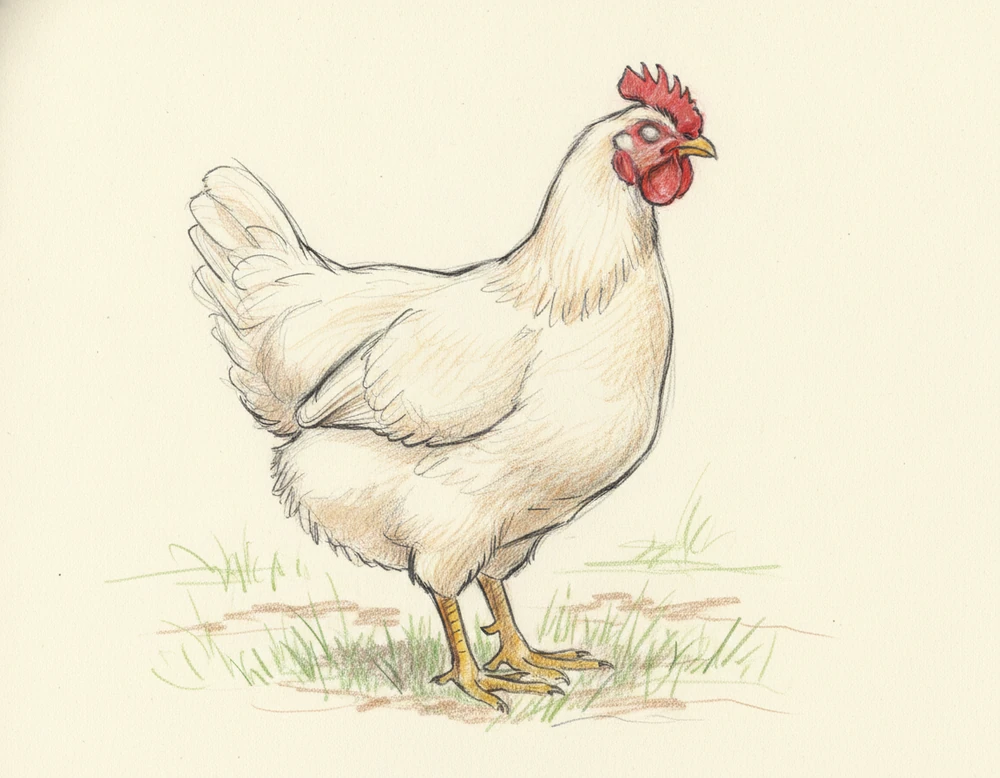
A traditional Piedmontese farmyard hen kept for meat and eggs. Every farm once had its ducks, geese, rabbits and chickens, eaten at home or sold at the local market to top up a modest income.
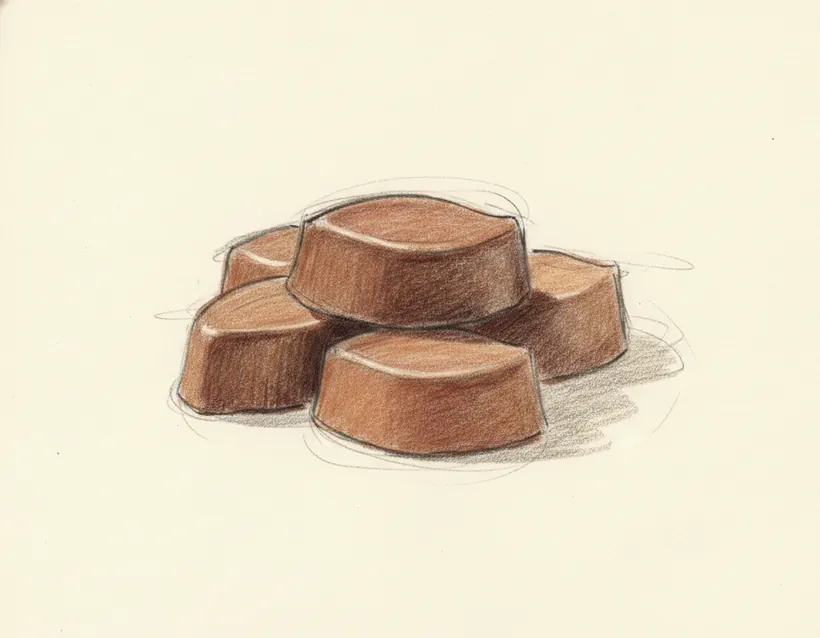
Turin's ingot-shaped melting chocolate of cocoa and Piedmont hazelnut paste, created when Napoleon's blockade made cocoa scarce.
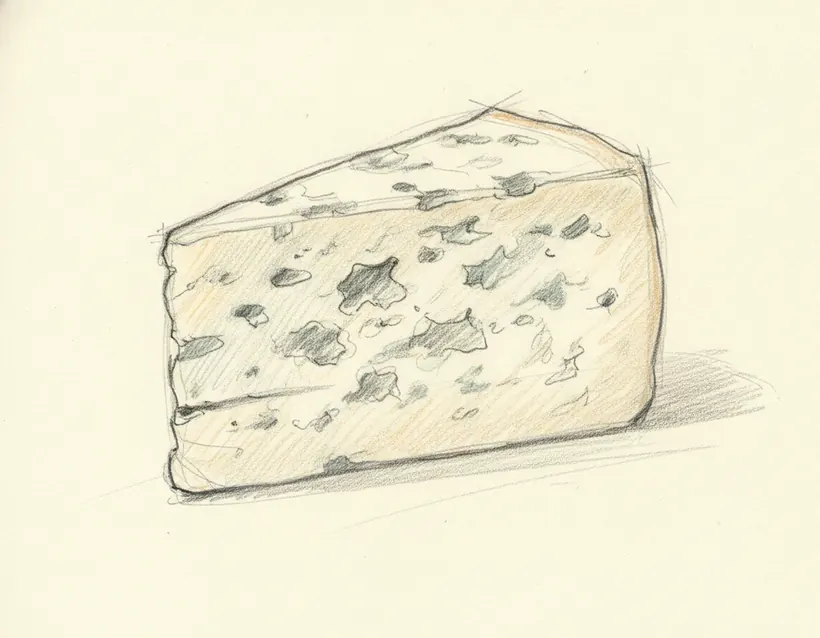
A soft, creamy cow's-milk blue cheese veined with blue-green mould, sold sweet and mild or sharp and piccante.
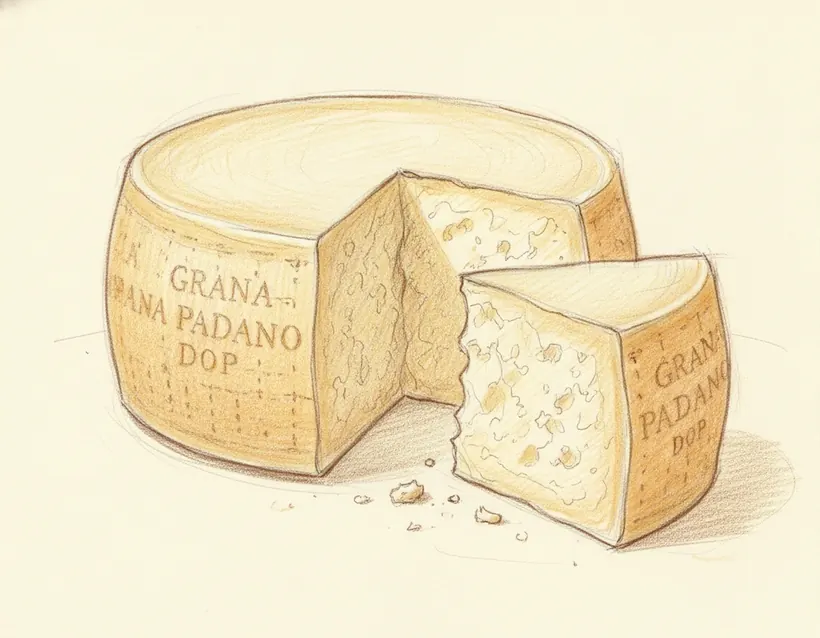
A hard, grainy cow's-milk cheese of the Po valley aged in giant drums, milder and younger-eaten than Parmigiano.
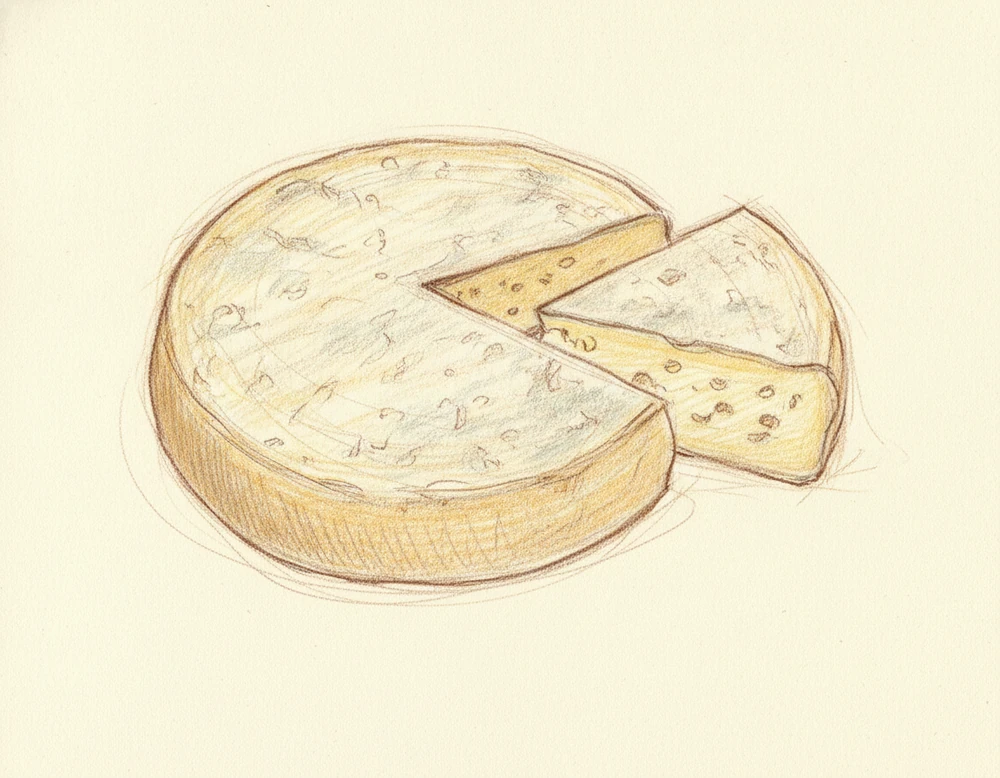
A mountain cheese of full-fat raw cow's milk, named for a foothill of Monte Rosa though actually made in the Cervo, Sessera and Sesia valleys. Its defining trait is that a cheese is made after every single milking, a method that probably grew out of working with what each milking gave.
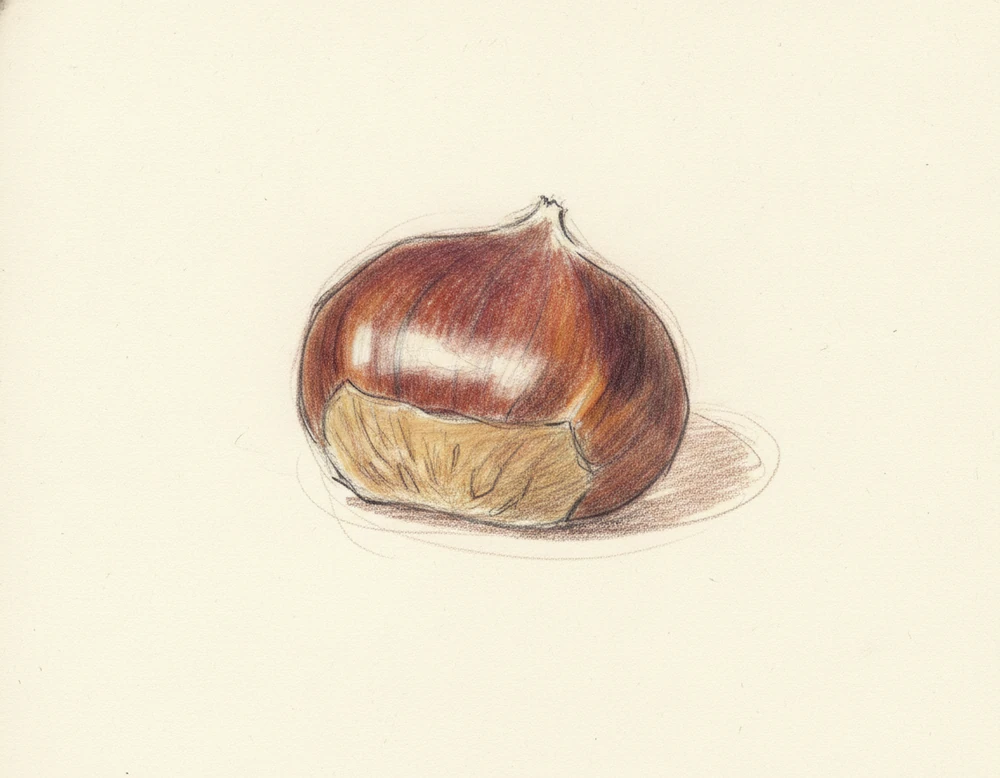
Chestnuts from local ecotypes each named after the comune it comes from: Marrone di San Giorio di Susa, di Meana di Susa, di Sant'Antonino di Susa, di Bruzolo and di Villar Focchiardo.
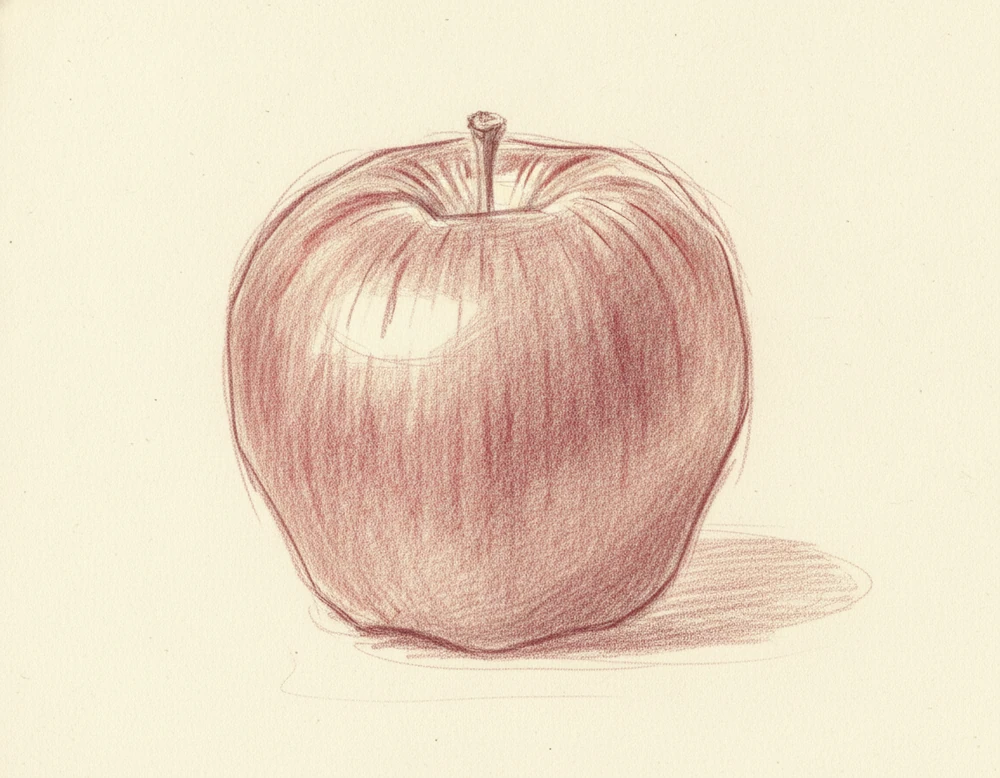
Apples from four variety groups only: Red Delicious, Gala, Fuji and Braeburn. Red Delicious must carry deep vinous red over at least 90 per cent of the skin, free of greasiness and russeting.
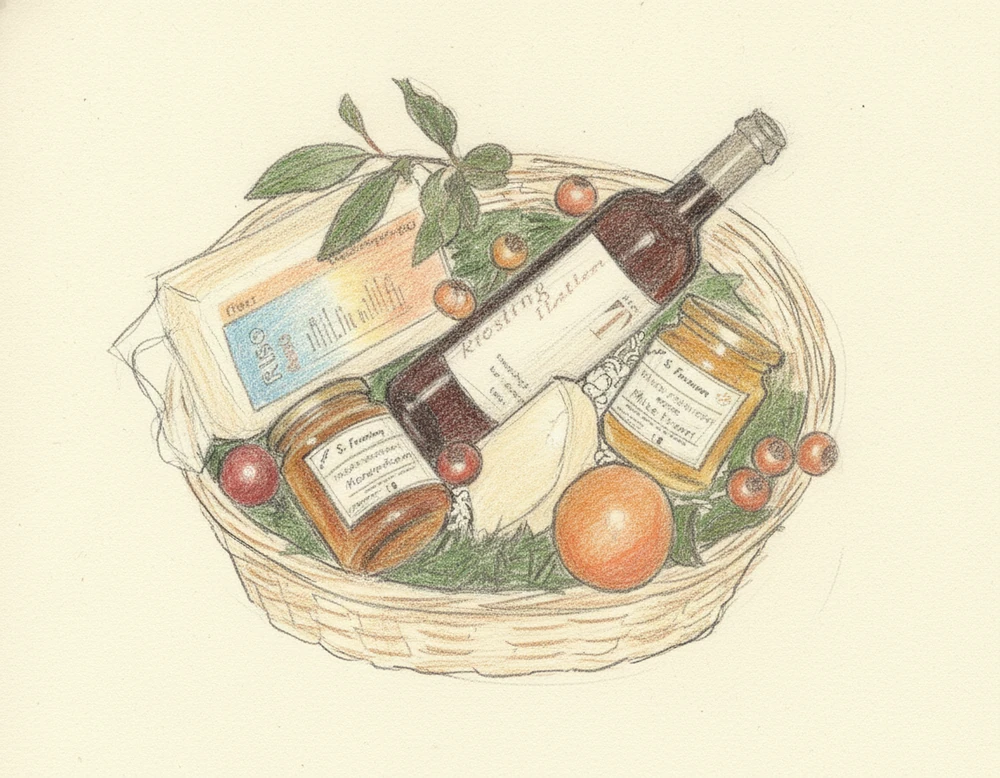
The classic Alpine honeys: rhododendron, millefiori and fir honeydew. Only nectar foraged above 1,400 m counts as high mountain, and even in a good season, which comes round every four or five years, the yield runs to a few hundred quintals.
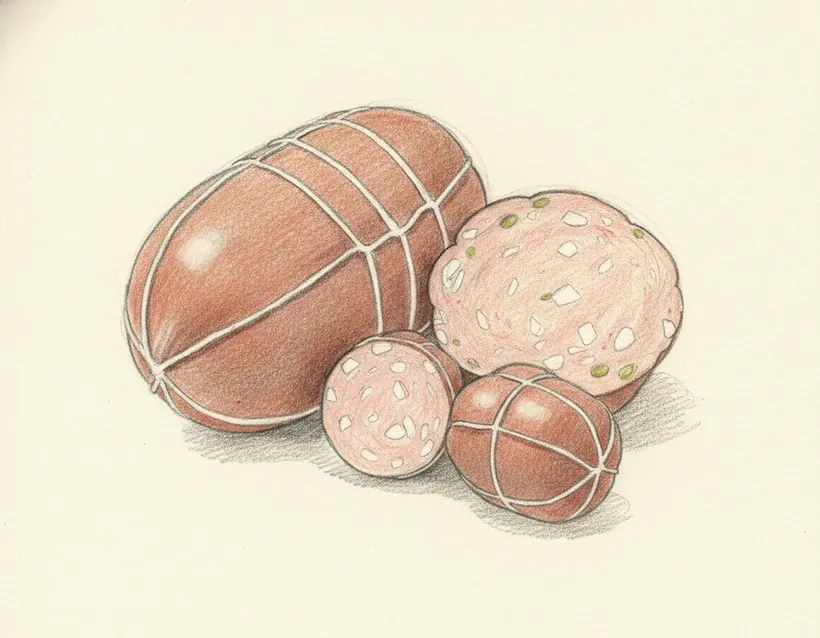
A large, silky pink cooked pork sausage studded with white fat cubes and pistachios, gently spiced, the pride of Bologna.
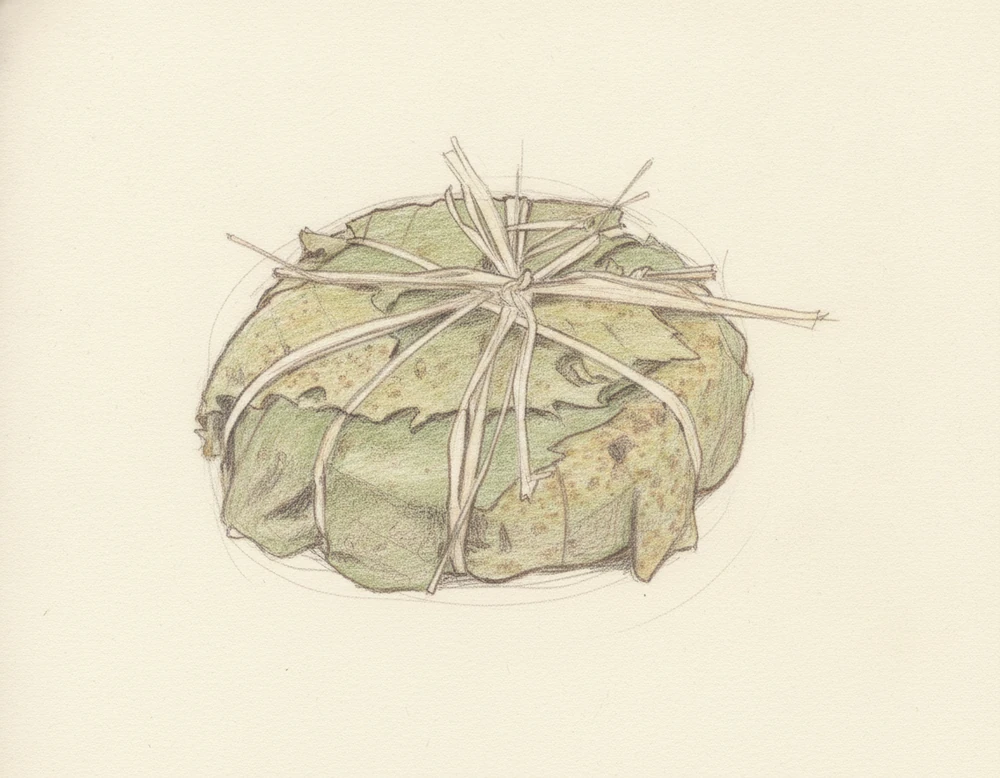
A fresh, full-fat table cheese from the Alta Langa, made from Langhe-breed sheep's milk either pure or as a mixture with at least 60 per cent sheep's milk and up to 40 per cent cow's.
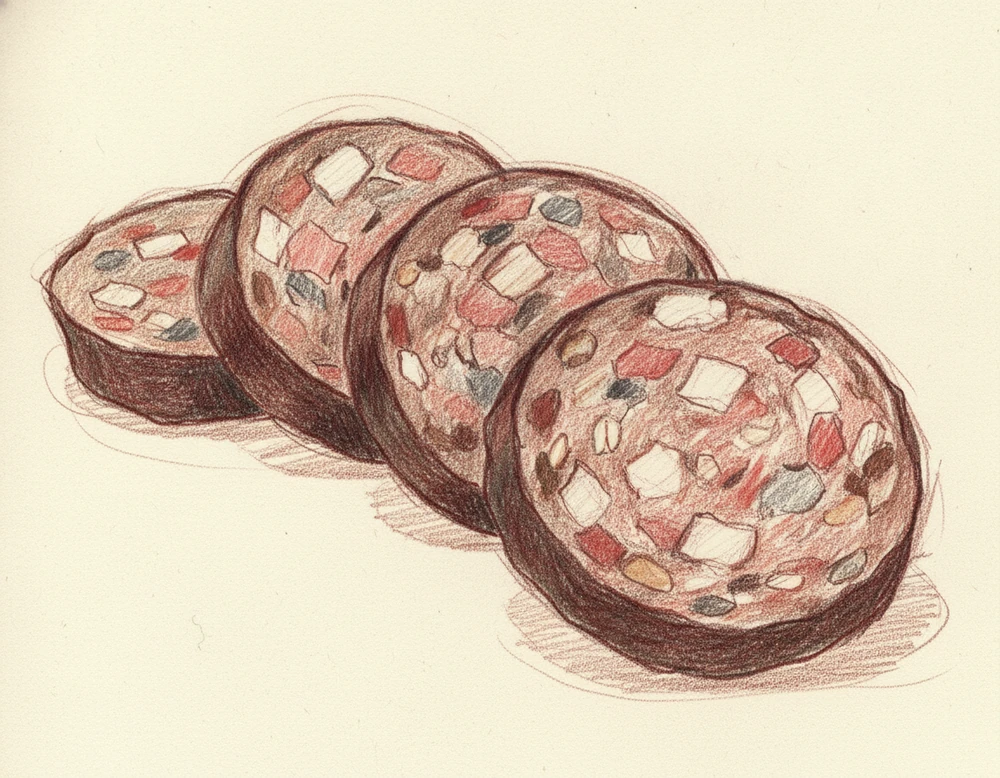
A humble blood sausage of the Waldensian valleys, built like all of them to use the least prized parts of the pig: head, lungs, tongue, kidneys and rind, with a little belly fat added.
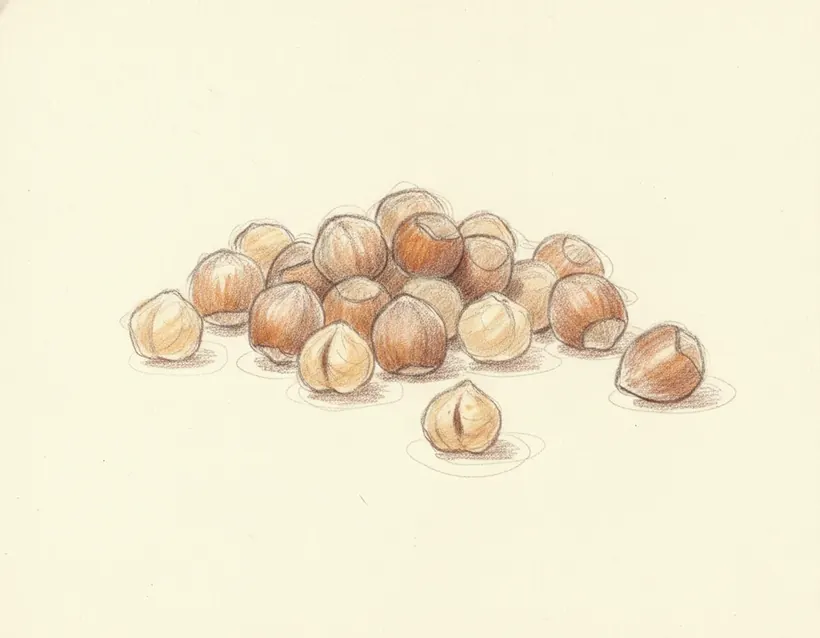
The 'Tonda Gentile' round hazelnut of the Langhe, reckoned the finest in the world and the heart of gianduja chocolate.
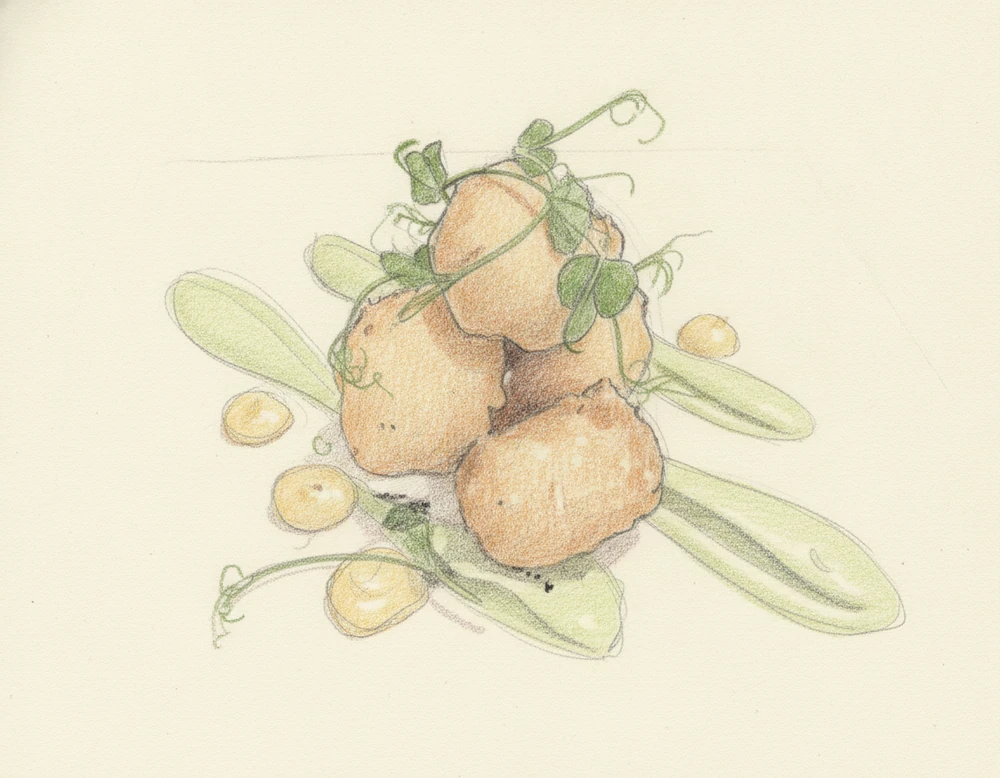
An alpine cow's-milk cheese from the Ossola valleys. Cylindrical with a straight or slightly convex heel, 6.0 to 7.0 kg, or 5.0 to 6.0 kg for the d'Alpe mention, 6 to 9 cm deep and 29 to 32 cm across.
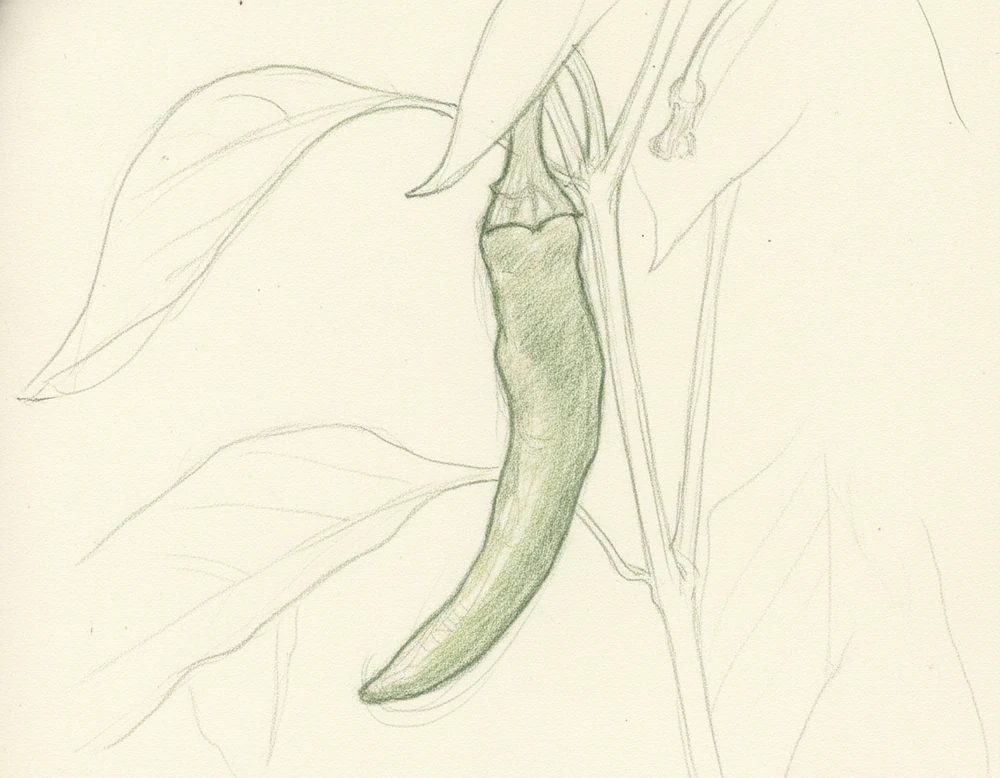
Carmagnola is one of Italy's pepper capitals, with four types: Quadrato, nearly a cube with four points; Tomaticòt, round as a tomato; Trottola, heart-shaped; and this one, the Corno di Bue or ox-horn, deep yellow or bright red and long.
A pepper grown at Capriglio in the Monferrato for more than two centuries, probably a cross between small old cultivars and the larger ones from around Cuneo. Being a traditional variety, the plant is hardy and vigorous.
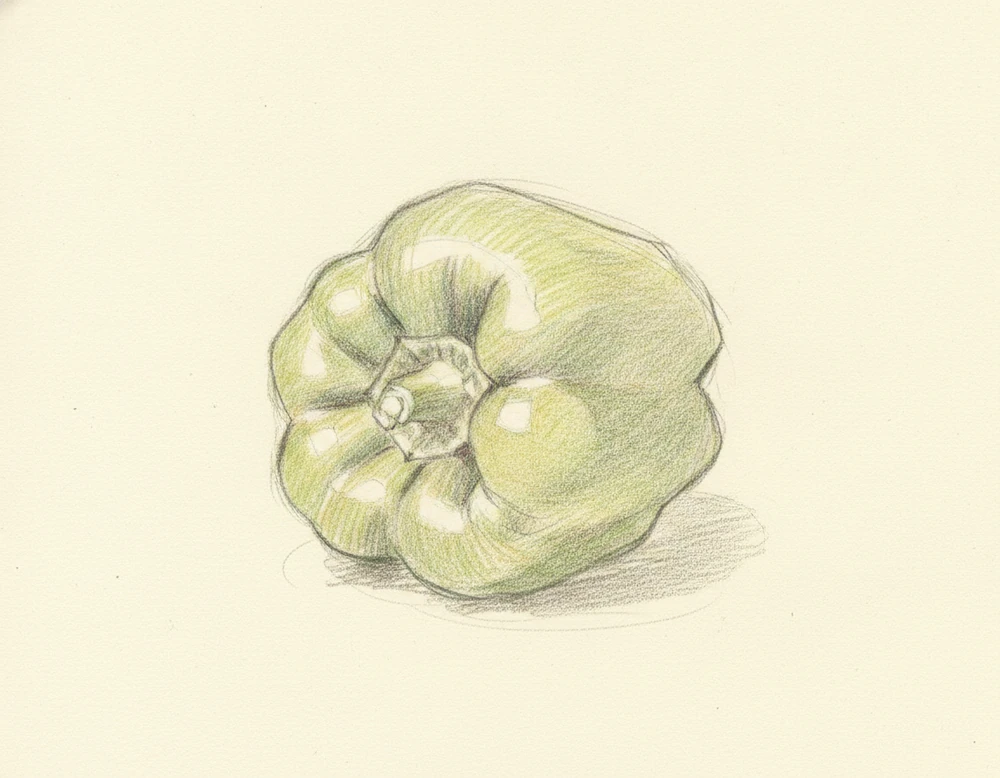
A square pepper grown for over a century in the Tanaro flood plain south of Asti, in the gardens of Motta, a district of Costigliole d'Asti. Of the many square capsicums, this is held to be among the finest.
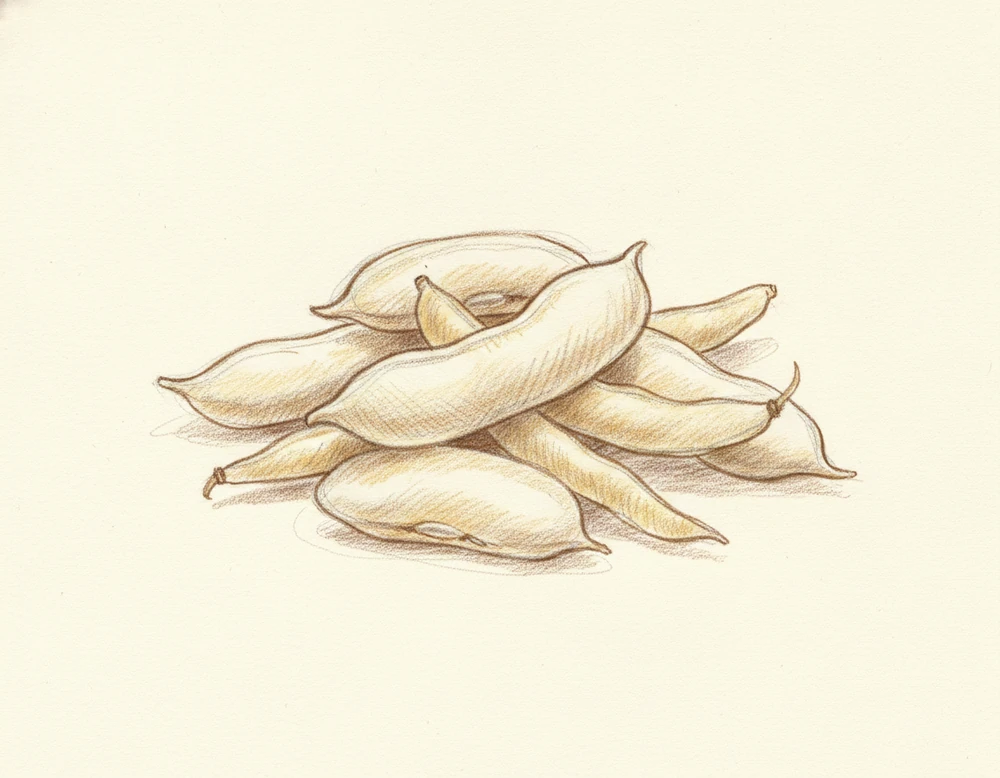
A white, flat, kidney-shaped bean from the wetland by the Orco at Cortereggio. Little calcium in that soil leaves the skin very thin. The Piattella was once real income for local families, who sold to buyers from further afield.
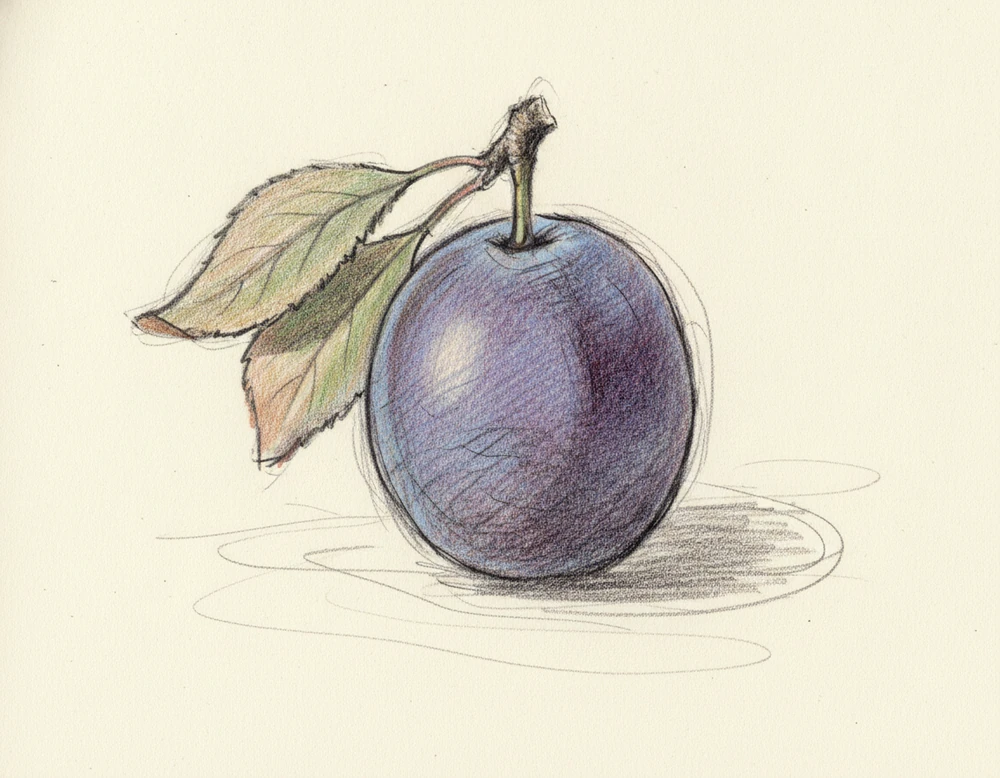
A small purple-blue damson, well known in Piedmont and almost unheard of elsewhere. The dialect name ramassìn traces to Damascus, and like all Syrian plums it is tough, which is why it was once planted to colonise difficult ground.
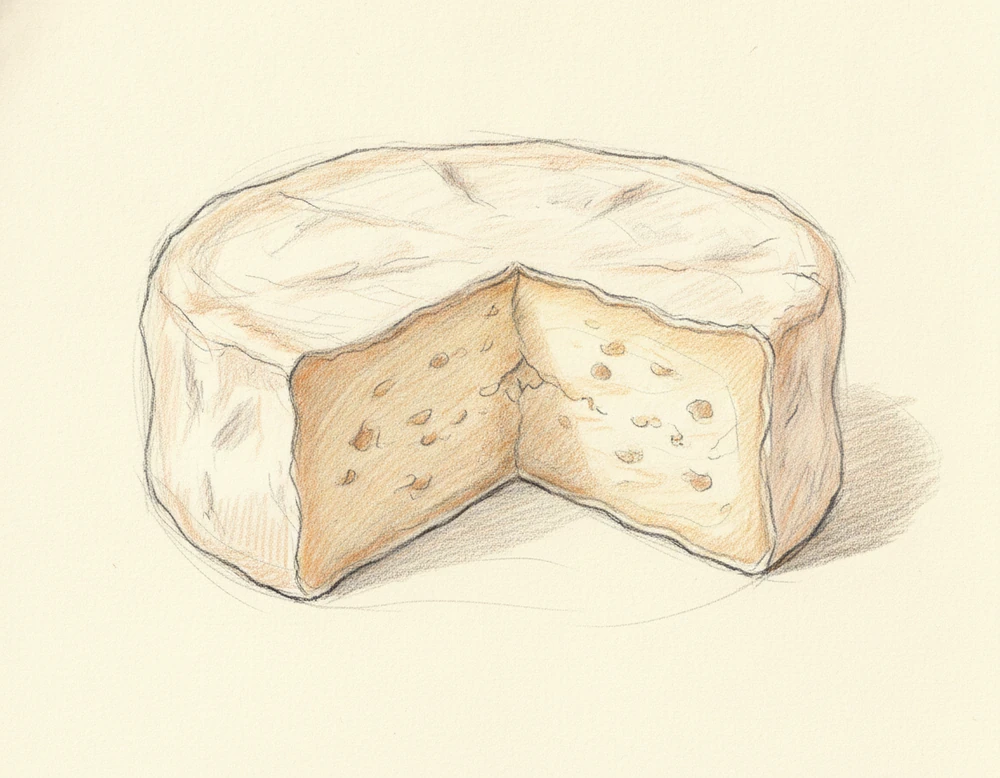
A pressed full-fat or semi-fat cow's-milk cheese from the Monregalese, sometimes with small additions of sheep's or goat's milk. Wheels made and matured above 900 m may carry the d'Alpeggio mention.
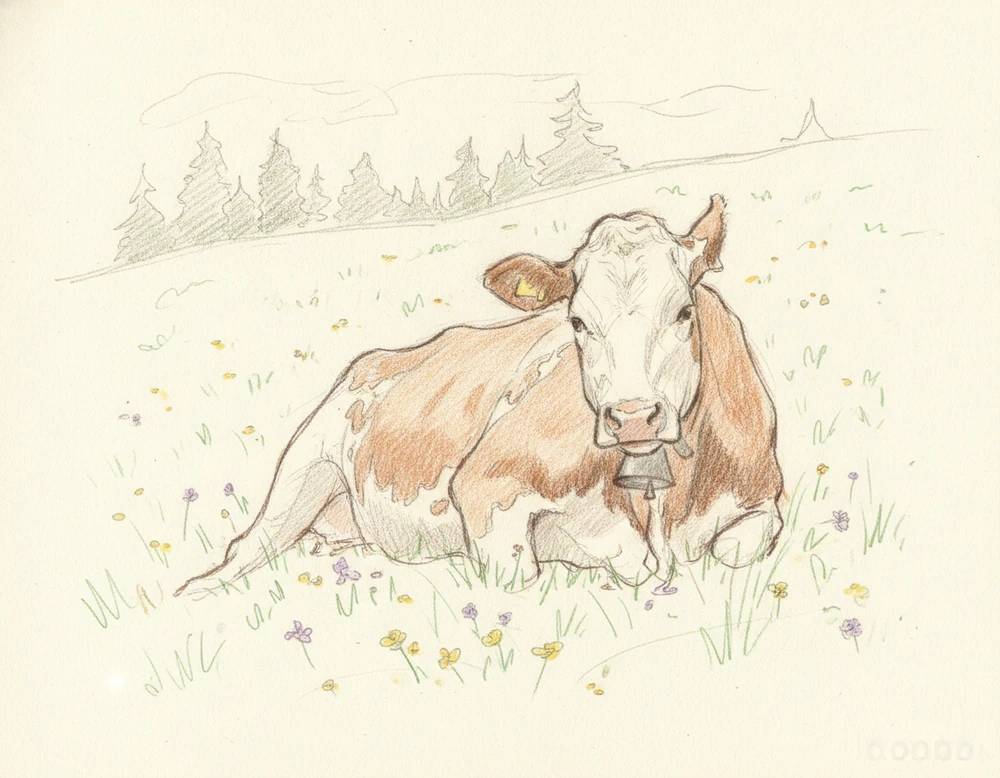
An ancient white-coated native breed whose modern history starts in 1886 at Guarene d'Alba, when a bull was born carrying the spontaneous mutation for the double-muscled hindquarter the breed is now known for.
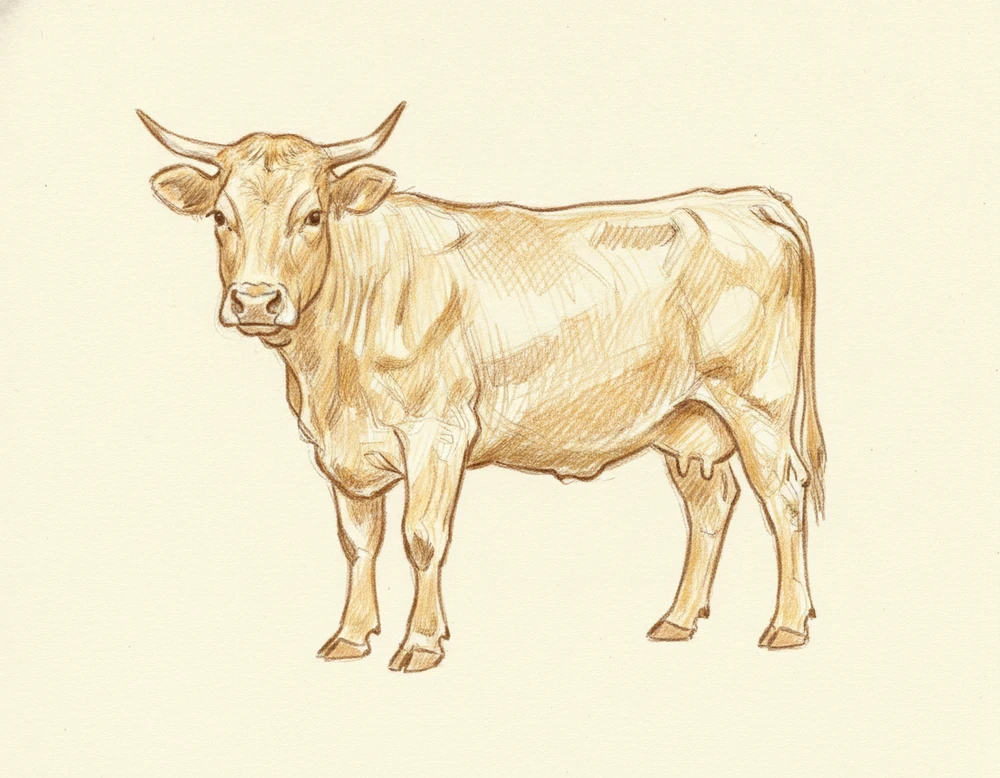
One breed under many names: Varzese, Tortonese, Ottonese, Cabellotta and Montana, and Biunda in dialect for its golden-blond coat. It was once common across the Lombard plain, around Alessandria and Pavia, and in the Apennines behind La Spezia.
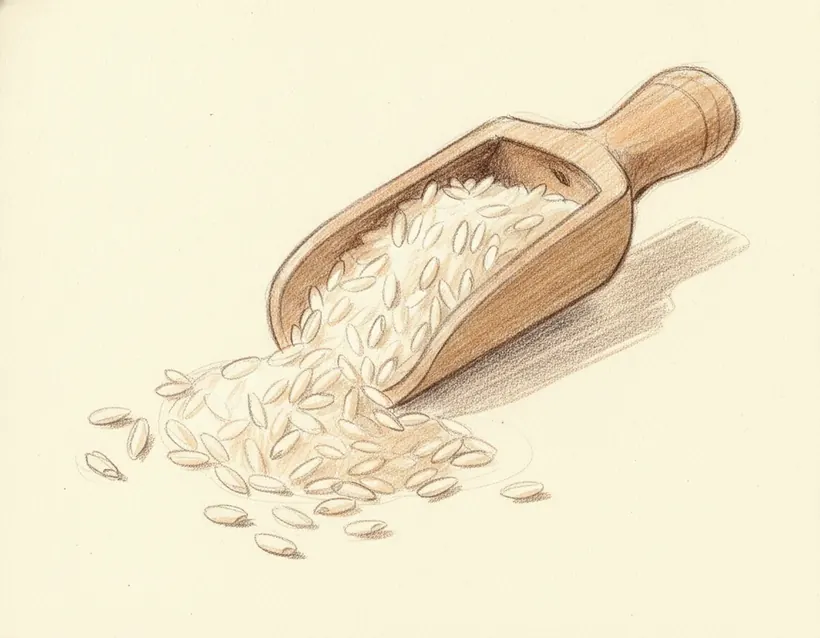
Italy's first DOP rice, grown in the cool Baraggia paddies, firm, pearly grains that hold their bite in risotto.
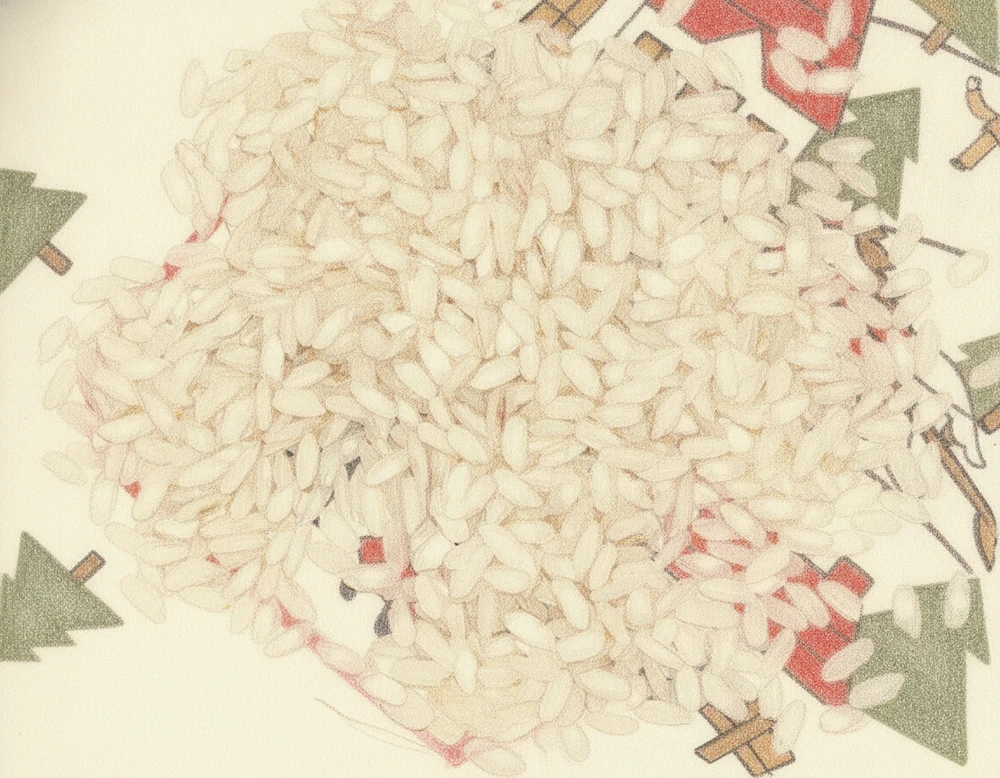
A large-grained rice from Vercelli, Europe's rice capital and the largest area under rice anywhere on the continent. A network of canals dug from the 13th century on brings water off the Po, Dora Baltea, Sesia, Cervo and Elvo.
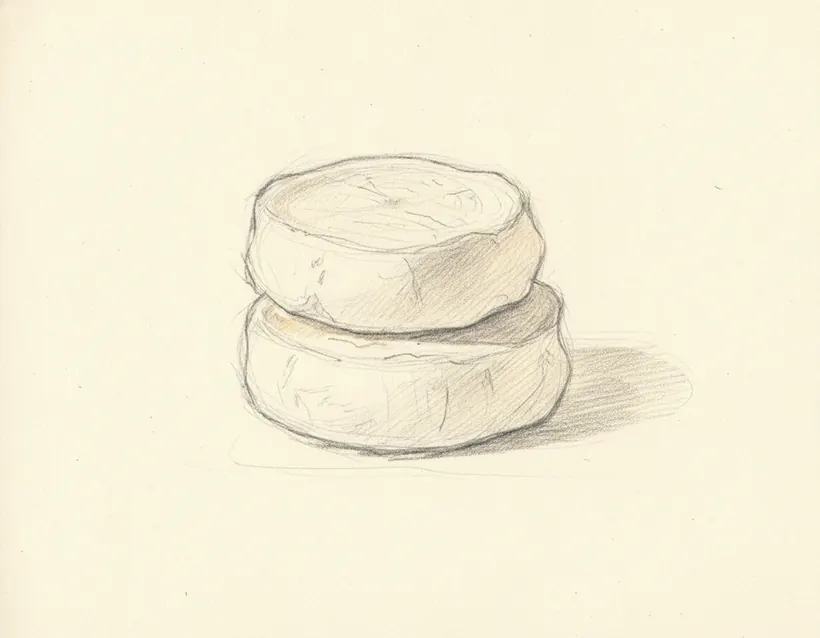
A small, soft, fresh goat's, (and cow's-) milk cheese of the Langa Astigiana, milky and faintly tangy.
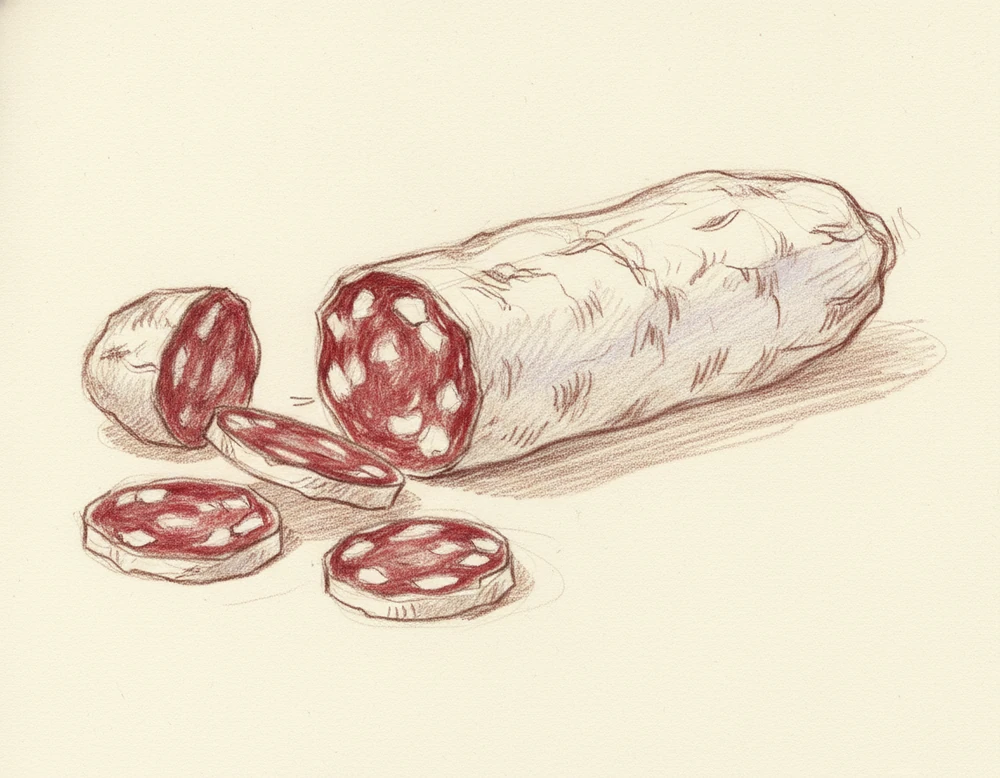
A cylindrical, somewhat irregular salame of at least 500 g finished, no less than 65 mm across and 150 mm long when made up. Compact and soft-textured, its microflora is dominated by lactobacilli and cocci, which is what the disciplinare actually specifies.
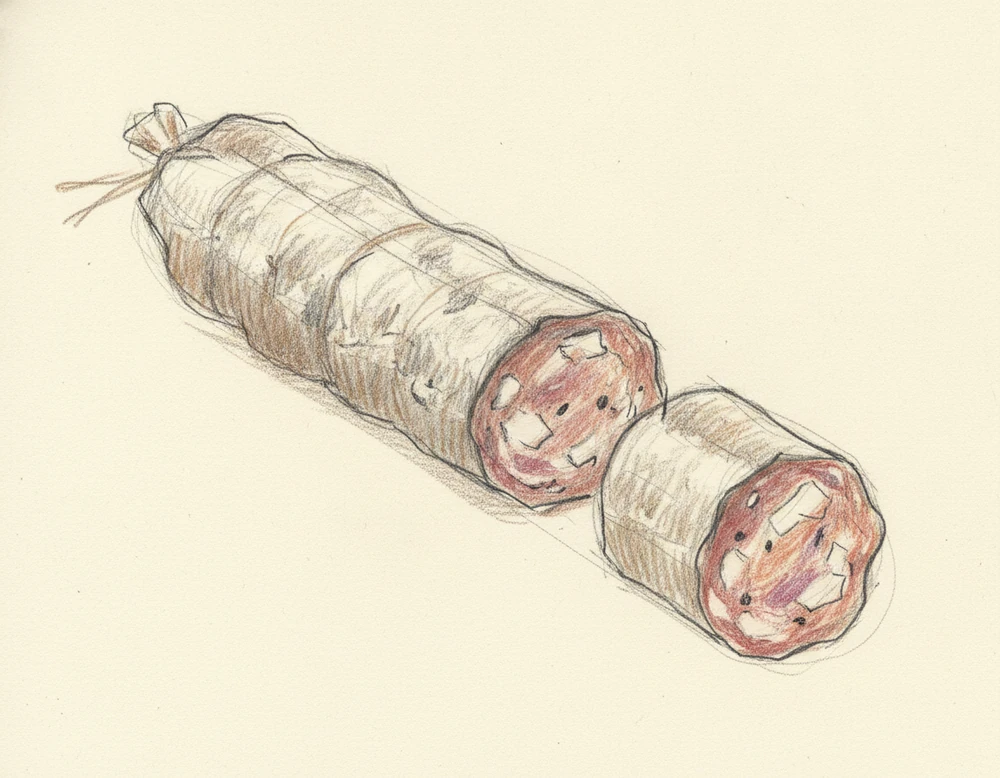
A salame of fresh marbled pork that has never been frozen. The lean comes from the striated muscle of the leg, shoulder and belly; the fat from the noble fat of the belly, throat and back.
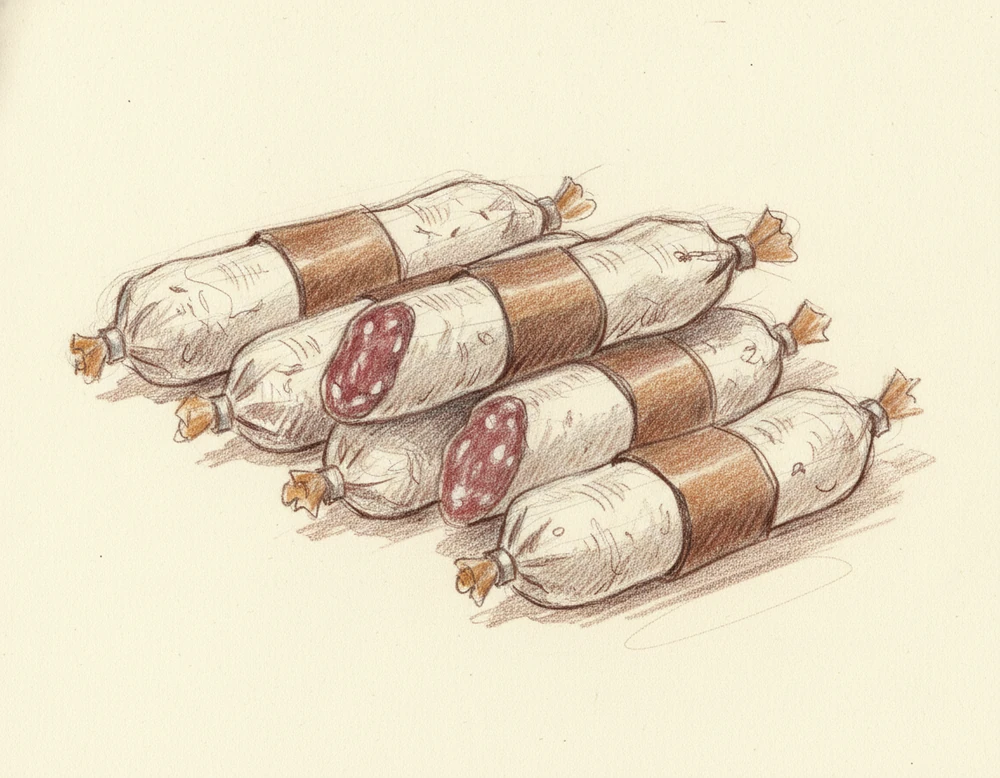
Small salami sized to be carried in a hunter's pocket, which is where the name comes from. The zone is unusually wide: pigs may be raised across eleven Italian regions, from Friuli down to Molise.
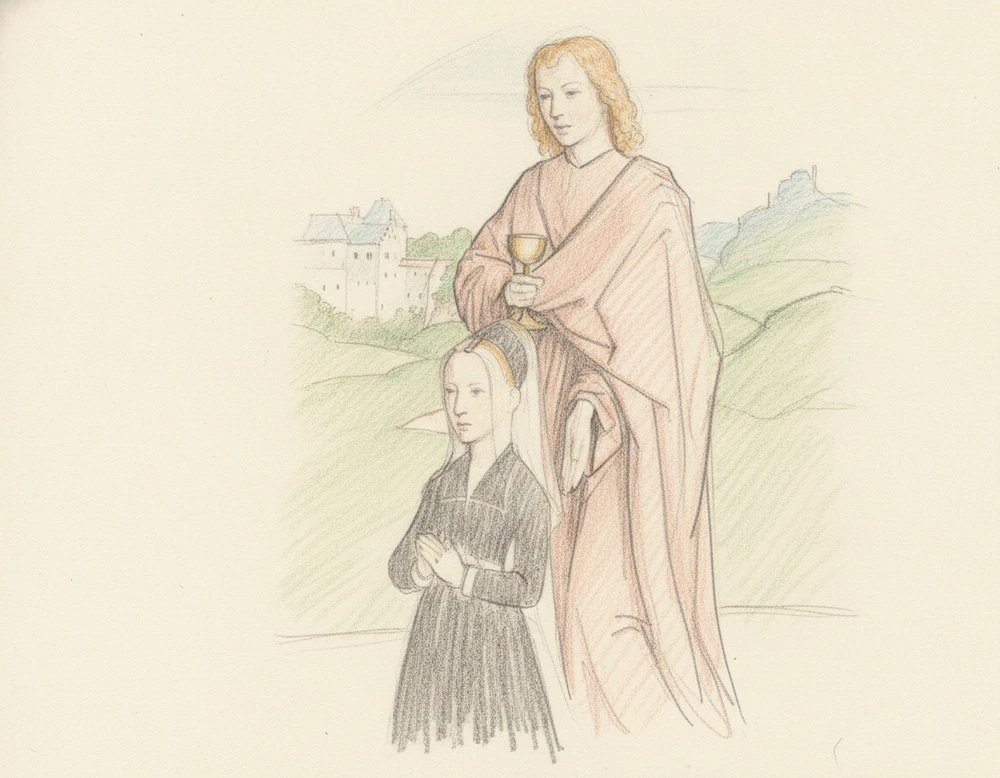
Red celery grown at Orbassano since the 17th century, when Anne Marie d'Orléans, niece of Louis XIV, married Victor Amadeus II of Savoy and brought Tours violet celery from France, more flavourful and tender than what Piedmont grew then.
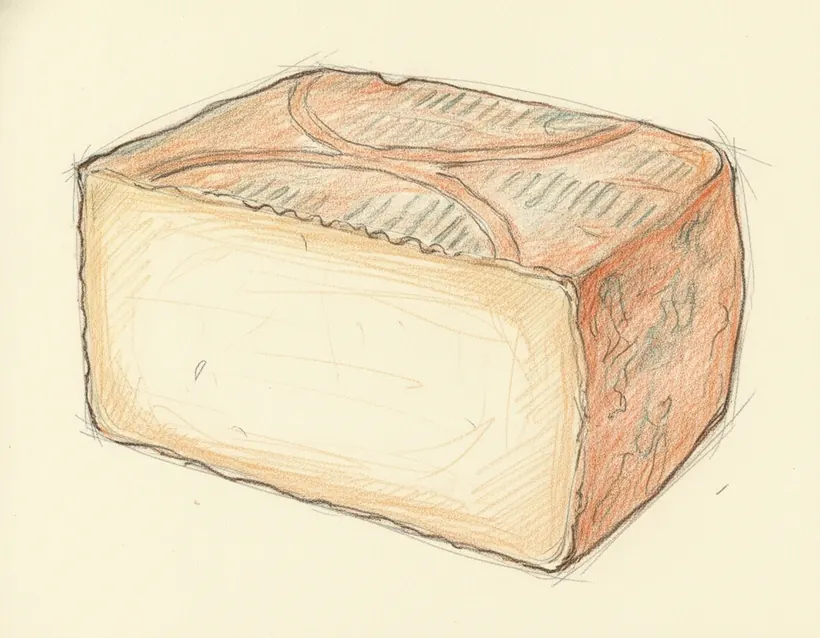
A square, soft washed-rind cow's-milk cheese with a thin pinkish crust and a buttery, tangy paste.
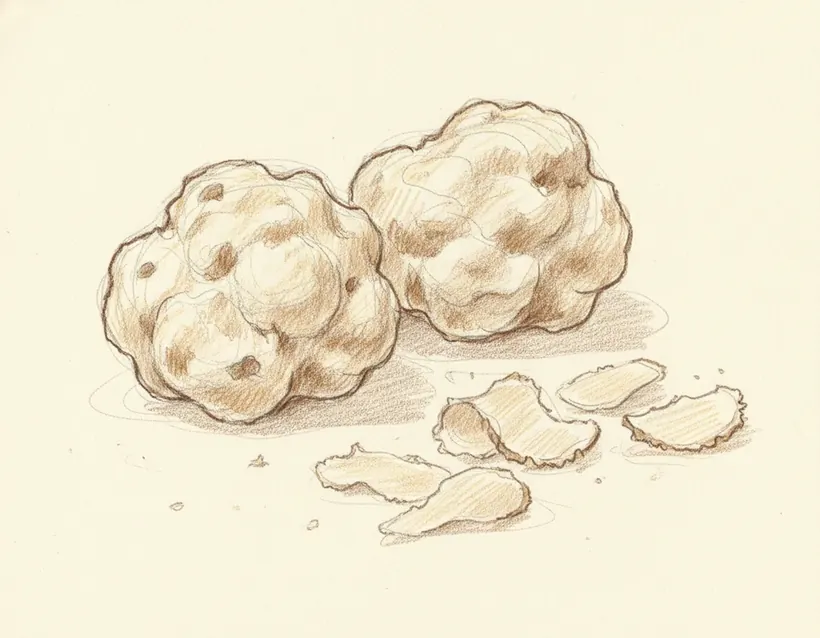
The prized white truffle of the Langhe hills, dug in autumn and shaved raw over tajarin and eggs, Piedmont's most coveted delicacy.
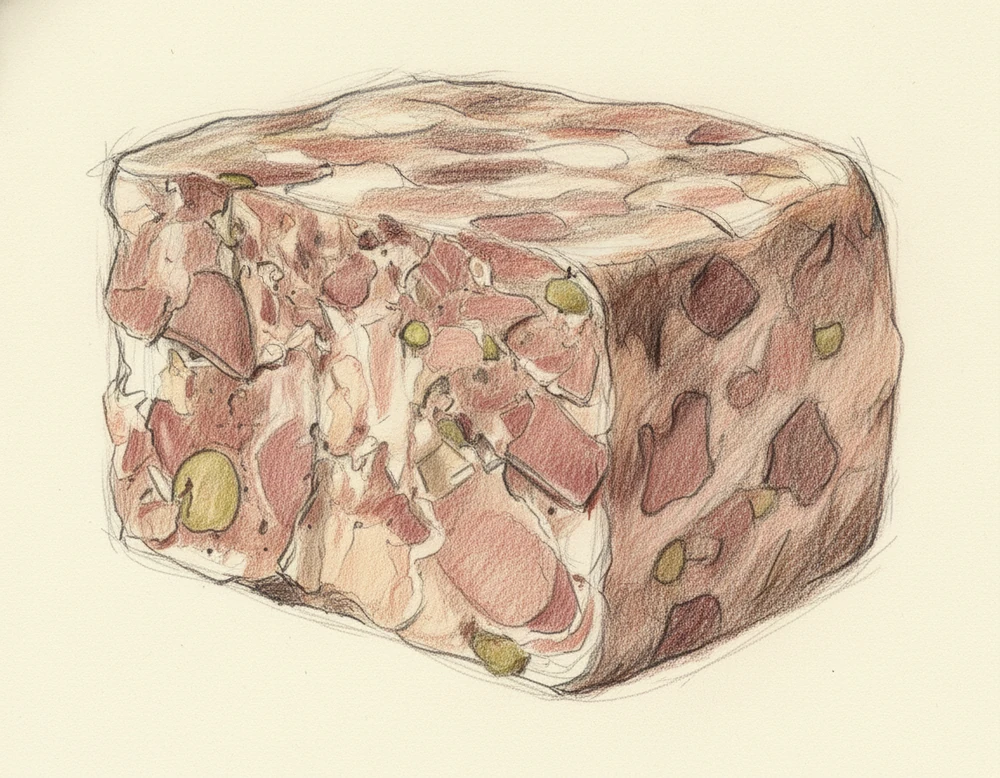
An old and fairly elaborate recipe. Besides the calf's head it takes cow's tongue and cheek, cow's heart (needed to brighten the colour of the slice) and a little lean beef, all long-cooked in salted water before being pressed.
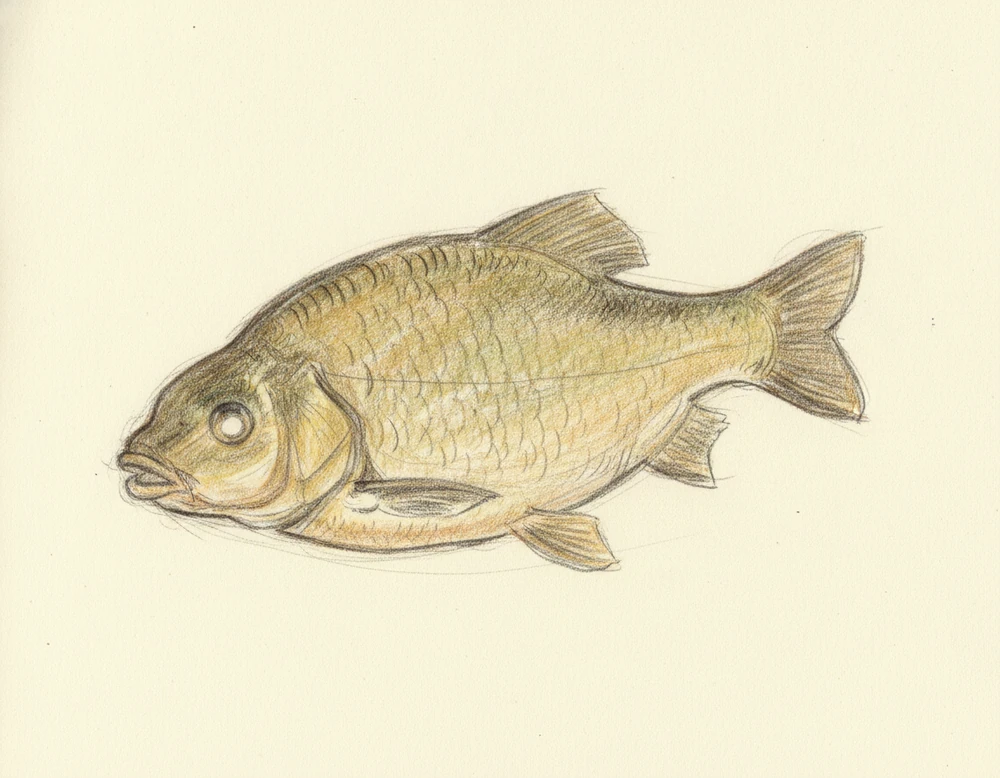
A tench with a rounded back and golden skin, which is where gobba dorata, golden hunchback, comes from. It has been raised for centuries in the ponds of the Pianalto di Poirino where Torino, Cuneo and Asti meet; every farm once had its peschera or tampa.
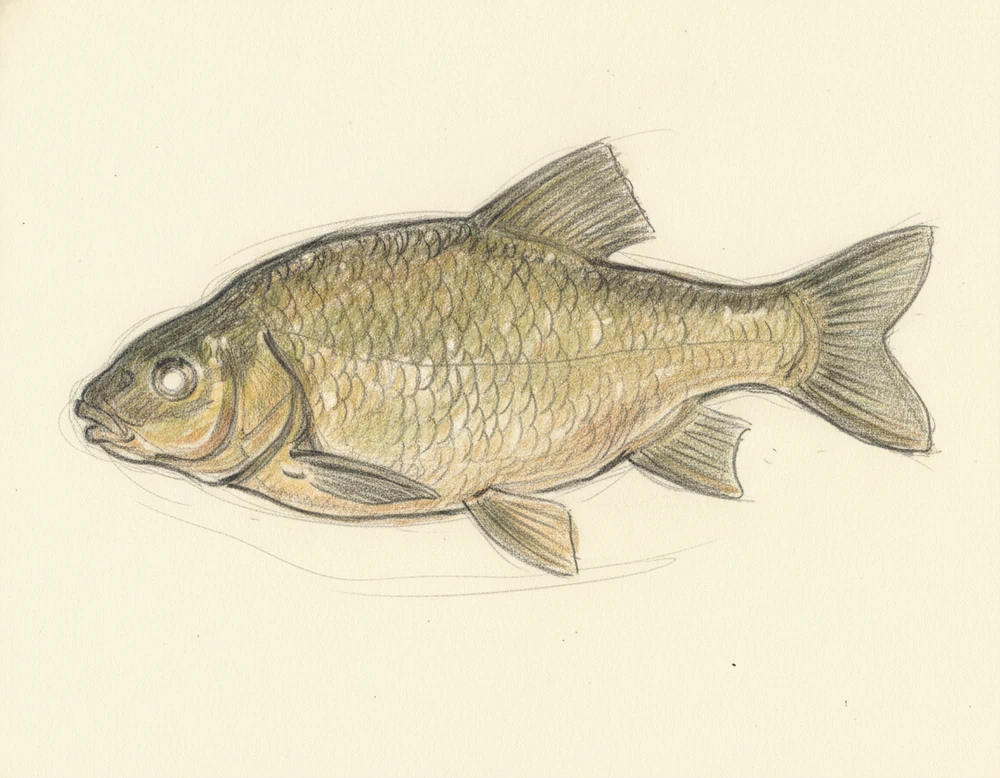
Fresh, unprocessed tench (Tinca tinca) bred, hatched and grown in the ponds of the Pianalto di Poirino, from broodstock themselves born and raised there. It is one of very few Italian freshwater-fish DOPs.
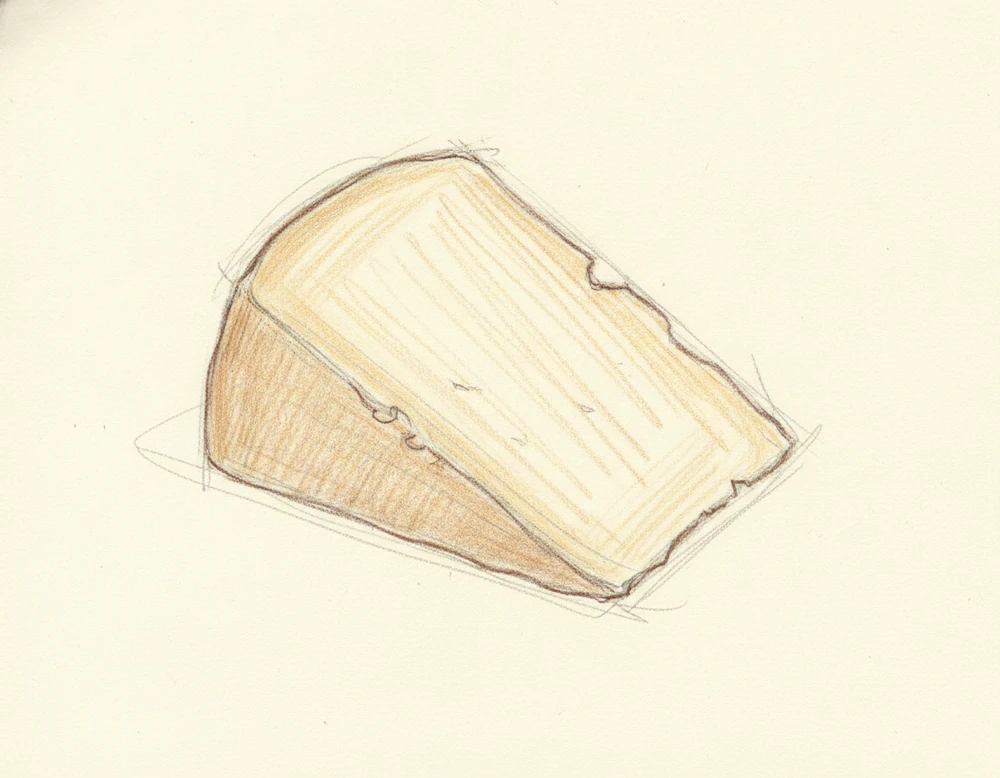
A cow's-milk cheese made either full-fat from whole milk or semi-fat from milk partly skimmed by creaming or mechanically. The milk may be hygienised and inoculated with lactic ferments or natural starters.
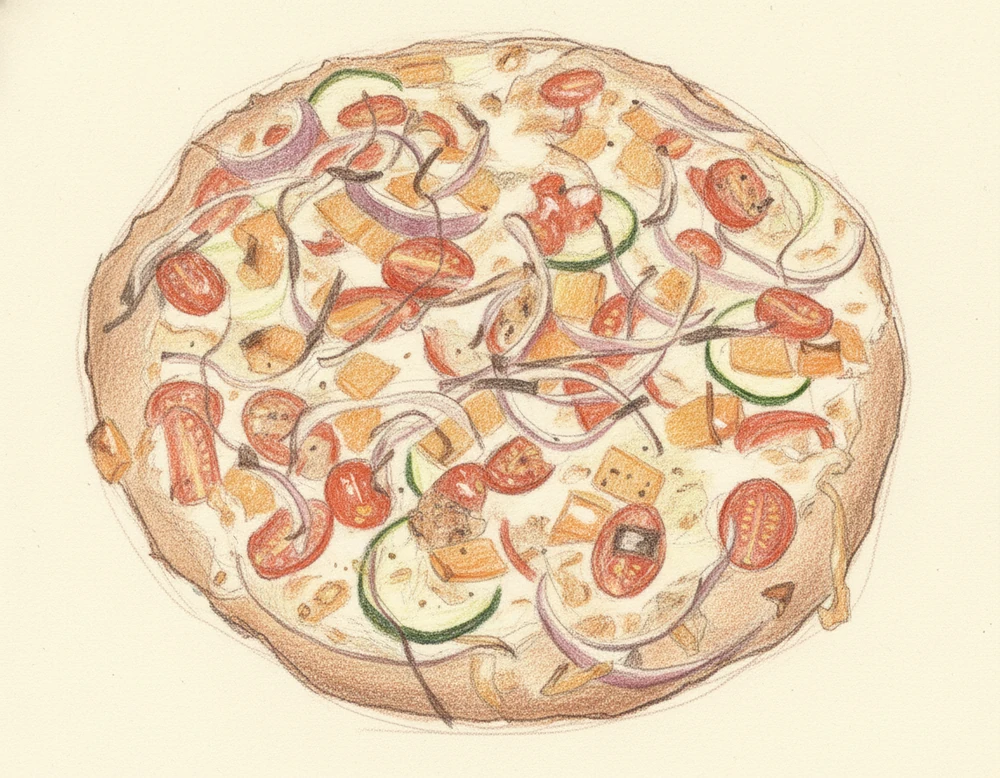
The emblematic cheese of the Val Varaita, an Alpine valley of hamlets, chapels and thick woods, Alevè among them, the largest stone-pine forest in the Alps, with Monviso standing over it.
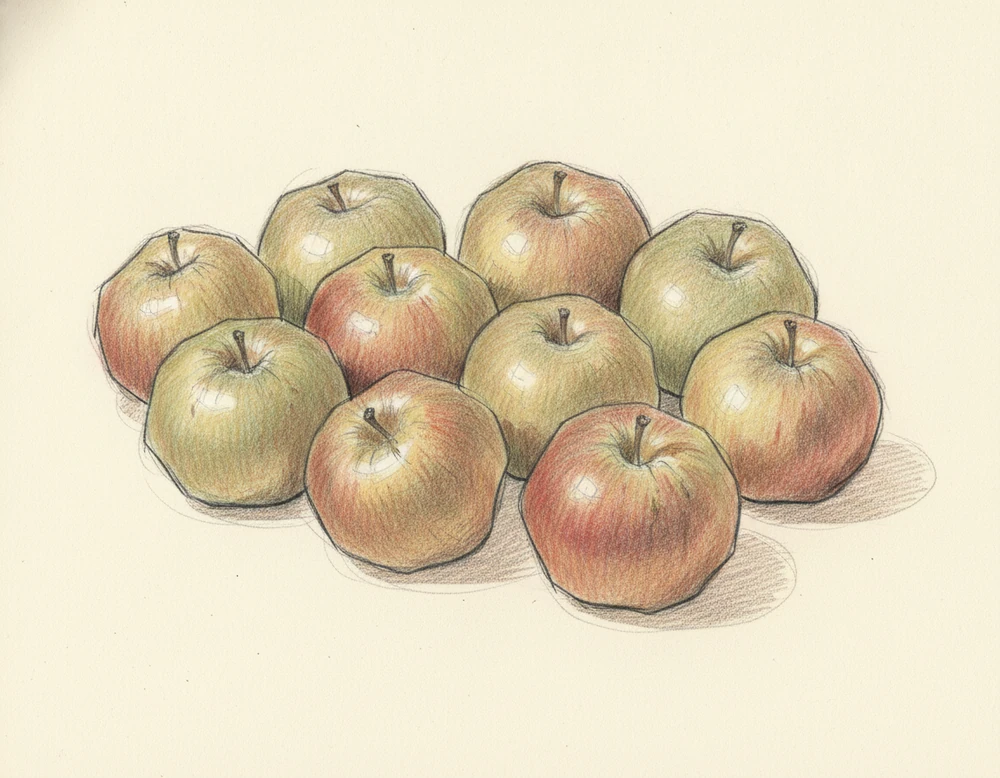
Eight old Piedmontese apples: Grigia di Torriana, Buràs, Runsé, Gamba Fina, Magnana, Dominici, Carla and Calvilla. All but the Carla keep well and gain flavour and aroma in store; the Grigia di Torriana and the Buràs are particularly good baked.
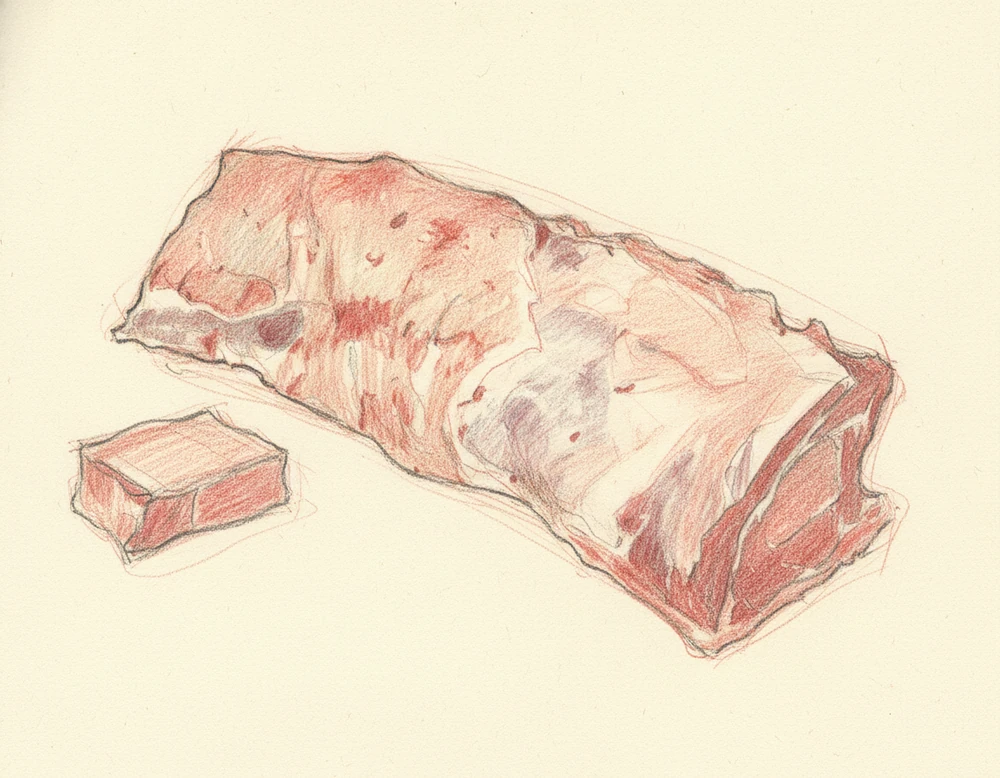
Beef from Piedmontese-breed cattle of either sex registered in the herd book, or with both parents registered, slaughtered over 12 months of age and raised and finished from weaning within the zone. The breed's double-muscled hindquarter is what the name refers to.
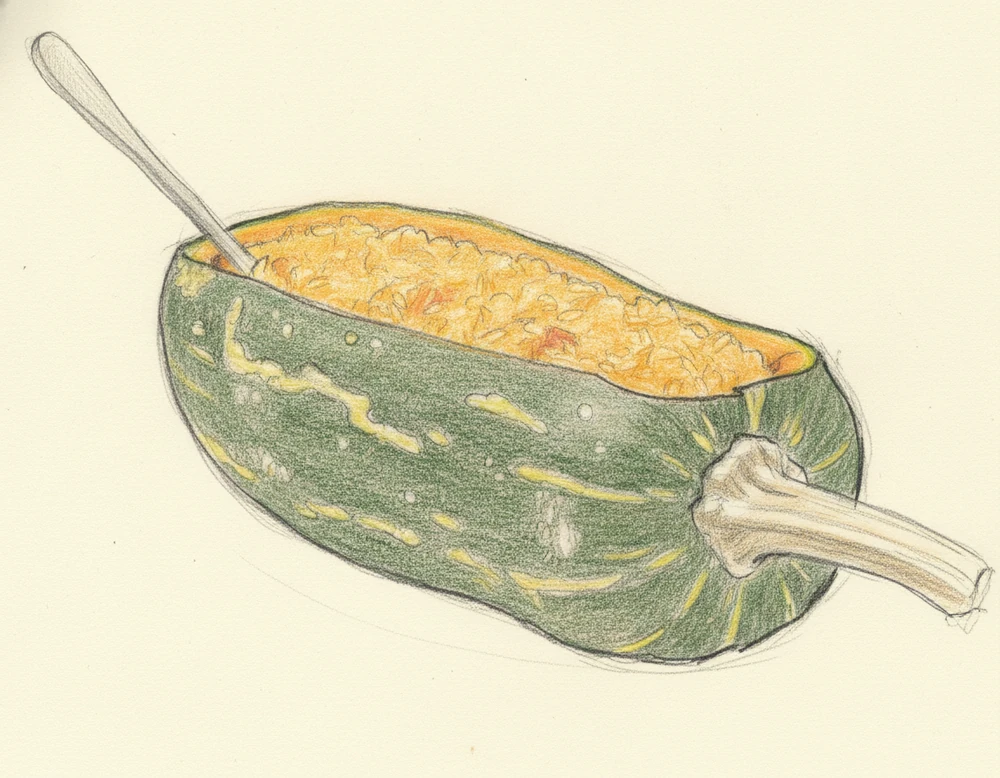
A pumpkin from Piozzo, on the lip of a plateau above the Langhe and the Tanaro. The village was known locally as the village of pumpkins, and its people nicknamed lapacuse, those who drink from pumpkins.