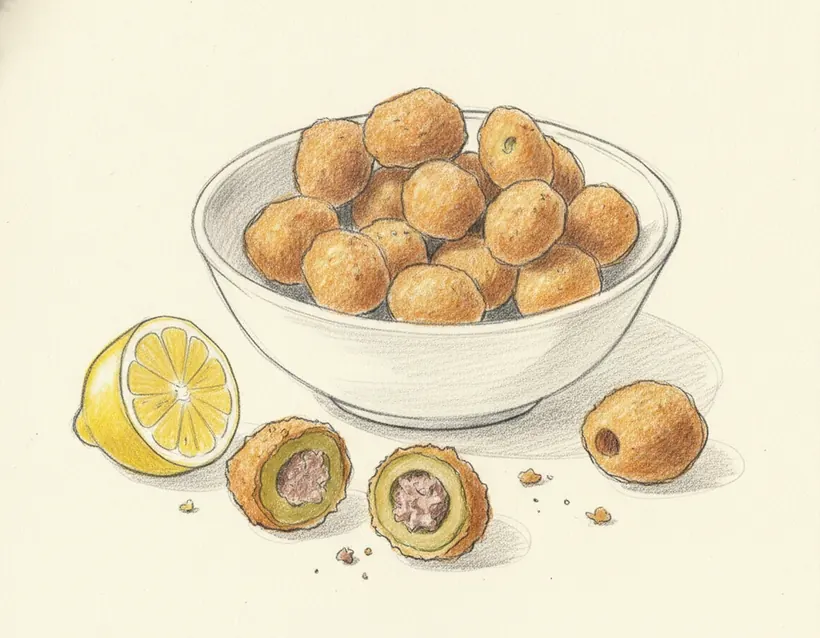
Olive all'AscolanaFried stuffed olives
Large green Ascoli olives pitted, stuffed with a mixed-meat filling, breaded and deep-fried, the crisp pride of Ascoli Piceno.
Pairs with
The Marche looks two ways: to the Adriatic for its saffron-free brodetto and stockfish, and to the Apennine hills for rich baked pasta, wild-fennel rabbit and spreadable ciauscolo salami. Verdicchio, of Jesi and of Matelica, is its great white, with Rosso Conero and Rosso Piceno the Montepulciano-and-Sangiovese reds, and the aromatic Lacrima and sweet sparkling Vernaccia di Serrapetrona as specialities.
Large green Ascoli olives pitted, stuffed with a mixed-meat filling, breaded and deep-fried, the crisp pride of Ascoli Piceno.
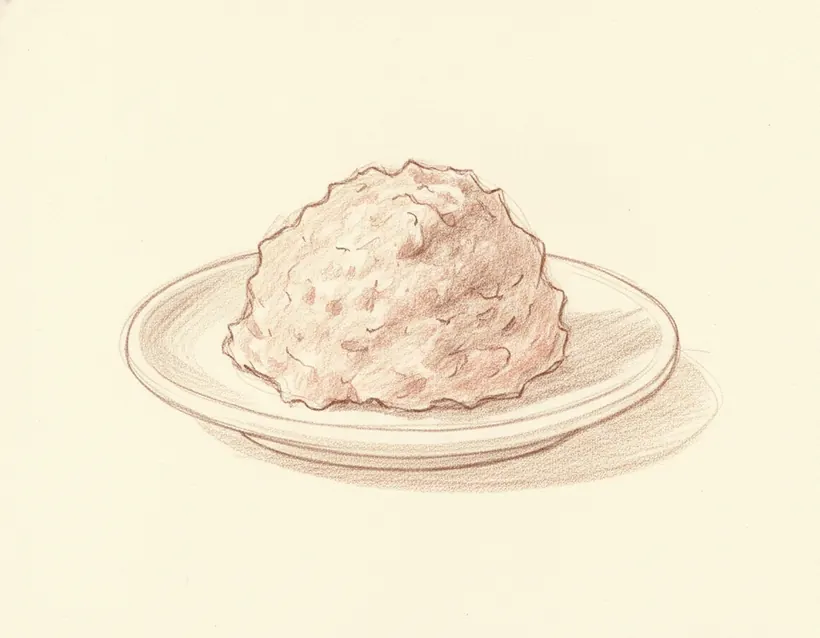
A soft, finely ground pork salami of the Macerata hills, so tender it is spread on bread rather than sliced.
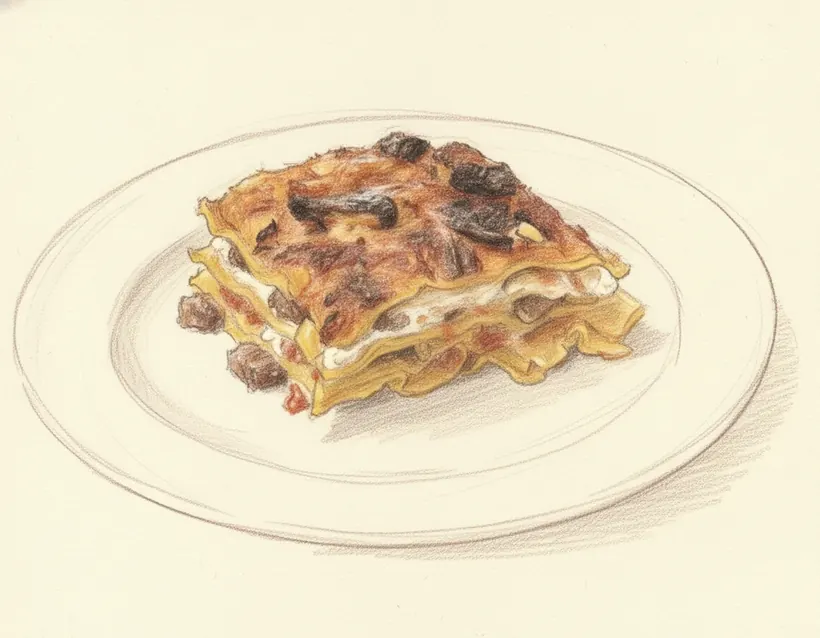
A richer ancestor of lasagne: layers of egg pasta with a ragù of giblets and offal, béchamel and Parmigiano, baked until set.
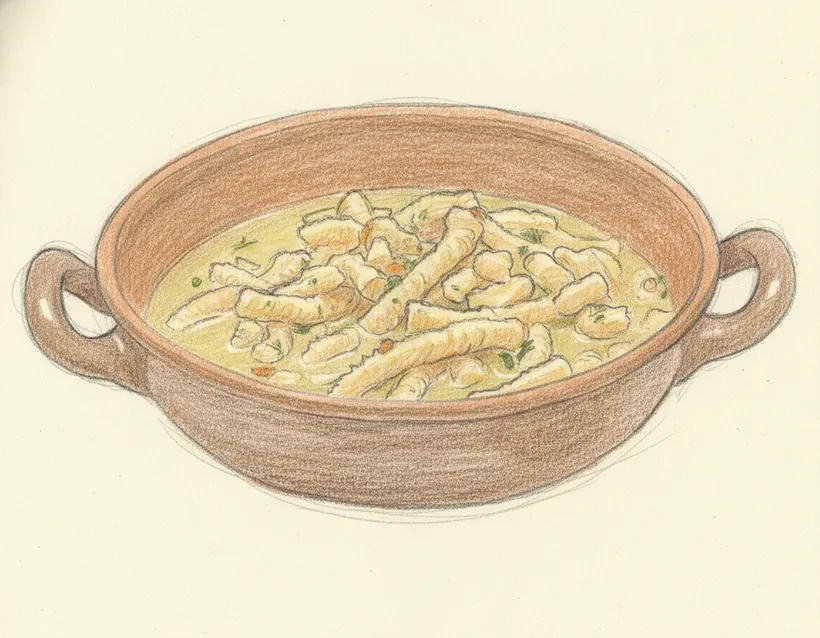
A soft 'pasta' of breadcrumbs, Parmigiano, egg and nutmeg pressed into short strands and cooked in meat broth, shared with neighbouring Romagna.
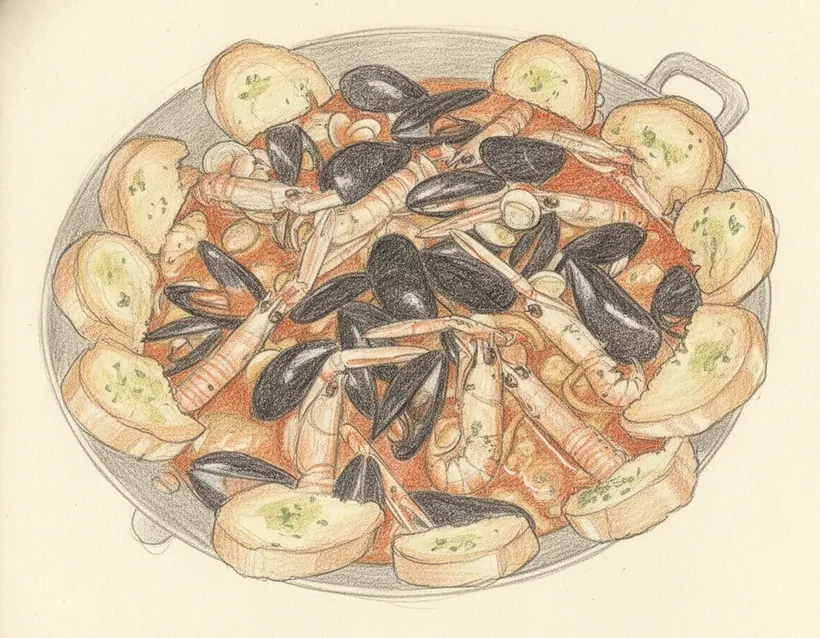
A stew of thirteen kinds of Adriatic fish and shellfish cooked with tomato, vinegar and oil, ladled over toasted bread, the Ancona version of the coast's brodetto.
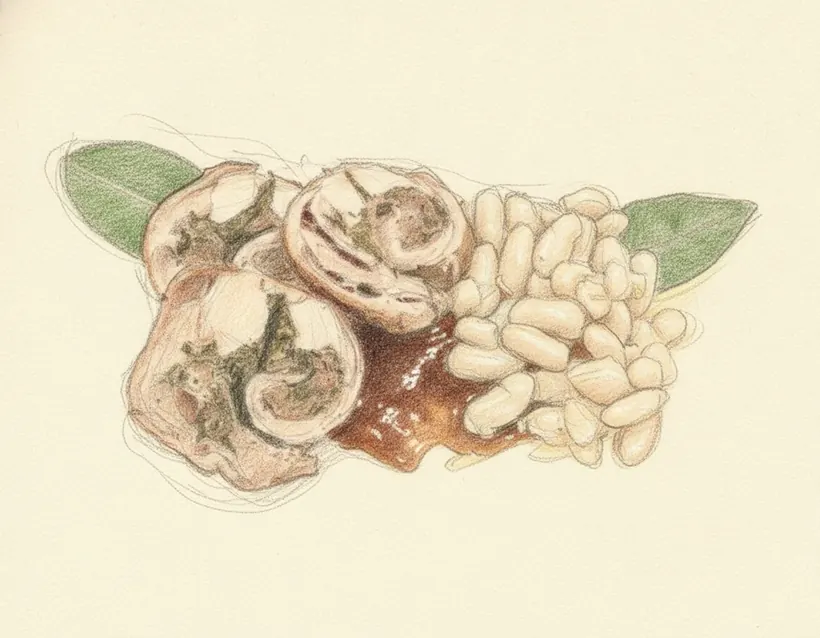
Rabbit boned and rolled around a stuffing of its offal, garlic and lots of wild fennel, then roasted, a Marche take on 'in porchetta'.
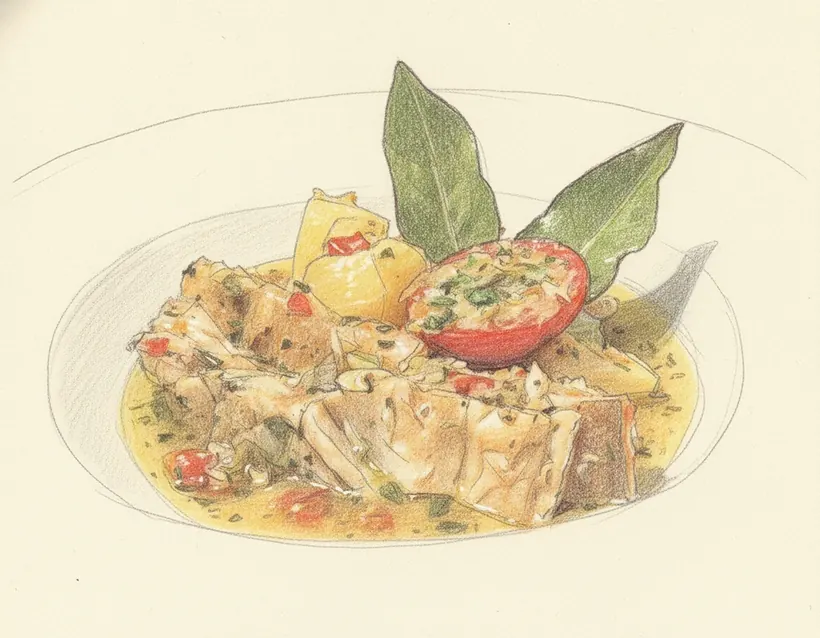
Soaked stockfish stewed with potatoes, tomato, olives and rosemary until soft, a slow Ancona secondo.
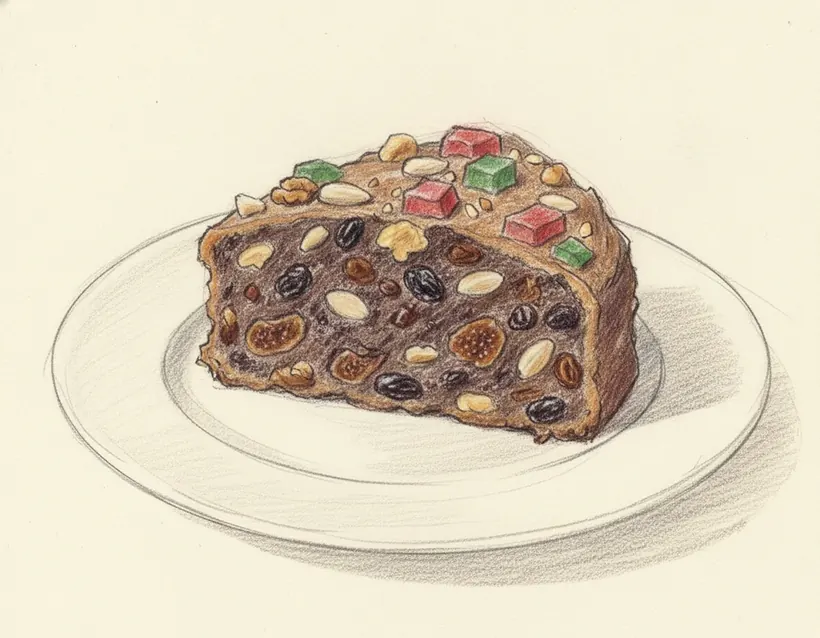
A dark, dense Christmas cake of dried figs, walnuts, almonds, raisins, cocoa and spices, an ancient Piceno sweet.
DOP, IGP, STG, Slow Food Presidia and traditional specialities of Marche.
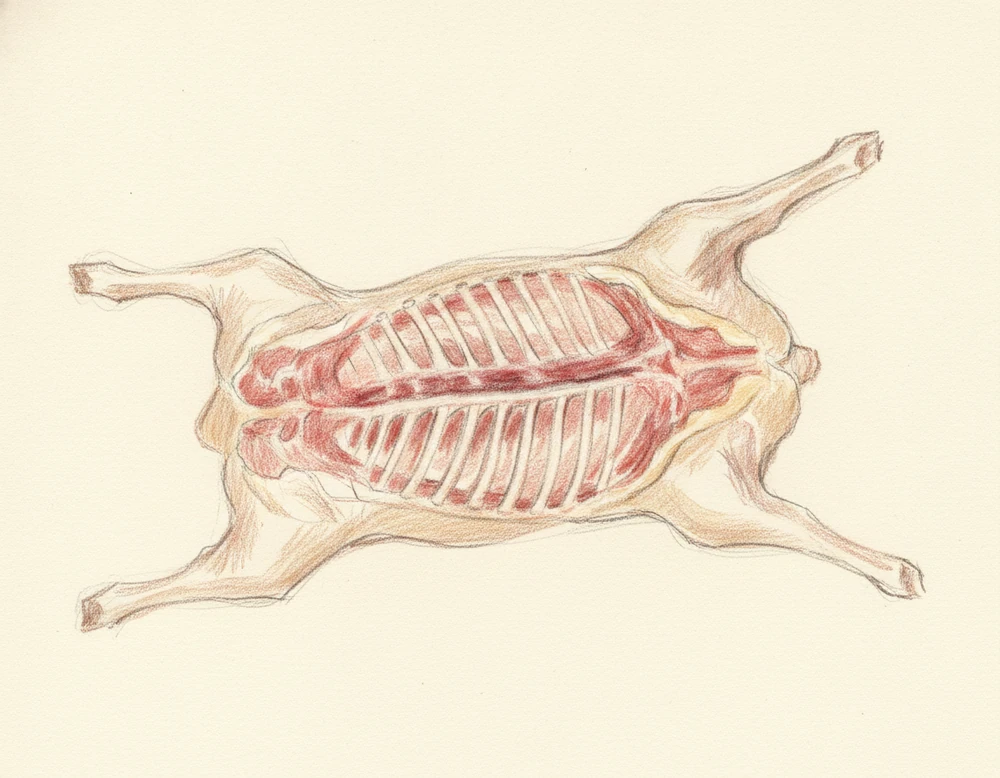
Lamb slaughtered under twelve months of age, graded into three carcass types by weight, conformation and fat cover: light lamb at 8.01 to 13.0 kg, heavy lamb at 13.01 kg and above, and castrato at 20.0 kg and above.
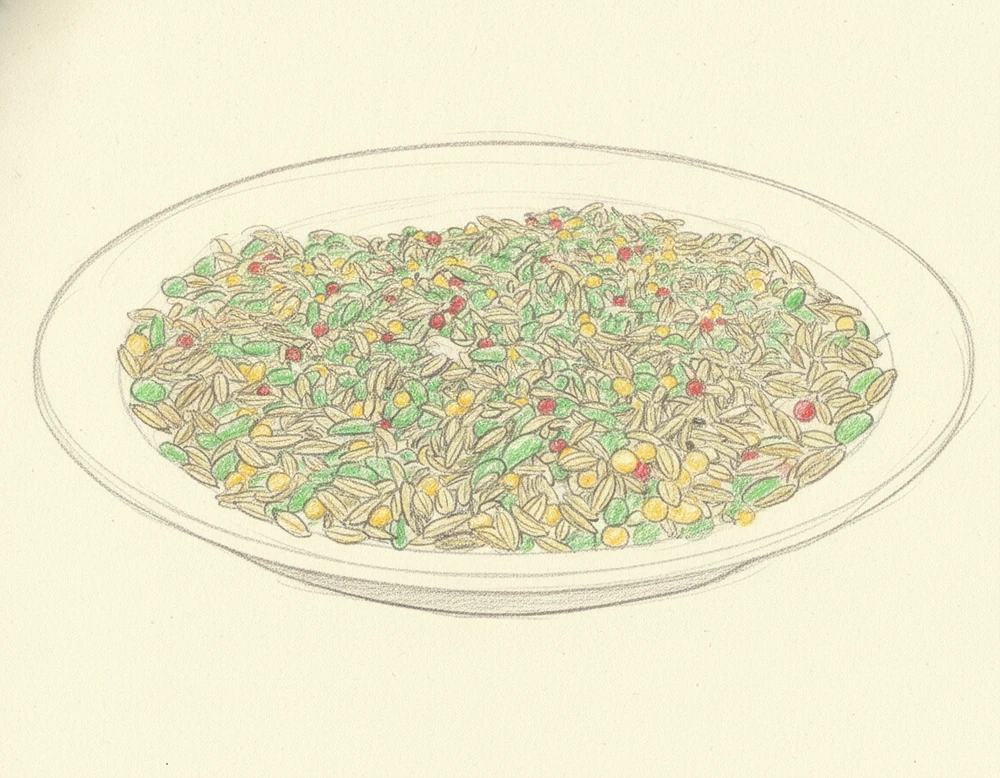
Green anise is Asian in origin and takes its name from the Greek anisos, not equal, said to distinguish it from the hemlock it resembles but does not match in colour or size. The plant stays under 50 cm and carries small white umbels at the end of June. It has been grown around the Mediterranean for millennia and written up since antiquity for its uses, medicinal (stomach pain, jaundice, respiratory complaints, sleeplessness, indigestion) and as a flavouring for food, wine and spirits, which made it worth real money; it was already being cultivated in Charlemagne's time.
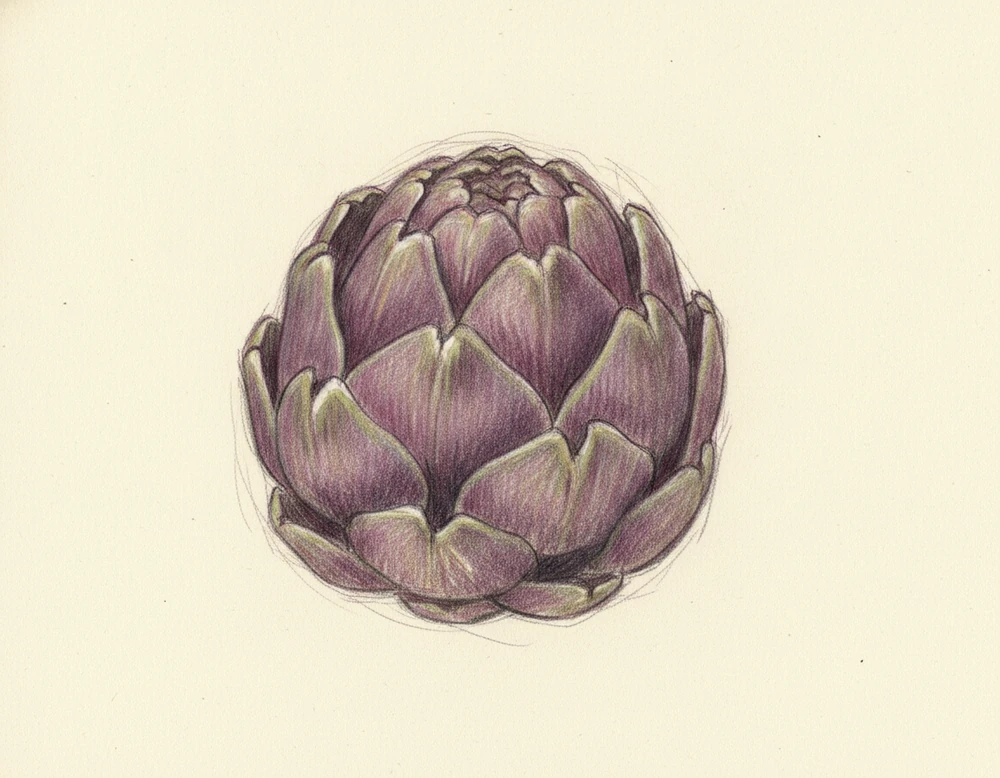
The scarciofeno grows between the Chienti and the Potenza: deep purple, smaller than most artichokes, with no choke and no spines, and late. There are two ecotypes, one with more serrated leaves, earlier from the end of March and more productive, the other less serrated, smaller, later and less generous. A young plant can carry ten heads, but after a few years it is down to four.
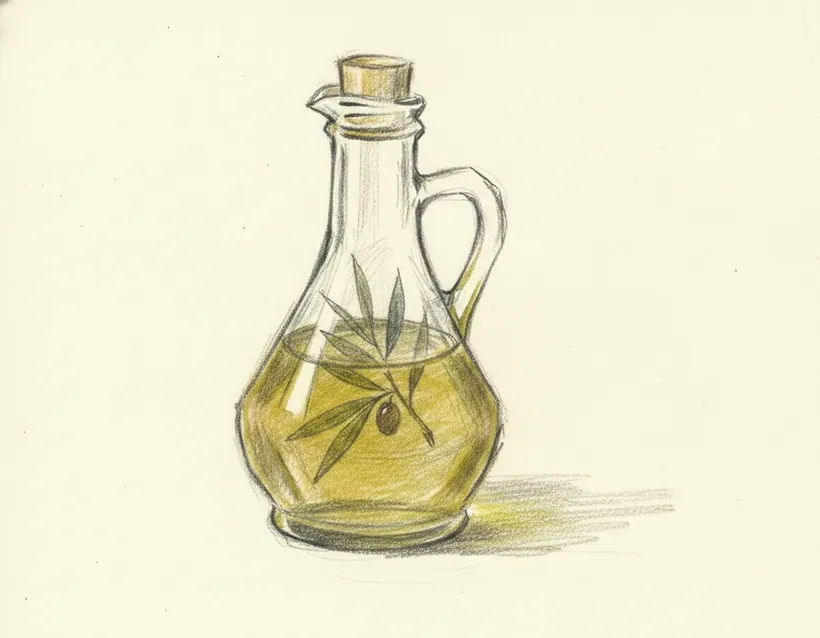
A fruity, gently bitter extra-virgin olive oil of the Metauro valley around Cartoceto.
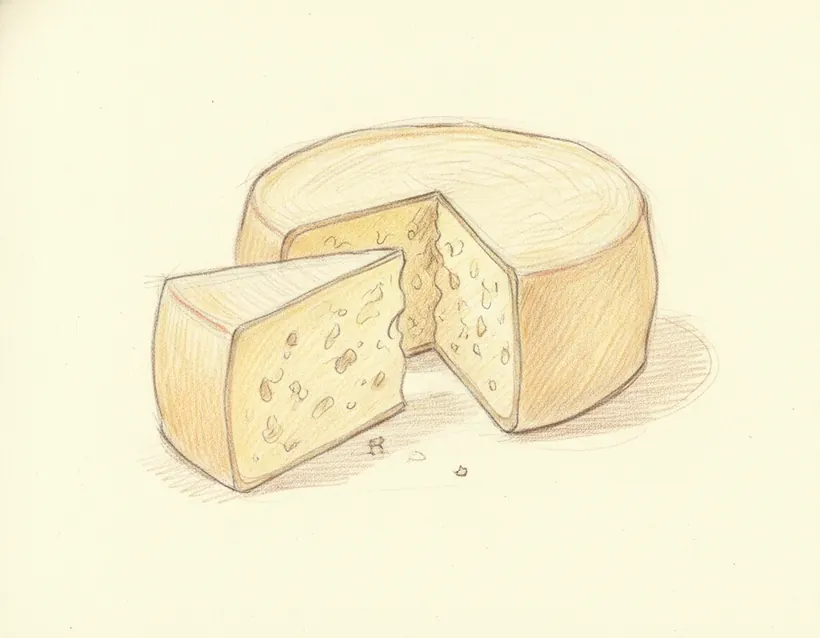
A small, soft, sweet blend of sheep's and cow's milk from the Montefeltro hills, said to have been Michelangelo's favourite.
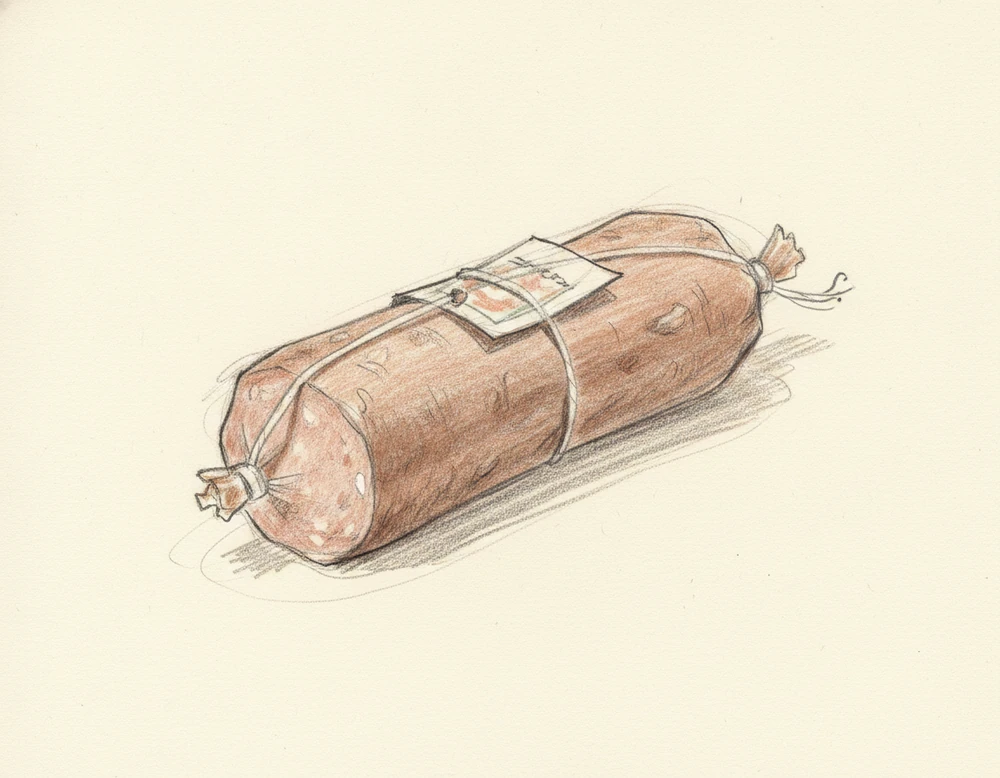
A soft, spreadable Marche salami. The mix is belly at up to 70 per cent, shoulder at up to 40 and leg and loin trimmings at up to 30, ground fine enough to spread on bread.
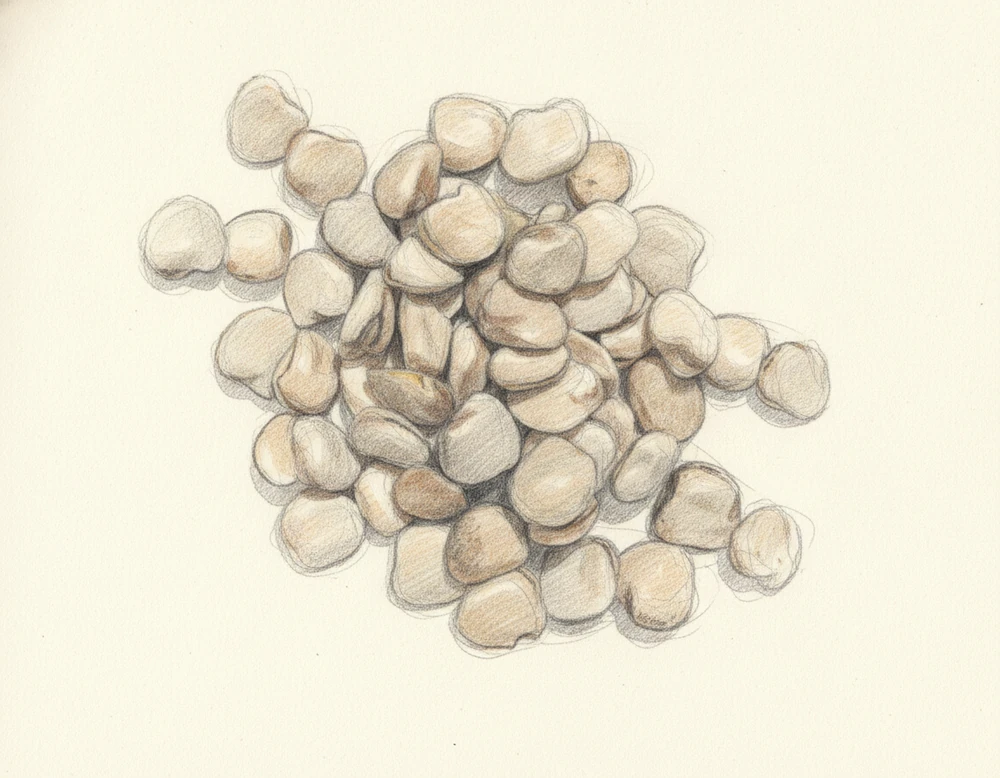
A tiny, irregular legume, grey to speckled pale brown, with a tender skin and far less of the bitterness other cicerchie carry. By the second half of the 20th century only a handful of growers were still bothering with it, and then it was dropped altogether, leaving the market to the big bland industrial sort.
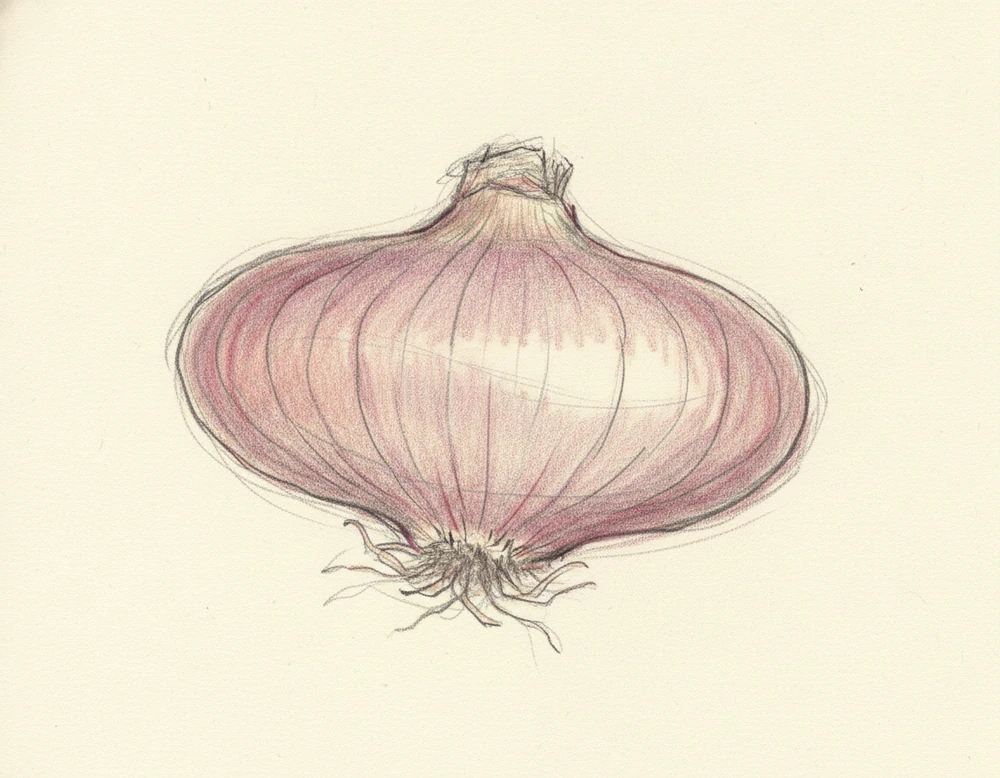
Pedasini cipollari e pescatori, onion growers and fishermen, is what the coast calls the people of Pedaso, and it says exactly what the place lives on: the Adriatic on one side and, inland, the sandy soils of the Valle dell'Aso along the river. The sand is what flattens the onion, and the mild coast, with warm windy summers, does the rest. Large plots of onions here are documented well back.
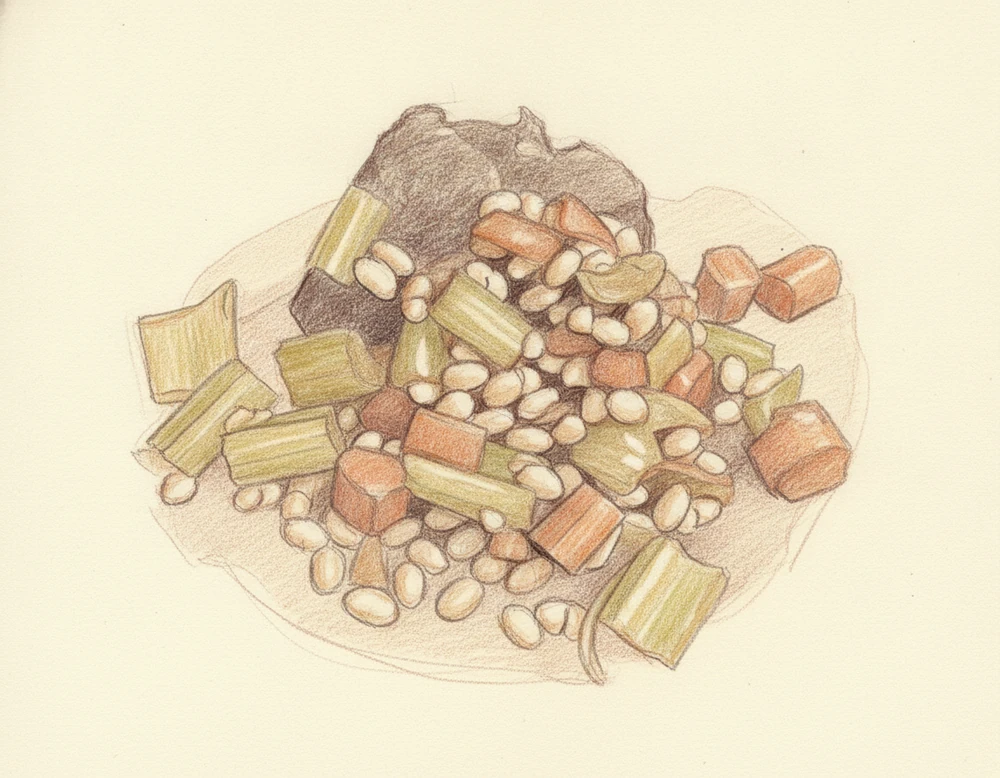
Laverino is a village of barely a hundred people up near the Cornello pass on the Umbrian border, and the ground along the Potenza suited a bean that came to the region in the 16th century with the Spanish and Portuguese, as all Phaseolus vulgaris did. The plant will climb to two or three metres. The beans are medium-small, white and slightly long, delicate, very thin-skinned and quick to cook. Its name was made by the early 1800s, when the Annals of Agriculture of the Kingdom of Italy called the beans of this country superior in delicacy, flavour, sweetness and ease of cooking to any other.
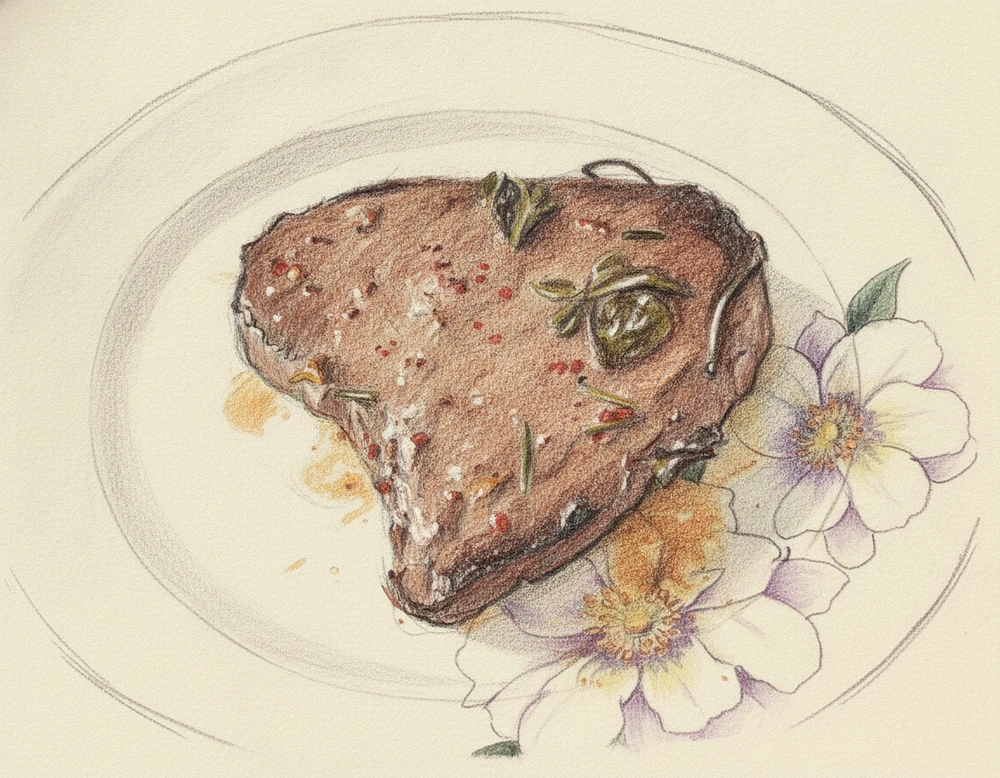
Fratte Rosa holds that the best favas come off the white clay they call i lubachi, the same clay that makes the local earthenware, the cocci; the village has been known for both terracotta and beans since Roman times. The growers have selected a short-podded ecotype averaging four seeds, the beans large and round, mild, and tender even fully ripe.
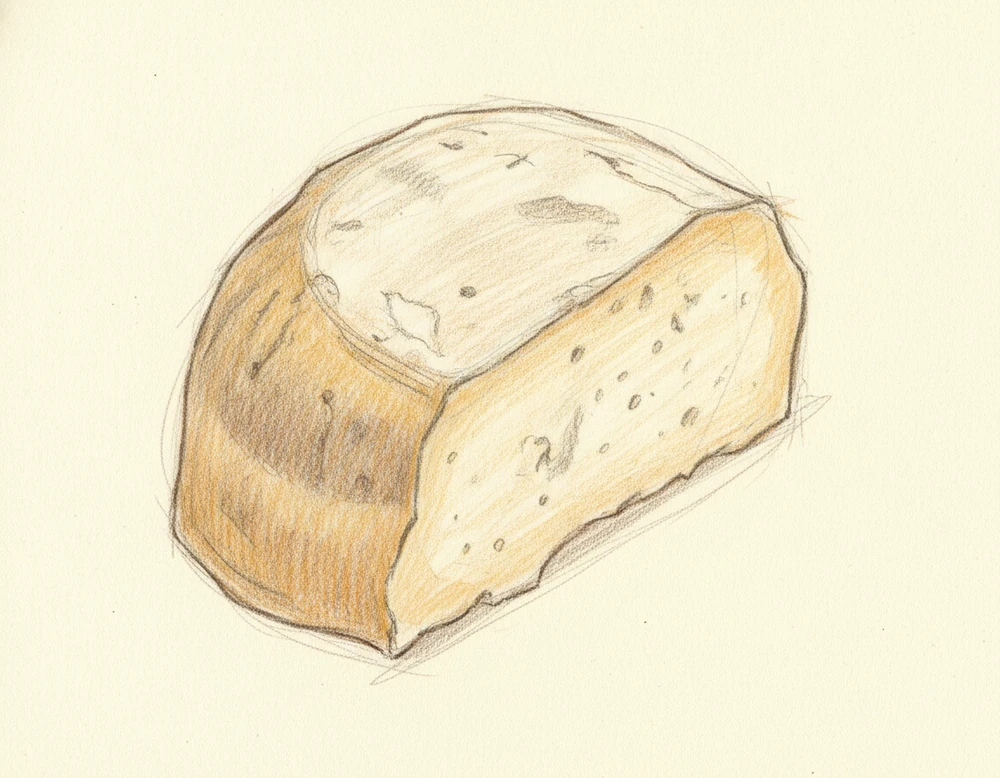
Cheese buried and matured in tufa pits, the fossa that give it its name, straddling the Romagna-Marche border at Sogliano al Rubicone. The finished rind runs from ivory-white to amber-yellow, and the pit ageing gives it the pungent, mushroomy character it is known for.
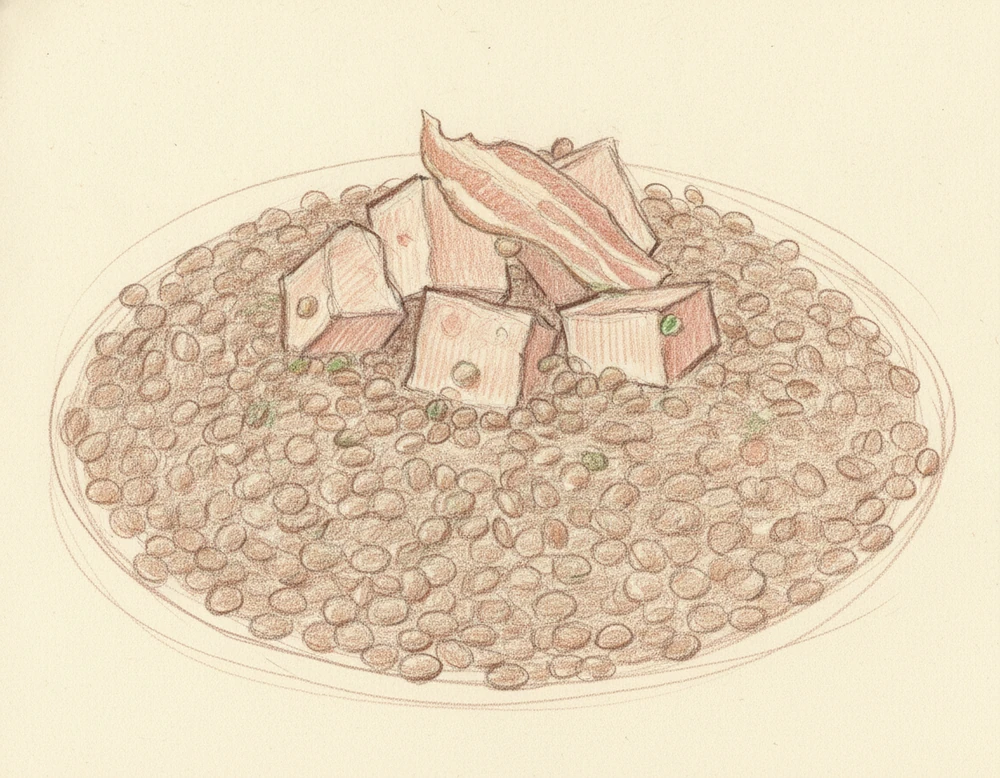
The small lentils of the Piano Grande at Castelluccio di Norcia, grown at altitude on the Sibillini plateau and thin-skinned enough to cook without soaking.
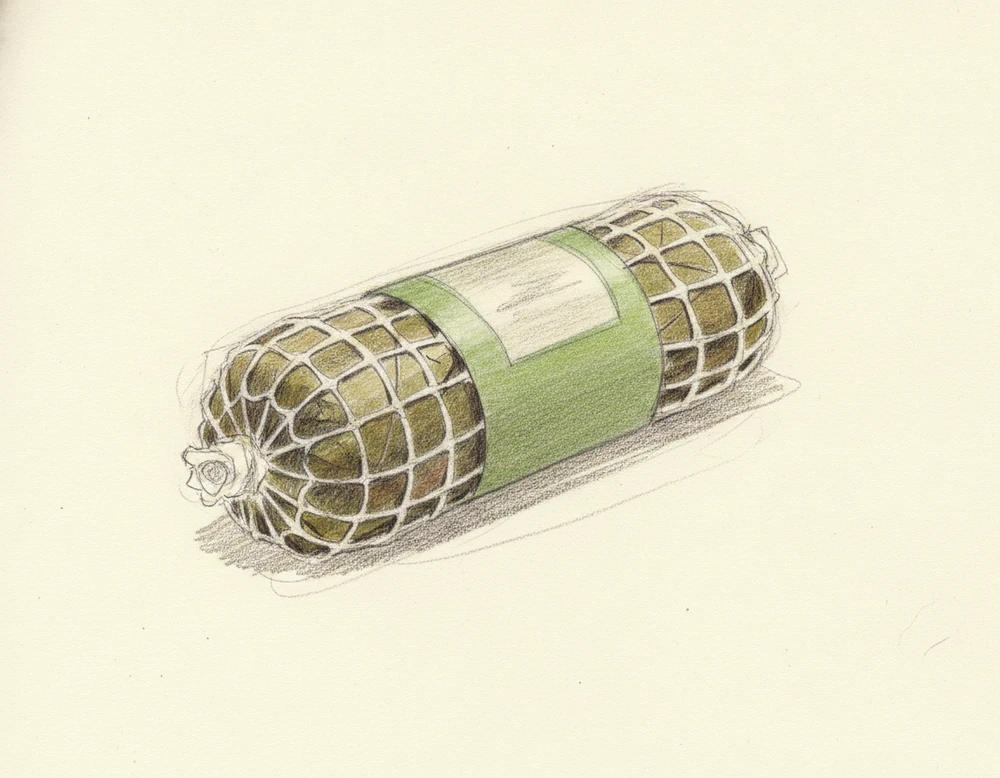
Figs grew all over the Marche countryside, the Vallesina above all, and one of the usual ways of keeping them was to turn them into a sweet salami. Slices went to children as a snack or came out after a feast; it also goes very well with cheese and a sweet wine.
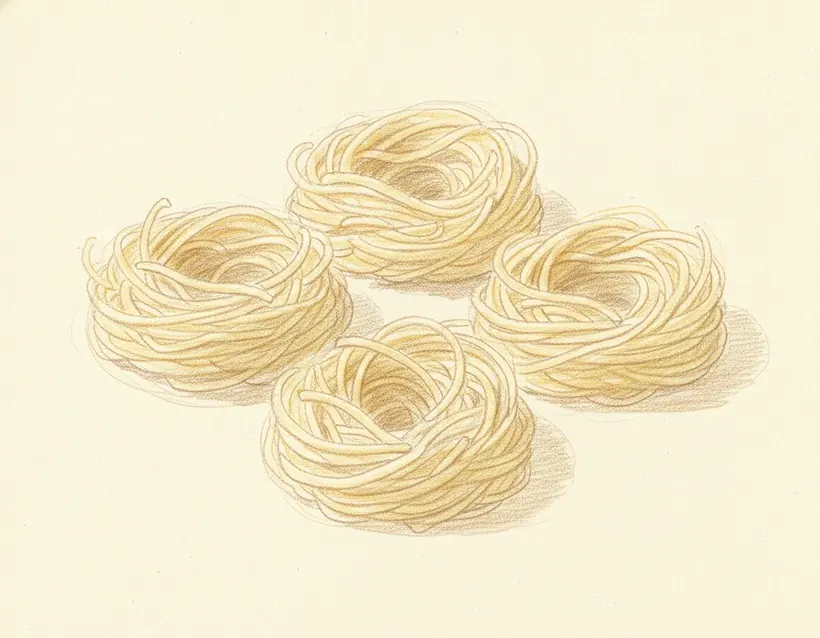
An ultra-thin, all-egg dried pasta cut fine as thread and dried in nests, the pride of Campofilone.
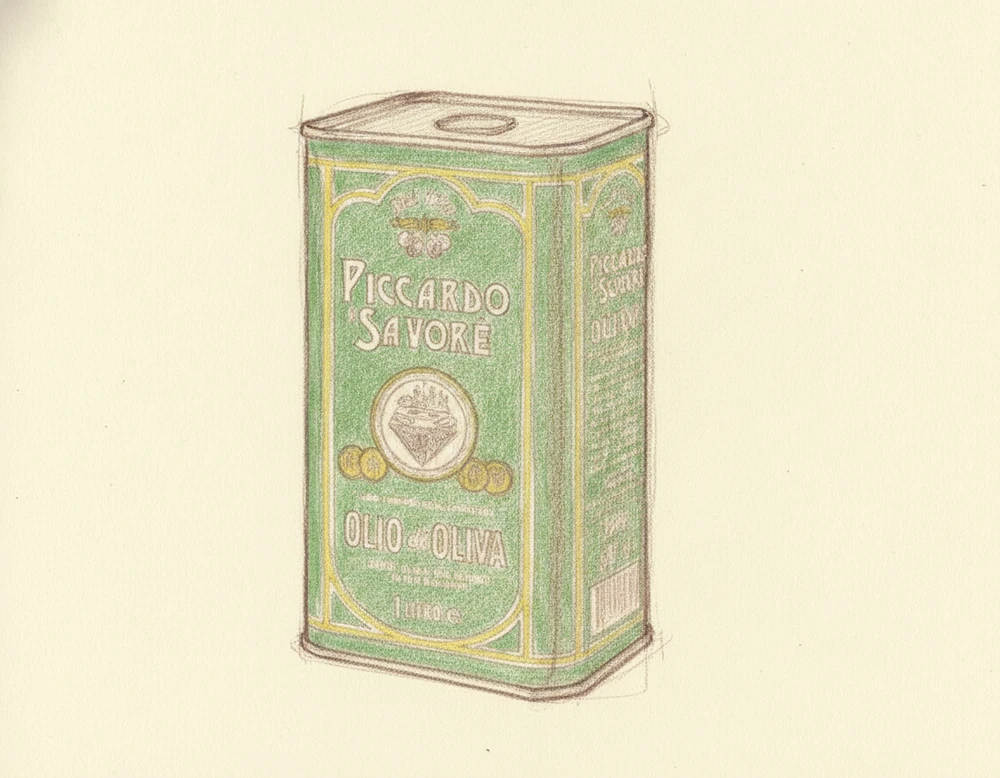
The region-wide Marche olive oil IGP, built on native varieties (Ascolana Tenera, Carboncella, Coroncina, Mignola and others) together with the customary Frantoio and Leccino.
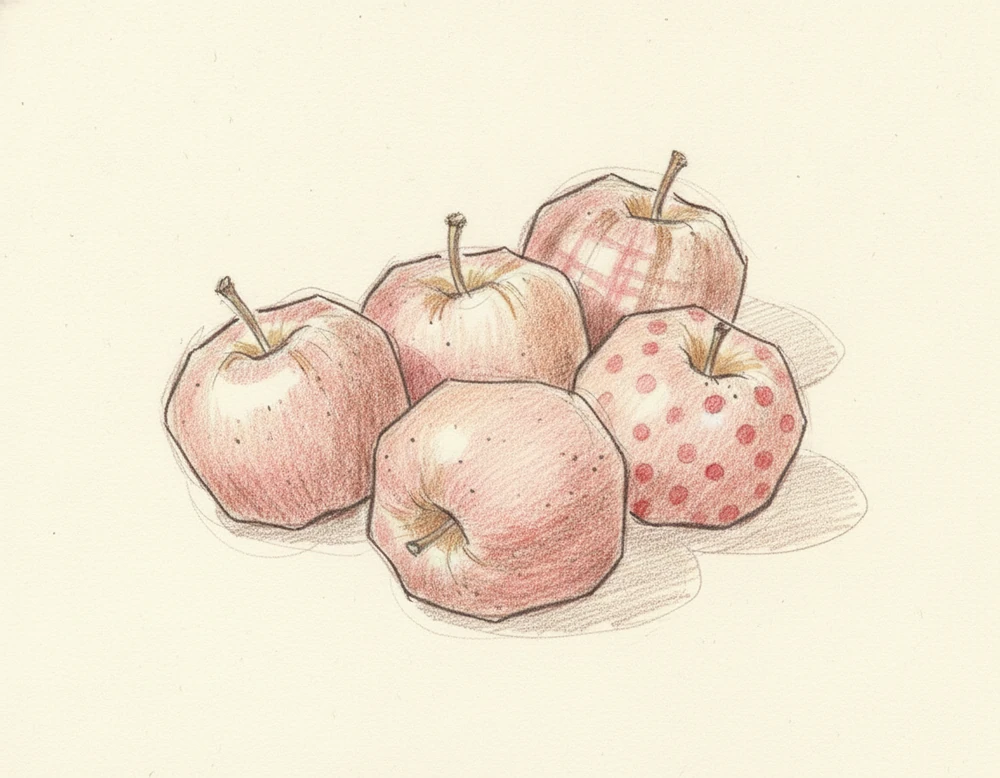
Long grown on the slopes running up to the Sibillini. The Presidium counts eight ecotypes in three groups, varying in colour and texture but all sweet with some acidity behind it and strongly aromatic. They are very small, irregular, a little flattened, short-stalked: excellent and entirely unphotogenic, which is most of why they cannot compete with the modern varieties.
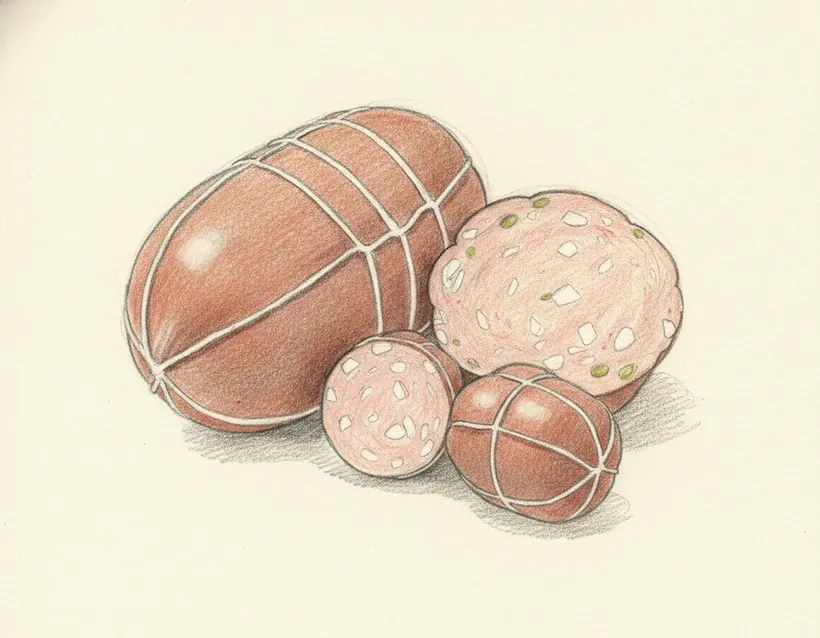
A large, silky pink cooked pork sausage studded with white fat cubes and pistachios, gently spiced, the pride of Bologna.
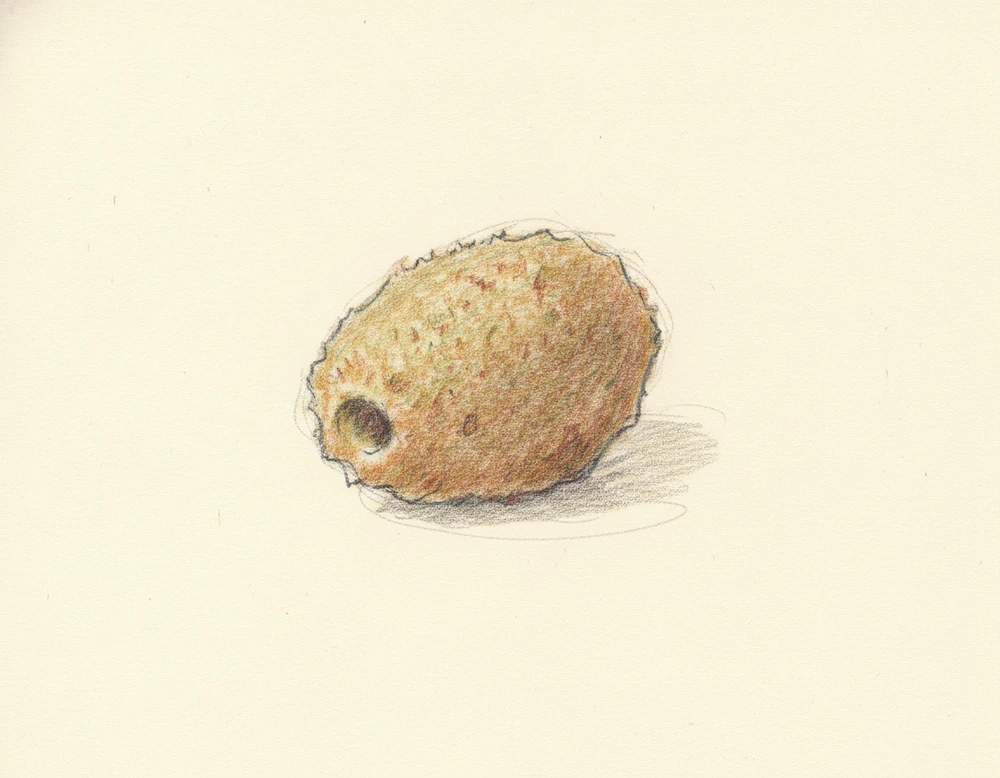
The large green table olive of the Ascoli country, the one stoned, stuffed with meat, breaded and fried as olive all'ascolana.
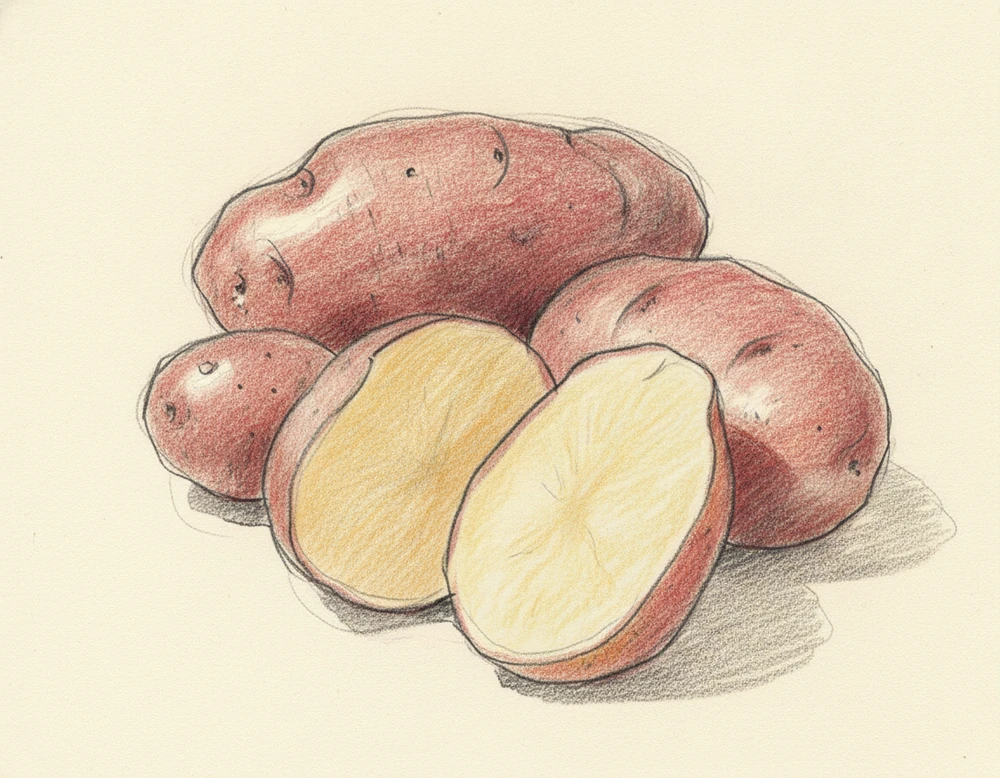
Mature Solanum tuberosum tubers grown on the Colfiorito plateau from basic seed varieties listed in the national variety registers of EU member states.
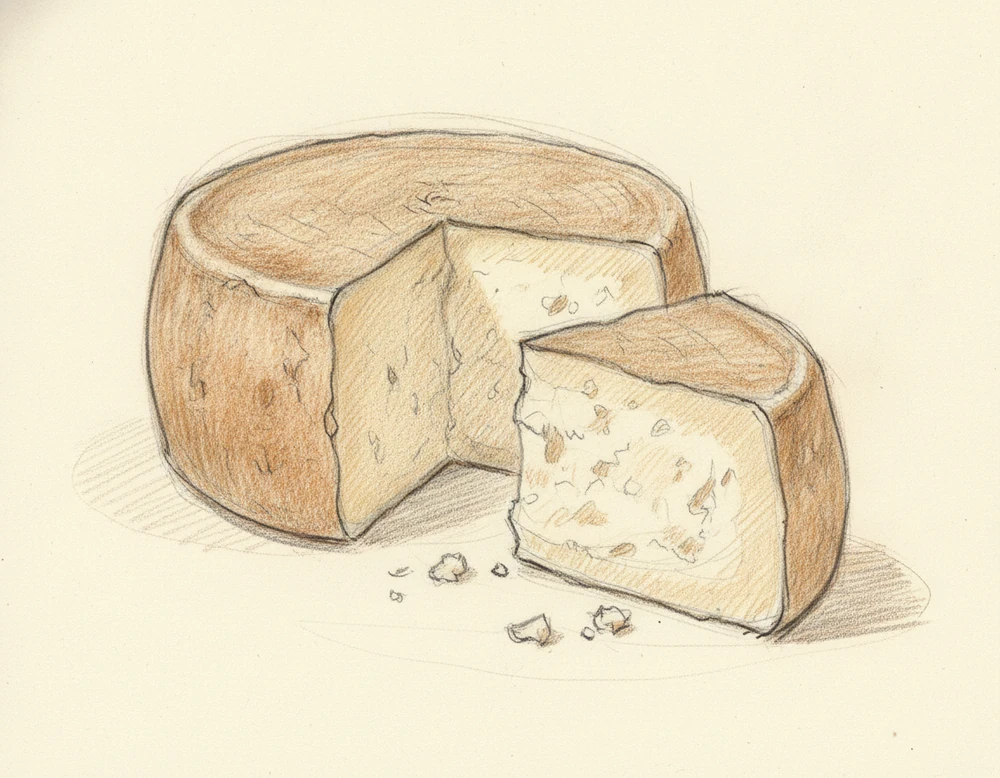
The Sibillini still show the marks of a serious pastoral world built on transhumance, though there are far fewer shepherds up there now. They were the ones who made the raw-milk pecorino.
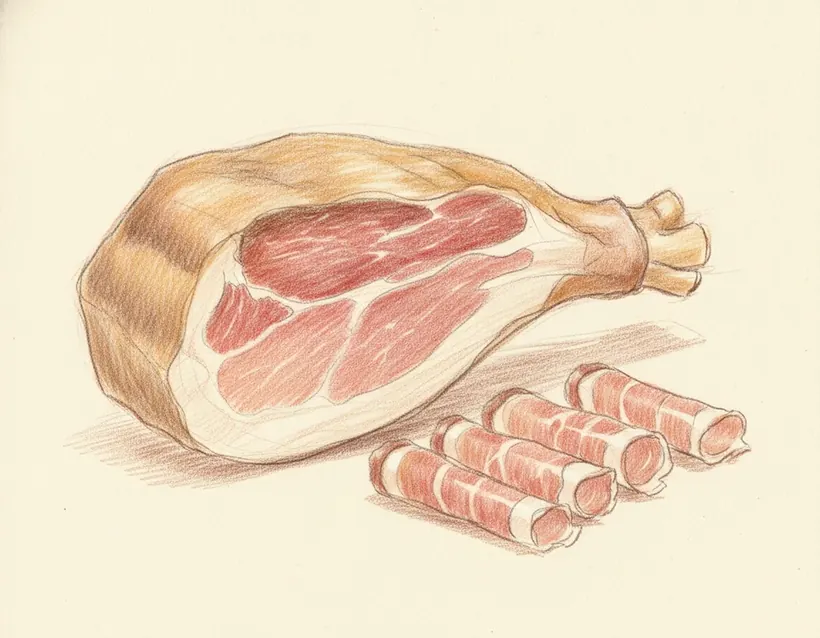
A sweet, rosy cured ham aged in the mountain air of Carpegna, lightly salted and rounded in flavour.
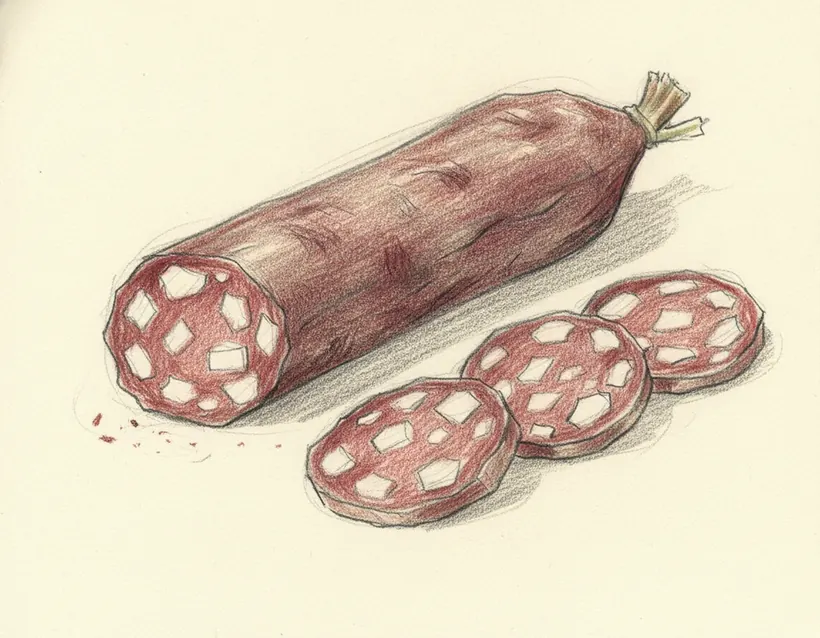
A lean cured pork salami studded with cubes of prized lardo, from the paper-making town of Fabriano.
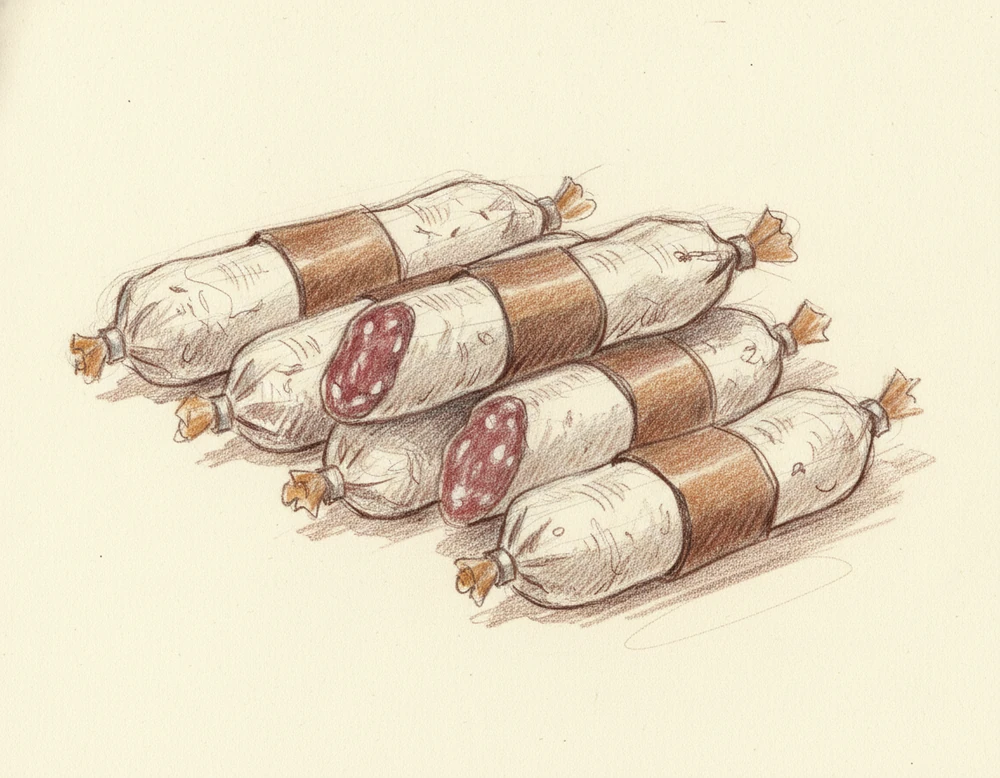
Small salami sized to be carried in a hunter's pocket, which is where the name comes from. The zone is unusually wide: pigs may be raised across eleven Italian regions, from Friuli down to Molise.
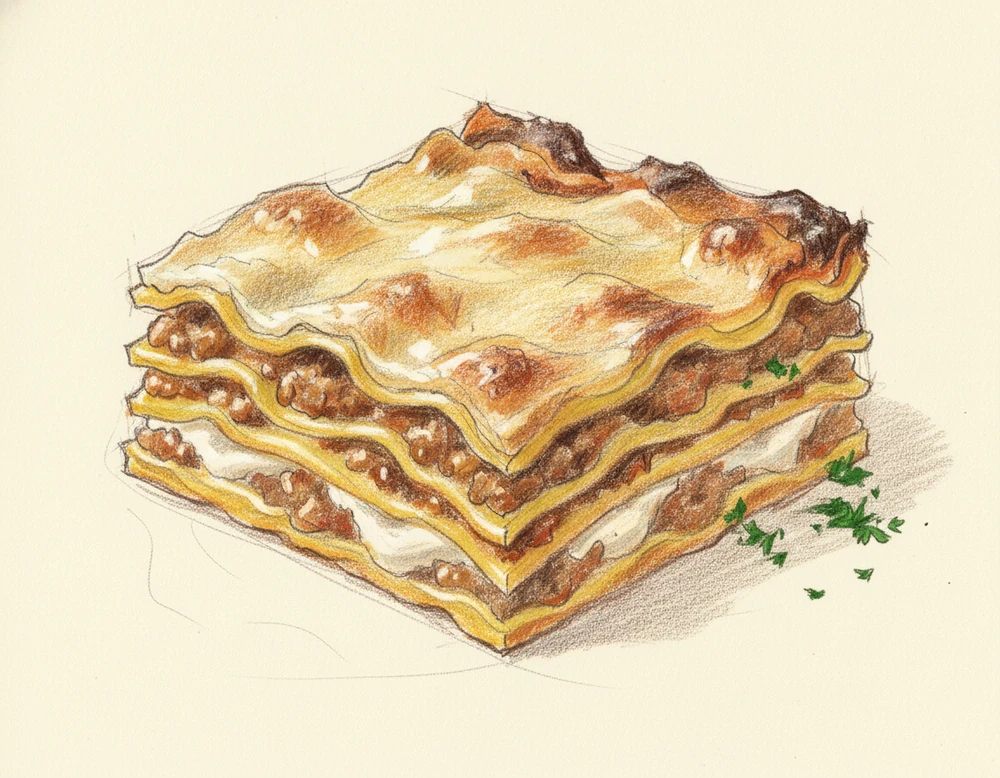
A gratinated first course built from three base preparations: fresh egg pasta, a dressing sauce made with offal, and bechamel, finished with grated Parmigiano Reggiano DOP or Grana Padano DOP.
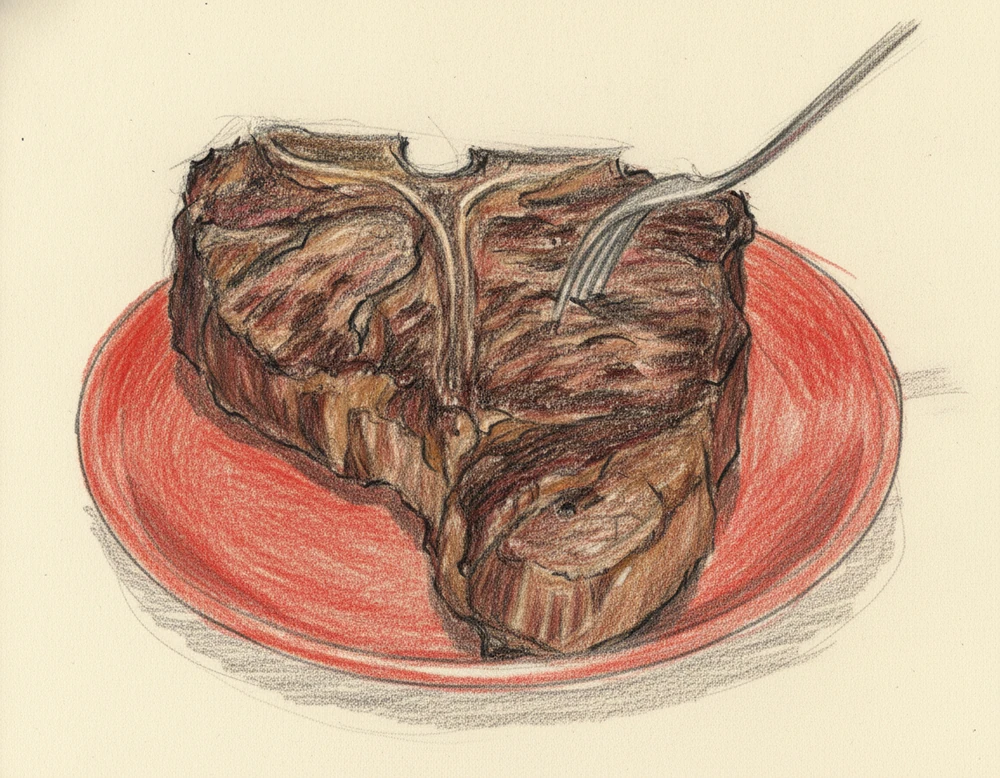
Beef from the white cattle breeds of the central Apennine spine, covering a band of thirty provinces from Bologna down to Latina. It is the designation behind the Chianina, Marchigiana and Romagnola beef that Tuscan and Umbrian cooking is built on.