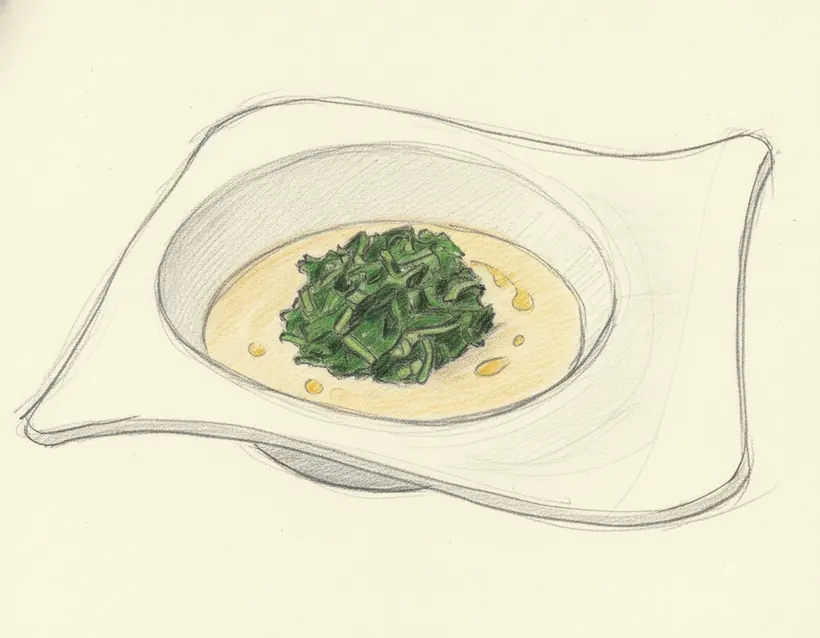
Fave e CicoriaFava purée with wild chicory
A silky purée of dried broad beans served with sautéed bitter wild chicory and a thread of olive oil, cucina povera at its purest.
Pairs with
Puglia is Italy's sun-baked south: durum-wheat orecchiette, wild greens and pulses, burrata and stracciatella, lamb and sea. Its wines are generous and warm, Primitivo and Negroamaro reds, coral Salento rosati, and crisp Verdeca whites from the trulli country.
A silky purée of dried broad beans served with sautéed bitter wild chicory and a thread of olive oil, cucina povera at its purest.
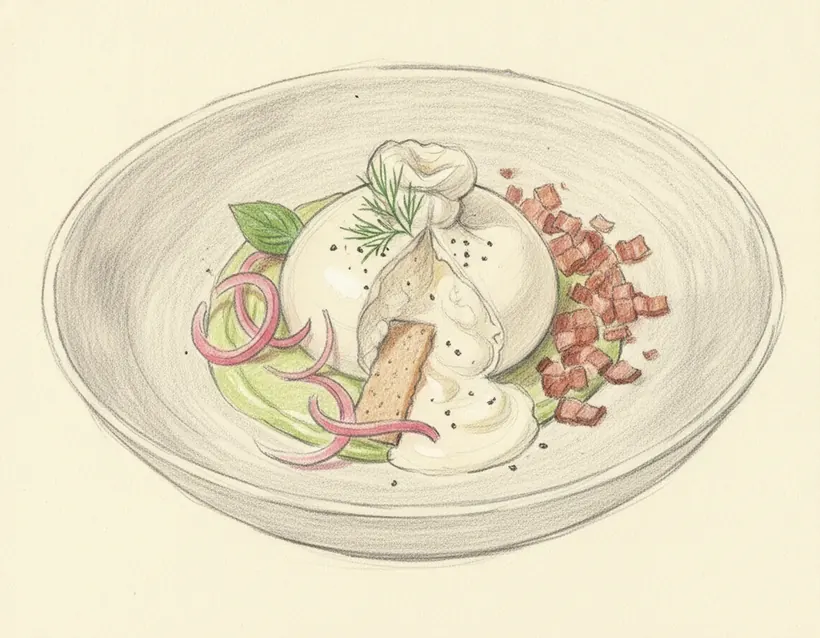
A pouch of mozzarella filled with soft stracciatella and cream, torn open to spill its centre, the pride of Andria.
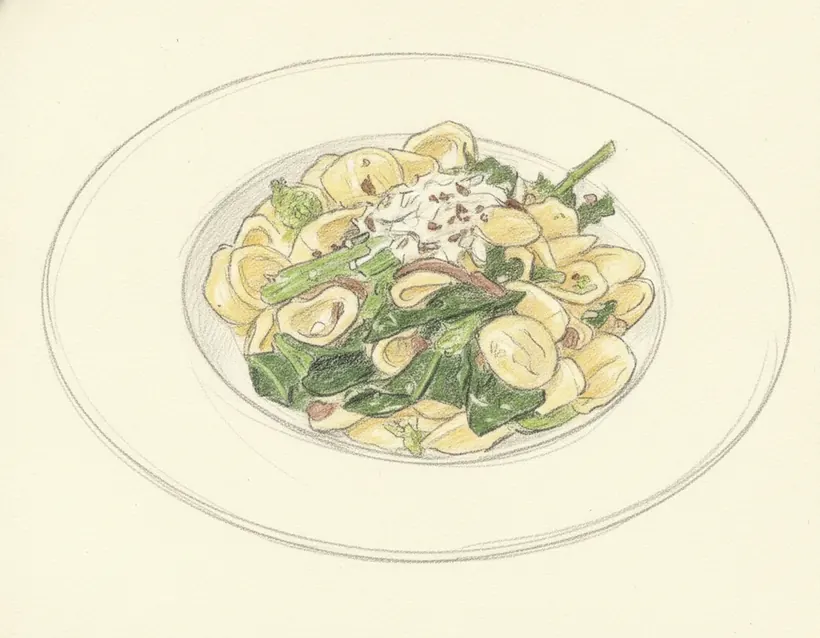
Hand-shaped durum orecchiette tossed with bitter turnip tops, garlic, chilli, anchovy and olive oil, the emblem of Bari cooking.
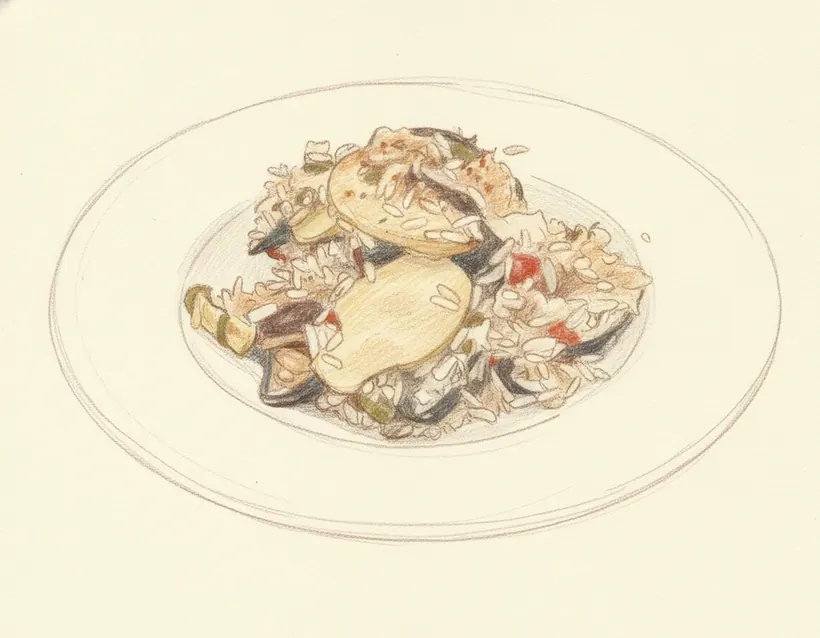
A Bari 'tiella' of layered rice, thin-sliced potato and mussels baked with tomato, onion and pecorino until crusted on top.
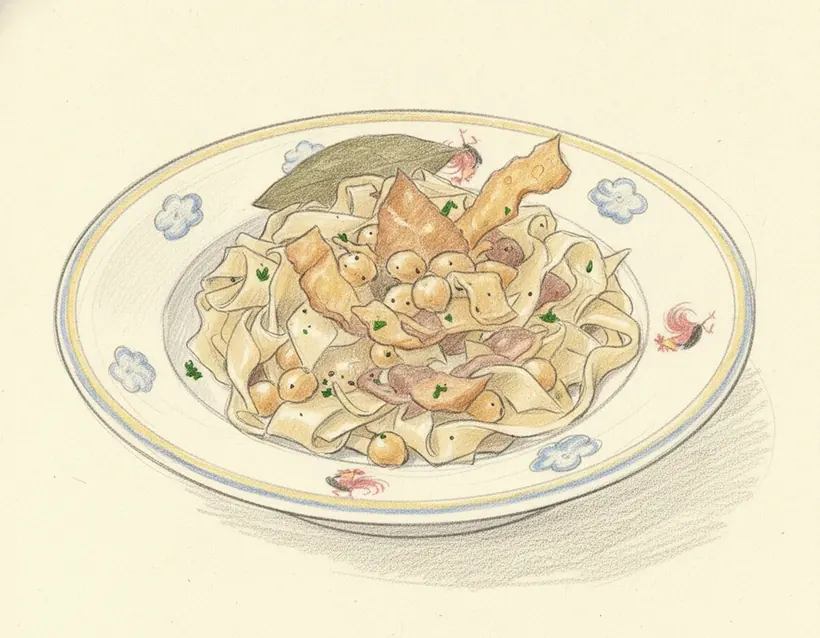
A Salento dish of chickpeas and fresh pasta, part of the pasta boiled and part fried crisp and scattered on top for contrast.
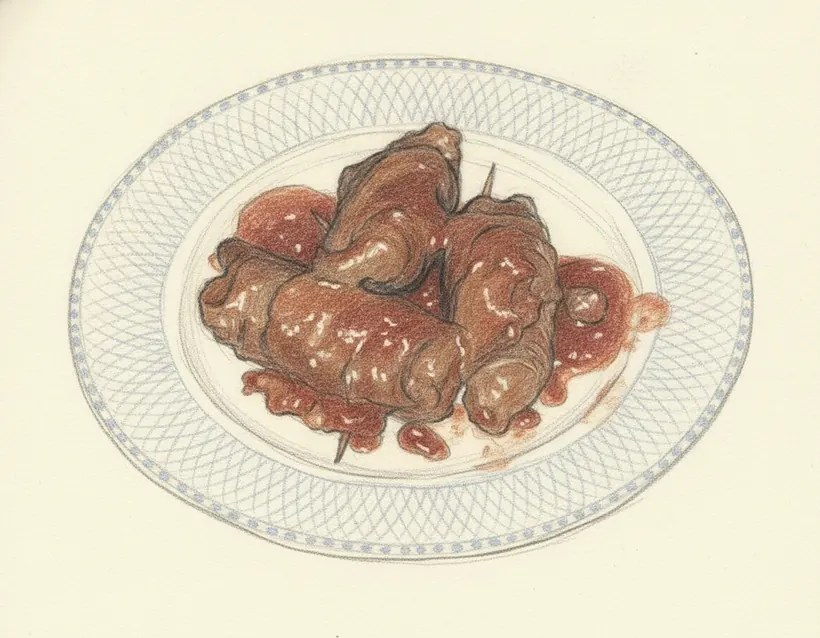
Thin beef (or horse) rolls stuffed with garlic, parsley, pecorino and lardo, braised slowly in tomato, the Sunday ragù of Bari, its sauce dressing the pasta first.
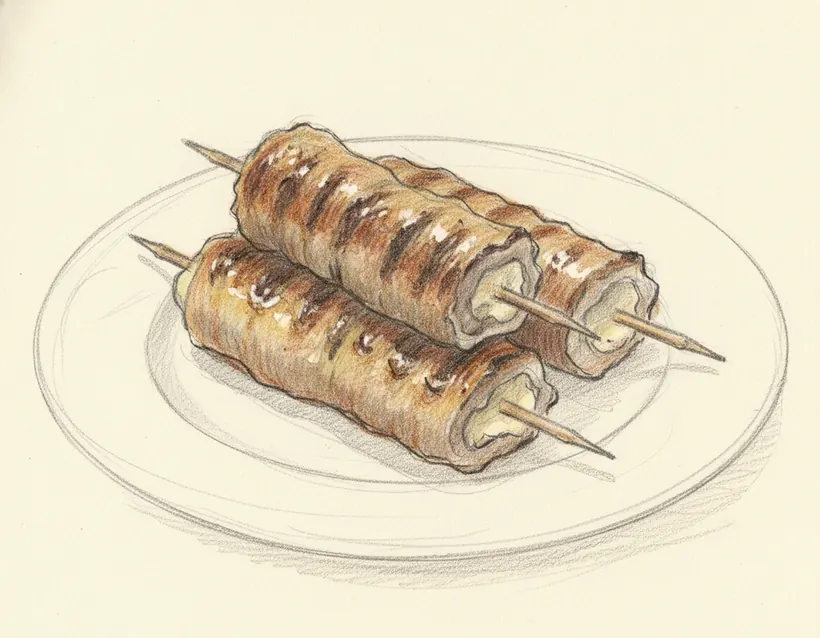
Little rolls of pork wrapped around caciocavallo cheese and grilled over wood at the butcher's fornello, the street barbecue of the Murgia.
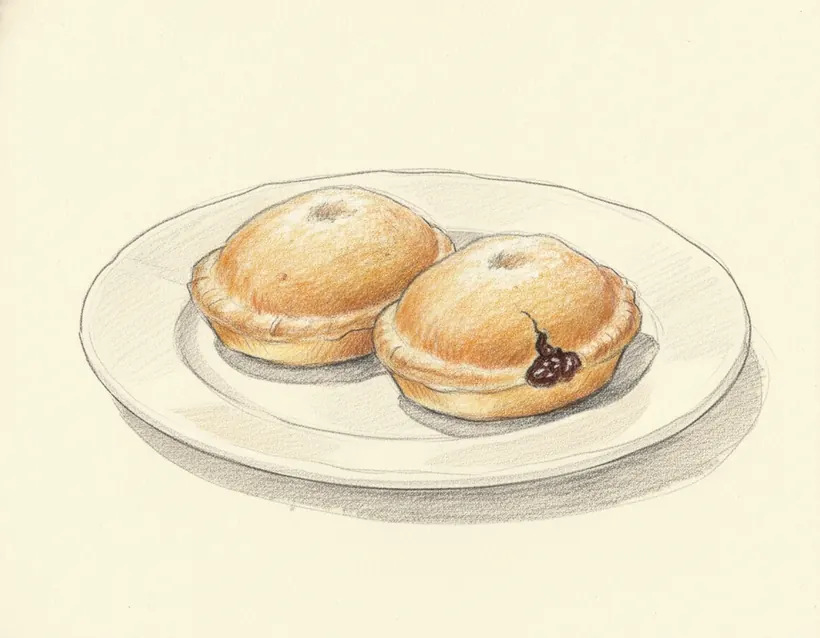
A small oval shortcrust pastry filled with baked pastry cream, eaten warm for breakfast across the Salento.
DOP, IGP, STG, Slow Food Presidia and traditional specialities of Puglia.
Citrus generally does not grow on Italy's Adriatic coast, with one exception: the Gargano. Their presence there is not an experiment but a piece of agricultural history, the result of choices made in step with the peninsula's climate and vocation.
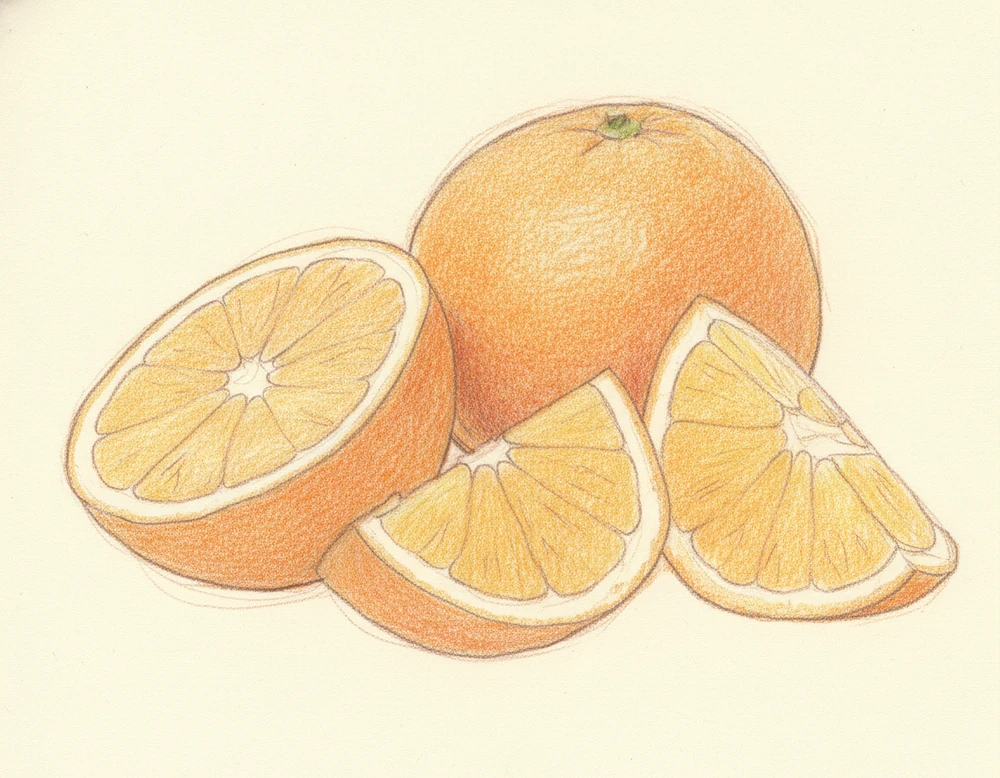
Oranges of the traditional Gargano cultivars: the Biondo Comune group, known locally as Biondo Comune del Gargano, and the native local ecotype Duretta del Gargano, called Arancia tosta for its firmness.
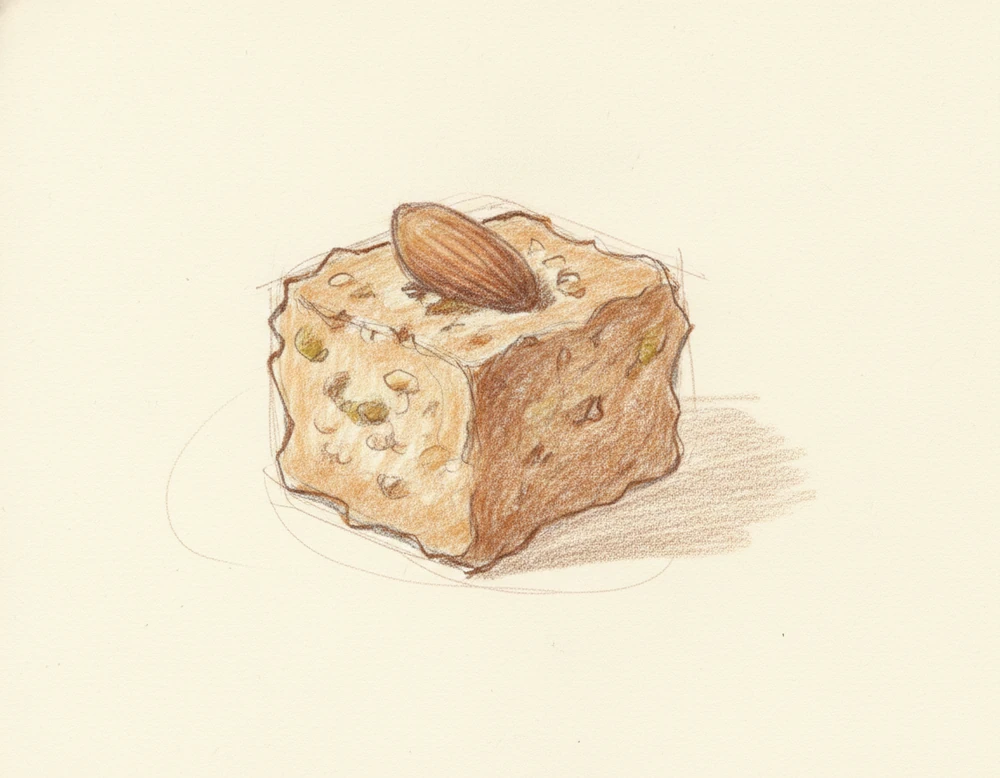
Almond biscuits called piscquett'l, cut as an irregular cube, made at Ceglie Messapica for centuries.
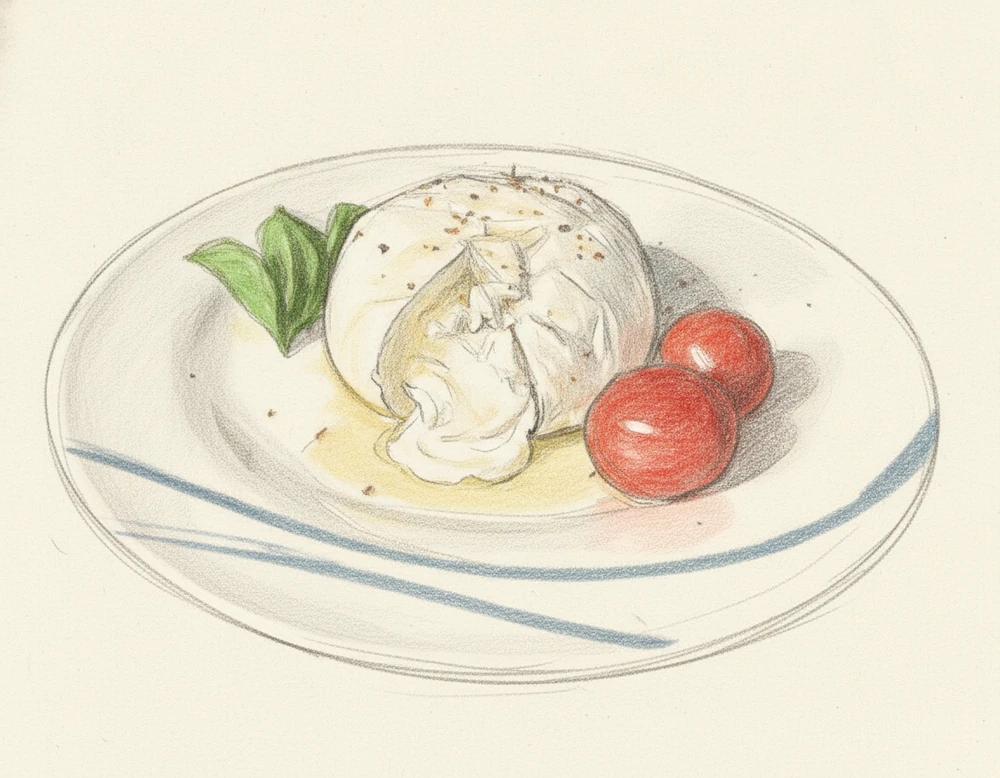
A cow's-milk cheese made by wrapping a pouch of pasta filata around a filling of cream and shredded pasta filata. The outer shell is pasta filata only; everything soft is inside.
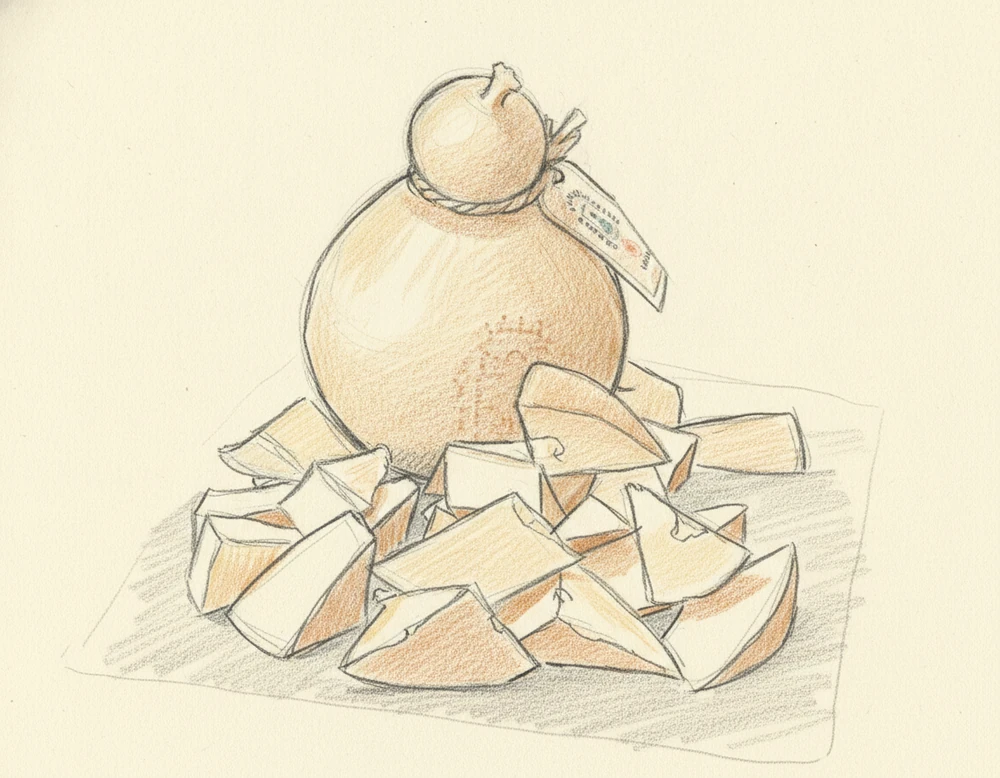
Caciocavallo from Podolica cows grazing the Gargano. The breed gives very little milk, but what it gives makes remarkable cheese. Podolica cattle were once among Italy's most common and are now confined to a few areas of the south.
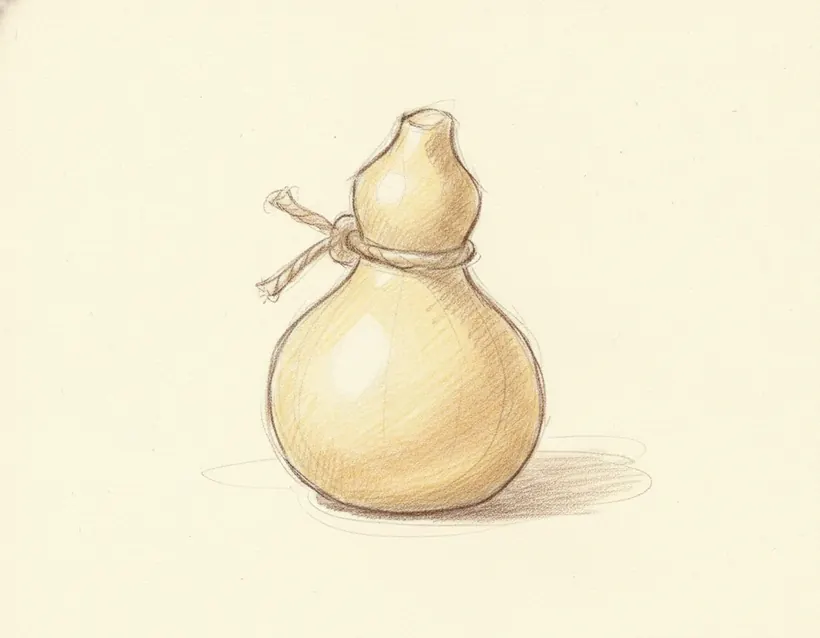
A gourd-shaped stretched-curd cow's-milk cheese aged tied in pairs over a beam, firm and piquant.
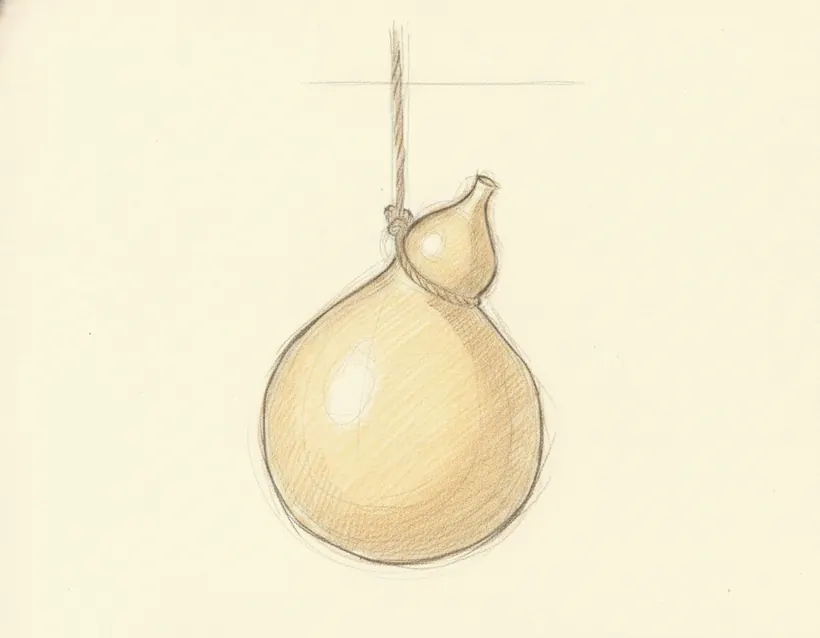
A gourd-shaped stretched-curd cow's-milk cheese of the Sila highlands, aged tied in pairs over a beam.
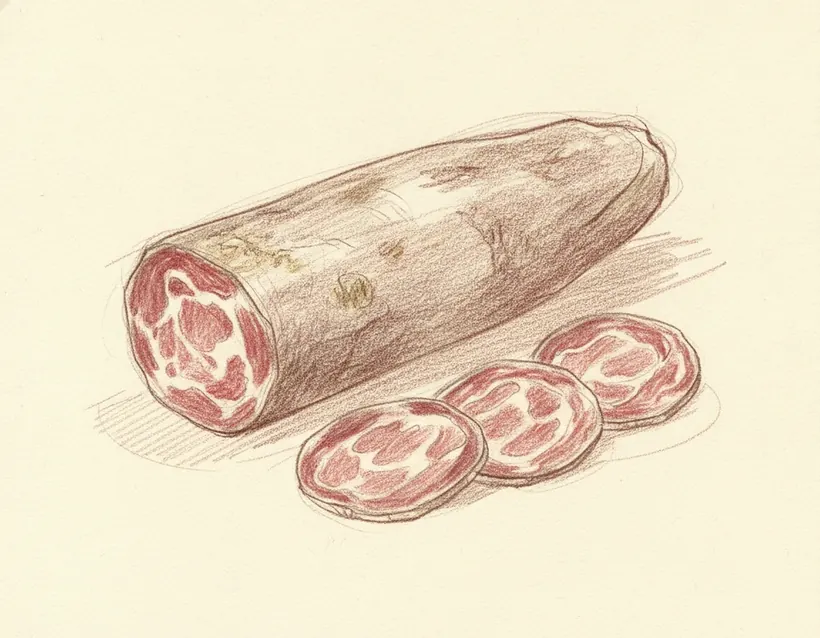
Cured pork neck of the Valle d'Itria, marinated in cooked wine (vincotto) and lightly smoked with fragno-oak bark.
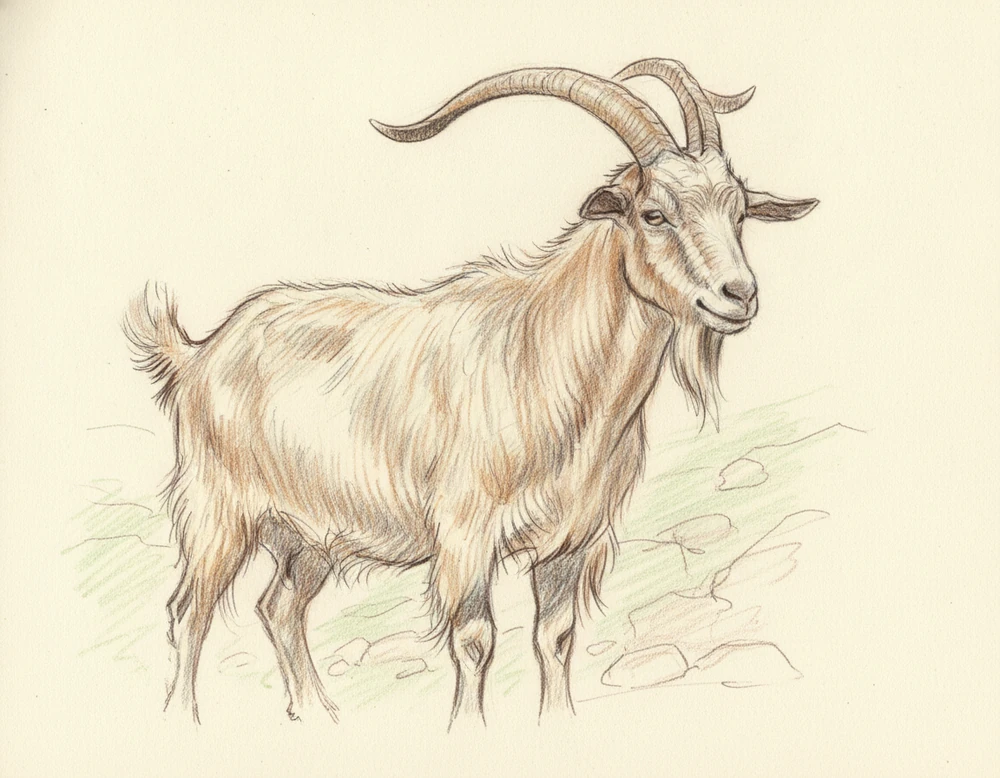
An old goat native to the Gargano promontory, called Nustrala, the local one, in dialect. It suits both milk and meat and is left to range freely; goat-keeping has always mattered to the economy there.
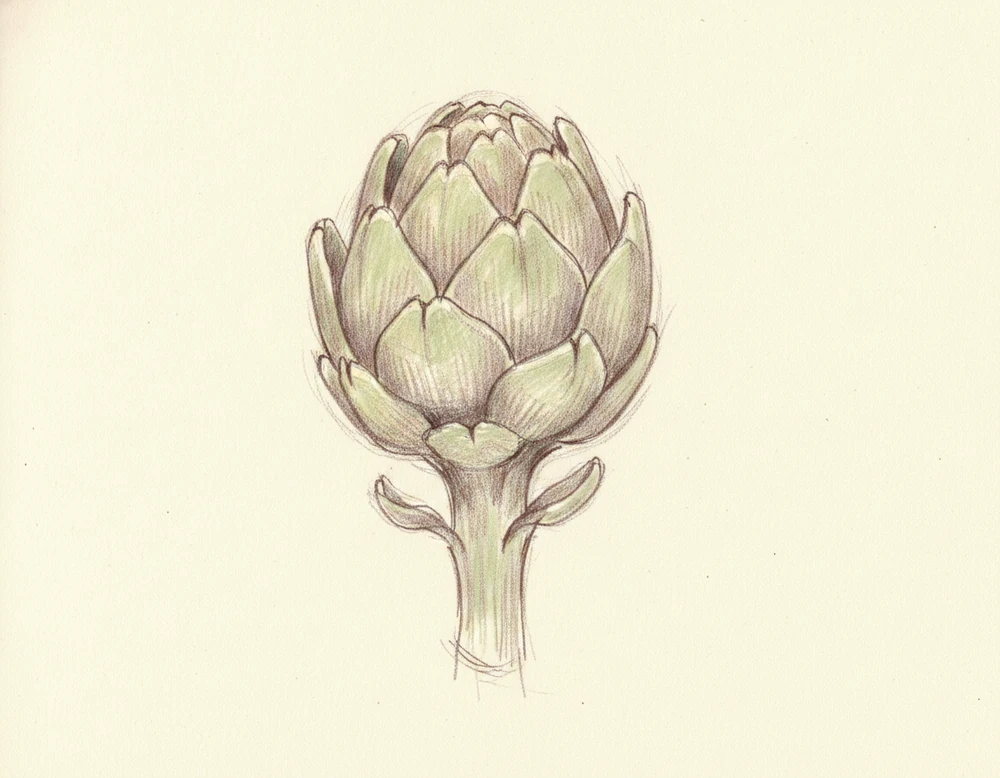
Artichokes of Cynara cardunculus subsp. scolymus from the local Carciofo Brindisino ecotype, a medium-height plant of high productivity grown on the Brindisi plain.
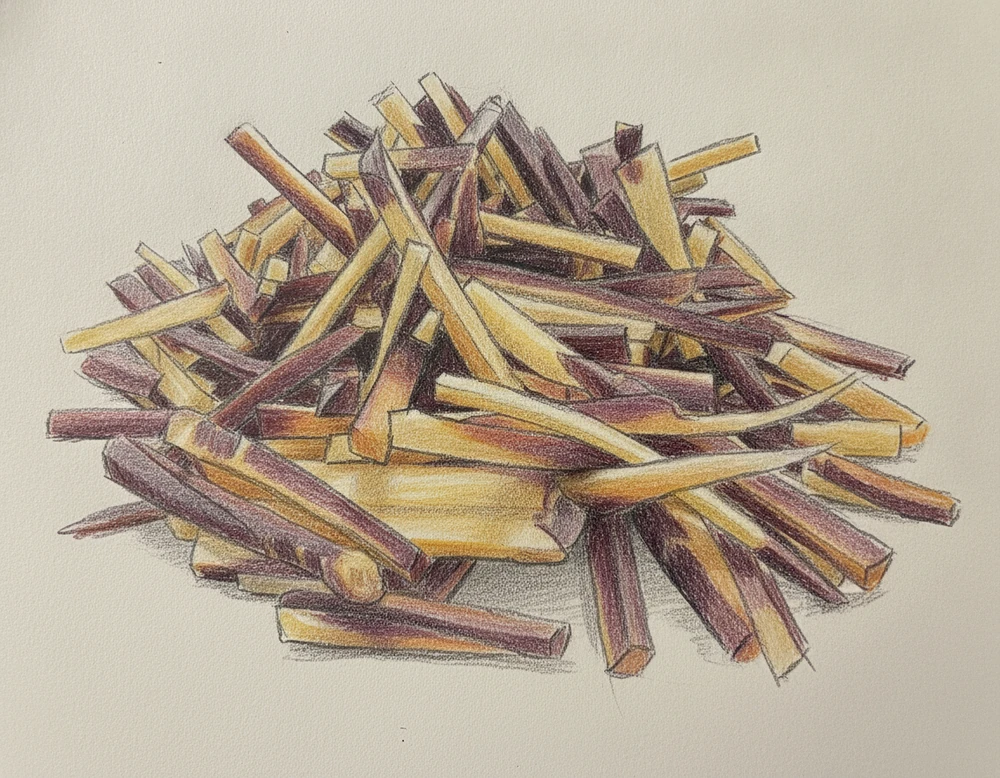
Polignano's carrots run from pale yellow through deep orange to dark purple, because the growers still keep their own seed instead of buying the standard orange the seed trade sells. The fields are sandy and fairly saline, and the brackish irrigation water pushes that further, which is what makes the carrots taste as they do.
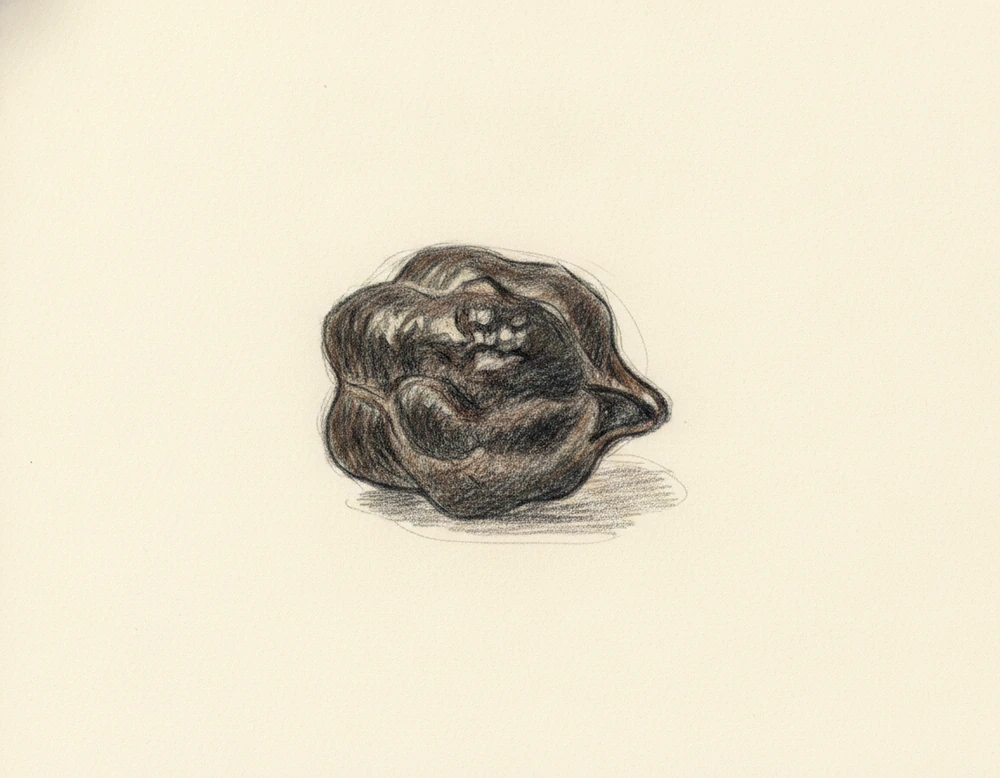
A small, very dark, wrinkled and hooked chickpea long grown on the karst Murgia south of Bari, where caves and sinkholes mark the ground and the sandy soil suits onions and pulses.
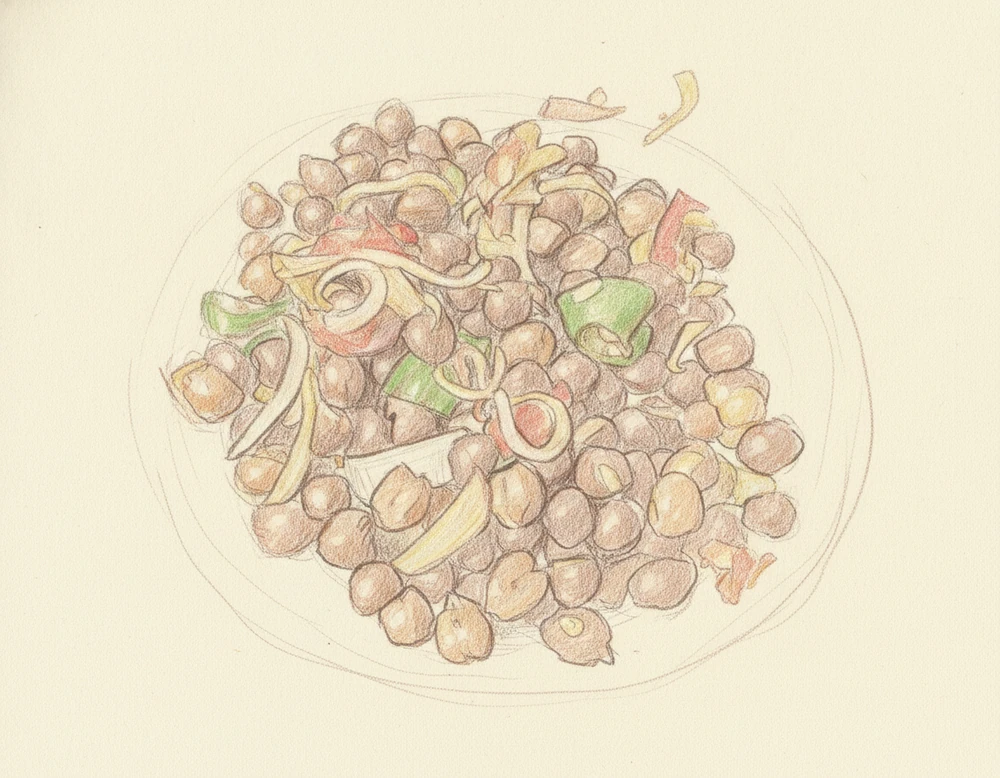
A smooth-skinned local chickpea ecotype from the country around Cassano delle Murge, once called terr'd cicerin, chickpea land. Hard winters and hot summers never discouraged it.
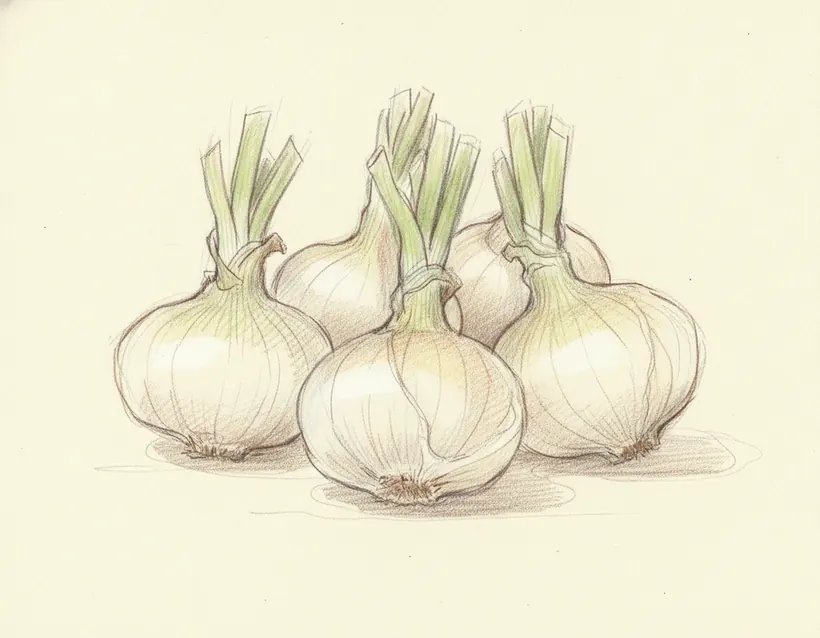
A sweet, flattened white onion grown in the sandy coastal soils of Margherita di Savoia, mild enough to eat raw.
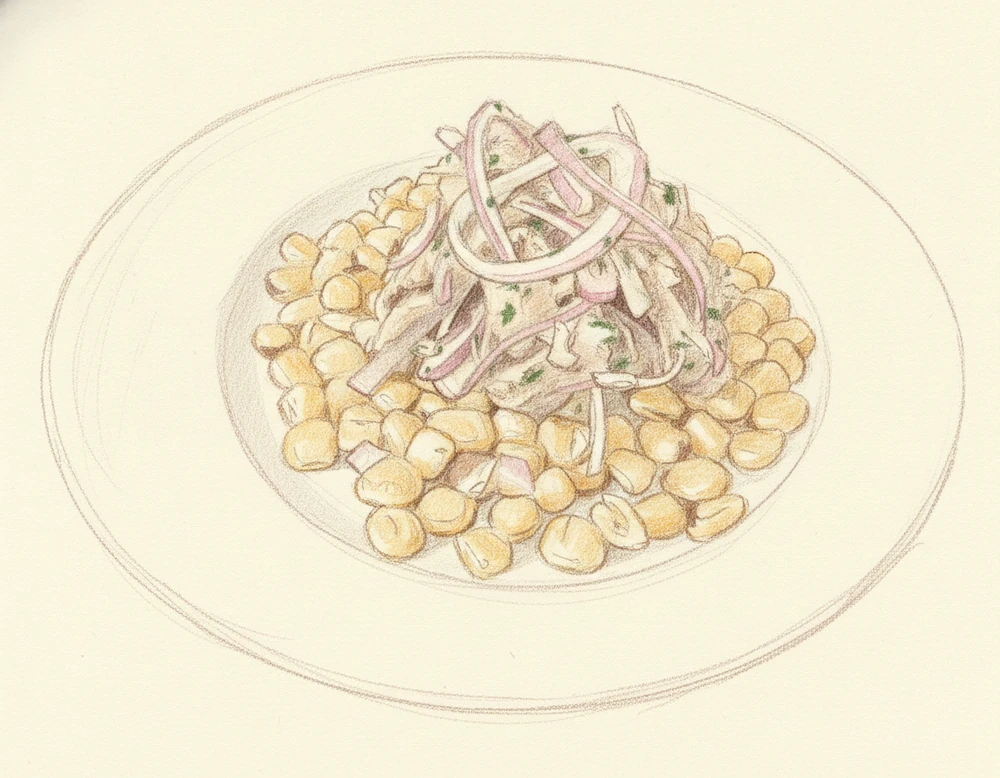
A red onion renowned since the 19th century for its sweetness. The ground at Acquaviva delle Fonti is deep, well drained and aerated, rich in potassium and moderately loose, tending to muddy, which is what the growers credit for it.
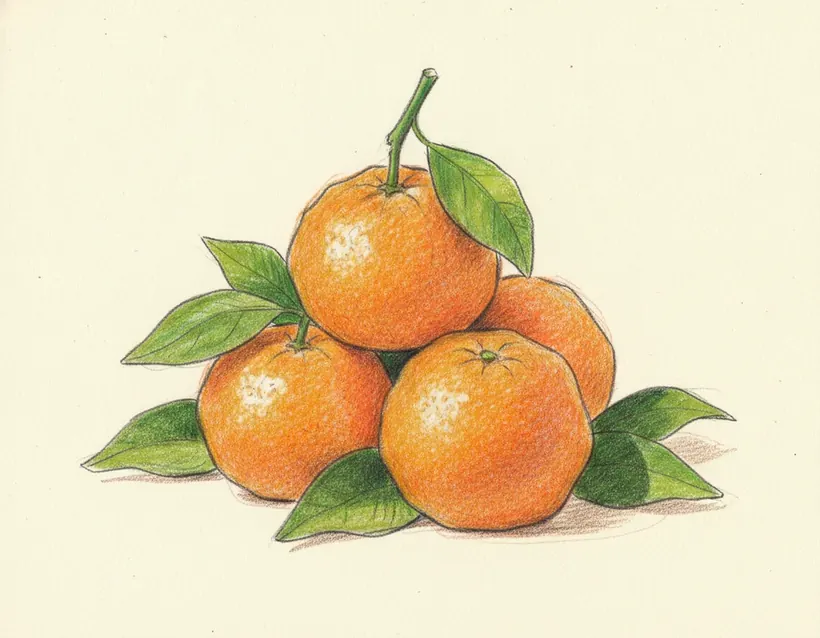
Sweet, seedless, deep-orange clementines grown along the warm Ionian gulf of Taranto.
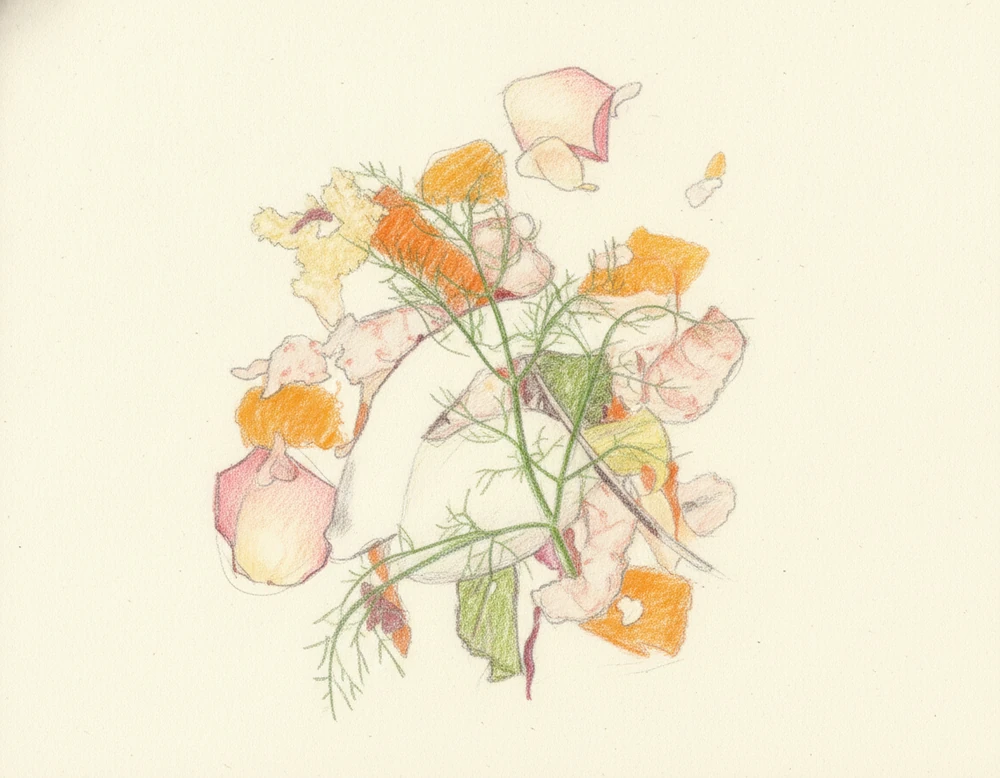
Extra-virgin olive oil from the Brindisi hills, at least 70 per cent Ogliarola, with Cellina di Nardò, Coratina, Frantoio, Leccino, Picholine and other locally widespread varieties making up as much as 30 per cent.
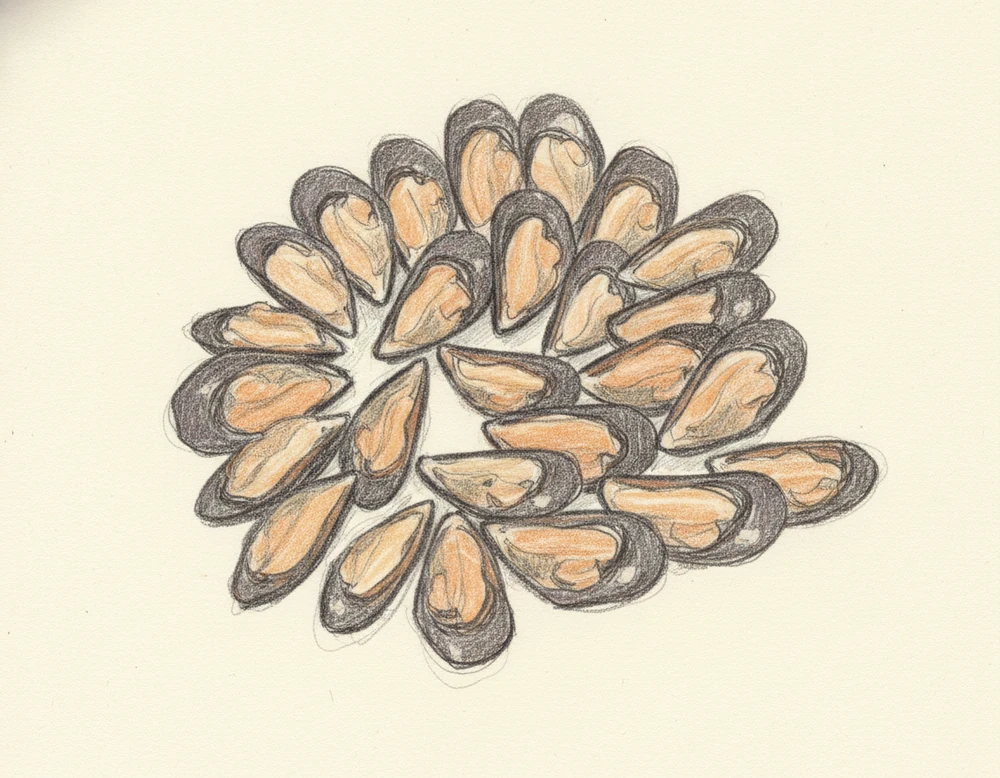
Taranto has farmed mussels and other molluscs for as long as there are records: oysters were already a trade in the late Roman period and again in the Middle Ages, on the strength of the low salinity of the Mar Piccolo. In the 16th century the city's rulers set down rules in the Libro Rosso against overfishing the lagoons and against destructive gear, and that text became one of the foundations of Italian fishing law. The black mussel is first named in 1525 as a native species: Mytilus galloprovincialis, nearly quadrangular, two valves of 5 to 8 cm, glossy black-purple, striated and curved outward at the centre.
Two beans have been grown along this coast for over a century. One has a deep carmine skin; the other, now the common one, is whitish with a fine carmine mark beside the hilum that put the dialect in mind of a painted mouth, whence pasulu ti la signura, the Lady's bean, also called tintu. The white is easier and more productive, and the faint red mark still shows what it came from. Both are kidney-shaped and about 15 millimetres long.
One of the best broad beans in Puglia, grown on the chalky clay around Carpino and sown in October and November.
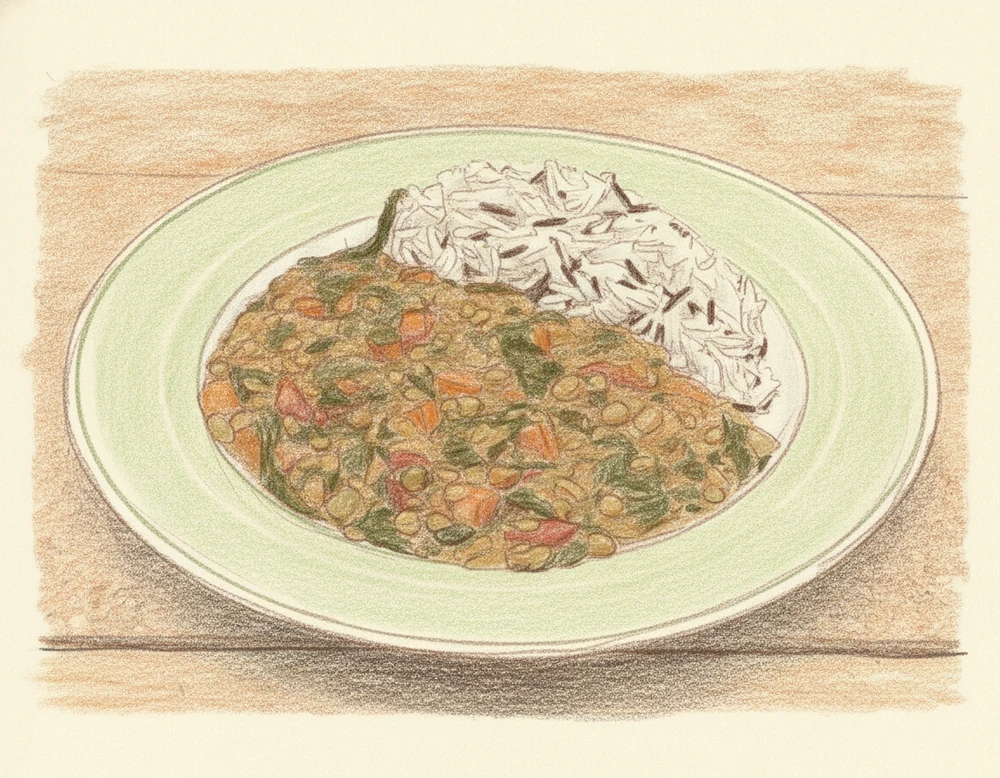
Lentils from the Alta Murgia around Altamura, round and flattened, in shades of green and brown. Eston runs 3 to 4.9 mm across, Laird 5 to 7 mm.
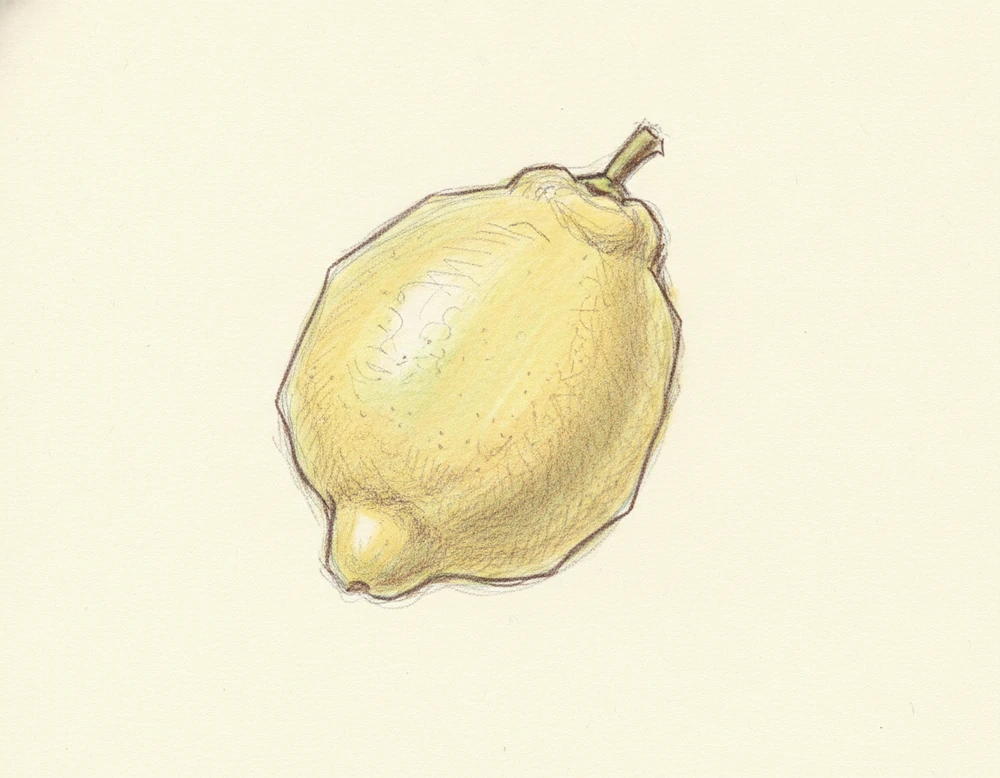
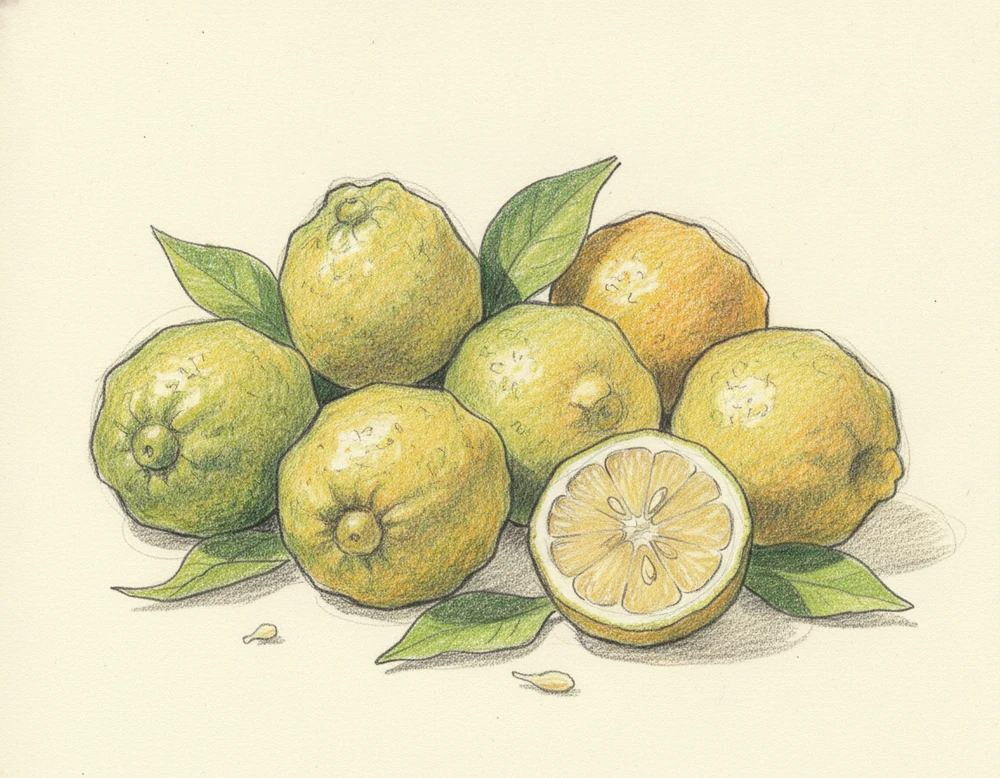
Lemons of the traditional Femminello Comune group, known locally as Limone nostrale. Shape, size and weight vary with which of the spring and summer flowerings the fruit came from.
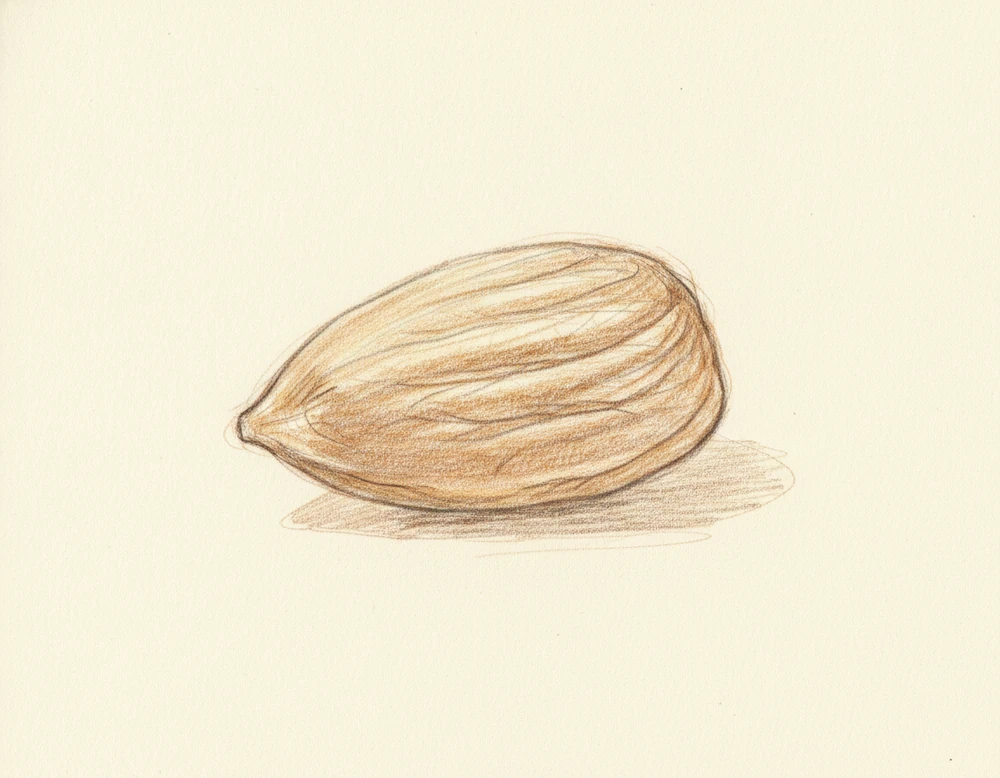
Almonds once covered the province of Bari and shaped what it looked like. Around Toritto several native cultivars came up, and some of them held out against the more productive Californian sorts; they still carry the names of the townspeople who raised them, Antonio De Vito and Filippo Cea among them. The Filippo Cea, whose mother tree survives at Matine di Toritto, is the outstanding one and is still in many groves, creamy enough to be made for confectionery.
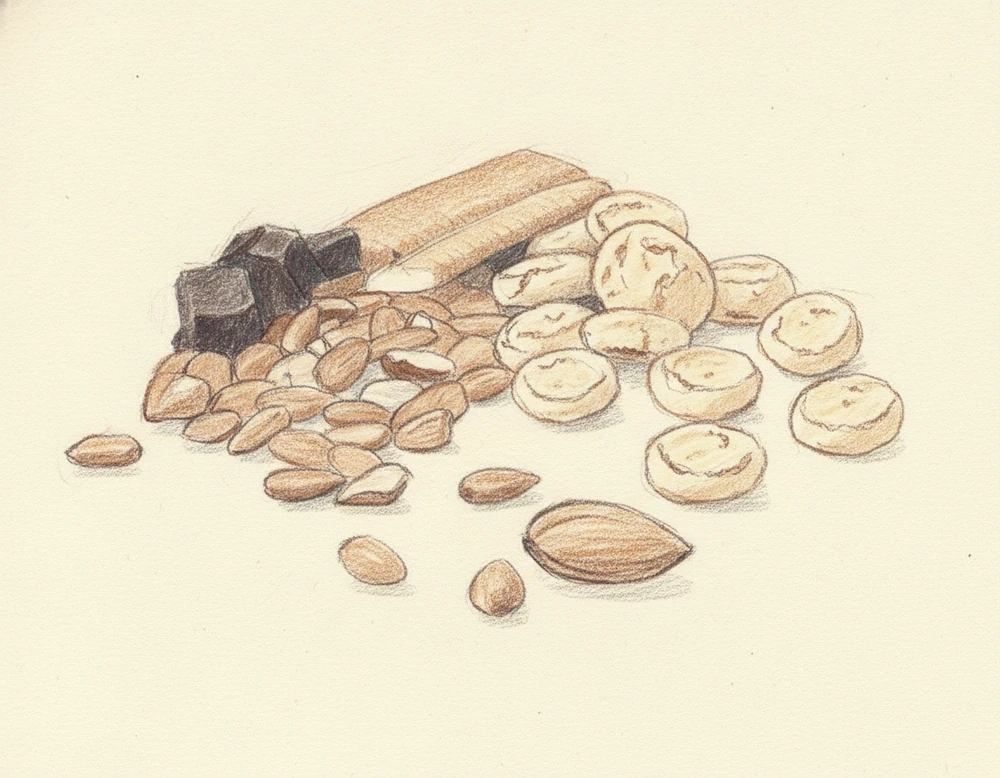
An old native almond of the Alto Salento, known in dialect as Tonnin, Sandricana or Senacante, grown around Ostuni, Carovigno, San Vito dei Normanni, Ceglie Messapica and San Michele Salentino.
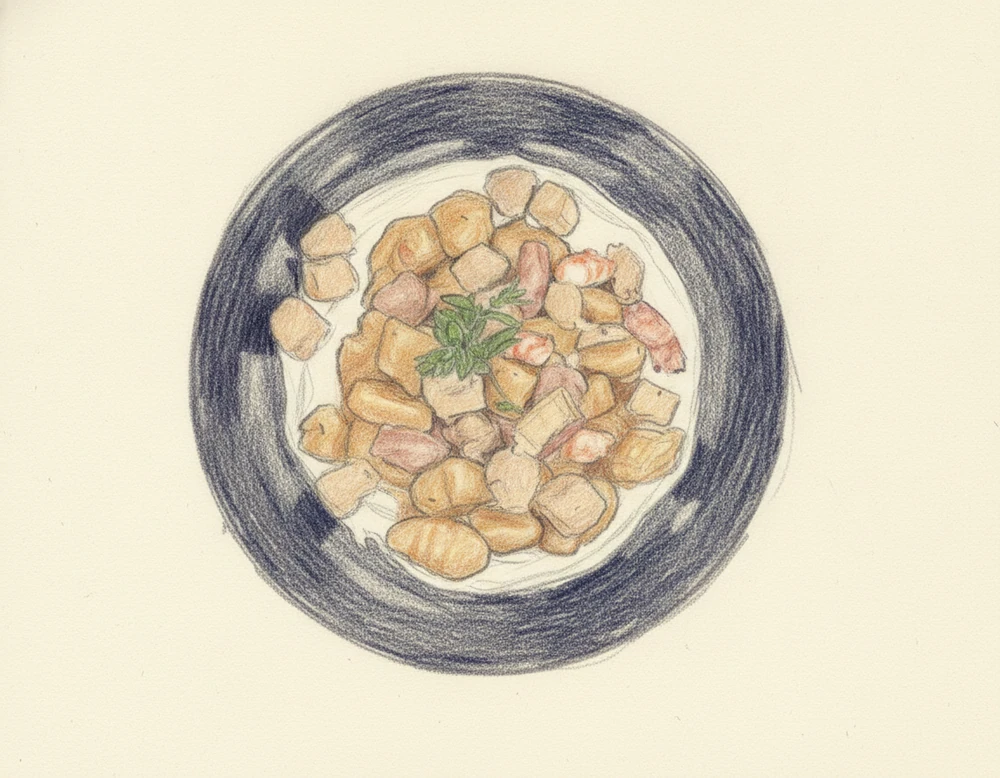
An old aubergine of the Ostuni countryside in the northern Salento, a landscape of dry-stone walls, terraced fields and centuries-old olive trees.
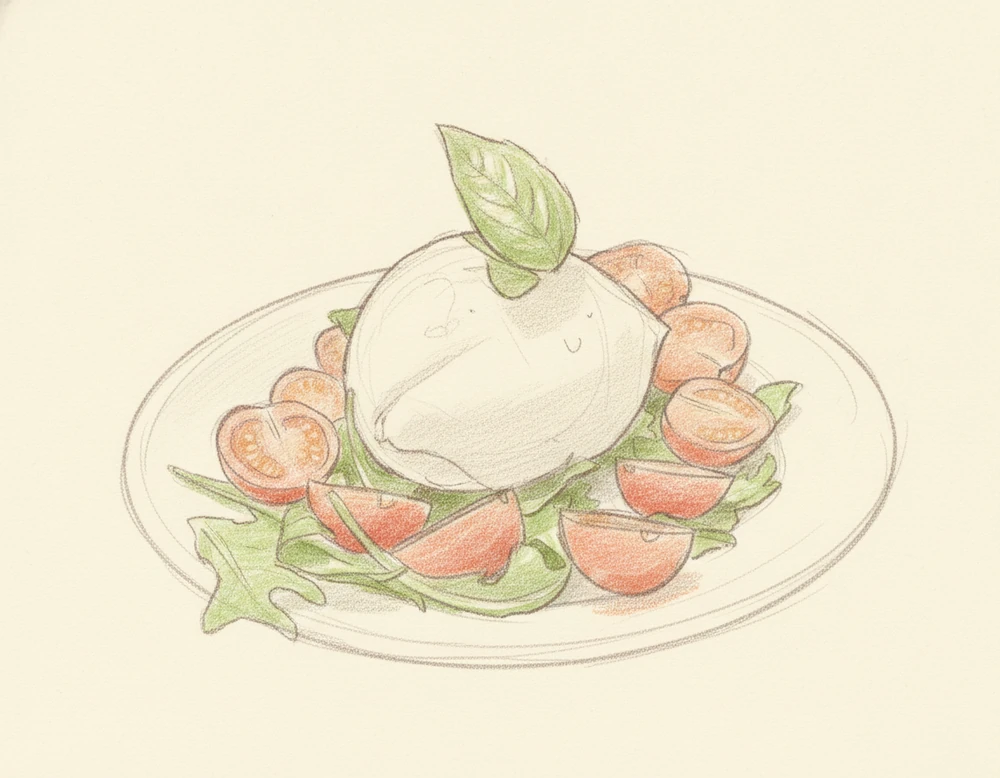
A fresh pasta-filata cheese made only from whole buffalo milk, and by some distance Italy's best-known DOP cheese. Beyond the classic round it is made in the shapes traditional to its zone: bocconcini, trecce, perline, ciliegie and nodini, from 20 g up to 800 g, with braids reaching 3 kg.
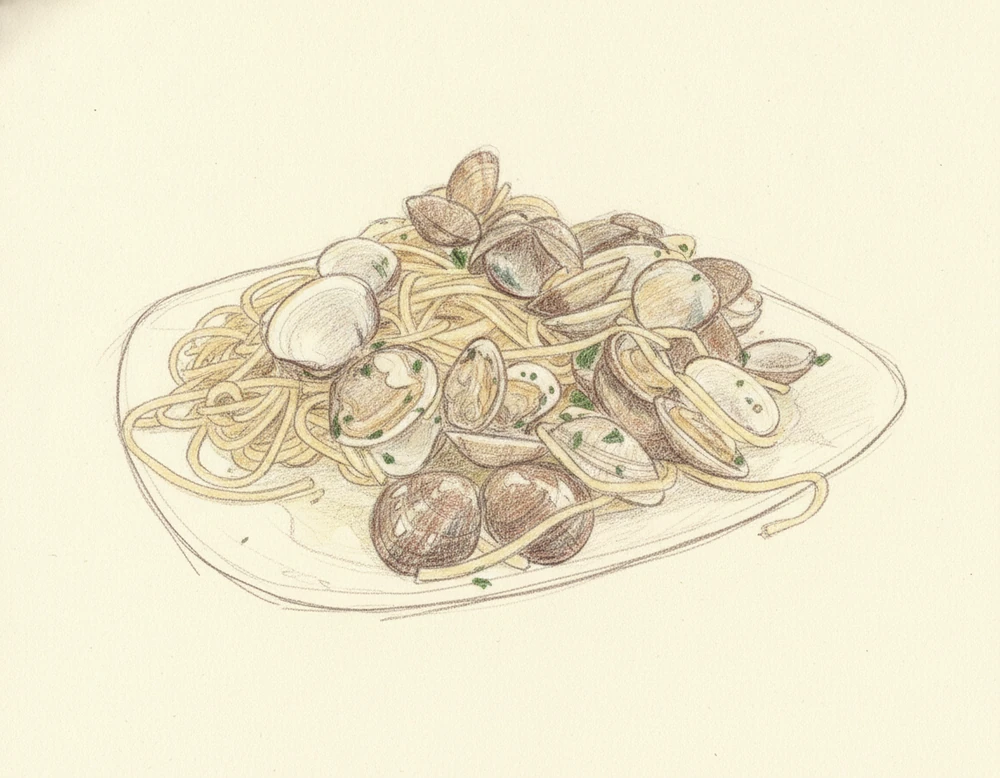
The region-wide Apulian olive oil IGP, whose sensory range comes from the genotype of its many native cultivars, the geography and soils, and the growing and pressing techniques of the territory.
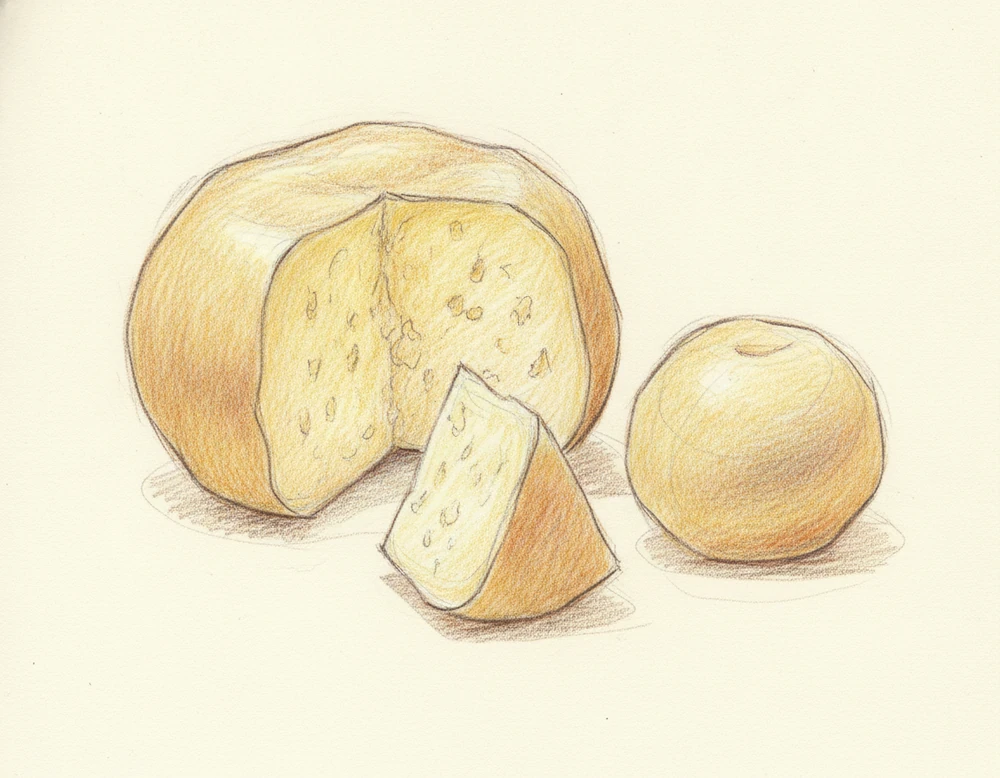
A semi-hard pasta-filata cow's-milk cheese going back to the transhumance, when flocks and herds of thousands moved along the Puglian drove roads. Gravina was one of the most important stops on those routes.
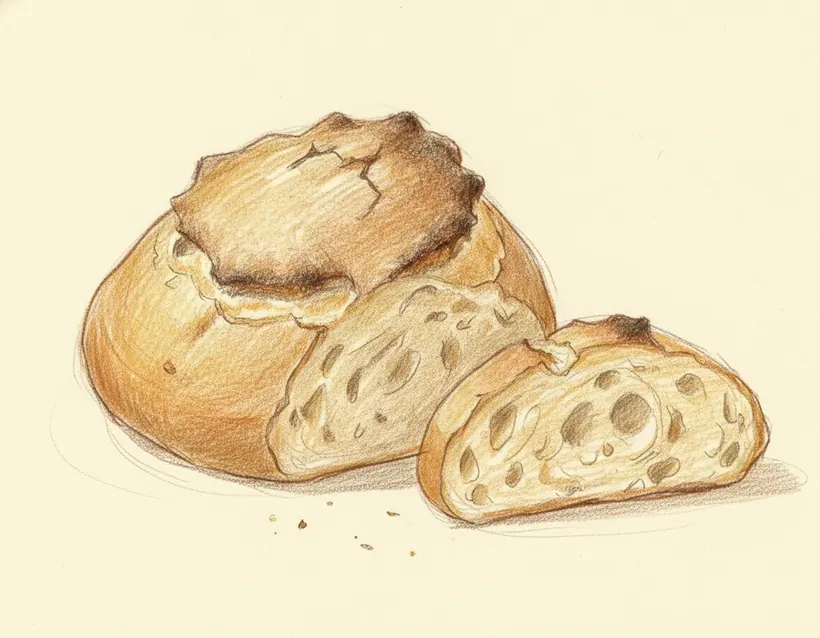
A tall, golden durum-wheat sourdough from Altamura with a thick crackling crust and a long-keeping amber crumb, baked in wood ovens since antiquity.
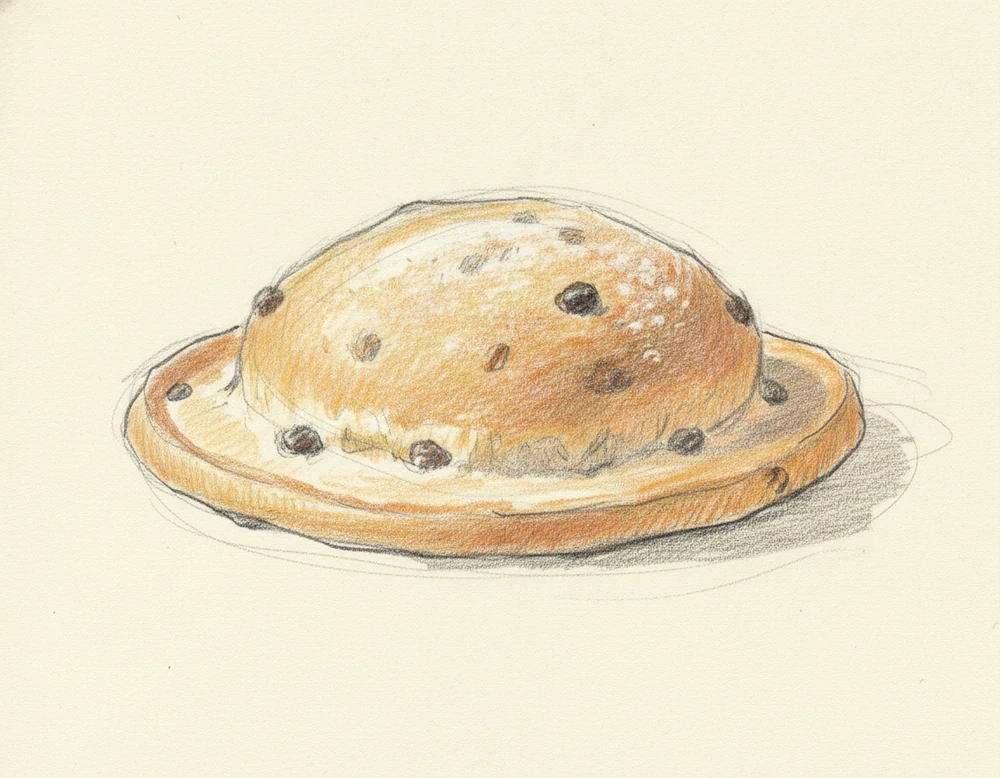
The 19th-century stone ovens are still part of the streetscape of the Alta Murgia: very tall hoods, peels with absurdly long handles, and room for 300 kilos of bread at a time. The loaf is the wide-brimmed hat shape the dialect calls skuanete, under a golden crust.
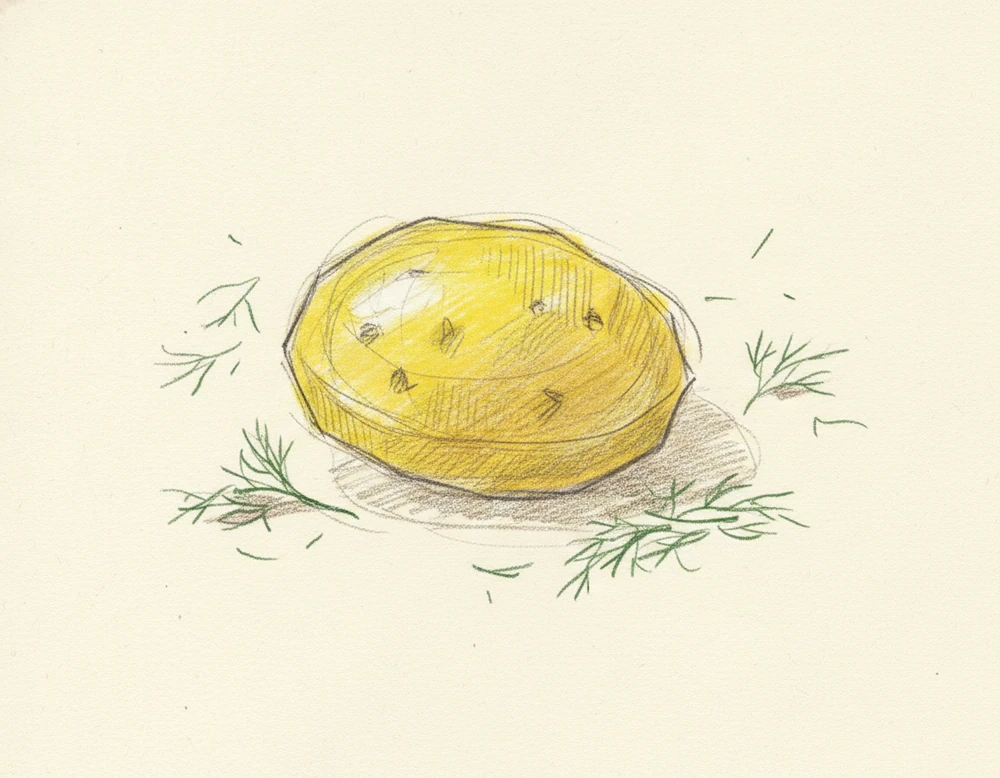
A single-variety DOP: only Sieglinde tubers qualify. The skin is an intense, brilliant yellow, and being a new potato it is lifted before the skin sets.
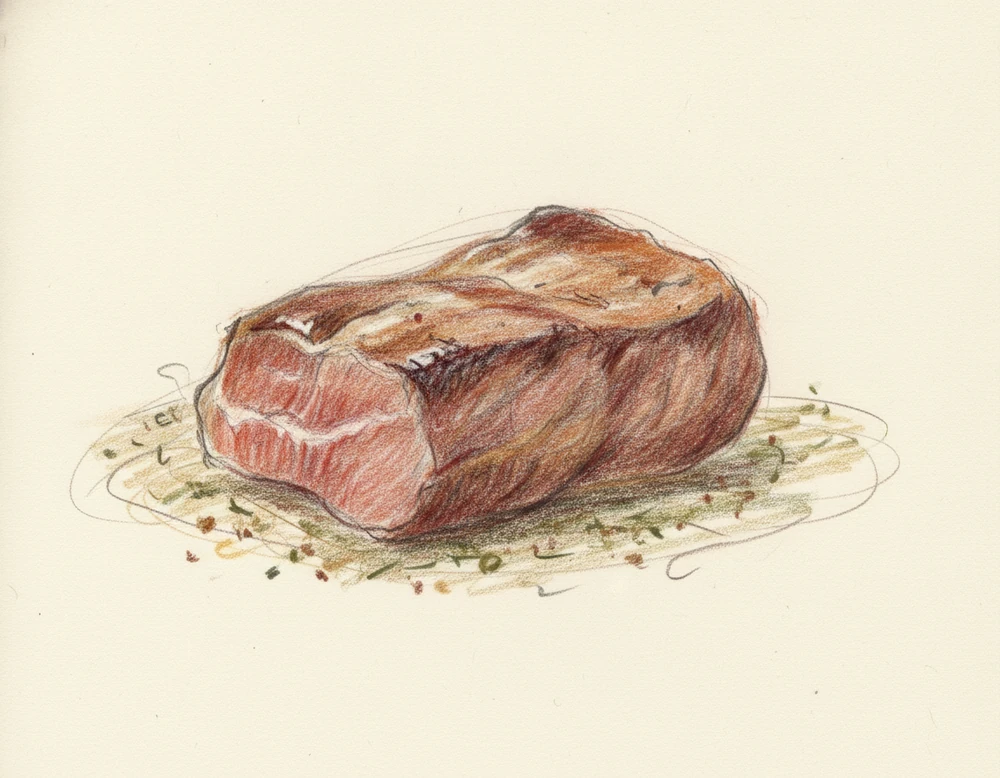
A native sheep once common across the Murgia and part of the Salento, above all around Altamura, now within the Alta Murgia national park. The landscape there is studded with old fortified farmhouses that housed the folds.
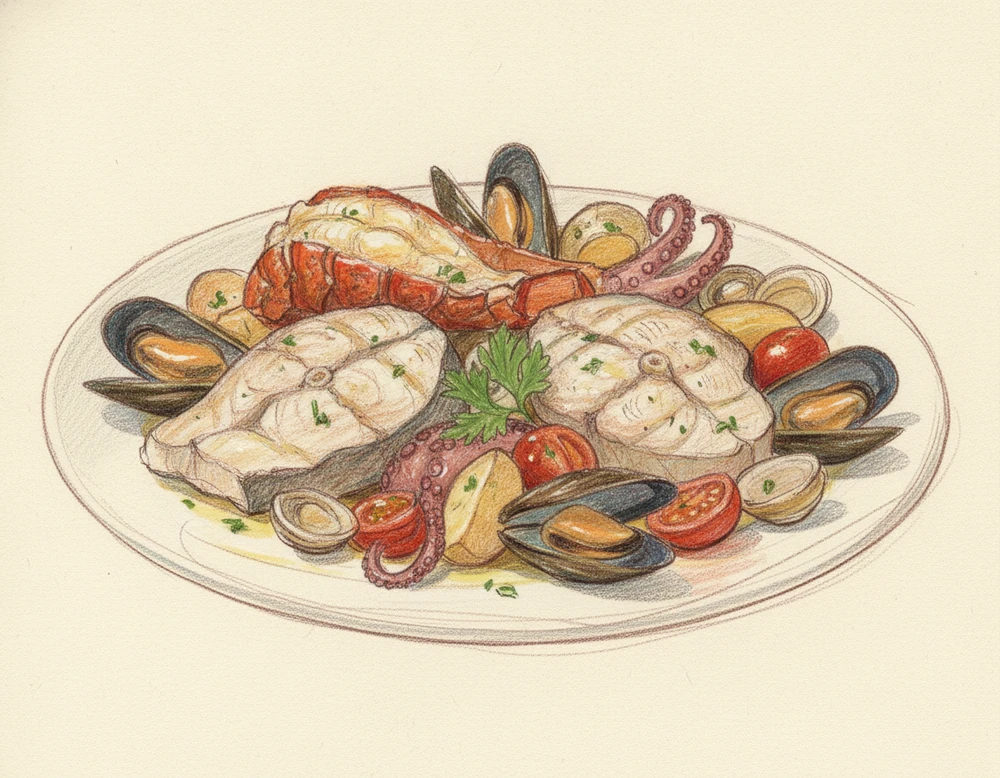
The fishing ground off Torre San Giovanni runs to about three miles out over very shallow water, the bottom broken by banks where the depth drops from five metres to seventy centimetres in no distance at all. Plutarch has the place in his life of Pyrrhus, whose boat grounded on these shallows after a storm. The fishermen who work them know the bottom, and they have inherited centuries of technique built around not exhausting it.
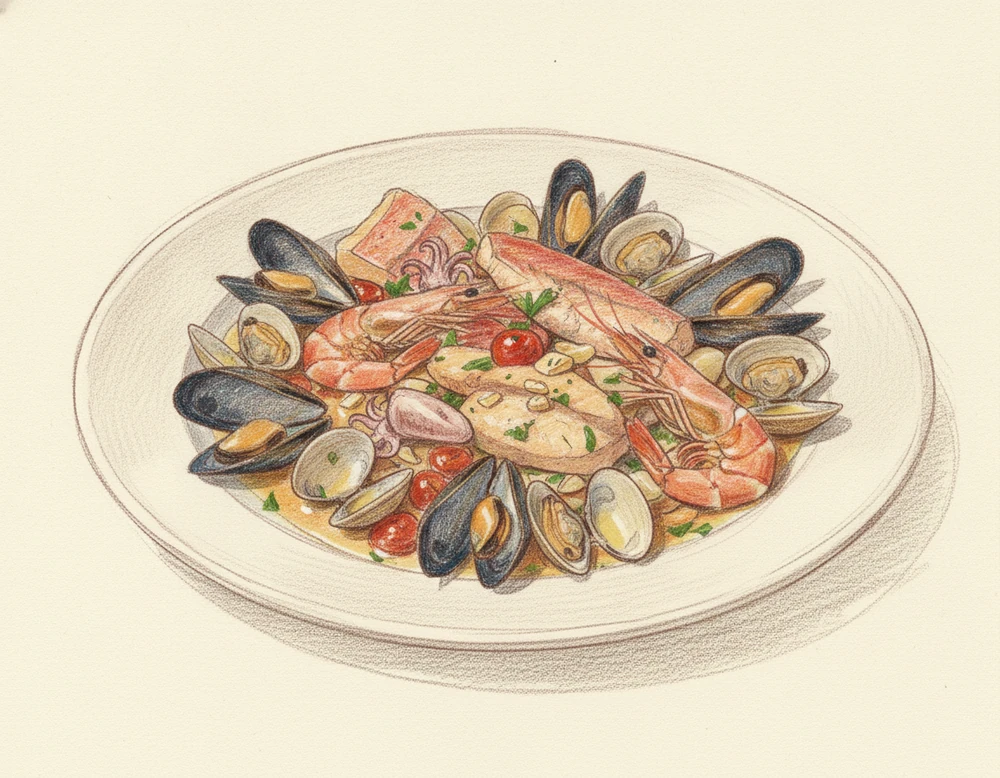
The protected area runs over more than 16,000 hectares along 32 kilometres of coast, taking in Porto Cesareo and Nardò and reaching west into the Gulf of Taranto. Some 250 small artisanal boats work out of Porto Cesareo, which matters to the local economy; the Salento fills with visitors every year and the fishermen have stayed with the fishing.
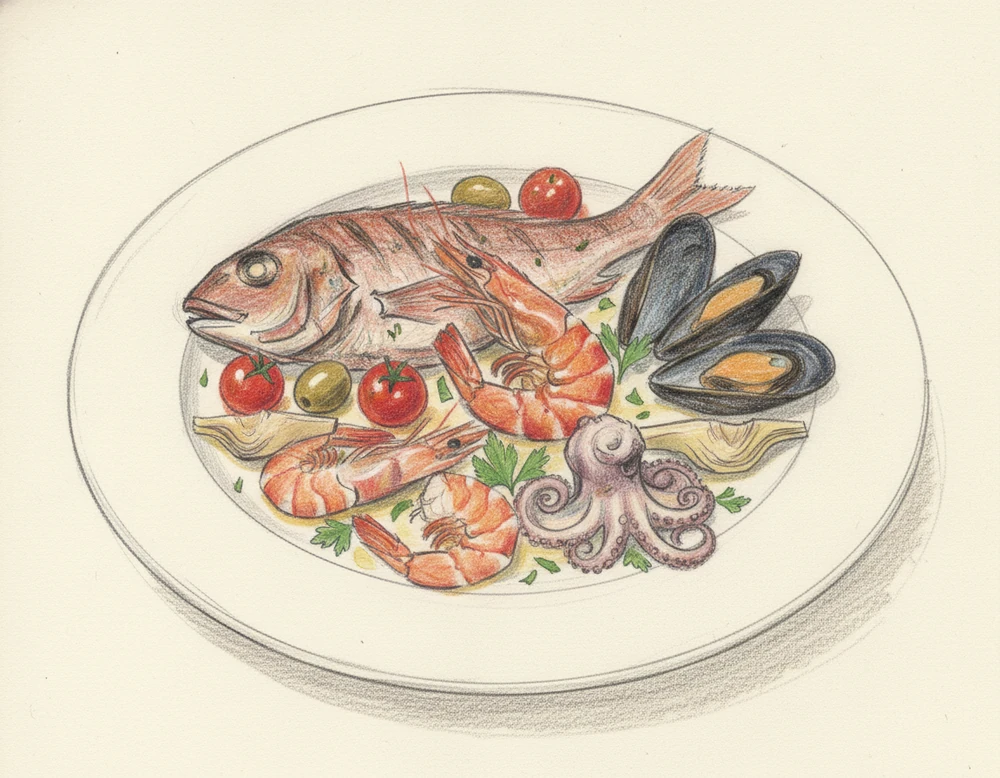
Two thousand hectares of clean sea in three zones, of which only Zone C may be fished. The marine area belongs to the reserve of the same name, whose land side carries Fiaschetto tomatoes, olives and artichokes. Archaeology inside the reserve shows fishing along this coast already in the Bronze Age, between 3500 and 1200 BC.
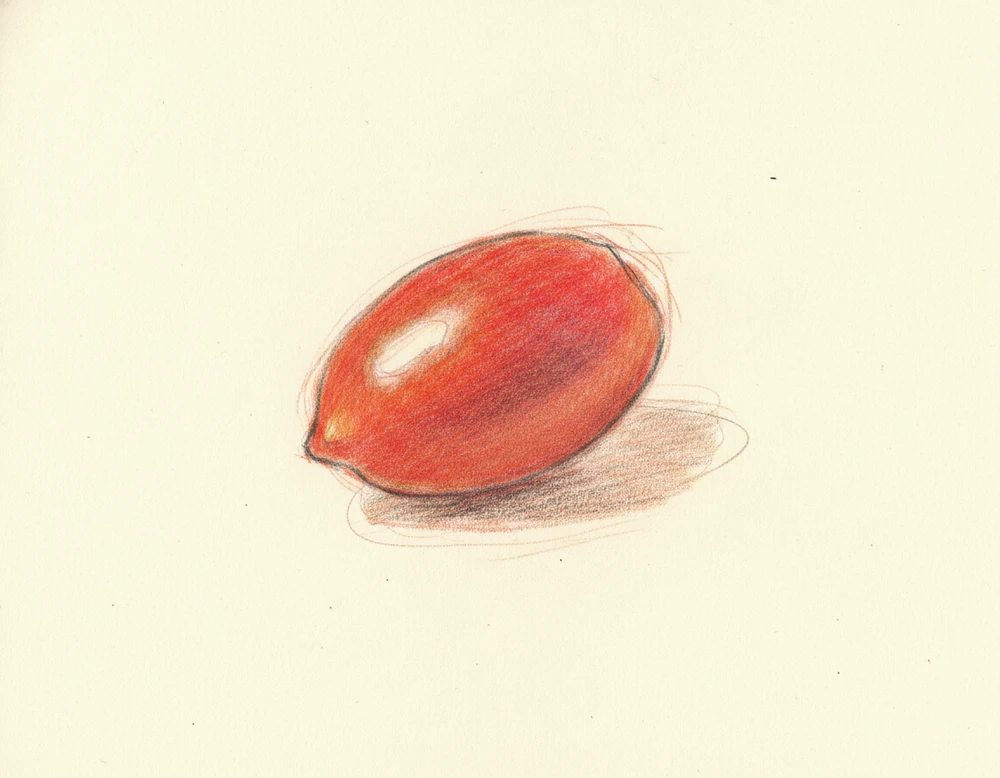
A small oval tomato with thin smooth skin, bright red and often slightly tipped, from Manduria in the northern Salento, better known for lending its name to Primitivo di Manduria.
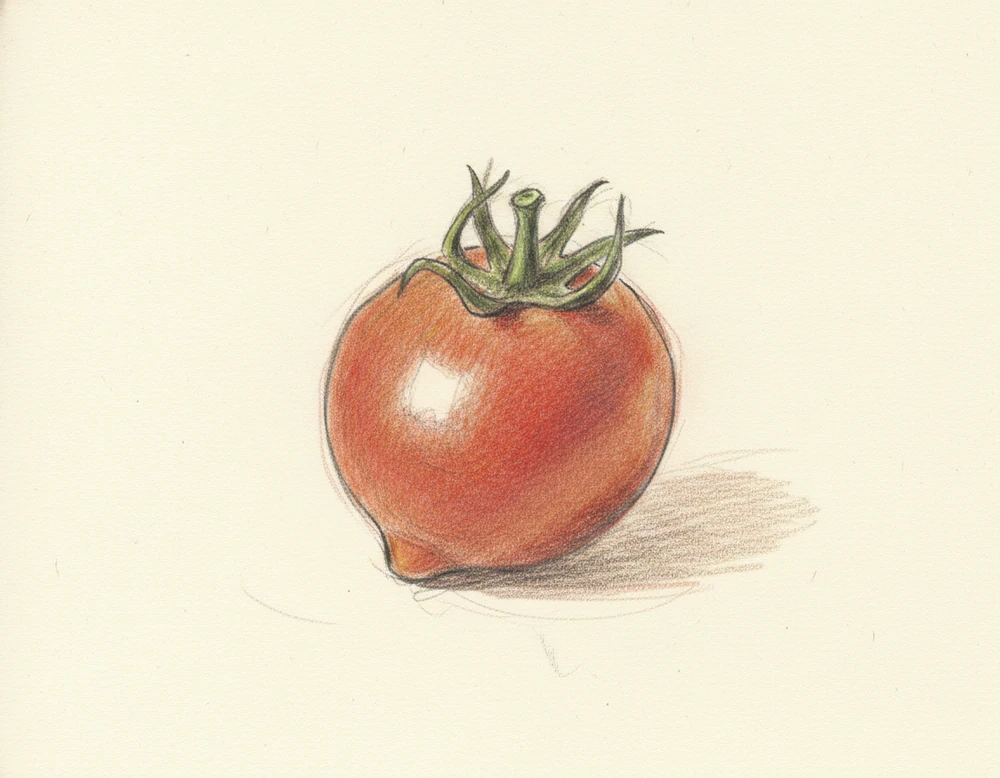
Small, sweet, juicy and made for preserving: this was the base of the passata every household in this part of the Brindisino put up for winter, town families included, and using any other tomato, San Marzano included, was not considered. It still nearly disappeared, being expensive to grow and worse to pick, with yields no match for the modern sauce hybrids.
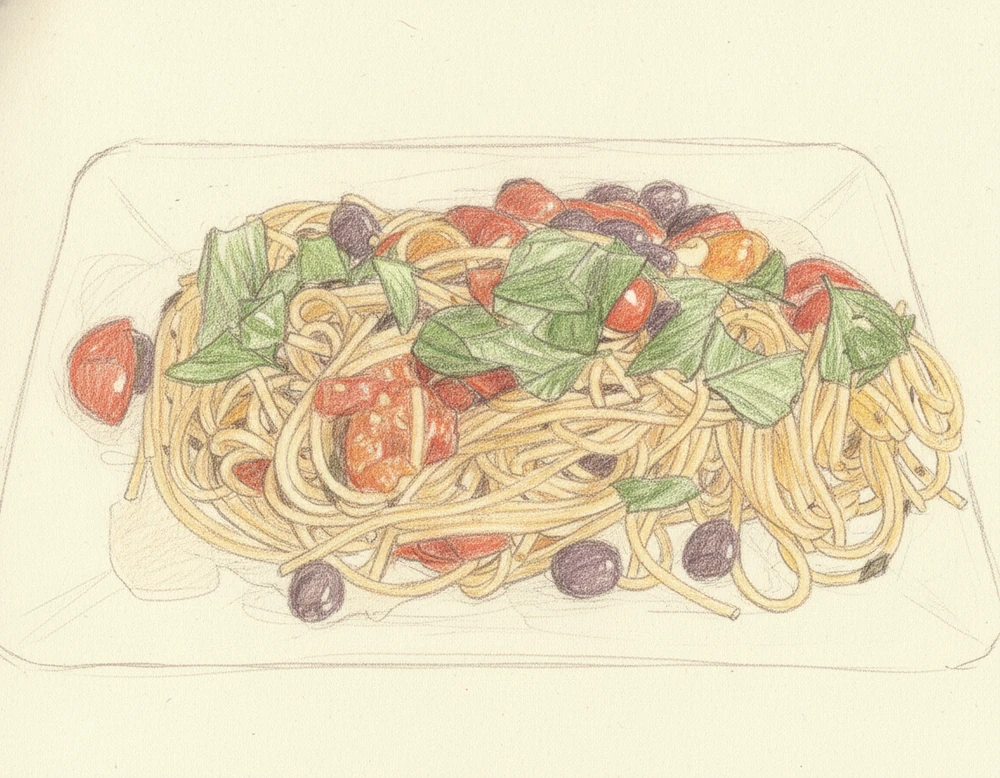
A yellow-red tomato from Crispiano in the Taranto hills, a place known for the masserie scattered through its countryside, fortified farmhouses built between the 15th and 19th centuries.
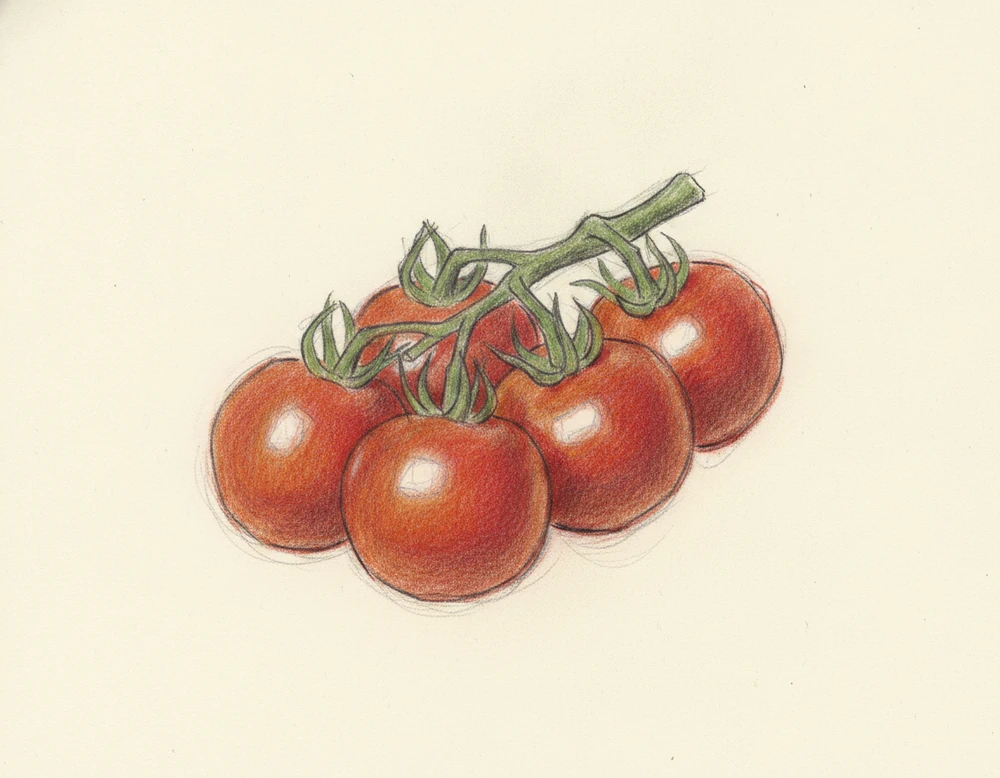
Grown in the saline soils of the coastal dunes park in the Alto Salento, from Egnazia through Torre Canne to Torre San Leonardo along the old Via Traiana. The name is the calyx, which grows in the shape of a little crown. The fruit is round and small, a little bigger than a cherry tomato, and the brackish irrigation water thickens its skin, which is what makes it keep and resist pests. It came in around the middle of the 19th century, replacing cotton, before which very little land here grew tomatoes at all.
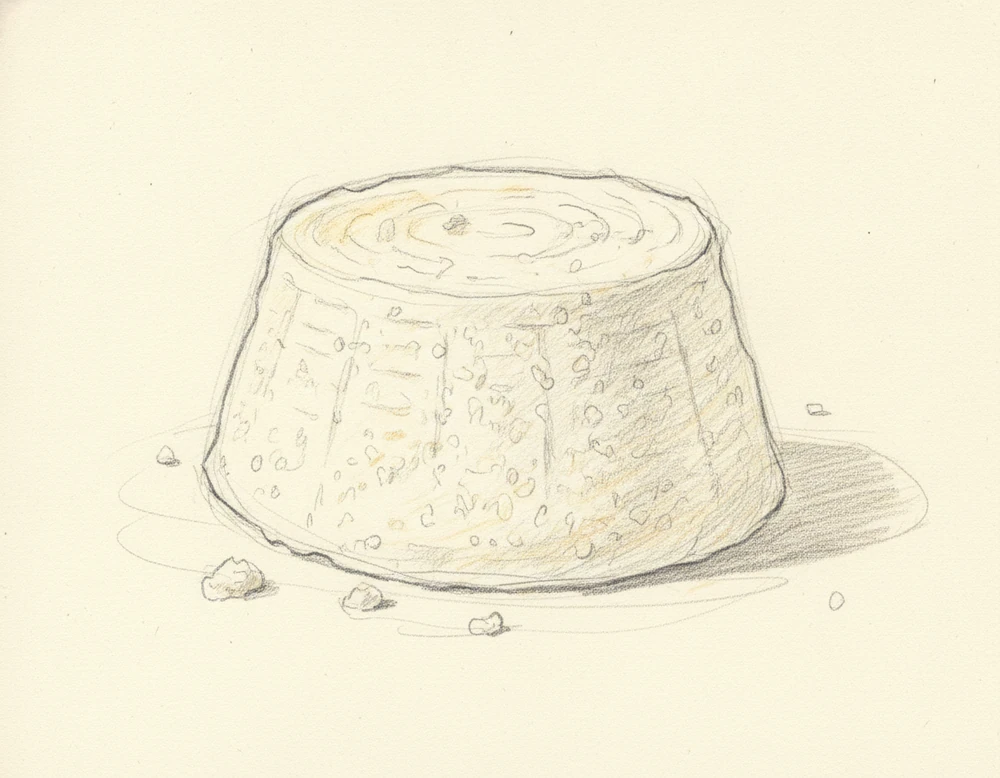
Ricotta made by heat-coagulating the proteins in buffalo whey, high in water and porcelain white. Truncated pyramid or truncated cone in shape, up to 2 kg, with no rind and a soft, grainy texture that must never be sandy.
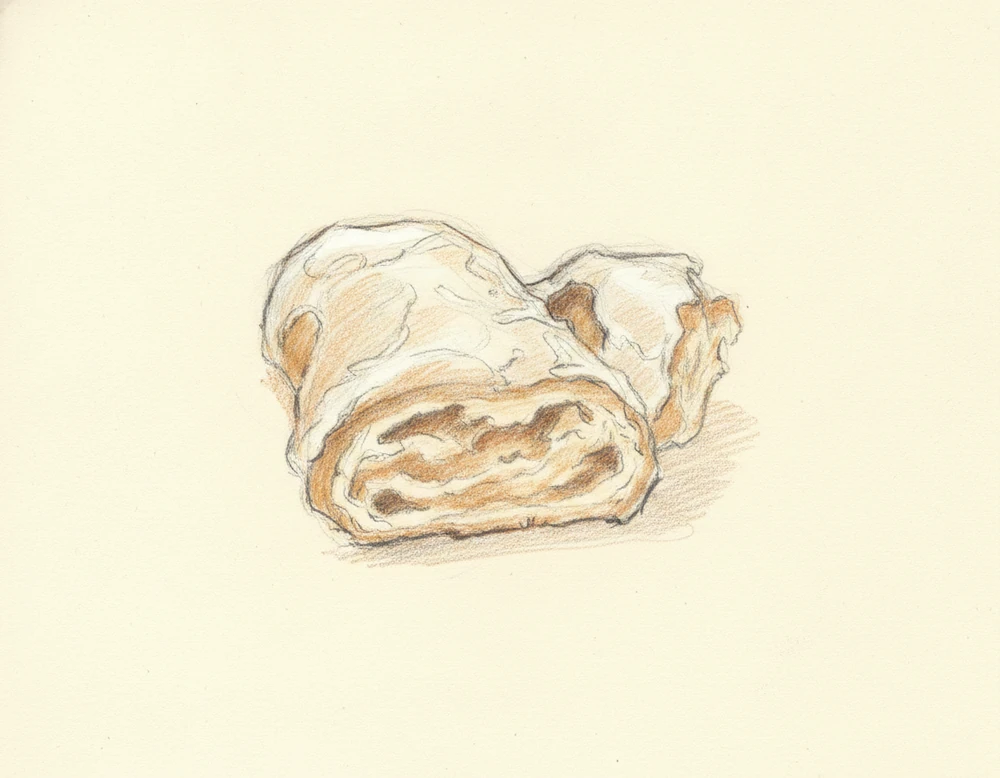
A filled sweet from Bisceglie on the Adriatic, a town old enough that dolmens still stand in the countryside around it.
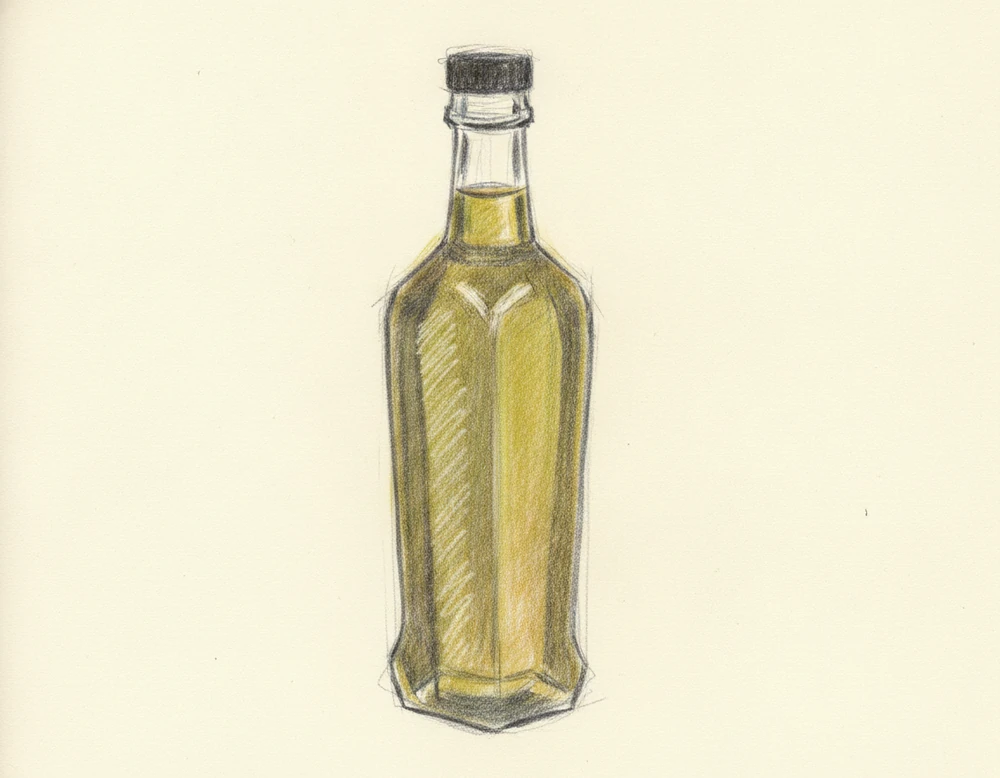
Extra-virgin olive oil of the Salento, at least 60 per cent from Cellina di Nardò, Ogliarola (called locally Ogliarola leccese or salentina), Leccino, FS17 or Favolosa, Lecciana and Leccio del Corno.
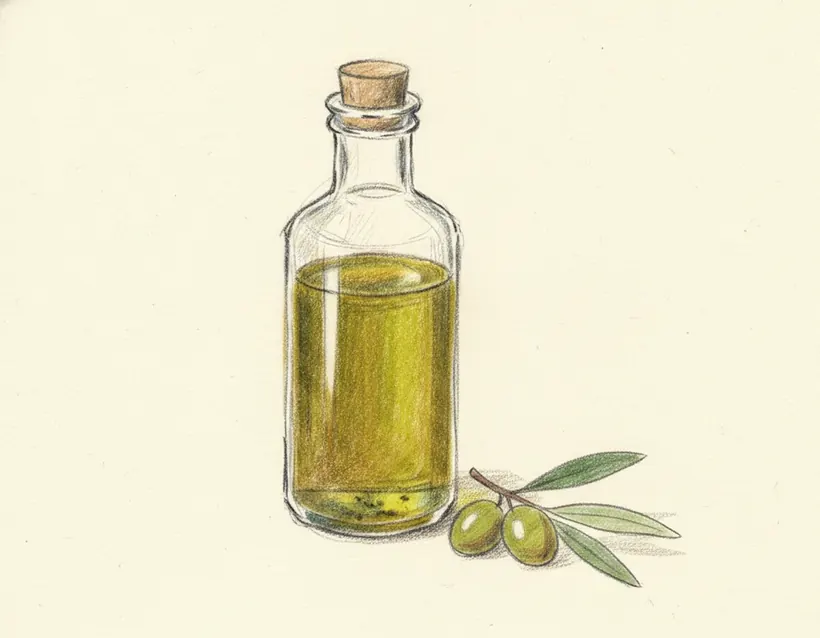
Extra-virgin olive oil of the Bari hinterland from Coratina and Ogliarola olives, green, robust and peppery; Puglia is Italy's oil heartland.
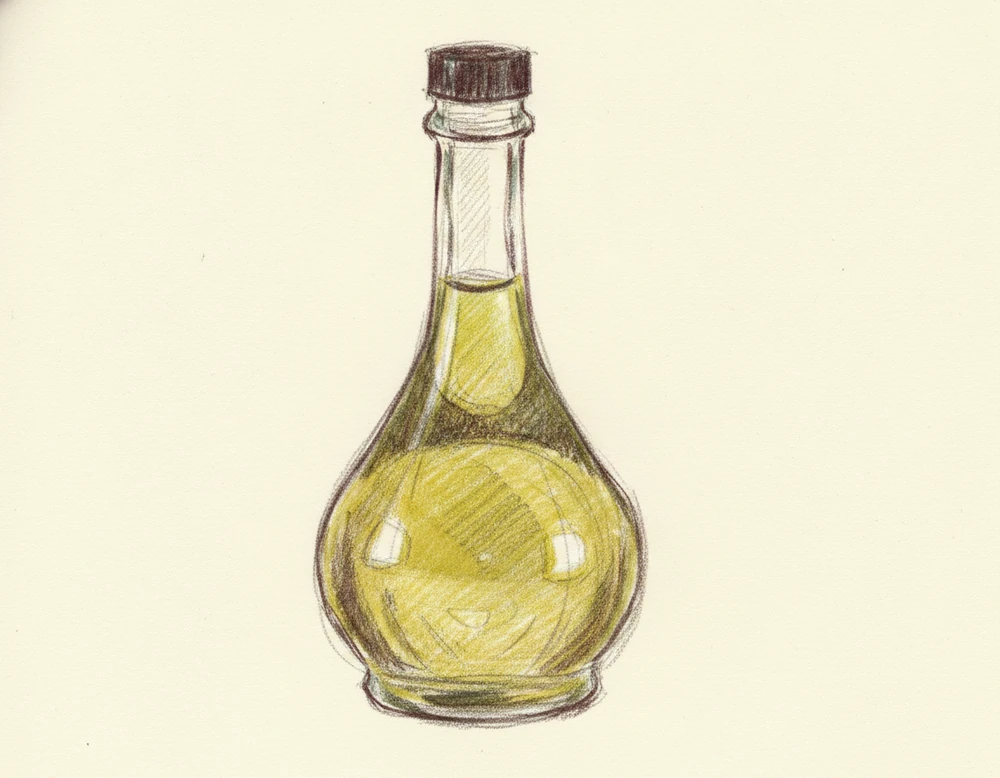
Extra-virgin olive oil from the Taranto arc, at least 80 per cent Leccino, Coratina, Ogliarola and Frantoio in varying proportions, the remaining 20 per cent from minor varieties present in the groves.
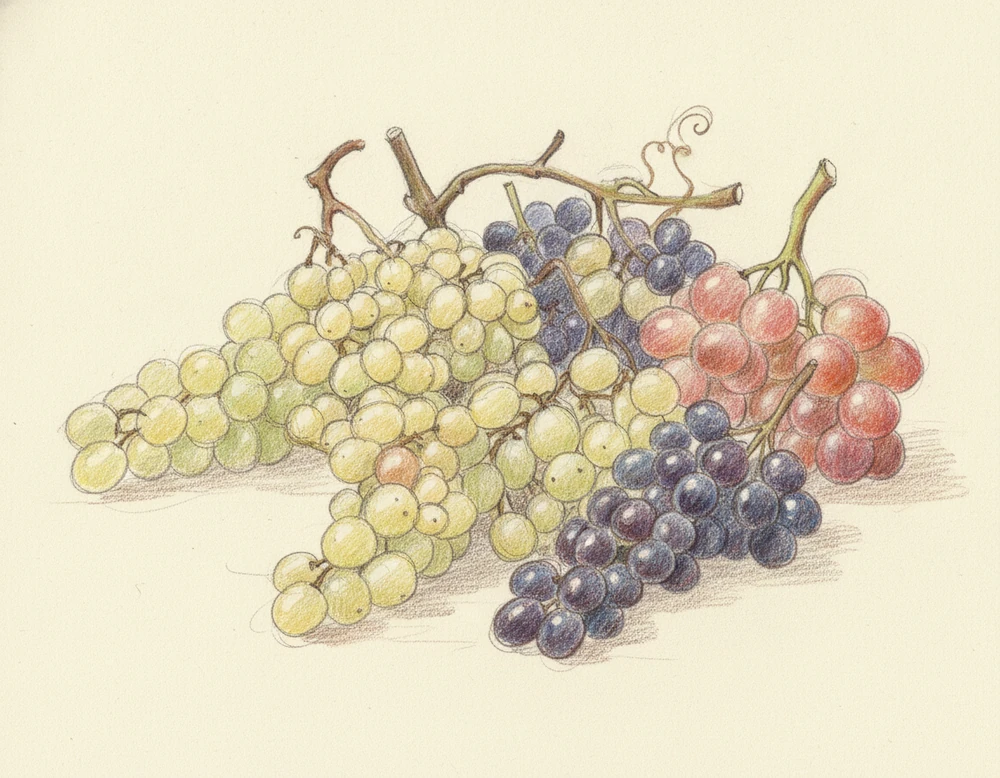
Table grapes of five named varieties: Italia, Regina, Victoria, Michele Palieri and Red Globe, sold in the Extra and Class I commercial grades only.
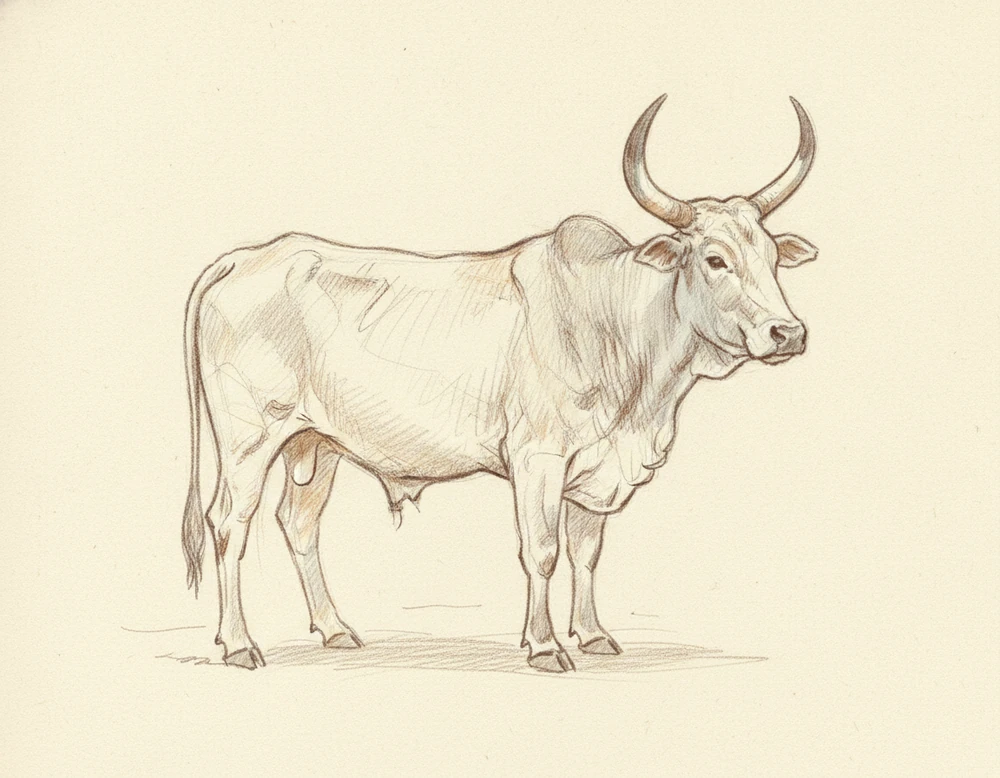
Podolica cattle of the Gargano. It is tempting to assume native Italian breeds are lost in antiquity, but most were actually fixed in the mid-19th century, when crosses of imported and local stock produced the Chianina, the Piedmontese and the rest.
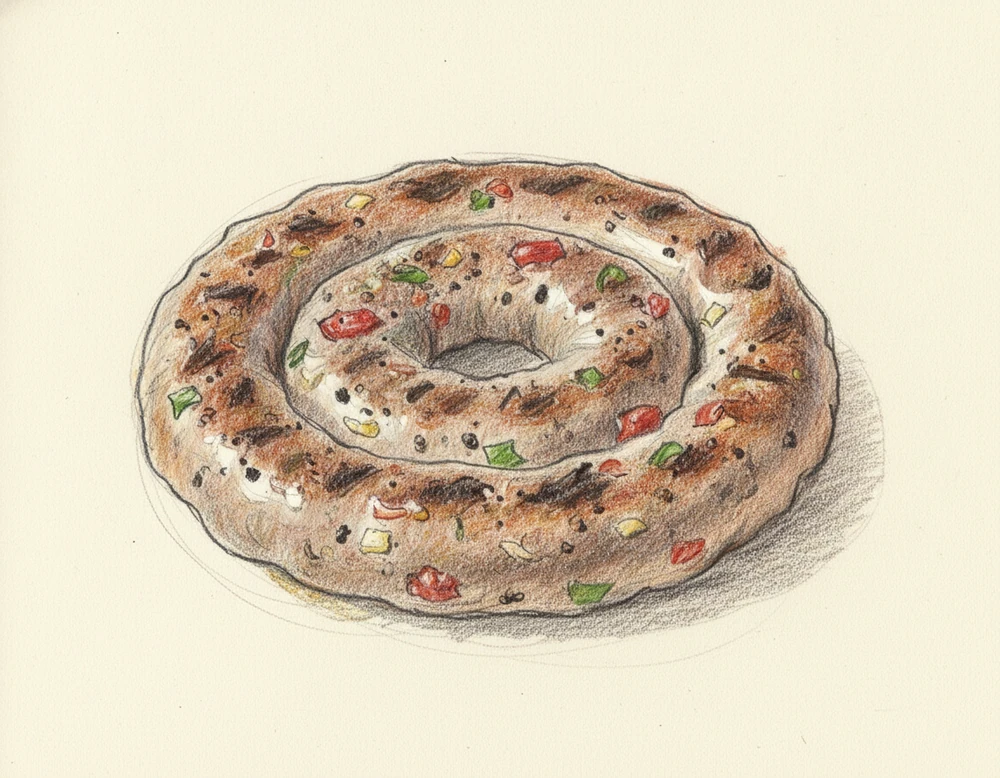
A fresh coiled sausage of beef and mutton mixed with grated aged cheese, peeled tomato fillet, pepper, salt and basil. It is always eaten cooked, traditionally over charcoal.