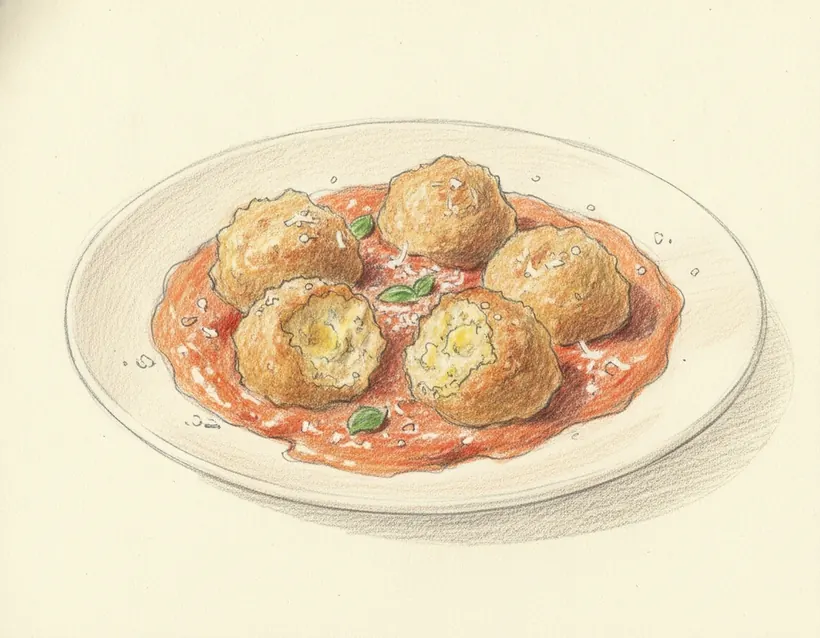
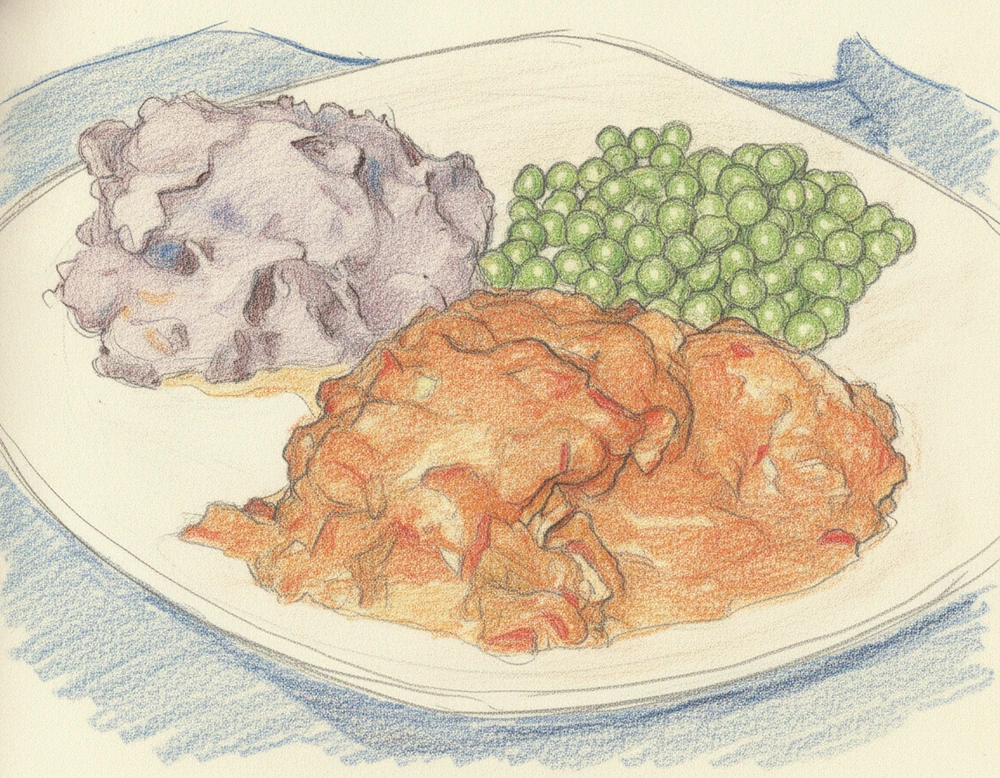
Pallotte Cacio e OvaCheese-and-egg balls in tomato
Breadcrumb, egg and pecorino balls fried then simmered in tomato sauce, a meatless 'meatball' of the cucina povera.
Pairs with
Abruzzo cooks between mountain and sea: skewered mutton over embers, guitar-cut pasta with lamb ragù, saffron from the Navelli plain, and the fish brodetto of the coast. Its wines are overwhelmingly Montepulciano, deep red or the cherry-pink Cerasuolo rosato, with Trebbiano and the revived Pecorino for whites.
Breadcrumb, egg and pecorino balls fried then simmered in tomato sauce, a meatless 'meatball' of the cucina povera.
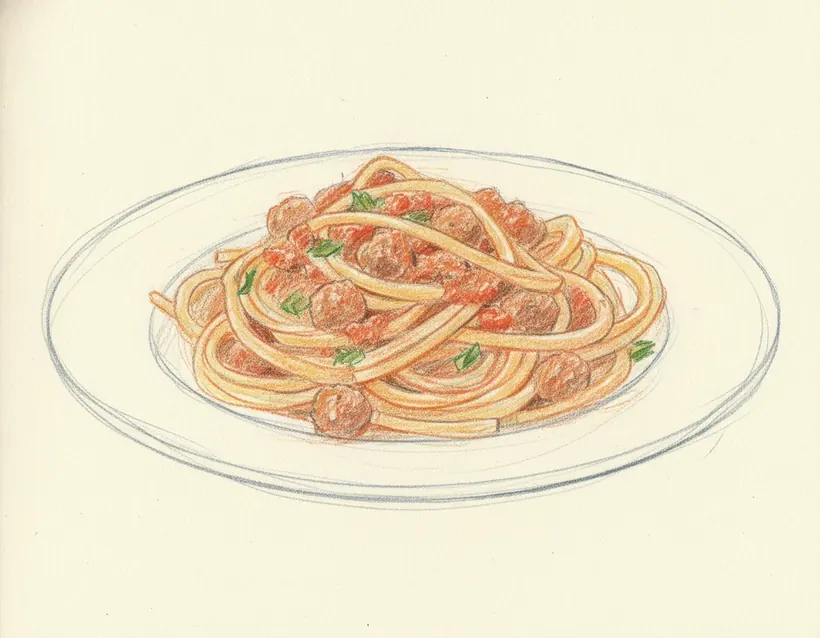
Egg pasta pressed through the wire 'chitarra' into square-section strands, dressed with a lamb-and-tomato ragù or little meatballs.
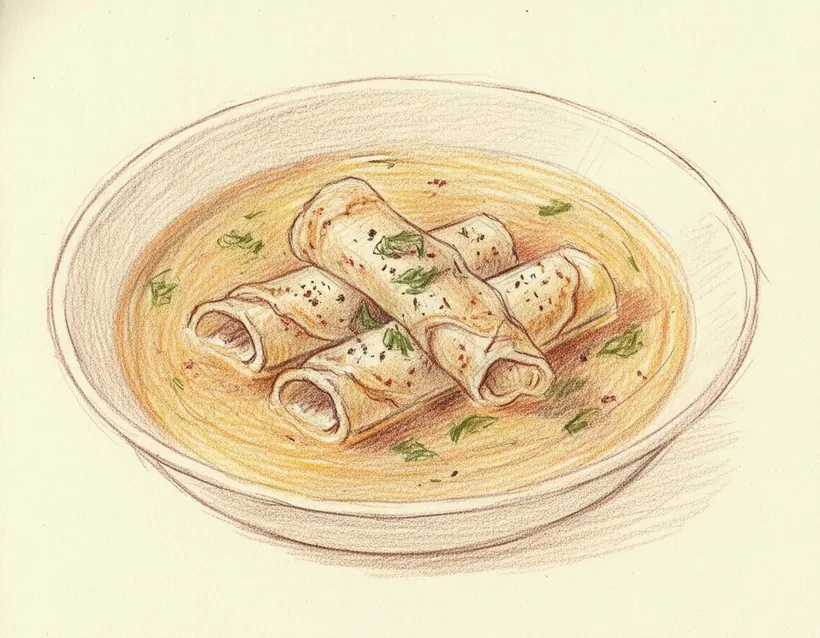
Thin crêpes rolled with pecorino and nutmeg and drowned ('mbusse) in a hot capon broth, the Teramo answer to soup.
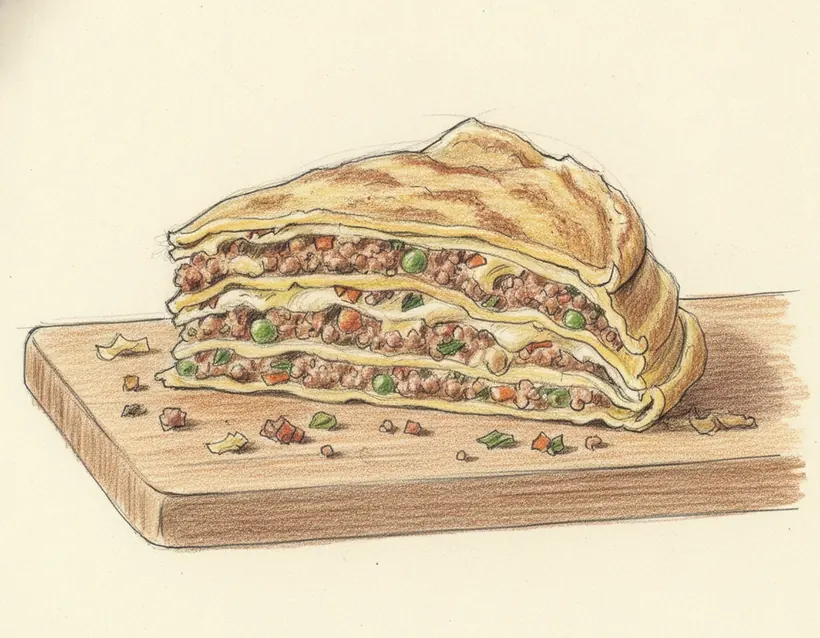
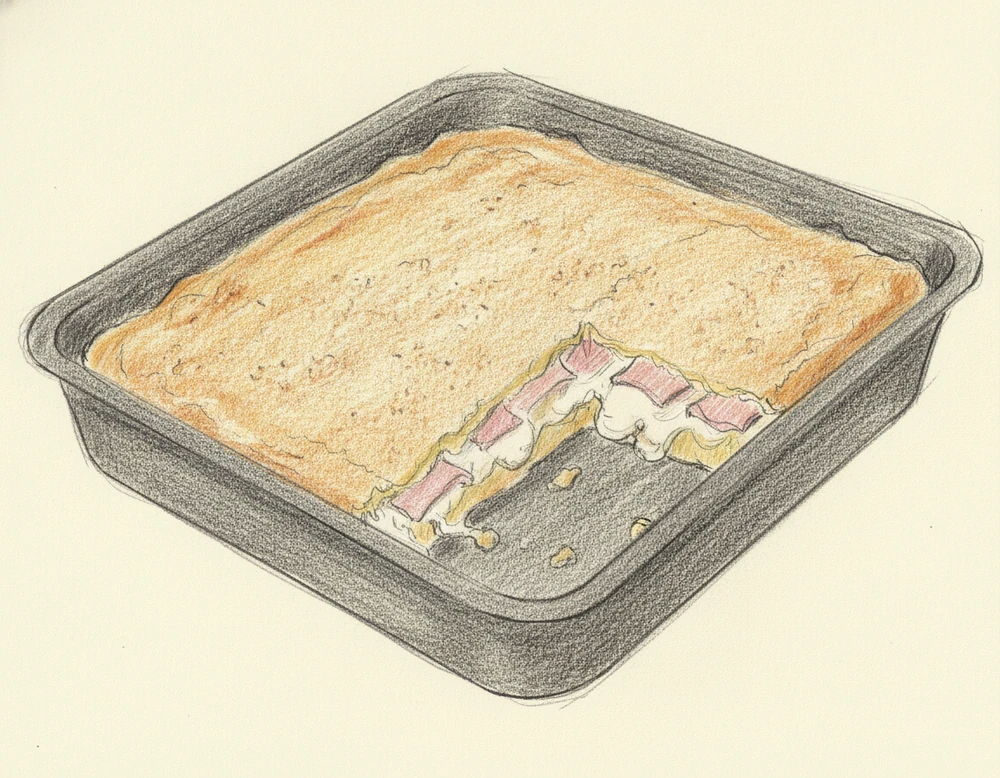
A baked timbale layered with thin crêpes (in place of pasta), a ragù of ground meat and finely diced vegetables, egg and cheese, the Abruzzo festive centrepiece.
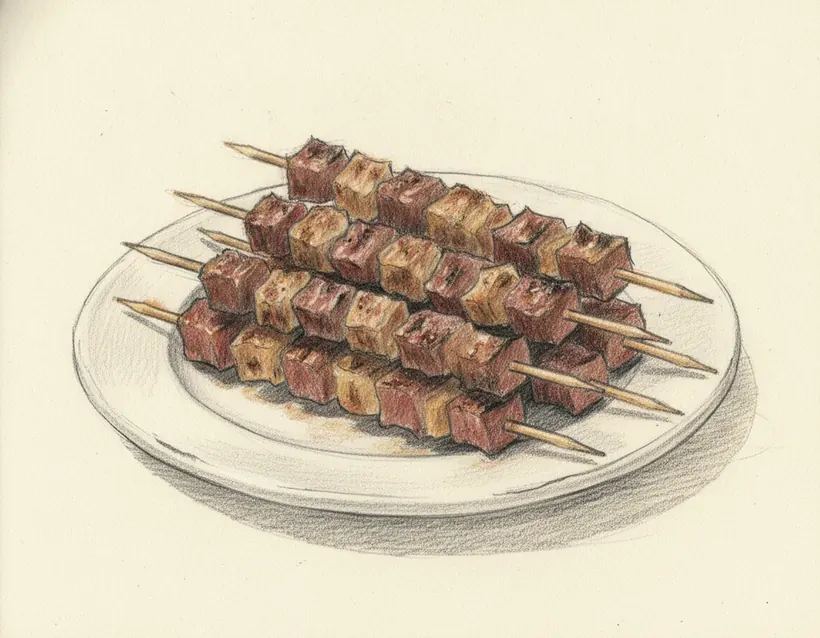
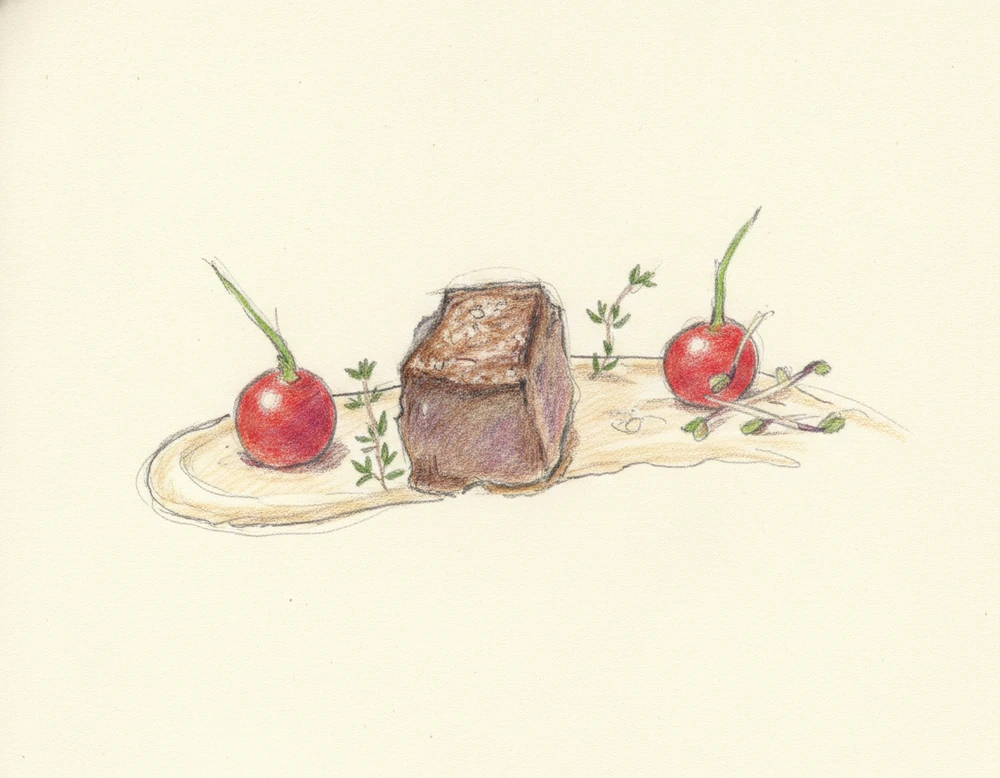
Tiny cubes of castrated sheep threaded onto thin skewers and grilled over a long charcoal brazier, eaten by the fistful across Abruzzo.
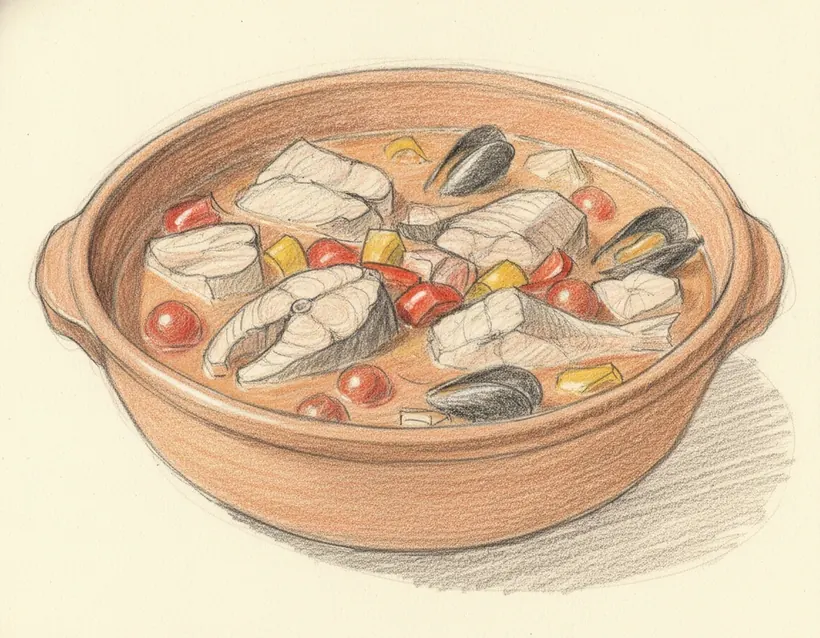
A southern-Adriatic fish stew from Vasto, cooked in a terracotta pot with tomato, sweet pepper and no browning, so each fish keeps its shape.
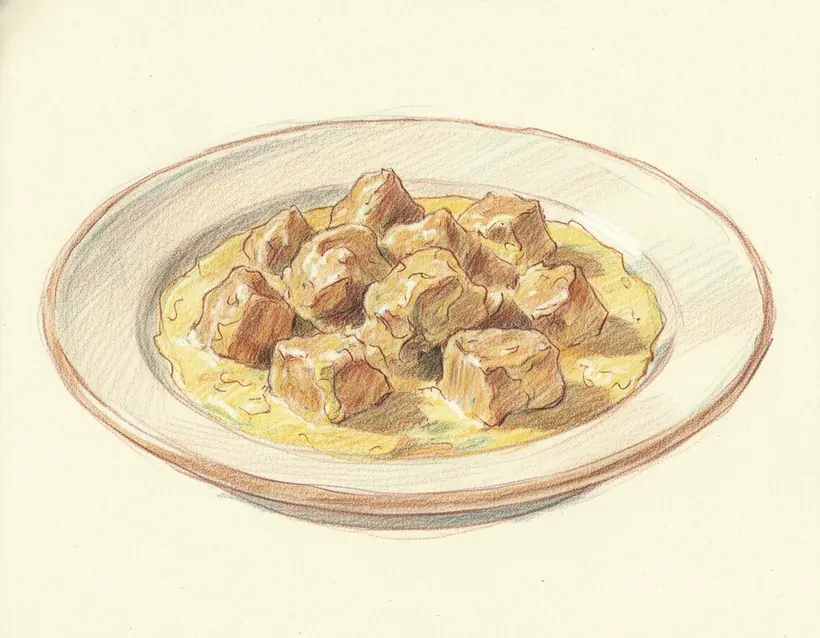
Pieces of lamb braised then bound in a sauce of beaten egg, pecorino and lemon, the Abruzzo-Molise Easter dish.
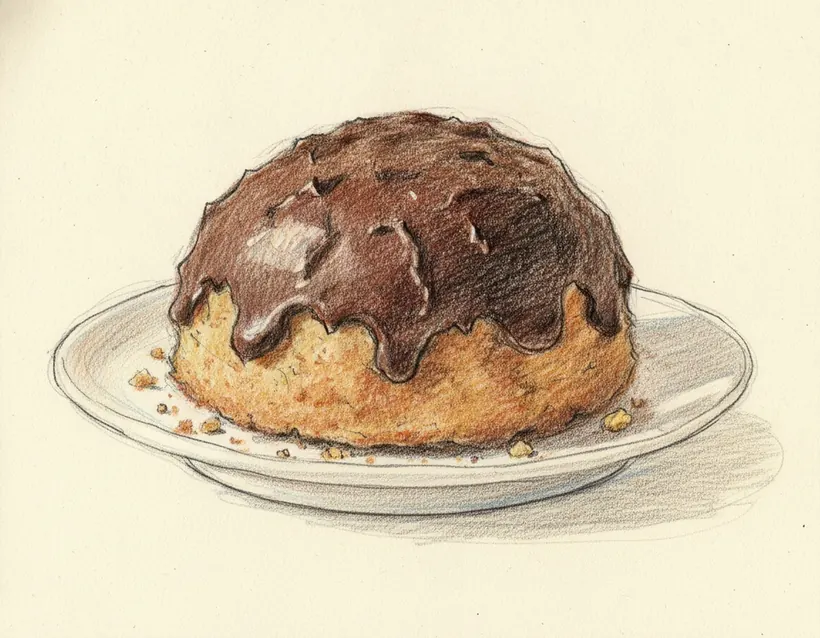
A dome of almond-and-semolina cake coated in dark chocolate, created in Pescara and sung by the poet D'Annunzio.
DOP, IGP, STG, Slow Food Presidia and traditional specialities of Abruzzo.
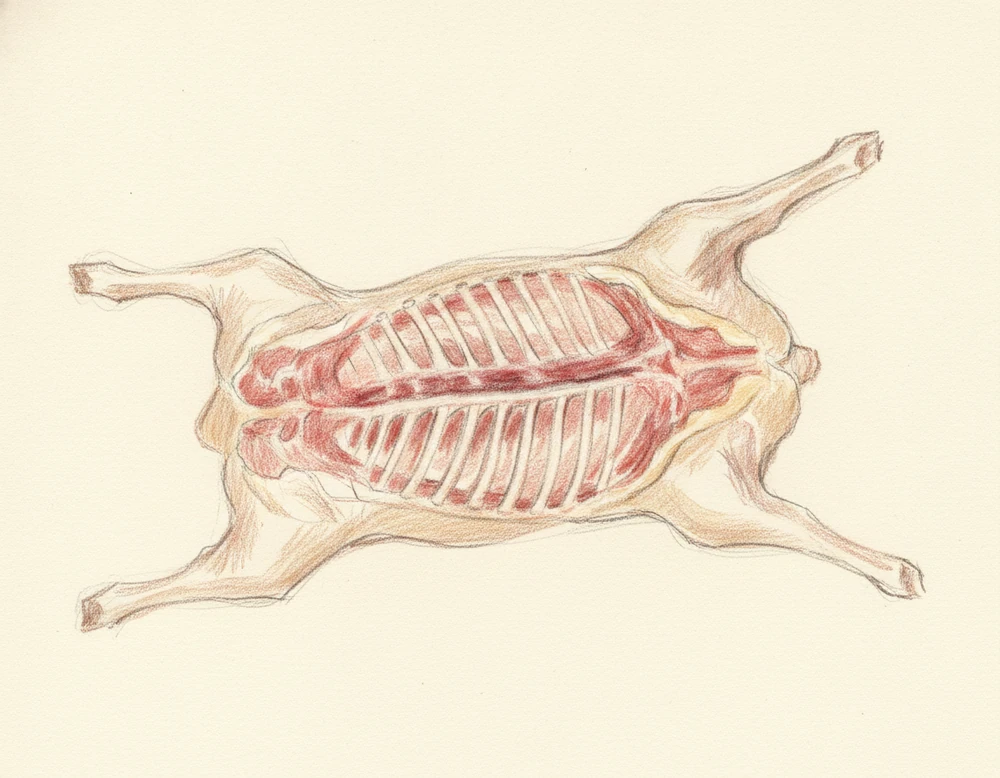
Lamb slaughtered under twelve months of age, graded into three carcass types by weight, conformation and fat cover: light lamb at 8.01 to 13.0 kg, heavy lamb at 13.01 kg and above, and castrato at 20.0 kg and above.
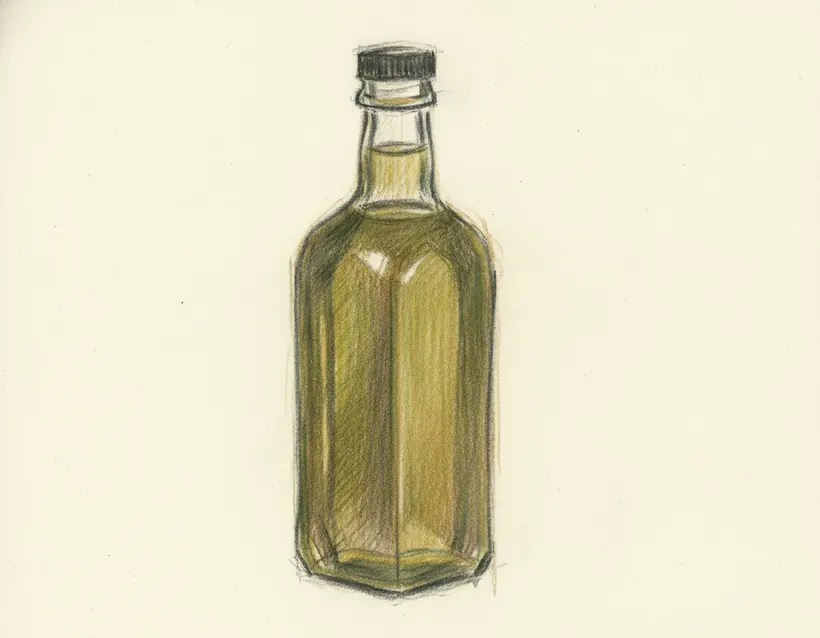
Extra-virgin olive oil from the Pescara hinterland, pressed largely from Dritta olives, green, fruity and lightly peppery.
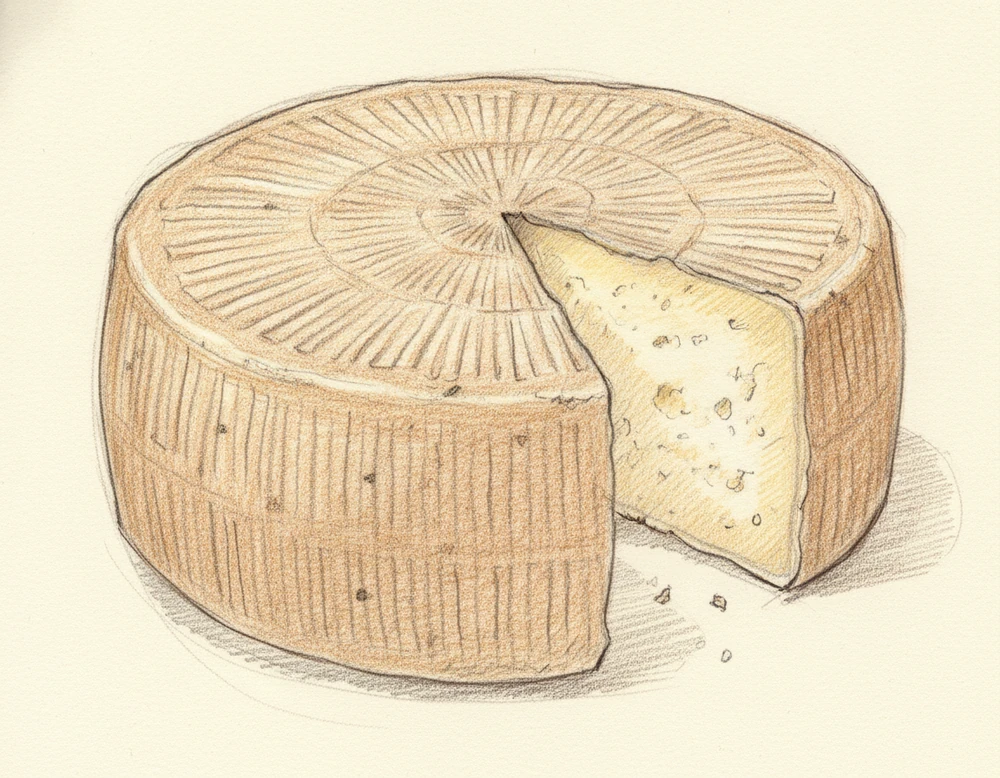
Three hundred forage species have been counted on the Gran Sasso pastures against 20 or 30 in an Alpine meadow, and that, with the dry air at altitude, is why sheep have always come here. Flocks were brought up seasonally from the Tavoliere in Puglia, from the Agro Romano, the Maremma and the Terra di Lavoro around Caserta. Transhumance and the cheeses that went with it run through the whole history of Abruzzo, and the Gran Sasso and Monti della Laga is where it ends up: Campo Imperatore, a plateau 19 kilometres long at 1,800 metres.
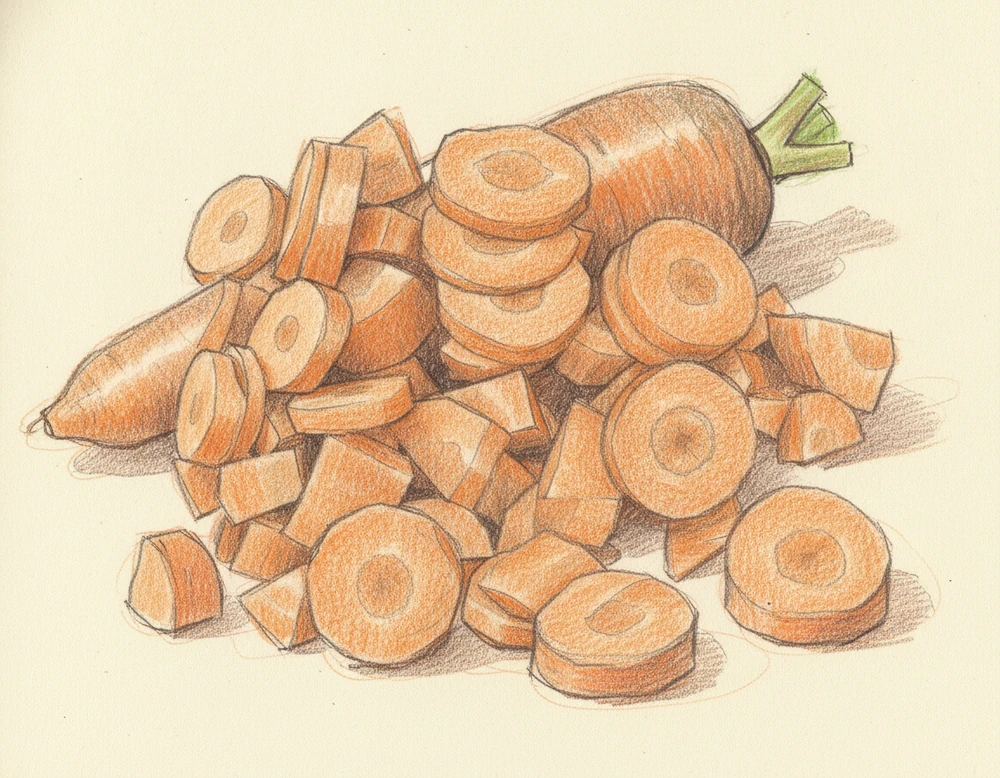
Carrots with a mostly cylindrical root and rounded tip, free of root hairs and of deep scarring where the rootlets emerge, with smooth skin.
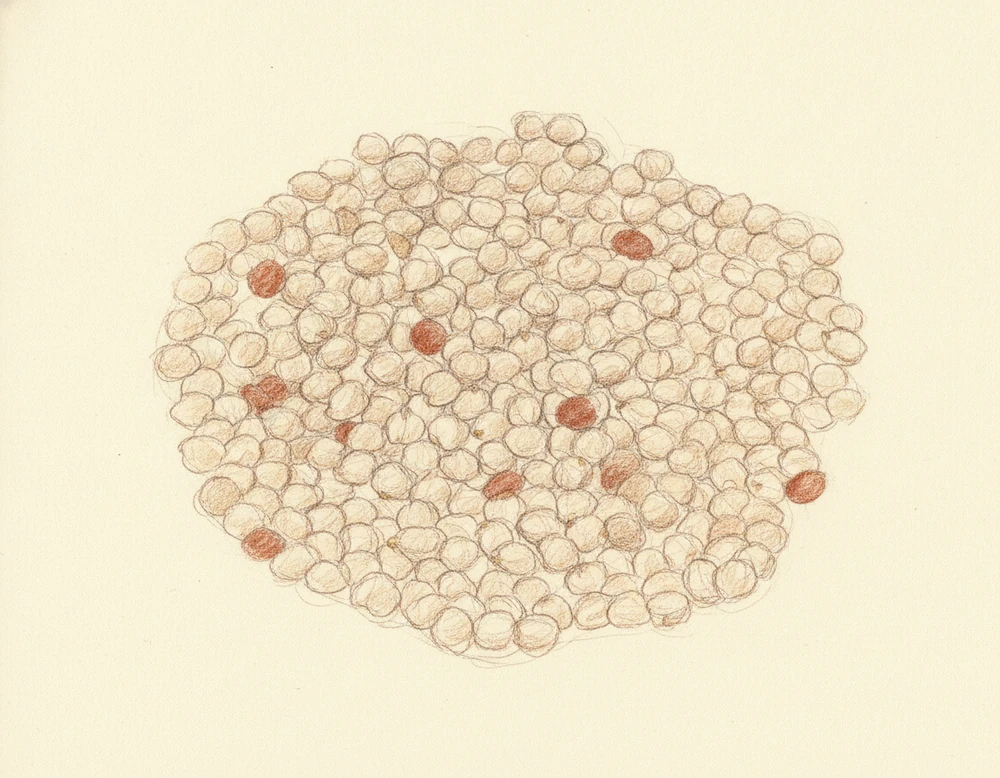
Navelli is a small medieval village looking over its own plain at the foot of the Gran Sasso. In October the fields go purple with the crocus whose saffron is known all over Italy, but the chickpea has been just as much a part of how the place lived, and is still feted at the end of August, when growers and villagers compete over chickpea stew and chickpeas with saffron. They are usually small, cream and smooth; a few growers still keep a second sort, smaller, rust red and wrinkled.
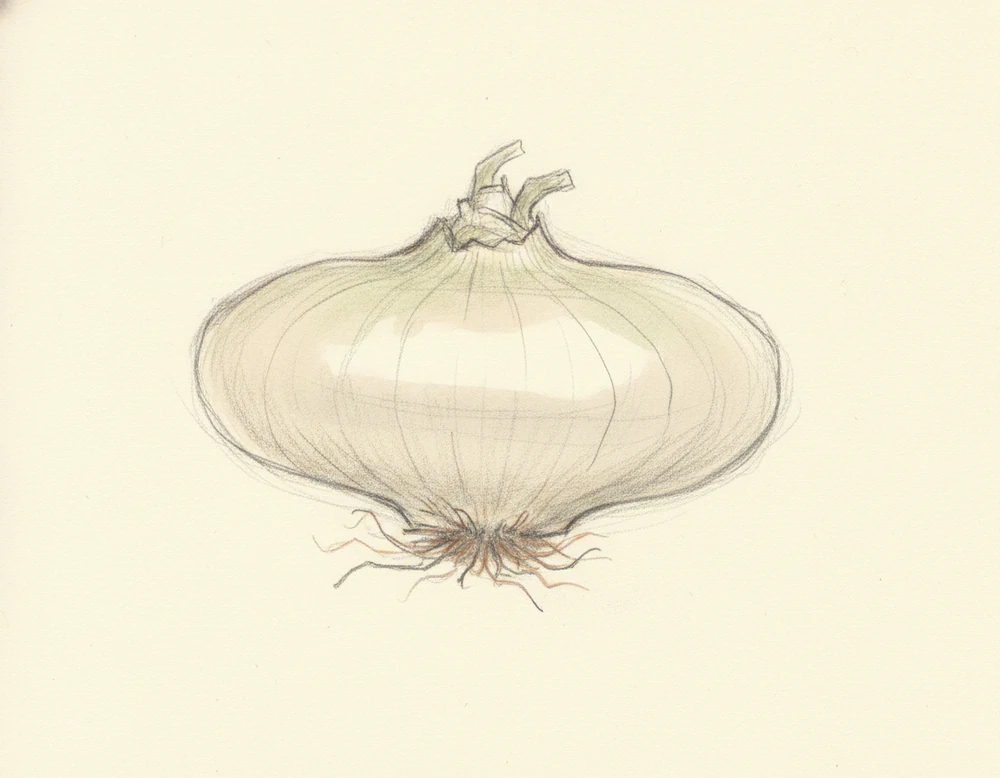
The town's name is Lombard, the land of the sons of Peter, and it stands at the edge of the Maiella park in the Foro valley, of which it is the main centre. The onion became part of what the place is and a real part of its economy, and is still feted on the first weekend of August. It is called piattona for its flat shape, and it is sweet and aromatic. The monks of the local Sant'Eufemia monastery were already growing an onion here in the 14th century.
A local ecotype, slightly flattened, golden-skinned, the flesh white to nearly transparent and sugary; firm, and pungent in the nose but tending sweet. They run 400 to 1,100 grams and 10 to 15 cm across, up to 20 or 25. They are grown on flat irrigated land in the L'Aquila basin, and until 60 years ago also at 1,000 metres on Monte Ocre. The locals have always credited the taste of this golden onion to the water of the two lakes, San Raniero and San Giovanni.
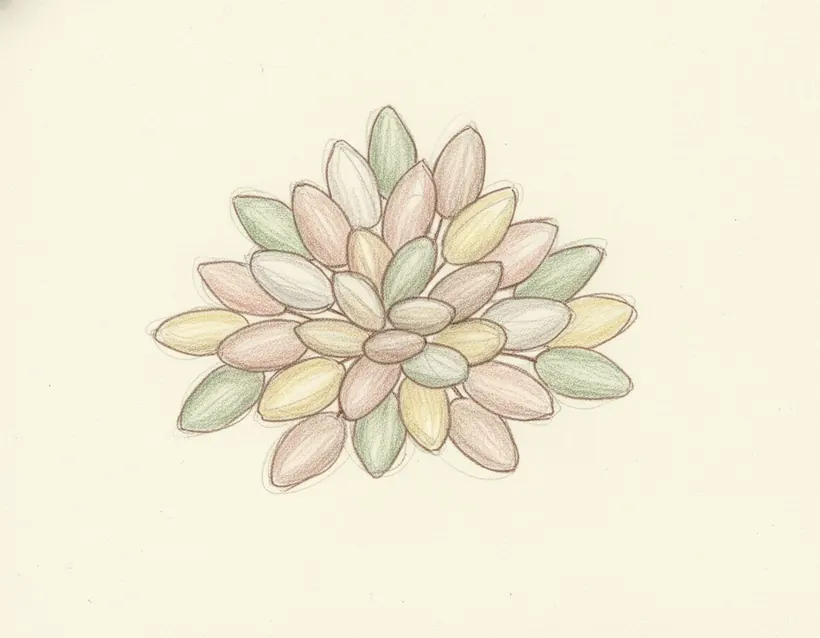
Sugar-coated almonds from Sulmona, made since the Renaissance and wired into elaborate flowers for weddings and celebrations.
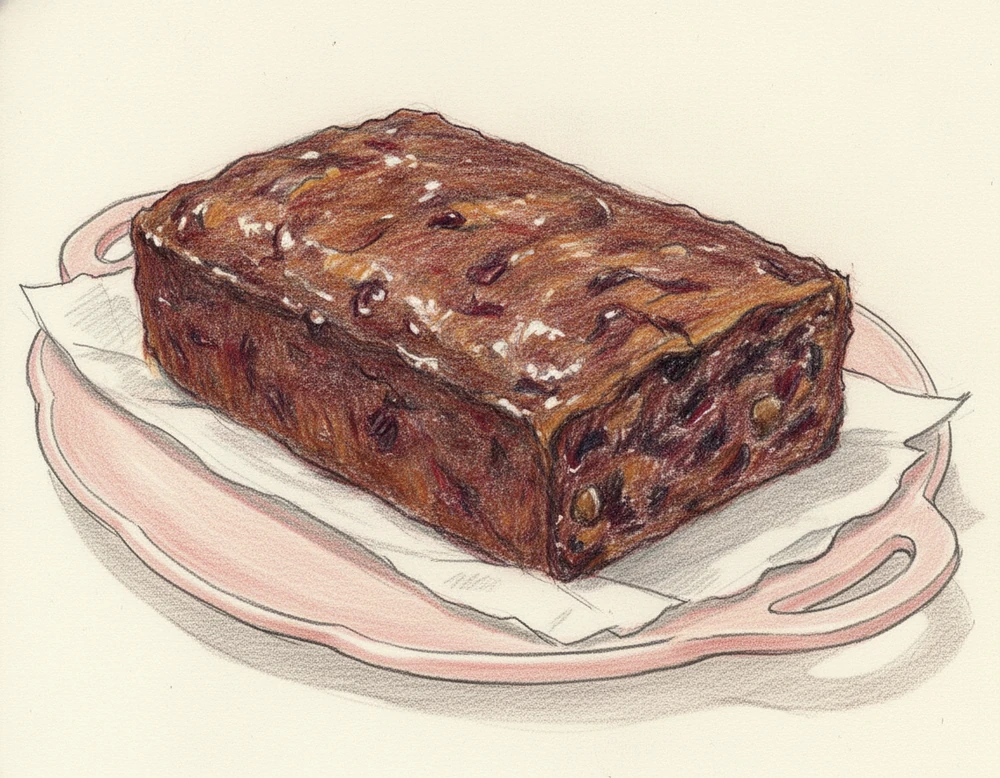
The cotta is the cooking of the grape must, and Roccamontepiano has long been known for it. Cooked must is what vino cotto is made from, a drink of various parts of Abruzzo and central Italy and an old one: it is said to have been drunk by Roman emperors after dinner, Plautus has it as a liqueur at grand banquets, and Pliny and Columella describe how it was made. Mario Soldati praised it in 1971 as an excellent dessert wine, brick red with deep gold lights, its odd smoky, slightly rough taste and moderate sweetness keeping it clear of the cloying.
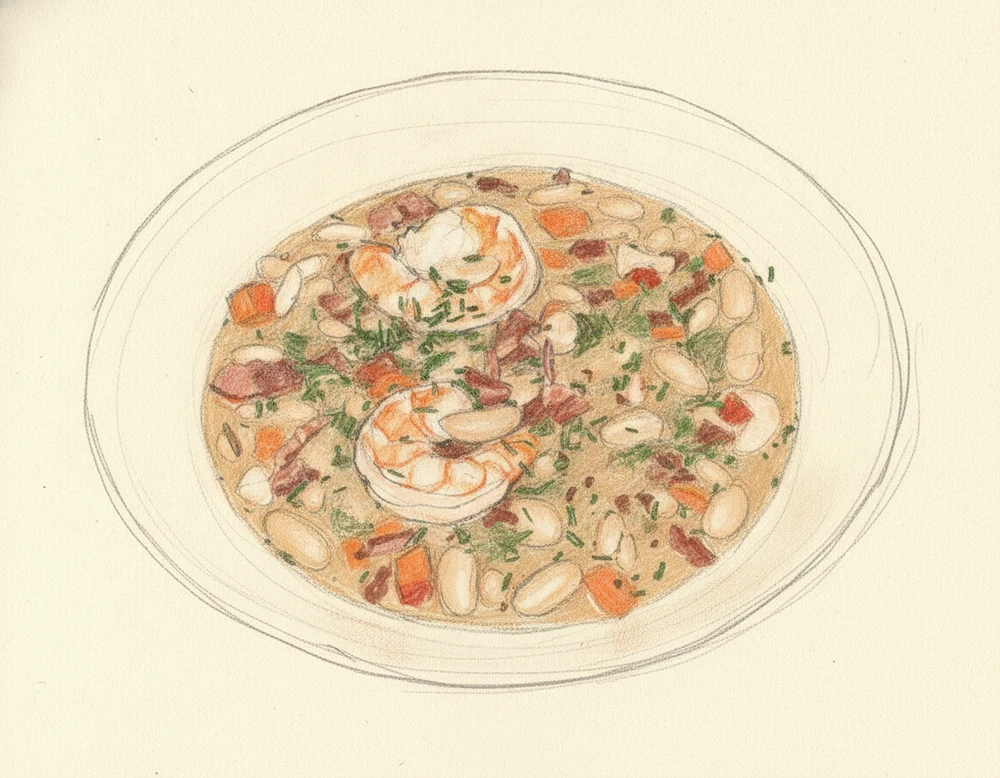
Beans have been grown around Paganica for centuries on deep, cool alluvial ground watered by streams off the mountain springs, the crop concentrated in the basin of the Vera, which rises on the Gran Sasso. Until a few decades ago it was a real trade, selling locally and into the Terni and Rieti provinces. There are two ecotypes, both long in the cycle at 160 to 180 days, climbers that go to two metres up willow poles, and they differ in colour: one is the fagiolo a pane, also called the fagiolo ad olio.
The Tavo rises on the Gran Sasso and runs down through the hills, and its alluvial ground of sand and pebble suits this bean, which takes its name from the river and from being round. It is a rustic sort and has to be: the Maiella and the Gran Sasso shelter the valley from the west, but the southwesterlies come straight in, the Garbino among them, a hot wind that can reach 100 kilometres an hour, and the cold air out of the northeast arrives unimpeded too.
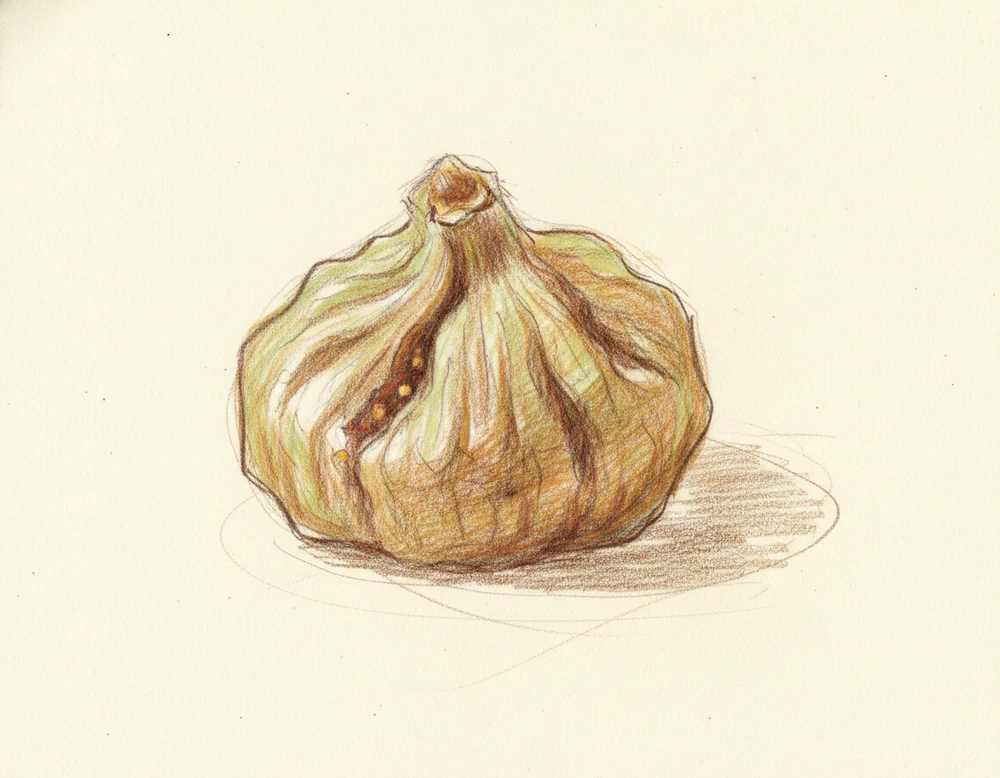
Atessa goes back to the Roman period and the digging shows figs have been grown there for millennia. The Reale, valued for at least two centuries, is the one made for drying; some historians say Robert of Anjou, who held the Chieti and Lanciano country, put a tax on Atessa's dried figs in 1320, when they were being traded by sea. The fruit is slightly spherical with a pale greenish-yellow skin and white or red flesh, very juicy and tasting of honey.
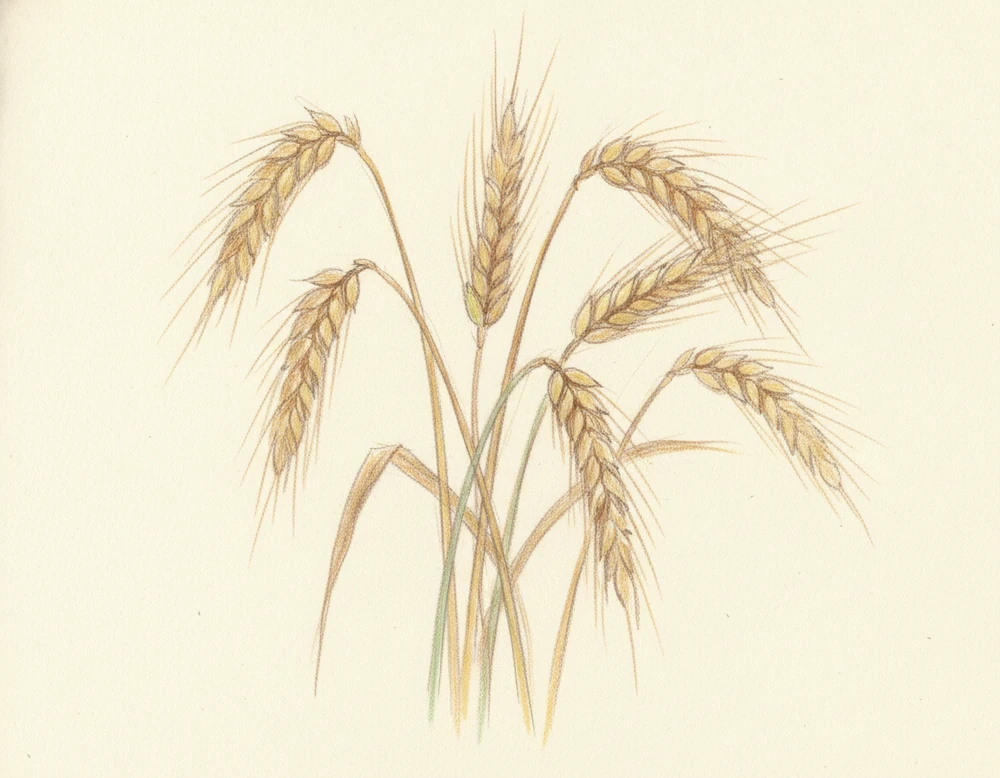
Inland Abruzzo measures wheat against Solina. The sayings say it: Solina fixes all flours; if the farmer wants to get to the mill, let him sow Solina. What was valued was that it yielded reliably, which is what kept a farming family alive. Deeds of sale drawn at the Lanciano fair show this soft wheat being grown in Abruzzo from at least the start of the 16th century, and in the early 20th the geneticist Nazareno Strampelli used it in his experiments and crossed it with other local varieties.
Tiny, round, purplish brown, a few millimetres across, and grown nowhere but the slopes of the Gran Sasso, above 1,000 metres inside the national park. Some plots go as high as 1,600 metres, though the best come off about 1,200. Being so small and permeable they need no soaking. They taste of a great deal and are best in a plain soup: covered with water with a few peeled cloves of garlic, bay, salt and olive oil, lidded and simmered until tender.
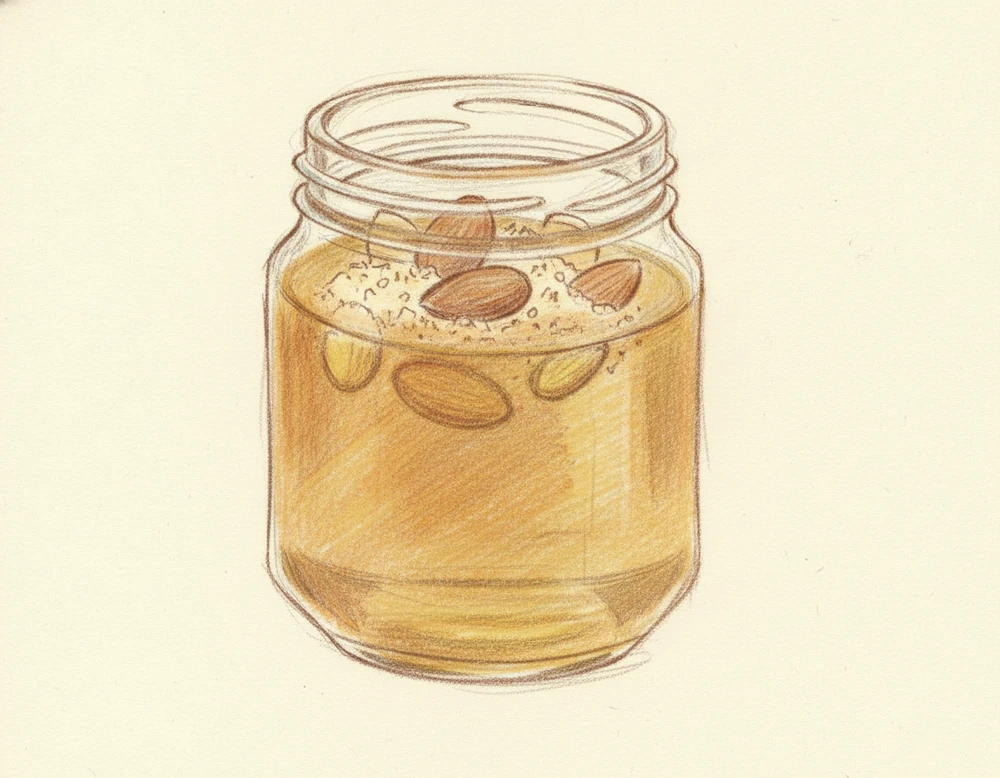
National parks and reserves protect 30 percent of Abruzzo, and nomadic beekeepers move their hives from one protected area straight into another. Low-impact farming and grazing and a wild flora that intensive agriculture never touched make the honey. Two monoflorals here are particularly worth attention, both from mountain herbs of the Lamiaceae that grow on dry grassland: winter savory, Satureja montana, and ironwort, Sideritis syriaca.
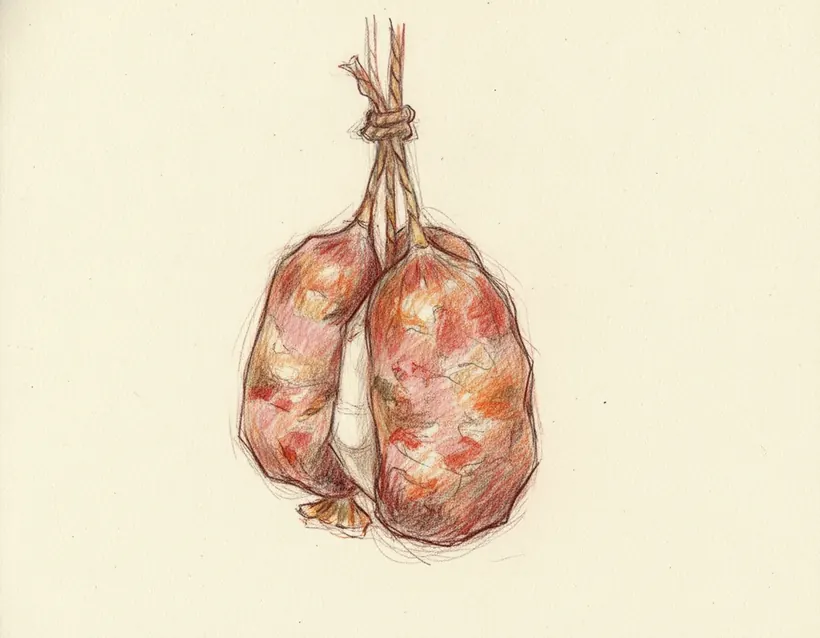
Small cured pork sausages from the Campotosto highlands, each hiding a central column of lardo; aged hung in pairs.
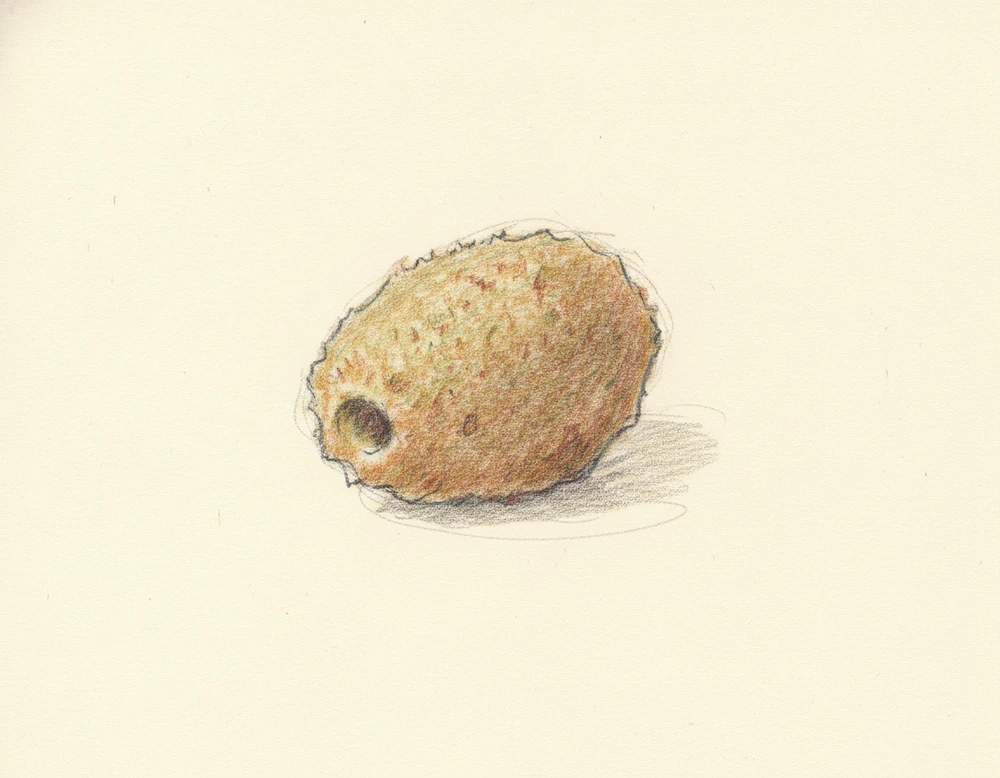
The large green table olive of the Ascoli country, the one stoned, stuffed with meat, breaded and fried as olive all'ascolana.
The name is the curing. Before they could be eaten the olives had to be ndosse, softened with lye and then with clean water, as the linguist Gennaro Finamore explained in his Abruzzese dictionary of 1880. The fruit is oval with a small point at the base, medium-sized, 3 to 4 grams.
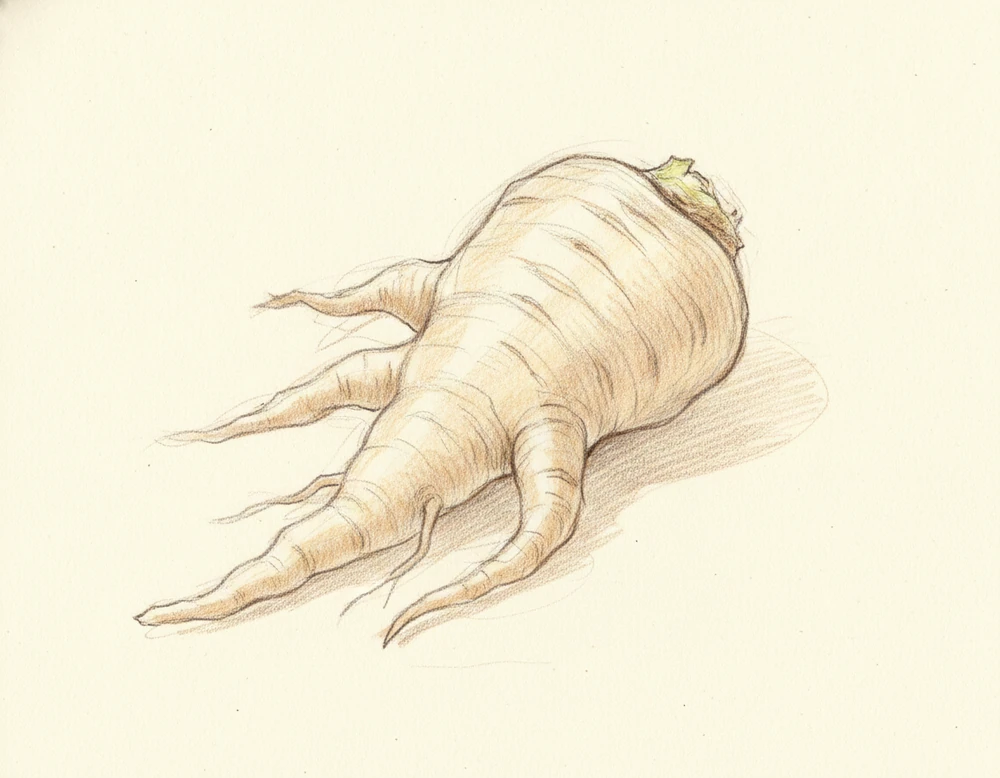
A root like a carrot but creamy white and branching in a way that recalls ginger. It is a local ecotype settled into the soil and weather of Capitignano, at 900 metres in the highest part of the Aterno valley northwest of L'Aquila on the Lazio border, partly within the Gran Sasso and Monti della Laga park.
Mature potatoes grown from seed tubers of varieties in the common EU catalogue, planted, grown and lifted entirely on the drained bed of the former Lake Fucino.
Turca, Turchesa, Turchesca: the names for this purple mountain potato go back to the late 1700s and all say foreign, the way granoturco does for maize, another crop that came from a long way off. Like maize it was wealth: it would grow above 1,600 metres, it stored easily, and it could be eaten or bartered for other staples. In some villages in the mountains above L'Aquila the caves and cellars near the houses were given over to keeping it.
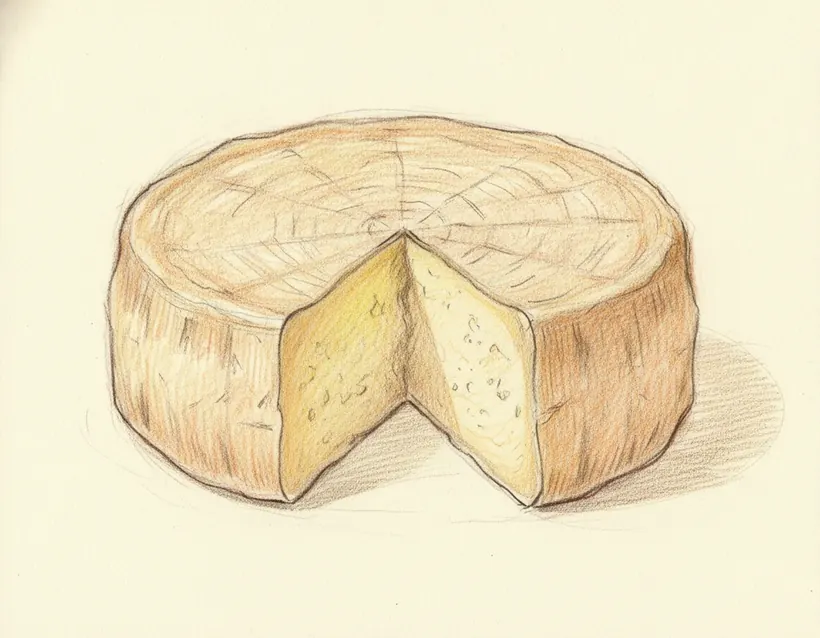
A rare pecorino from the Gran Sasso foothills, uniquely set with pork rennet and traditionally made by women; aged to a piquant, complex depth.
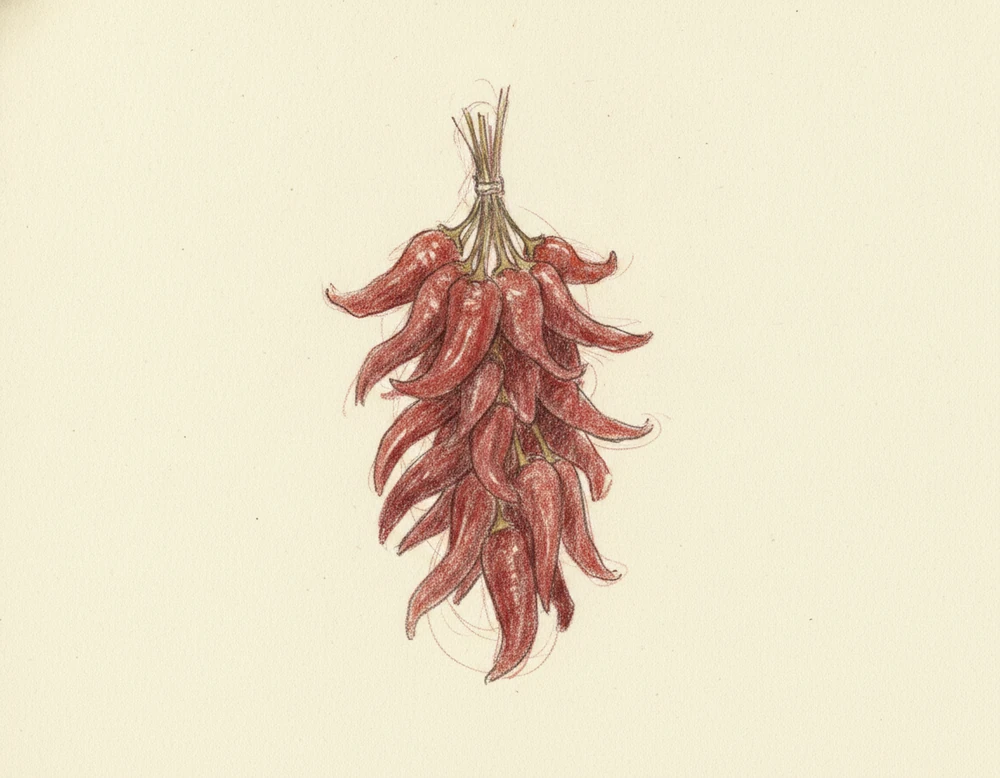
Altino sits on a rocky spur over the Aventino valley and gives its name to small horn-shaped peppers, bright red, called a cocce capammonte, head up, because the fruit points skyward.
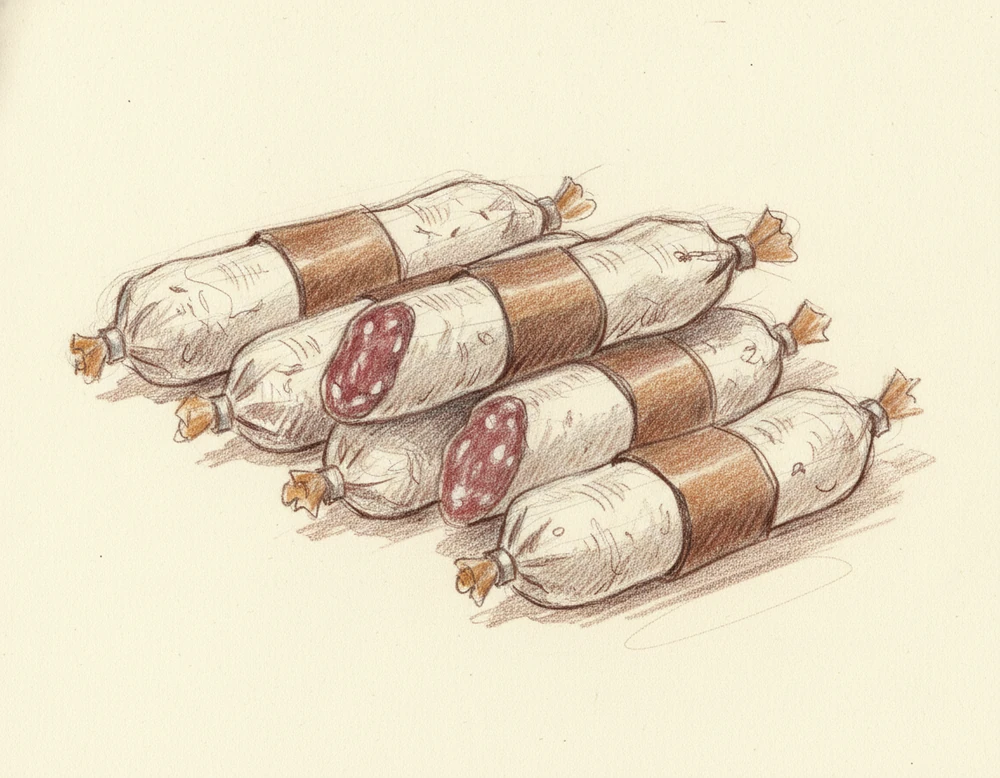
Small salami sized to be carried in a hunter's pocket, which is where the name comes from. The zone is unusually wide: pigs may be raised across eleven Italian regions, from Friuli down to Molise.
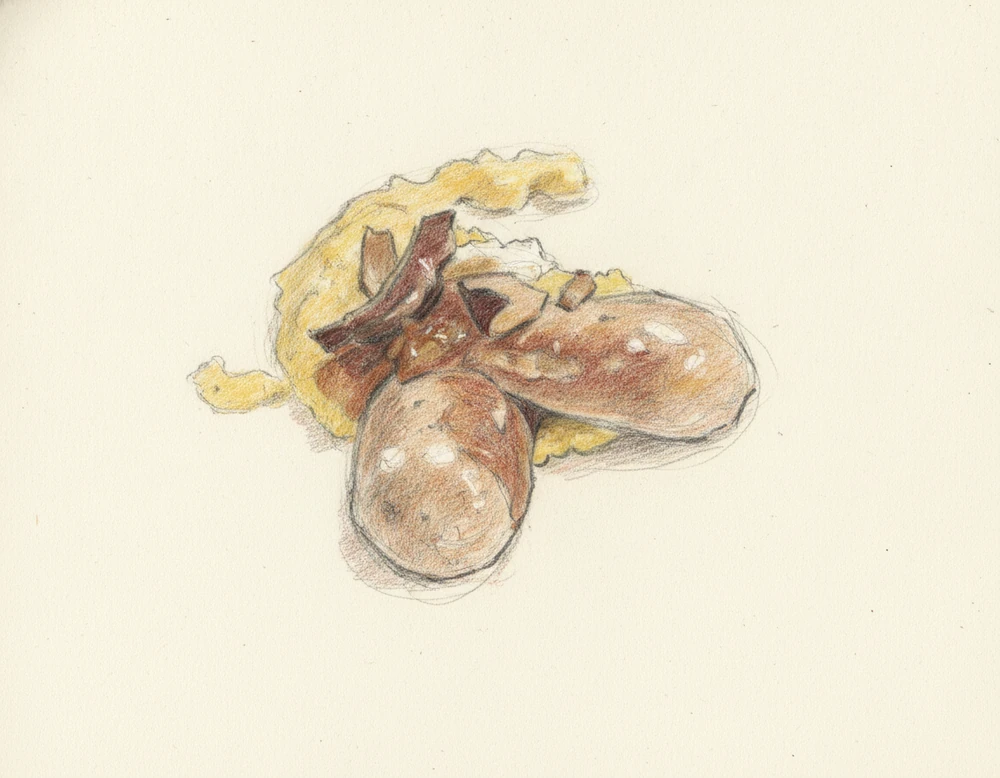
Pigs have long mattered in the wooded mountains of inland Abruzzo, killed between December and January when the cold would let the meat hang. The liver sausage, cicolana locally, is the L'Aquila version: liver, heart and tongue with some lean and some fat pork, a way of making the offal and the poor cuts worth eating through seasoning.
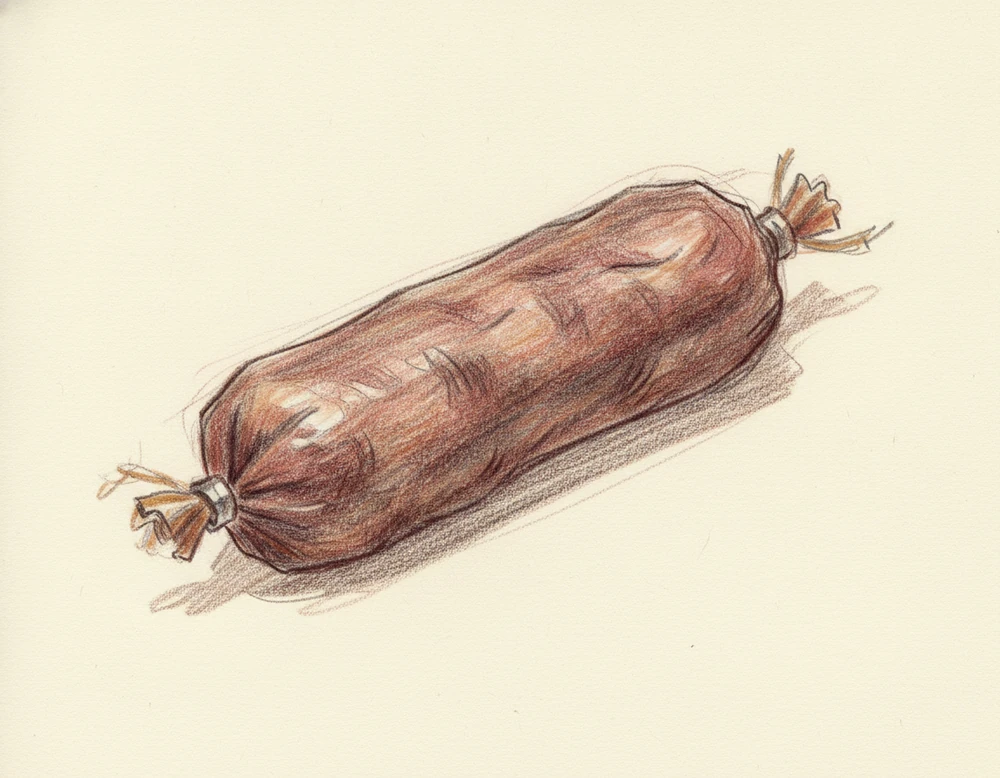
The hill country along the Sangro from Lanciano through Casoli to Montenerodomo has cured pork for a long time, and the salsicciotto is named in the Antichi Capitoli della città di Lanciano of 1592, common enough by then that a market price had to be fixed for it. The 18th-century accounts of the convent of Santa Chiara in Lanciano record it again, as payment to the lawyer who settled the nuns' disputes.
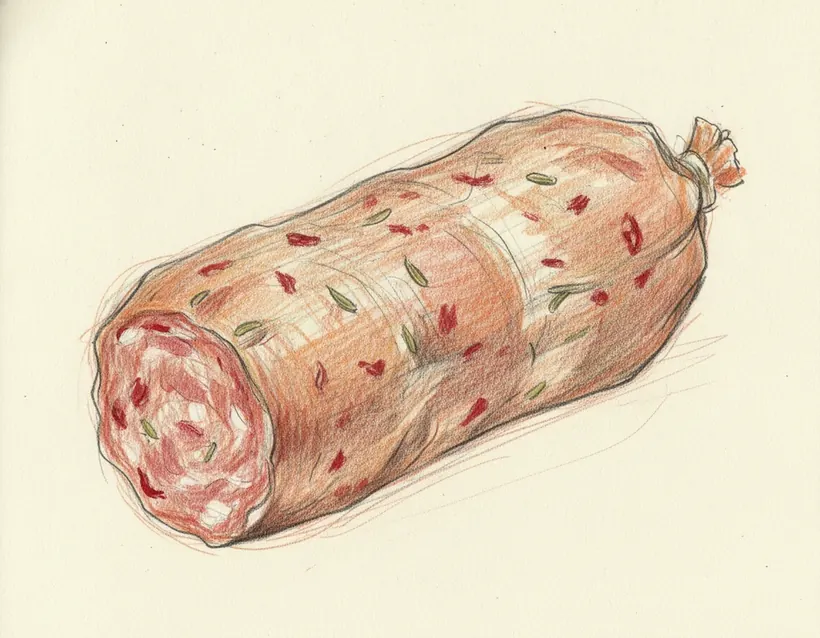
A coarse hand-cut pork salami of the Vasto hinterland, seasoned generously with sweet and hot peperoncino and fennel, stuffed into a natural casing and aged for months.
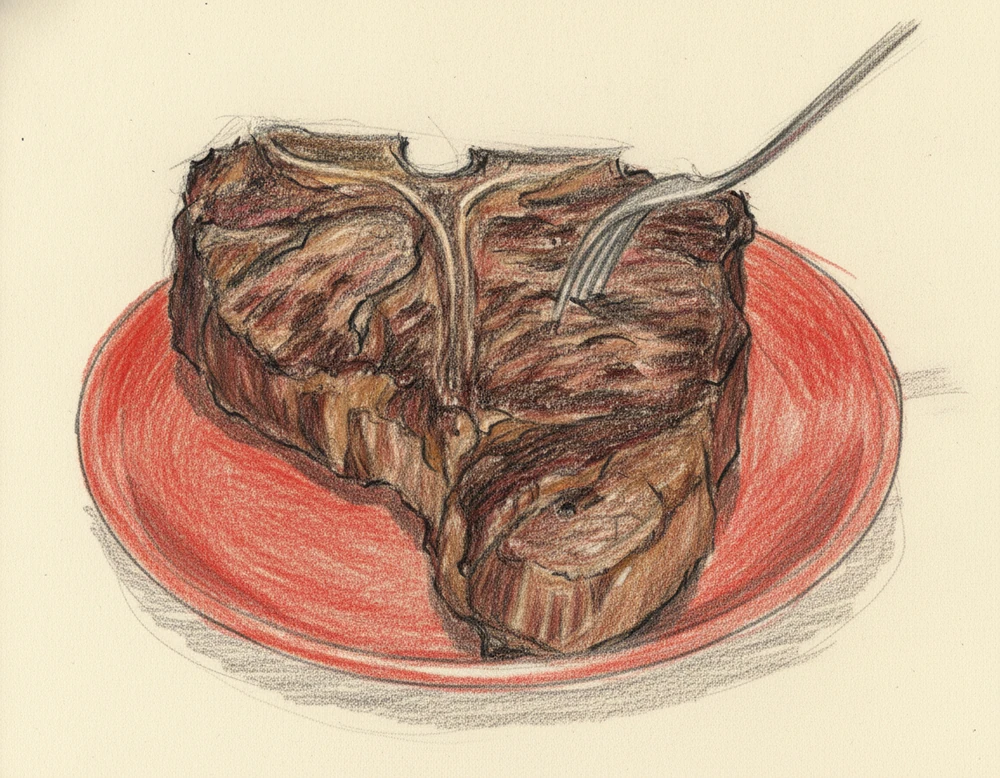
Beef from the white cattle breeds of the central Apennine spine, covering a band of thirty provinces from Bologna down to Latina. It is the designation behind the Chianina, Marchigiana and Romagnola beef that Tuscan and Umbrian cooking is built on.
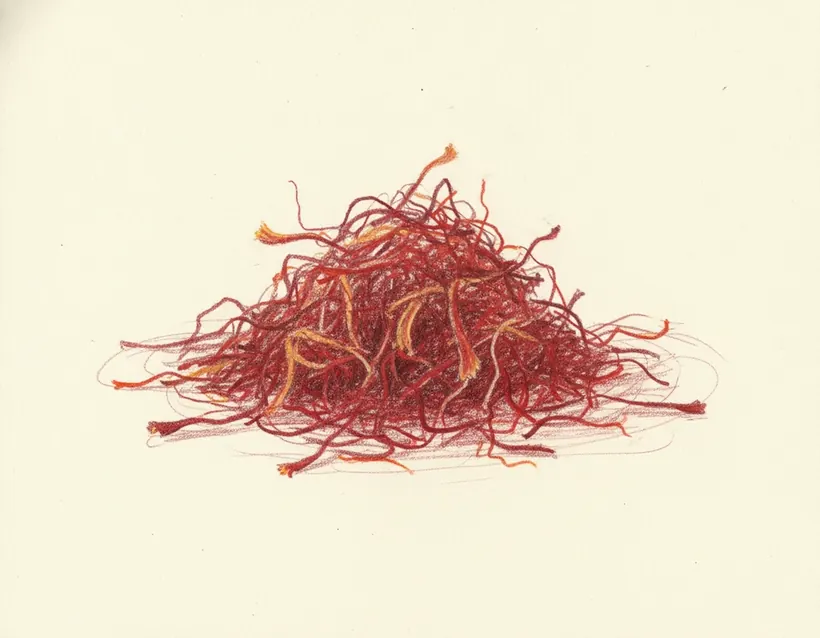
Hand-picked saffron from the Navelli plain, among the world's most prized; the three crimson stigmas of each crocus flower are plucked at dawn and dried gently over embers.