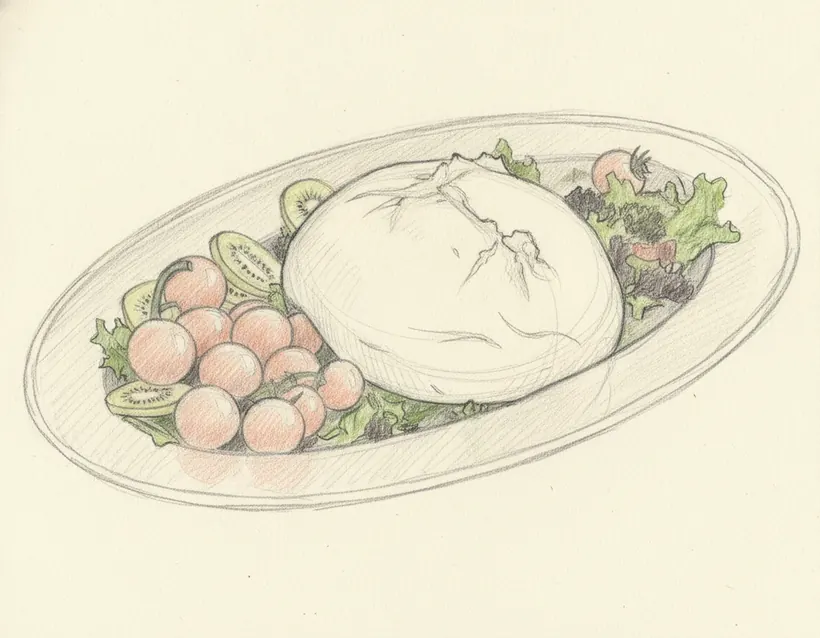
Mozzarella di Bufala CampanaBuffalo-milk mozzarella
Fresh, milky buffalo mozzarella from the Caserta and Salerno plains, eaten simply with oil, or in caprese with tomato and basil.
Pairs with
Campania's food is sun-and-sea Mediterranean: buffalo mozzarella and San Marzano tomatoes, Naples pizza and long-cooked ragù, clams and mussels from the bay. Its volcanic whites, Fiano, Greco, Falanghina, and the tannic Aglianico of Taurasi give the region wines as characterful as its cooking.
Fresh, milky buffalo mozzarella from the Caserta and Salerno plains, eaten simply with oil, or in caprese with tomato and basil.
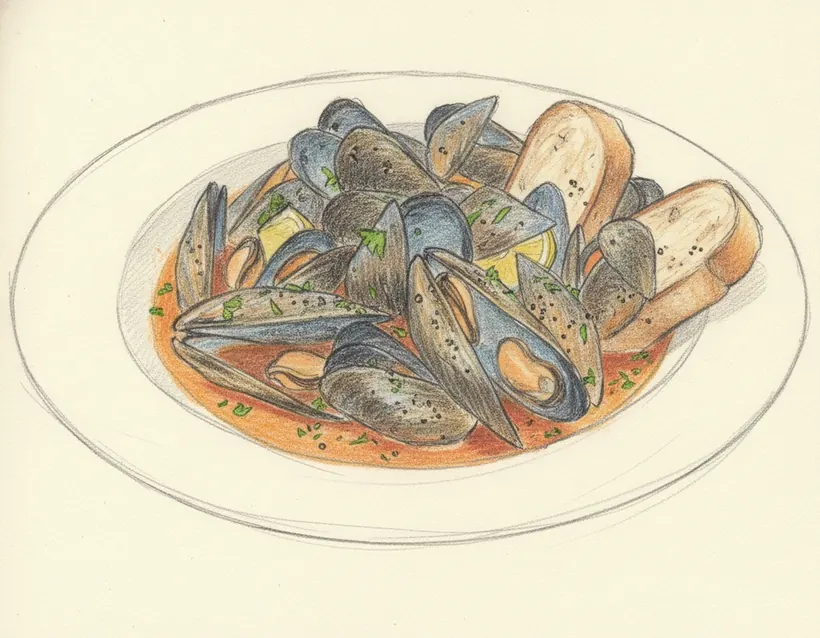
Mussels opened in their own liquor with a heavy hit of black pepper, lemon and parsley, mopped up with bread.
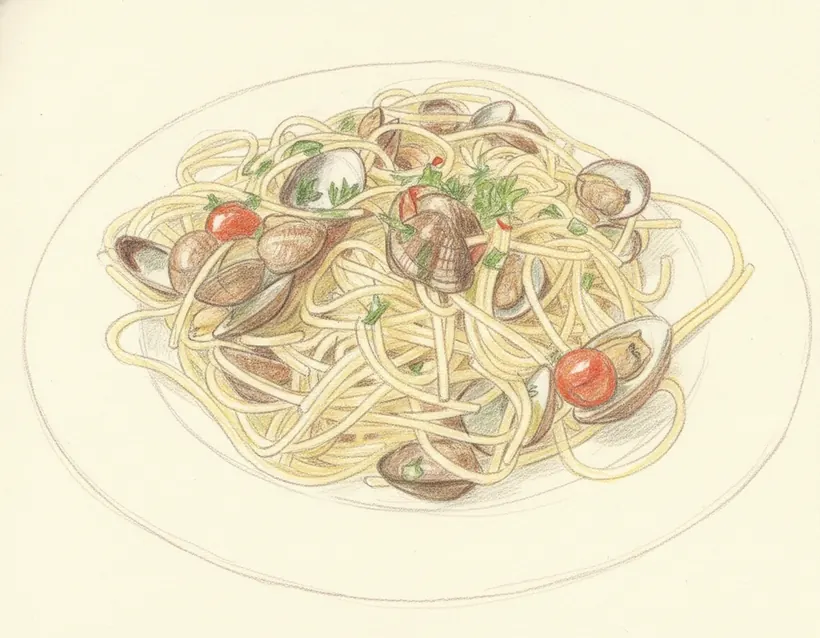
Spaghetti tossed with clams opened in garlic, oil, white wine and parsley, the emblematic dish of the Neapolitan coast.
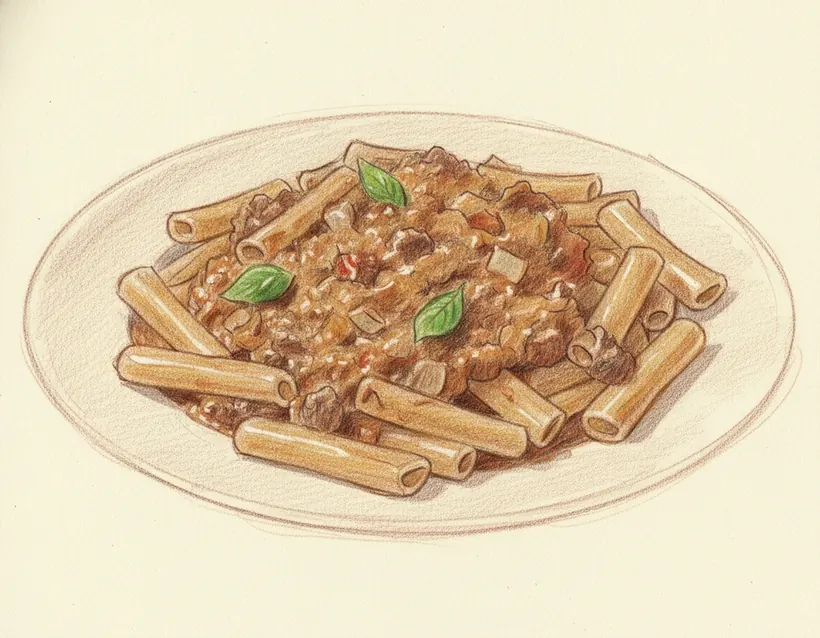
A slow ragù of beef and a great mass of onions cooked for hours to a sweet, tawny sauce, dressing ziti or candele pasta.
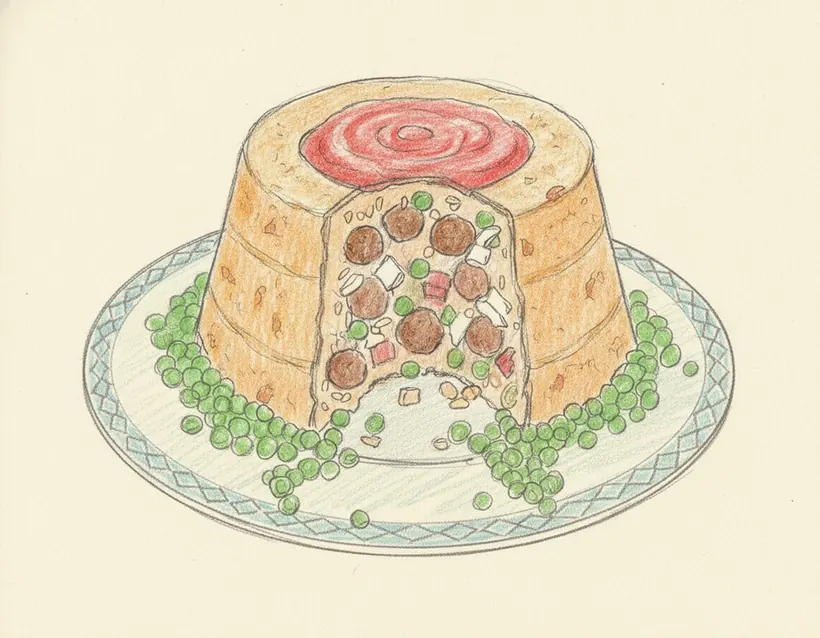
A baroque baked rice timbale filled with tiny meatballs, sausage, peas, egg and mozzarella, Bourbon-era Naples on a plate.
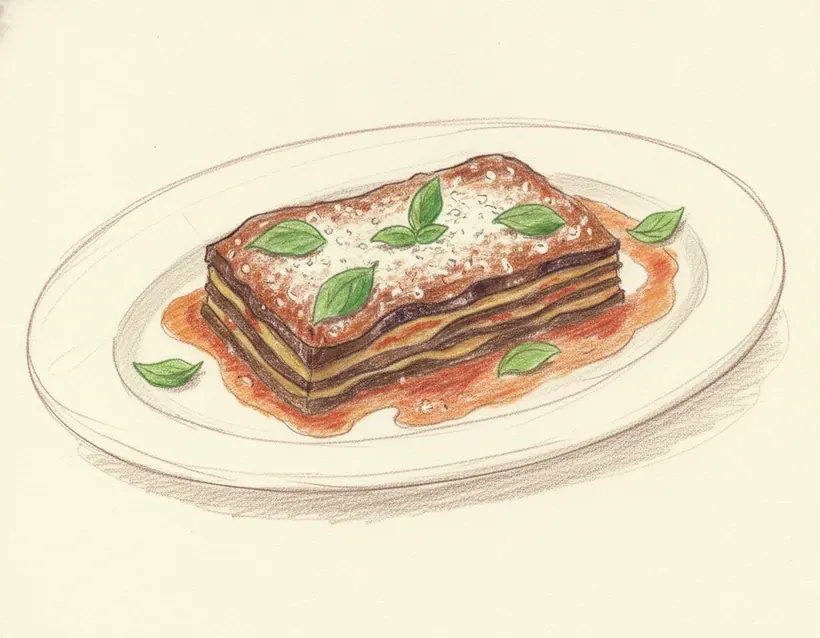
Fried aubergine layered with tomato, basil, mozzarella and grated cheese, then baked, a southern classic claimed by Campania.
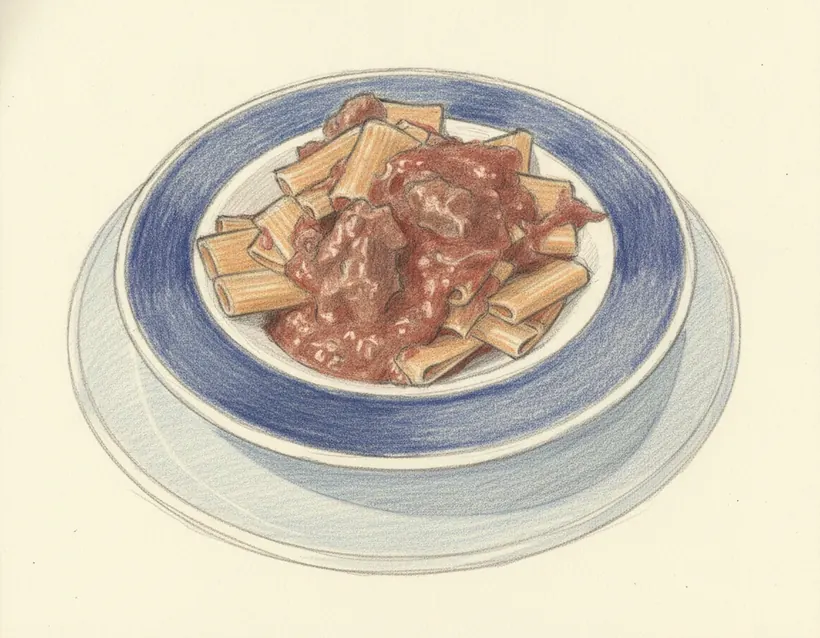
Large cuts of beef and pork braised for many hours in tomato until meltingly tender, the sauce dressing pasta and the meat served after.
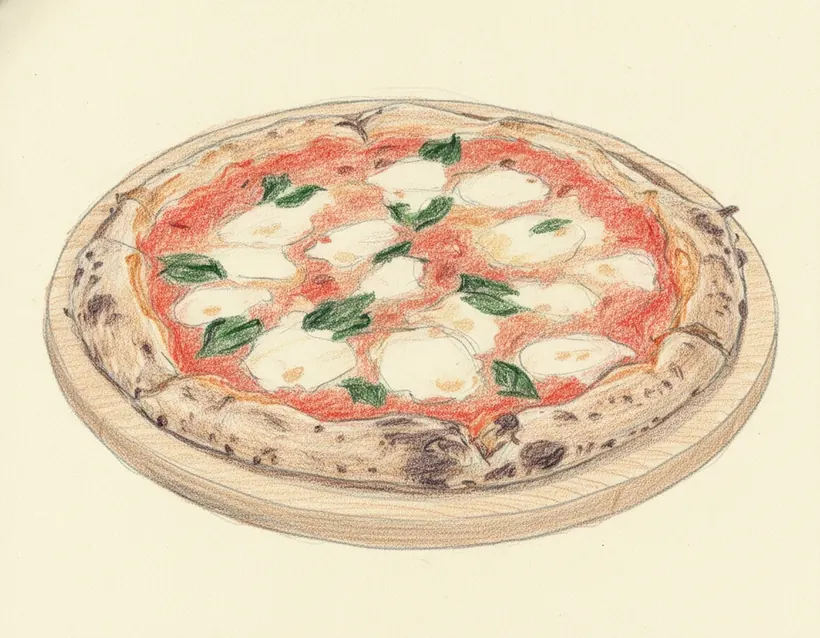
The Neapolitan pizza: a soft, blistered dough topped with San Marzano tomato, buffalo or fior di latte mozzarella and basil.
DOP, IGP, STG, Slow Food Presidia and traditional specialities of Campania.
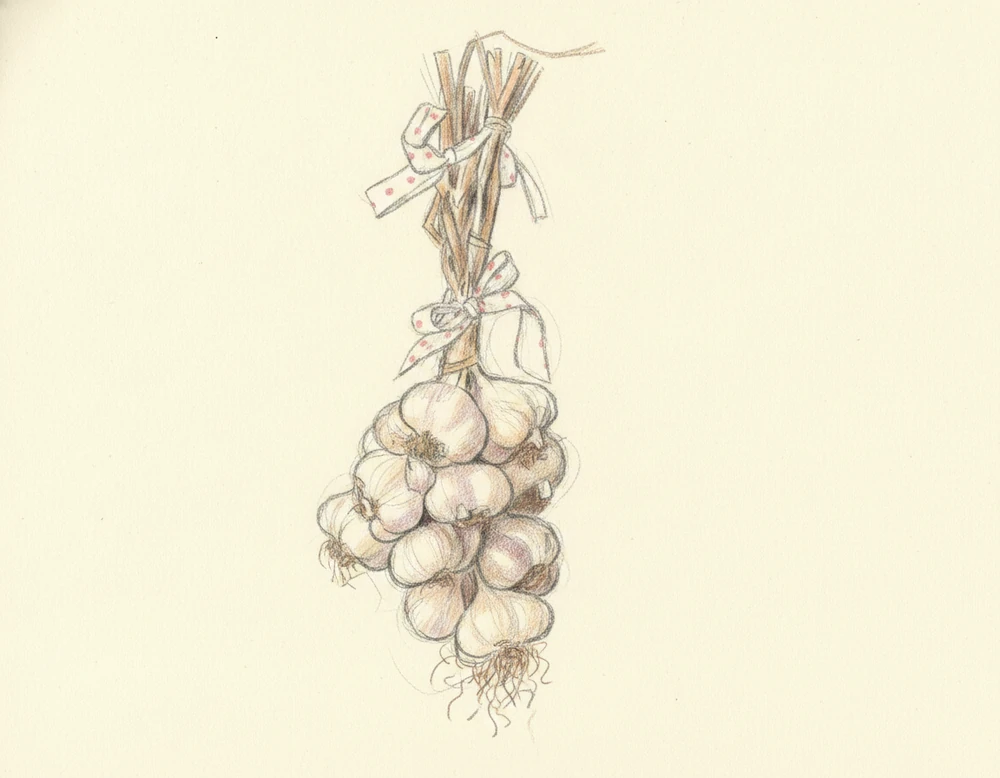
Garlic from the Ufita valley in Irpinia, first grown there in Roman times, with a variety selected over the centuries that is notably rich in allicin.
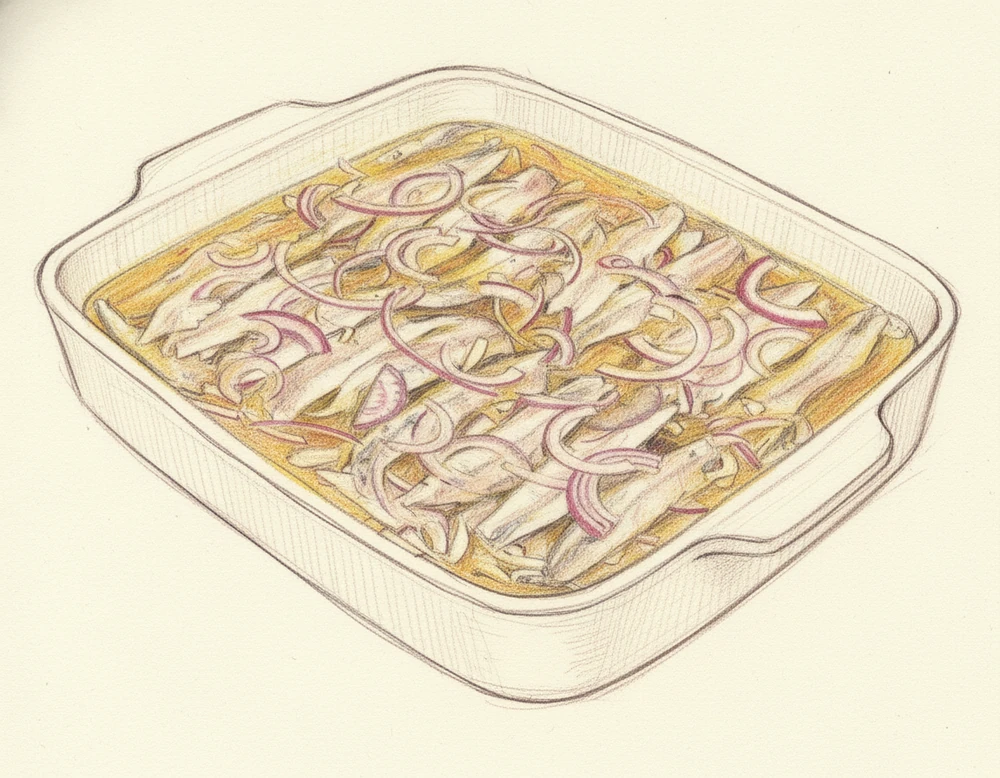
Anchovies taken by the menaica, an old net technique once common all round the Mediterranean and now surviving in only a few places, Marina di Pisciotta among them. The boats go out at nightfall with the menaica nets that give the fish their name.
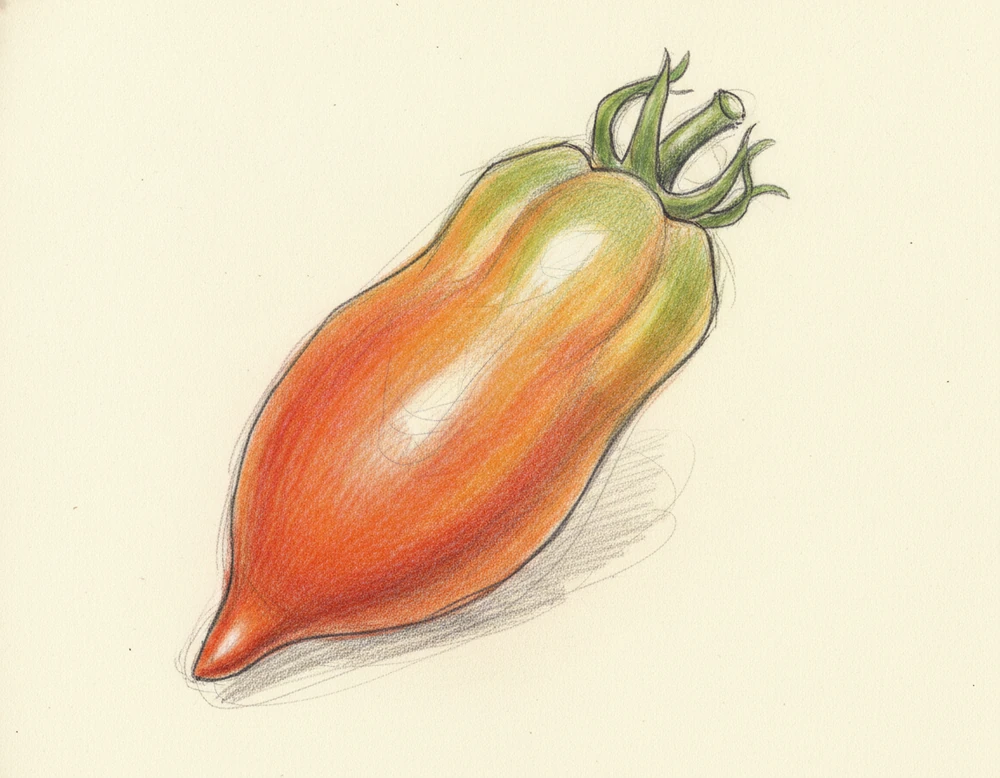
The older Neapolitan tomato varieties. Until about twenty years ago the vegetable ground around Naples and in the Sarnese-Nocerino country was almost all San Marzano: thin-skinned, low in acidity, and holding its flavour even preserved, but demanding to handle.
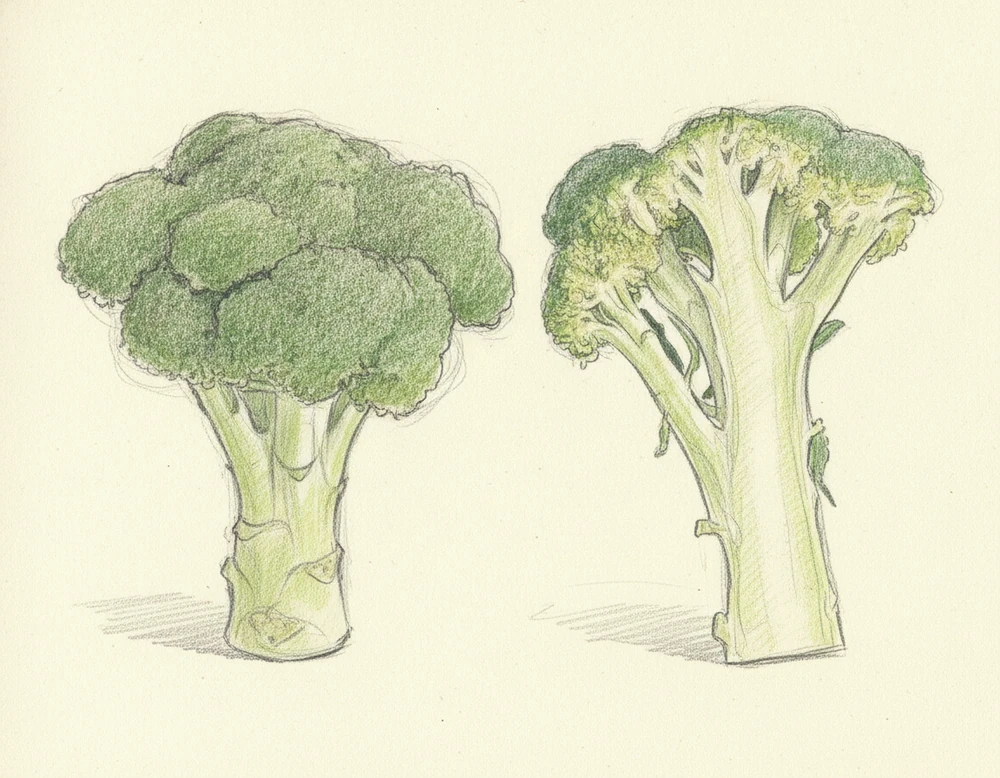
A spring broccoli selected by the growers of Paternopoli, whose horticultural reputation rests on fertile ground and abundant springs and was already being reported to Rome by local bishops in the 18th century.
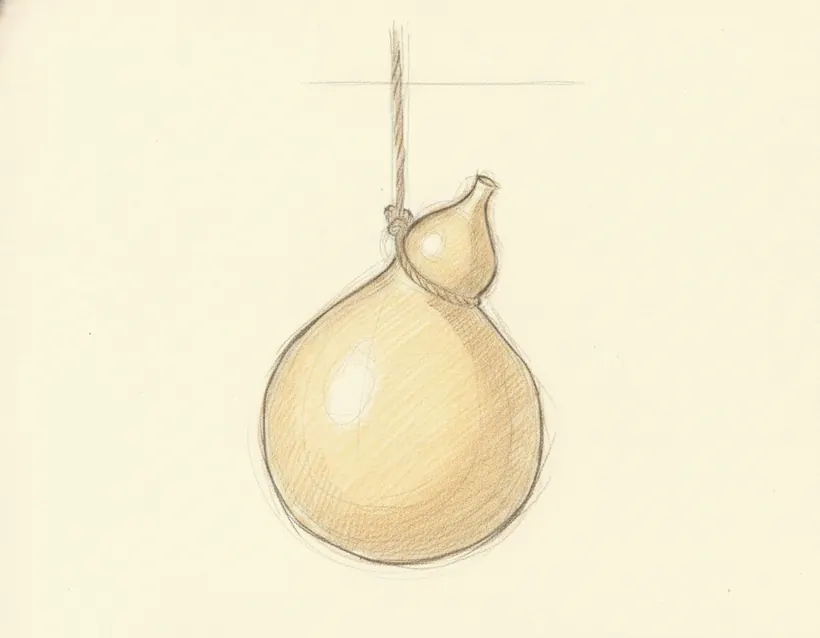
A gourd-shaped stretched-curd cow's-milk cheese of the Sila highlands, aged tied in pairs over a beam.
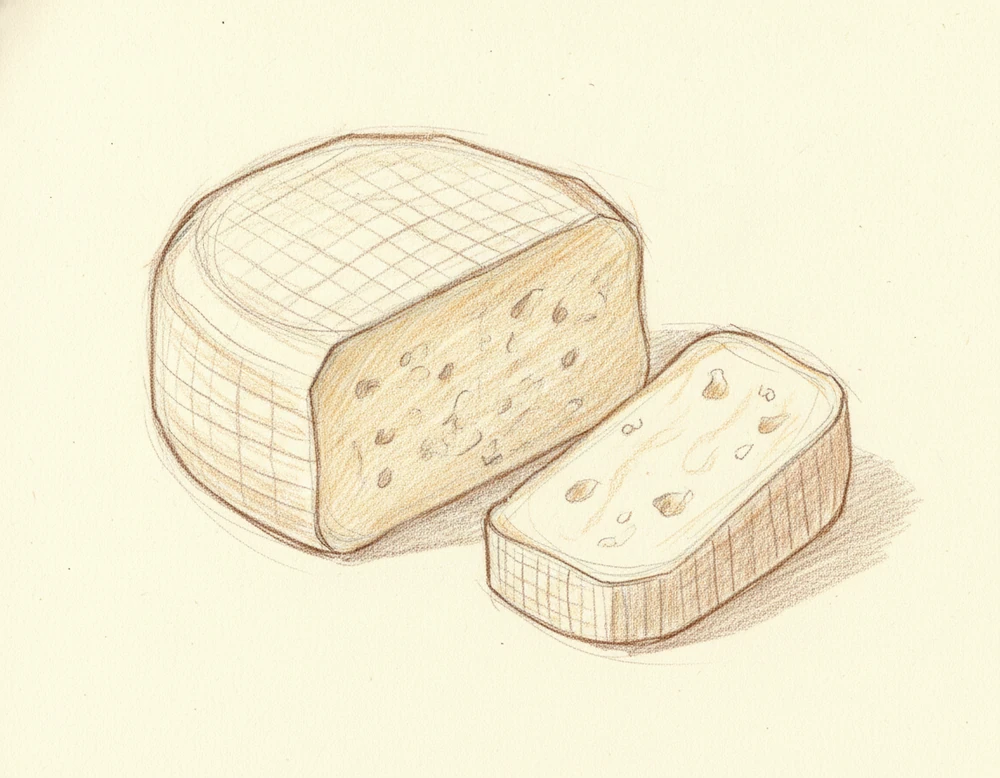
A goat cheese of the Cilento, home of the local Cilentana breed. The grazing is Mediterranean macchia, shrub and tussock grass, and that shows in the cheese's aromatic complexity. The name comes from the unusual curdling technique, which sits between a cacio and a ricotta.
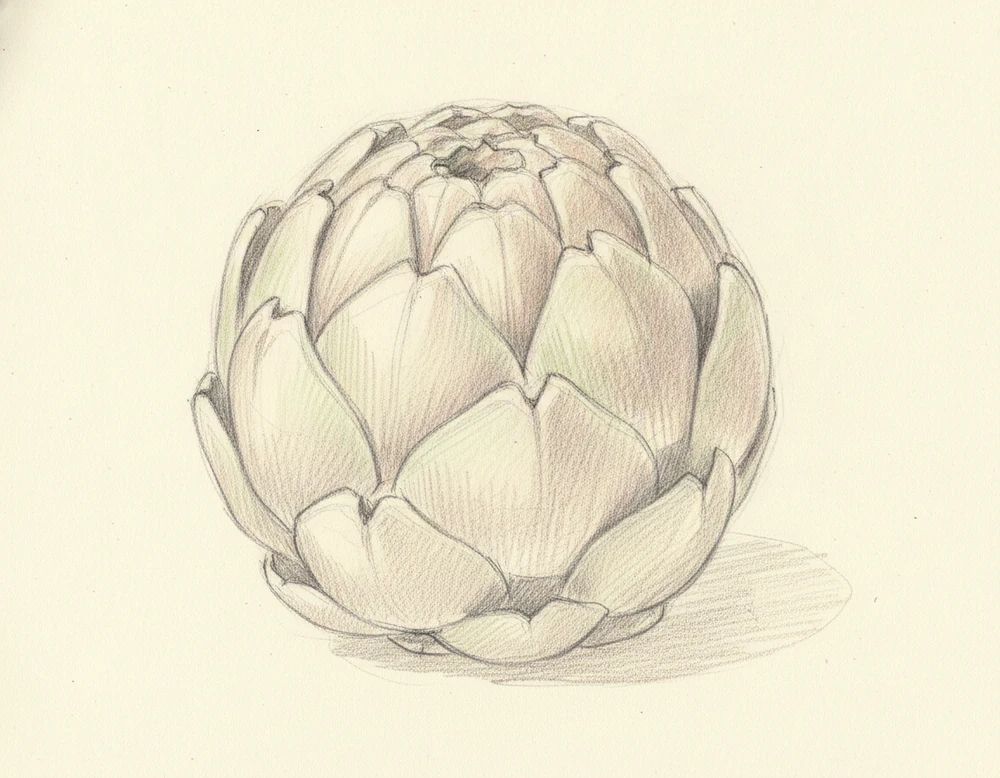
A rare white artichoke from Pertosa and neighbouring Auletta, Caggiano and Salvitelle. The heads are spineless, large, round and globular, with a distinctive hole at the top and flesh pale enough to give it its name.
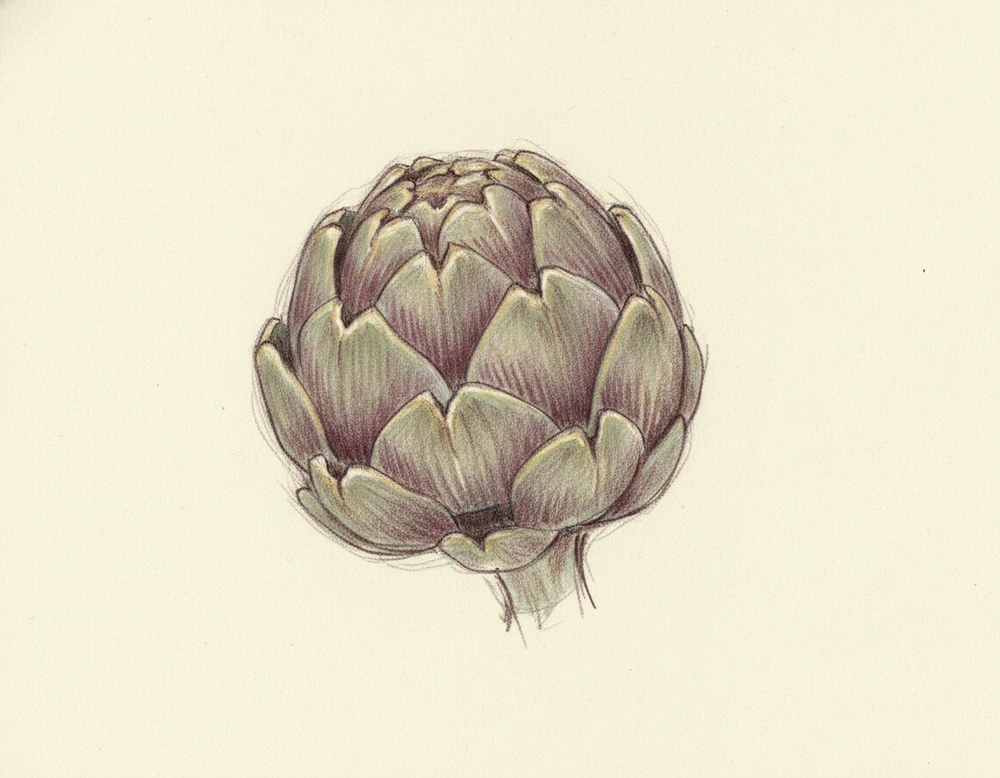
Artichoke heads of biotypes of the Romanesco type, known locally as Tondo di Paestum, grown on the Sele plain behind the Greek temples.
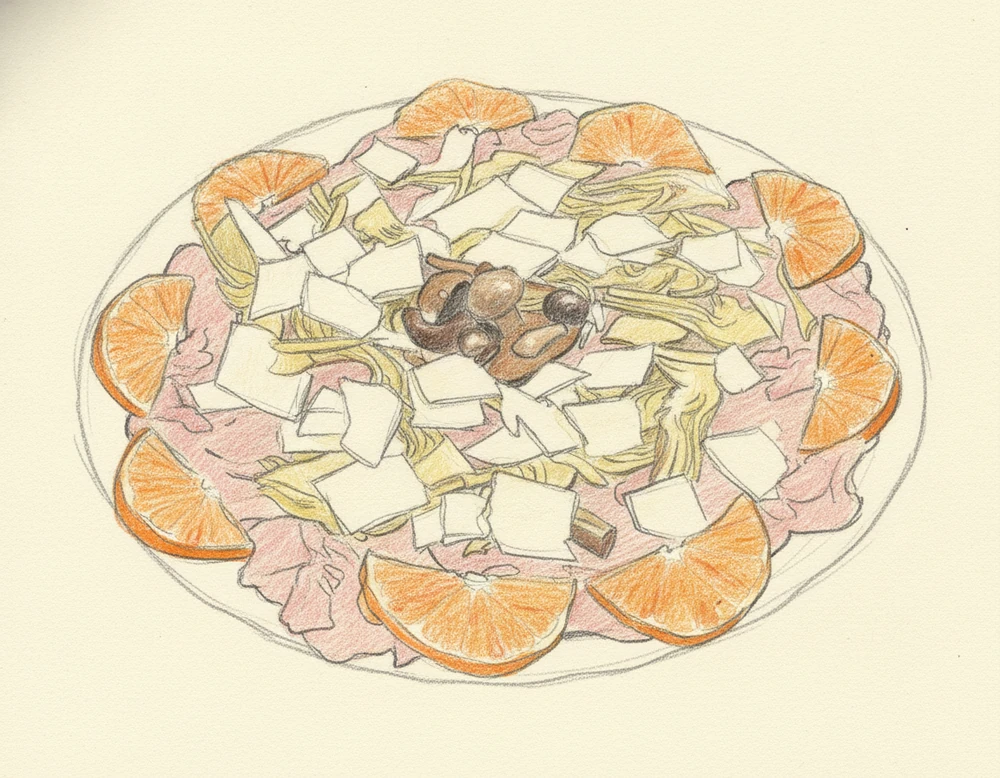
An artichoke from the medieval hill town of Pietrelcina, on the slopes either side of the Tammaro. Water for irrigation is short there, yet the place has long been known for farming, its wheat and tobacco broken up by this crop.
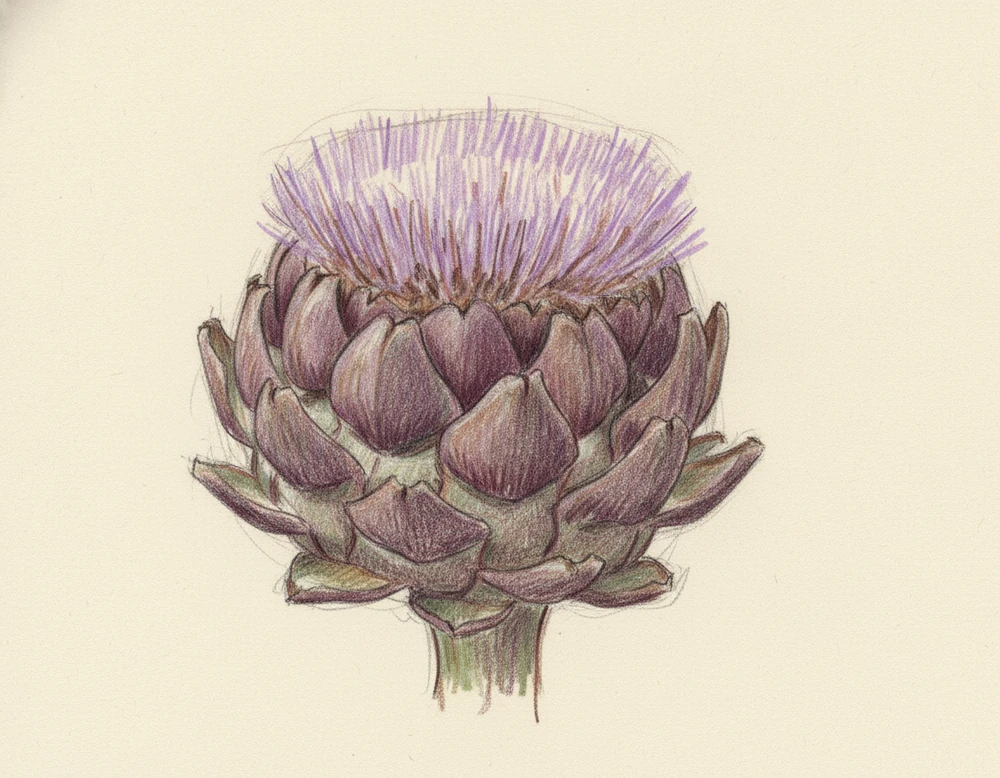
A subtype of the Romanesco artichoke, picked earlier and with deeper violet bracts. Also called the Schito artichoke.
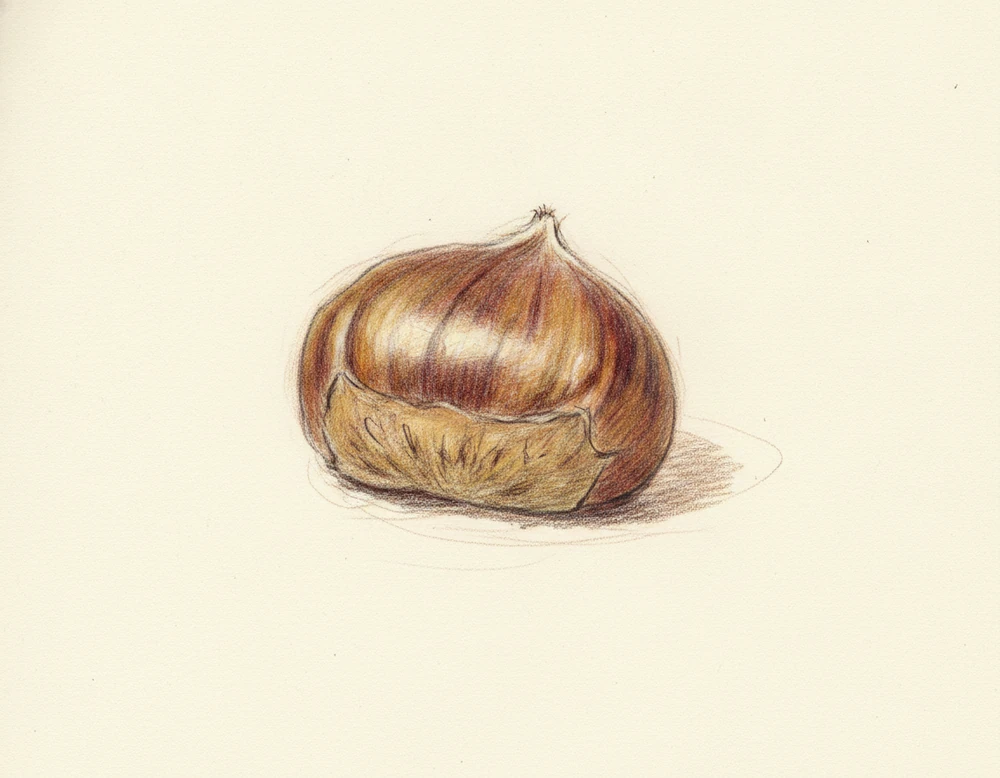
Chestnuts from the extinct Roccamonfina volcano, in five named cultivars: Primitiva (or Tempestiva), Napoletana (or Riccia, or Riccia Napoletana), Mercogliana (or Marrone), Paccuta and Lucente (or Lucida).
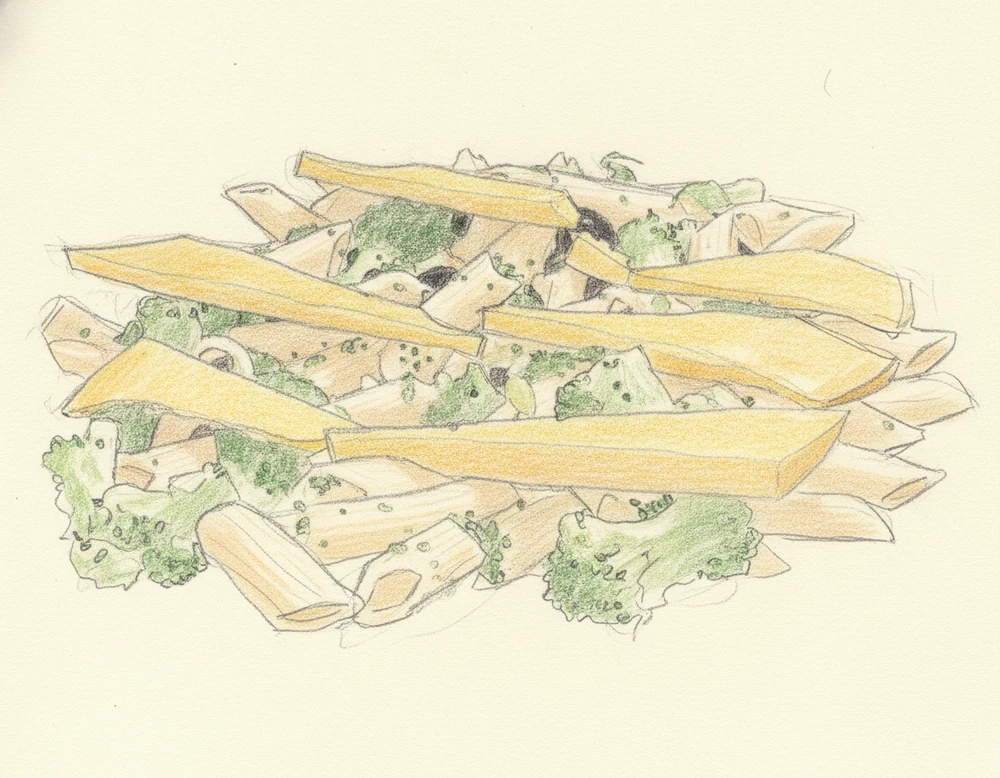
Cauliflower heads of named varieties and hybrids of Brassica oleracea var. botrytis, with growing cycles running from 70 to 215 days: Alston, Deepty, Guidalina, Lucex, Marmorex, Velox and others.
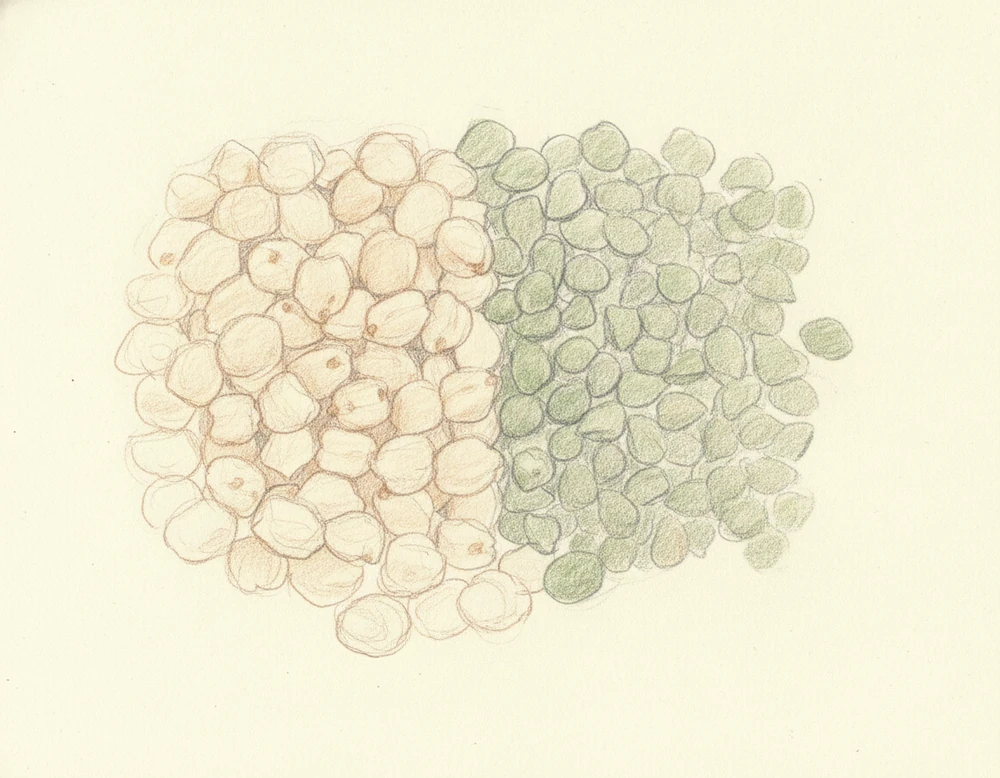
A chickpea grown on the first spurs of the Cilento since at least the Middle Ages. The town's name comes from the Latin for chickpea, and its coat of arms carries a chickpea plant with the motto terra quae cicera alit, the land that feeds chickpeas.
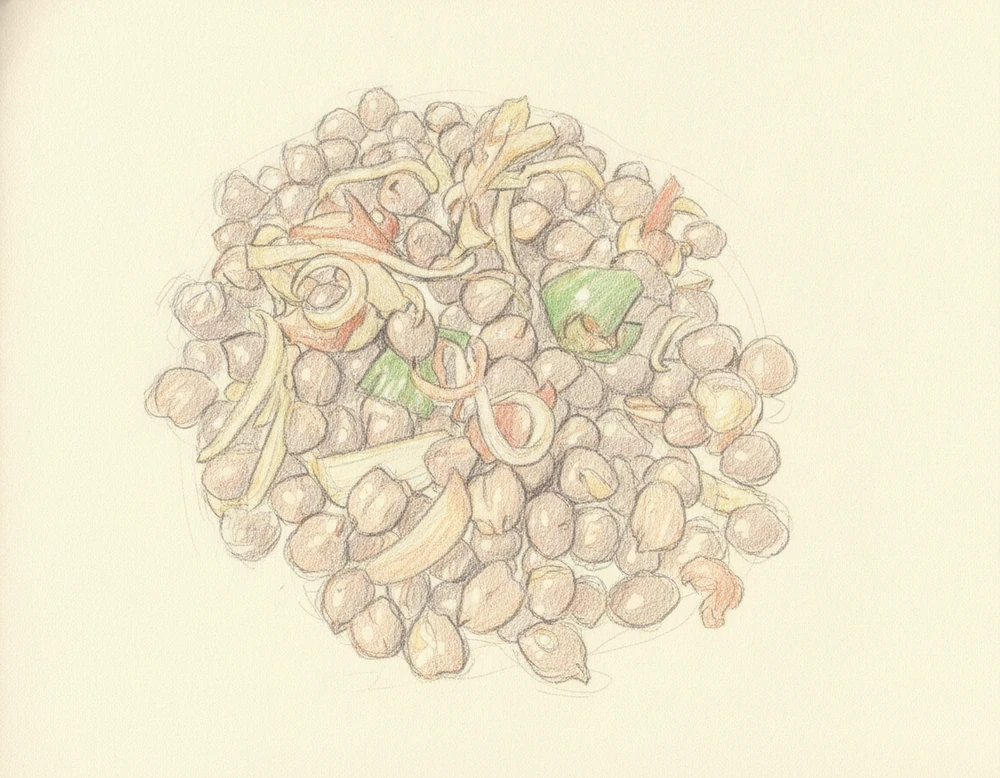
A small hazel-coloured chickpea with thin, wrinkled skin, which earns it the name small curly chickpea. The plant is hardy against winter cold, drought and disease, and is usually autumn-sown though spring sowing is possible.
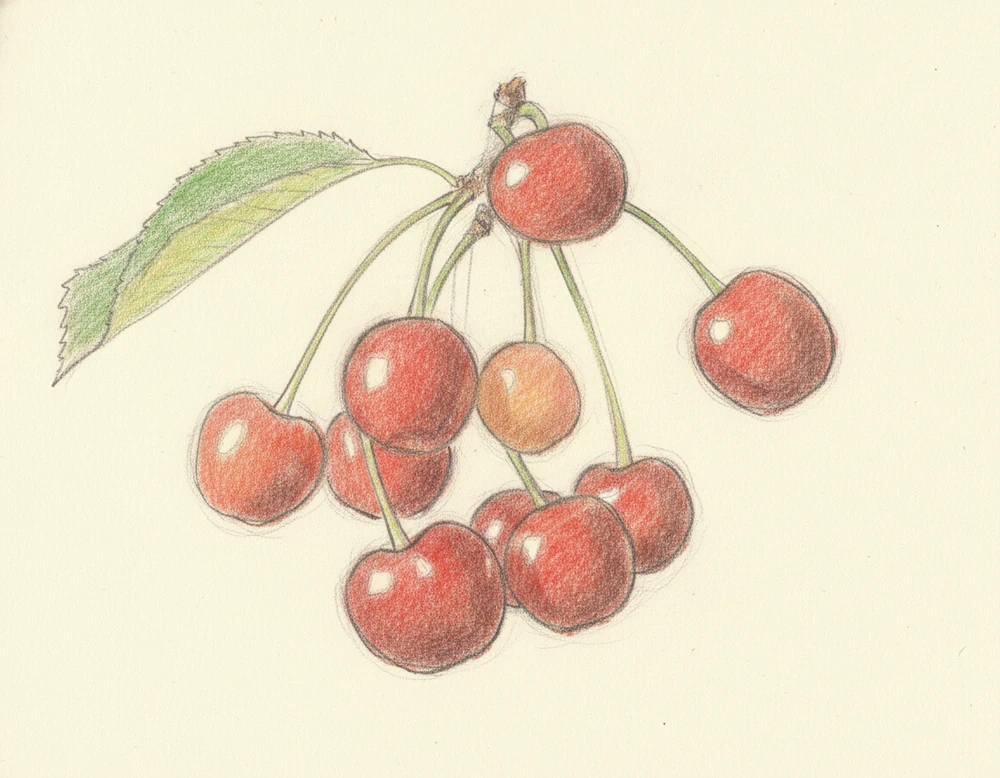
Sweet cherries from Bracigliano in the Salerno hills, restricted to named cultivars including the local Spernocchia, Sciazza, Pagliaccia, Don Carmelo, Silvestre, Baron Picella, Palermitana and Principe, alongside Bigarreau Burlat.
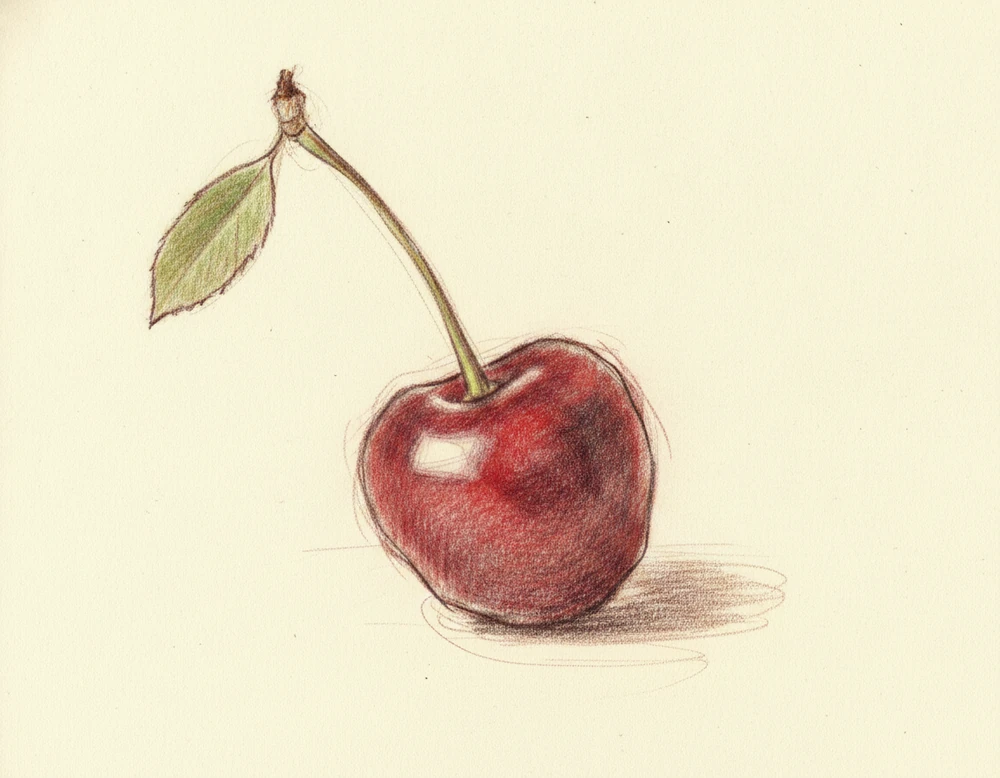
A cherry of the Monti Lattari, the pre-Apennine range forming the spine of the Sorrentine peninsula. The name comes from the milk, latte, of animals grazing the permanent pastures kept on that volcanic ground.
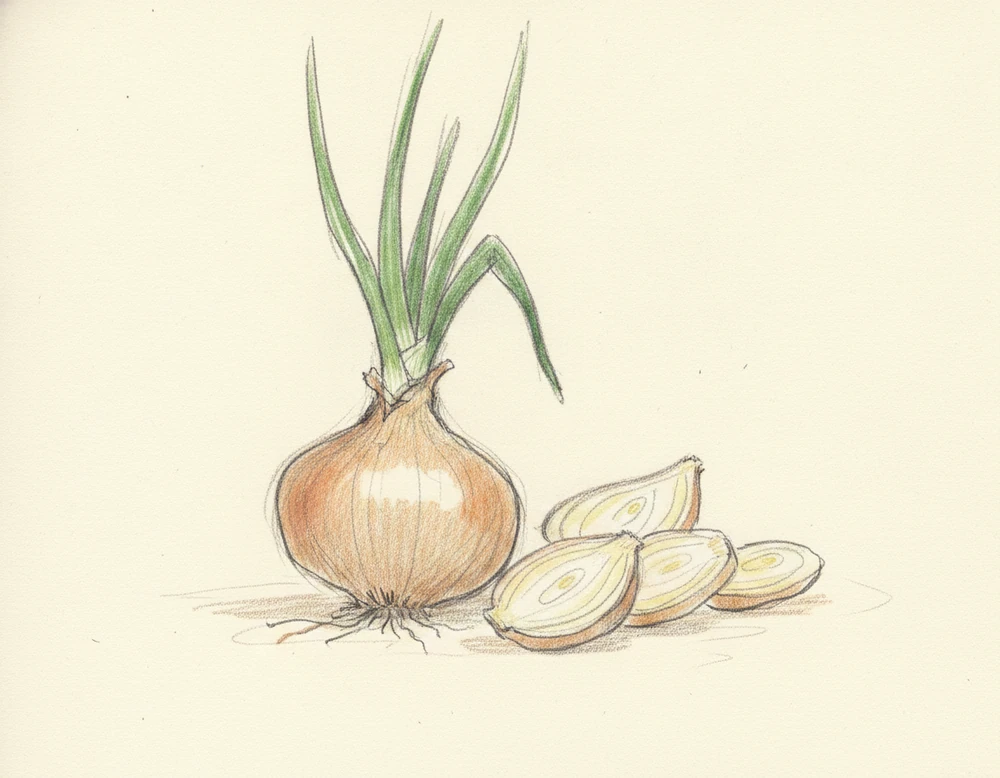
An onion from Airola in the western Valle Caudina, under Monte Tairano, where the Tesa and Faenza torrents meet to form the Isclero.
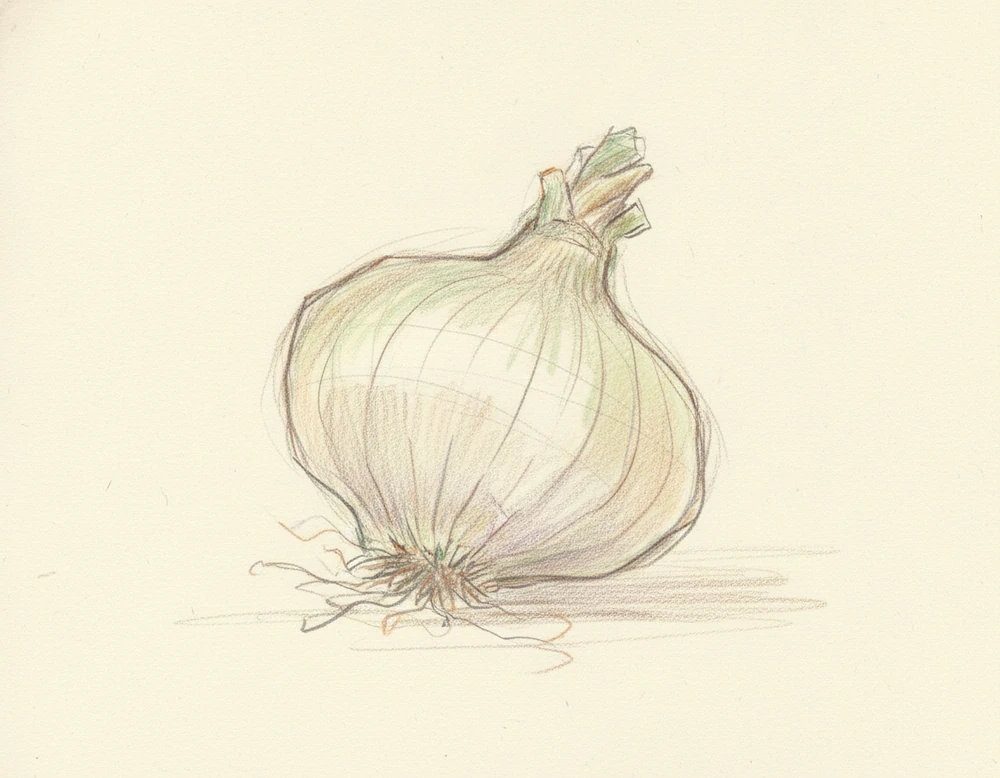
An onion from the fertile Alifana plain that takes its name from the town. Cultivation is old enough that local tradition puts it in the Roman occupation, when gladiators are said to have rubbed themselves with the onions to tone their muscles.
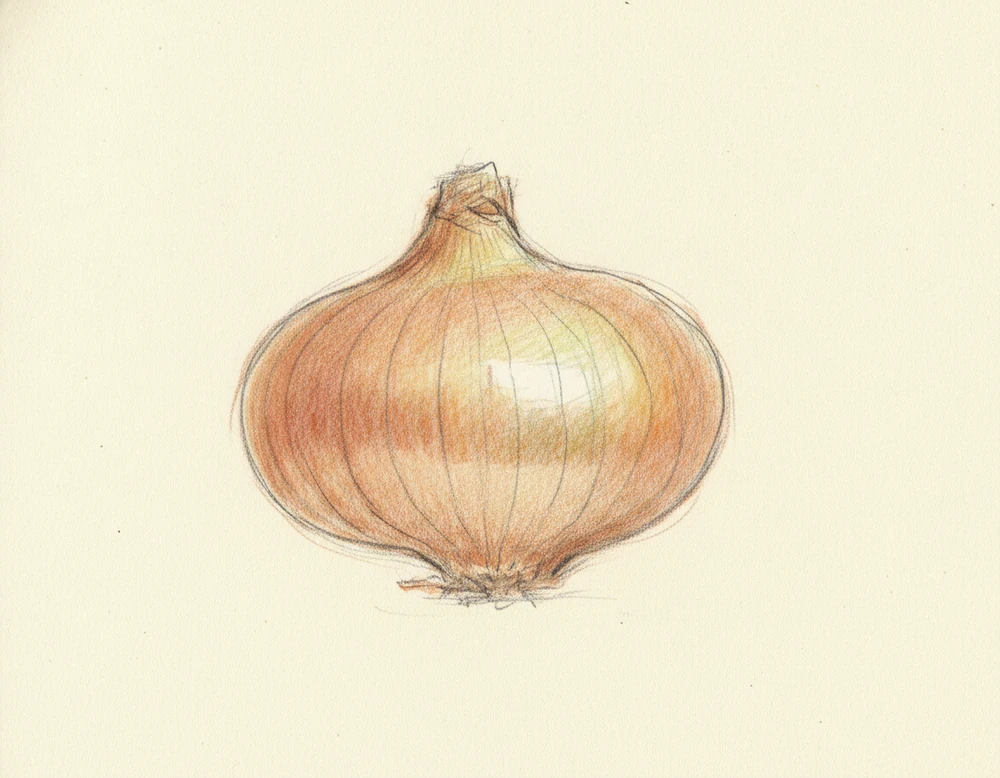
A native Cilento onion, very sweet and barely pungent, delicate in aroma. Shaped like a spinning top or a small lemon, usually 330 to 400 g but often reaching 800 or 900.
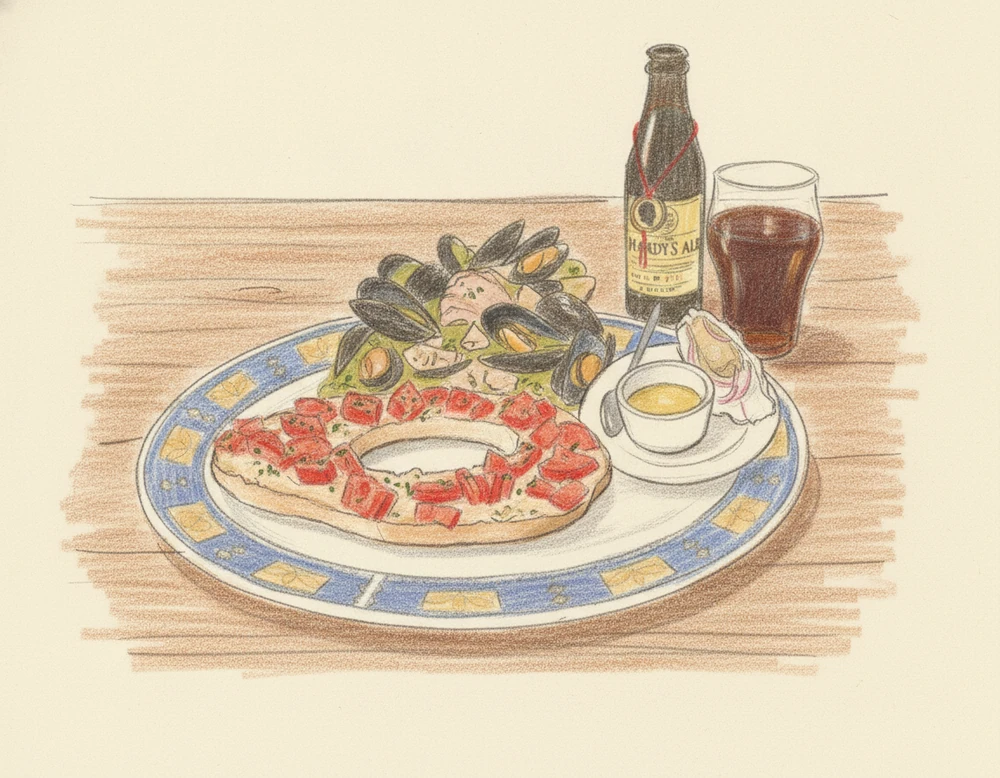
The amber liquid drawn off anchovies (Engraulis encrasicolus) matured under salt at Cetara on the Amalfi coast, a direct descendant of Roman garum. Clear and brilliant, amber tending to mahogany-brown.
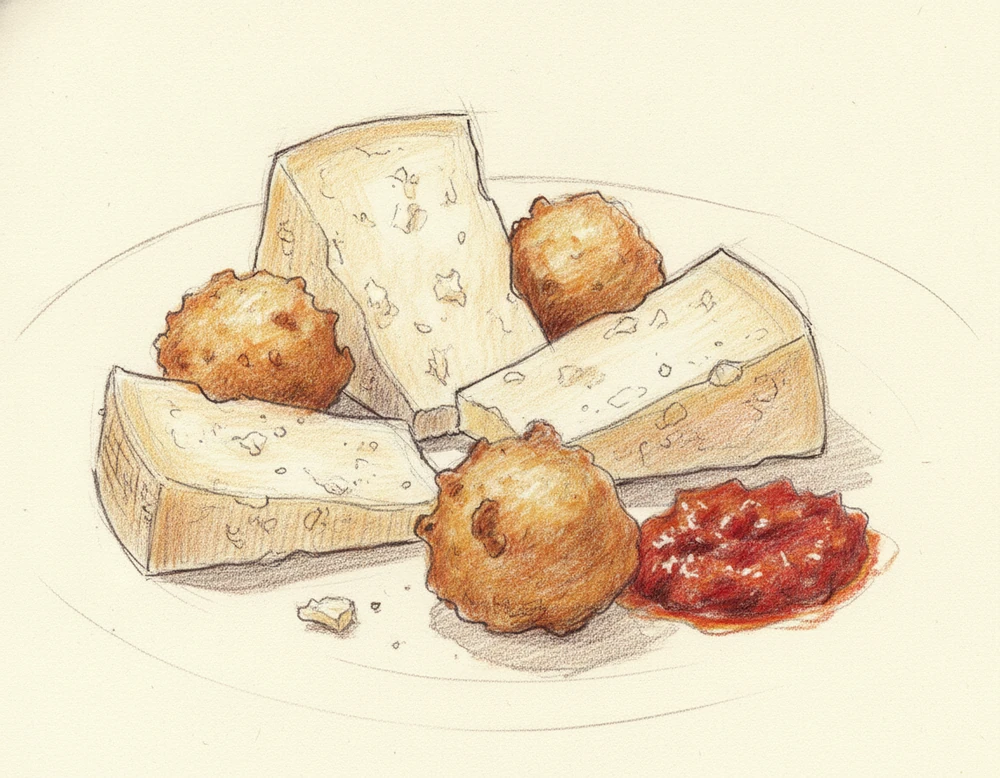
Despite the name it goes back to the Samnites, and many consider it the oldest cheese in Italy. Cow's, sheep's and goat's milk are curdled with kid rennet, hand-pressed, salted and dried, then conciate, dressed, one method being a wash in the water pasta has been cooked in.
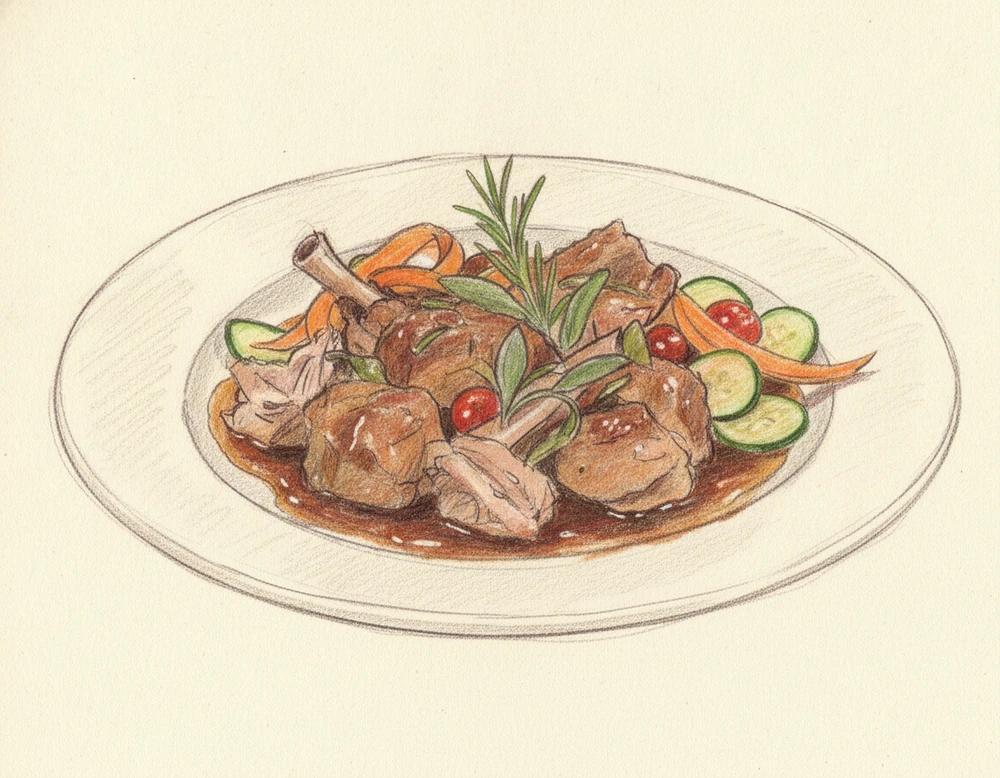
Rabbit farmed on Ischia in an unusual way: in pits dug three or four metres down, where the animals then tunnel their own branching burrows. A conigliata, a rabbit feast, was traditionally held to inaugurate a new domed carusiello house.
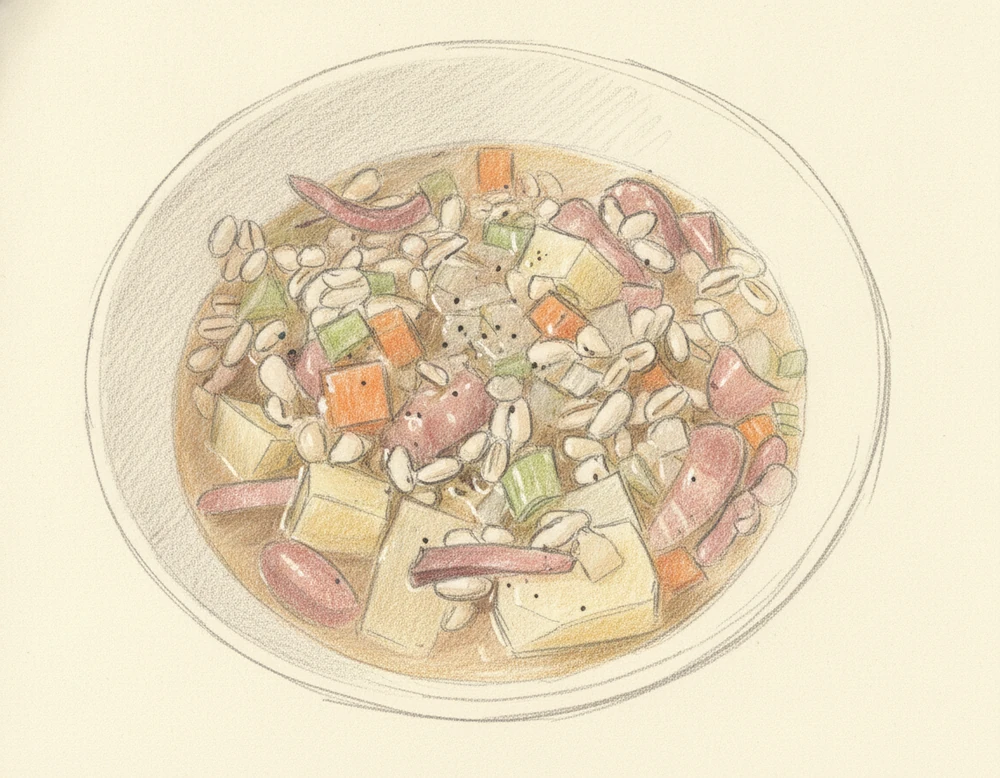
A white bean of the Acerra plain, named dente di morto for the shape of the seed. The farming there has always run on the Regi Lagni canals that cross and bound the territory, drawing on the Clanio, the river that watered the Campanian plain from before Roman times.
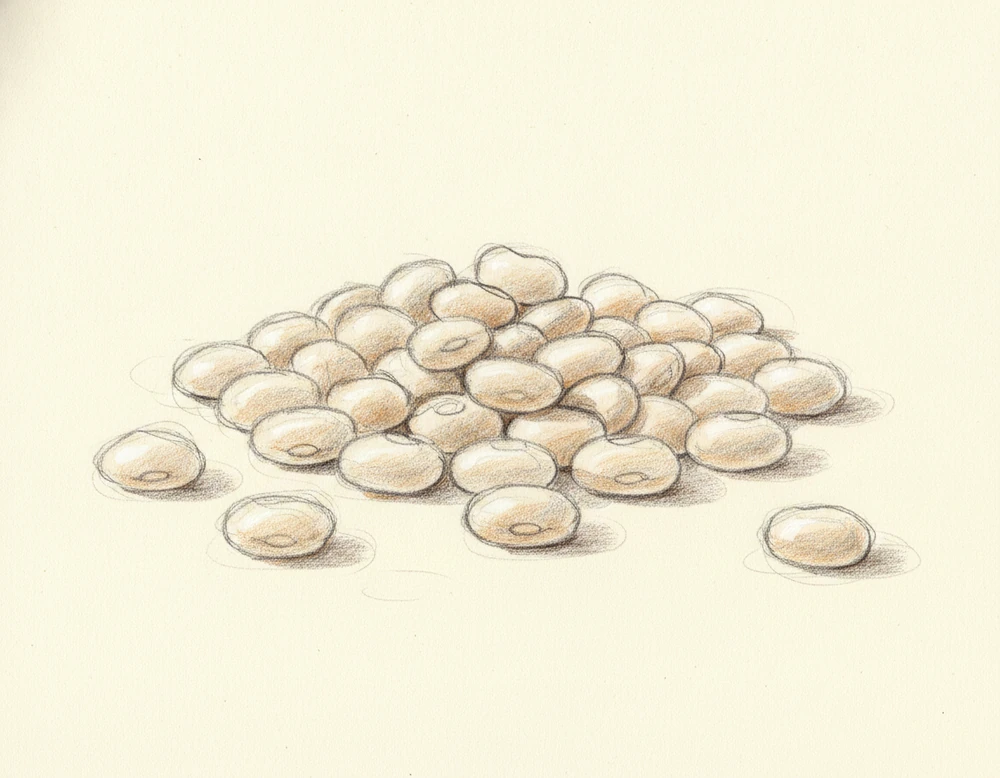
A small, pure white bean, round tending to oval, from Controne below the Alburni massif. Growers there keep many varieties, but it is the white ecotype that made the village known, alongside its oil.
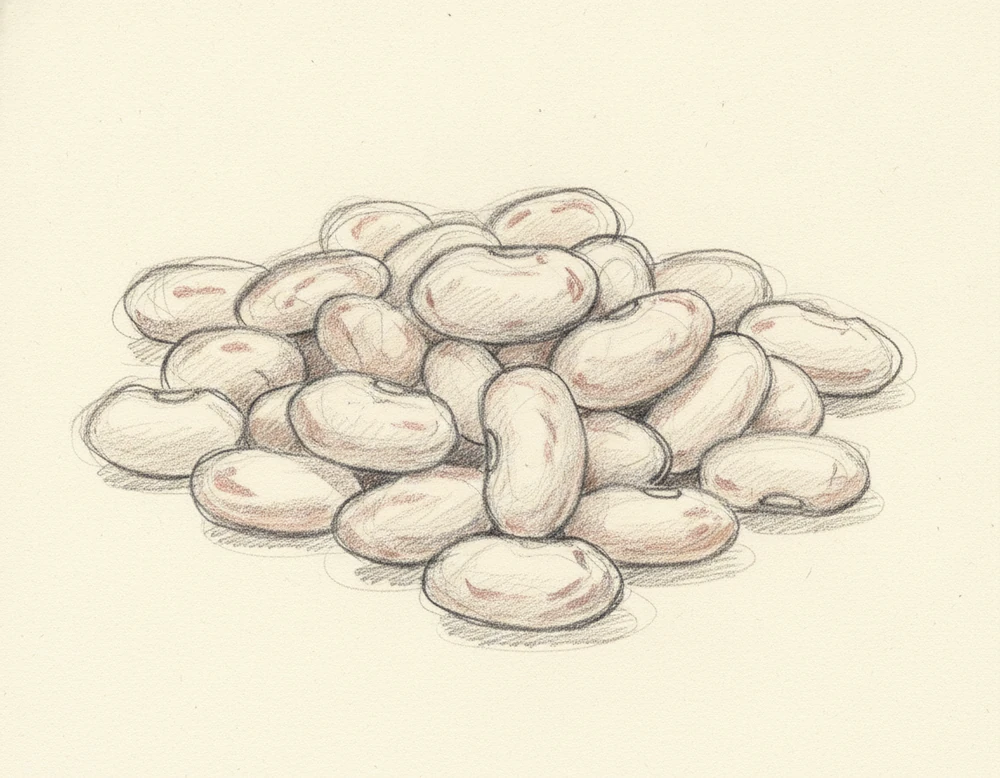
A white bean, tender and slightly floury, grown on the Irpinian plateau below Monte Terminio. It is called Quarantino for the forty days it takes to mature: small, irregular, with a thin ash-white skin, and now grown without poles.
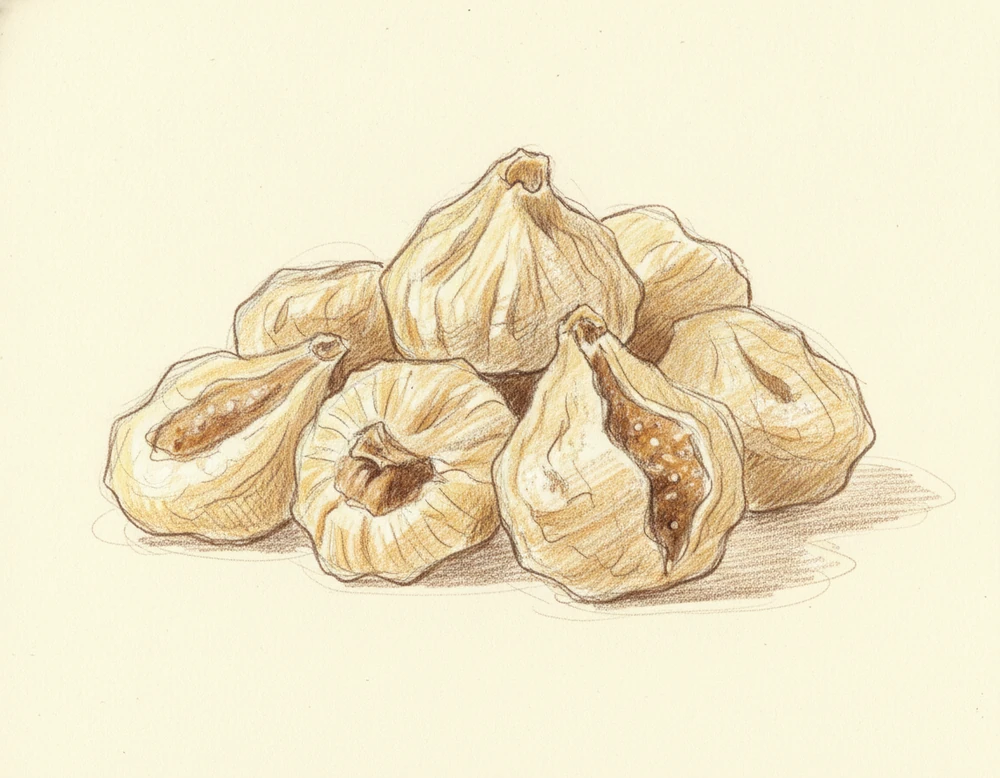
The dottato fig, better known as the Cilento white fig, grown in the district for centuries. The wrinkled skin is an even pale yellow and the flesh is soft. It is eaten fresh or, by tradition, dried in the sun.
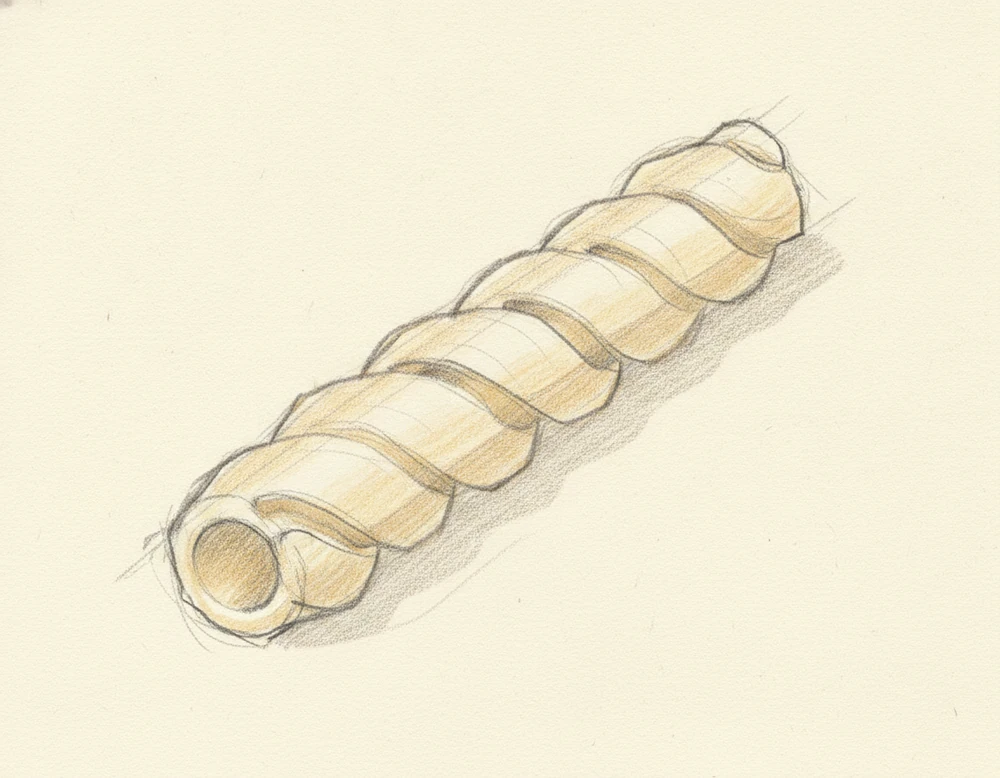
Not the short supermarket spiral: in the southern tradition a fusillo belongs to the maccaruni pertusati, the noodles with a hole down the middle, wound by hand around a rod.
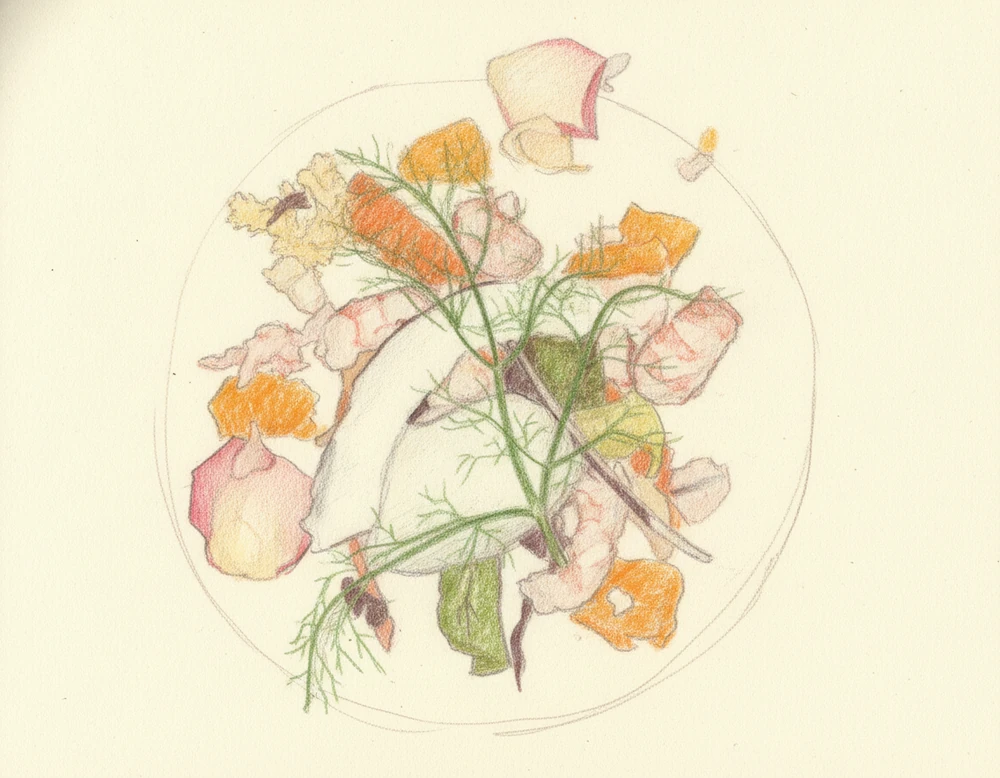
An extra-virgin olive oil from the Ufita valley in Irpinia, built on Ravece at no less than 60 per cent, a native variety known for its pronounced green-tomato note.
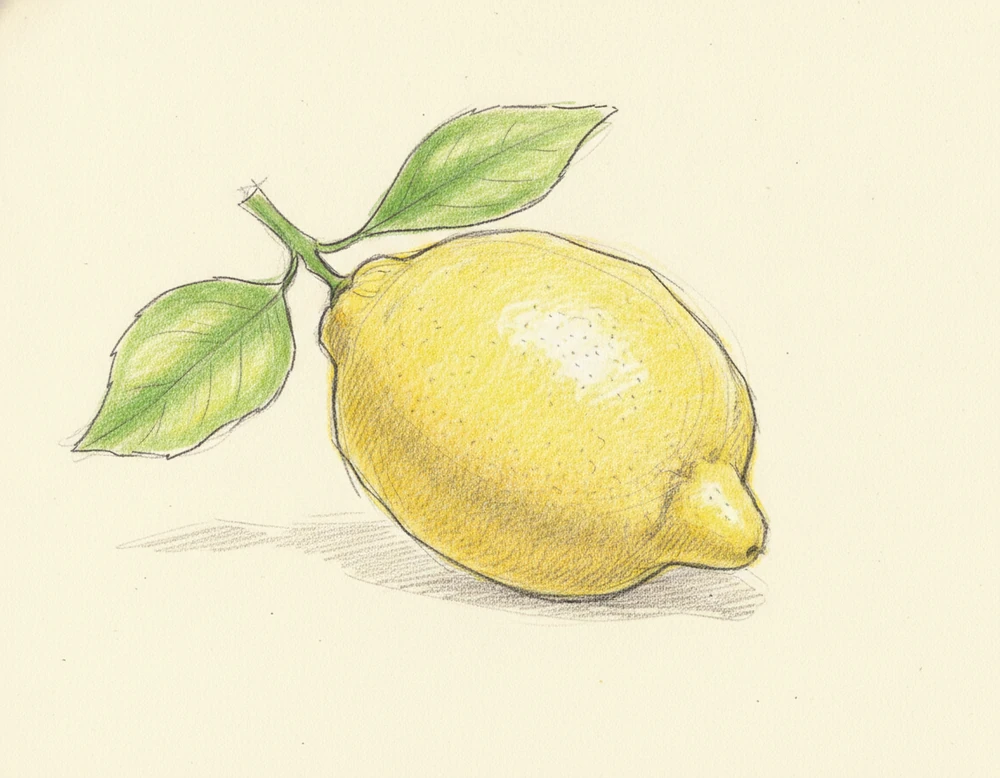
Lemons of the Sfusato cultivar in its Amalfi ecotype, grown on the terraces of the Amalfi coast: elongated, thick-skinned and intensely aromatic, the lemon behind the local limoncello and delizia al limone.
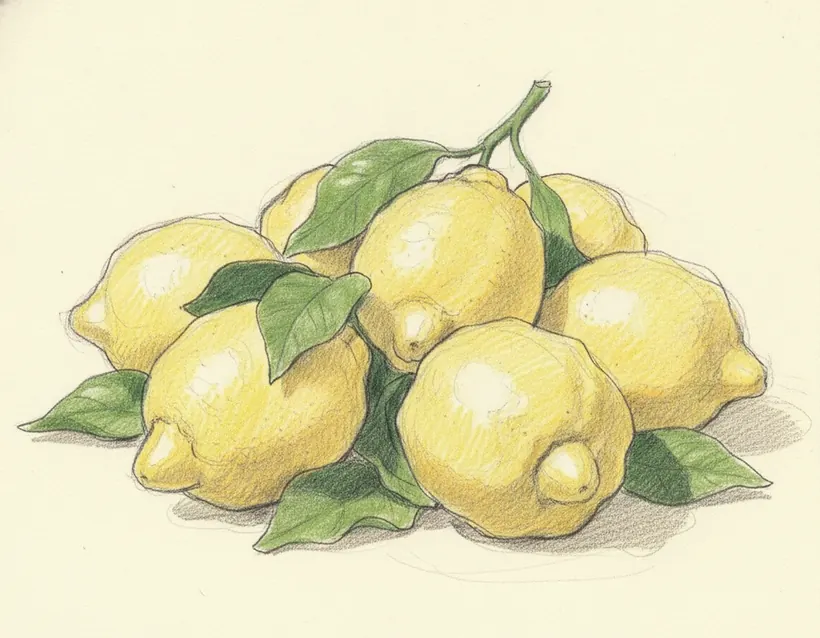
Large, fragrant, thick-skinned lemons of the Sorrento peninsula, rich in essential oils, the base of limoncello.
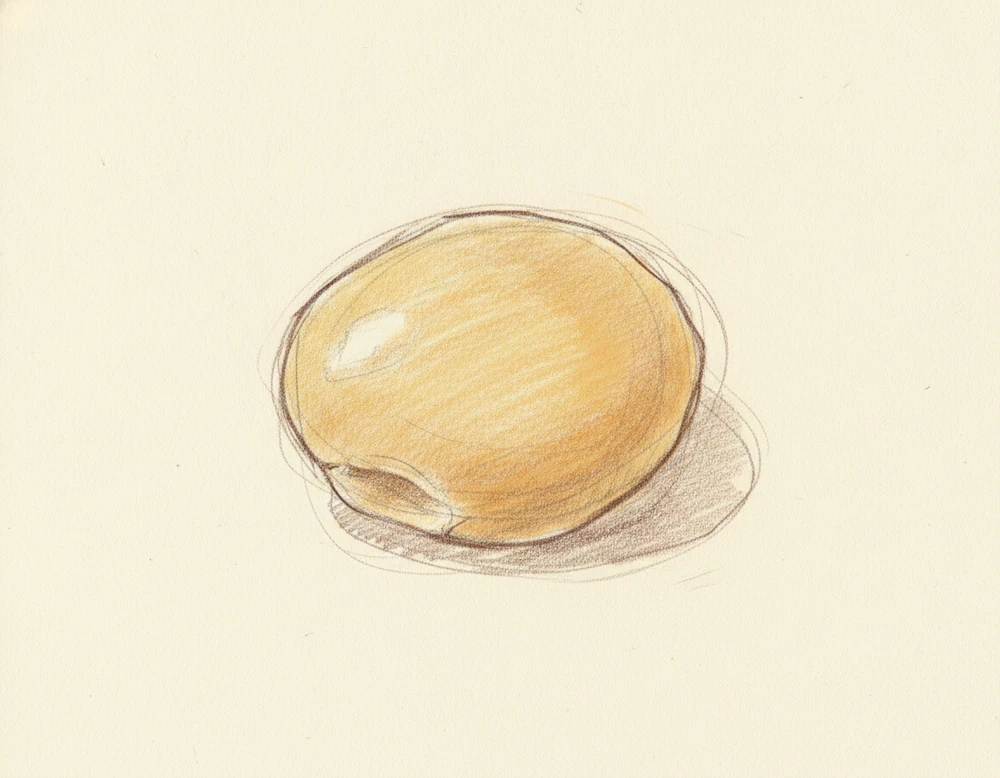
Also called Vairano lupin or lupinaccio, singular for its size. The old cultivation, since abandoned for more profitable crops, wants acid ground, which the volcanic soil around Vairano provides.
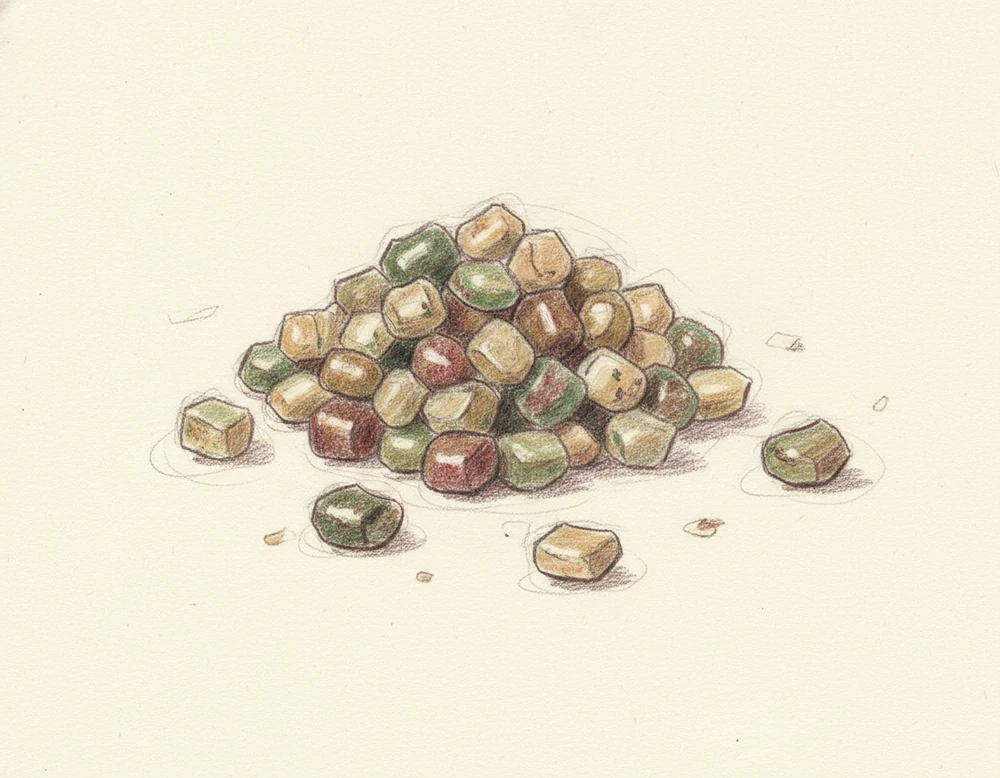
A small legume like a squared-off pea, dark green through brown to red and often speckled or marbled, with a faintly bitter taste. Domesticated between France and Iberia at the very beginning of agriculture, and grown for centuries at Lentiscosa.
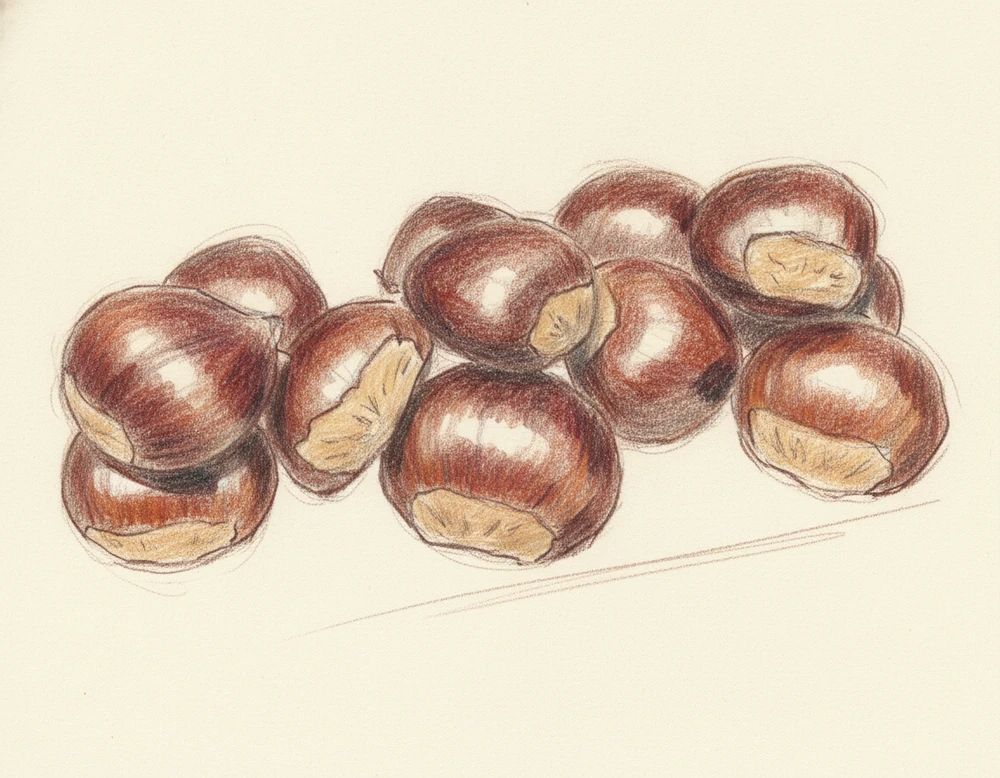
Chestnuts of Castanea sativa from the Serino valley, sold fresh, peeled, dried in shell or dried and shelled whole. The varieties are Montemarano, also called Santimango, Santomango, Marrone di Avellino or Marrone avellinese, and Verdola.
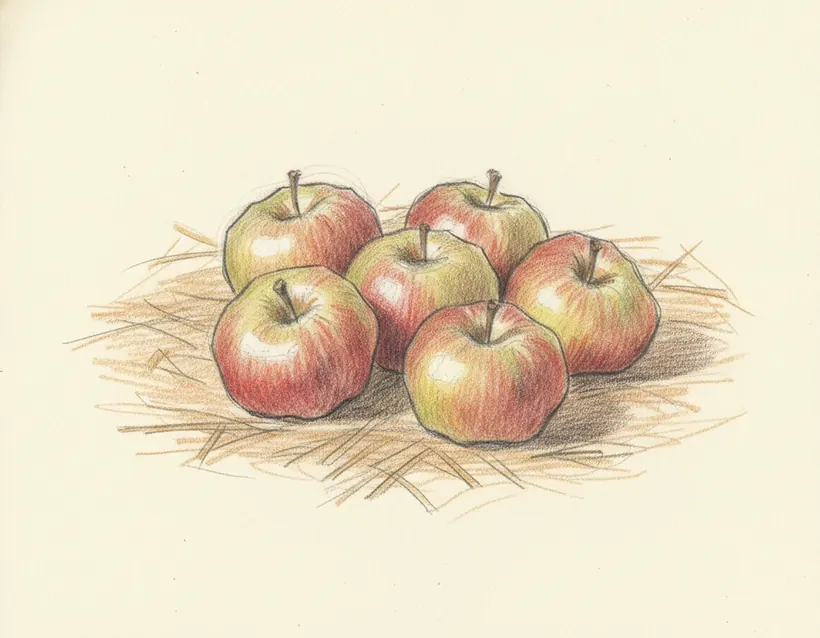
The 'queen of apples', small, crisp, flat-topped apples laid cheek-down to ripen on straw beds in Campanian orchards until the skin flushes red.
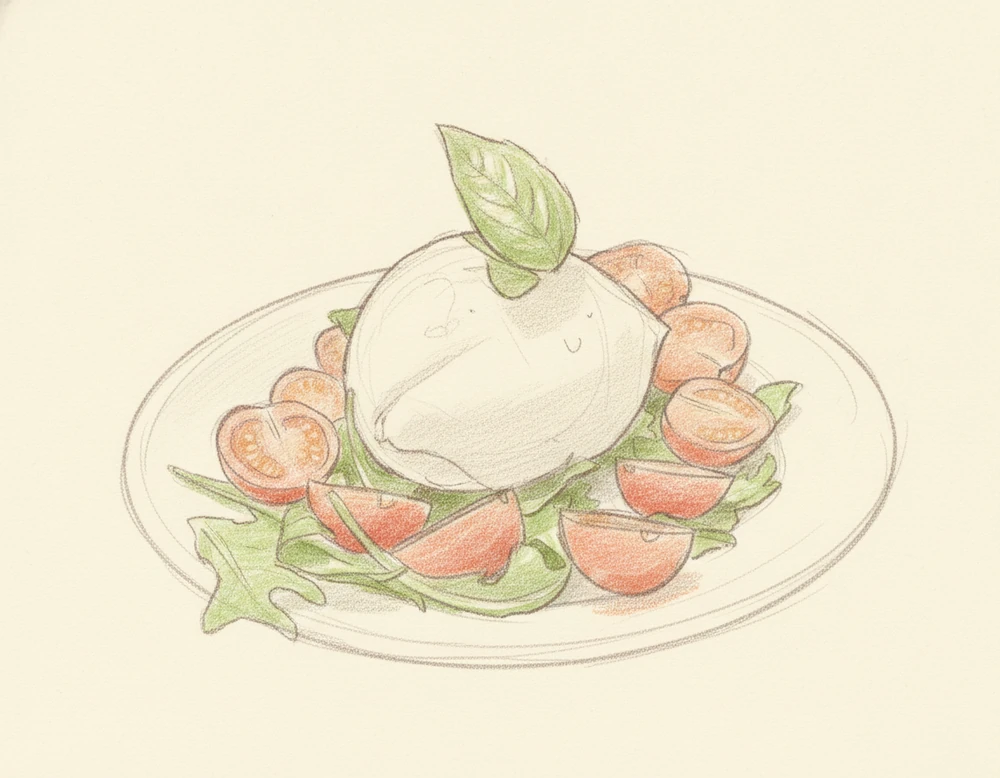
A fresh pasta-filata cheese made only from whole buffalo milk, and by some distance Italy's best-known DOP cheese. Beyond the classic round it is made in the shapes traditional to its zone: bocconcini, trecce, perline, ciliegie and nodini, from 20 g up to 800 g, with braids reaching 3 kg.
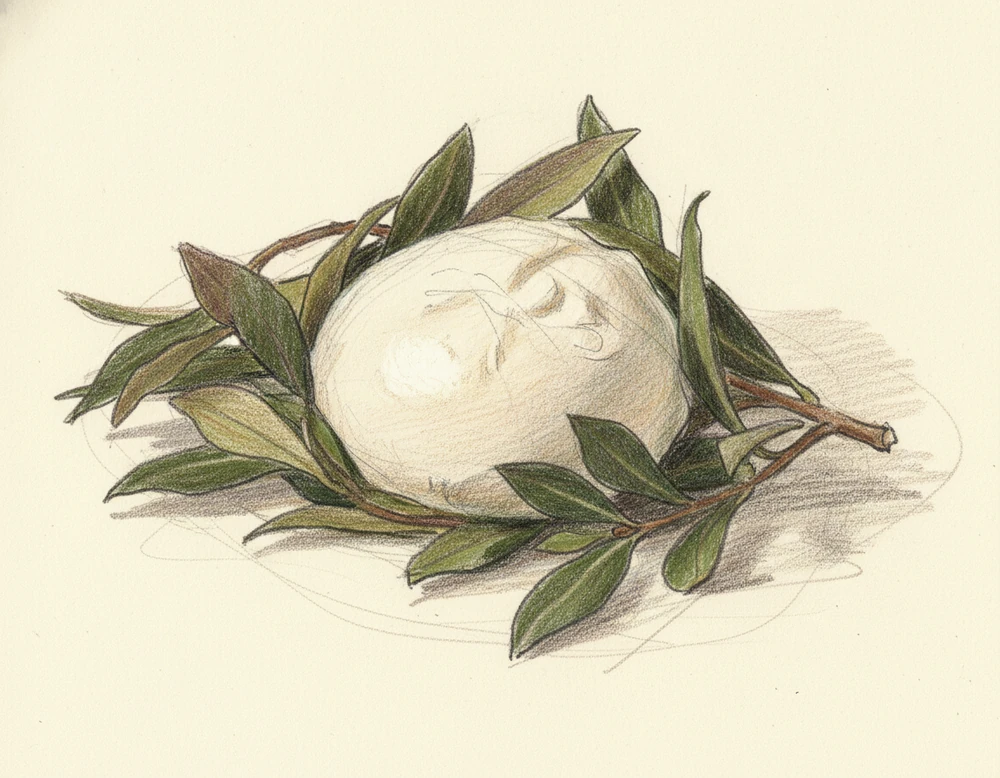
Called muzzarella co' a mortedda in dialect and wrapped in myrtle branches. Italian calls it mozzarella but it is really a very fresh caciocavallo, made the same way: raw cow's milk from one or two milkings brought to 36-38 °C before the rennet goes in.
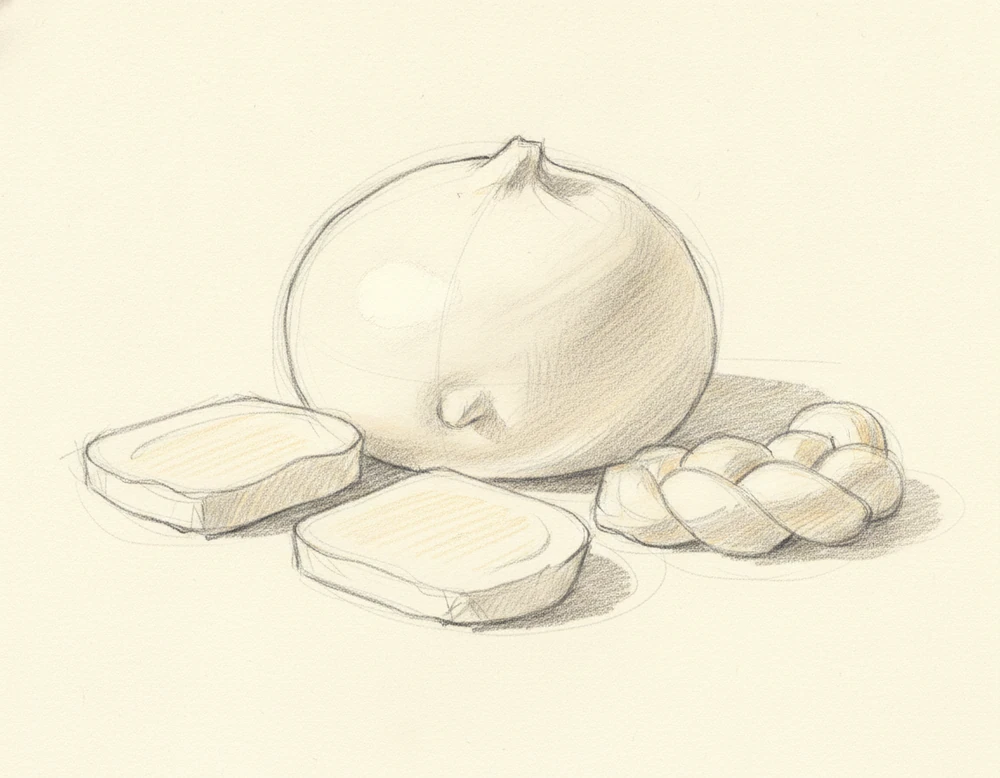
A fresh, soft pasta-filata cheese made by lactic fermentation. Spheroidal from 20 to 250 g, optionally with the little head on top, or braided from 125 to 250 g, packed in a protective wrapper and sold in its governing liquid.
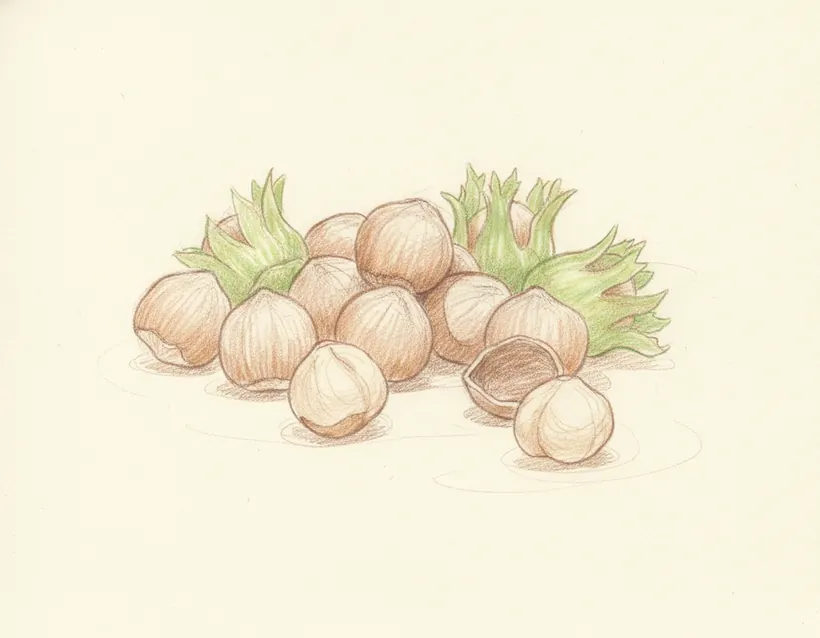
Round, sweet hazelnuts from Giffoni in the Picentini hills, prized by confectioners across Europe.
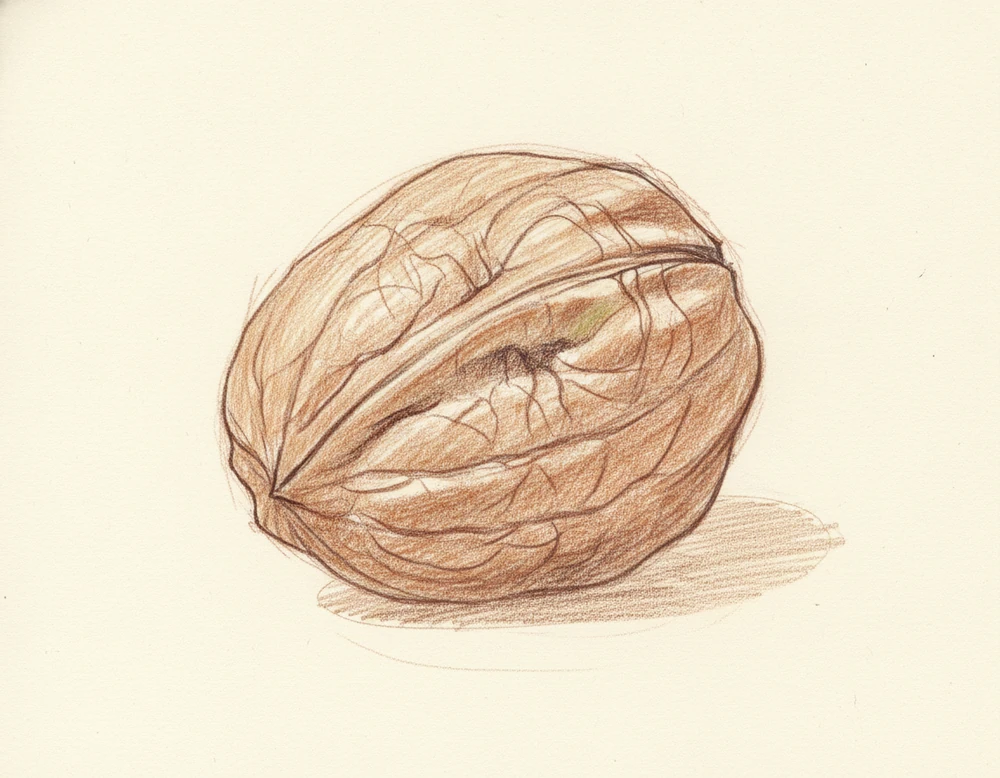
A walnut long prized on the Sorrentine peninsula. Medium-sized and oval with a rounded base and slightly pointed tip, the thin cinnamon shell holding a pale, plump kernel that is crisp but tender.
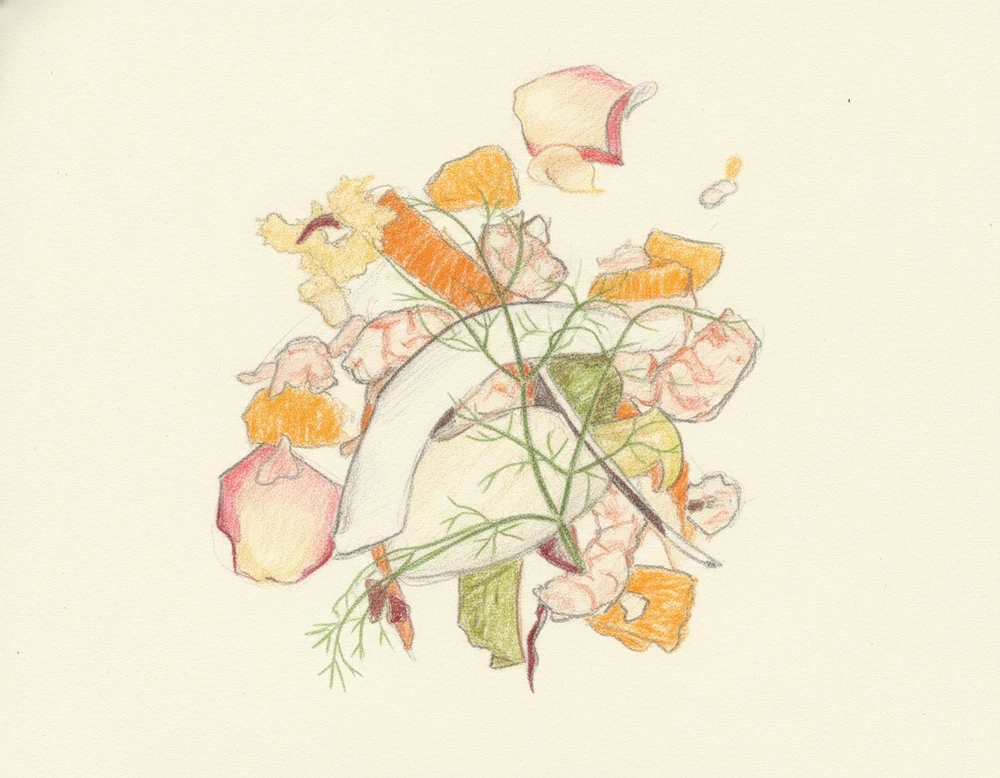
The region-wide Campanian olive oil IGP, drawing on a long list of native varieties alone or together: Asprinia, Caiazzana, Carpellese, Marinese, Minucciola, Nostrale, Ogliarola campana, Ortice, Ortolana, Pisciottana, Racioppella, Ravece and Rotondella, alongside Frantoio, Leccino and Leccio del Corno.
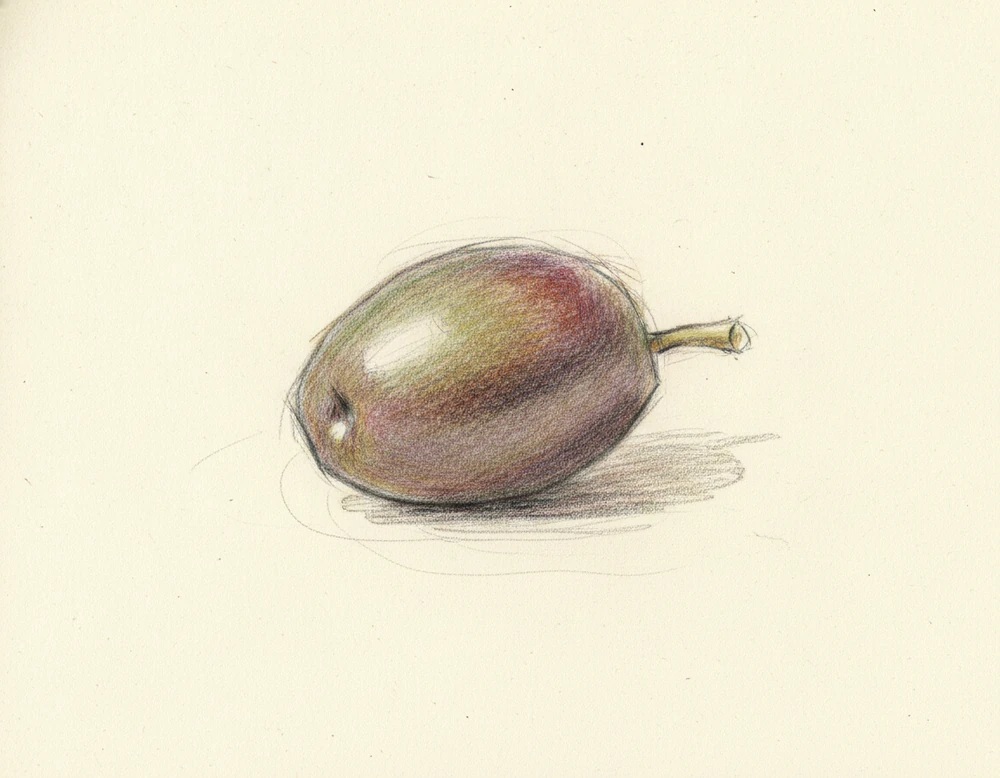
A table olive of the Caiazzo hills, which climb from the plain toward the Matese. The cultivation is old: stone basins hollowed for pressing olives survive there from the medieval period, and the Alvignano and Chiazzo statutes set down rules for it.
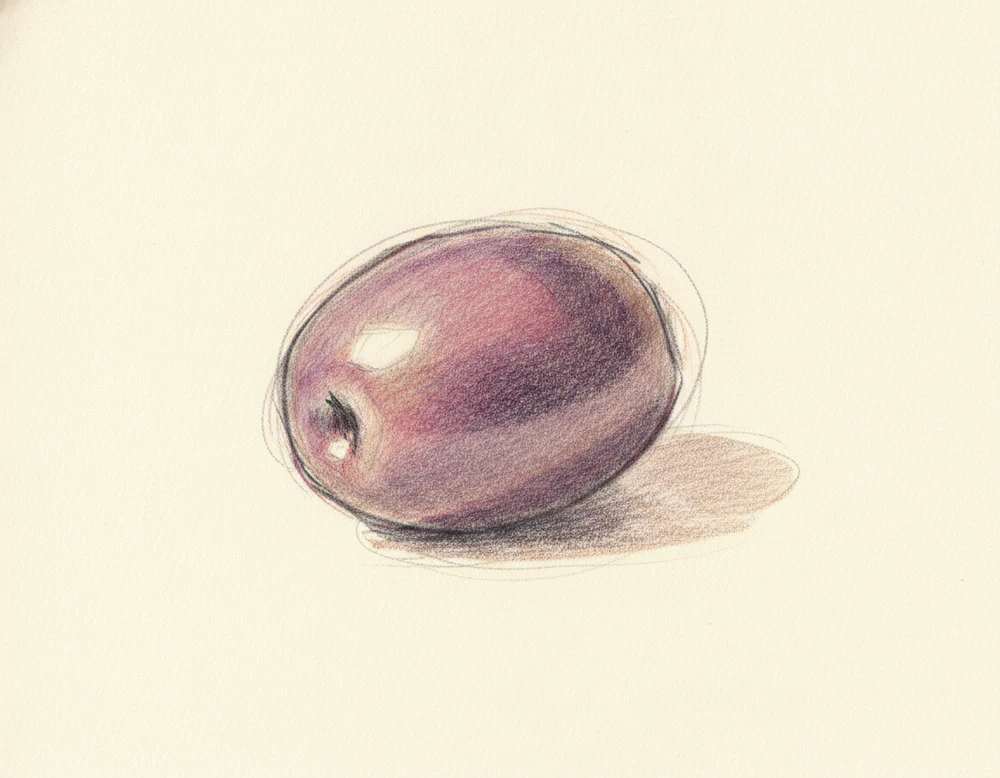
A spheroidal table olive of intense pink to violet, at least 12 mm across and no more than 410 fruit to the kilo, with a flesh-to-stone ratio of at least 3. The flesh must come away from the stone cleanly and completely.
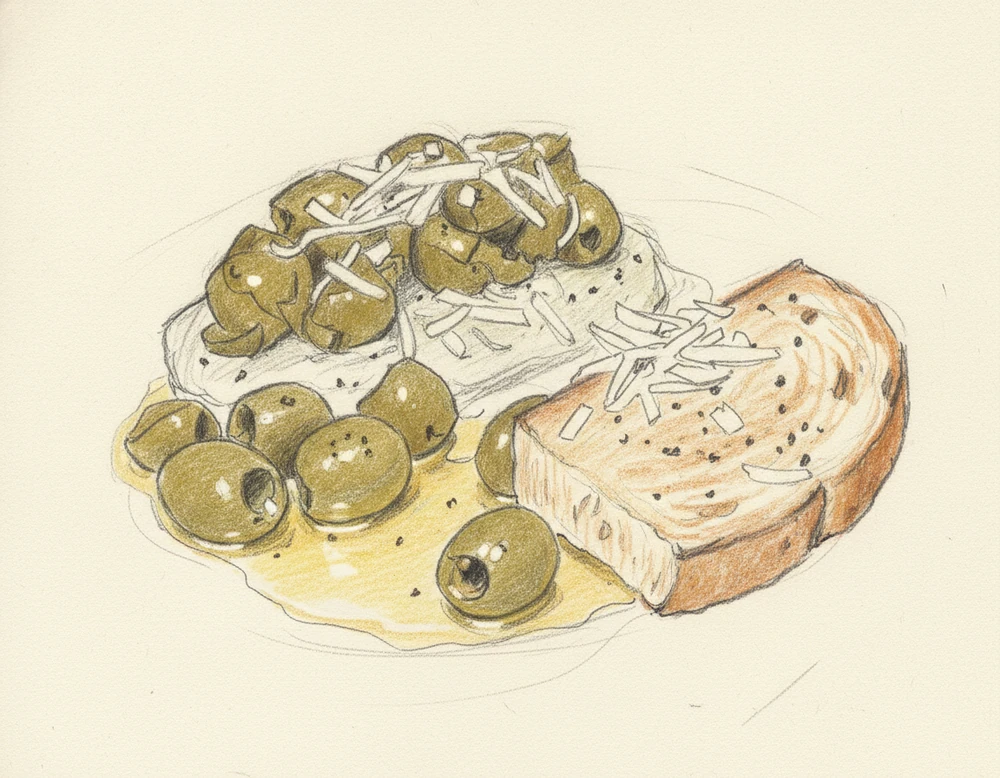
Olives made only from fruit that is fleshy but not yet ripening, cracked one at a time with a sea stone and patiently stoned.
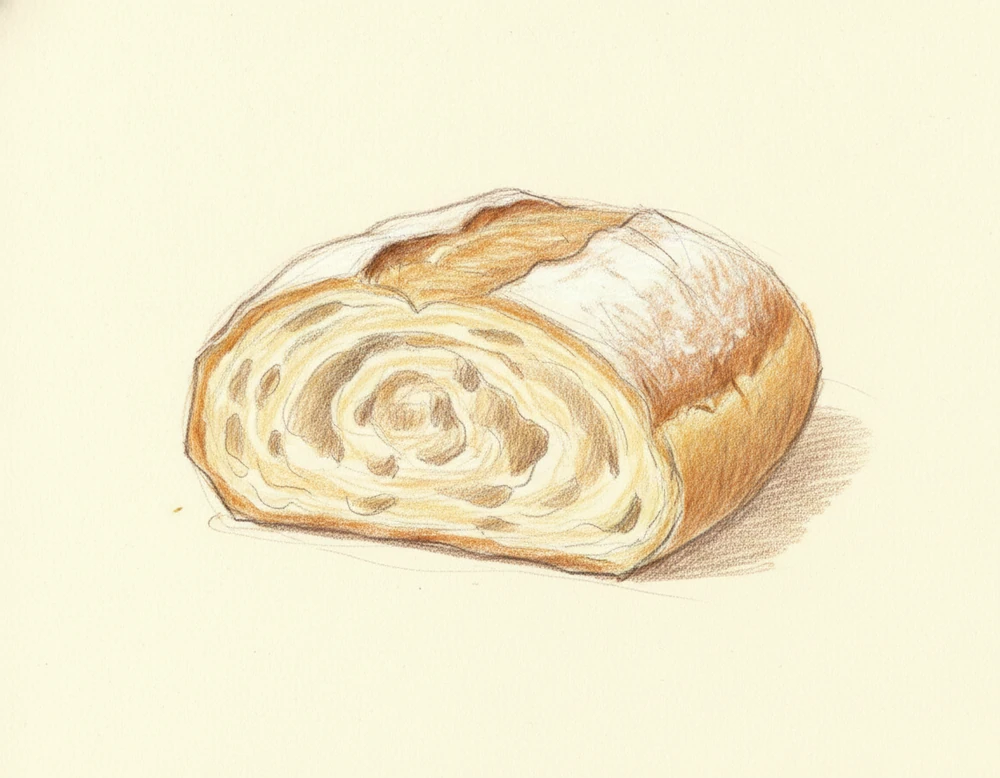
Bread from Saragolla, an heirloom durum wheat still grown inland in the Sannio. It reached Italy from the Middle East around 400 AD with arrivals from what is now Bulgaria, and the name comes from that language: sarga for seed and golyo for yellow.
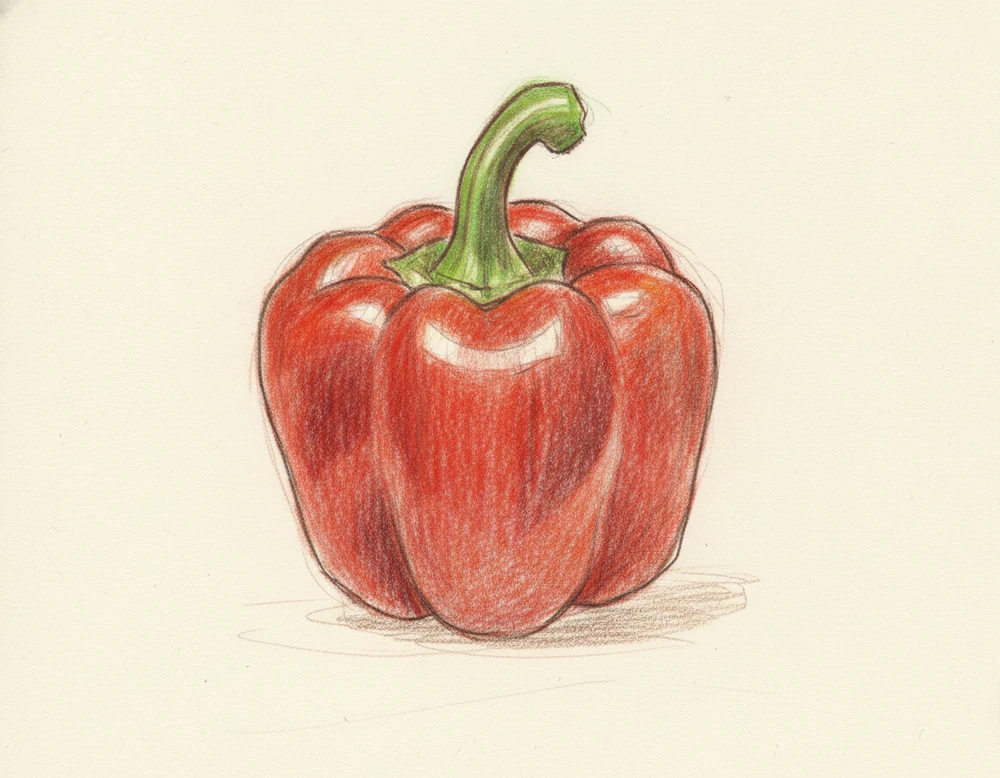
A small ribbed pepper, slightly squat, either bright yellow shading to green or dark red shading to green. Naples market stalls fill with peppers from July to the first cold, but only Neapolitans reliably tell the true papaccella from the common hybrids.
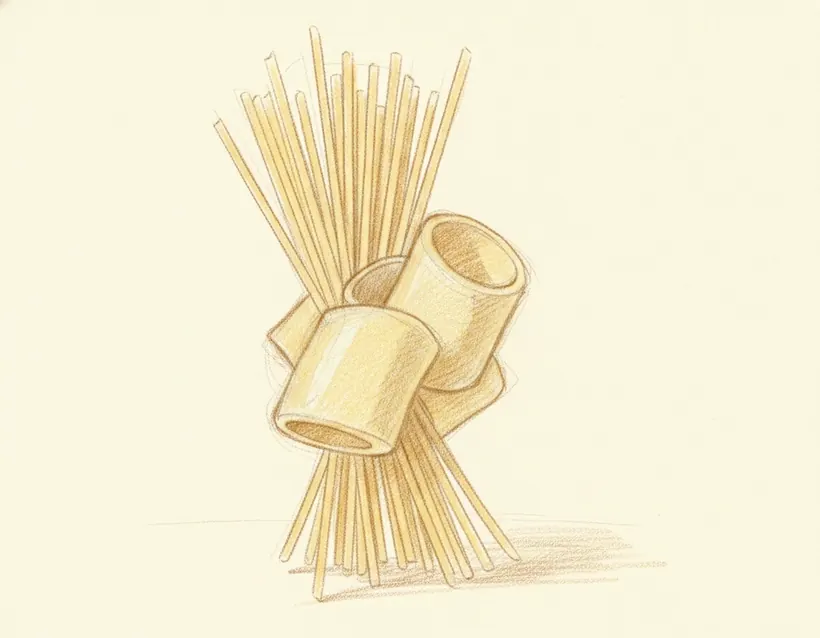
Bronze-die durum pasta slow-dried in the sea air of Gragnano since the 1500s, its rough surface made to grip sauce.
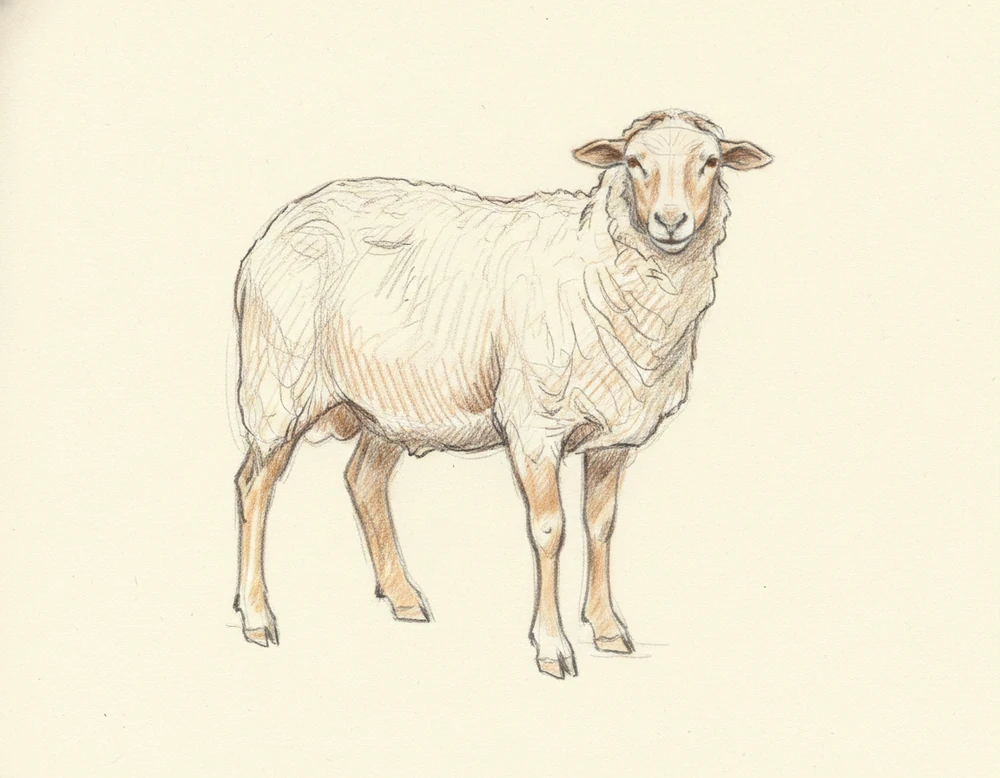
A sheep whose name is Latin latus and cauda, broad tail, and that is the first thing you notice: a wide tail that stores fat and water. The breed came out of crosses including the North African Barbary sheep with the local Appenninica.
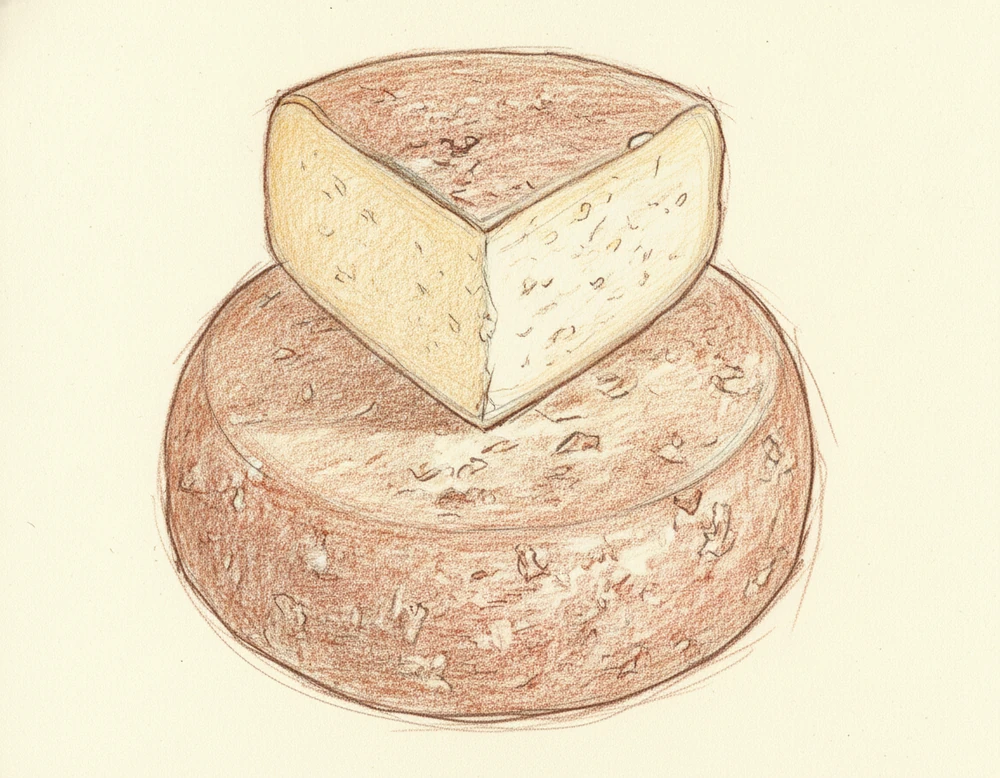
A sheep cheese from Carmasciano, a grazing area of roughly four kilometres' radius in the Ansanto valley of upper Irpinia. The pastures run down the south-facing slope from Monte Forcuso between 800 and 500 m, ground Virgil describes in the Aeneid.
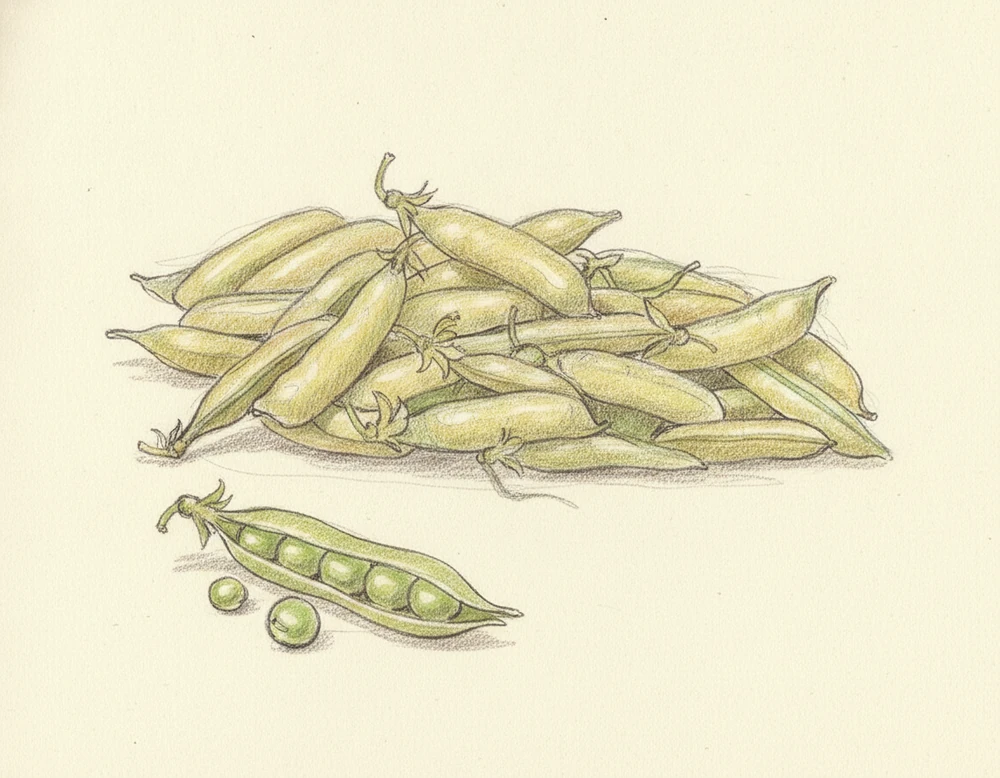
A pea grown on the Vesuvius slopes for at least a century, one of many varieties selected there over time. Peas have been a staple on that ground since the Greeks, Etruscans and Romans. The name means a hundred days, for how long it takes.
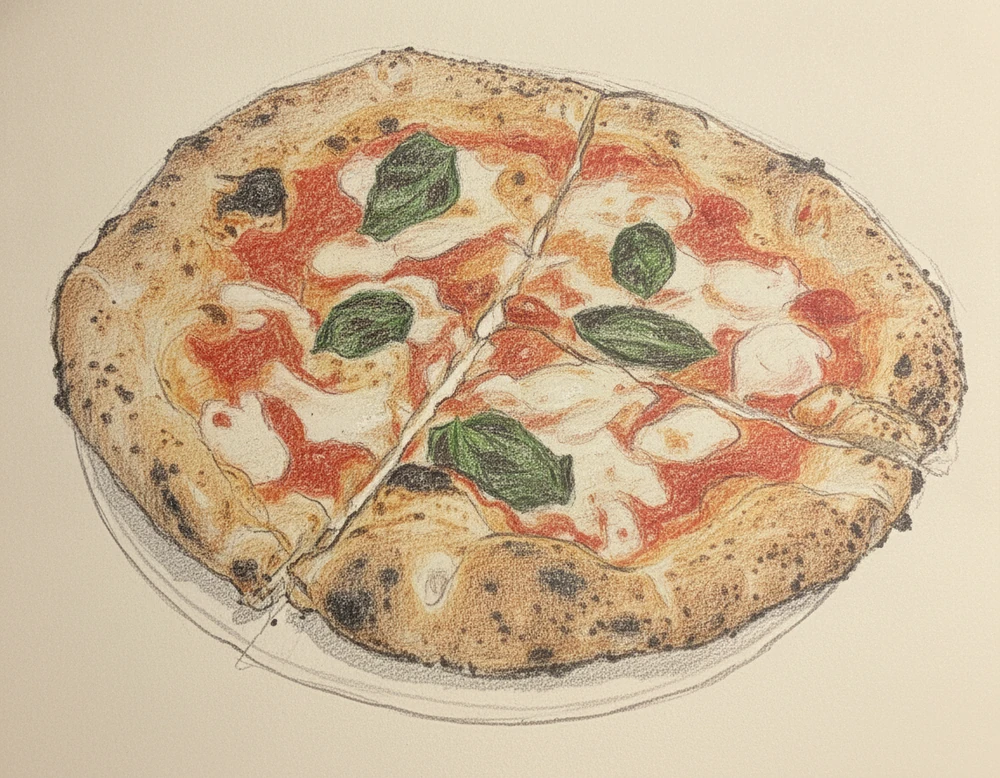
A round baked product no more than 35 cm across with a raised rim, the cornicione, and a topped centre. The centre is 0.4 cm thick with a 10 per cent tolerance, the cornicione 1 to 2 cm, and the whole pizza must be soft, elastic and easily folded into the libretto, the wallet fold.
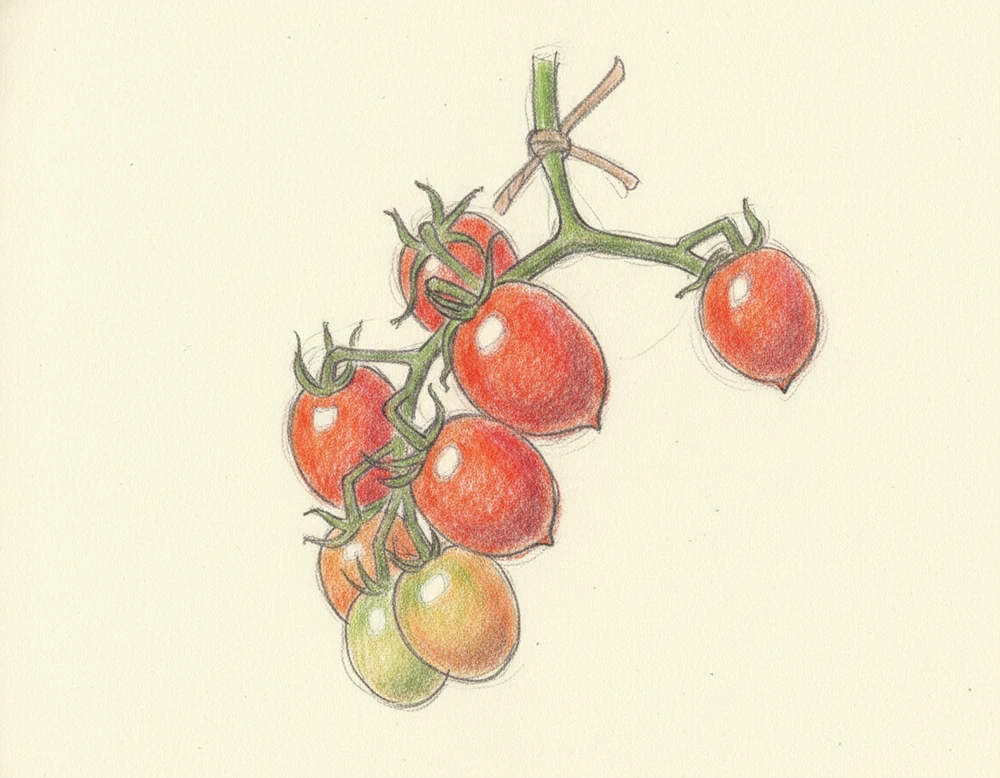
Small tomatoes of ecotypes traditionally grown on the Vesuvius slopes, descending from the popular names Fiaschella, Lampadina, Patanara, Principe Borghese and Re Umberto. They are hung in the piennolo, the bunch tied and kept through the winter.
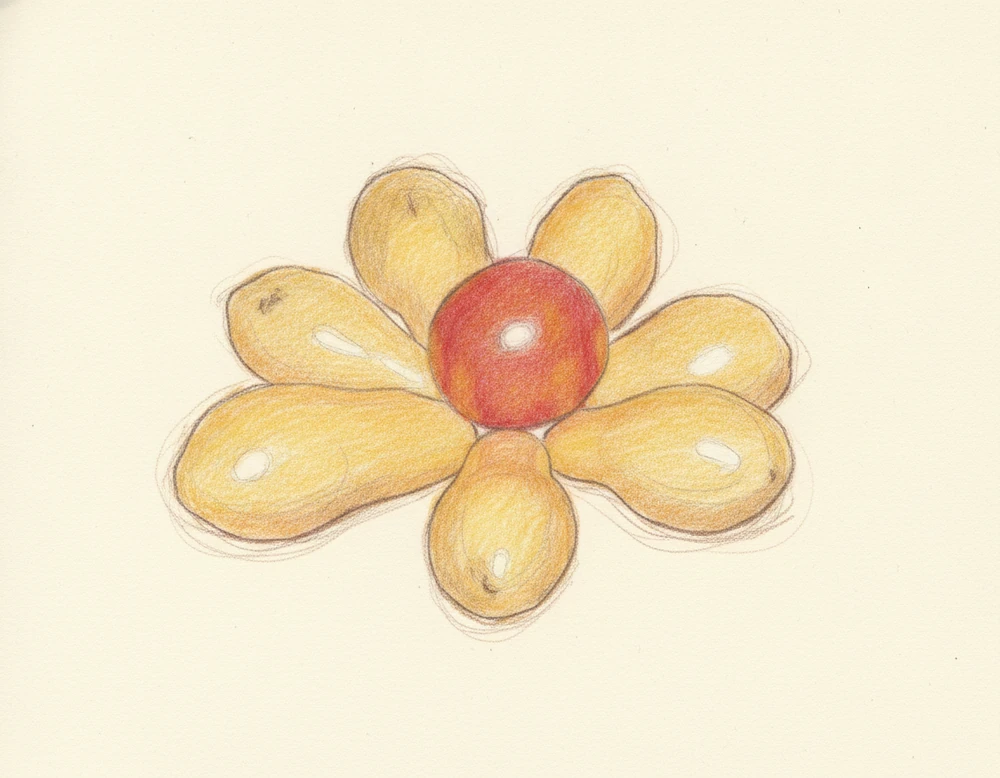
A keeping tomato of the Samnite Apennine foothills, most likely of the cherry family. The fruit is small and round, flattened slightly at the stalk end and sometimes tipped, with yellow skin over pinkish flesh.
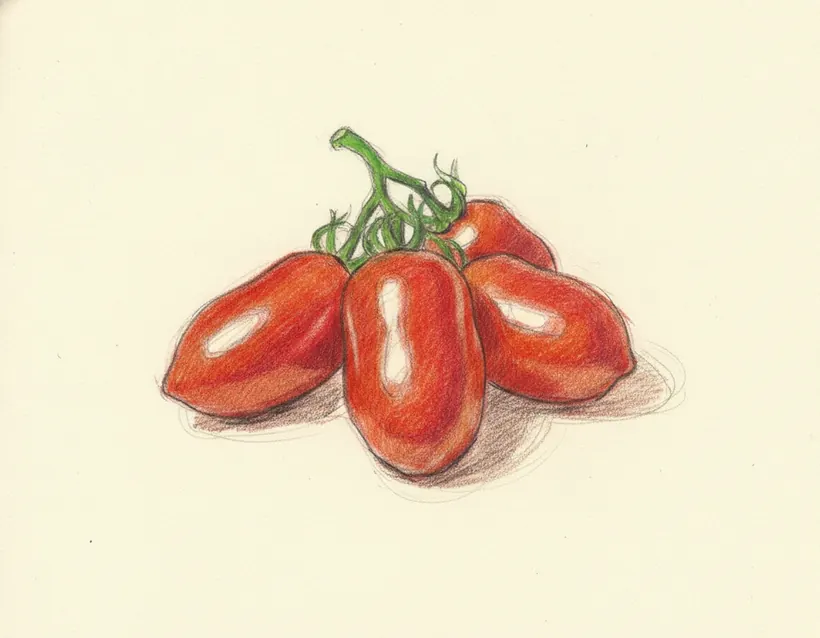
The king of plum tomatoes, long, thin-walled and low in seeds, grown in the volcanic Sarno-Nocera plain and prized peeled for sauce.
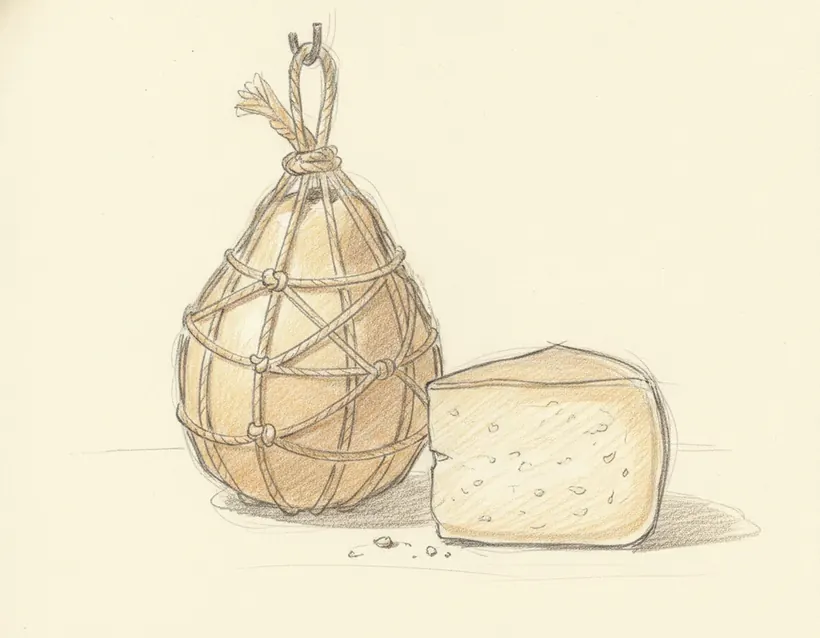
A semi-hard stretched-curd cow's-milk cheese of the Lattari mountains, shaped like a small melon and aged tied with cord.
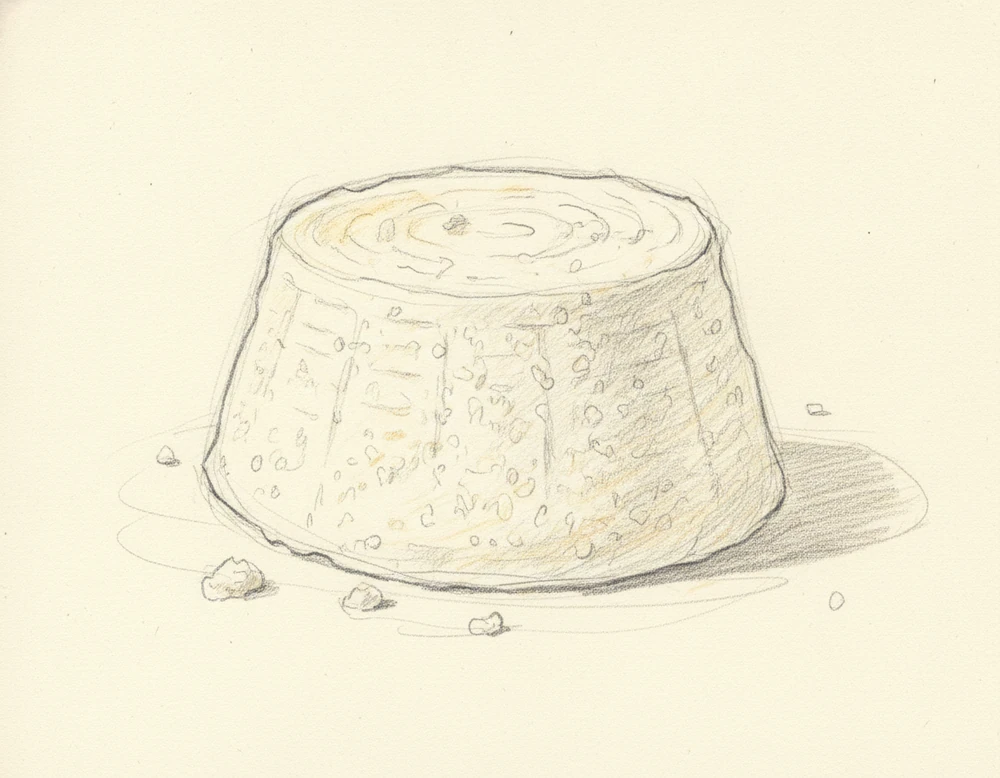
Ricotta made by heat-coagulating the proteins in buffalo whey, high in water and porcelain white. Truncated pyramid or truncated cone in shape, up to 2 kg, with no rind and a soft, grainy texture that must never be sandy.
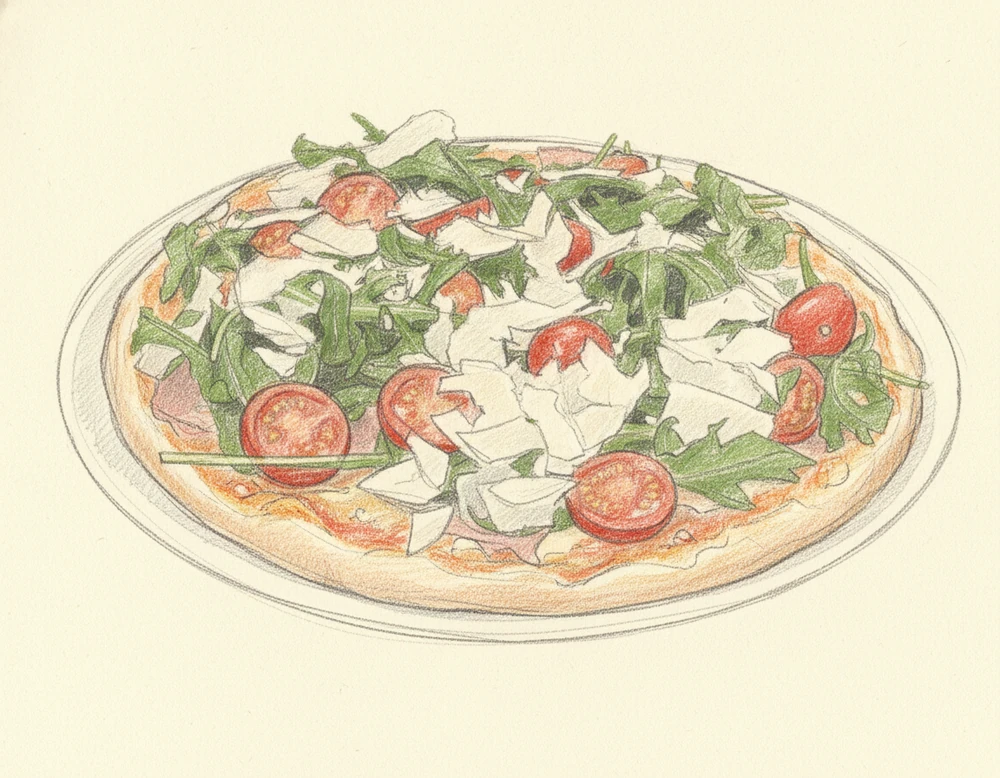
Wild rocket (Diplotaxis tenuifolia) grown on the Sele plain, sold fresh or ready to eat as a fourth-range product after minimal processing.
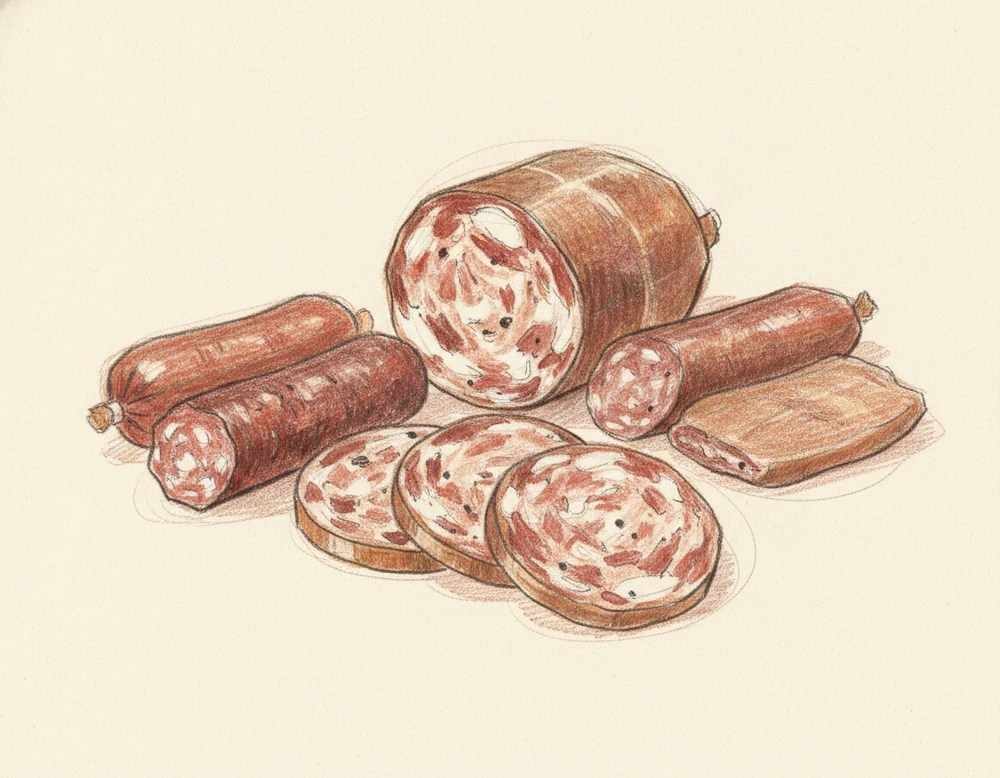
The sausage and soppressata of the Vallo di Diano, a butchery tradition rooted in the valley's farming and herding. A medieval document from Diano, now Teggiano, regulating the sale of foodstuffs already refers to well-packed soppressata and sausage sold by quantity.
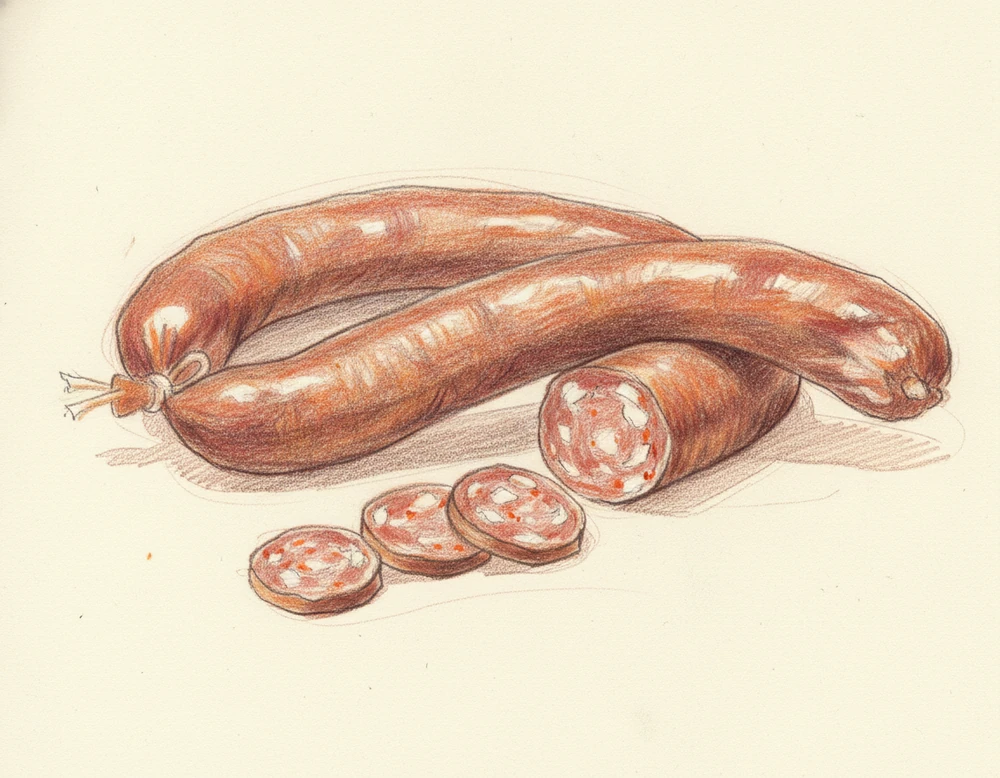
The red sausage of Castelpoto, on the slopes of Monte Taburno. It is made from selected cuts of pork, leg and shoulder, with pancetta added, and takes its colour from ground papauli, the local sweet or hot peppers toasted in a wood oven.
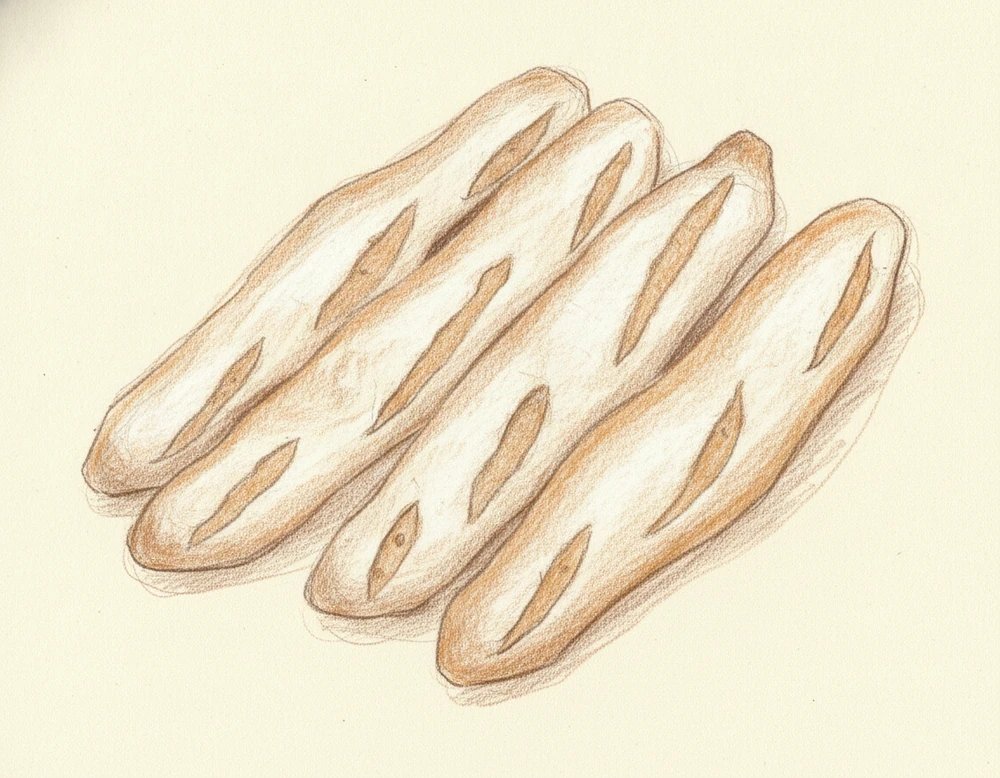
An old rye grown time out of mind by the farming communities of the Matese massif, across Campania and Molise. Hardy enough for poor soil and hard weather, it is still sown between 900 and 1,200 m without fertiliser or chemical treatment.
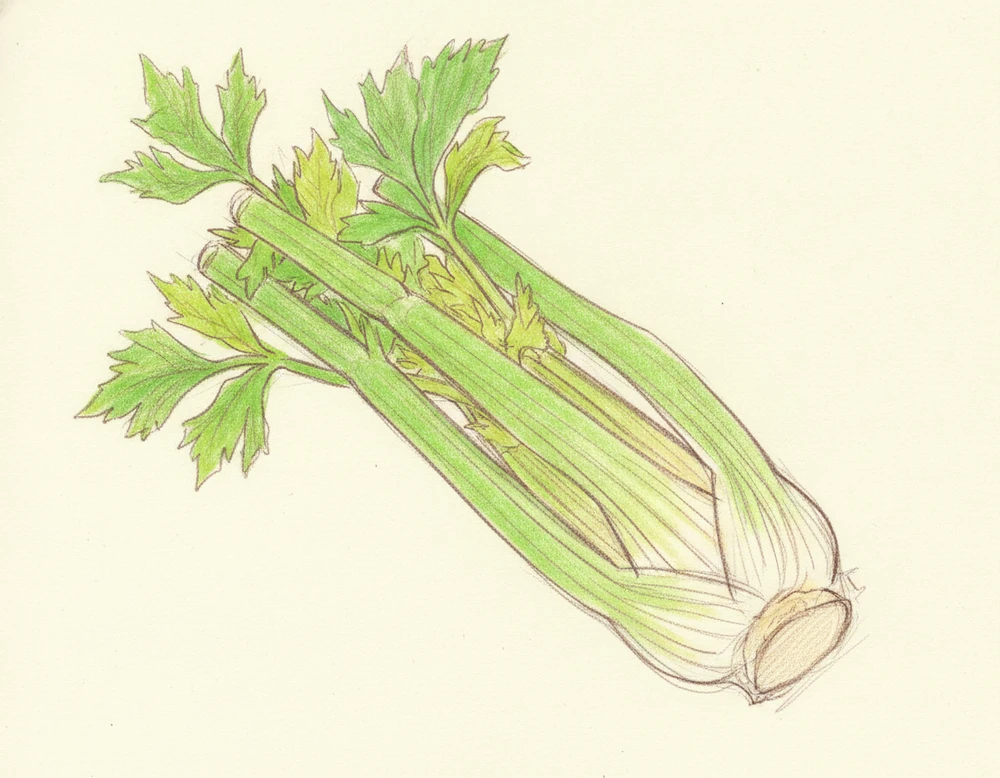
Called accio in dialect, a local celery grown around Gesualdo in Irpinia, on the ridge between the Ufita and Calore valleys. The ground there is in sun the whole day, which gives the ribs their bright green; the stem stays paler.
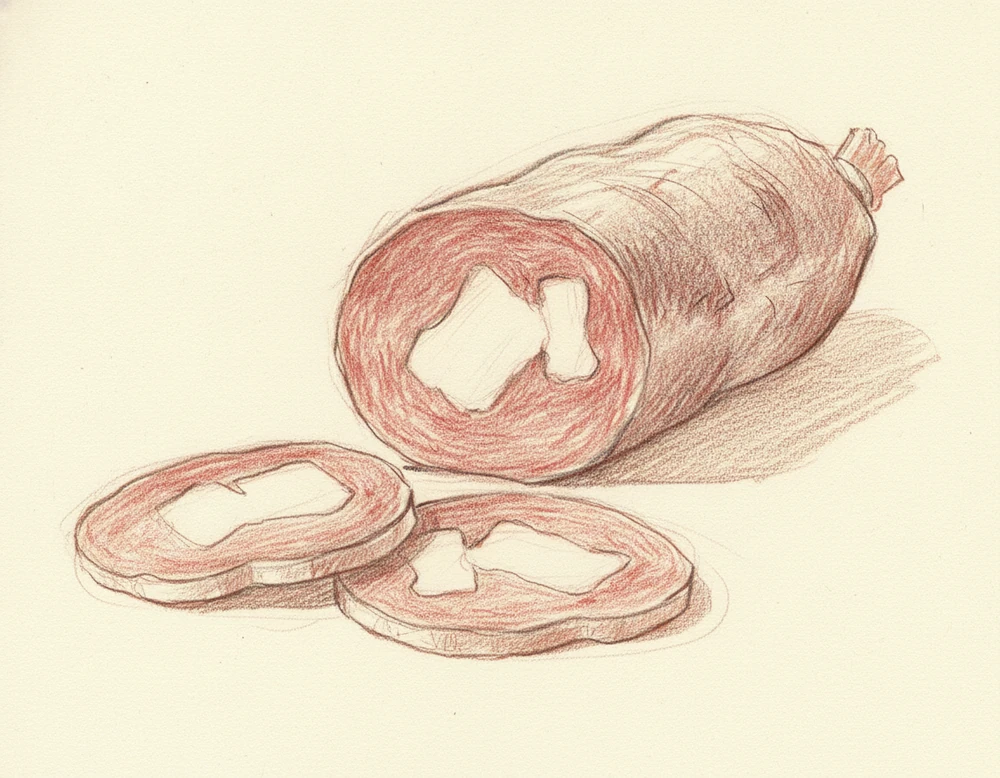
A soppressata already noted in an 1835 agricultural text, made only from the prime cuts: fillet, thigh, loin and shoulder.
Extra-virgin olive oil from the Aurunci mountains of northern Campania, at least 70 per cent Sessana, with Corniola, Itrana and Tenacella making up the rest, drawn only from groves registered with the control body.
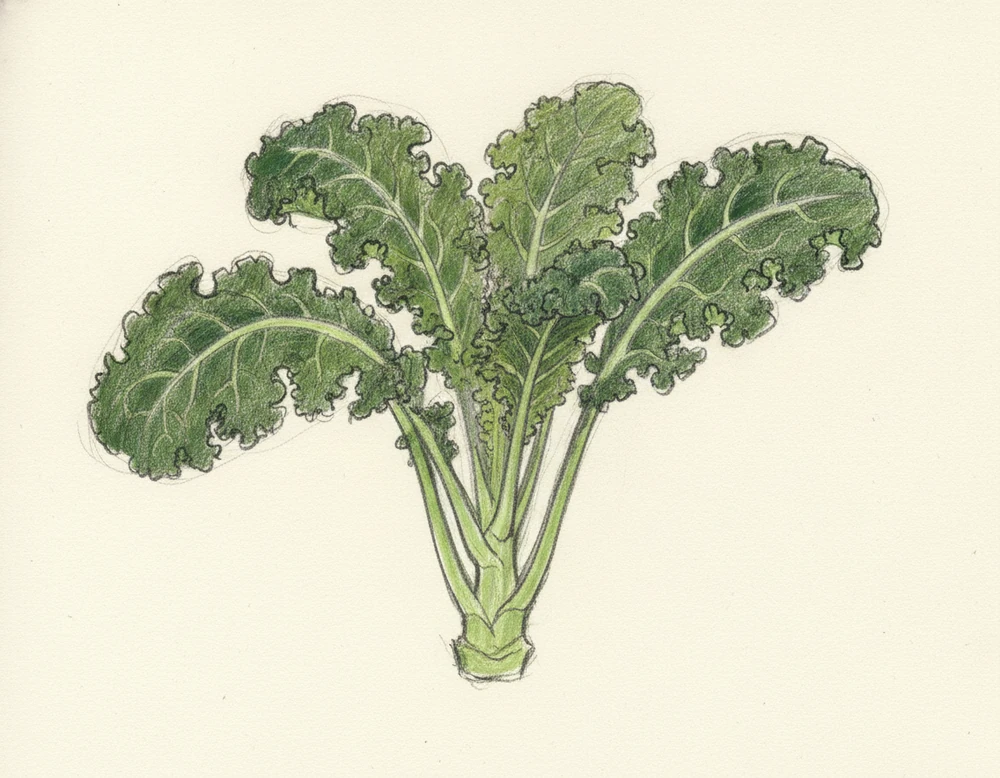
One of the oldest brassicas there is, out of the eastern Mediterranean more than 4,000 years ago. It reached the Acerra and Nola country below Vesuvius as cavolo greco, Greek cabbage, and that area became one of its most important zones.
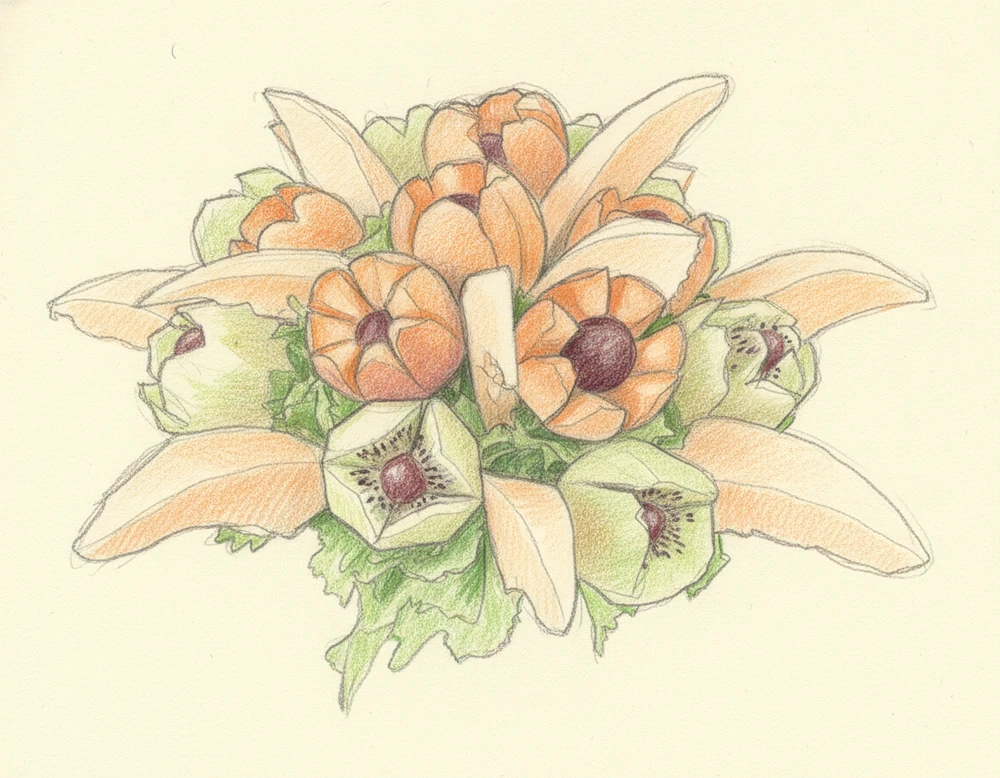
The old apricot varieties of Vesuvius, known in Neapolitan as crisommole. An early-19th-century survey of farming in the Kingdom of Naples put the apricot second only to the fig for abundance around Naples, and best of all on Vesuvius.
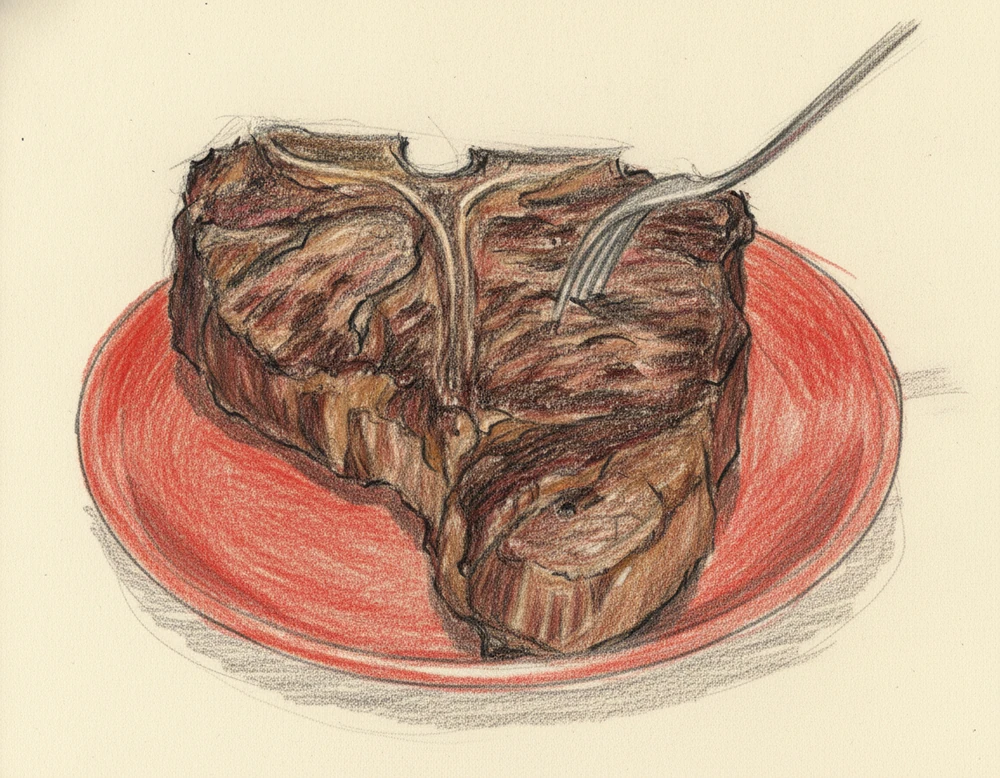
Beef from the white cattle breeds of the central Apennine spine, covering a band of thirty provinces from Bologna down to Latina. It is the designation behind the Chianina, Marchigiana and Romagnola beef that Tuscan and Umbrian cooking is built on.