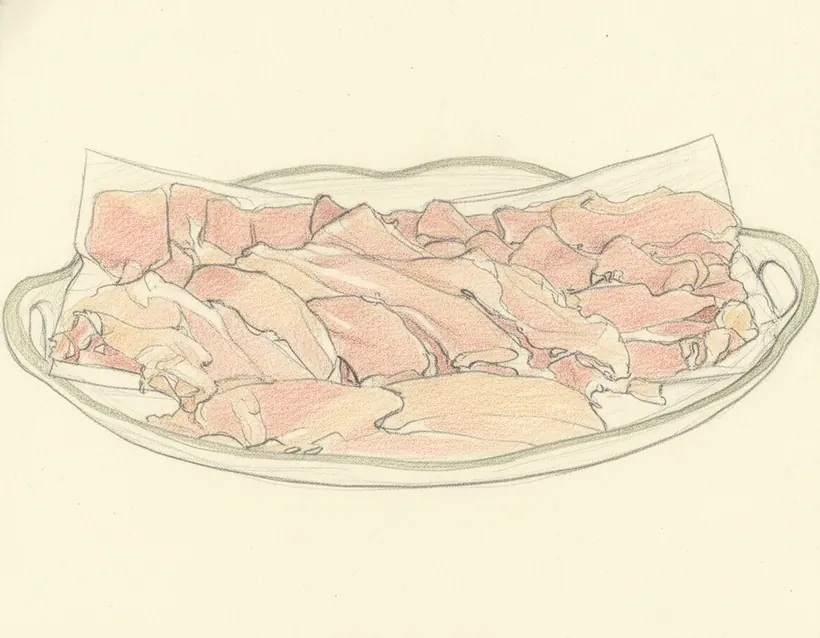
Prosciutto di ParmaParma dry-cured ham
Sweet, air-dried ham aged for months in the Parma hills, sliced tissue-thin and eaten as is or with bread and butter.
Pairs with
Italy's richest table: hand-made egg pasta and slow ragù, Parmigiano Reggiano and Prosciutto di Parma, mortadella and balsamic. Emilia drinks its frothy Lambrusco with everything fatty and fried, while Romagna answers its Sangiovese and the golden Albana.
Sweet, air-dried ham aged for months in the Parma hills, sliced tissue-thin and eaten as is or with bread and butter.
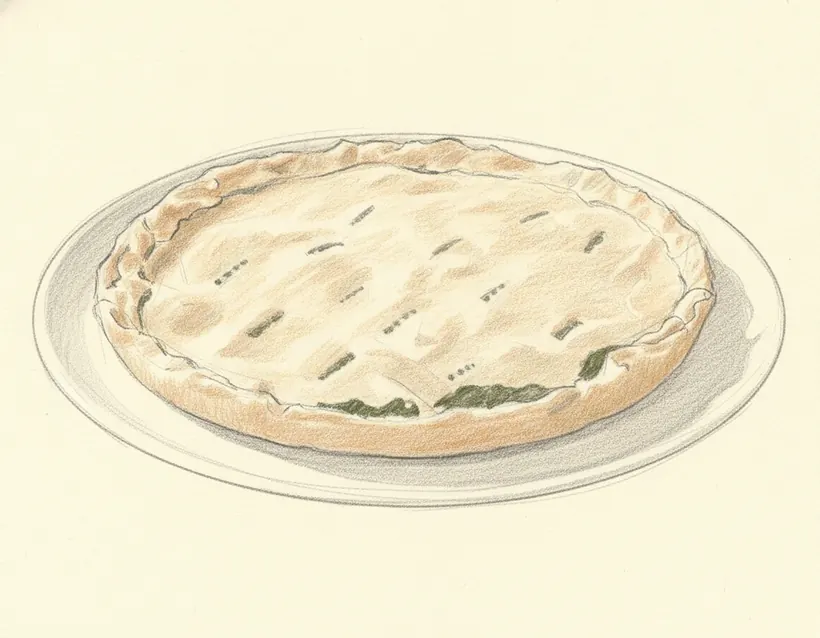
A savoury flat pie of chard (or spinach), Parmigiano and lardo in a thin crust, a Reggio Emilia snack eaten warm.
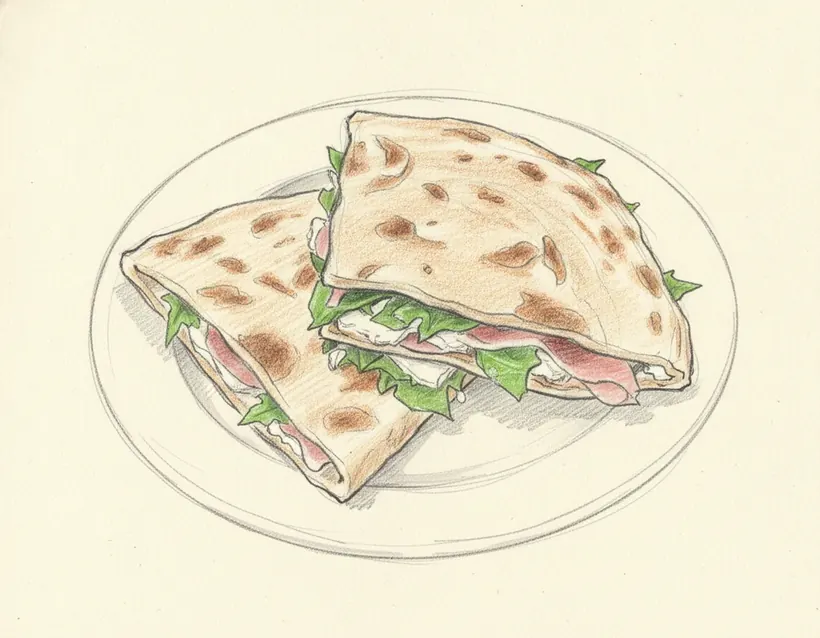
A thin, griddled flatbread folded around squacquerone cheese, prosciutto and rocket, the street food of Romagna.
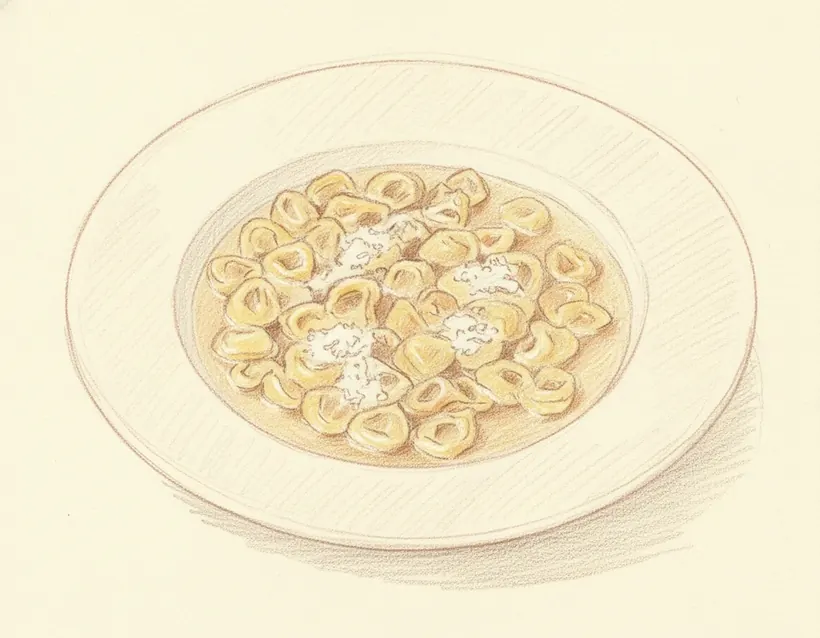
Tiny navel-shaped egg-pasta parcels filled with pork, prosciutto, mortadella and Parmigiano, served floating in a clear capon broth, the Bologna-Modena Christmas dish.
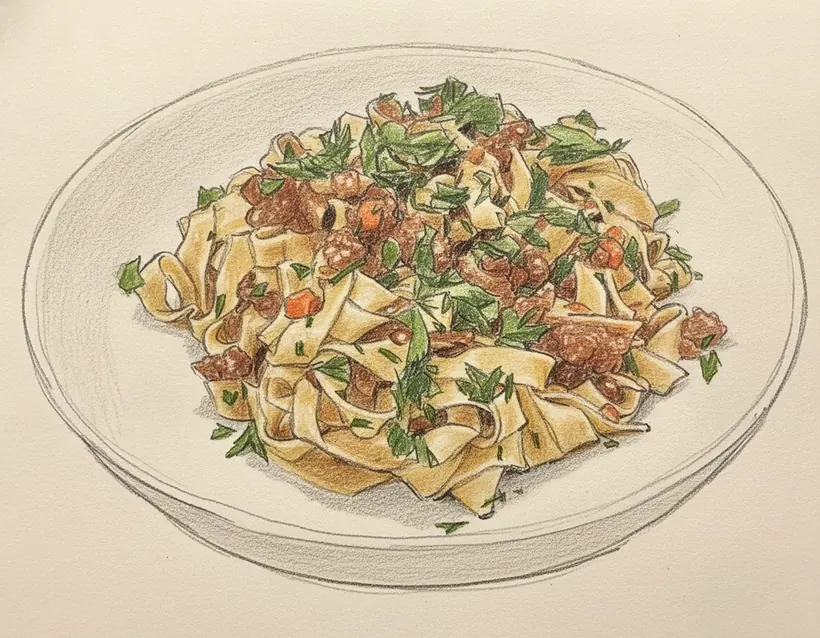
Fresh egg tagliatelle dressed with the true Bolognese ragù, a long-simmered sauce of beef and pork with soffritto, a little tomato and milk.
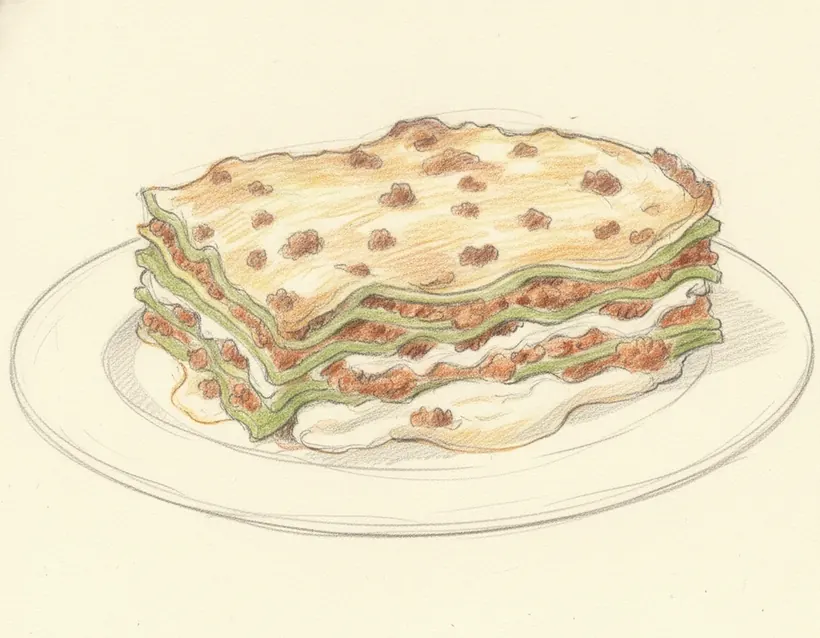
Layers of green (spinach) egg pasta with Bolognese ragù, béchamel and Parmigiano, baked until the edges crisp.
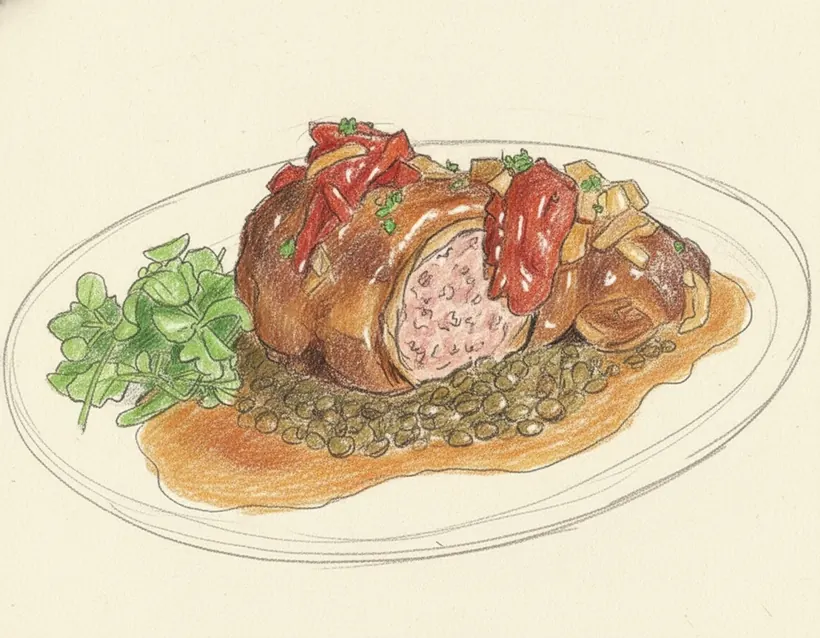
Modena's rich, gelatinous pork sausages (in a boned trotter, or as cotechino) simmered and served with lentils, the New Year's dish.
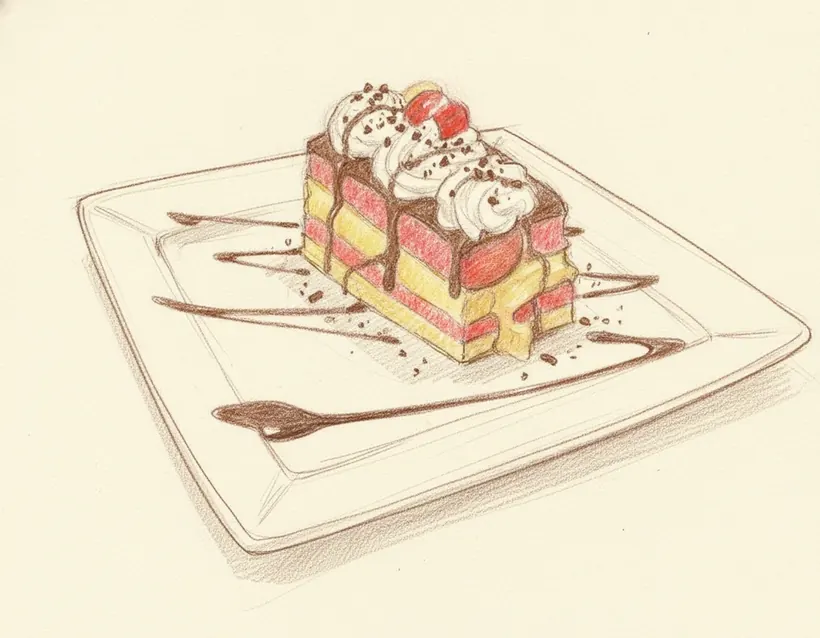
A layered dessert of sponge soaked in bright-red Alchermes liqueur with vanilla and chocolate custard, Romagna's answer to trifle.
DOP, IGP, STG, Slow Food Presidia and traditional specialities of Emilia-Romagna.
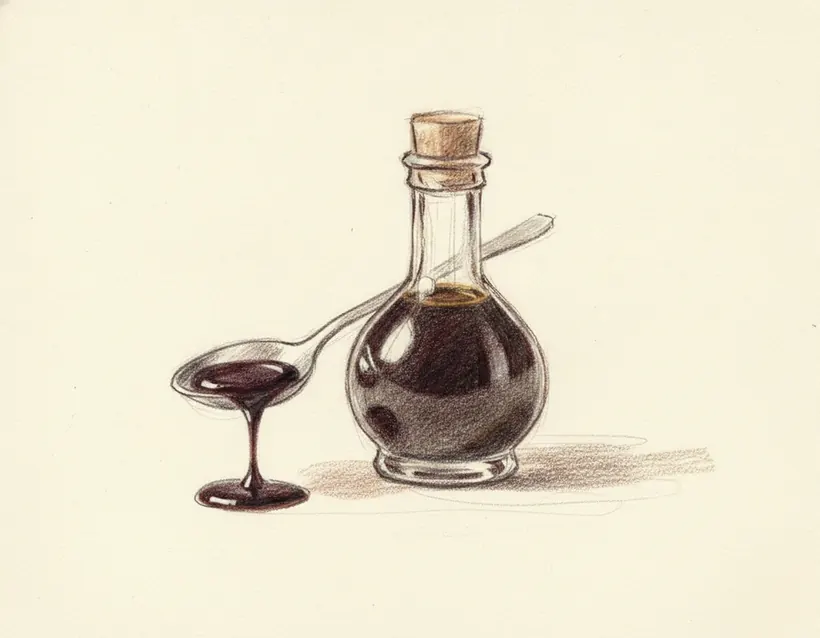
A dense, sweet-and-sour dark balsamic aged at least twelve years in a battery of shrinking wooden casks, served in a few precious drops.
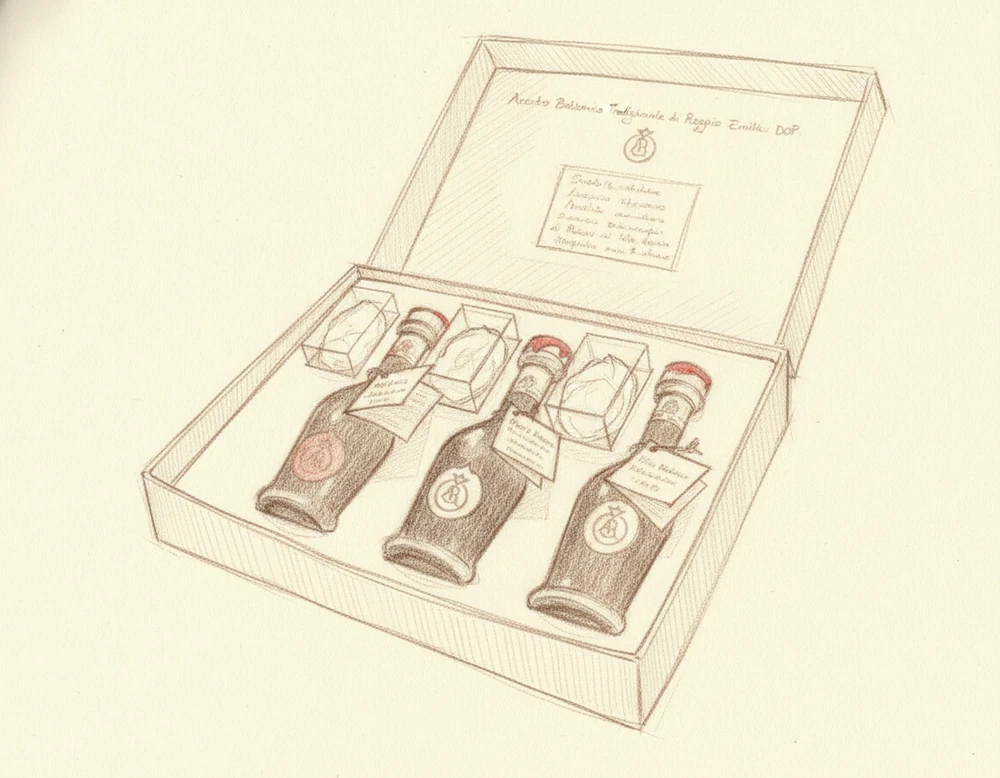
Cooked grape must aged for years down a battery of shrinking casks, made only in the province of Reggio Emilia. The grapes are the local wine varieties: Lambrusco in all its clones, Ancellotta, Trebbiano, plus Sauvignon, Sgavetta, Berzemino and Occhio di Gatta, or any variety registered to a Reggio Emilia DOC.
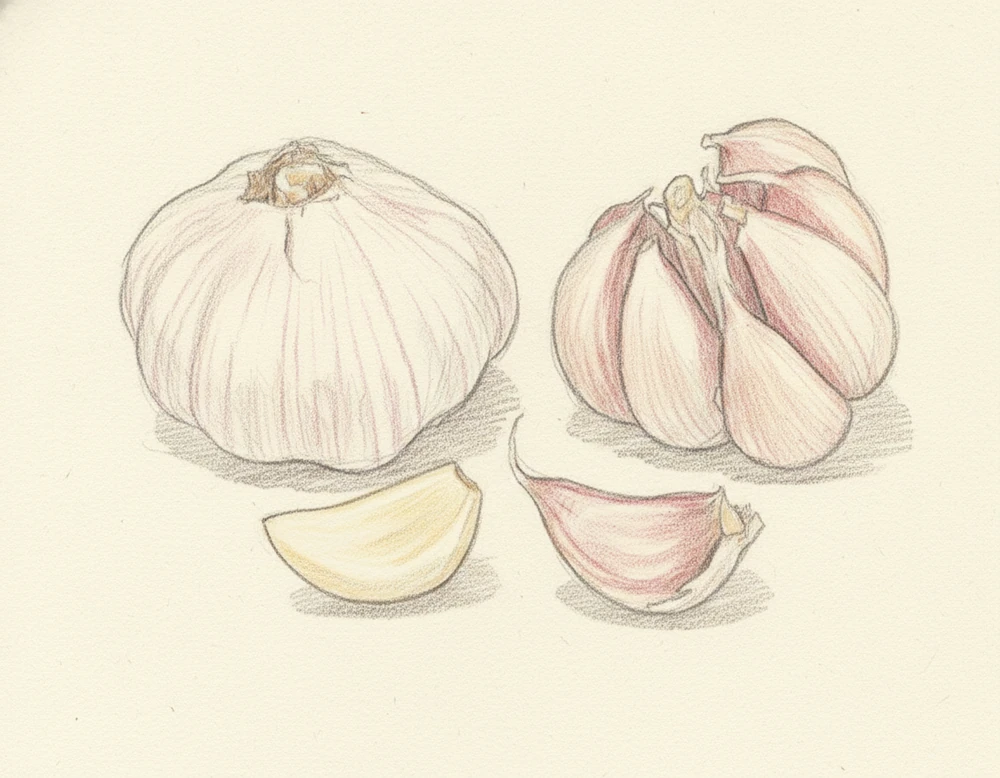
A local garlic ecotype from the Ferrara plain, distinguished by a bright, uniform white bulb only rarely streaked with pink. The bulb is round, regular and compact, flattened slightly where the roots meet it, and the tunics wrapping each clove are white, sometimes pink-striped.
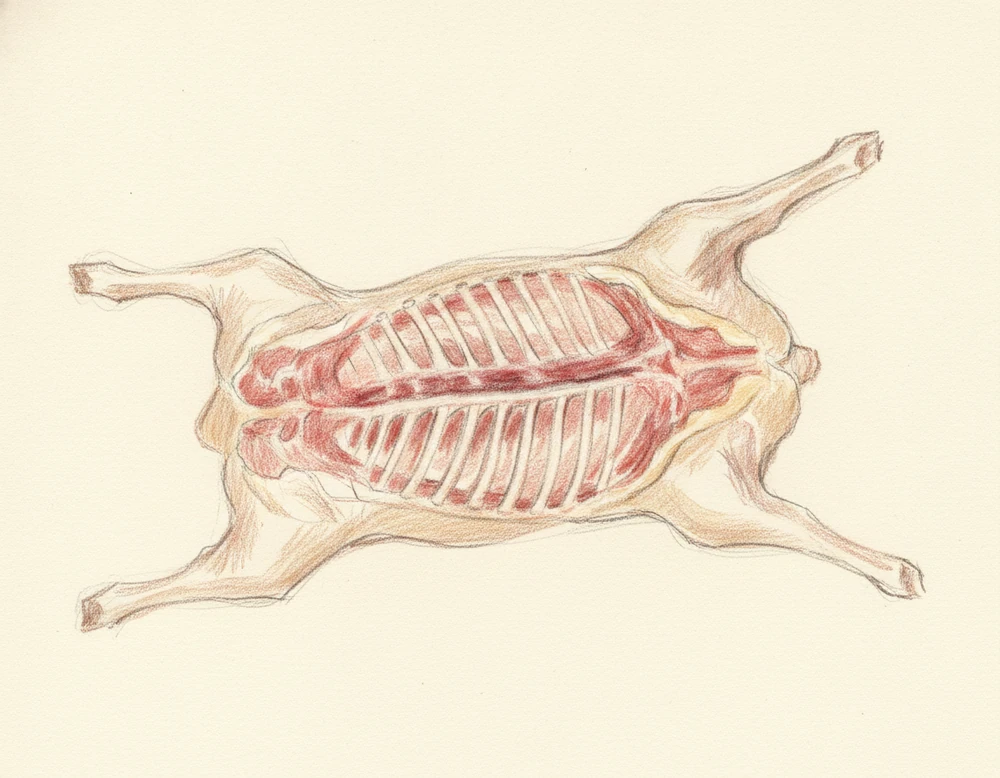
Lamb slaughtered under twelve months of age, graded into three carcass types by weight, conformation and fat cover: light lamb at 8.01 to 13.0 kg, heavy lamb at 13.01 kg and above, and castrato at 20.0 kg and above.
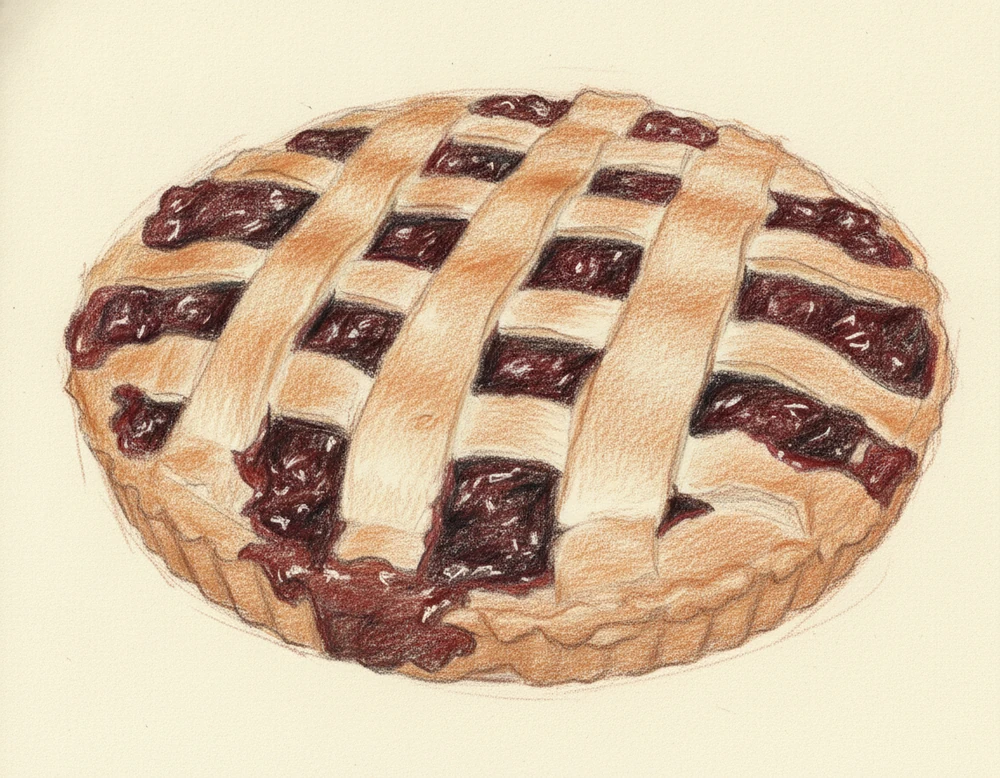
A sour-cherry conserve, soft-set and a deep red-brown with darker glints, balanced between sweet and sharp. Minimum 60 per cent sugar, refractive index 60 to 68 brix, and a pH held between 2.5 and 3.5 to keep the characteristic tartness.
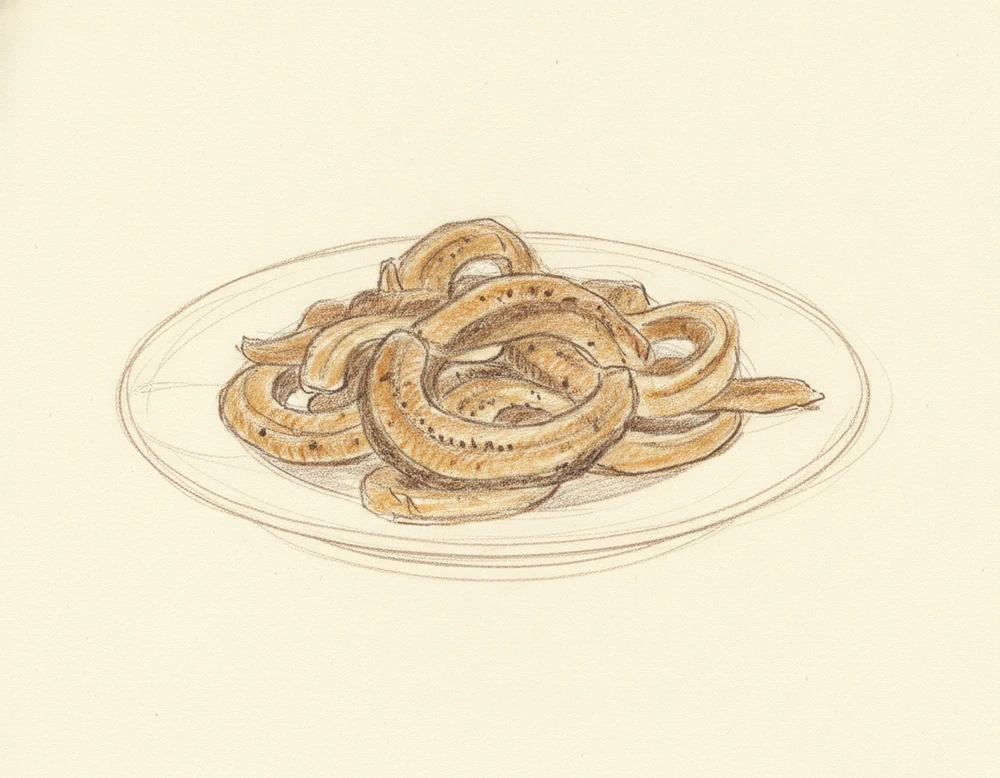
The Po delta has marinated eel for centuries, and the great works were the Manifattura dei Marinati at Comacchio. Because the fishing window is so short, marinating in vinegar was how the catch was made to last.
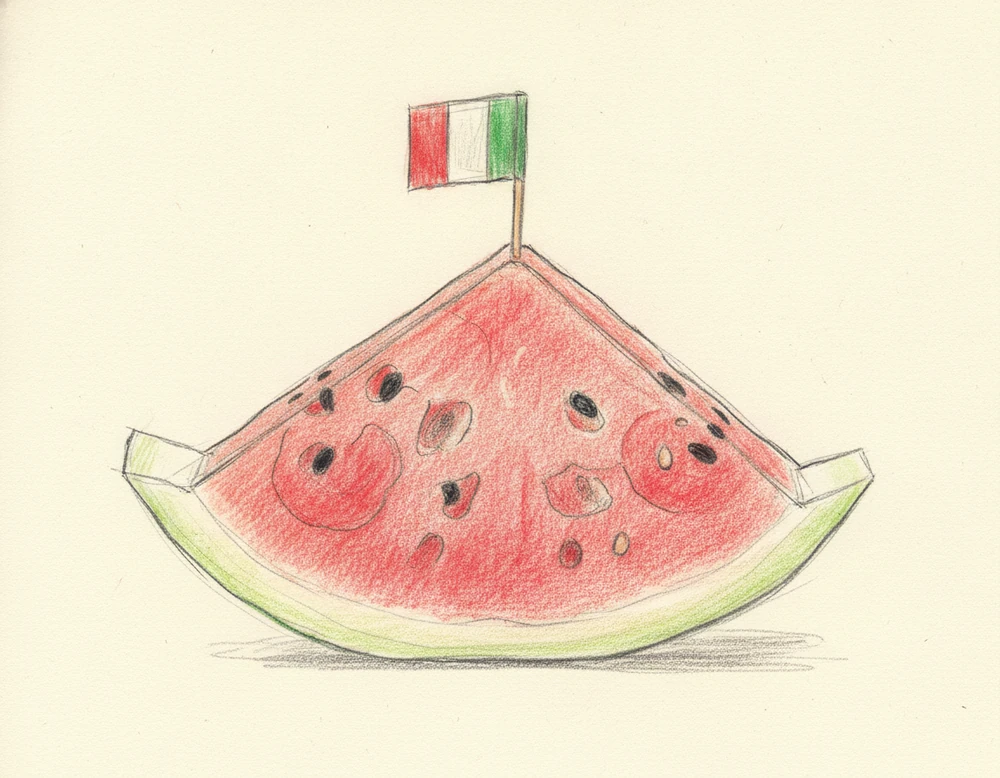
Fresh watermelon (Citrullus lanatus) grown on the Reggio Emilia plain, admitted in a round type with the characteristics of Asahi Miyako, its grey-green rind marked with darker green striping, alongside the other permitted types.
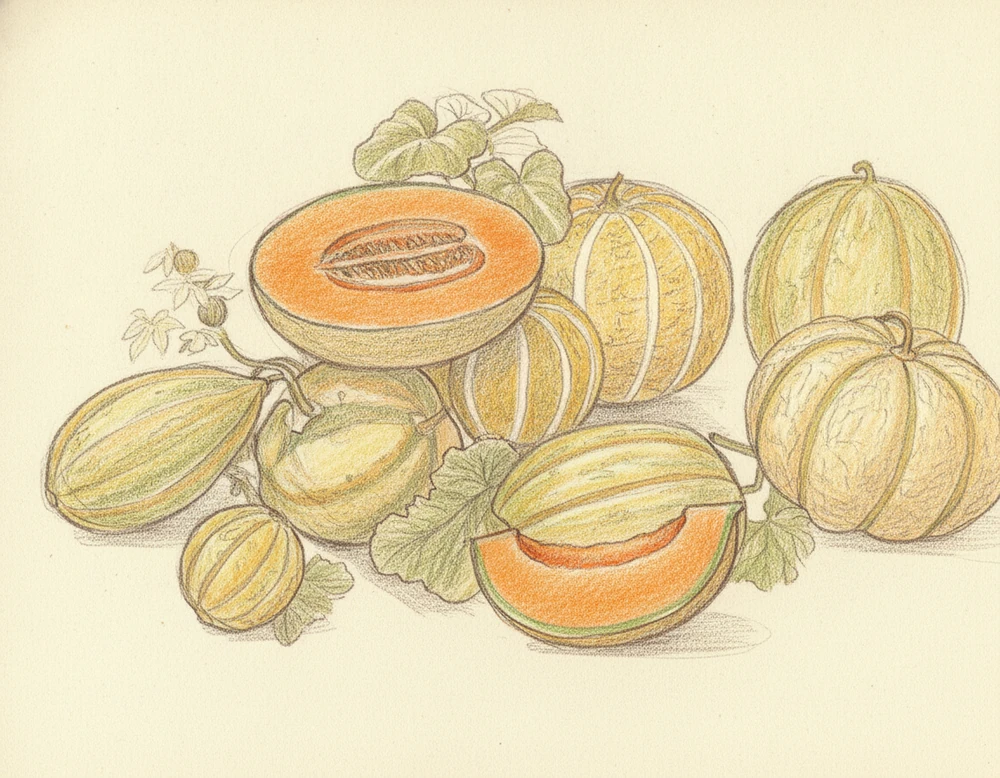
Melons have a long history in the Reggiano, and in the reclaimed valleys between Novellara, Guastalla and Santa Vittoria they were real income for labourers and smallholders selling at the local markets. All three groups were grown: the netted reticulatus, the smooth flat-ended cantalupensis and the long-keeping elliptical inodorus, the winter melons. Some of those local strains survive, though they take finding.
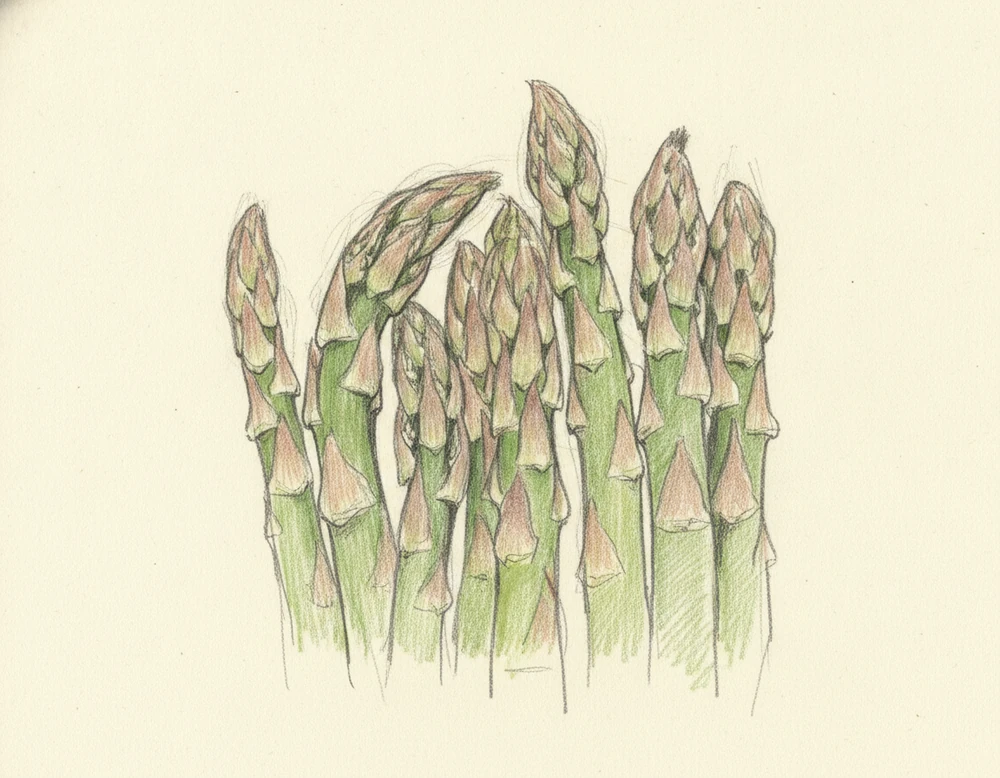
Green asparagus grown on the Bologna plain around Altedo, restricted to a named list of cultivars: Eros, Marte, Franco, Giove and Ercole among them. Any further cultivar has to be cleared with the ministry before it can be used.
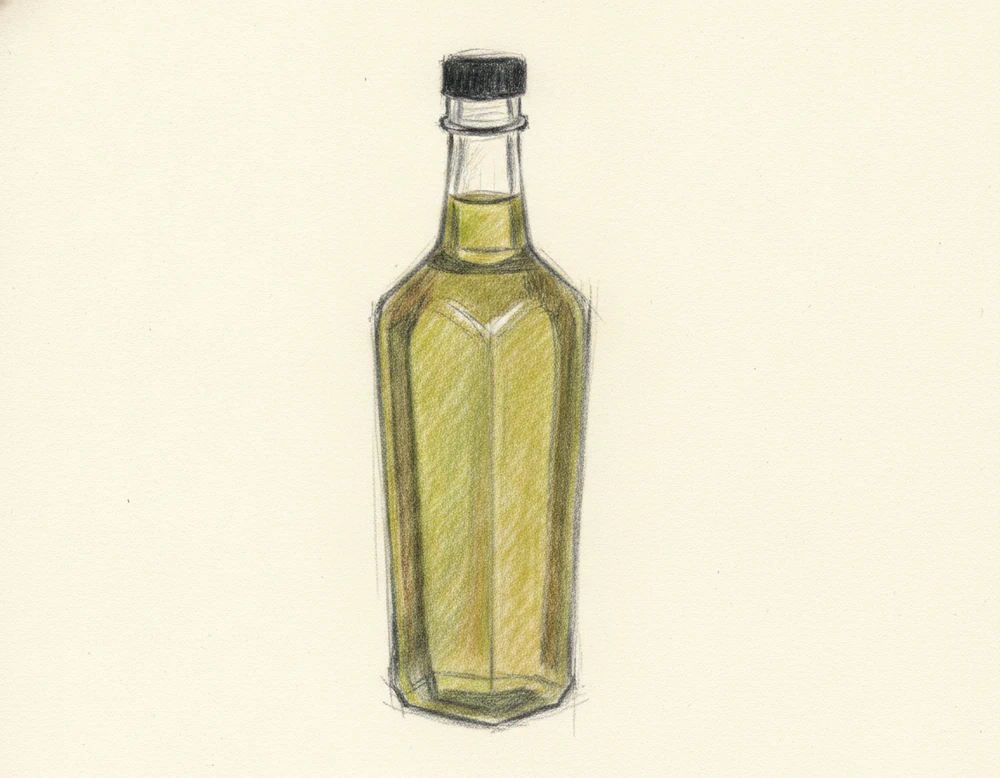
An extra-virgin olive oil from the Romagna hills, made from at least 90 per cent Nostrana di Brisighella, a variety that grows almost nowhere else. Up to 10 per cent of other varieties present in the groves may make up the rest.
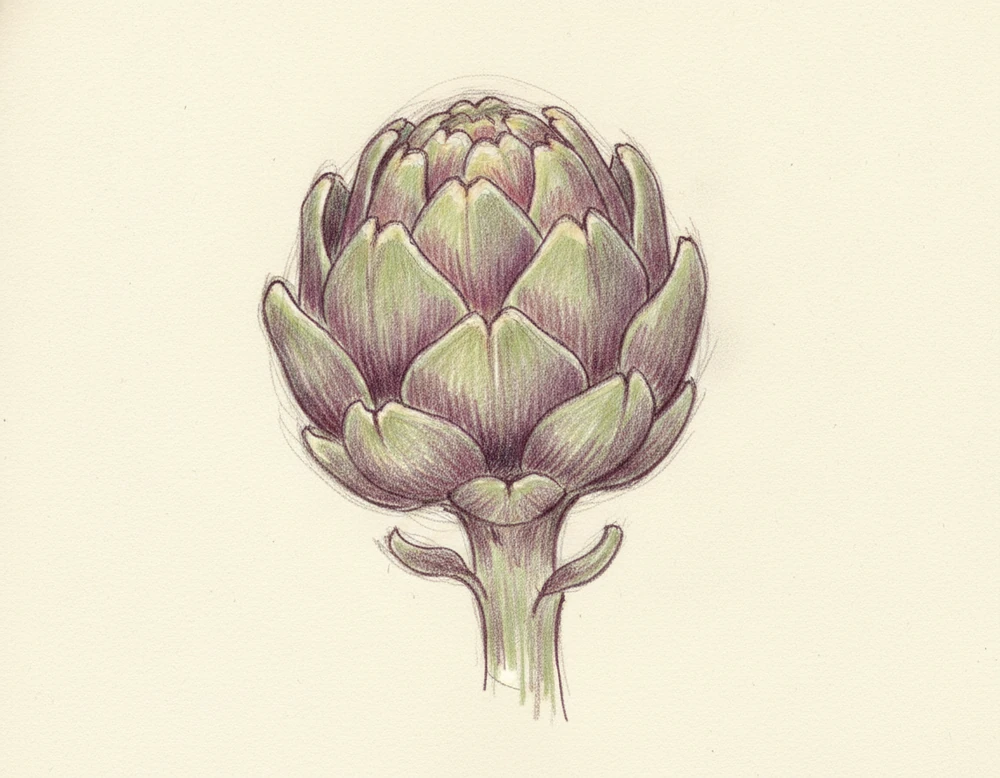
In the first half of the last century this was one of the main crops of the hills south of Bologna. Violet artichokes are common enough in Romagna, but the clay of the Bolognese hills gives this one a fresh green taste with liquorice root behind it, and the older growers remember it being known and wanted across the region, a matter of both income and pride. It went with the emptying of the countryside in the 1970s; the farms that carried the best fields are now houses with ornamental gardens.
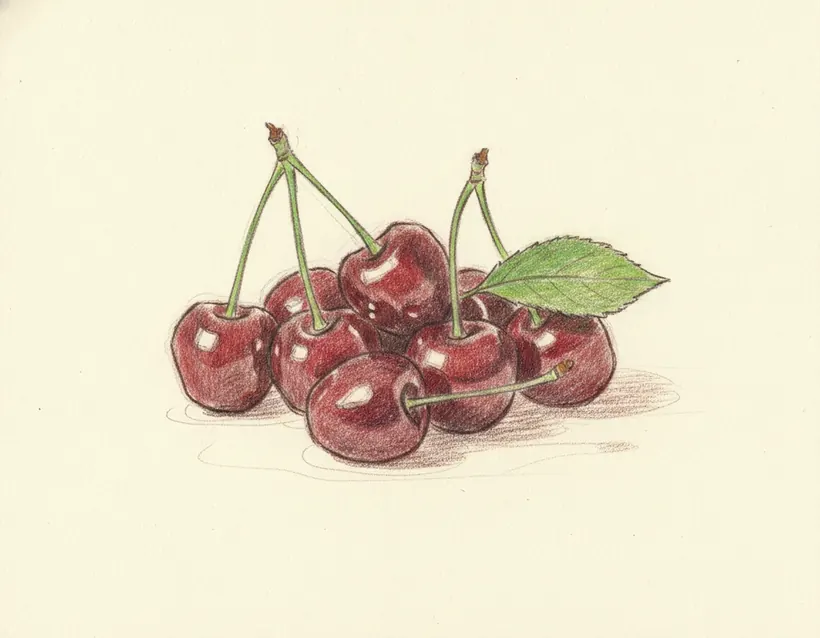
Sweet, firm, deep-red cherries from the hills around Vignola, among the finest in Italy.
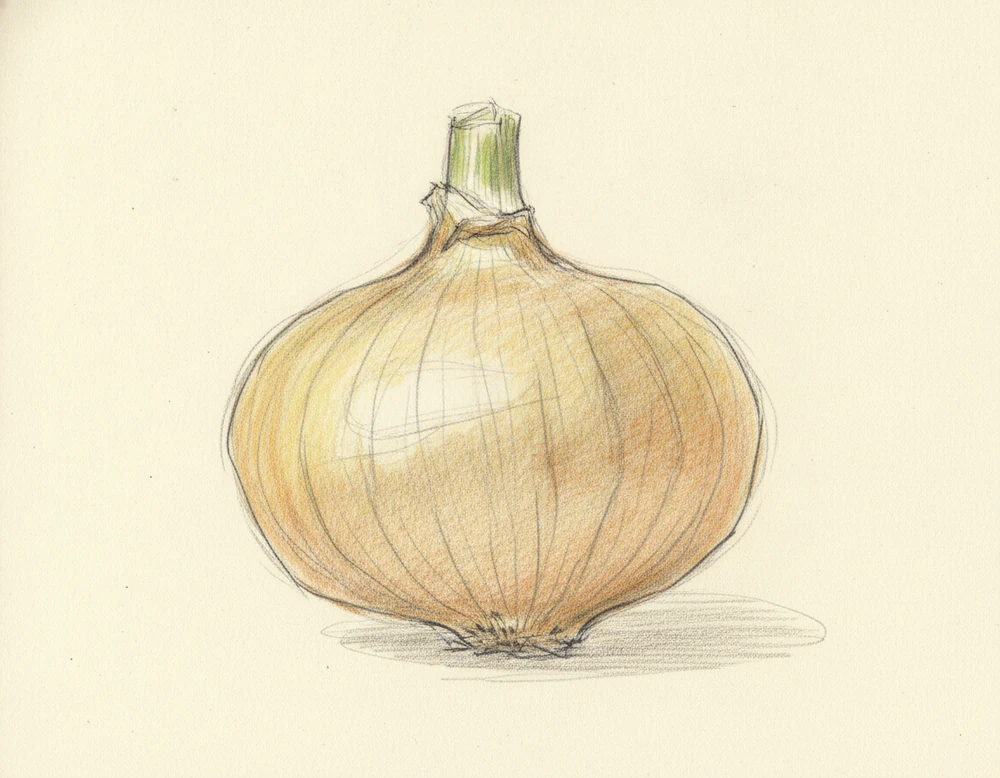
The zvòla da aqua, an early yellow onion, very sweet and very large, up to a kilo. It is named for its thirst: the water came off the mill ditches, and until the 1940s a network of them ran from the Marecchia, used by turns by the farmers and the millers, some of it going to plots of onions, garlic, turnips and beans. It was grown wherever Marecchia water reached, along the Corpolò bank above all, and Rimini called the people of Santarcangelo zvùléun for it, the big onions.
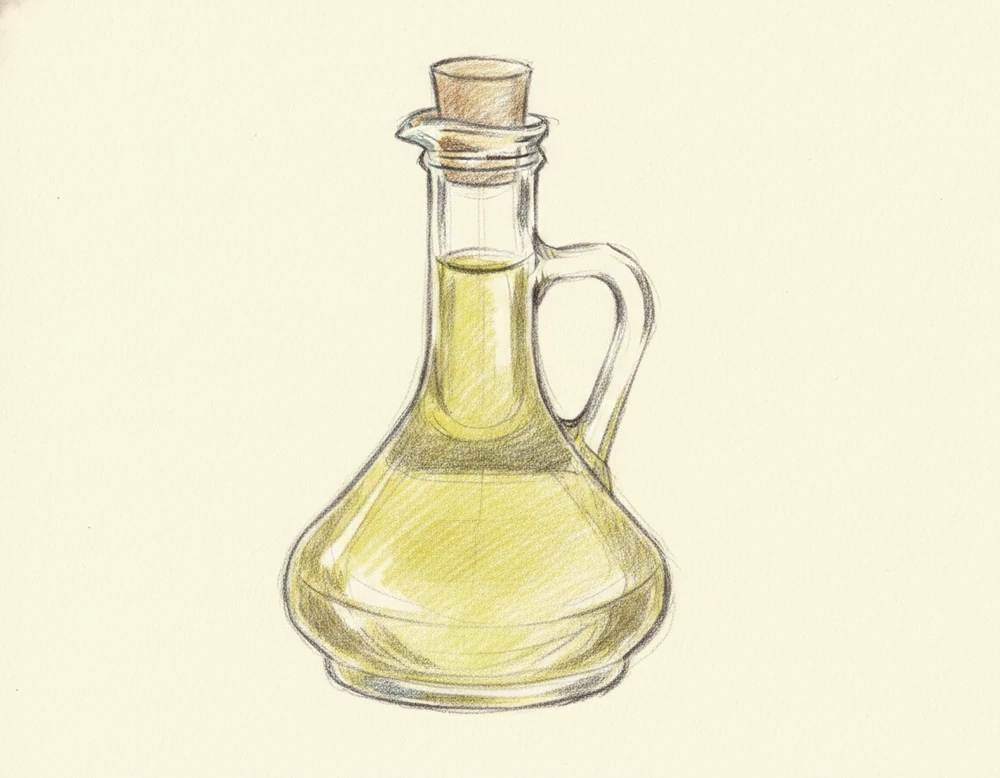
An extra-virgin olive oil from the hills behind the Rimini and Forlì-Cesena coast, blended to a fixed recipe: Correggiolo at a minimum of 60 per cent, Leccino at no more than 40, with a little pendolino, moraiolo or rossina permitted.
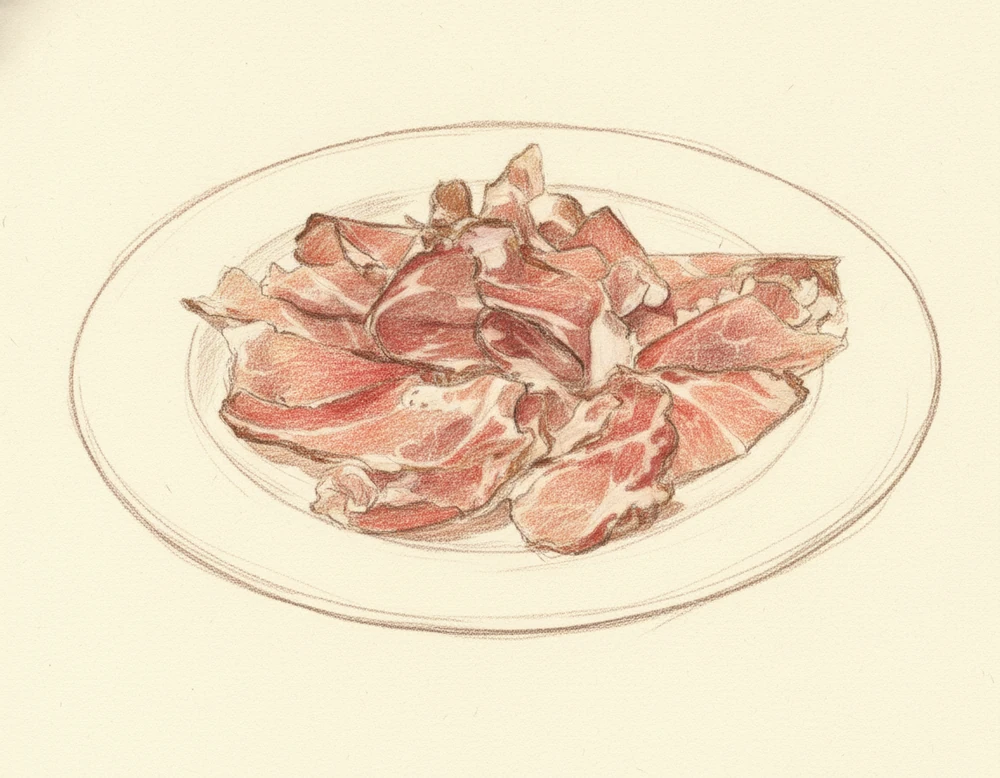
A cured neck muscle, unpressed so it stays a true cylinder some 25 to 40 cm long and never lighter than 1.3 kg. A correctly matured slice shows no yellow or soft fat and no interior mould, the marks the disciplinare uses to define a badly cured one.
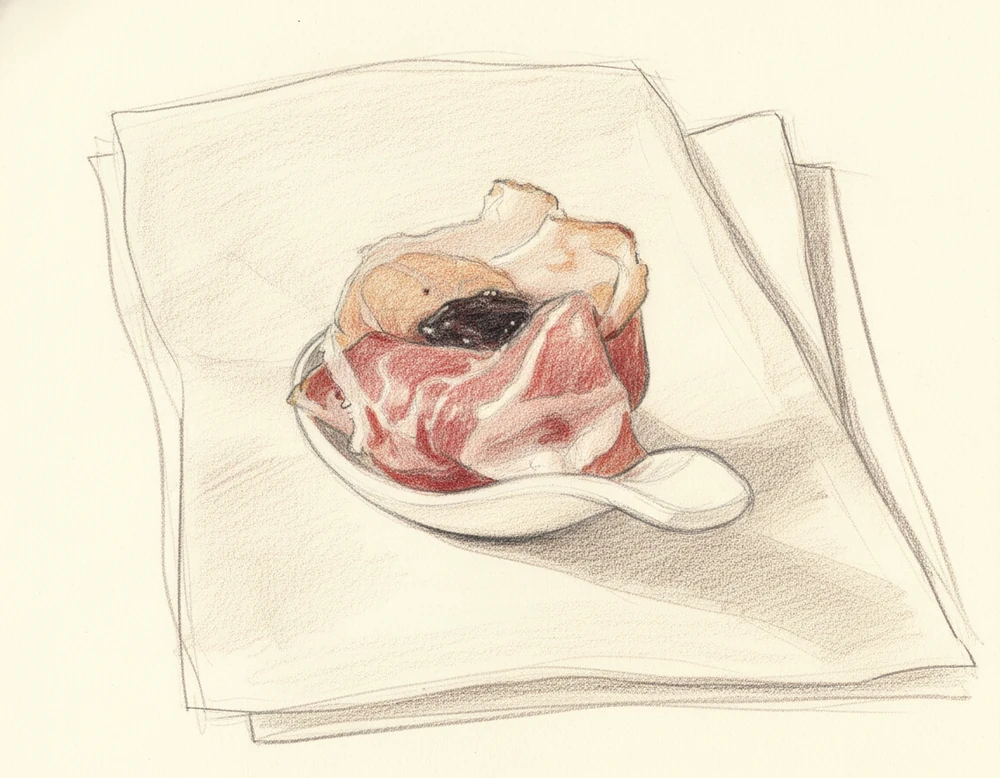
A salted and air-dried whole neck muscle from the Piacenza hills, cased and tied so it cures into a cylinder that tapers slightly at one end. Sliced, it is compact and even, deep red marbled with the rosy white of its own fat, and it turns sweeter and more delicate the longer it matures.
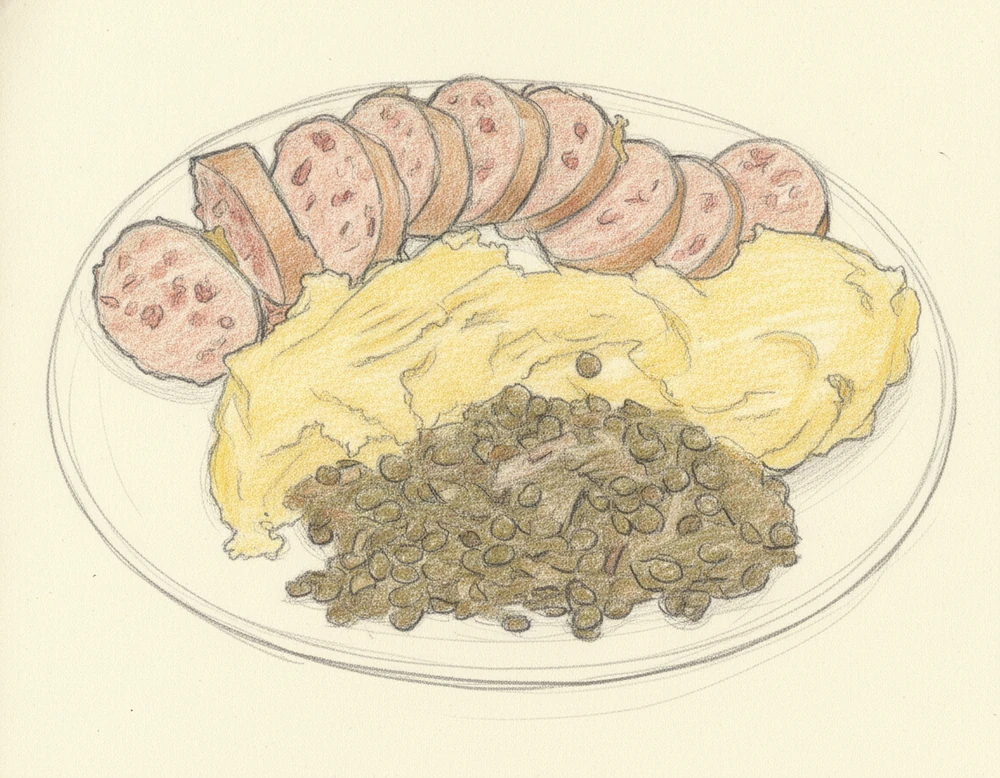
A large fresh sausage of pork meat, rind and fat, seasoned and cased, traditionally simmered for hours and served with lentils at New Year. It shares its filling, its zone and its history with Zampone Modena, which packs the same mixture into a boned trotter.
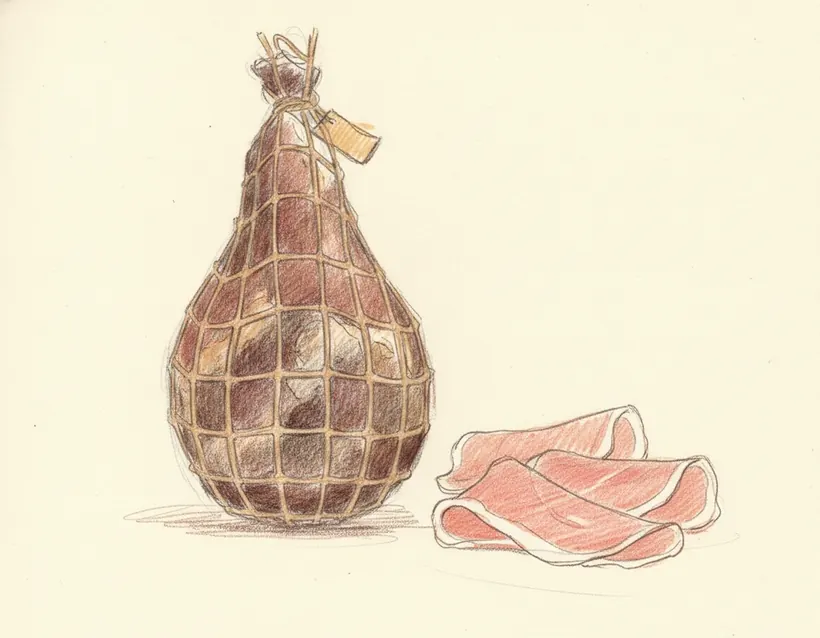
The prized heart of the ham, salted, cased in a bladder and aged in the damp Po fogs of Zibello into a sweet, pear-shaped cured meat.
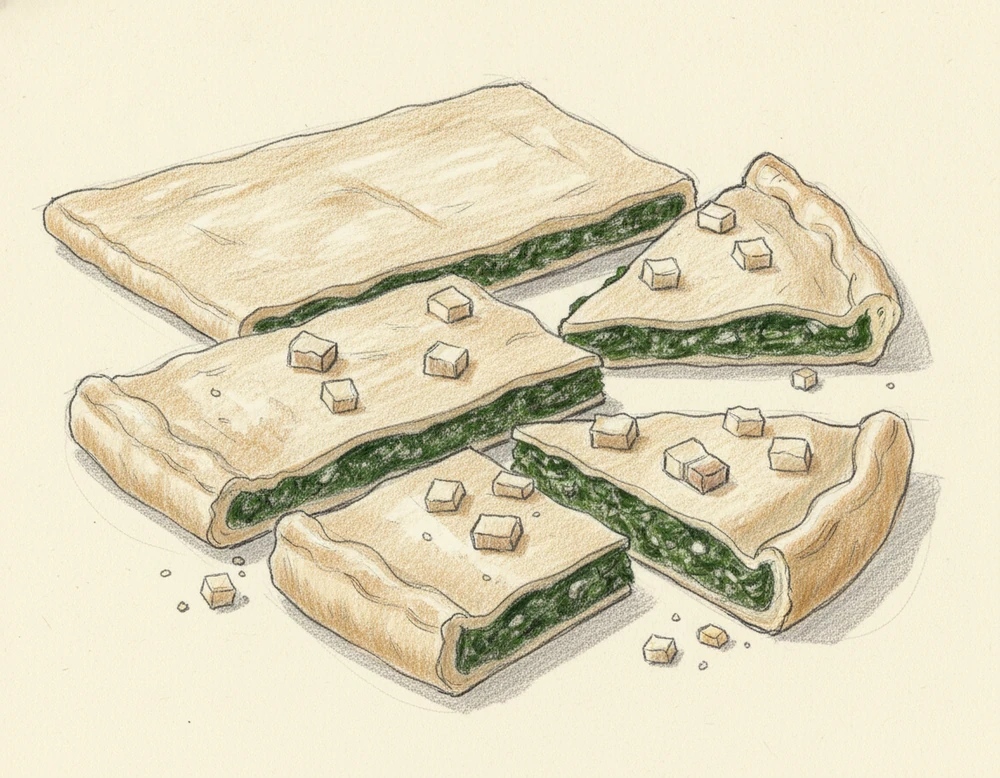
A savoury pie of two sheets of unleavened pastry around a filling of spinach and chard, breadcrumbs and Parmigiano Reggiano. Round or rectangular, irregular, in whatever size the baker makes it; the top sheet is strewn with lardelli, cubes of salted pork lard.
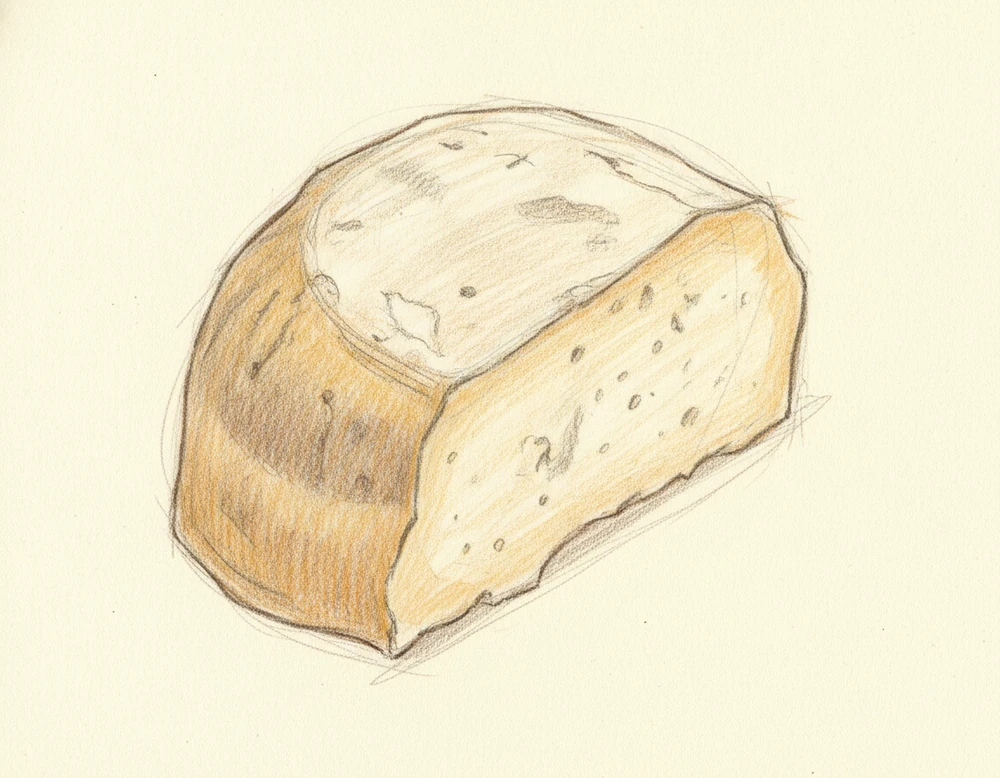
Cheese buried and matured in tufa pits, the fossa that give it its name, straddling the Romagna-Marche border at Sogliano al Rubicone. The finished rind runs from ivory-white to amber-yellow, and the pit ageing gives it the pungent, mushroomy character it is known for.
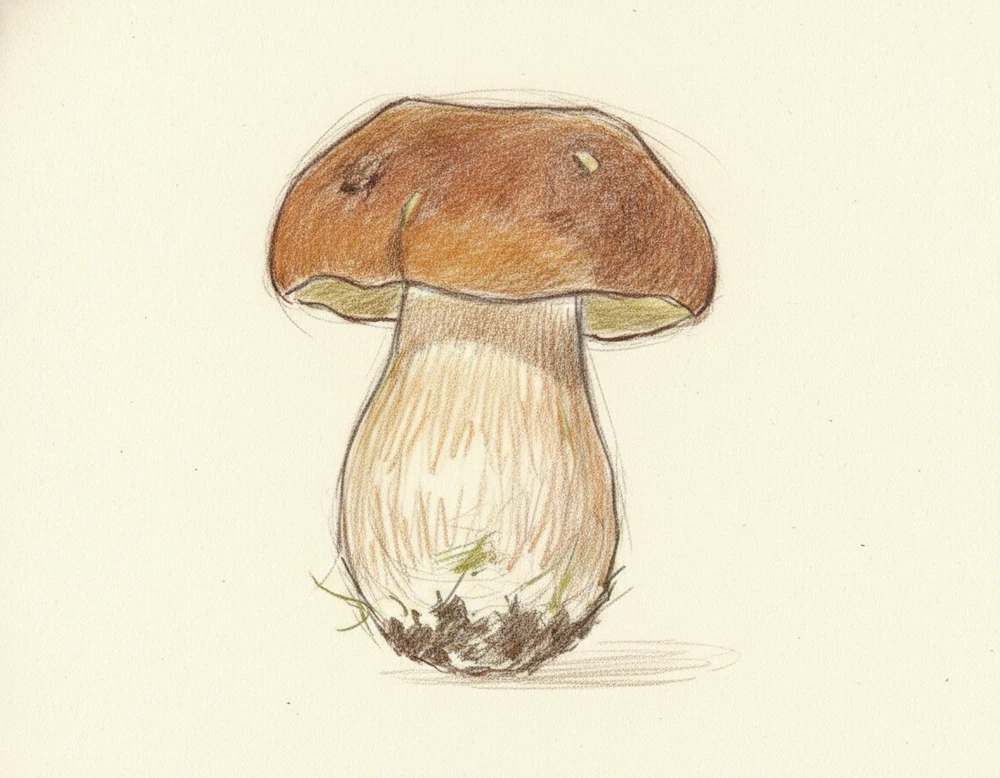
Wild porcini gathered in the chestnut and beech woods of the upper Taro valley, and the first mushroom anywhere in Europe to be given a protected designation. It covers the fruiting bodies of four Boletus species, each with its own local name, picked from spontaneous growth only.
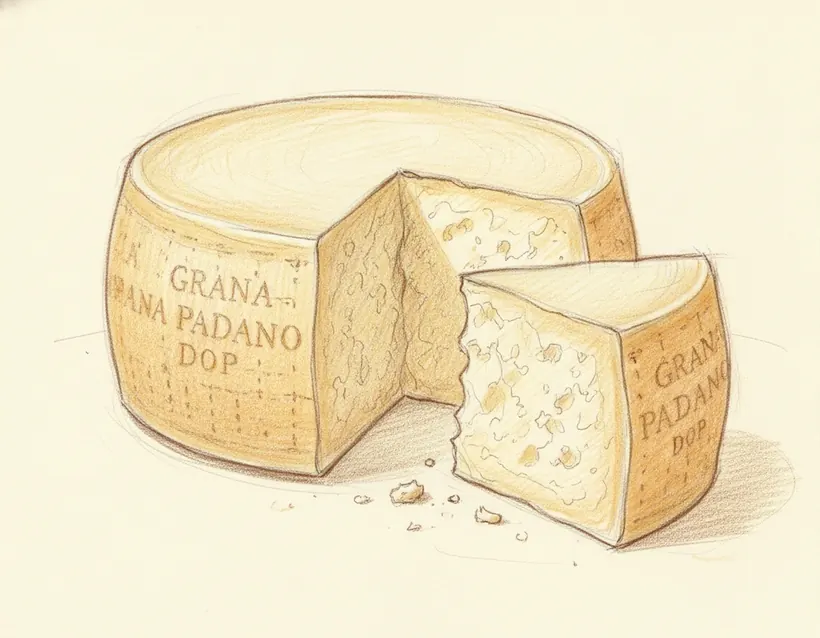
A hard, grainy cow's-milk cheese of the Po valley aged in giant drums, milder and younger-eaten than Parmigiano.
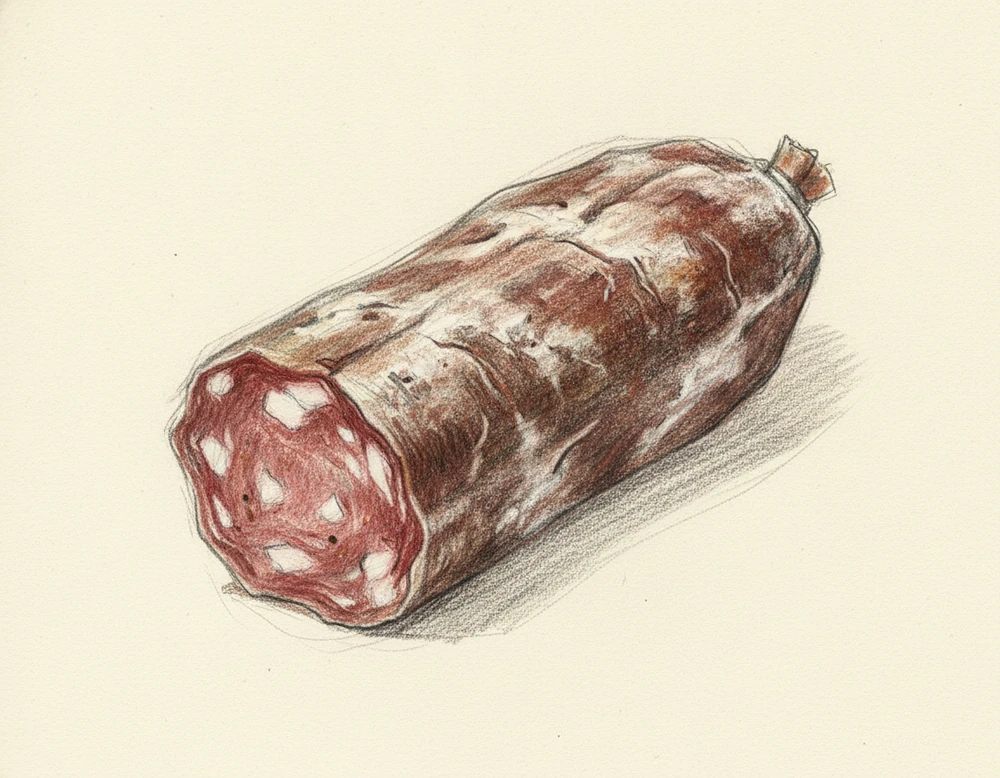
One of the old cured meats of the lower Parmense, the Piacentino and part of the Cremonese, where it is called Ciota. There are two, cooked and raw. The raw is the serious one and the hard one to age: prime cuts cased in the caecum, which is thick and holds the meat soft so that it can go the distance. Its size, its flavour and its keeping made it a Christmas meat.
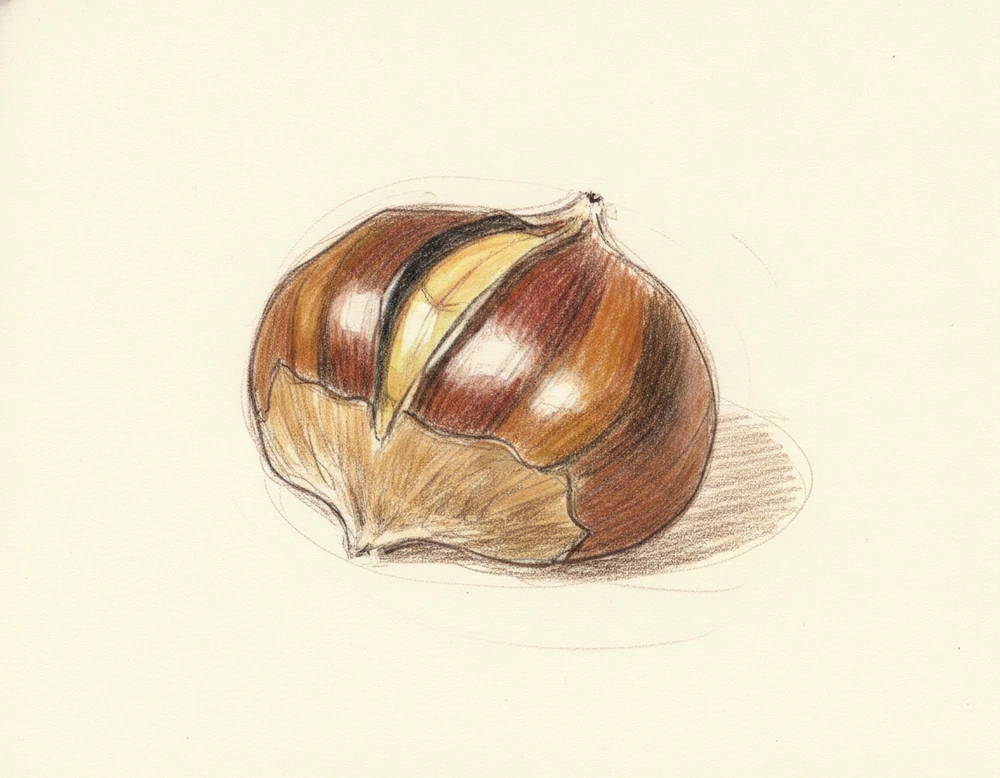
A sweet chestnut of the Santerno valley in the Bologna Apennines, from groves of Castanea sativa in three named biotypes: Marrone domestico, Marrone nostrano and Marrone di S. Michele.
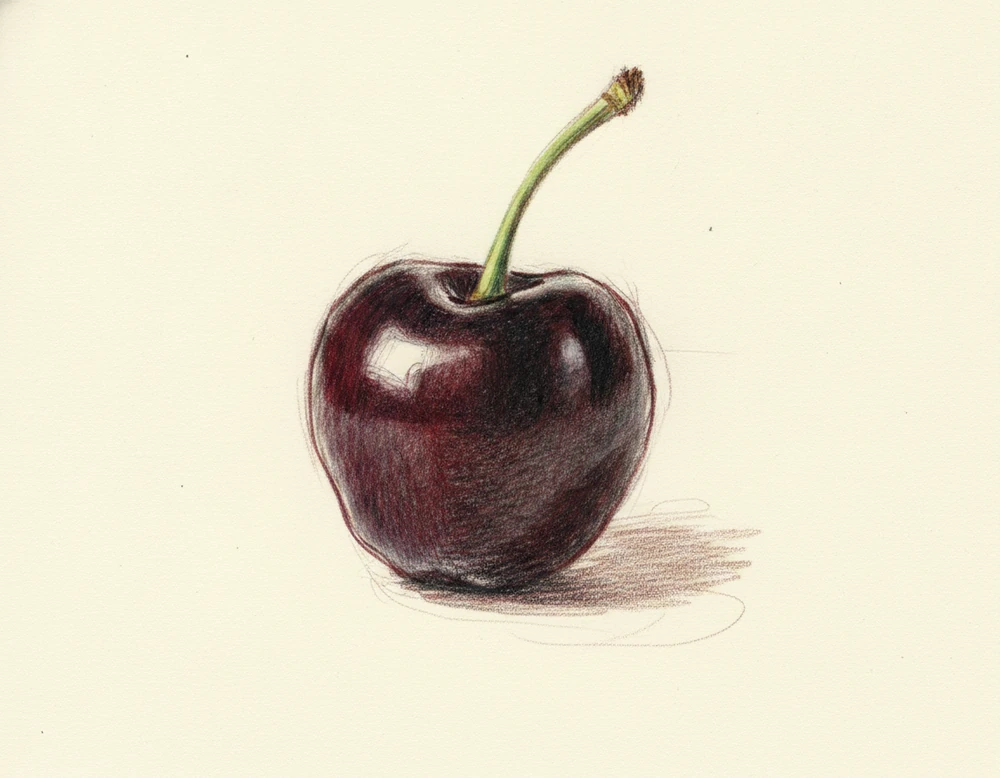
A soft cherry of the Modenese, grown since the 19th century and sold widely from the early 1900s. It goes by ciliegia mora, Mora di Vignola, ciliegia nera or just ciliegia, as against the firm-fleshed duroni of the same country. Medium-sized, the skin thin and glossy and nearly black when fully ripe, the flesh dark blackish red, tender, very juicy, sweet with an edge and strongly aromatic. Good fresh and good for jam.
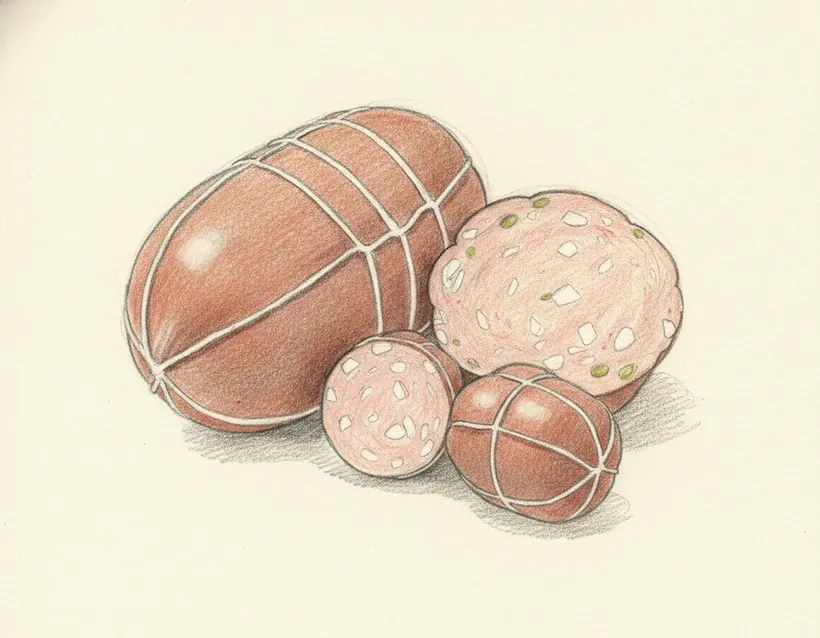
A large, silky pink cooked pork sausage studded with white fat cubes and pistachios, gently spiced, the pride of Bologna.
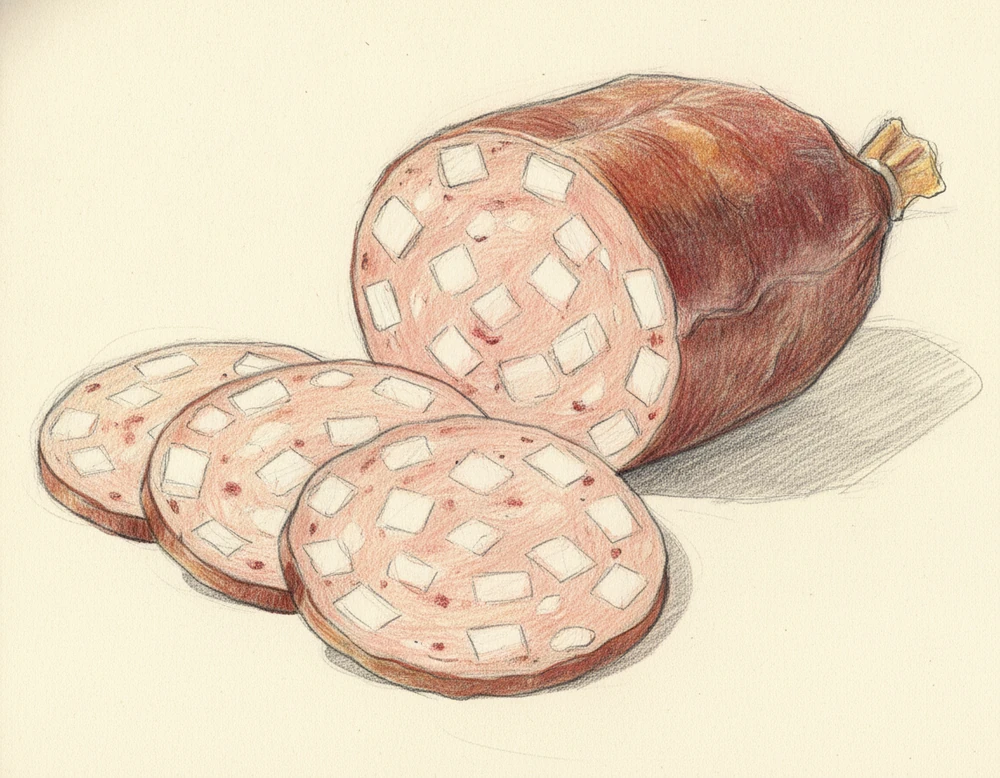
Cristoforo di Messisbugo, Renaissance cook and steward, set down a mortadella recipe in his Libro novo of 1557, with the steps and the ingredients in order. What has happened since is that the thing became a mass-produced food whose quality swings enormously with the meat, the cooking, the additives and the casing, which is why its price does too. The Presidium exists to hold the older standard, in Bologna's province and a few comuni around Ferrara.
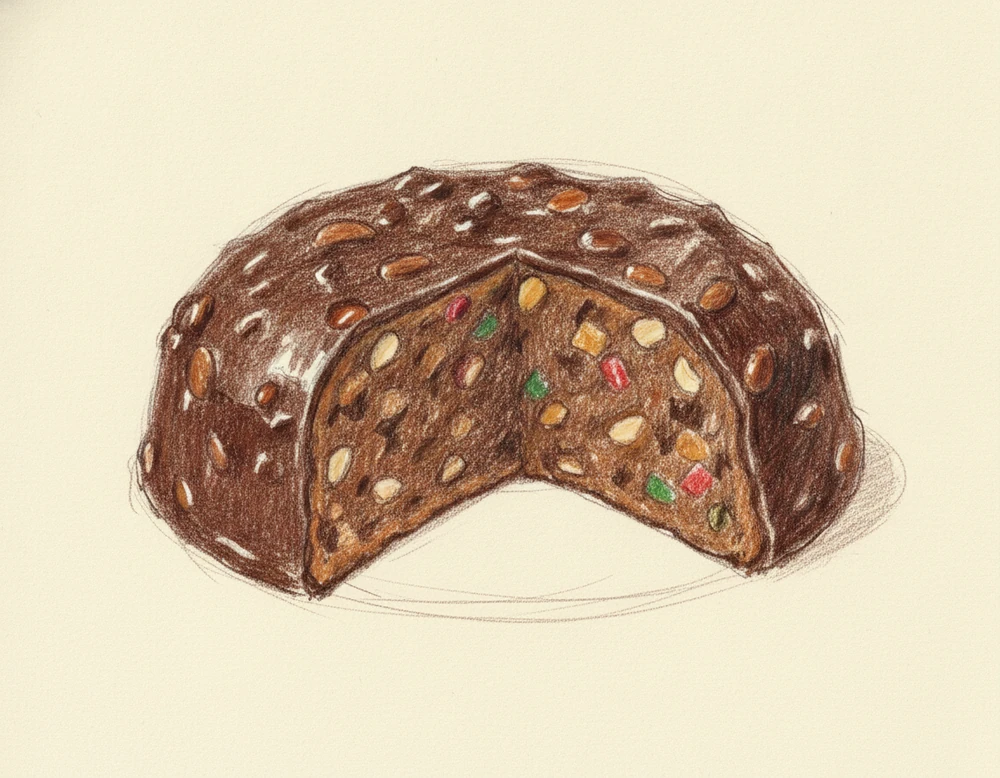
A domed Ferrara Christmas cake of flour, candied peel, nuts, sugar, cocoa and spices, coated in extra dark chocolate. Flat-bottomed and convex on top, glossy dark brown outside, and inside a compact, open crumb studded evenly with nuts and candied fruit.
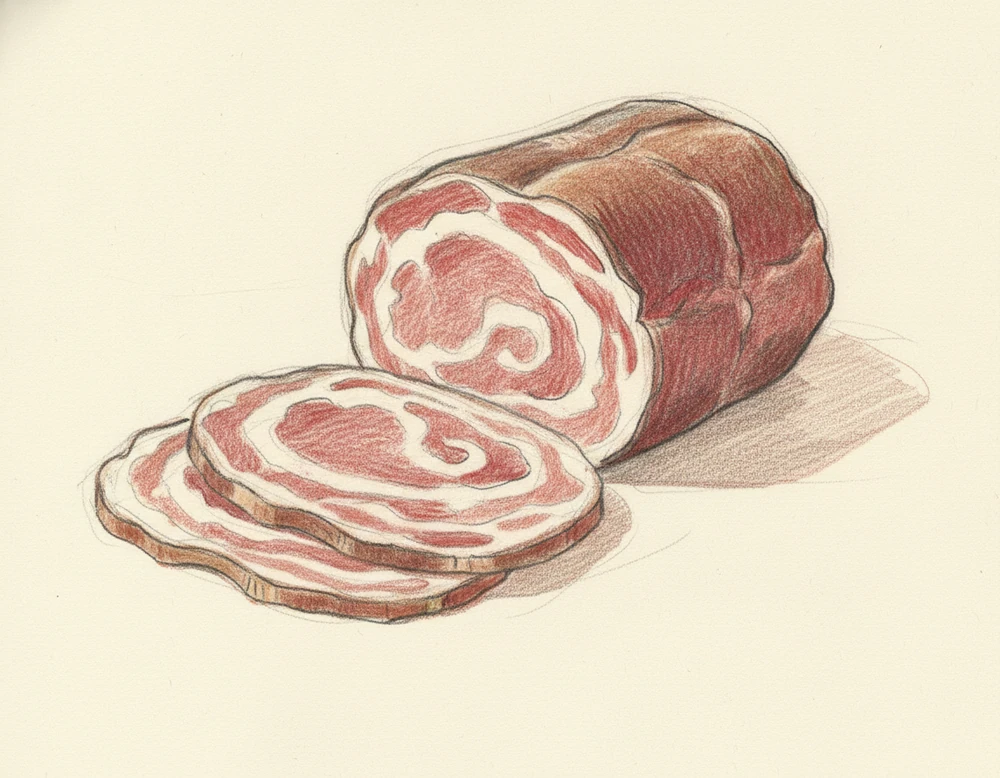
The salted, rolled and matured belly of the same Piacenza pig tradition that gives Coppa and Salame Piacentino. It cures into a cylinder of 4 to 8 kg whose slice is a vivid red laced with the white of the fat, sweet and savoury rather than sharp.
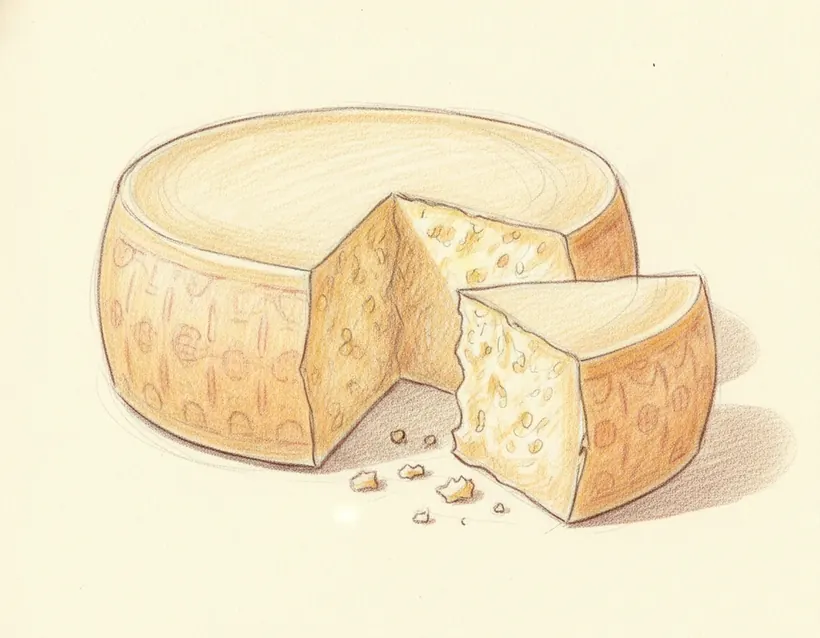
The 'king of cheeses', a hard, granular cow's-milk cheese aged one to three-plus years in vast drums, made only from raw evening-and-morning milk within a strictly bounded zone.
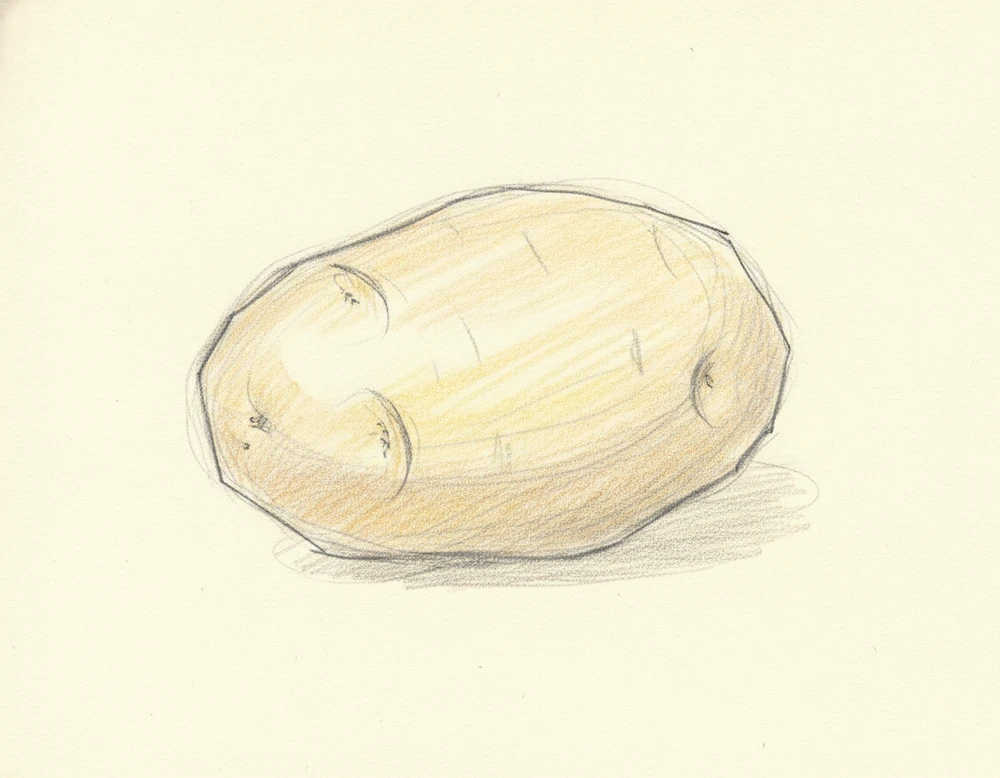
A single-variety DOP: only Primura qualifies. The tuber is oval-elongated and regular, with firm flesh from white to straw-yellow and a smooth, characteristically pale skin that comes from the soils it grows in.
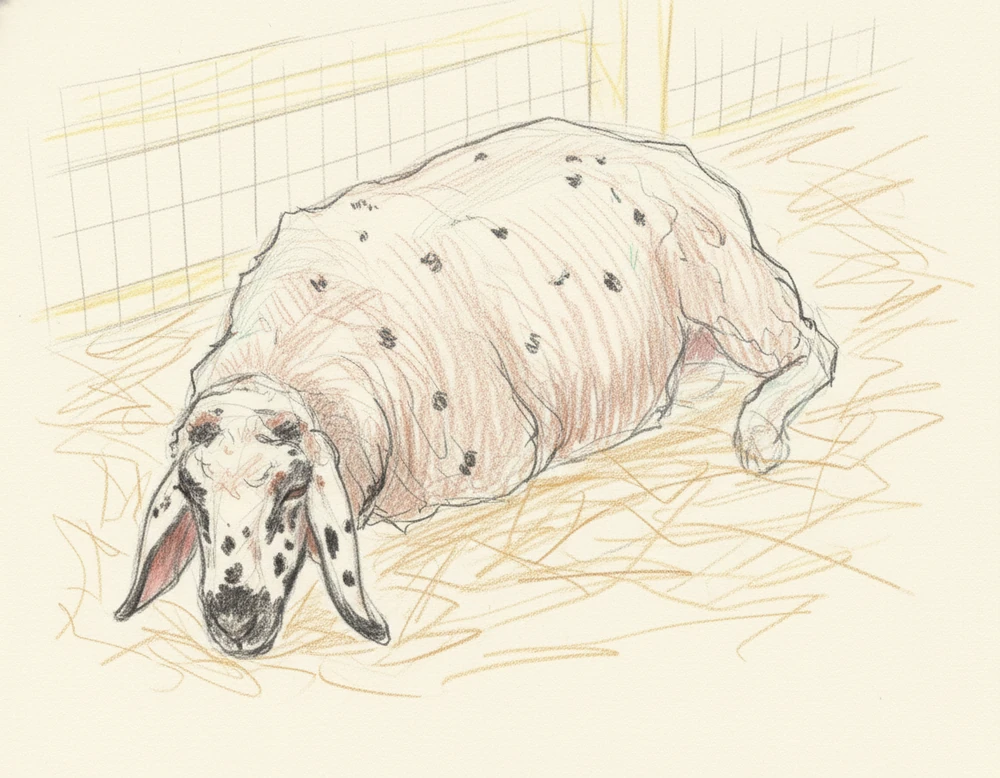
Named for Corniglio in the Apennines above Parma, where it has been kept for centuries. A big sheep, rams over 100 kilos, hornless in both sexes, with long wide ears hanging either side of the face and a white, sometimes spotted fleece that carries on to the belly, the upper limbs and the forehead, the head and feet flecked black. It was made in the middle of the 18th century, when the Bourbon dukes of Parma and Piacenza ordered the local sheep crossed with Spanish Merinos for better wool, and crossed again with Bergamasca rams early in the 20th century for meat.
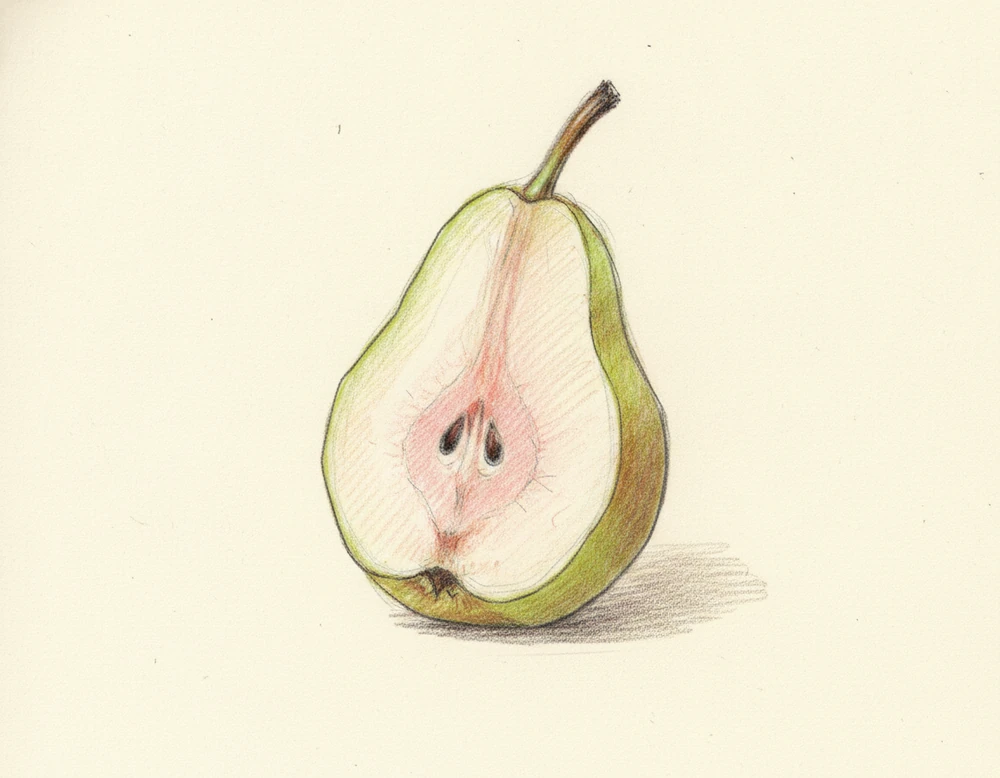
Cocomero is watermelon, and the name is about the colour: the flesh is pink, deepest at the centre of late-picked fruit. The pears are small and oval, green-skinned, 20 to 60 grams. They are aromatic and fragile, which makes them nearly impossible to sell fresh but excellent for jam and liqueur. Like most heirloom fruit they were grown for the household, so what is left is a scatter of trees.
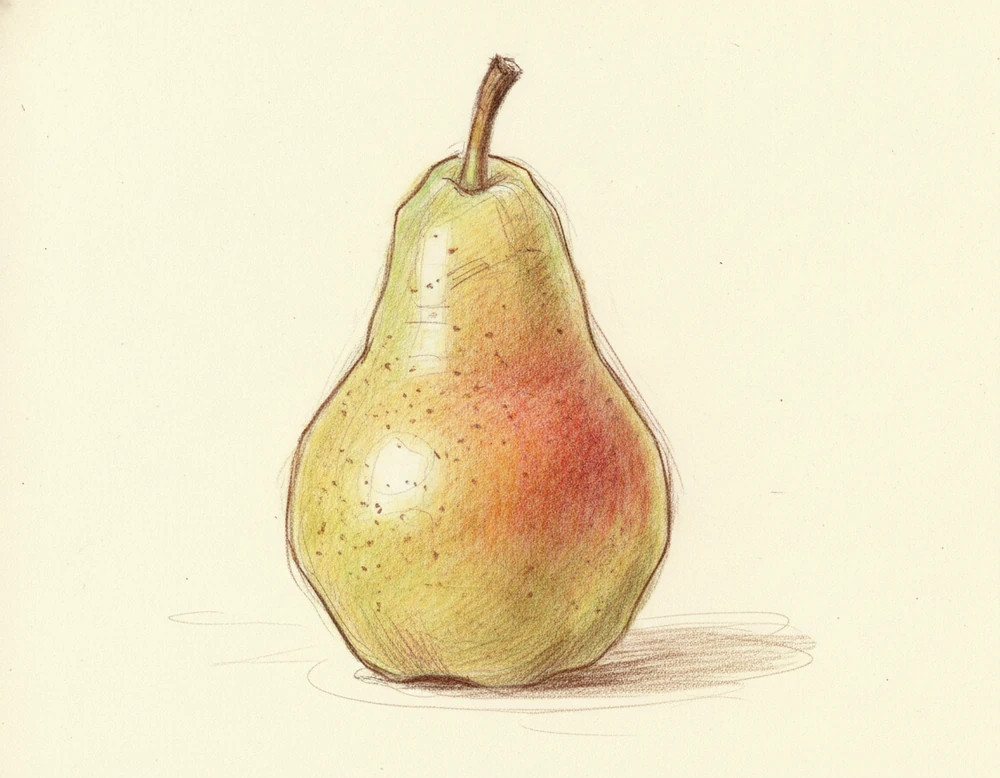
Pears from the Emilia-Romagna plain, restricted to ten named cultivars: Abate Fetel, Cascade, Conference, Decana del Comizio, Kaiser, Max Red Bartlett, Passa Crassana, William, Santa Maria and Carmen.
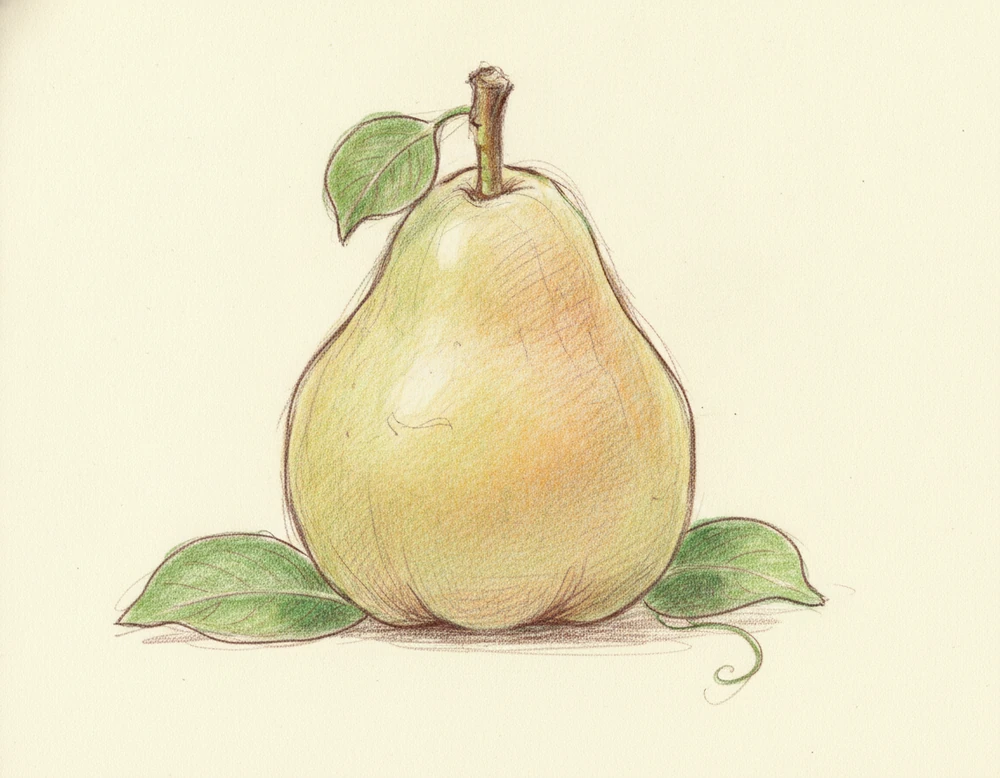
Nobile around Parma and Reggio, lauro around Piacenza. Where it came from nobody knows, though its oddity argues it was not imported the way the bergamotto, the curato or the regina claudia plum were, but arose here from a chance seedling that farmers liked well enough to keep propagating. Grafted on wild pear the tree gets large, over ten metres, upright with a dense vertical crown, the leaves pale green, round and heart-shaped. The fruit is medium to small and unmistakable in shape, broad and round at the base and tapering above.
Lower Romagna is where modern Italian fruit growing began, and Massa Lombarda in the Ravennate was its centre: the first plantings and the first sugar-beet trials went in around the turn of the 20th century, and within decades the district was producing more than half the fruit of the whole province, with the transport and processing trades that go with it. The bus incavé is the emblem of that: the most widely grown peach of the area in the early 1900s, sold as the Massa Lombarda peach. Medium-sized, deep red, spheroidal, with a very deep hollow suture that no other variety has and that gives it its name; the down is fine, almost velvet. The flesh is white-green, fine-grained, sweet and acid in balance.
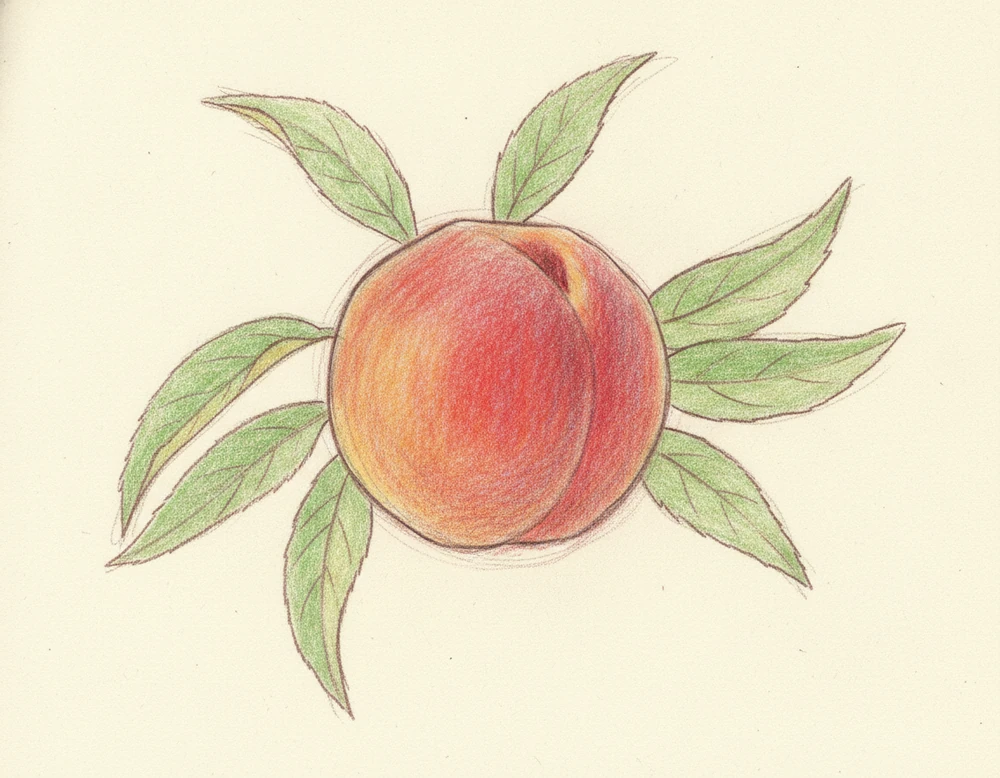
Peaches and nectarines from the Romagna plain, restricted to a long list of named cultivars sorted by flesh colour and ripening window: yellow-fleshed early and mid-late, white-fleshed early and mid-late, and the nectarine equivalents.
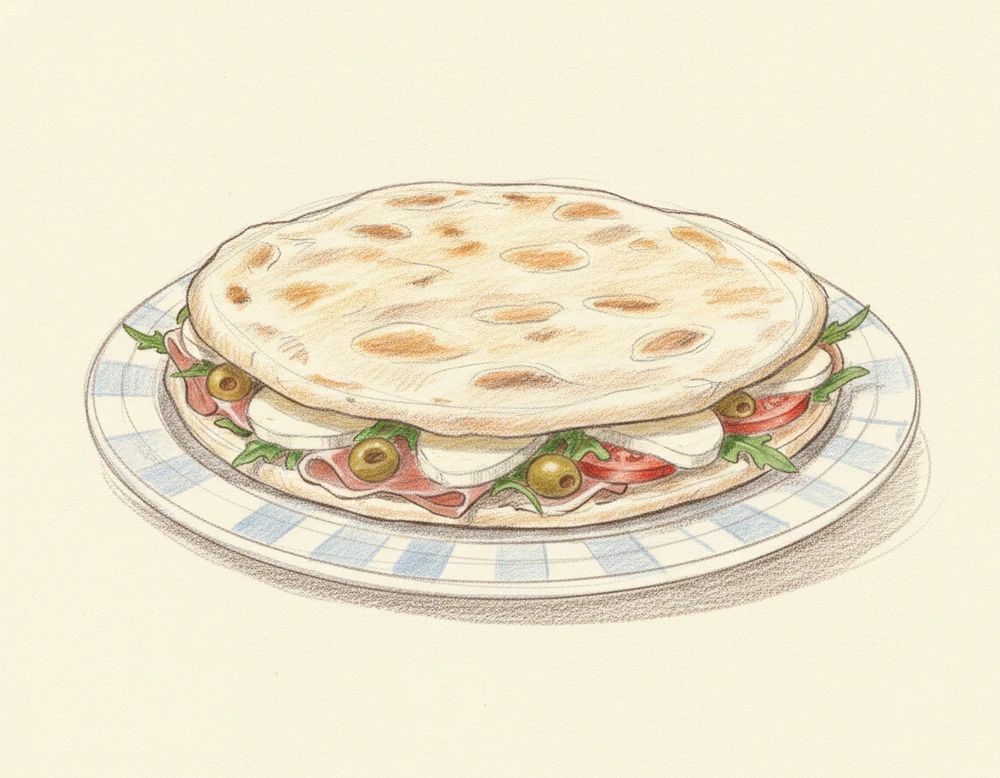
The everyday flatbread of Romagna, cooked on a hot plate and folded around cheese, cured meat or greens. It runs from ivory-white to dark amber, blistered with the characteristic amber spots on both faces, and smells like bread just out of the oven.
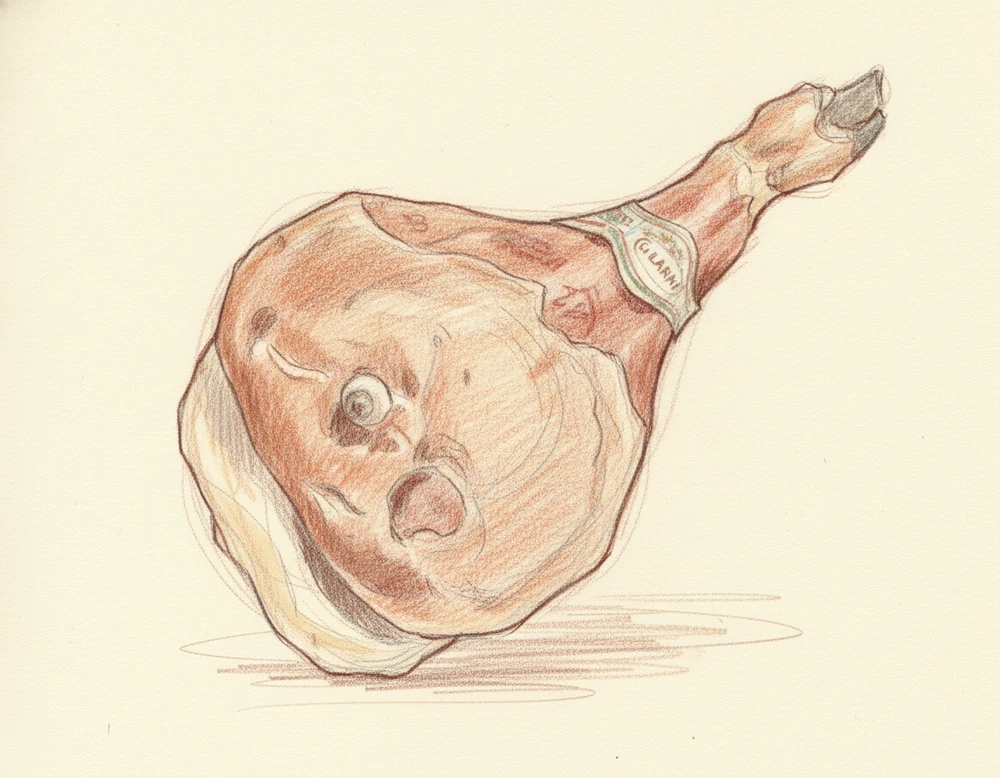
A raw cured ham whose every stage, from salting through to full maturation, must happen inside the Modena zone, attested by a mark burned into the rind. Legs come only from pigs born, raised and slaughtered in ten listed Italian regions.
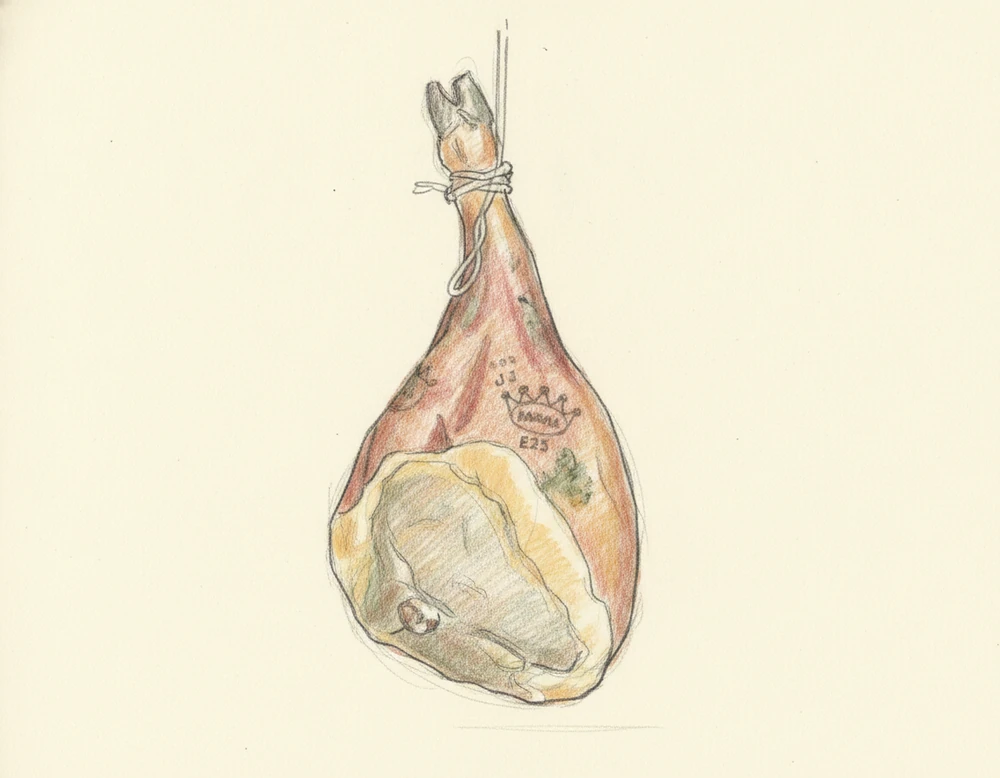
Italy's most exported cured ham: a raw, salt-cured leg from heavy Italian pigs, matured a minimum of 14 months in the hill air south of Parma. Nothing but pork and sea salt goes into it, with no nitrates, nitrites or preservatives permitted, and only hams that pass the final inspection are fire-branded with the five-pointed ducal crown.
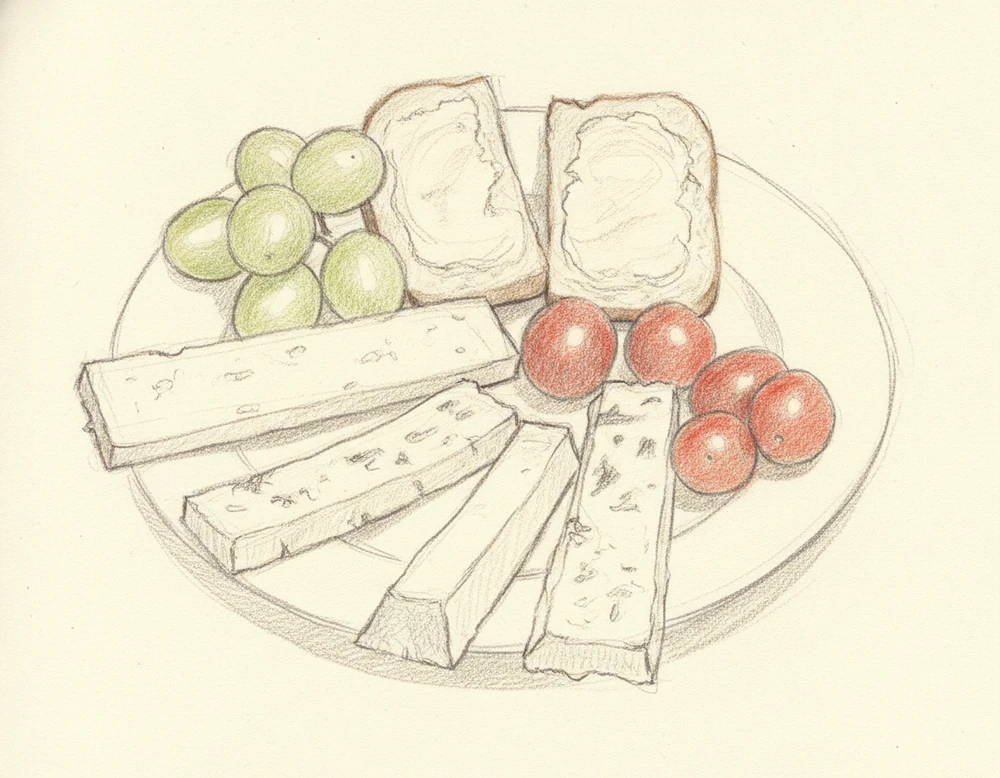
A pasta-filata cow's-milk cheese of the Po valley, made in both a mild and a piquant version and hung in ropes to age. It is one of the few Italian cheeses whose zone is written comune by comune across four regions rather than as a province or a valley.
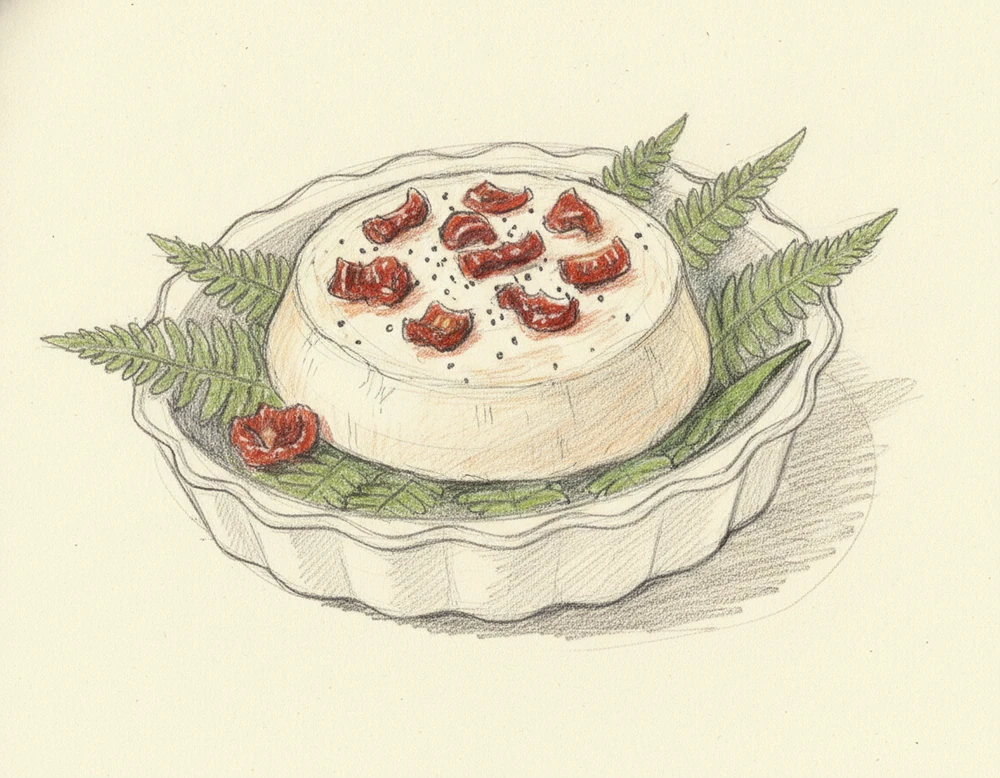
A rare raw-milk cow's cheese of a few valleys in the Romagnol Apennines, named in Renaissance documents and, nearer our time, by Pellegrino Artusi, who puts cacio raviggiolo in his Romagna cappelletti. White and soft, faintly buttery, very delicate, nearly sweet. The rounds are 20 to 25 cm across and 2 to 4 thick, and are traditionally set down on fronds of male fern.
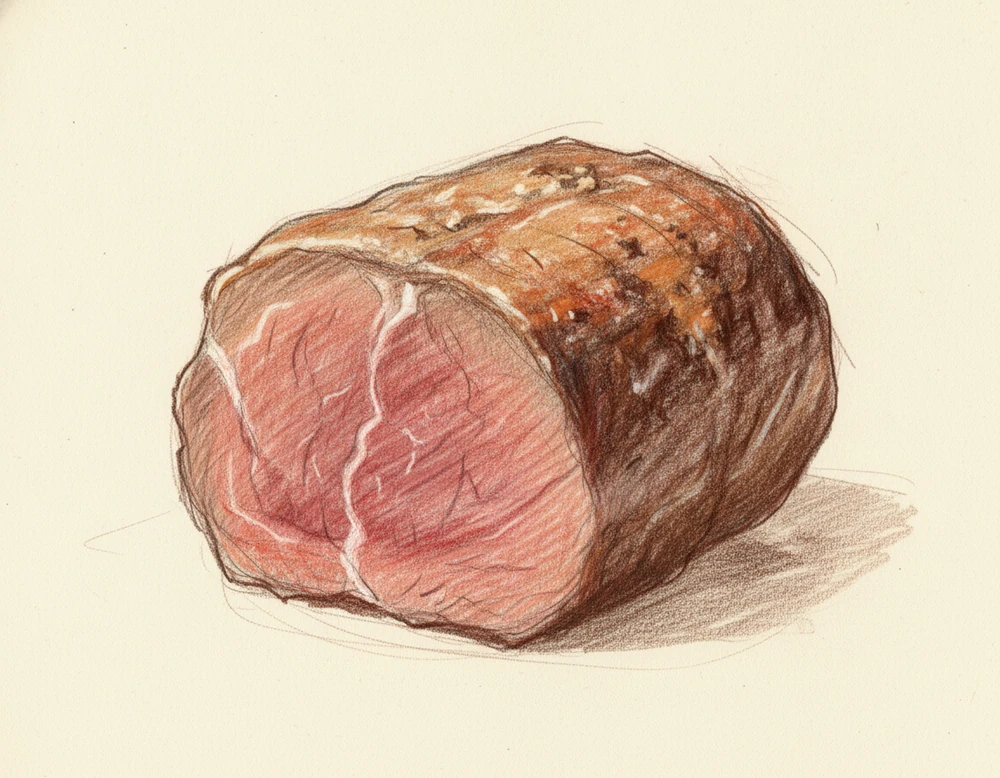
Of the white Italian cattle the Romagnola is reckoned the hardiest against weather. It takes badly to being tied in a barn and well to rough country, which makes it a grazing animal, and it is kept for meat: out on free grazing through the summer on a wholly natural diet. The big chops stand comparison with the far better-known Chianina, and rump or fillet roasted slowly in the Romagnol way is as good.
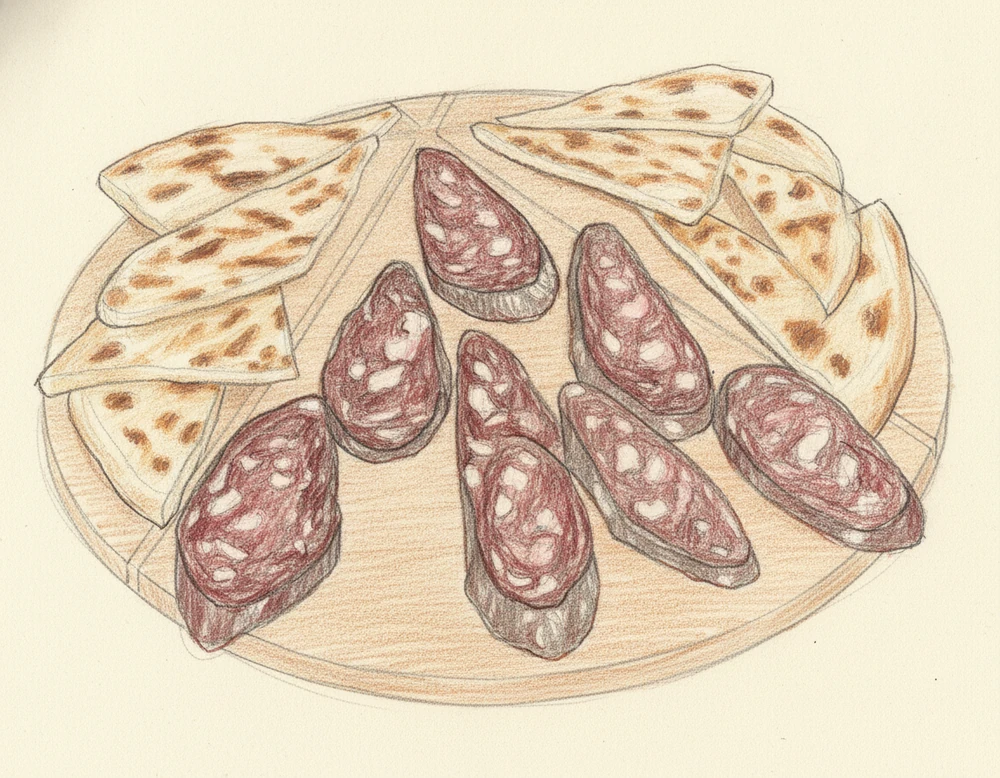
A native pig that nearly went: about 22,000 head in 1949, down to fewer than 15 not many years ago, kept alive by an old Faenza breeder, Mario Lazzari. It is unmistakable, dark brown to black (whence mora), almond-cut eyes, and tusks so long in the boars that they read as wild. Industrial farming dropped it because it grows far slower than the Large White and, perversely, because its meat carries more fat than the lean breeds.
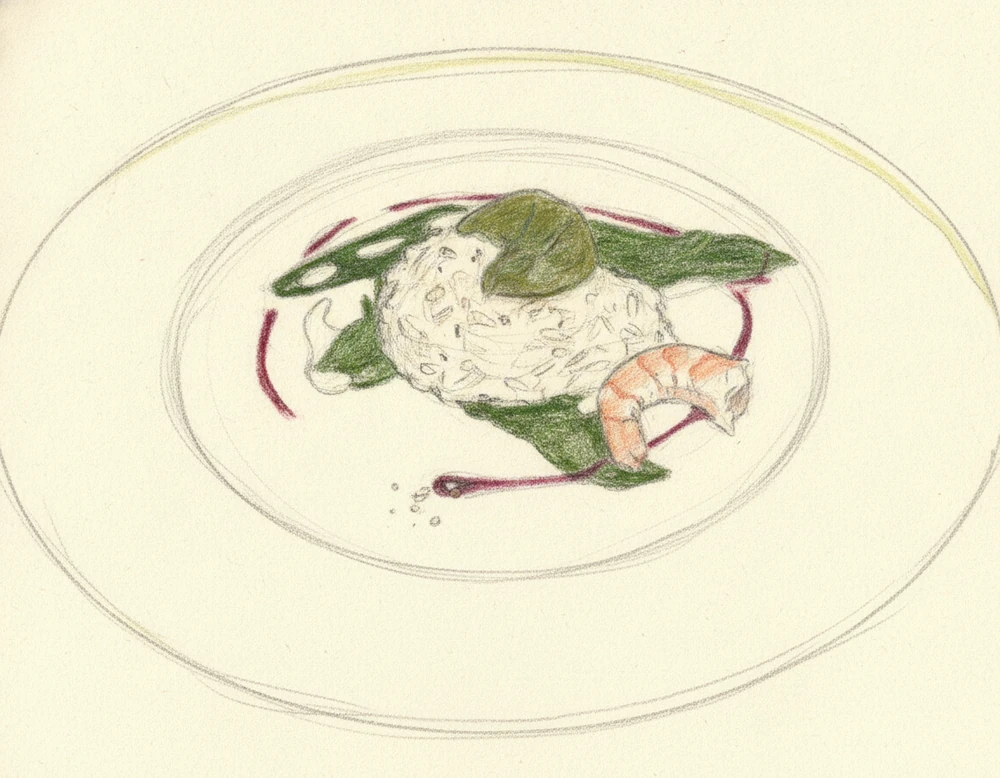
Japonica rice of the superfino group grown on the reclaimed land of the Po delta, admitted in nine varieties including Carnaroli, Volano, Baldo, Arborio, Cammeo, Karnak, Telemaco, Caravaggio and Keope. The grain is large and holds its shape in the pan.
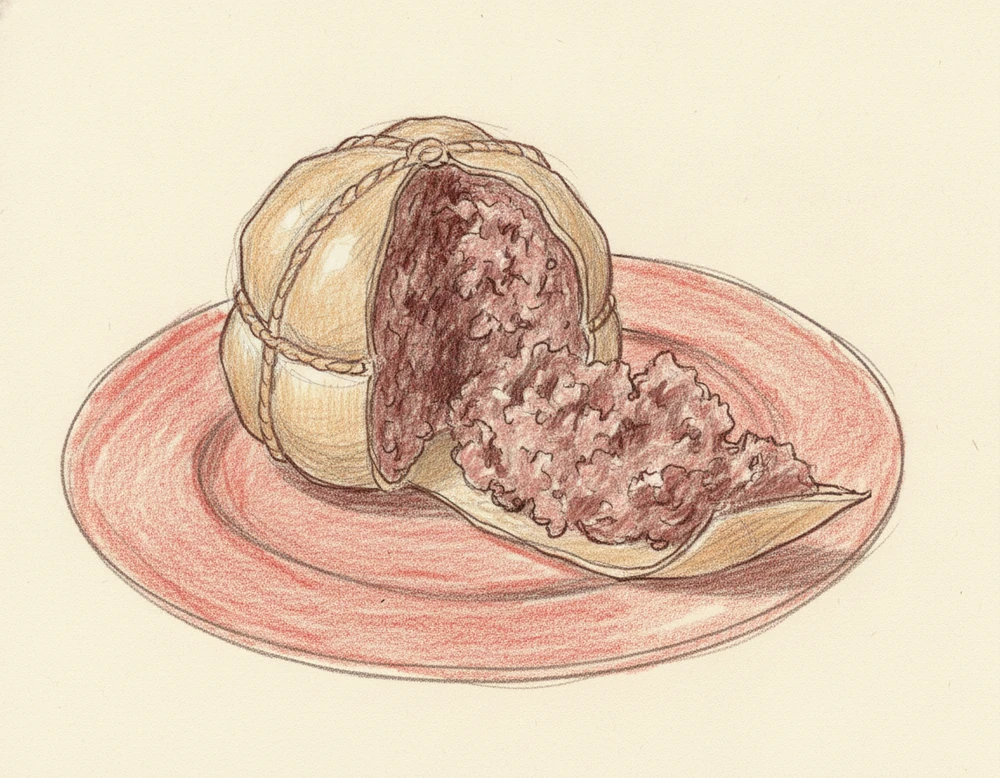
A Ferrara speciality: spiced pork packed into a natural pig's bladder, tied into six or eight segments so it cures into a melon shape with a waist at the middle. It is sold raw after drying and ageing, or cooked, and eaten with a spoon rather than sliced.
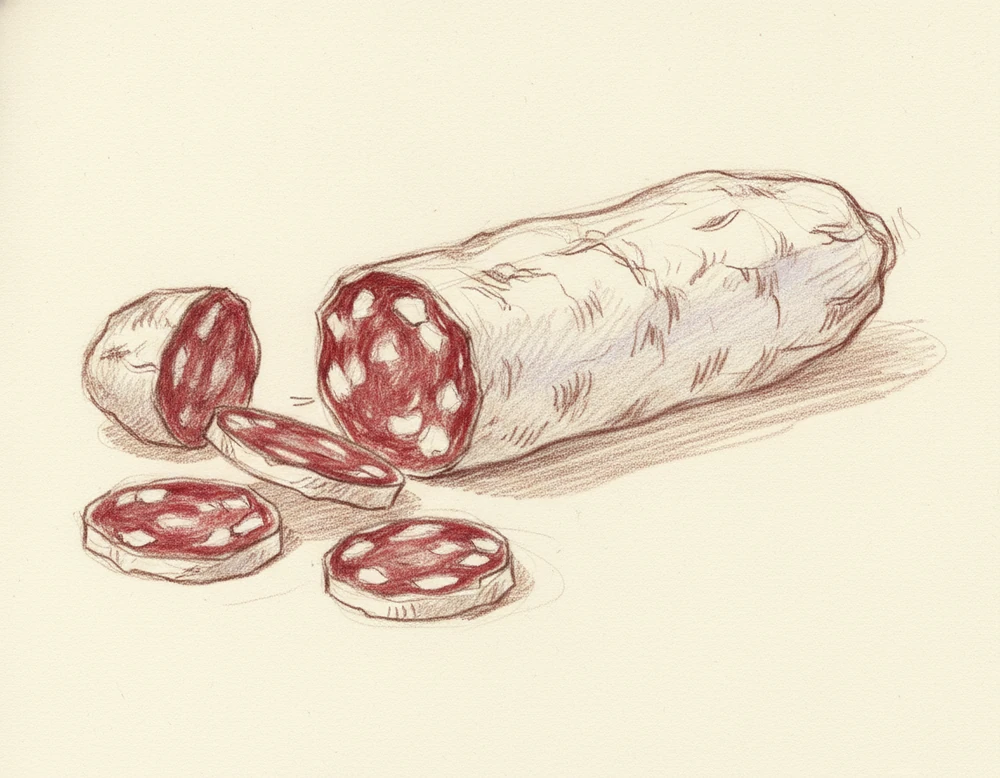
A cylindrical, somewhat irregular salame of at least 500 g finished, no less than 65 mm across and 150 mm long when made up. Compact and soft-textured, its microflora is dominated by lactobacilli and cocci, which is what the disciplinare actually specifies.
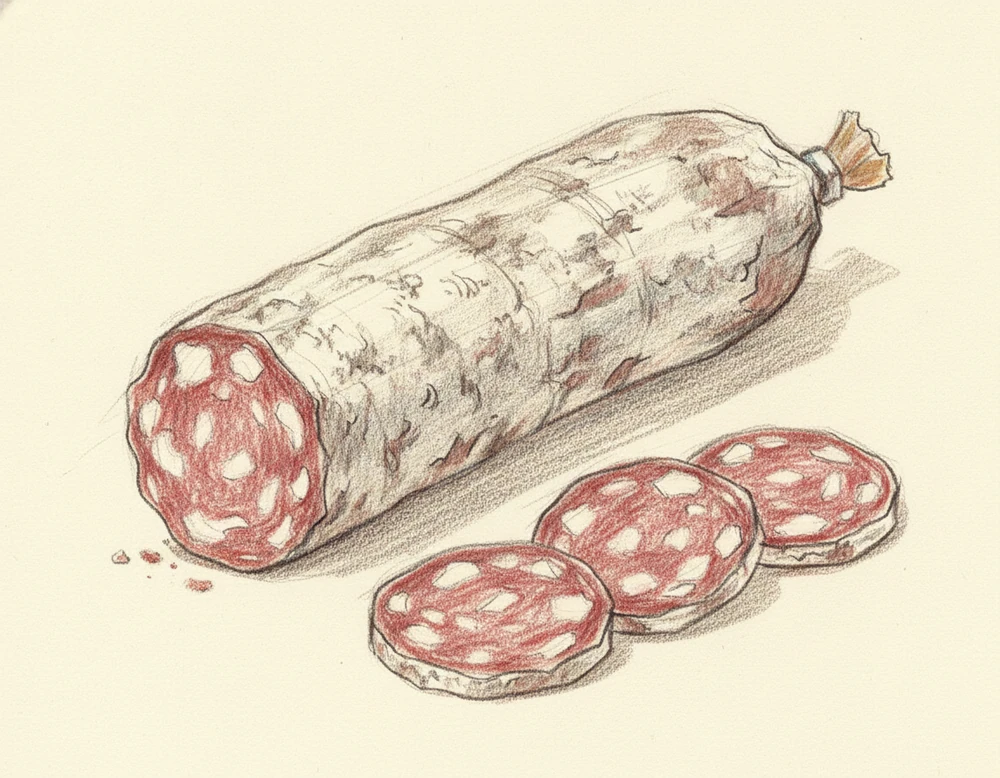
A Parma salami of coarsely ground pork in a natural casing, named for the village of Felino in the hills south-west of the city. It is cylindrical and slightly irregular, one end thicker than the other, dusted white-grey by the native surface moulds that develop as it hangs.
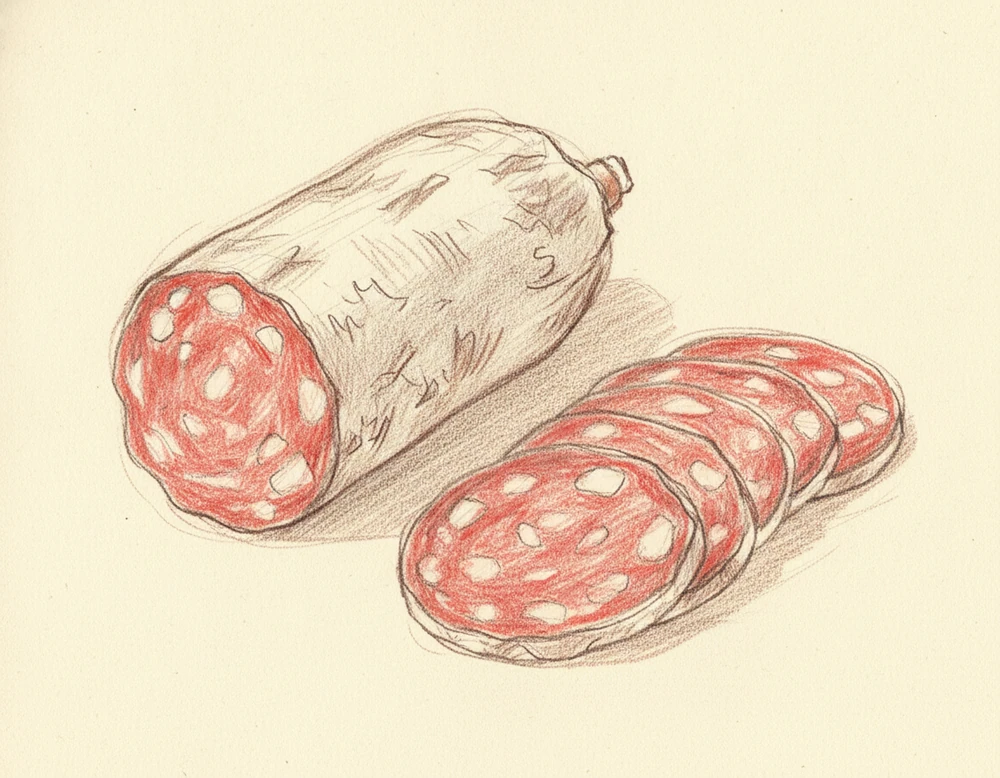
The third of the Piacenza cured-pork DOPs alongside Coppa and Pancetta. Cylindrical, 400 g to 1 kg, sliced it is vivid red flecked with the rosy-white lentils of its own fat, and the taste is sweet and delicate, its fragrance shaped closely by how long it has hung.
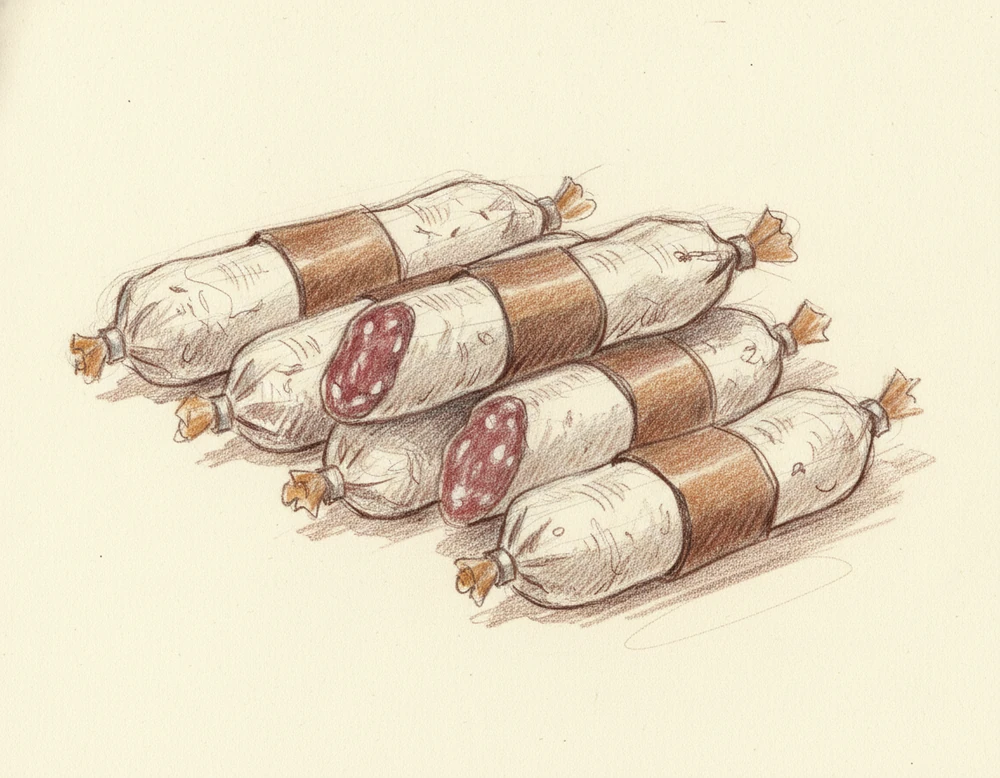
Small salami sized to be carried in a hunter's pocket, which is where the name comes from. The zone is unusually wide: pigs may be raised across eleven Italian regions, from Friuli down to Molise.
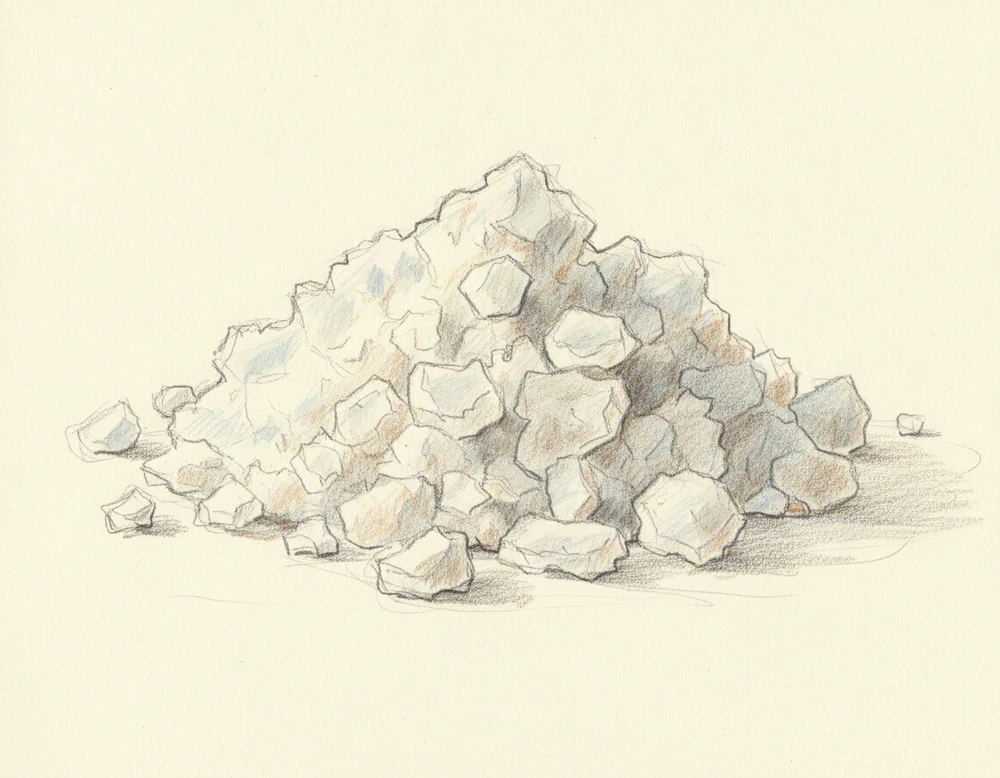
The Cervia pans were already working in Roman times and grew so far that in 1698 the townspeople had to rebuild their village some kilometres away. The state took them over in 1959 and threw the 144 harvesting basins into one, worked mechanically once a year, which lost the older method: each salter used to split his basin into five parts and lift the salt from one of them every day, the only way to keep out the bitterer salts, which need longer and stronger brine to crystallise.
Two rare Bolognese cooked meats that stand beside mortadella. Salame rosa differs in the working: shoulder, leg and chuck go in, but only the leg and chuck are minced while the shoulder is cut by knife into large pieces, which is what gives the marbling. Lyon is mortadella's younger brother, known for centuries as salame or mortadella fina, and is simply the mortadella mixture packed into a natural pork bung, so that it comes out shaped like a salami.
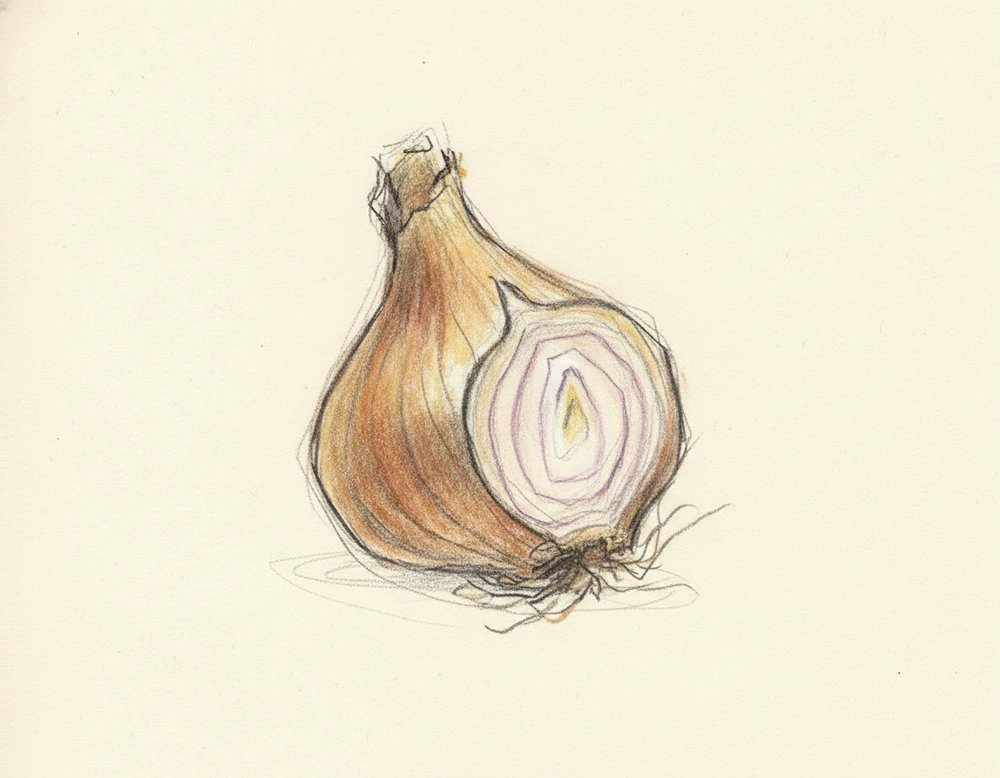
The Romagna ecotype of Allium ascalonicum, a flask-shaped bulb whose leathery outer tunic runs from yellow through leather and tawny to brown or grey, the flesh inside white to violet-streaked. The smell is pungent but the taste is sweet and delicate, closer to onion than to garlic.
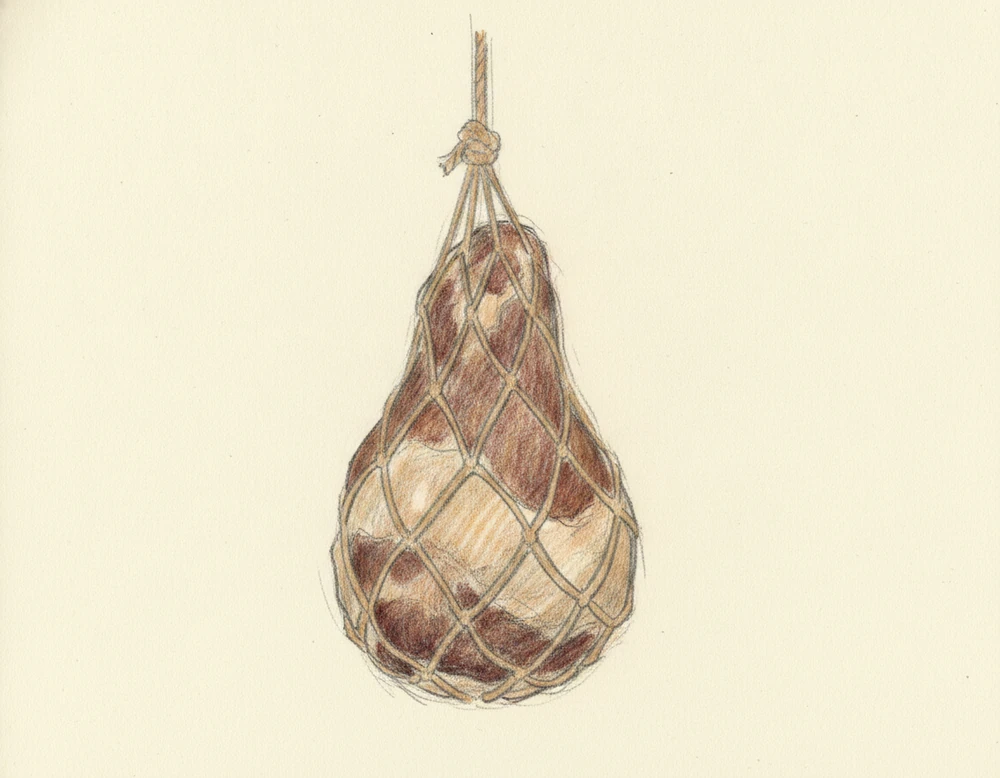
Elsewhere the shoulder is minced into salami and cotechino; around Parma it is cured whole, boned or not, and the result is one of the province's serious meats. Making and ageing it is a charcutier's job.
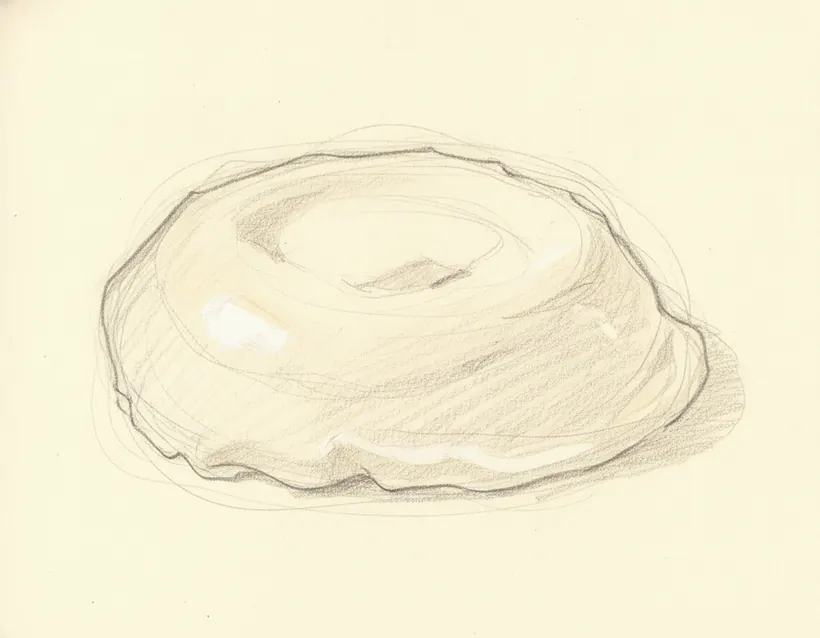
A soft, spreadable, milky-white fresh cow's-milk cheese with a faintly sour tang, classically eaten in a warm piadina.
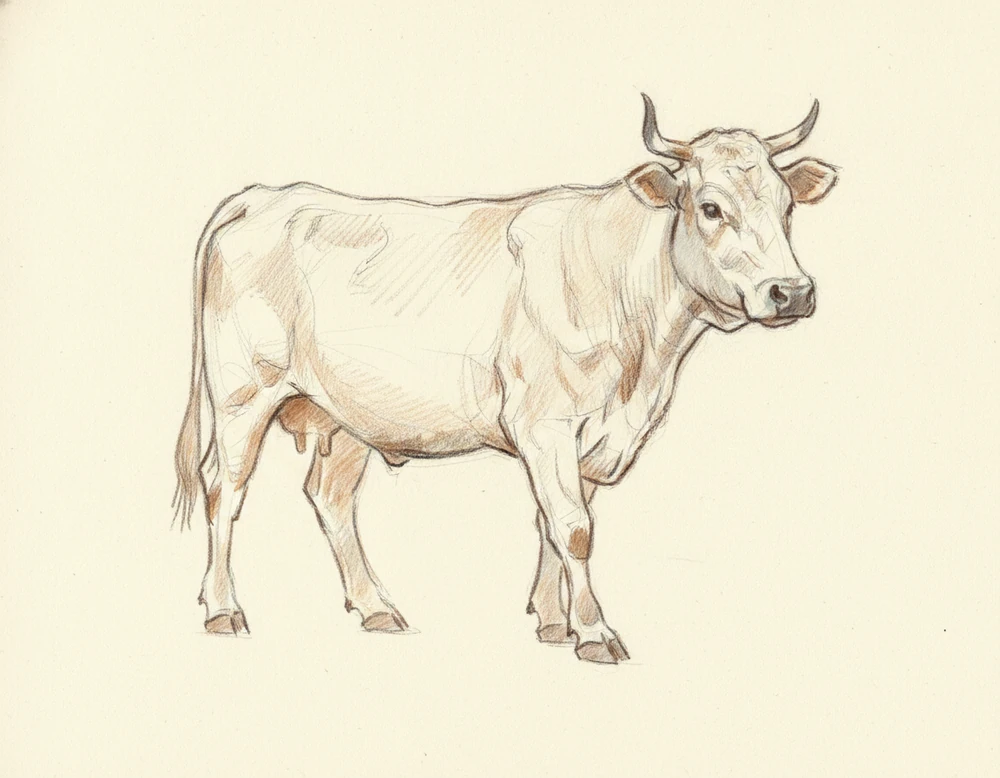
There were 140,000 head in the 1950s. What took them was Parmigiano Reggiano's own success: as the cheese grew, farmers swapped both native breeds, the White Modenese and the Red Reggiana, for Dutch Friesians, more productive and with udders suited to the machine. The Modenese is hardy and dual-purpose, milk and meat, and used to pull the plough as well; its milk is very good for cheese.
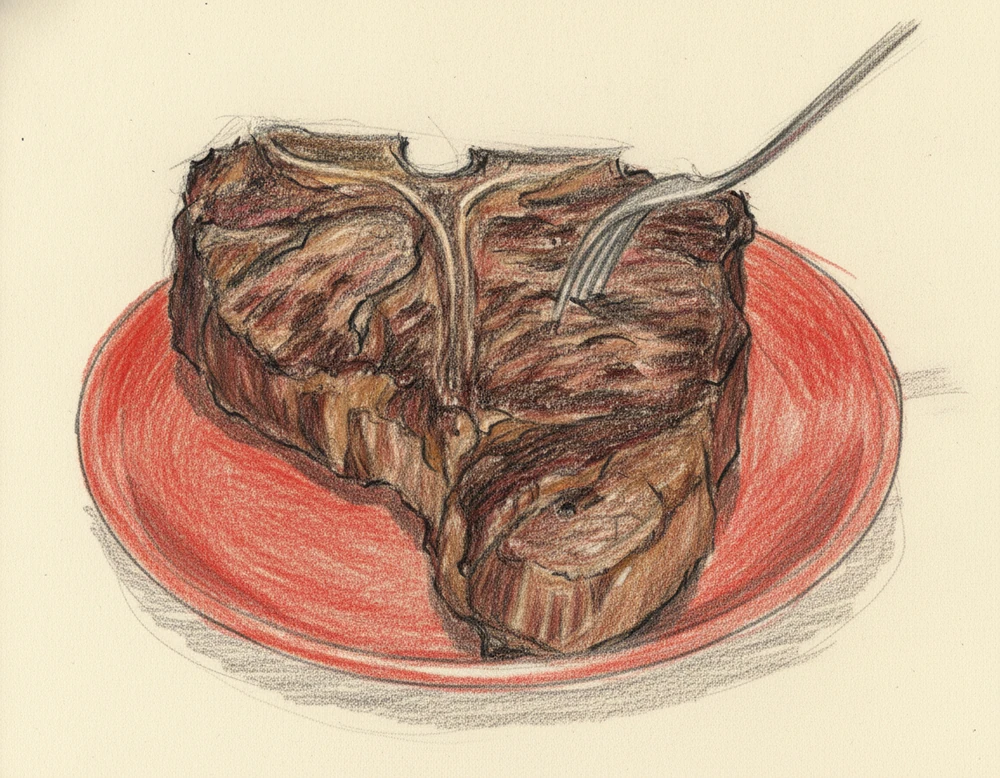
Beef from the white cattle breeds of the central Apennine spine, covering a band of thirty provinces from Bologna down to Latina. It is the designation behind the Chianina, Marchigiana and Romagnola beef that Tuscan and Umbrian cooking is built on.
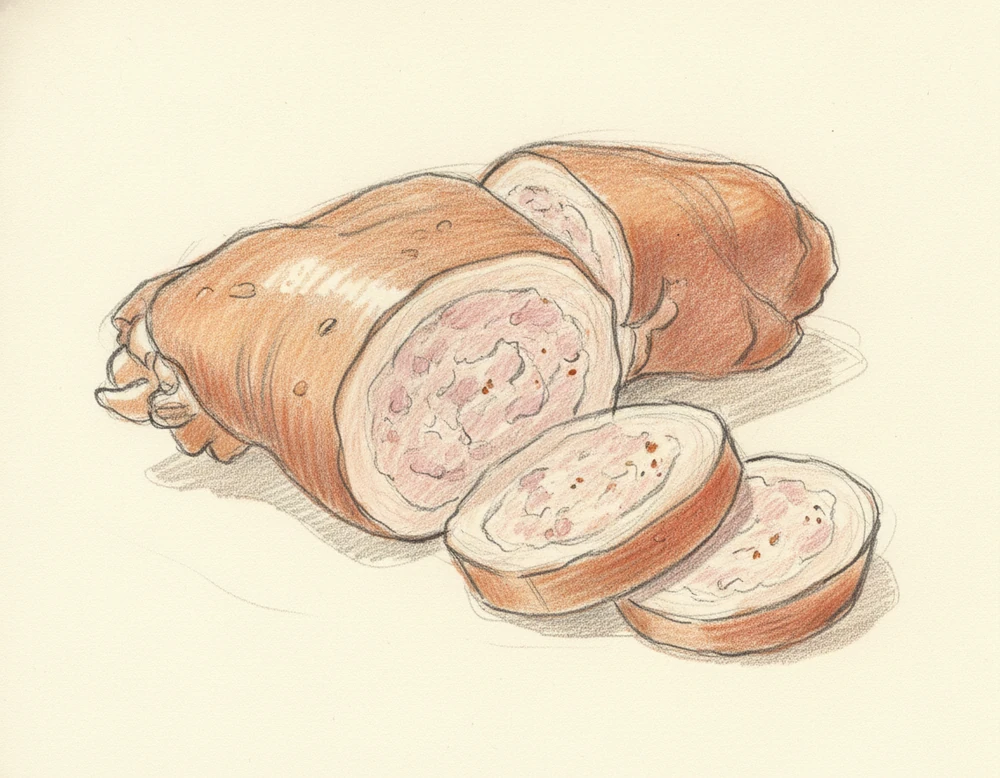
The Modena Christmas dish: a boned front trotter stuffed with a seasoned mix of pork meat, rind and fat, then either sold fresh for long boiling or pre-cooked and sterilised in its pack. Cotechino Modena is the same filling in a plain casing rather than the trotter.