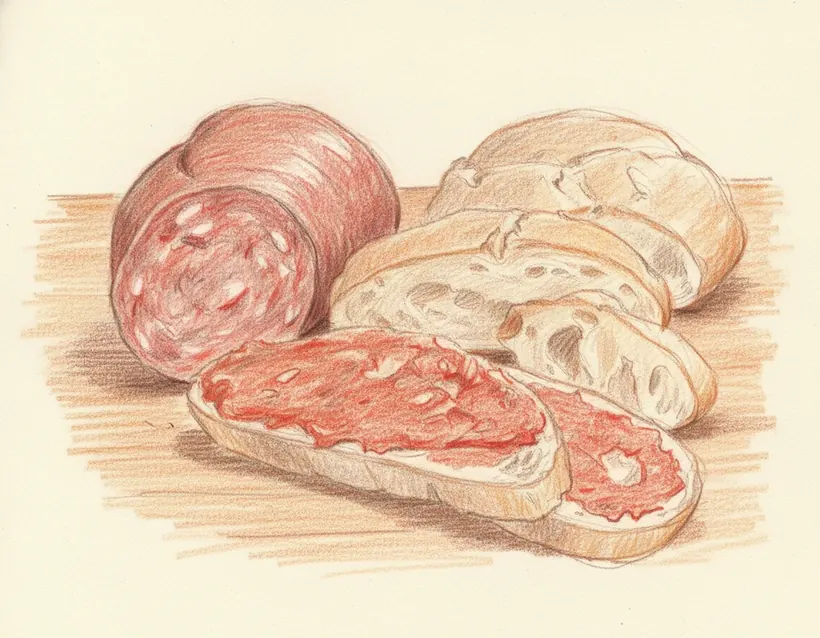
'Nduja di SpilingaSpreadable spicy sausage
A soft, fiery pork salami blended with a huge dose of Calabrian chilli, spread on warm bread or melted into sauces, the emblem of Vibo Valentia.
Calabria cooks with fire and sun: the spreadable chilli sausage 'nduja, red onions of Tropea, swordfish from the Straits, and pork preserved every way. Its wines are led by the ancient Gaglioppo of Cirò and the Magliocco of the Cosenza hills, with Greco, dry on the coast, gloriously sweet at Bianco, for the whites.
A soft, fiery pork salami blended with a huge dose of Calabrian chilli, spread on warm bread or melted into sauces, the emblem of Vibo Valentia.
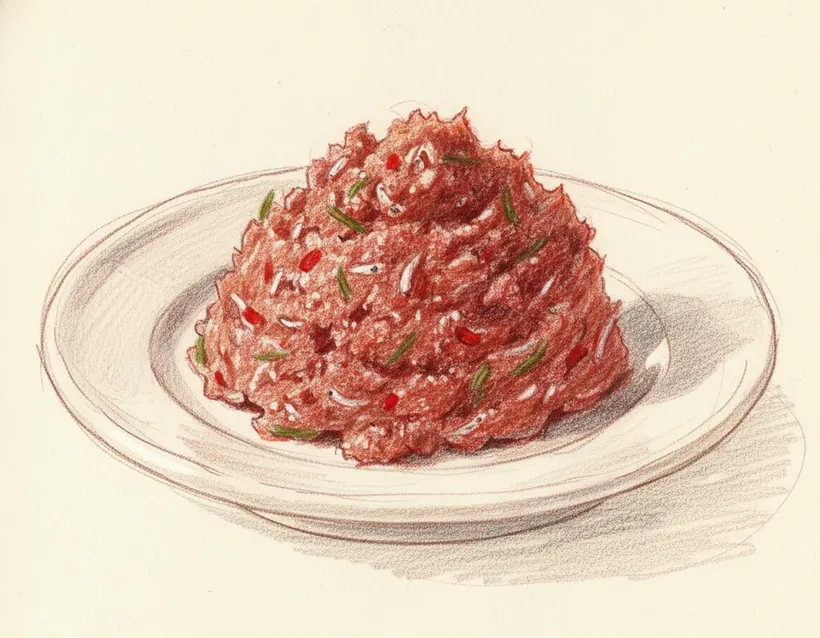
A fiery red paste of tiny whitebait (bianchetto) cured with chilli and wild fennel, 'the caviar of the poor' of the Crotone coast.
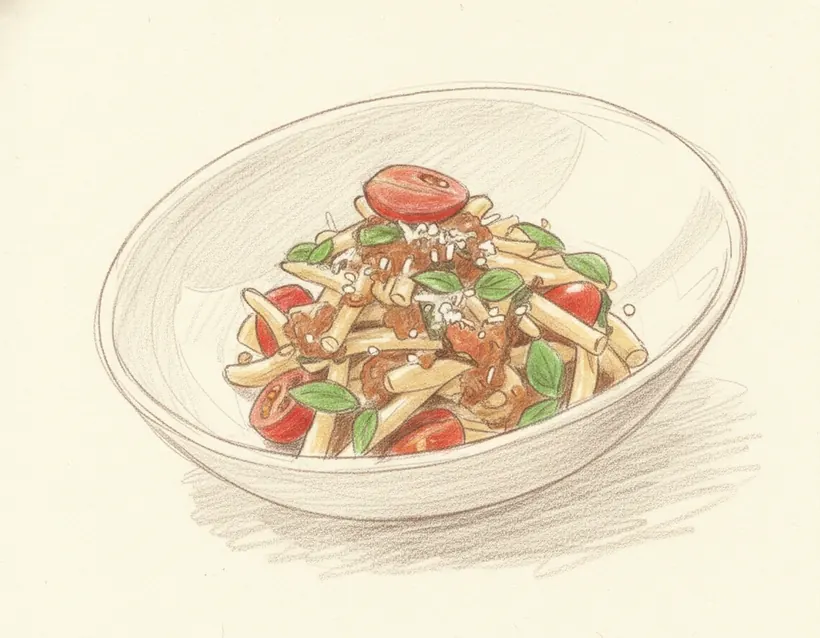
Hand-twisted fileja pasta dressed with a long-cooked ragù of goat (or pork) and tomato, often with a hit of chilli.
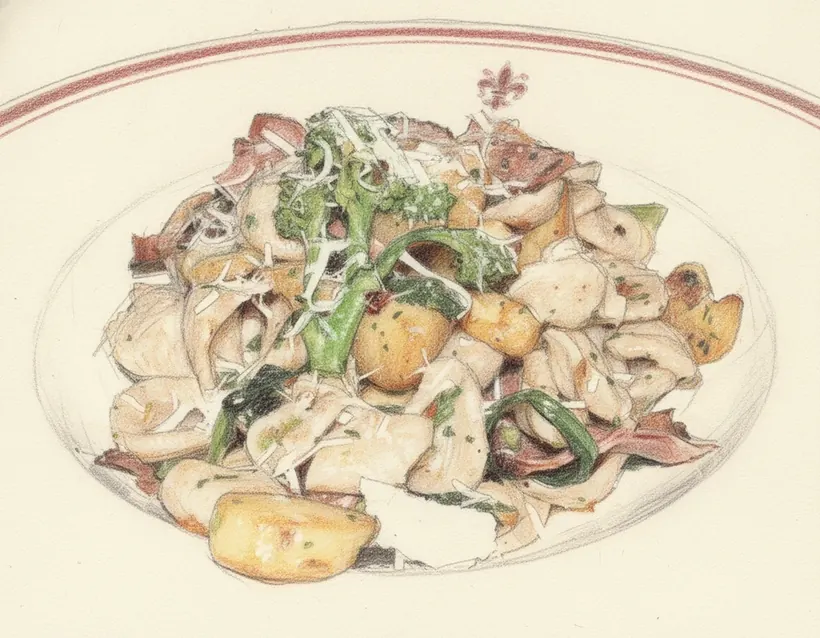
Mixed pasta, potato, tomato, onion and pecorino baked together in a terracotta 'tijella' until crusted, Calabrian cucina povera.
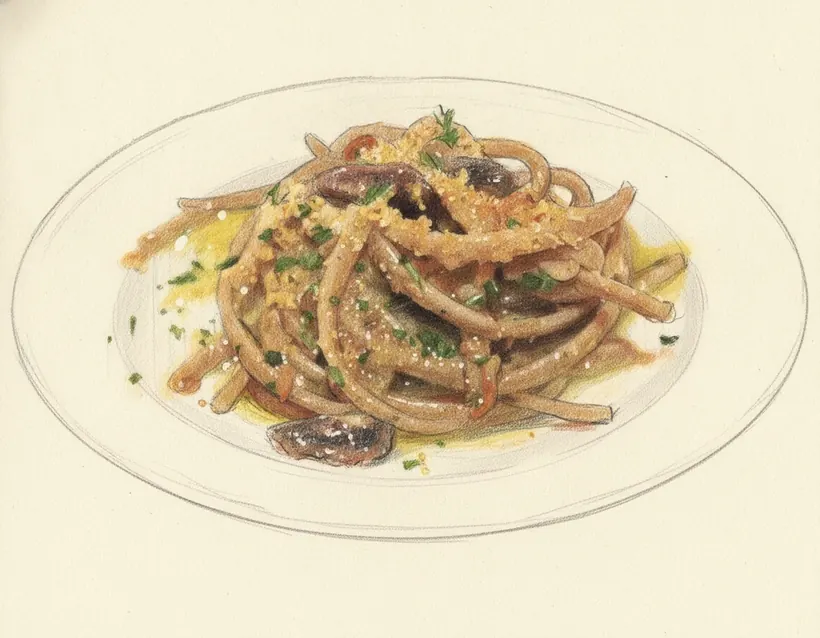
A dark, wholemeal-bran pasta of the Piana di Gioia Tauro, dressed with anchovies, garlic, chilli and toasted breadcrumbs.
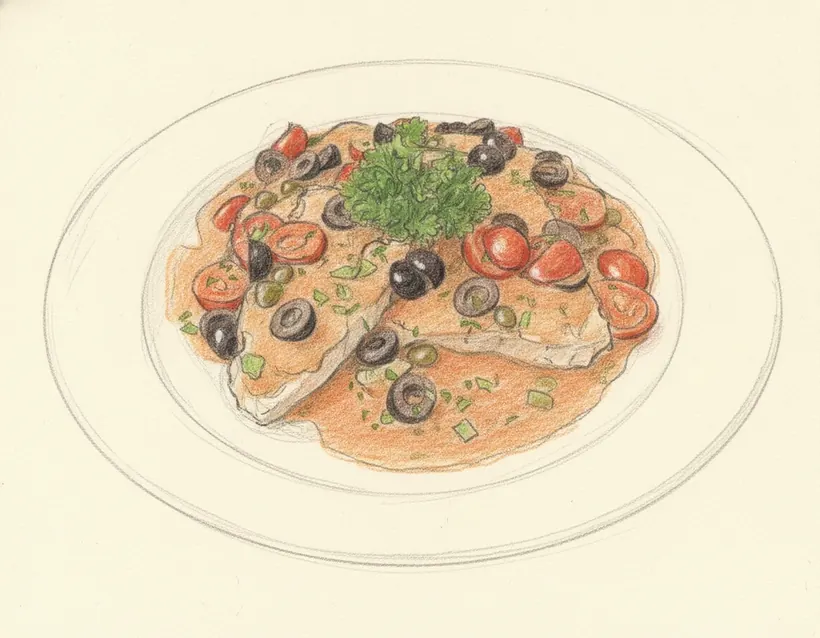
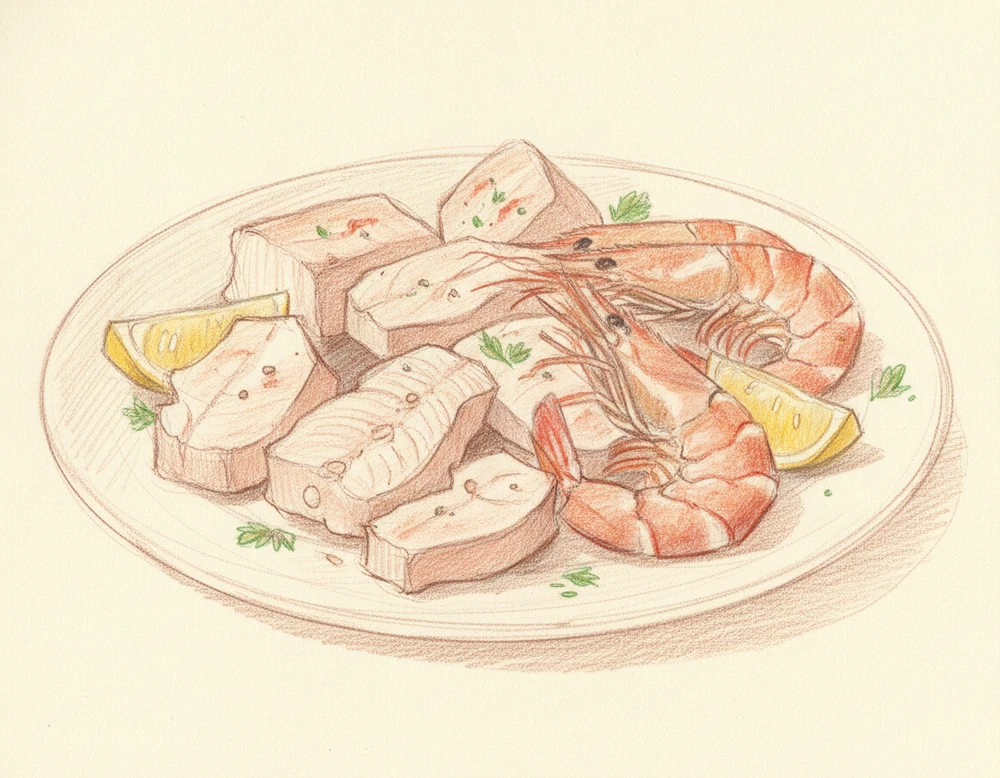
Swordfish from the Straits of Messina stewed with tomato, capers, olives, celery and onion, shared with the facing Sicilian shore.
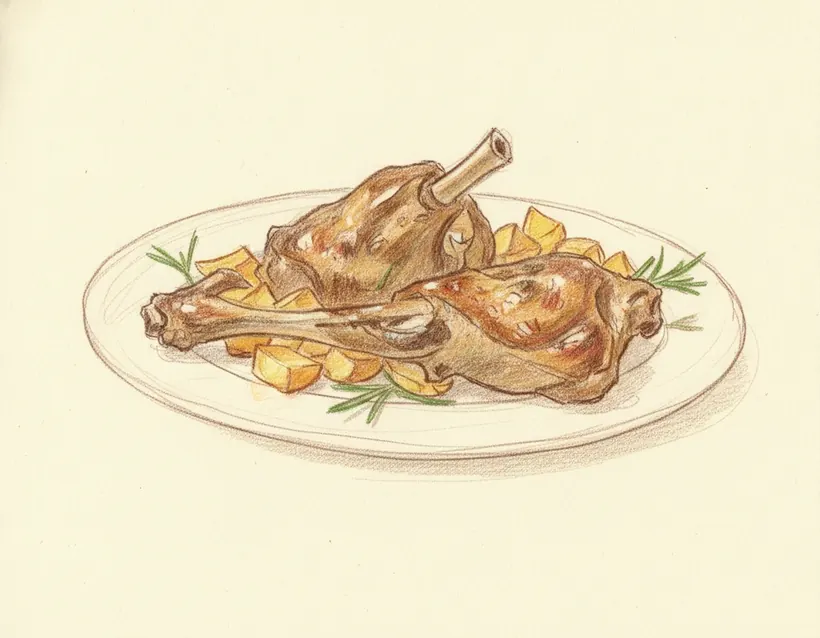
Young goat roasted with potatoes, wild herbs, garlic and chilli, the Sunday and festive roast of the Calabrian hills.
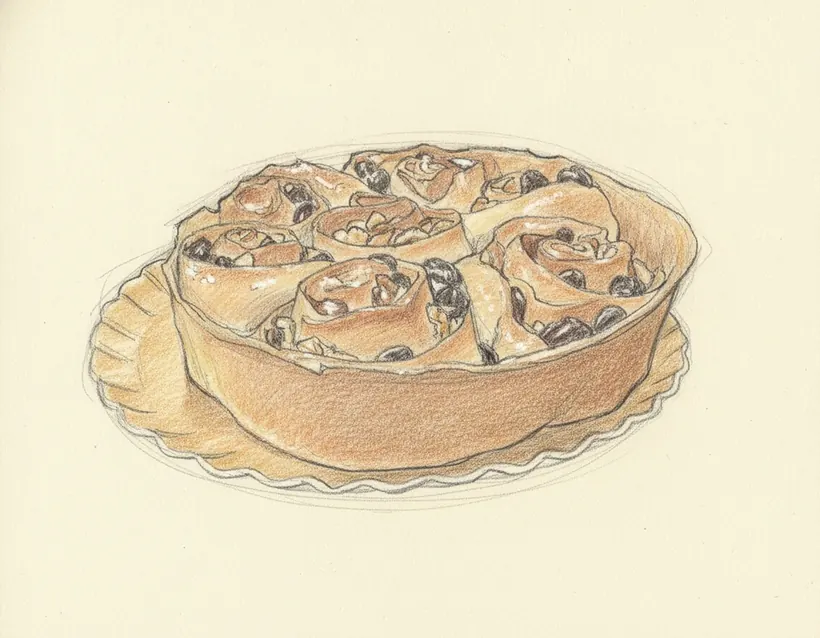
A coiled pastry (also 'pitta 'mpigliata') filled with walnuts, raisins, honey and spices, the festive sweet of the Sila and Catanzaro.
DOP, IGP, STG, Slow Food Presidia and traditional specialities of Calabria.
A late orange with pale yellow flesh, named for Villa San Giuseppe at the mouth of the Gallico, north of Reggio. It grows on the valley floors of the Gallico and the Catona and up from the foot of Aspromonte towards the Strait. The first notice of the cultivar seems to be 1863, when Professor Pasquale Giuseppe described the citrus country of Reggio Calabria and singled out the oranges of Villa San Giuseppe; the fruit of this stretch was famous and mattered economically.
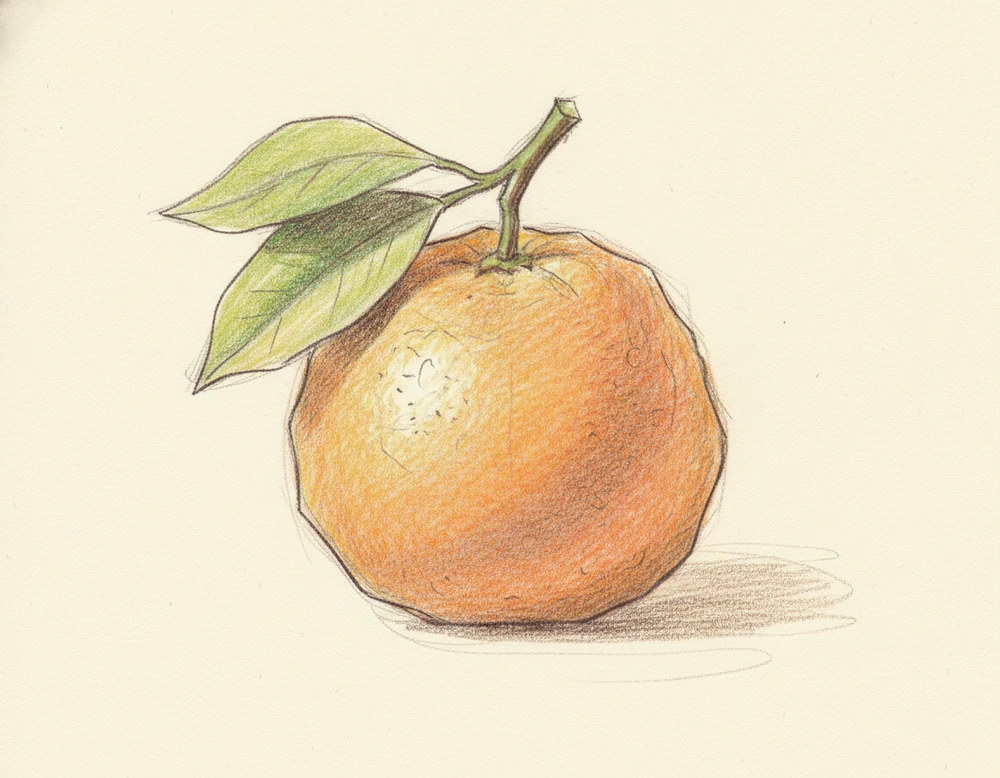
Grown at Trebisacce since the late 19th century, a blonde non-navel orange that has settled into a microclimate the sea makes: the Pollino keeps the cold currents off, and soils low in clay slow the ripening. So it is picked in late spring and taken almost for a summer fruit, having ripened fully on the tree with everything that entails. Skin rough and pale, scent delicate but definite, sweetness and acidity in balance.
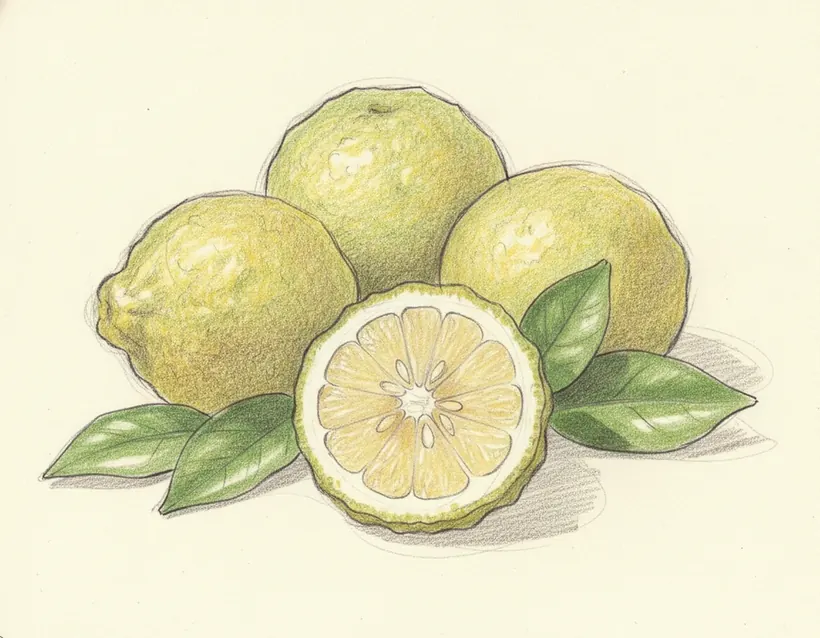
The intensely aromatic yellow-green bergamot grown almost only on this coast, its rind pressed for perfume and its juice for sweets.
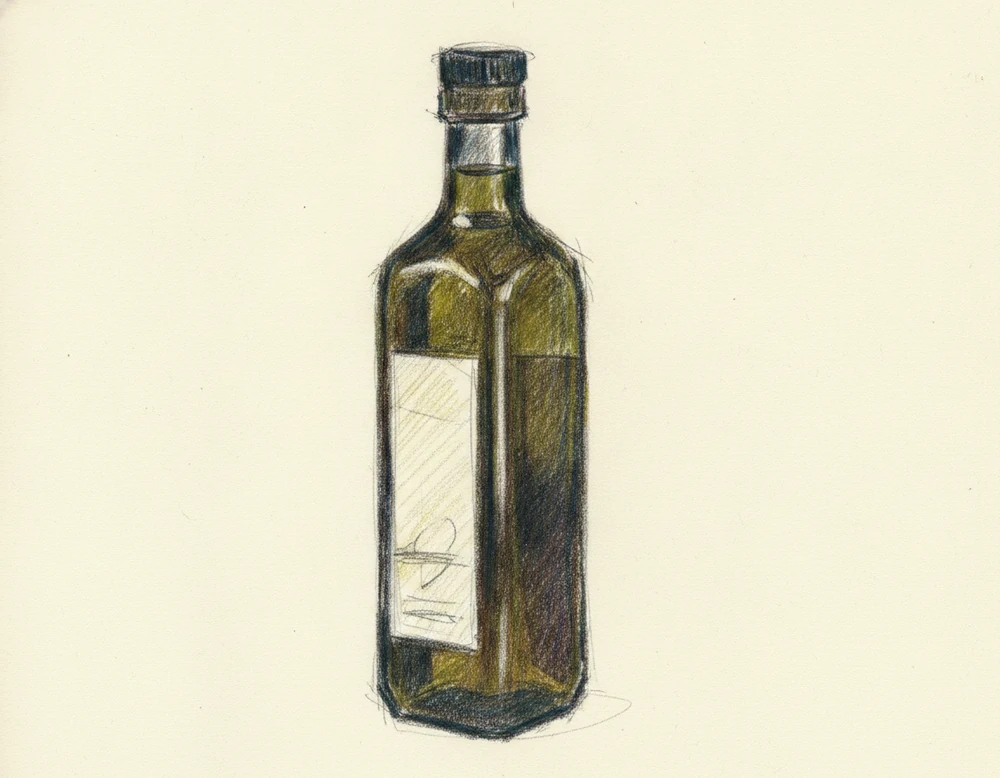
An olive oil DOP divided into named geographic mentions. Fascia Prepollinica, for instance, requires Tondina at 50 per cent or more, Carolea at no more than 30 and Grossa di Cassano at no more than 20.
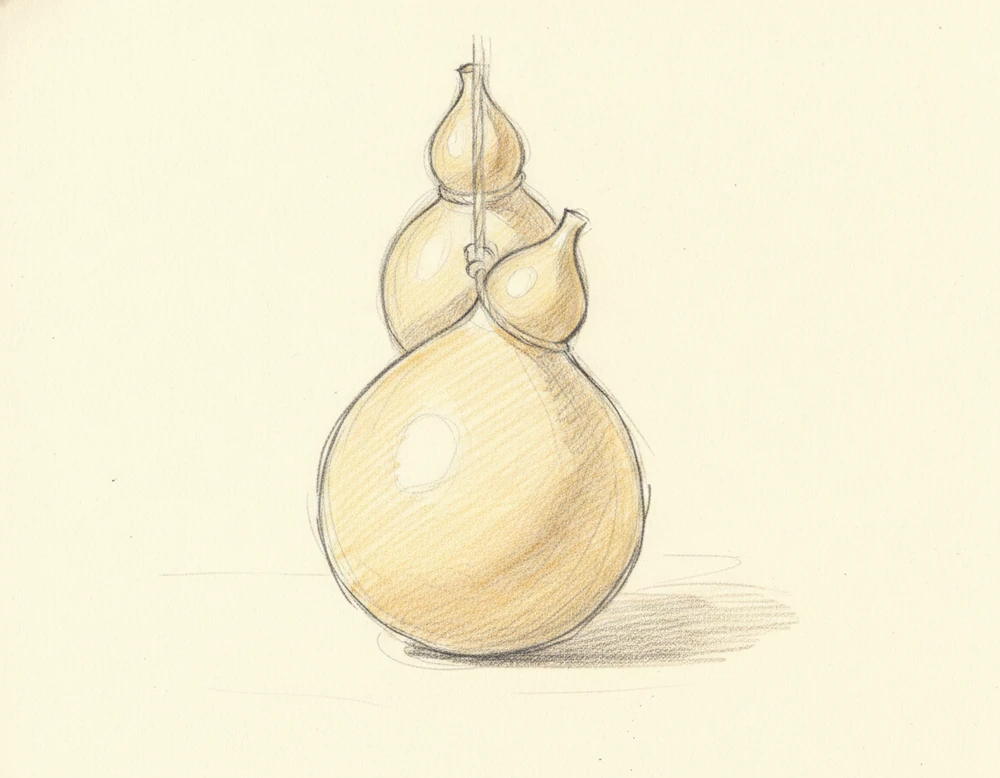
Good caciocavallo is made all over Calabria and the south, by much the same method, so what differs is the pasture, the climate and the hands. Ciminà makes two: the classic oval, and a small elongated one tied into two knots. That double-headed form is unique in Italy and no specialist literature connects it with the place it comes from.
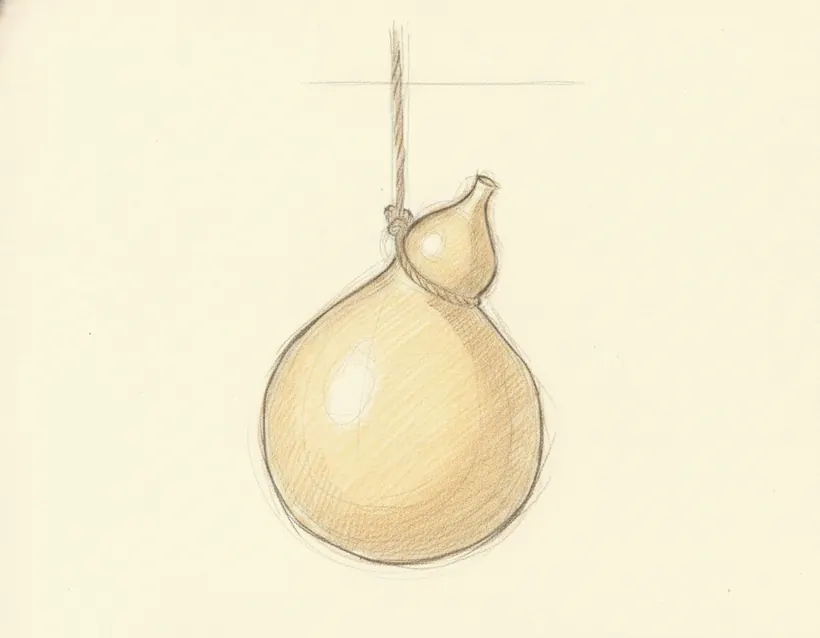
A gourd-shaped stretched-curd cow's-milk cheese of the Sila highlands, aged tied in pairs over a beam.
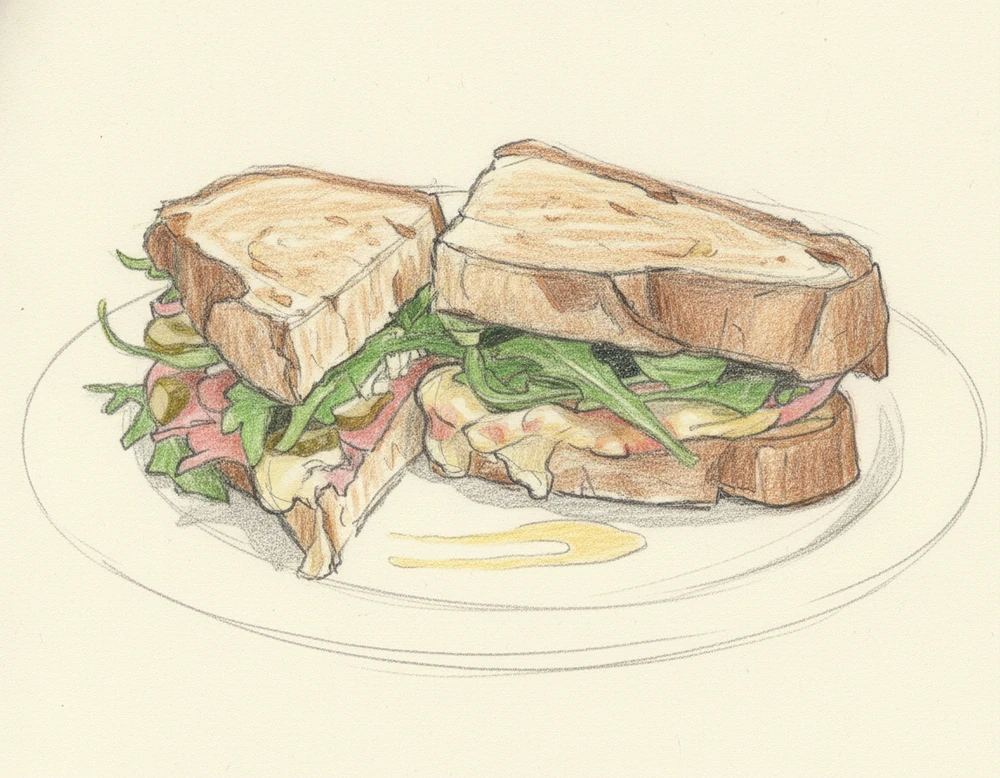
Capicoddho azze anca belongs to the Bovesìa, the Grecanica country of the Reggino where the Greeks of Calabria are: a Hellenic-speaking minority still present in numbers, and in villages inland, Bova, Gallicianò, Roghudi, older people still speak Greko, close to what the farmers and shepherds here took from the ancient Greeks. The capicollo di coscia, cut from the leg, was and is central to the pork butchery of that country.
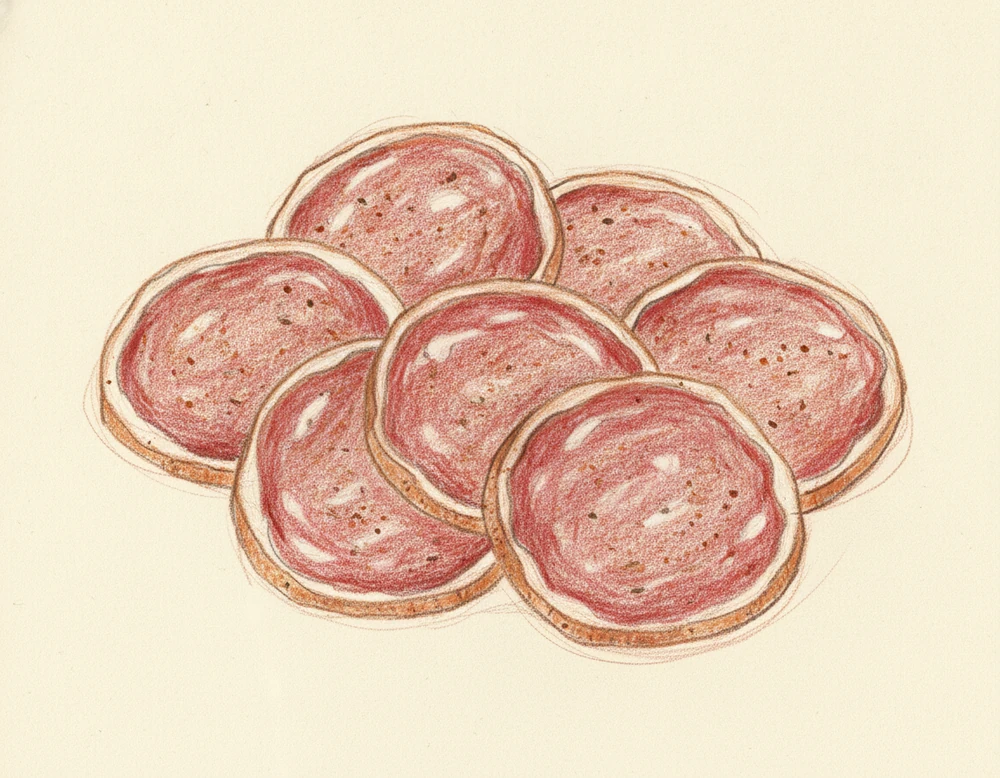
The cured neck muscle of the Calabrian pork tradition, made alongside Pancetta, Salsiccia and Soppressata di Calabria under the same rules on raising and working the pigs.
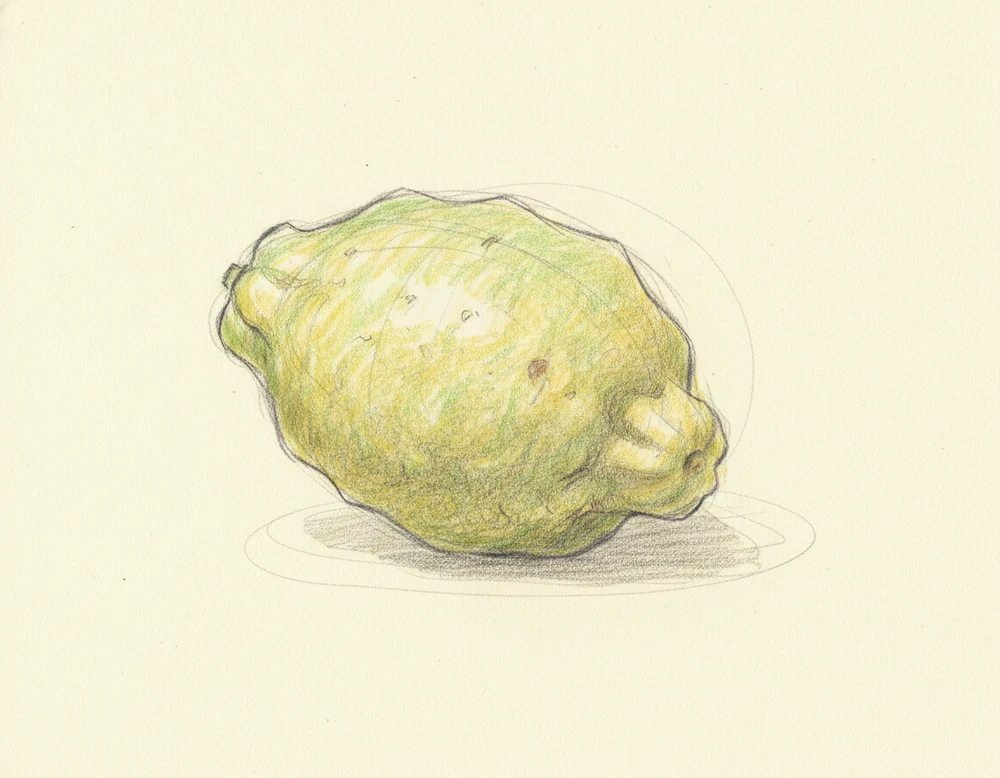
The citron (Citrus medica) of the Tyrrhenian Calabrian coast, in the liscia-diamante variety, also called italiana or calabrese. It is the fruit the Riviera dei Cedri is named for, and the one bought here for the Jewish festival of Sukkot.
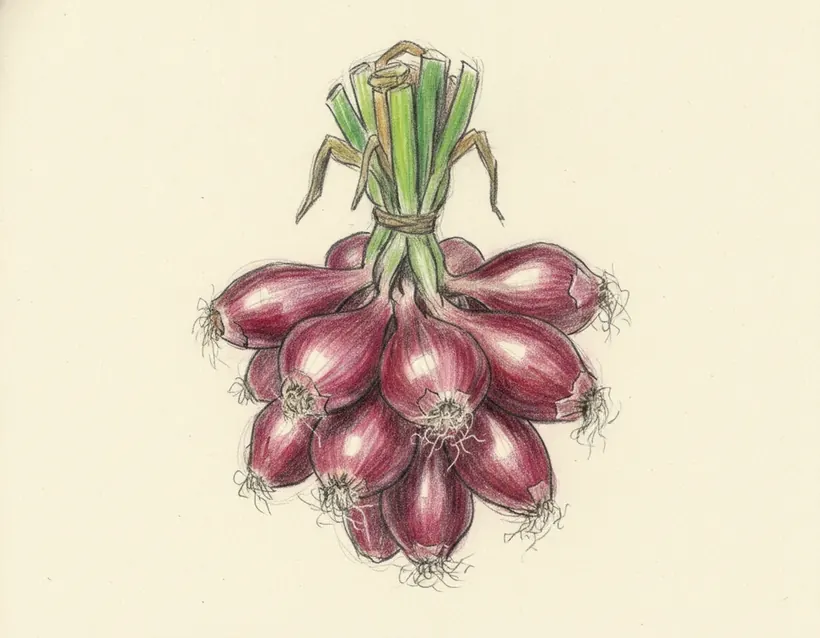
The long, torpedo-shaped purple-red onion of the Tyrrhenian coast, sweet and mild enough to eat raw or turn into jam.
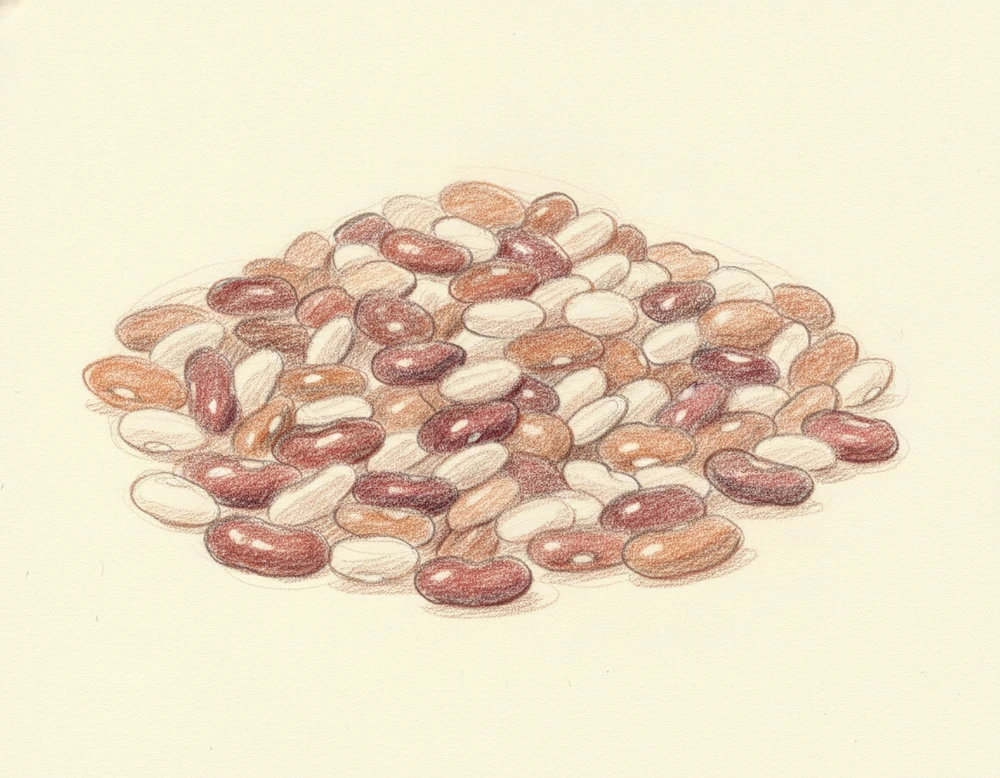
Cortale lies between the Pilla and the Pesipa, with the Lamezia Terme plain on one side and the isthmus of Catanzaro on the other, in valleys of chestnut and beech that give way to pine as they climb. The soil is fertile and well watered and grows wheat, maize and vegetables, but what it is known for is beans. The Inchiesta Jacini, the parliamentary enquiry into Italian agriculture at the end of the 19th century, has Senator Stefano Jacini noting that they grow potatoes and enough white beans, commonly called rognone, to export to the neighbouring towns.
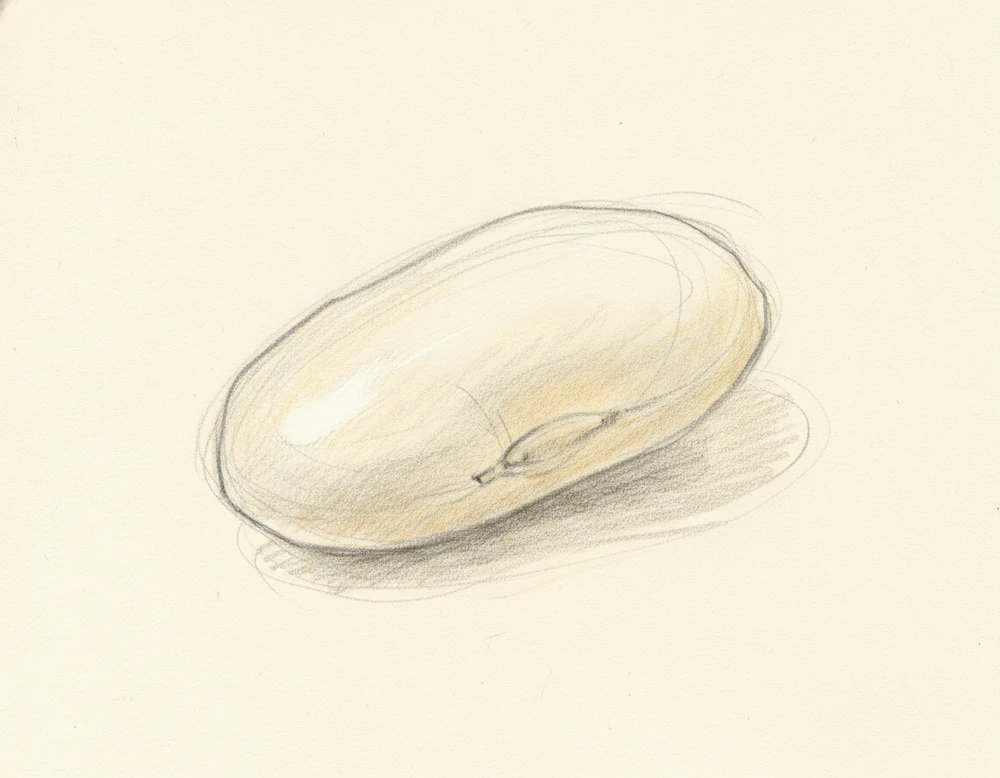
Grown from far back on the watered ground of some mountain villages of the Pollino. The seed is large and ovoid, the skin thin, white, glossy and unmarked. It cooks easily and eats delicately, and wants at least 45 minutes' soaking.
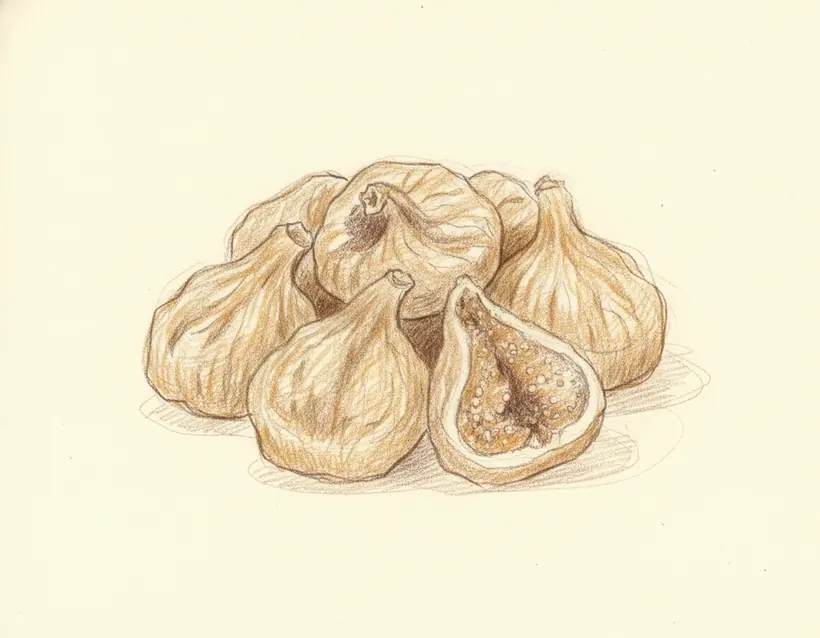
Sweet Dottato figs sun-dried in the Crati valley, eaten plain or stuffed with almonds and dipped in chocolate.
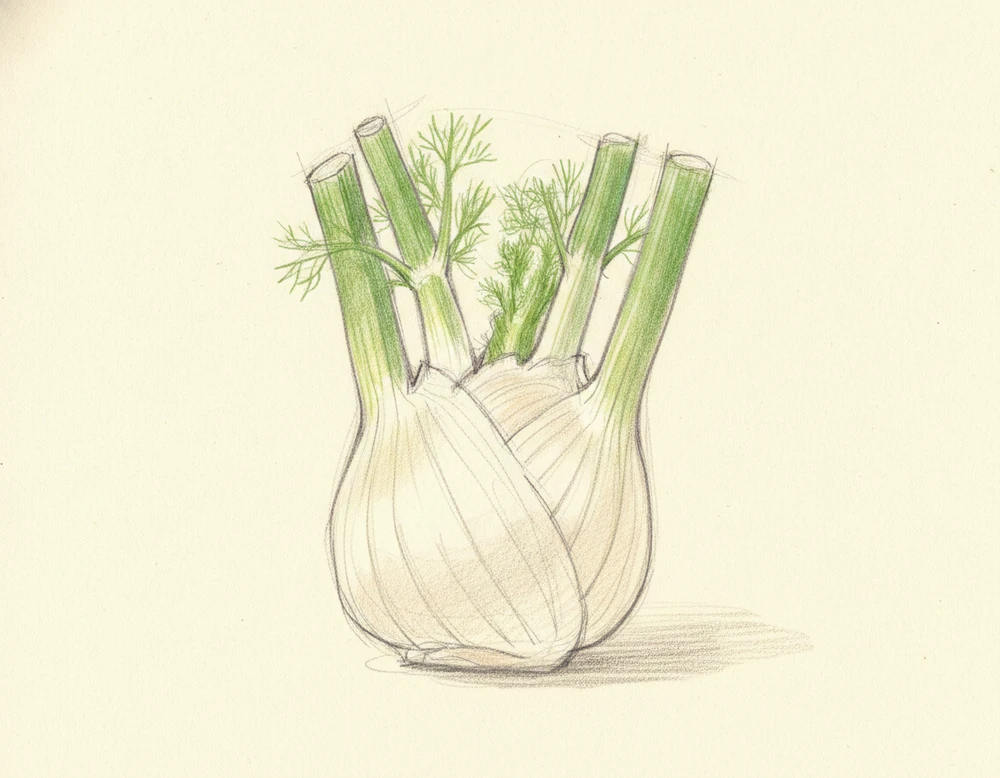
Fresh fennel of Foeniculum vulgare subsp. capillaceum var. dulce or azoricum, distinguished into types by when in the season it is grown.
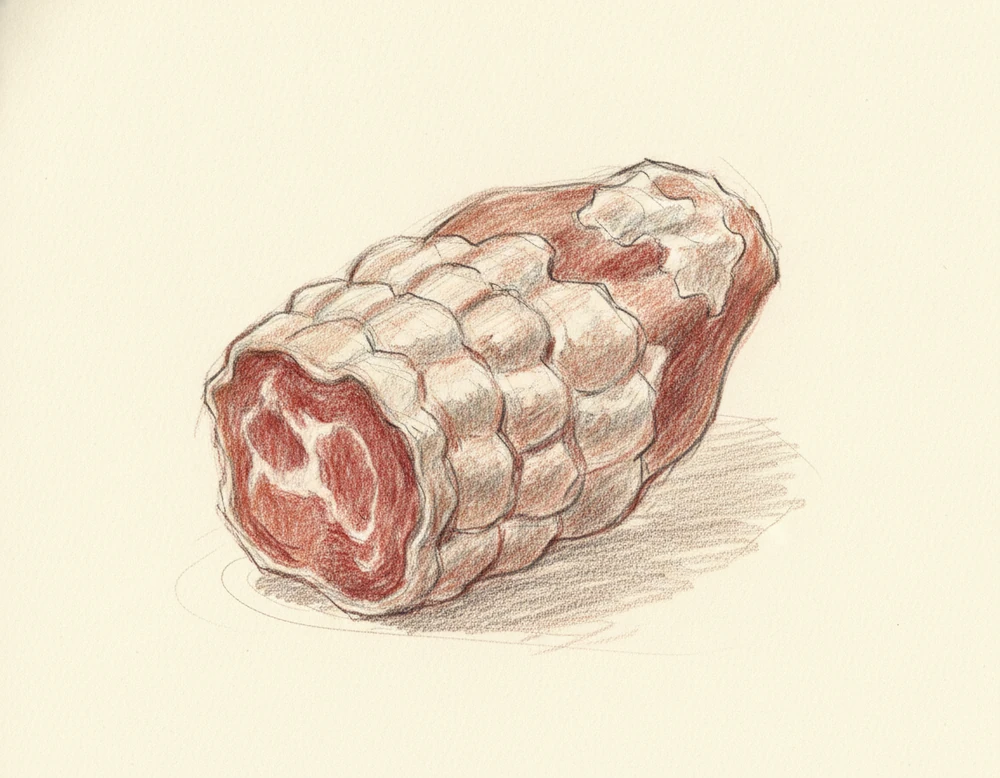
Belmonte is known for its tomatoes, but like everywhere in Calabria it cures pork too, and every family here used to keep a few pigs for the year's meat. Its own speciality is gammune, cut from the inner part of the leg much as culatello is, coated in a mild chilli paste and cased in the pig's caecum. It was what you served a guest of consequence or gave to the town's notables.
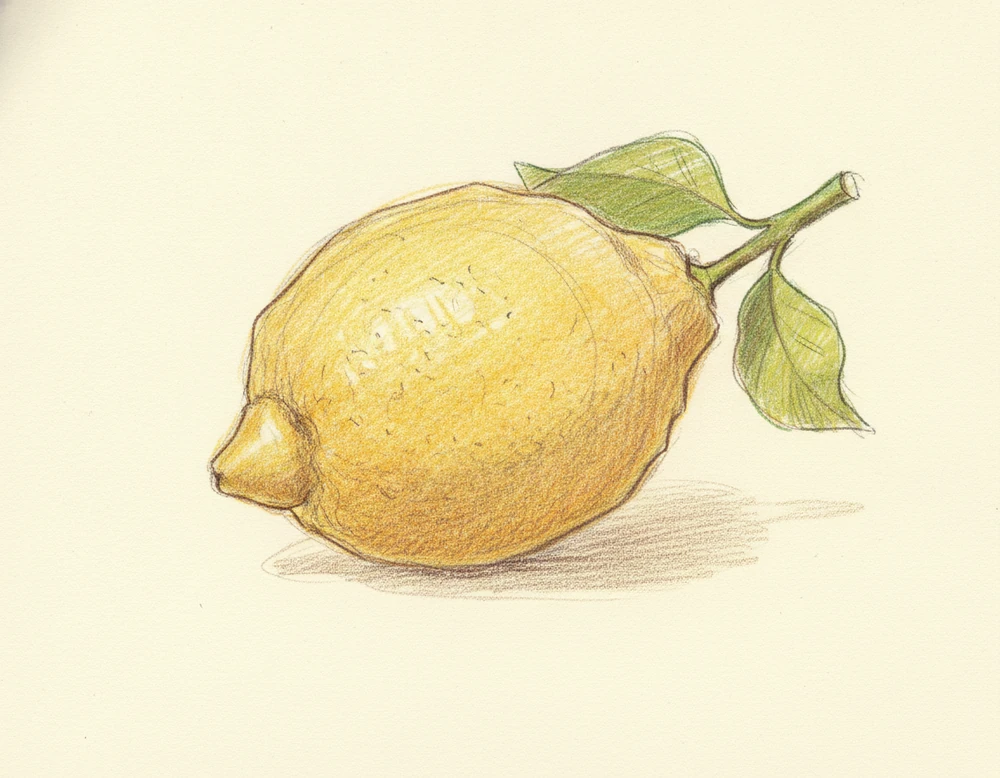
Lemons of the Femminello group (Citrus limon) grown on the high Ionian coast of Calabria, known locally simply as the Limone di Rocca Imperiale.
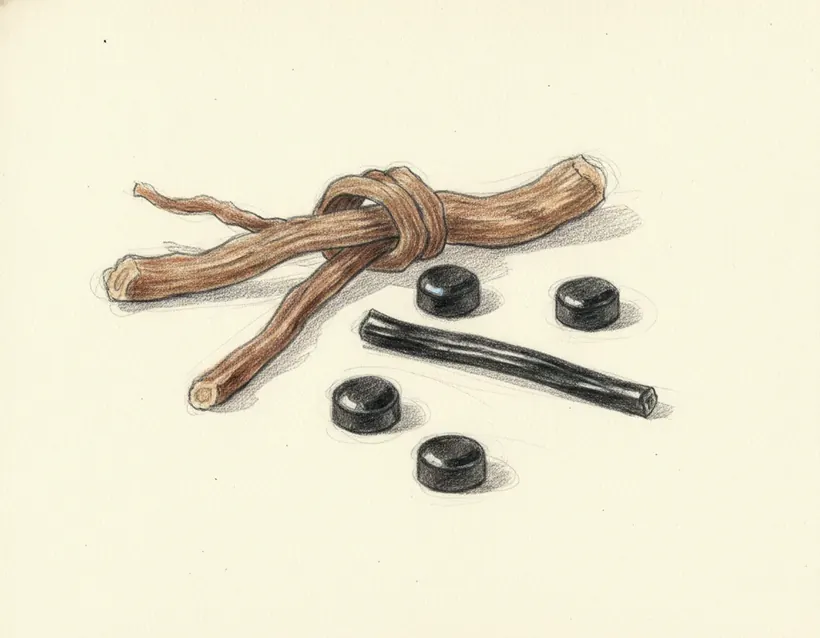
Pure licorice from the wild roots of the Ionian coast, prized as the finest, sold as glossy black sticks and pastilles.
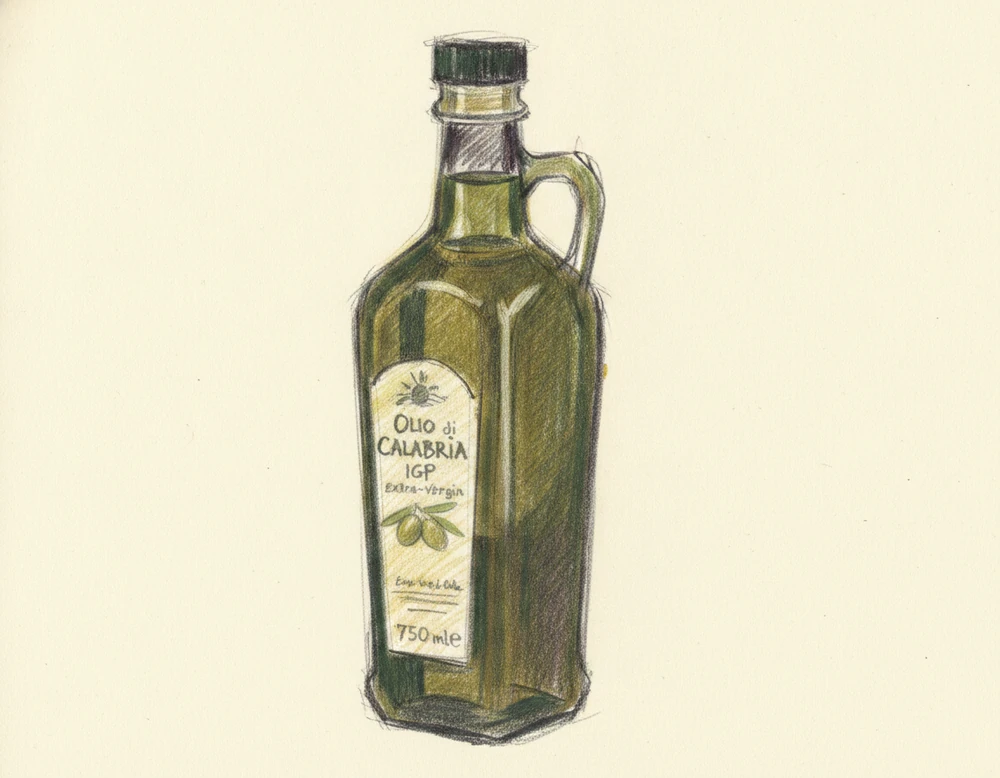
The region-wide Calabrian olive oil IGP, pressed from olives grown anywhere in Calabria that meet the disciplinare's requirements.
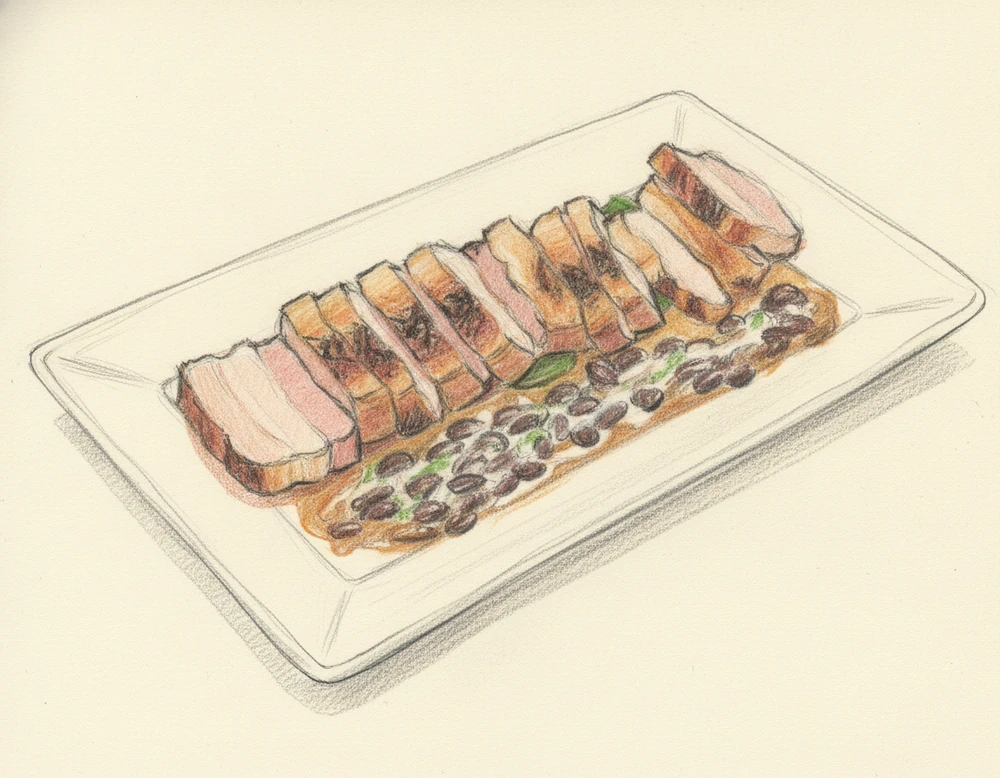
The cured belly of the Calabrian pork family, worked and matured entirely inside the region alongside Capocollo, Salsiccia and Soppressata di Calabria.
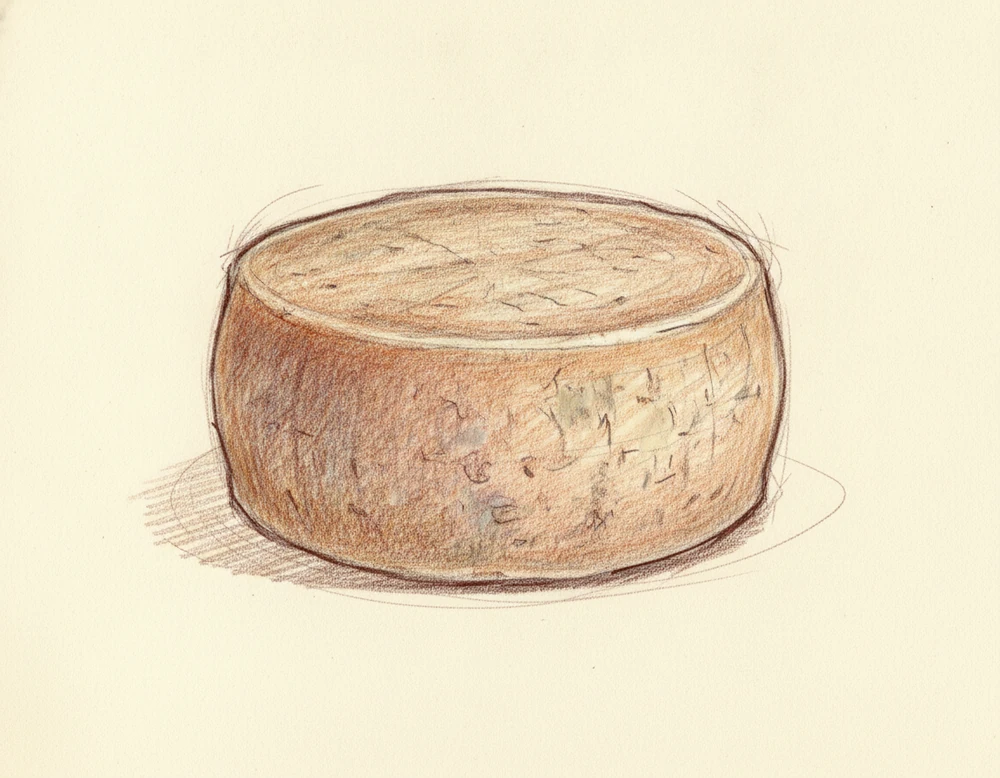
A cylindrical sheep cheese with flat or slightly convex faces and a straight to slightly convex heel, sold fresh, semi-hard and aged. Fresh wheels run 0.5 to 1.2 kg small and 1.3 to 3 kg medium.
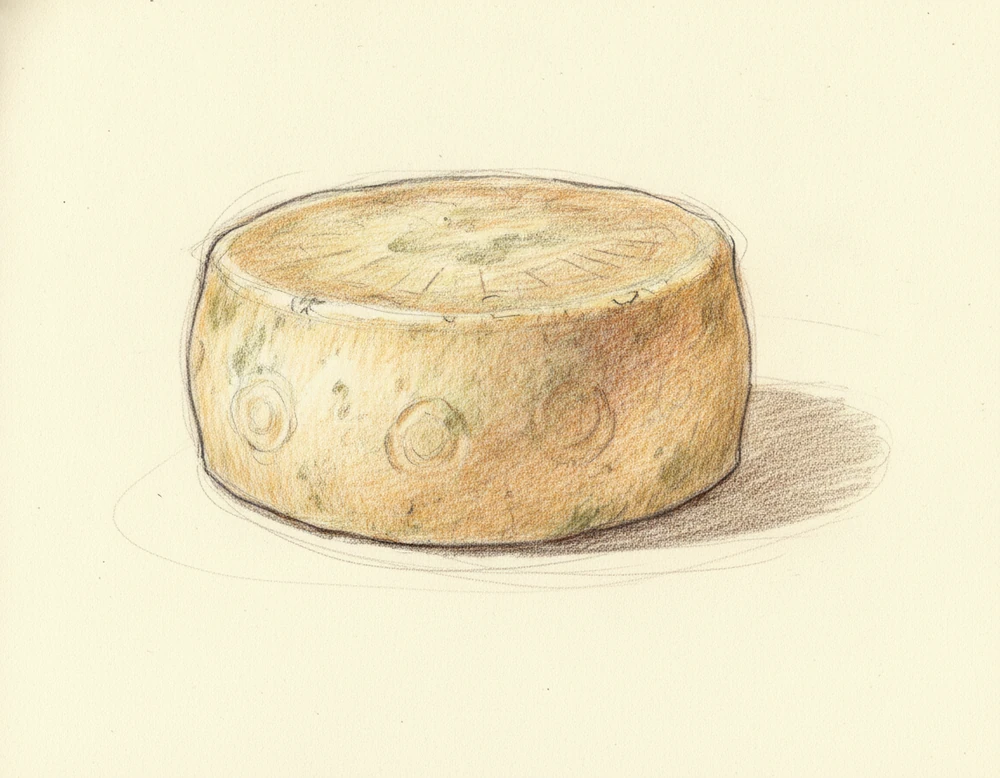
A sheep cheese from the Monte Poro plateau above the Tyrrhenian coast, sold at three ages: fresco kept 20 to 60 days, semistagionato 61 days to 6 months, and stagionato from 6 months up to 2 years.
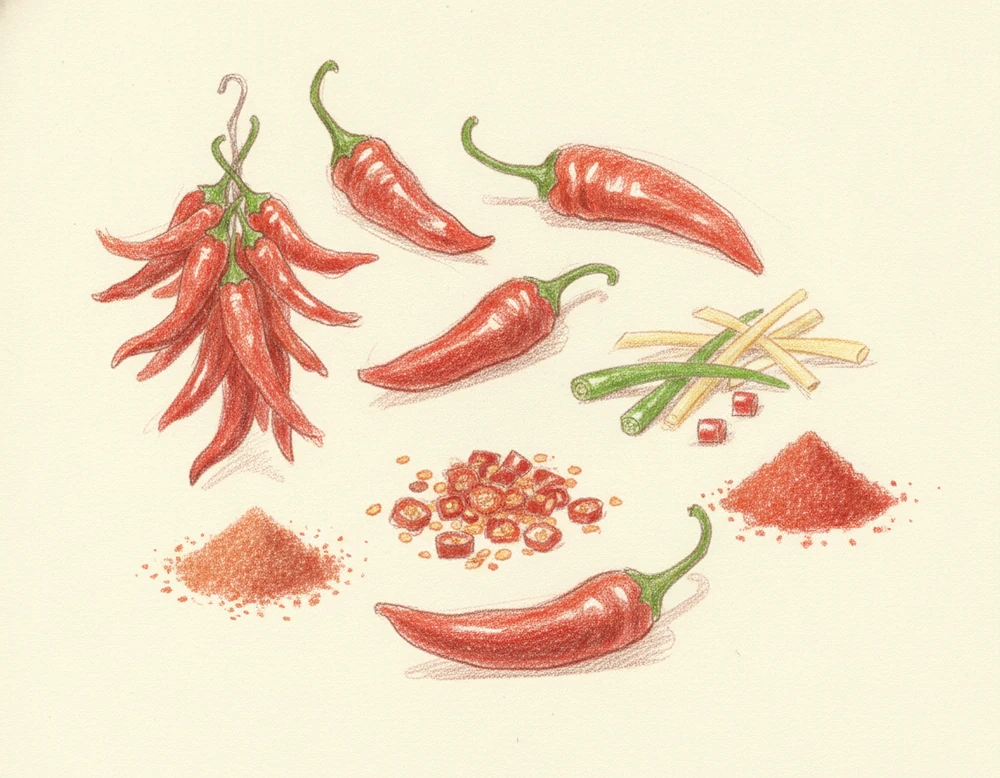
Capsicum annuum chillies sold fresh or dried, whole, in pieces, in flakes or ground. The permitted varieties include Amando, Barbarian, Corno di capra, Cayenna, Ciliegia, Pinocchio, Red devil, Rodeo, Picaro, Shakira and Trottolino amoroso, known locally as Naso di cane.
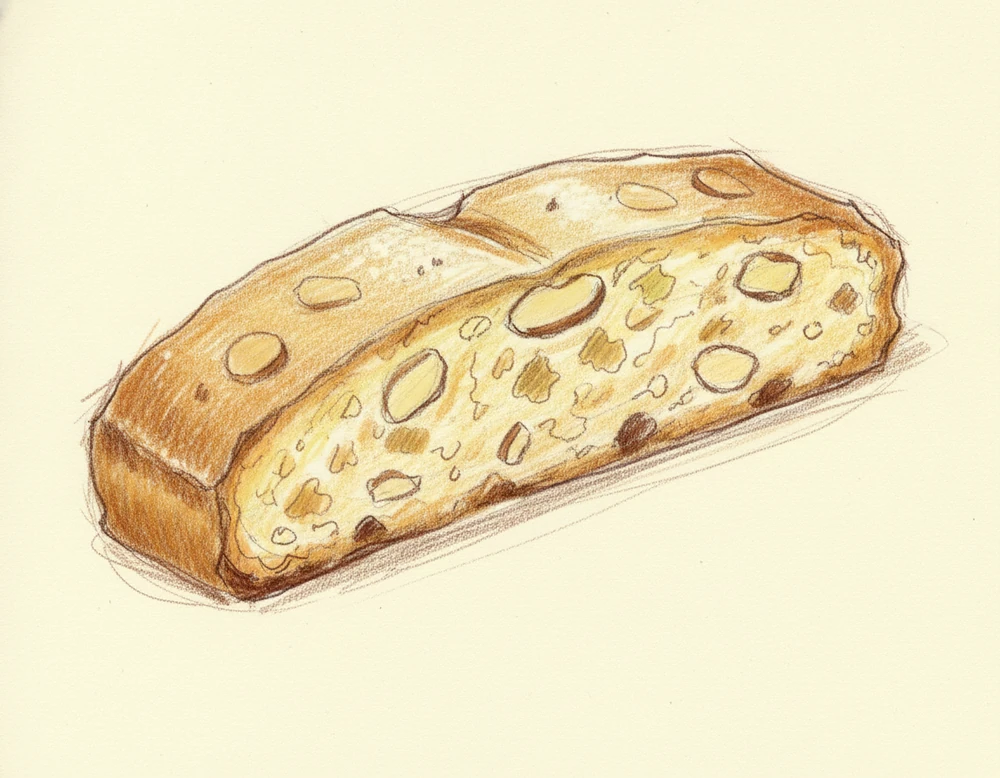
Made for over a century at Villa San Giovanni on the Costa Viola, facing the Strait. They are cousins of the Messina piparelle across the water but thinner, with a different proportion of almonds, more sparing with the spices and doing without some of them altogether, pepper among them. The name is said to come from the wood ovens they were baked in, which smoked like pipes. Two master bakers, the brothers Antonio and Paolo Strati, began making them in the early 1900s, and others followed, Domenico Adamo, Carmelo Ventre, Federico Polistena among them.
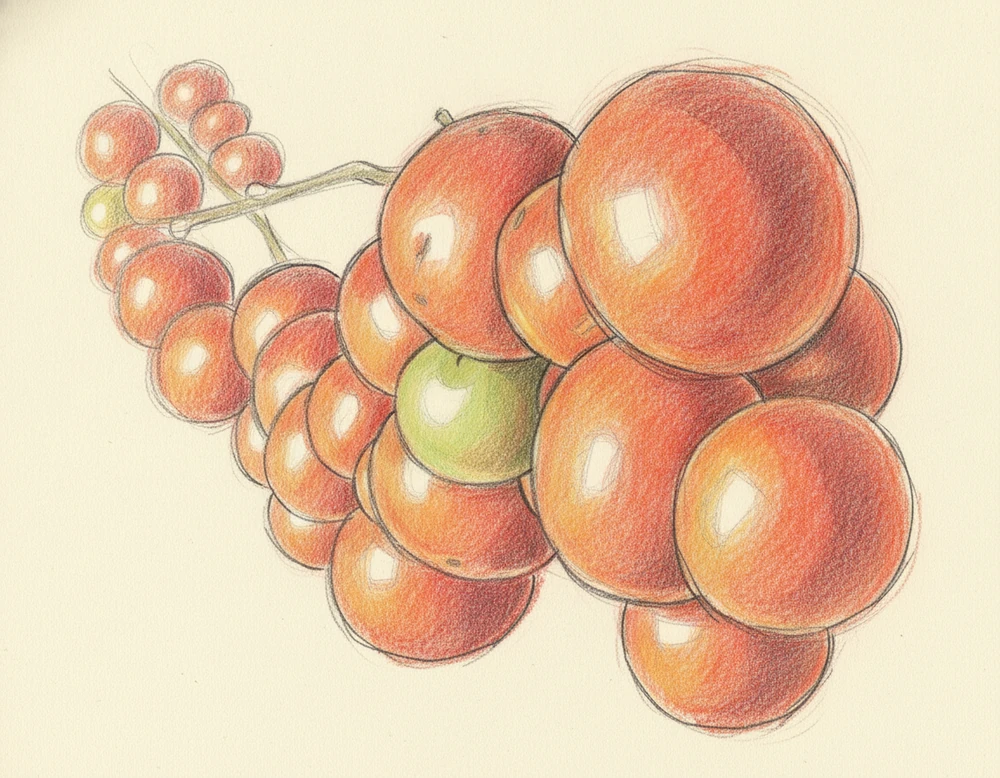
An ecotype held together by the growers of the Ionian hinterland. It was first grown on the Presila hills of the Catanzarese among the olives and climbs to 800 and even 1,000 metres. The fruit is small, about 60 grams, round and smooth or faintly ribbed, deep red; it holds very little water and has a thick skin, which is what lets it keep through the winter. Before the Second World War the seccagno or siccagno types were common not only in Calabria and Sicily but across the south.
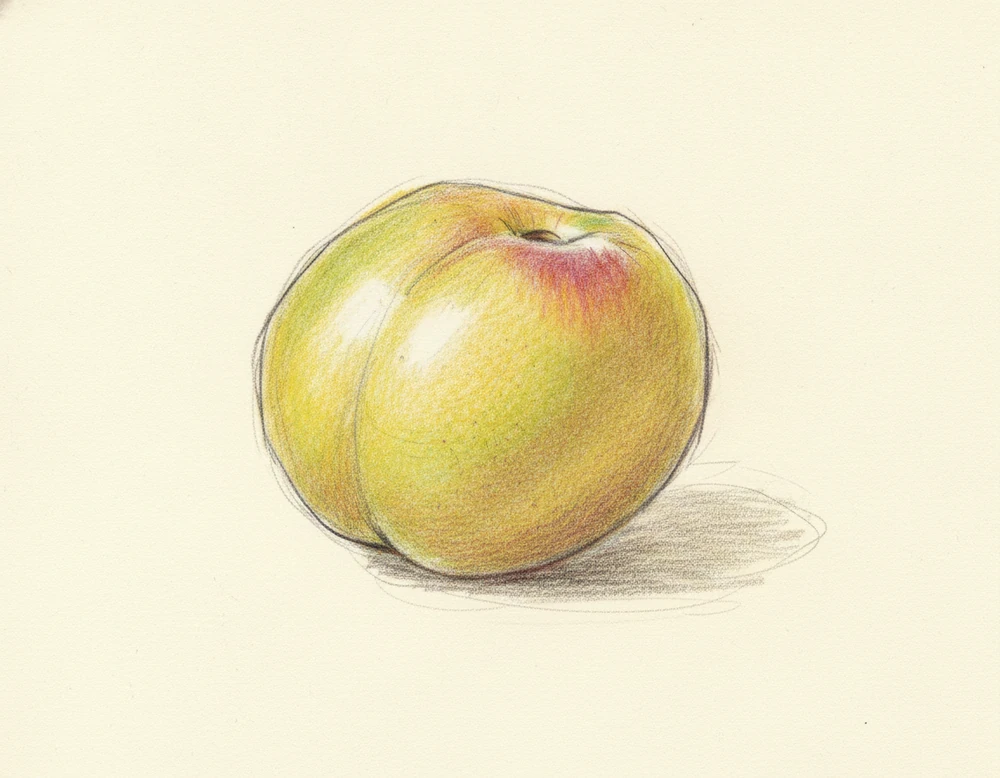
Selected in the 1500s by Celestine Benedictines in the monasteries of the old duchy of Terranova, below Aspromonte. Father Giovanni Fiore da Cropani wrote in Della Calabria illustrata in 1691 that the plums called frati are very noble and delicate. The skin is thin and yellow-green, turning a faint reddish purple when ripe under a bloom; the fruit is medium and long, the flesh firm and not very juicy and free of the stone, sweet and aromatic with a slightly acid finish.
The Podolica is an old breed of the southern Apennines, from Campania through Puglia to the Calabrian hills. The coat runs grey to dark grey, generally lighter in the cows; the horns are thin and light, half-moon in the bulls and lyre-shaped in the cows. It takes steep ground and grazes where others struggle, on Mediterranean scrub, brush, stubble and the leaves of the undergrowth. It was primarily a working animal, and only then meat and milk.
The cured sausage of the Calabrian pork family, made from pigs raised in the region and, in its hot version, coloured and heated by local peperoncino.
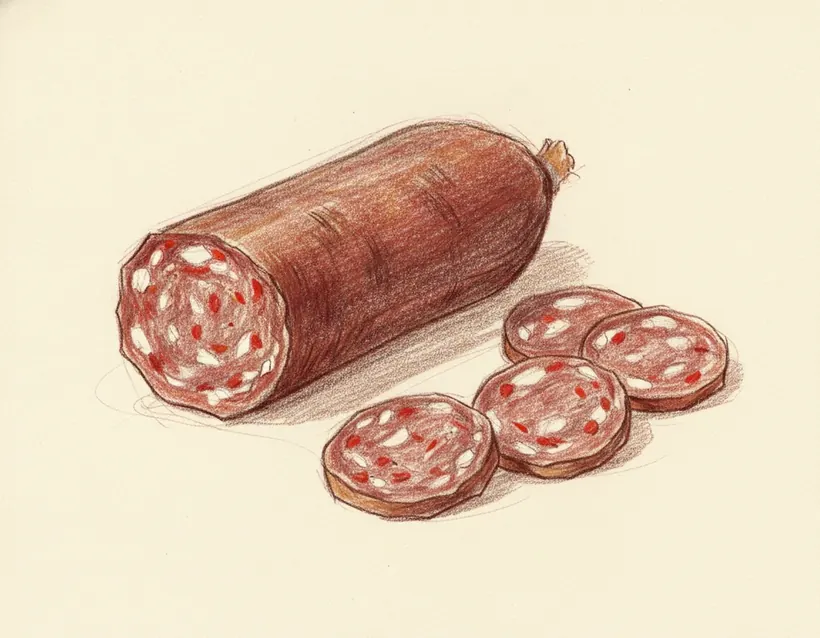
A pressed, spicy pork salami spiked with the region's sweet and hot peperoncino, matured firm.
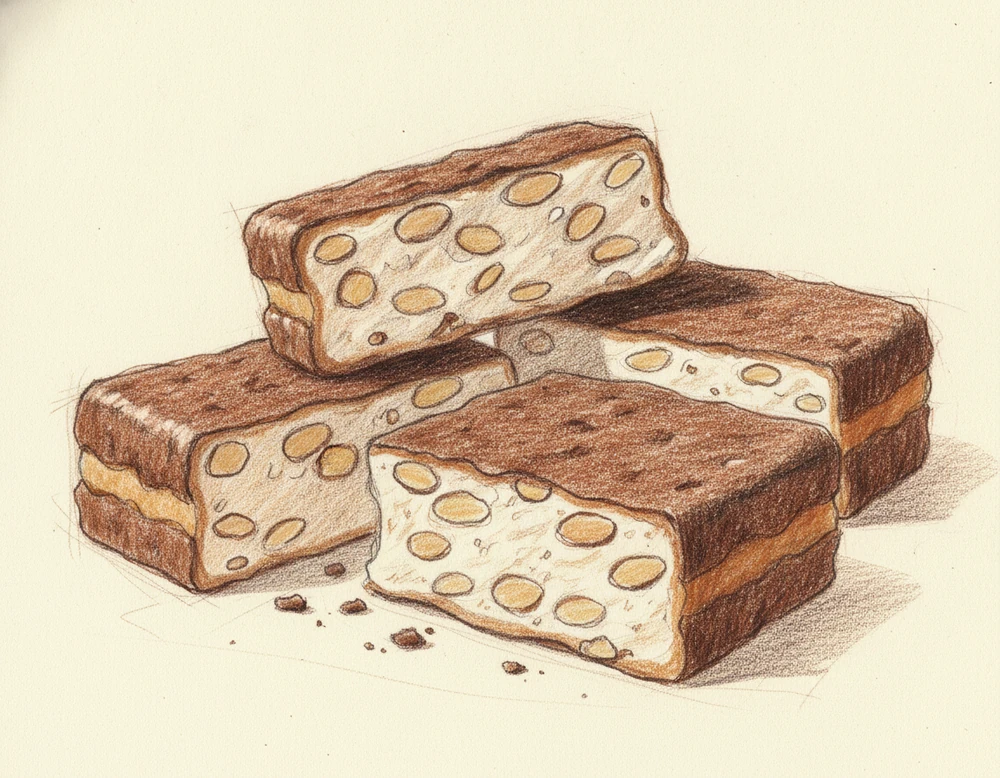
A nougat cooked from honey, sugar and toasted unpeeled almonds with cinnamon and ground cloves, finished either in sugar grains or in bitter cocoa.