Sicily cuisine
Sicilian cooking layers Greek, Arab and Spanish influence over Mediterranean abundance: aubergine and swordfish, sweet-sour caponata, saffron and pine nuts, and a pastry tradition of ricotta and candied fruit. Its wines run from the volcanic reds of Etna and the Frappato-Nero d'Avola of Vittoria to the sweet Marsala, Pantelleria and Lipari that answer the island's famous desserts.
Antipasto
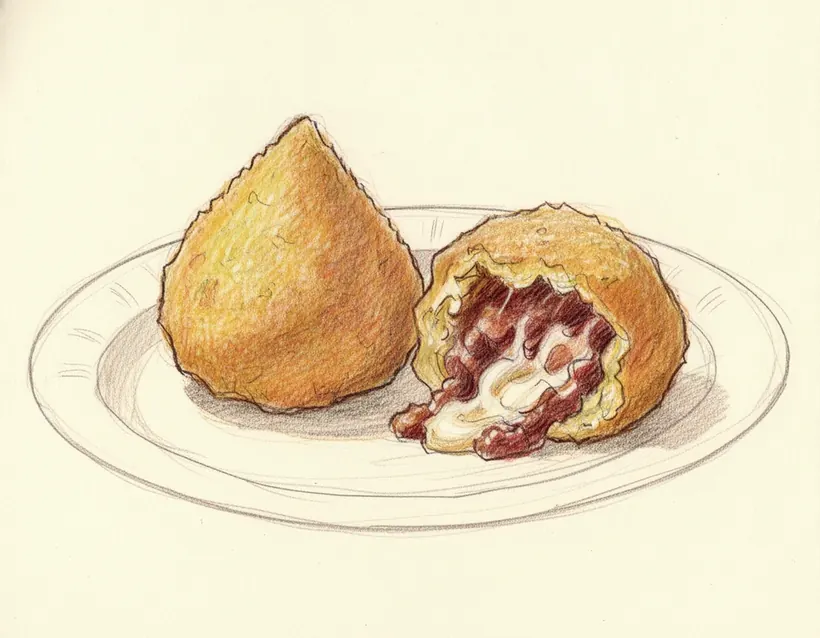
AranciniFried stuffed rice balls
Deep-fried saffron-rice balls with a molten filling of ragù and peas (or ham and cheese), the great Sicilian street food.
Pairs with
Primo
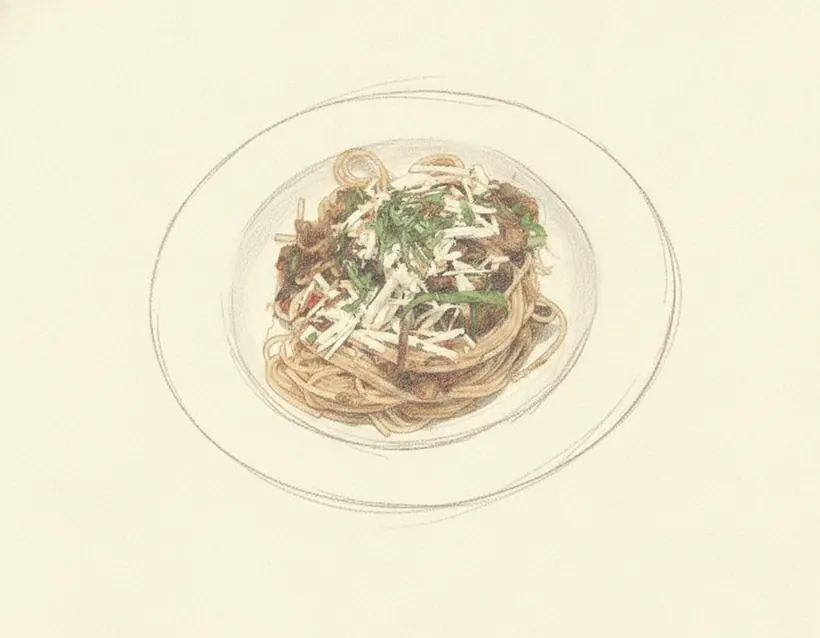
Pasta alla NormaPasta with aubergine and ricotta salata
Catania's pasta with tomato sauce, fried aubergine, basil and a snow of grated salted ricotta, named for Bellini's opera.
Pairs with
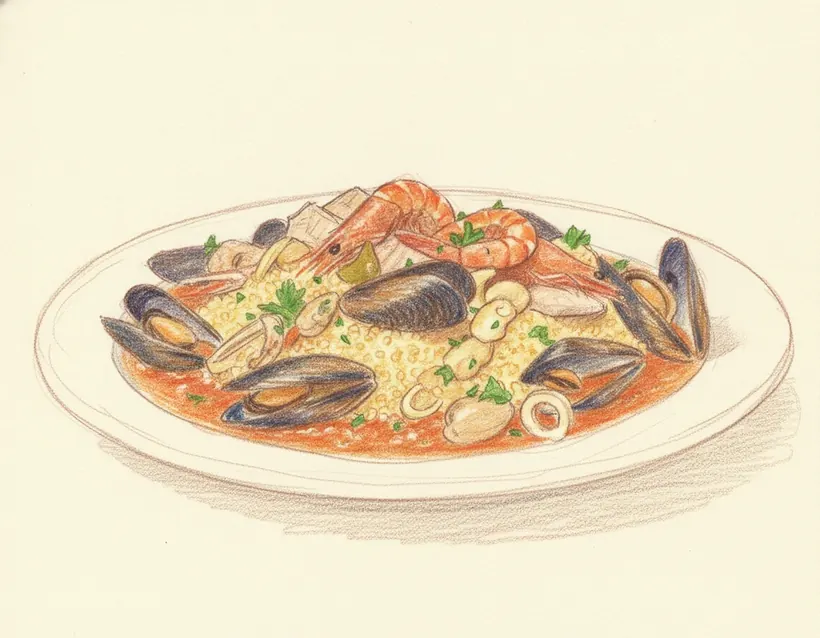
Couscous di Pesce alla TrapaneseTrapani-style fish couscous
Hand-rolled semolina couscous steamed and served with a rich broth of mixed Mediterranean fish, the Arab-Sicilian signature of Trapani and San Vito.
Pairs with
Secondo
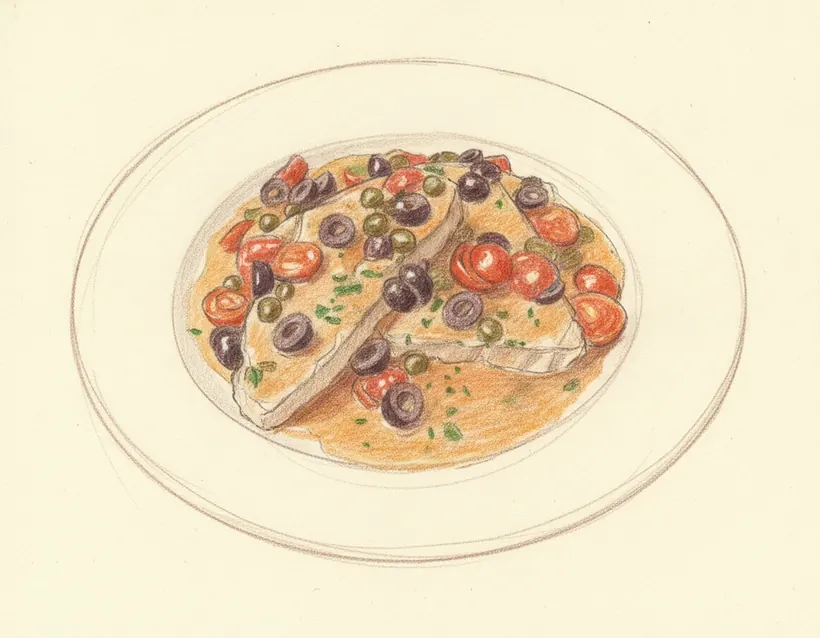
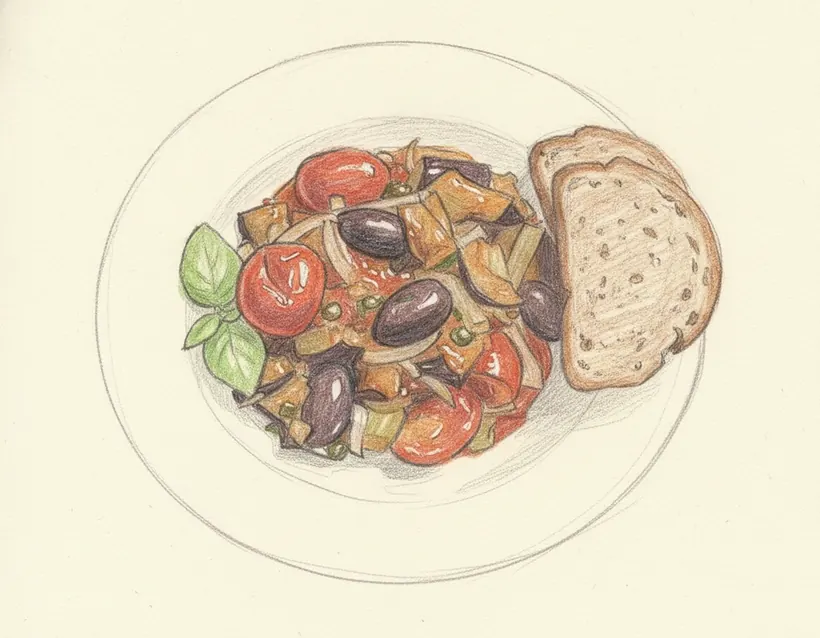
Pesce Spada alla GhiottaSwordfish in tomato, caper and olive sauce
Messina-style swordfish stewed with tomato, capers, olives, celery and onion into a sweet-savoury 'ghiotta' sauce.
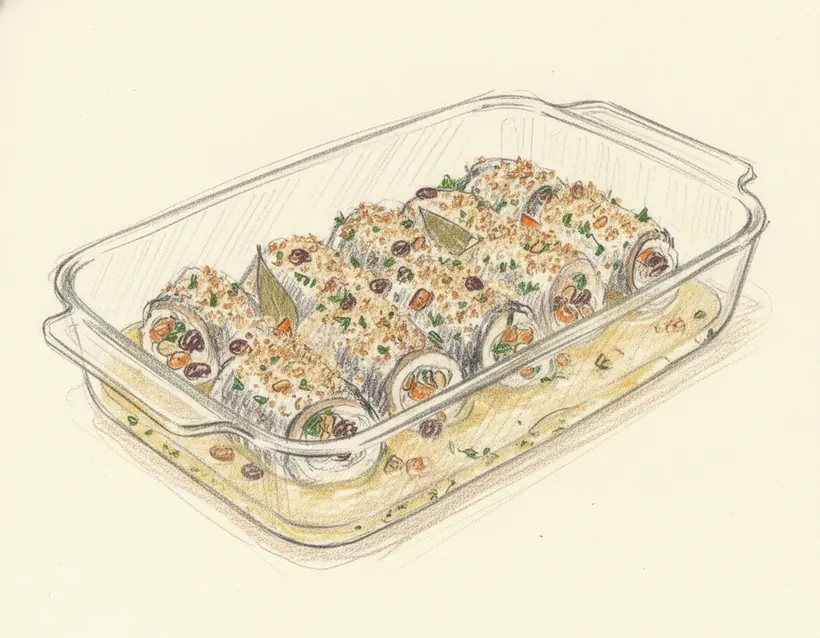
Sarde a BeccaficoStuffed rolled sardines
Butterflied sardines rolled around a filling of breadcrumbs, pine nuts, raisins and orange, baked in the shape of little songbirds.
Dolce
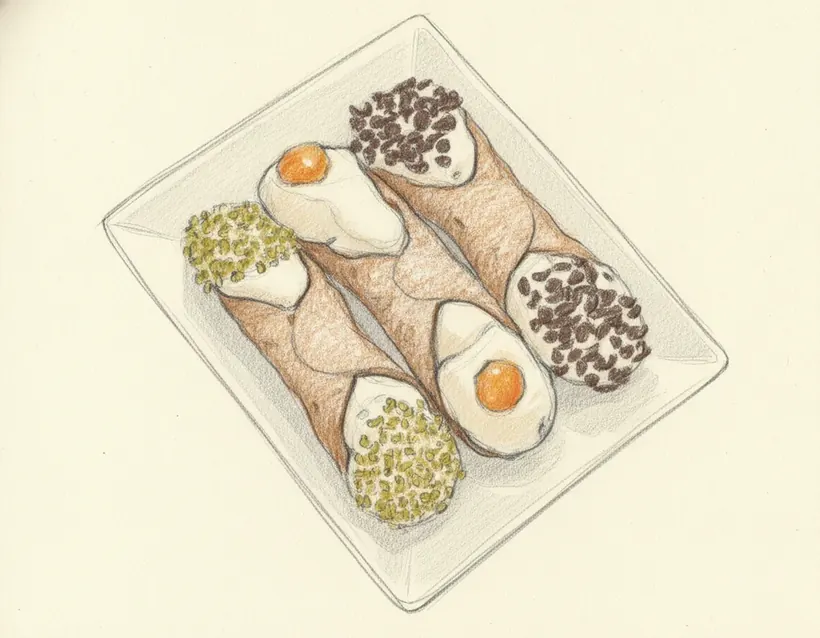
Cannoli SicilianiRicotta-filled pastry tubes
Crisp fried pastry shells filled to order with sweetened sheep's-milk ricotta, candied fruit or chocolate and pistachio.
Pairs with
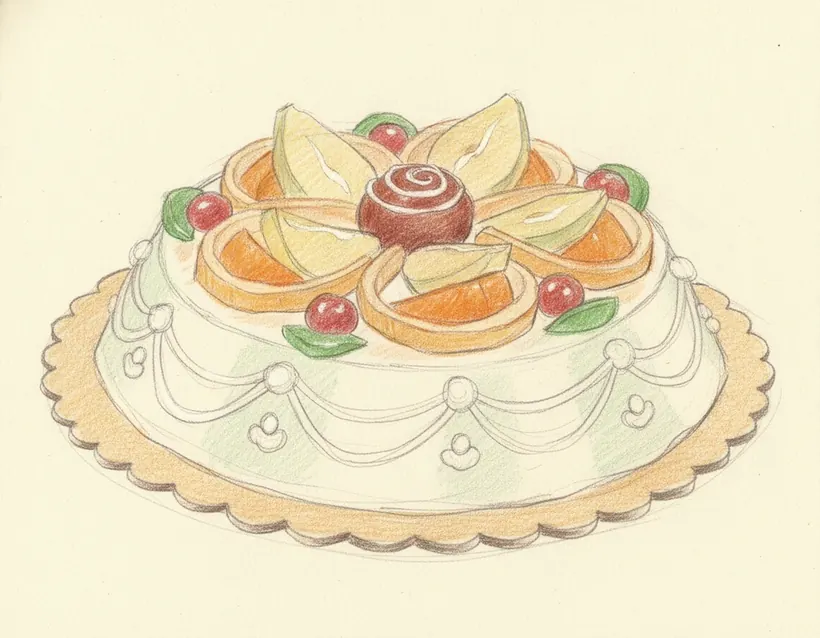
Cassata SicilianaSicilian ricotta cassata
A sponge and marzipan cake filled with sweet ricotta and candied fruit, glazed and decorated, the baroque summit of Sicilian pastry.
Pairs with
Typical products
All products →DOP, IGP, STG, Slow Food Presidia and traditional specialities of Sicily.
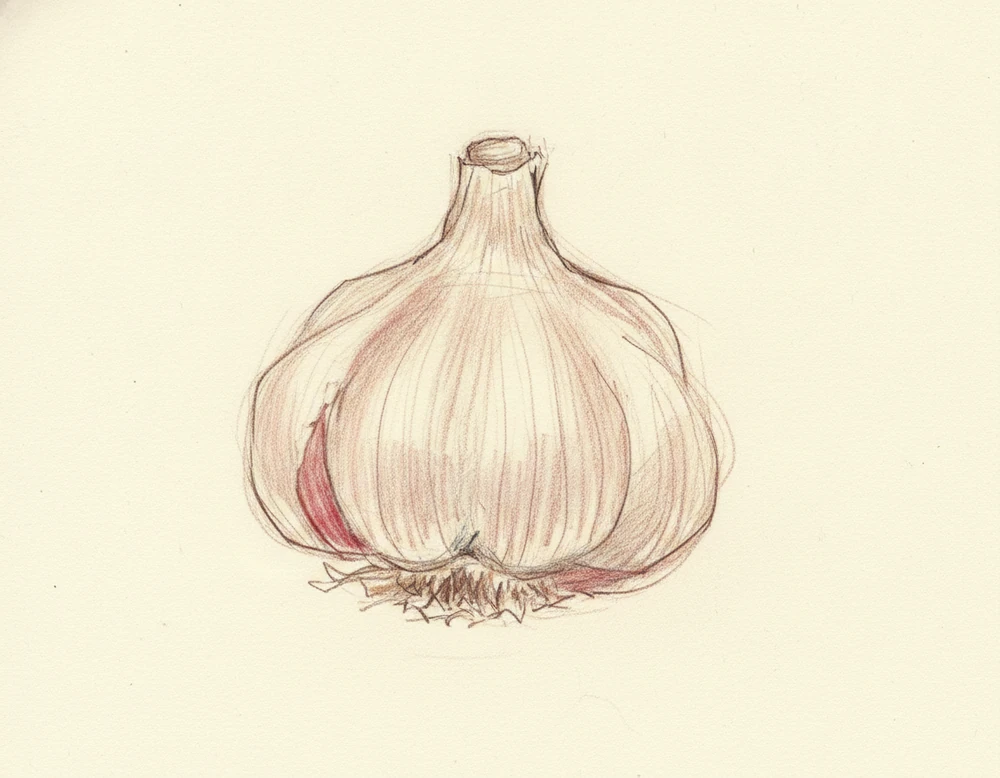
Aglio Rosso di NubiaPresidio
Nùbia Red Garlic · Garlic
Named for a hamlet near Paceco in the Trapanese. The papery outer skin is pinkish-white and the cloves under it a deeper red-pink, and the bulb carries markedly more allicin than other garlic, which is why it tastes as strong as it does.
Alaccia Salata di LampedusaPresidio
Lampedusa Salted Round Sardinella · Salted fish
Round sardinella (Sardinella aurita) salted on Lampedusa. Stockier and larger than the common sardine, reaching 30 cm, it shoals in the southern Mediterranean and is caught in quantity in the Strait of Sicily. Salted, it was once what sustained Lampedusans through the long sponge-fishing voyages.
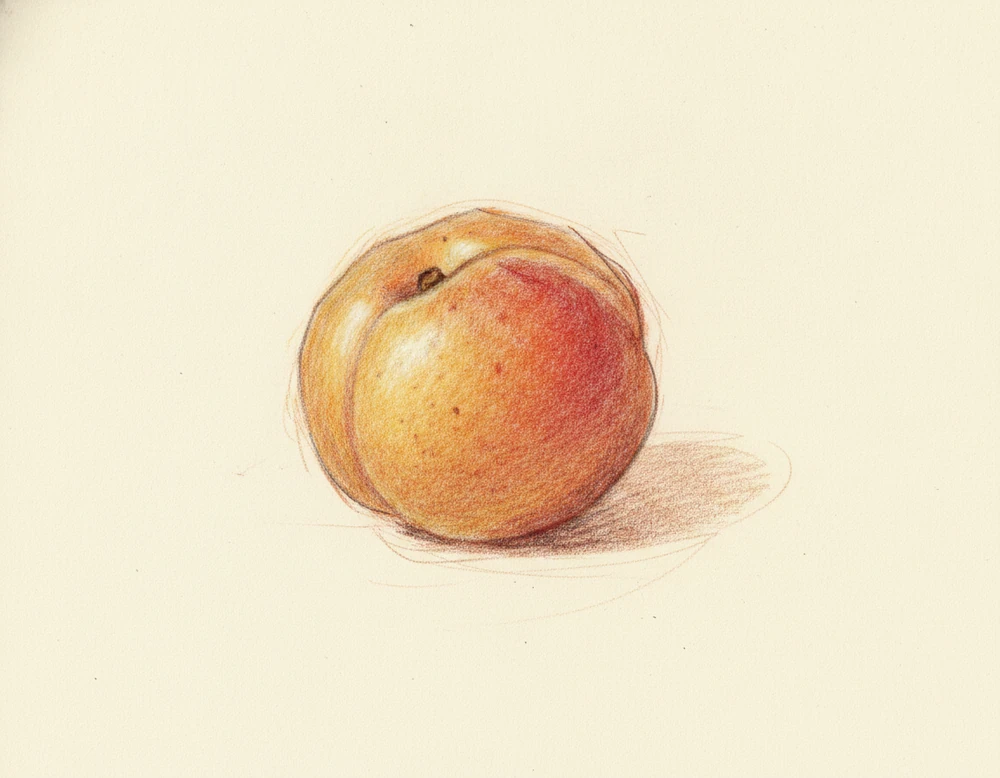
Albicocca di ScillatoPresidio
Scillato Apricot · Apricot
Scillato lies in the Himera valley at the foot of the Madonie, on land fed by old springs and given over to gardens, olives and orchards. Its apricot is early, the fruit small and strongly flavoured, often shaded through several reds, and so fragrant that people used to come from a long way for it.
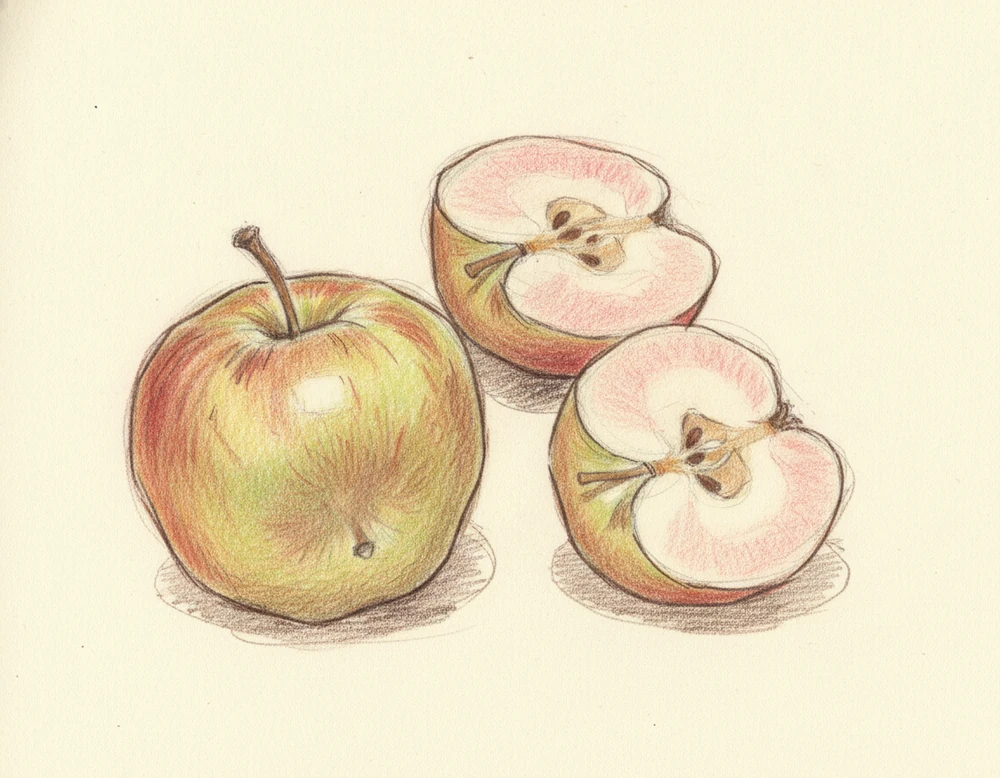
Antiche Mele dell'EtnaPresidio
Heritage Etna apples · Apple
The historic apple varieties of the Etna park, brought back together with the growers who still keep them. The aim is to recover the park's old range and with it the standing of the smallholders who understood why the mountain's plant heritage was worth maintaining.
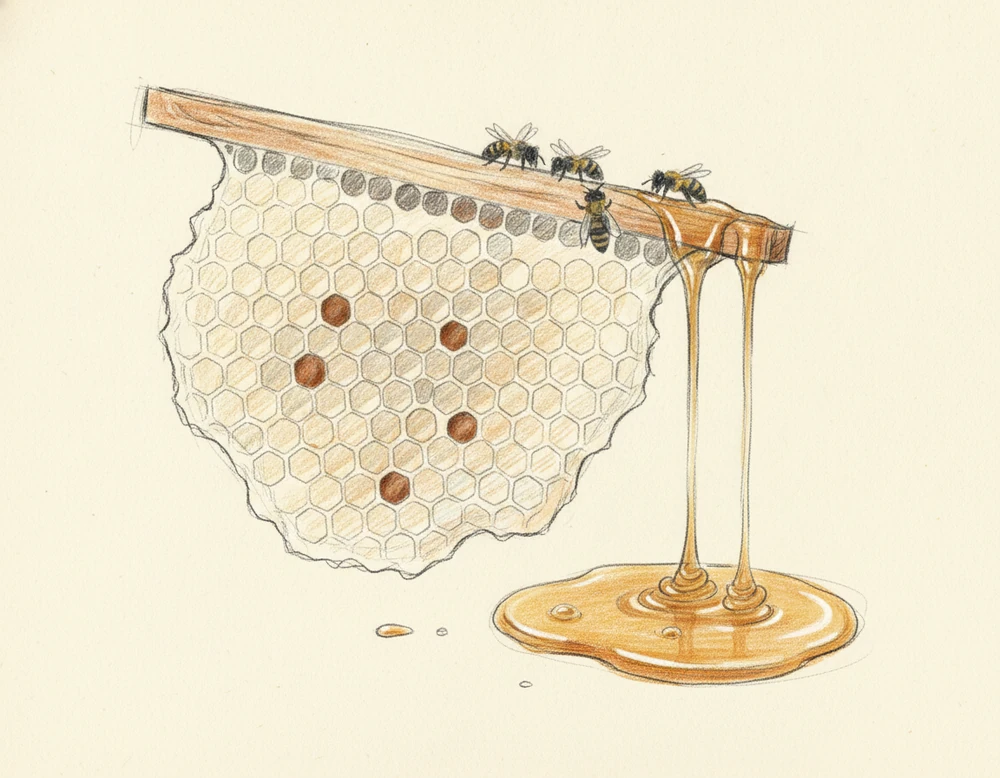
Ape Nera SiculaPresidio
Sicilian Black Bee · Honey bee
Apis mellifera siciliana: dark abdomen, yellow down, small wings, and thousands of years on the island. It nearly went in the 1970s, when beekeepers gave up the old rectangular hives built of dried fennel stalks and brought in the Italian bee from the north. It is docile and very productive, works through heat above 40 degrees when other bees have stopped, and takes sudden changes of temperature in its stride.
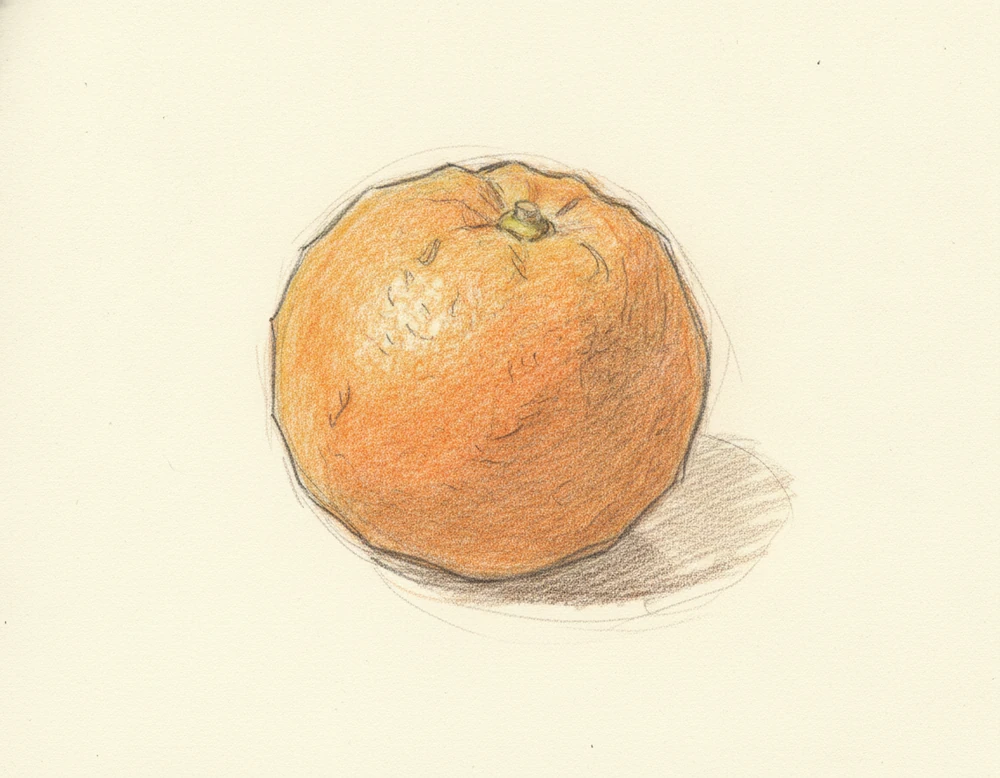
Arancia di Ribera DOPDOP
Ribera orange · Orange
A blond navel orange from the Verdura and Magazzolo valleys around Ribera, restricted to three variety groups and their clones: Brasiliano, Washington Navel and Navelina.
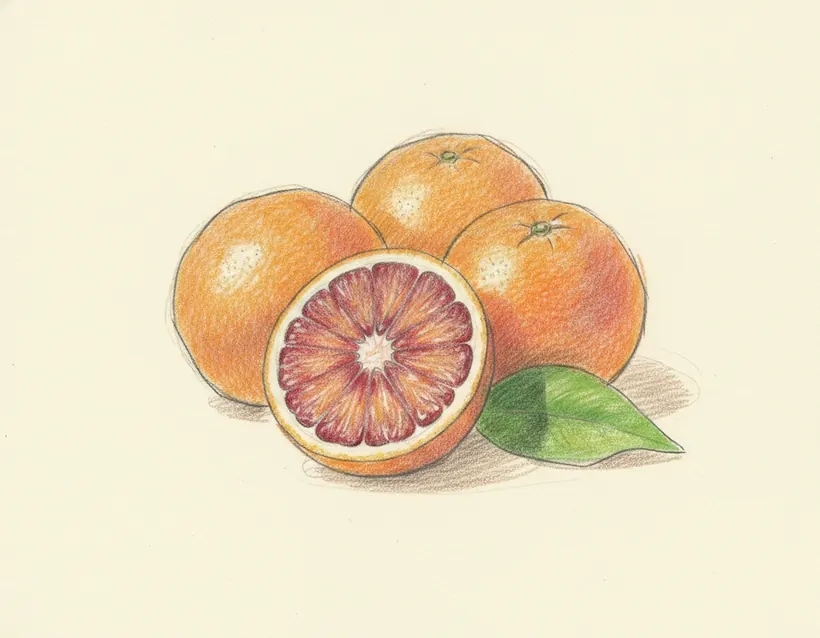
Arancia Rossa di Sicilia IGPIGP
Sicilian blood orange · Citrus
The deep-crimson-fleshed blood orange (Tarocco, Moro, Sanguinello) ripened by Etna's day-night swings.
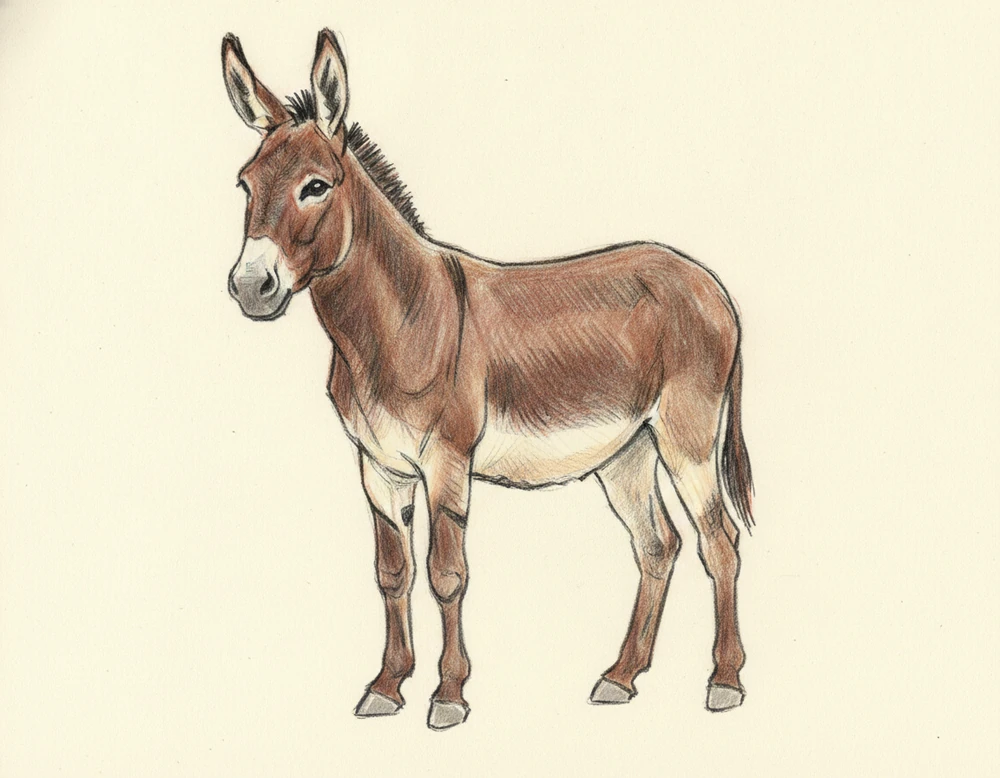
Asino RagusanoPresidio
Ragusano Donkey · Donkey breed
Fifty years ago donkeys were everywhere in the Sicilian countryside, carrying loads, turning millstones and pulling ploughs; mechanisation took the work away and several breeds with it. The Ragusano is one of those that nearly went, and about a thousand are left. The coat is a dark reddish brown with a pale belly, the muzzle grey and smooth-haired, mane and tail black. The head is smallish and straight in profile, the forehead broad and flat, the eyes large and ringed with white, the ears straight and middling long, the rump wide and the legs strong.
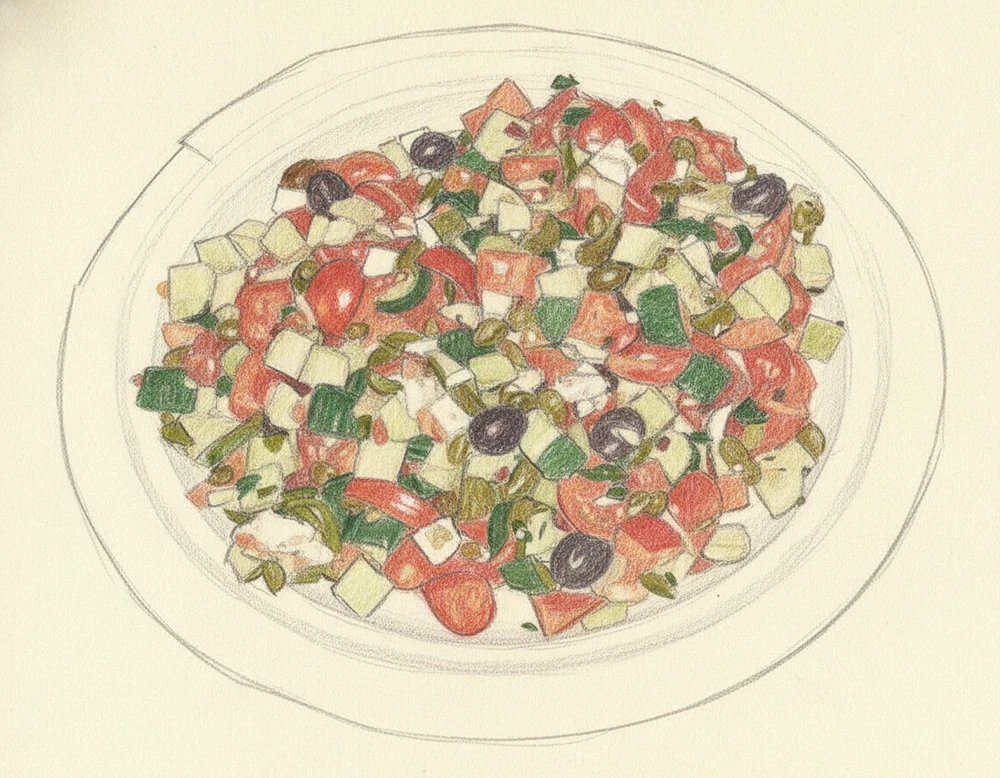
Cappero delle isole Eolie DOPDOP
Aeolian Islands caper · Caper
Covers both the capers, meaning the flower buds, and the cucunci, meaning the fruits, of Capparis spinosa in its spinosa and inermis subspecies, including the Nocellara, Nocella and Spinoso di Salina biotypes.
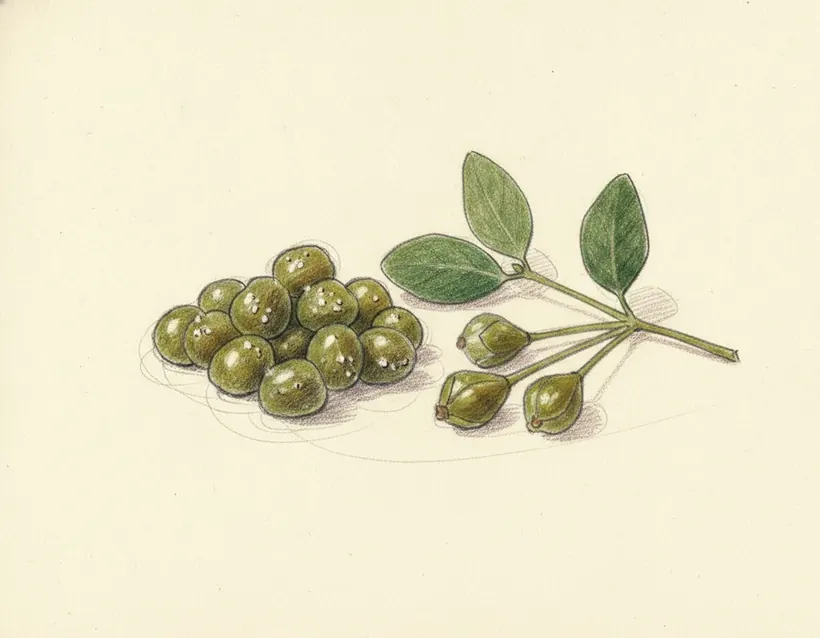
Cappero di Pantelleria IGPIGP
Pantelleria caper · Caper
Firm, aromatic sun-dried capers from the windswept volcanic island of Pantelleria, preserved in salt.
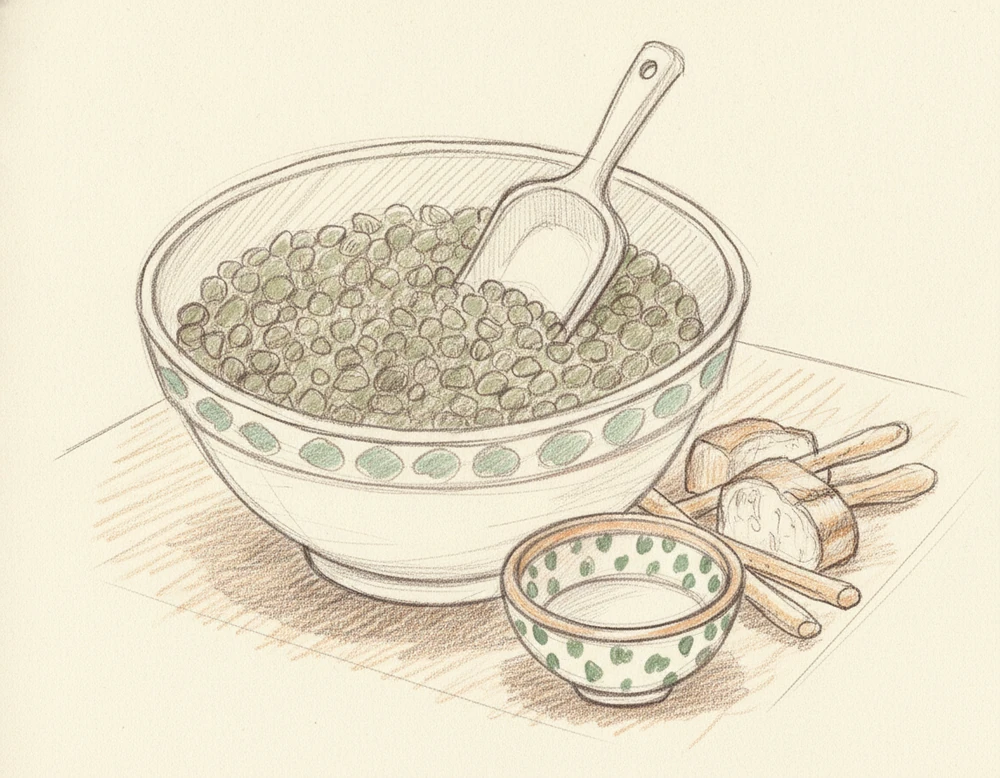
Cappero di SalinaPresidio
Salina Caper · Caper
Capers have grown around the Mediterranean forever, and on Salina they are part of the look of the island; before tourism, capers and Malvasia were the economy.
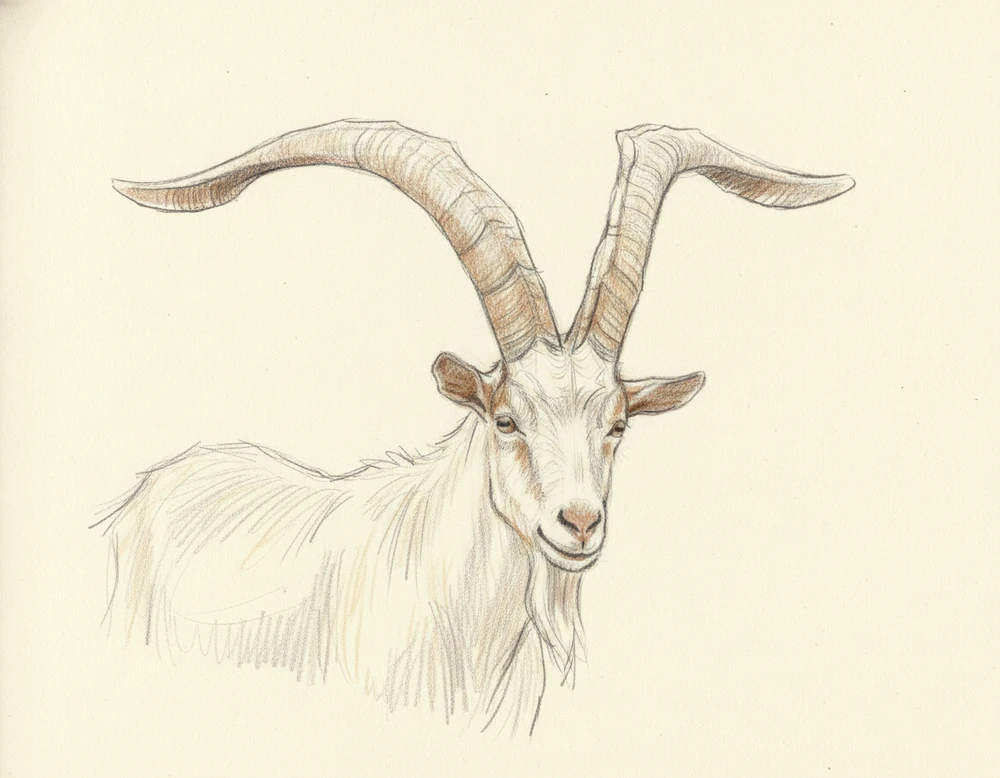
Capra GirgentanaPresidio
Girgentana goat · Goat breed
A goat breed named after Girgenti, now Agrigento, and unmistakable for the long spiralling horns that reach up to 70 cm on the males. With those horns and its white coat it resembles the wild goats of Asia, and it was most likely brought to Sicily by the Arabs after 827.
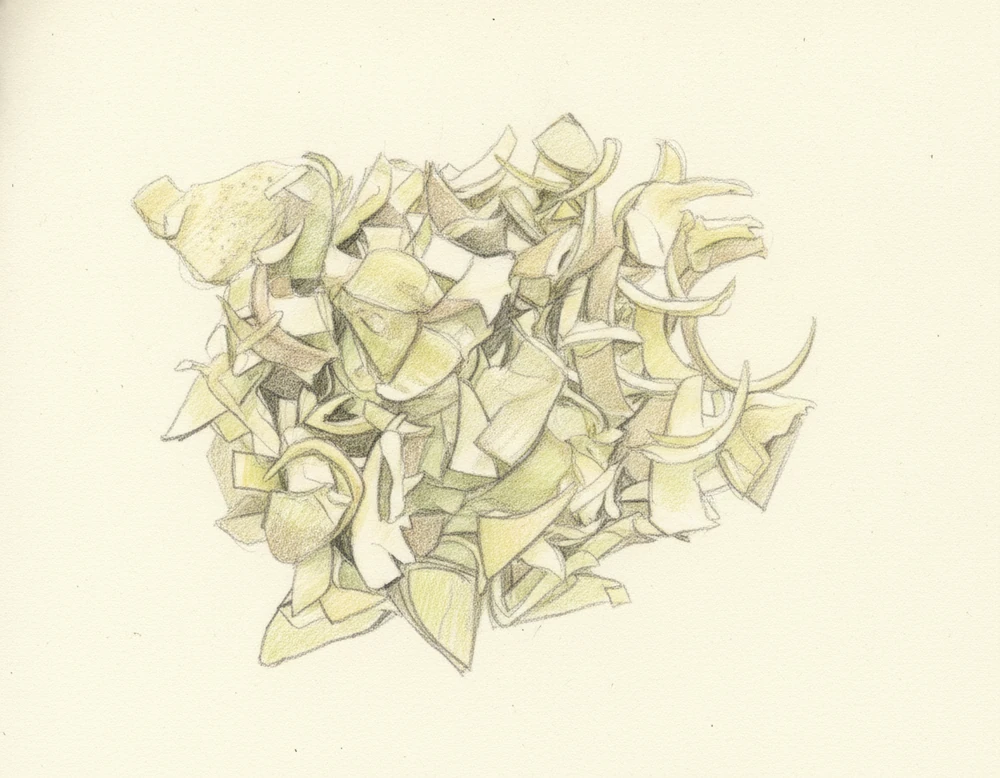
Carciofo di NiscemiPresidio
Niscemi artichoke · Artichoke
An artichoke from the plateau town of Niscemi, just over 300 m up in the Caltanissetta hills, beside the Sughereta di Niscemi reserve, which preserves the last strip of what was once a wide cork-oak wood.
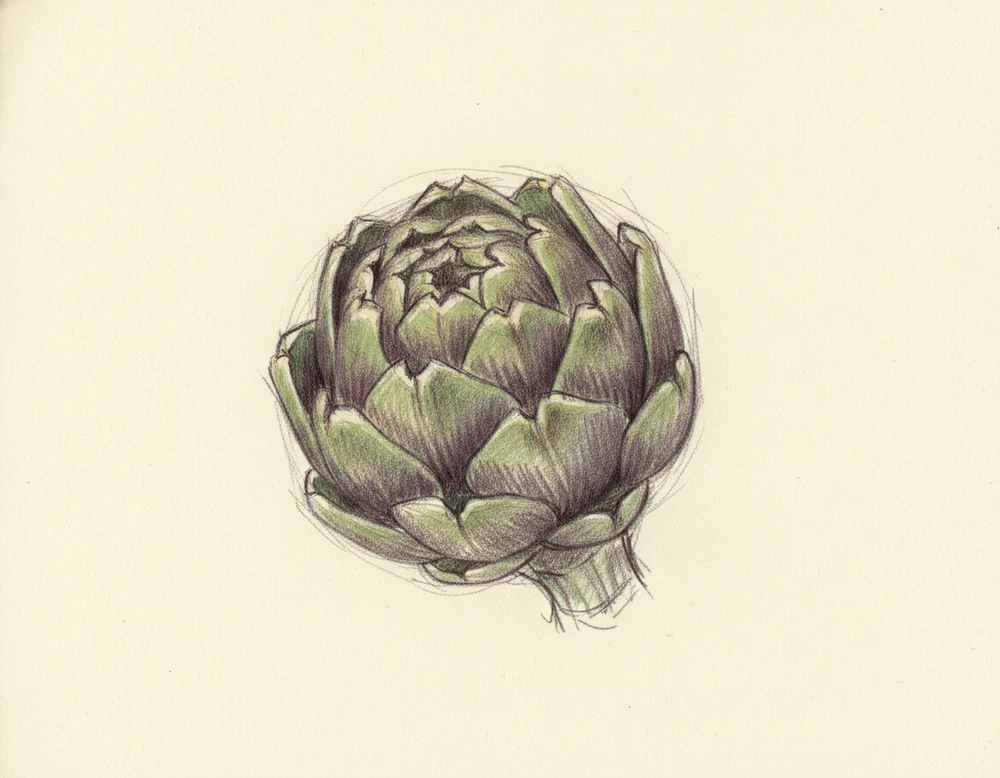
Carciofo Spinoso di MenfiPresidio
Menfi Spiny Artichoke · Artichoke
The spiny artichoke of Menfi, once the only one grown there. Over 600 hectares around the town are under artichokes but barely 10 carry the traditional variety, displaced from the early 1980s by more productive types such as Tema 2000 and Violet.
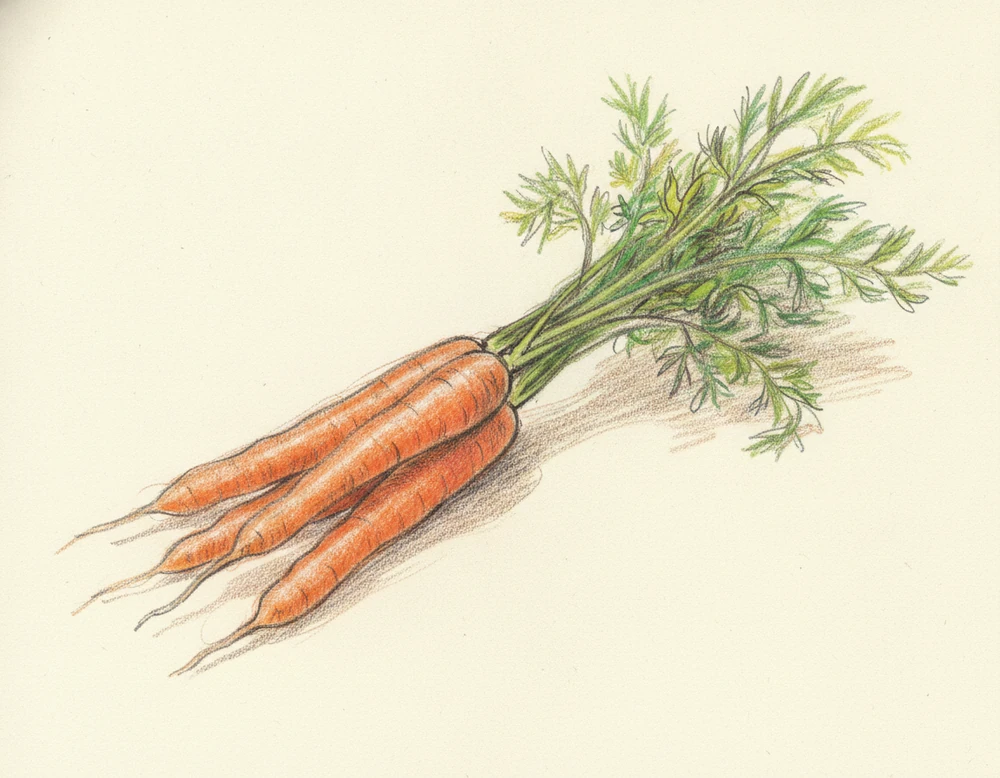
Carota Novella di Ispica IGPIGP
Ispica early carrot · Carrot
An early carrot (Daucus carota) from the Ispica plain, grown from the semi-long Nantes group and its hybrids: Exelso, Dordogne, Nancò, Romance, Namibia, Soprano, Novara and Allyance.
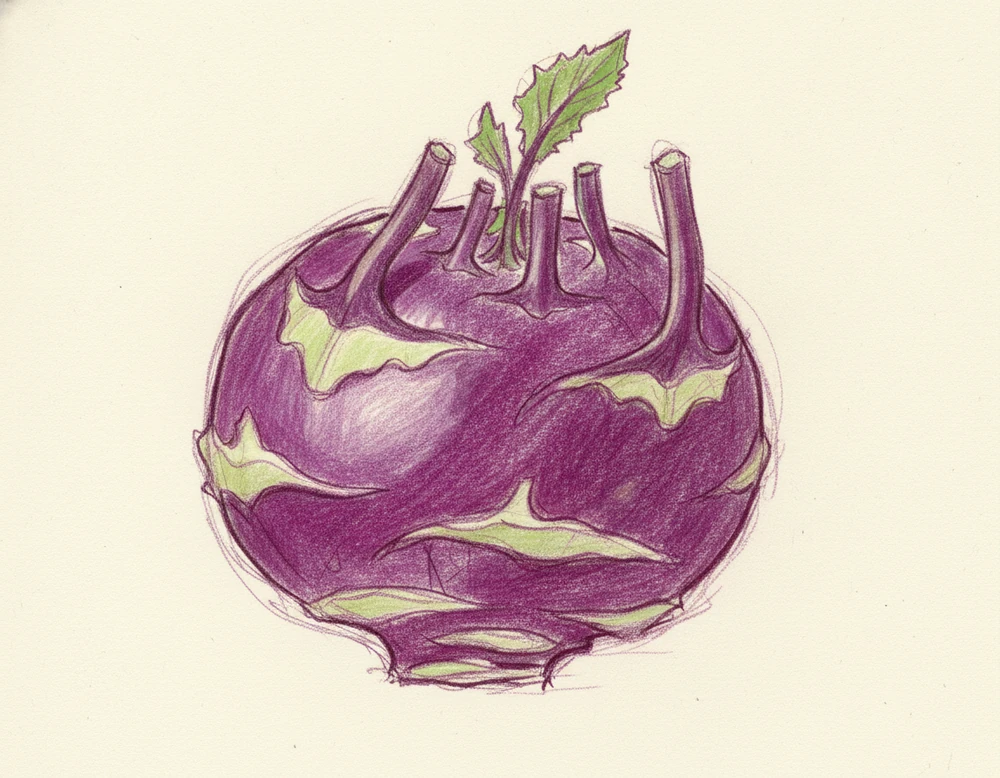
Cavolo Trunzo di AciPresidio
Aci trunzu kohlrabi · Kohlrabi
A kohlrabi grown in the volcanic soil below Etna around Acireale, its bulb streaked violet, the colour the mineral-rich ground gives the vegetables grown in it. Until the late 1940s the Aci country supplied Catania with its fruit and vegetables, and this brassica was among the most sought after of them.
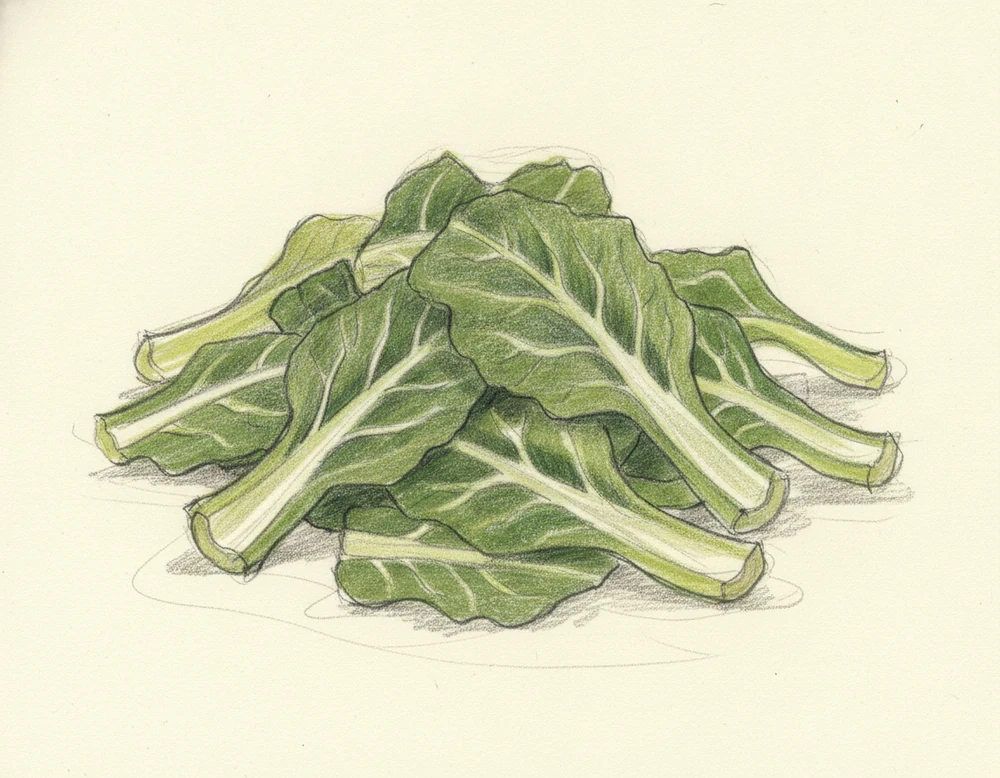
Cavolo Vecchio di RosoliniPresidio
Rosolini Cavolo Vecchio · Leaf brassica
Rosolini sits under the Iblei a few kilometres from the Val di Noto, Byzantine foundation and then Arab, and known agriculturally for almonds, olives, wheat and broad beans. Until the end of the 1960s every family kept a horse or a mule and a salina, a pit for the stable manure, and around the rim of the pit they planted this perennial brassica, a sort of collard the dialect calls old cabbage. It was on every table in the Iblea, around Modica above all.
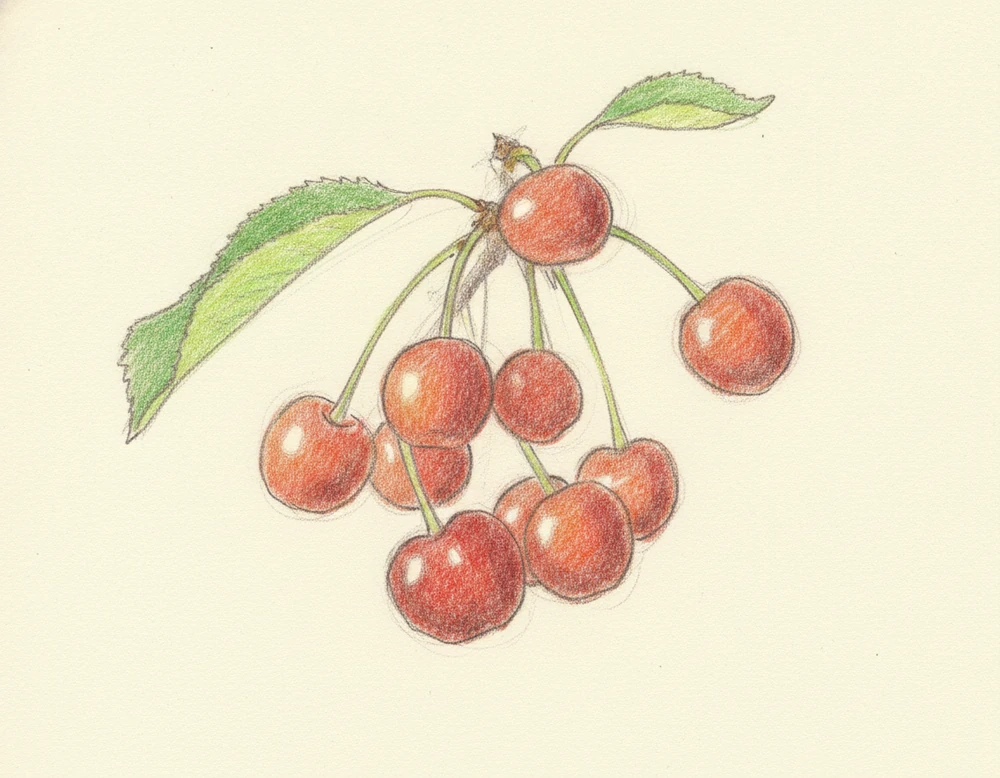
Ciliegia dell'Etna DOPDOP
Etna cherry · Cherry
Sweet cherries (Prunus avium) grown on Etna's volcanic soils, from the local Mastrantonio ecotype, also known as Donnantonio. Fruit must be whole, fresh, dry, clean and a brilliant red.
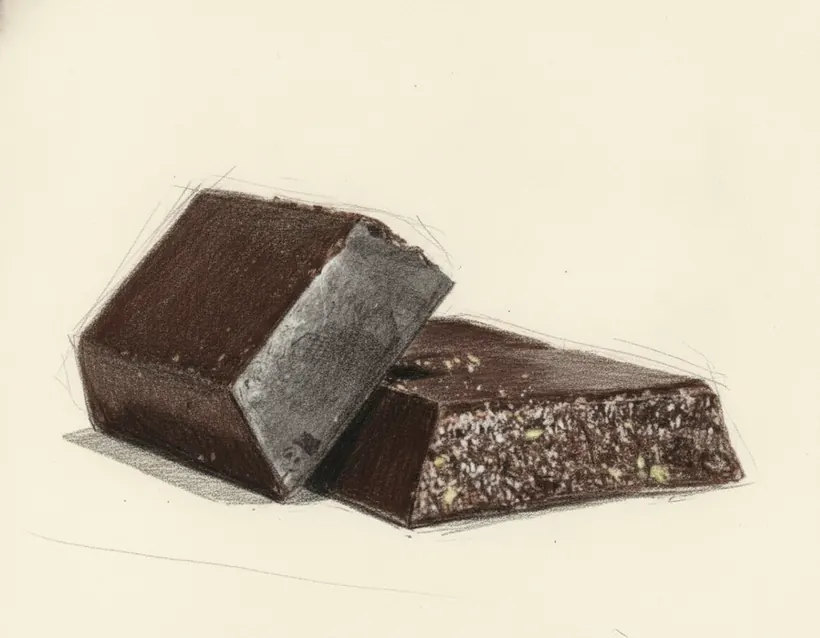
Cioccolato di Modica IGPIGP
Modica chocolate · Chocolate
A grainy, cold-worked dark chocolate made to an ancient Aztec-derived method, the sugar left in crunchy crystals.
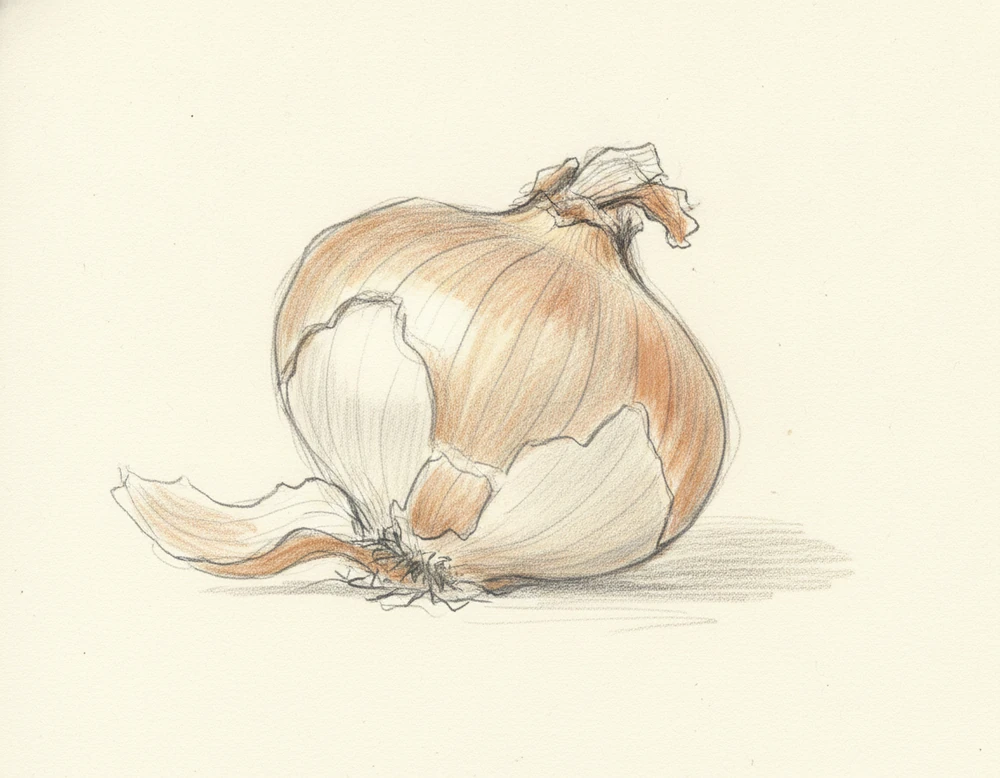
Cipolla di GiarratanaPresidio
Giarratana onion · Onion
A very large, remarkably sweet onion from the Iblei mountains. The bulb is slightly flattened with brownish-white skin and white flesh that carries flavour without pungency. They usually weigh around 500 g and can reach two kilos.
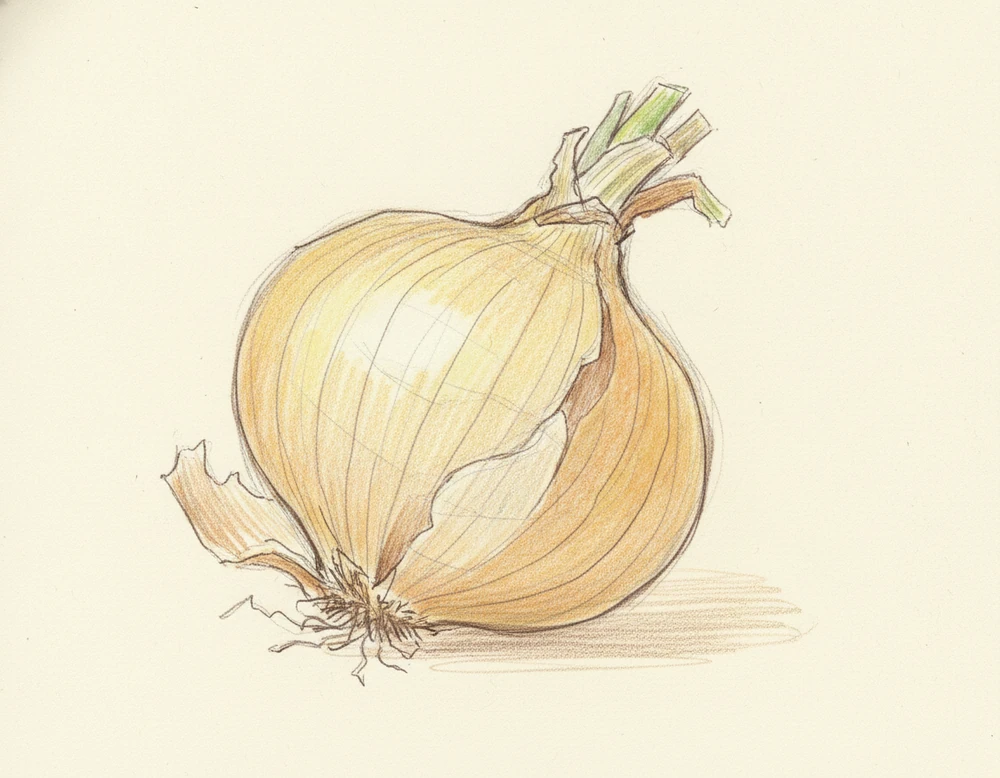
Cipolla Paglina di CastrofilippoPresidio
Paglina Onion of Castrofilippo · Onion
Water is the reason: the agrarian reform papers of Ferdinando III of Bourbon record that thanks to the never-failing Bigini, all the land downstream between one mill and the next was fit for chiantari cipuddra e agliu, planting onions and garlic. The neighbouring villages have called the people of Castrofilippo cipuddara ever since, and the growers still come to them to sell in summer. The name is the straw colour of the outer skin. The bulbs are big, pleasantly scented and sweet, with no heat at all, so they are eaten raw as readily as in cipuddata, 'mpanata di cipudda and cipuddetti frittata.
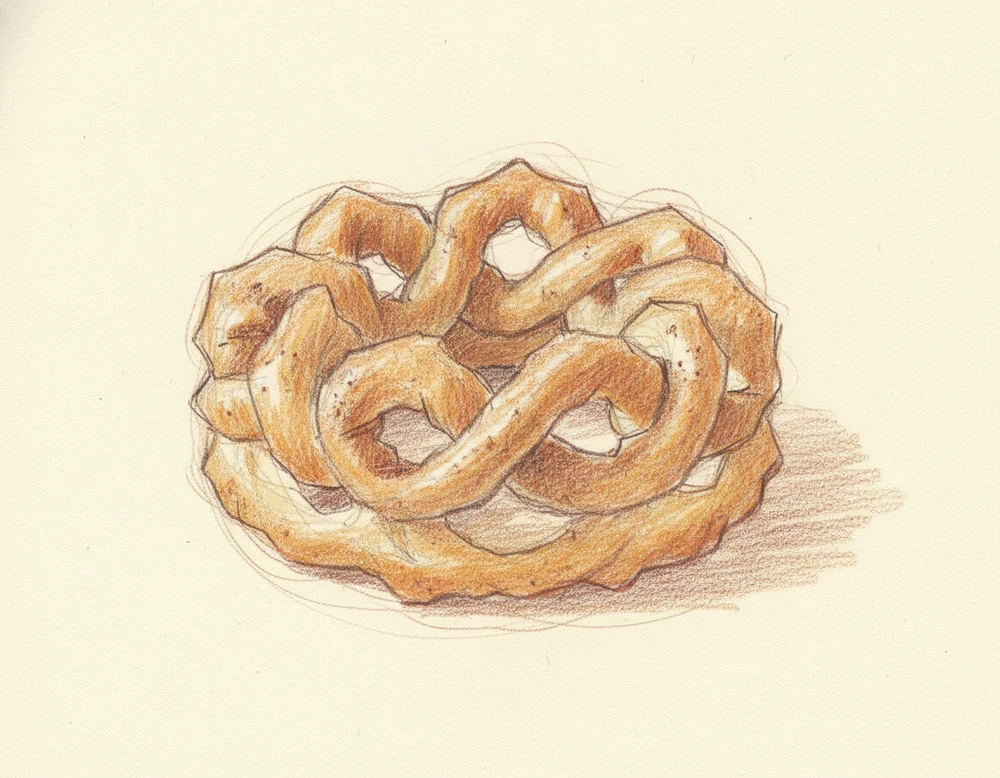
Cuddrireddra di DeliaPresidio
Cuddrireddra of Delia · Sweet pastry
A fried sweet from Delia shaped into an elaborate little crown, said to echo the headwear of medieval noblewomen. The dough is durum wheat flour worked with fresh eggs, sugar, a little lard, red wine, cinnamon and orange zest. The dialect name means a small focaccia shaped like a silkworm cocoon.
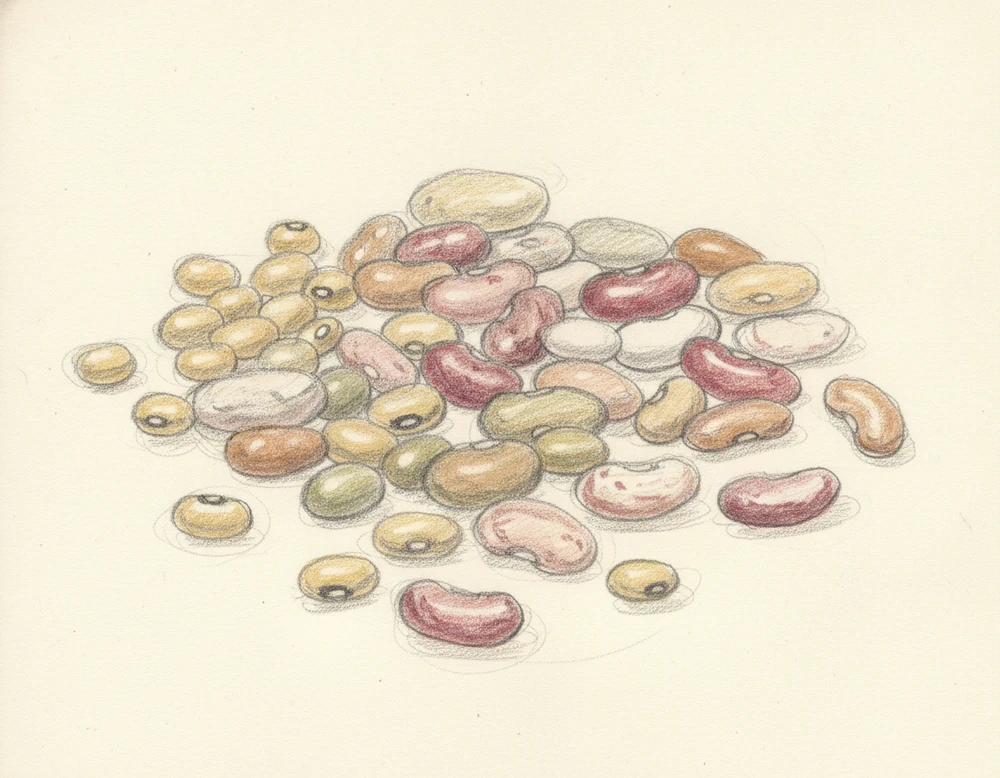
Fagioli di Carrazzo dei NebrodiPresidio
Nebrodi Carrazzo beans · Beans
Nine bean varieties of different shapes and colours, grown for generations in the gardens of this part of the Messina province and carrying affectionate dialect names. Carrazzo is Nebrodi dialect for climbing, which is what they all do up their stakes.
Fagiolo Badda di PolizziPresidio
Polizzi Generosa Badda Bean · Bean
Two centuries in the kitchen gardens of Polizzi Generosa, up in the Madonie park. Badda is dialect for ball, and the bean is round, medium-small, ivory blotched either pinkish-orange or a purple so dark it reads black. It tastes green, almost briny, faintly astringent, and finishes on chestnut and almond.
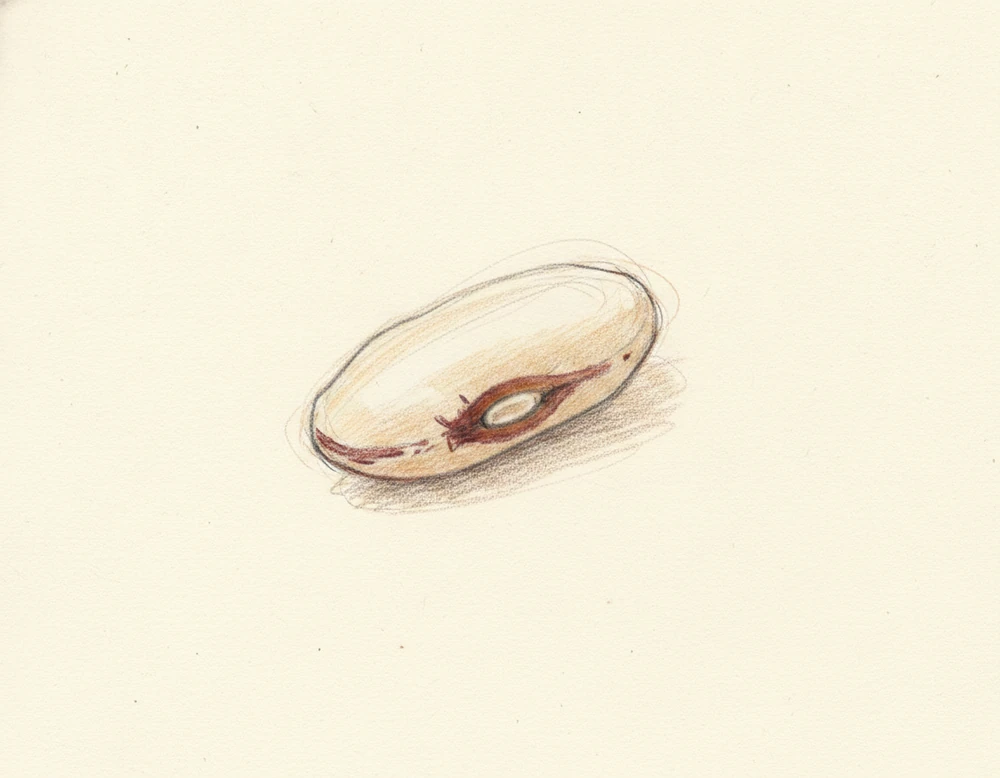
Fagiolo Cosaruciaru di ScicliPresidio
Scicli Cosaruciaru Bean · Bean
Cosaruciaru is Sicilian for sweet thing, and the sweetness is the point, along with the colour and the very thin skin: a creamy white cannellini type with a red-brown mark around the hilum. The seed has come down through Scicli families, many of them people who made their living on early greenhouse produce.
Fava Cottoia di ModicaPresidio
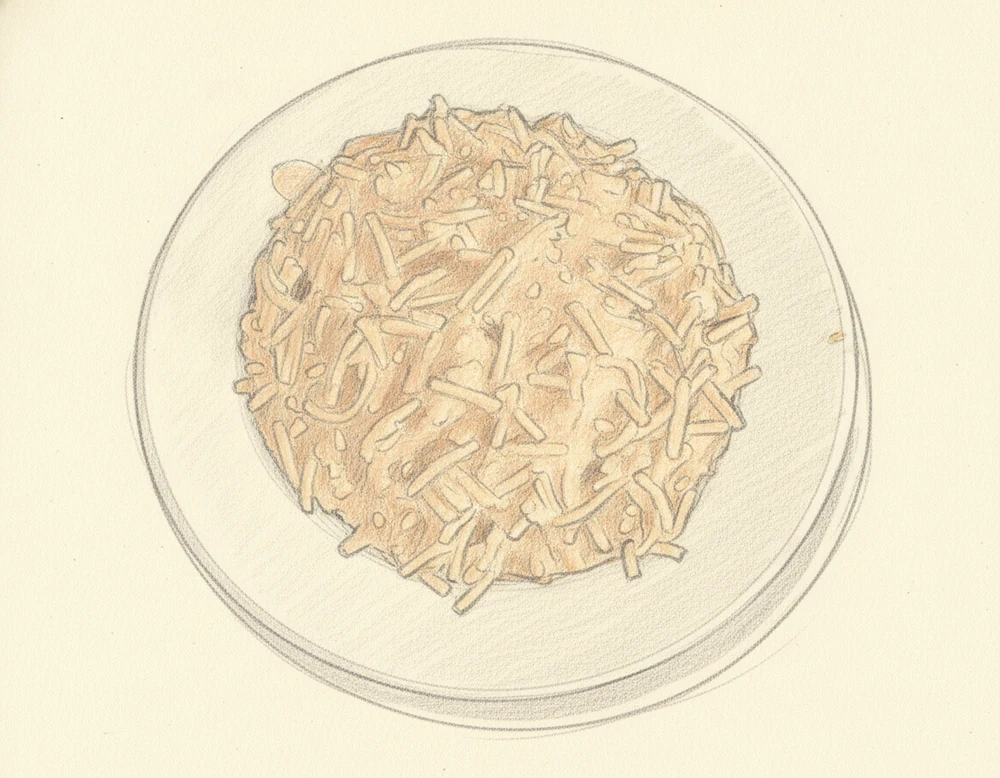
Modica Cottoia Fava Bean · Broad bean
A broad bean of the Modica country. Until the late 1940s the city lived off farming and stock, its Modicana cattle pastures broken up by fields walled in the local dry stone, with olive and carob trees between them.
Fava di UsticaPresidio
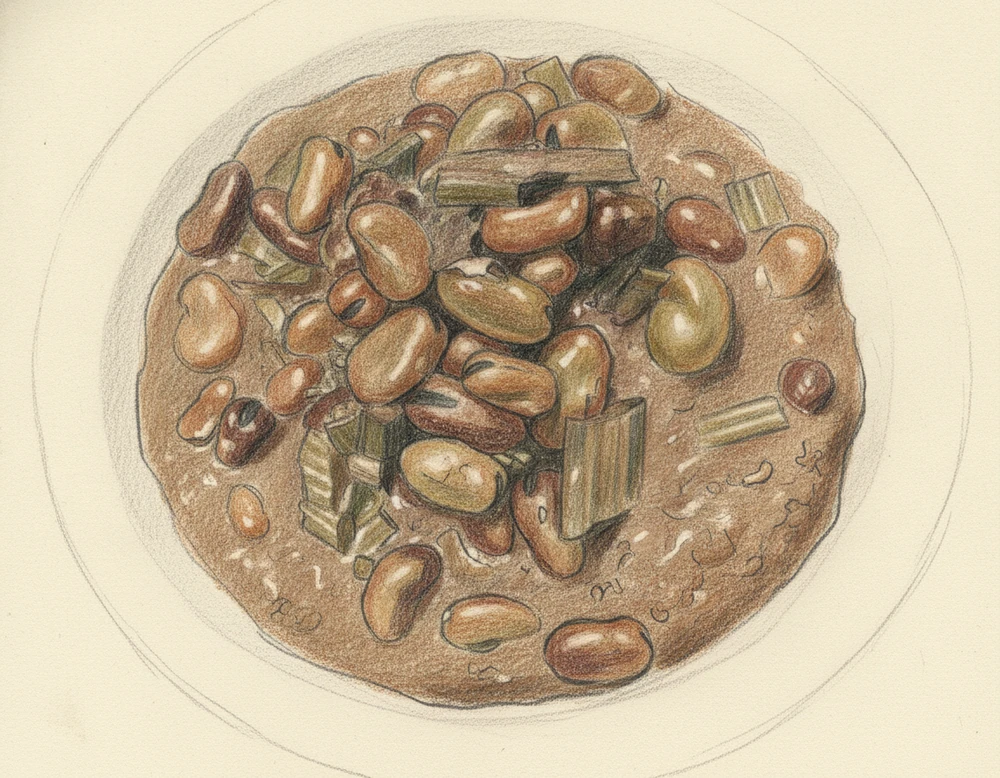
Ustica Fava Bean · Broad bean
Medium-sized and tender, once grown all over Ustica, a staple of the island kitchen and feed for the livestock that has now all but gone. The oldest growers saved the seed. It is eaten fresh between March and May, raw or cooked, in a frittedda with wild fennel; the rustic dish is macco di fave, dried beans flavoured with fennel shoots, eaten alone or with pasta.
Fava Larga di LeonfortePresidio
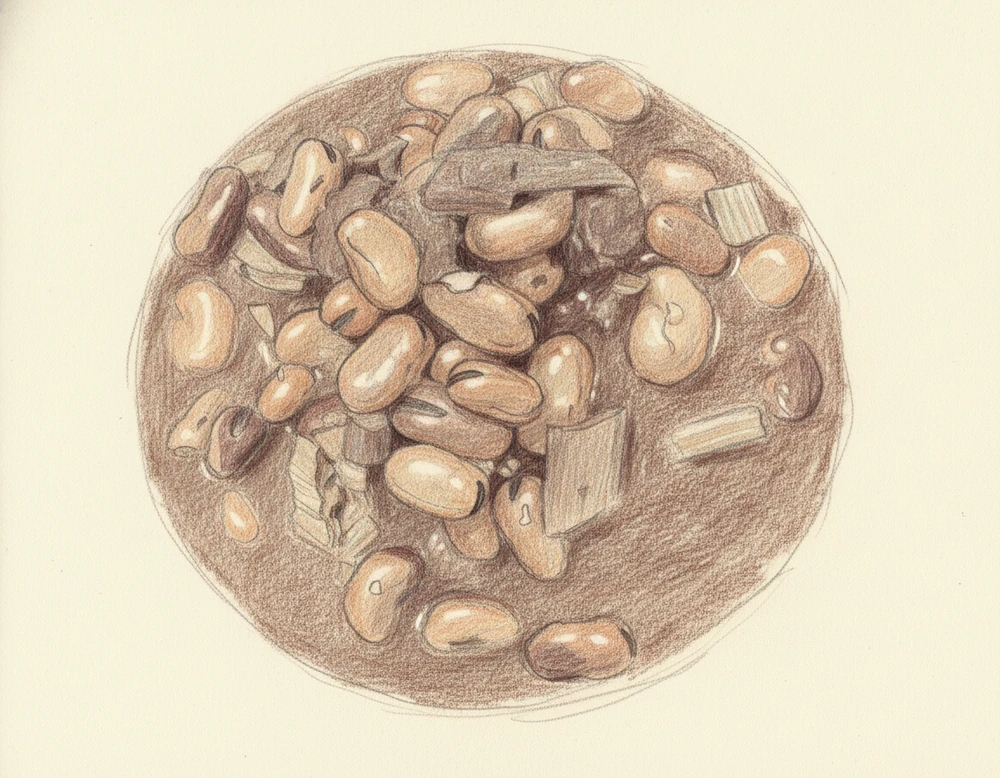
Leonforte Fava Bean · Broad bean
A broad bean known since antiquity and once widespread as a rotation crop with wheat, sown to put nitrogen back into the soil. It remains a fixture of the local cooking, and the whole cultivation is still done by hand.
Ficodindia dell'Etna DOPDOP
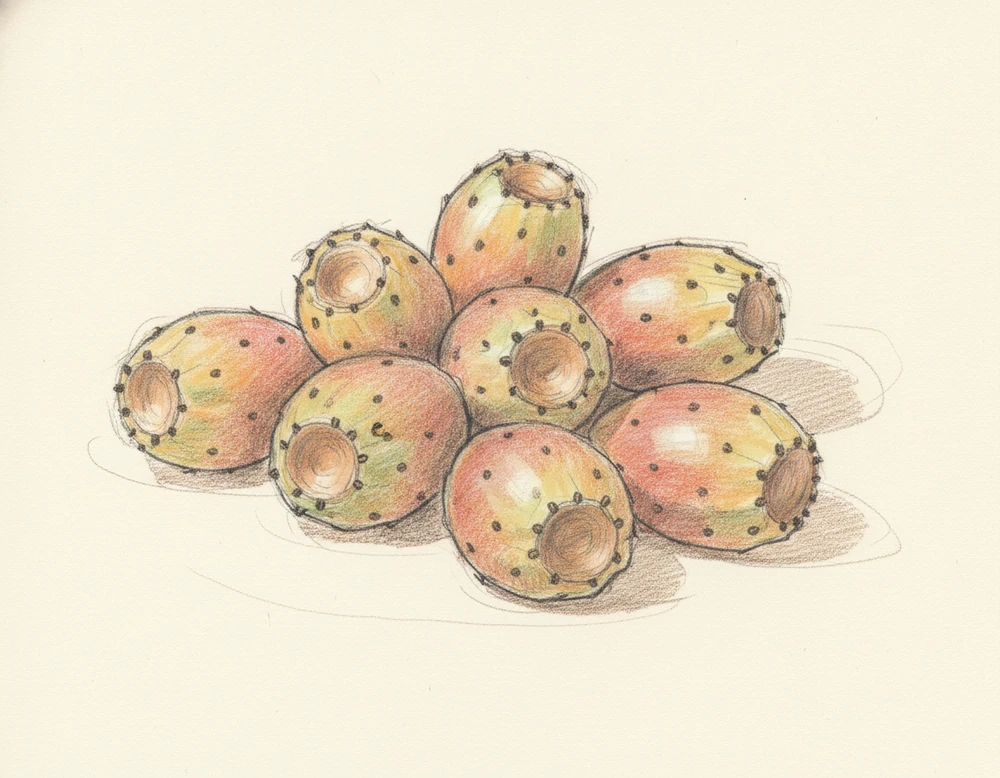
Etna prickly pear · Prickly pear
Prickly pears grown on Etna's lava soils between 150 and 750 m, in three cultivars: Gialla, also called Sulfarina or Nostrale; Rossa, also called Sanguigna; and Bianca, also called Muscaredda or Sciannarina. The Trunzara and Pannittera selections of each are treated as prized variants.
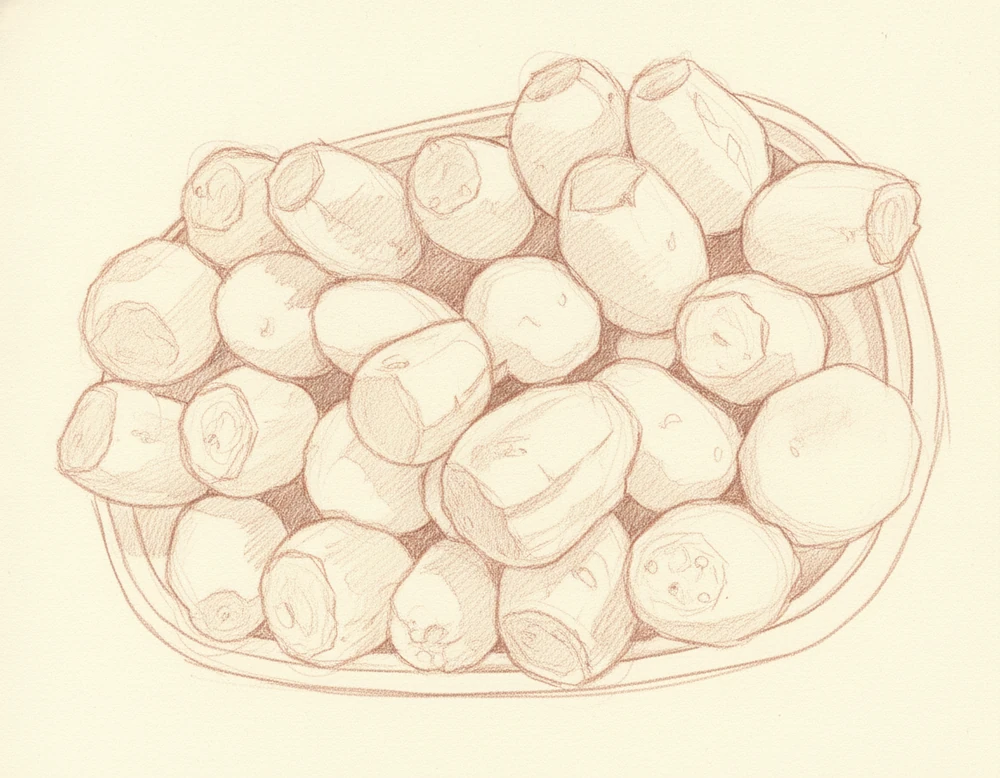
Ficodindia di San Cono DOPDOP
San Cono prickly pear · Prickly pear
Prickly pears of Opuntia ficus-indica in three named cultivars: Surfarina or Nostrale, the yellow one; Sanguigna, the red; and Muscaredda or Sciannarina, the white.
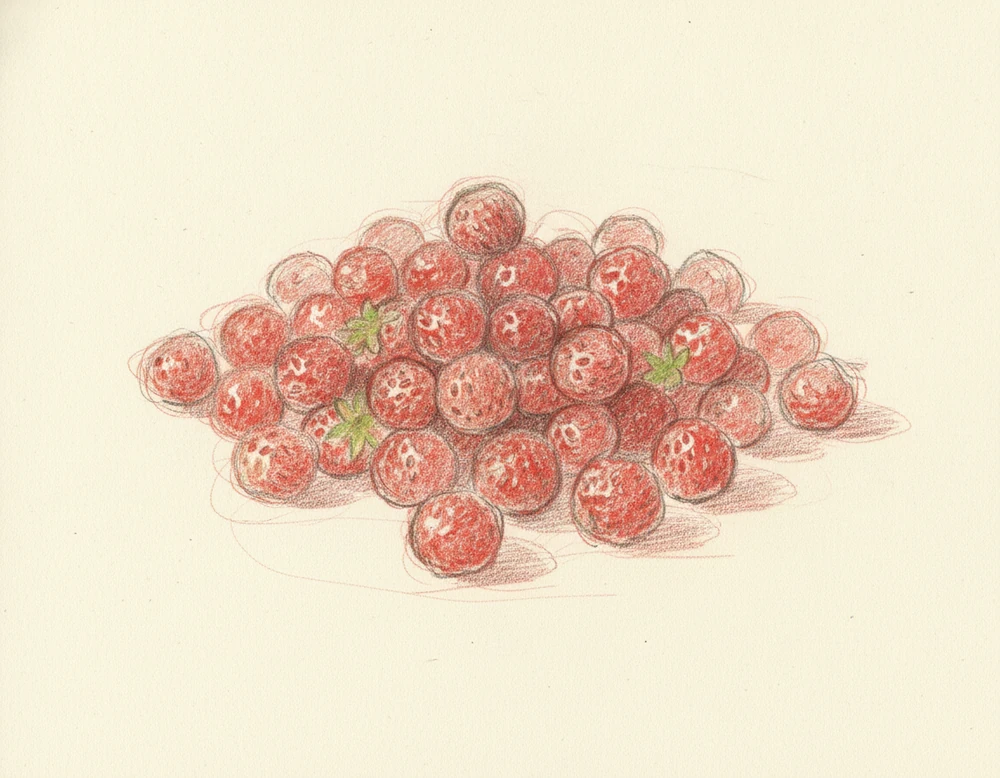
Fragolina di Sciacca e RiberaPresidio
Sciacca and Ribera Wild Strawberry · Wild strawberry
The story is that these came home from the Great War: Sicilian soldiers dug wild plants out of some Alpine wood and put them in the ground here, where they took, acclimatised and became a local ecotype that spread through the Verdura valley. The berries are tiny, round, bright red and intensely scented.
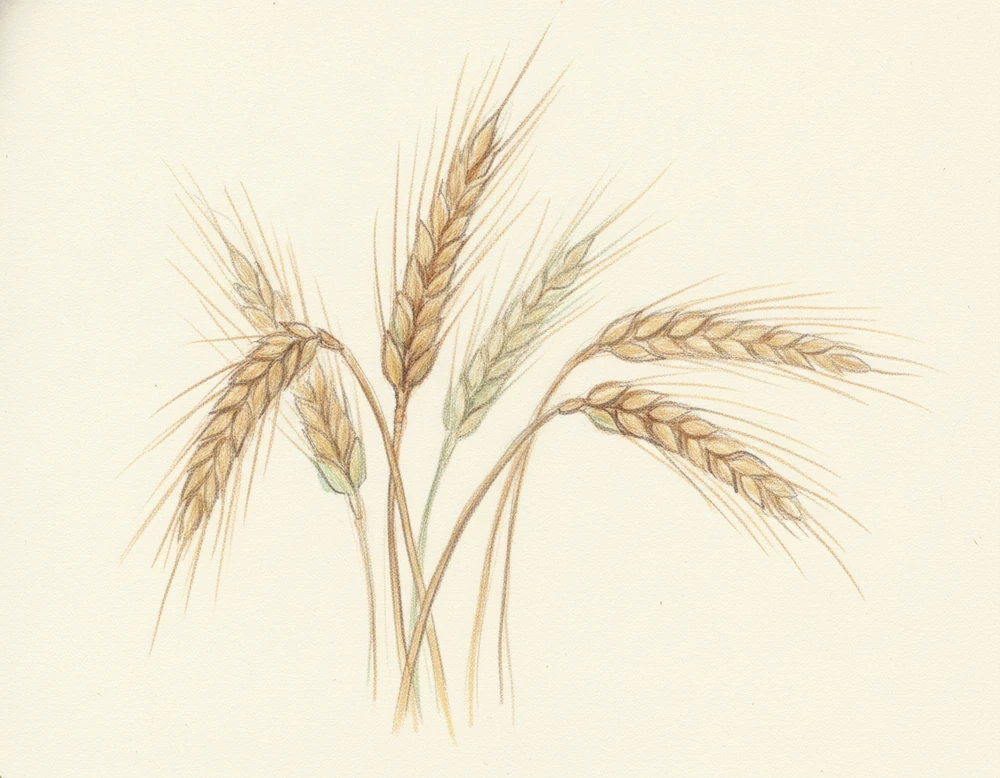
Grani Gentili di SiciliaPresidio
Gentili Wheats of Sicily · Wheat
The traditional Sicilian soft-wheat varieties. The island is known as one of Italy's granaries for durum wheat, but its soft-wheat biodiversity is far less recognised, and the Gentili wheats are among the oldest of that Mediterranean farming legacy.
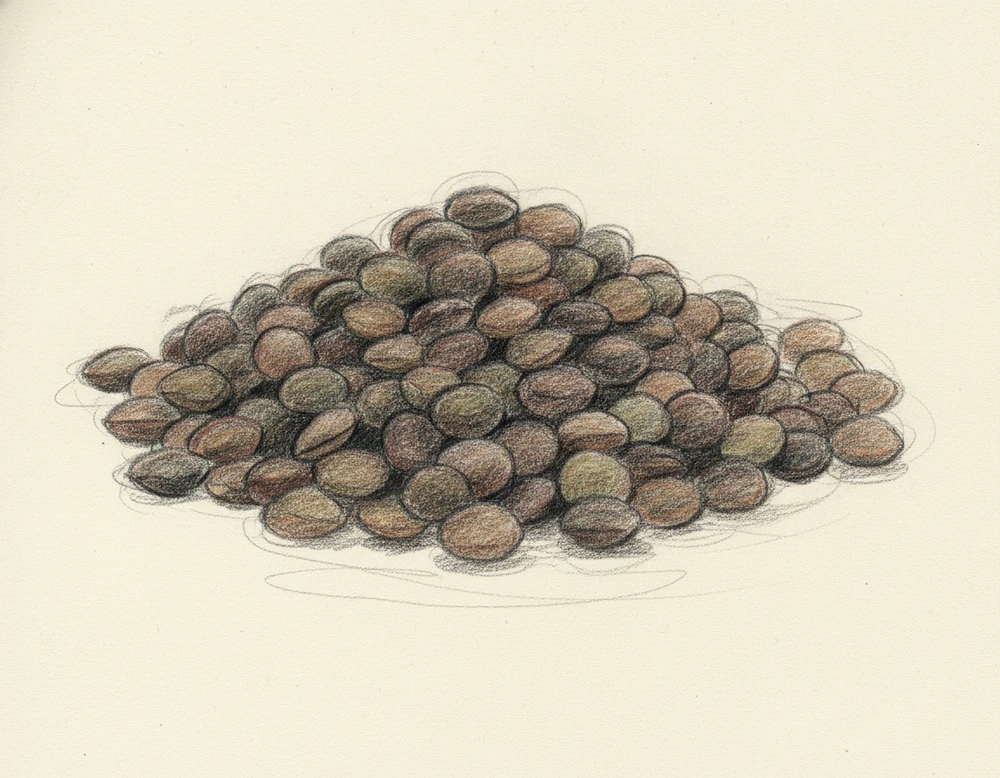
Lenticchia di UsticaPresidio
Ustica Lentil · Lentil
Small dark lentils long grown on Ustica's volcanic ground, by a method that has not really changed and is almost entirely manual.
Lenticchia di VillalbaPresidio
Villalba Lentil · Lentil
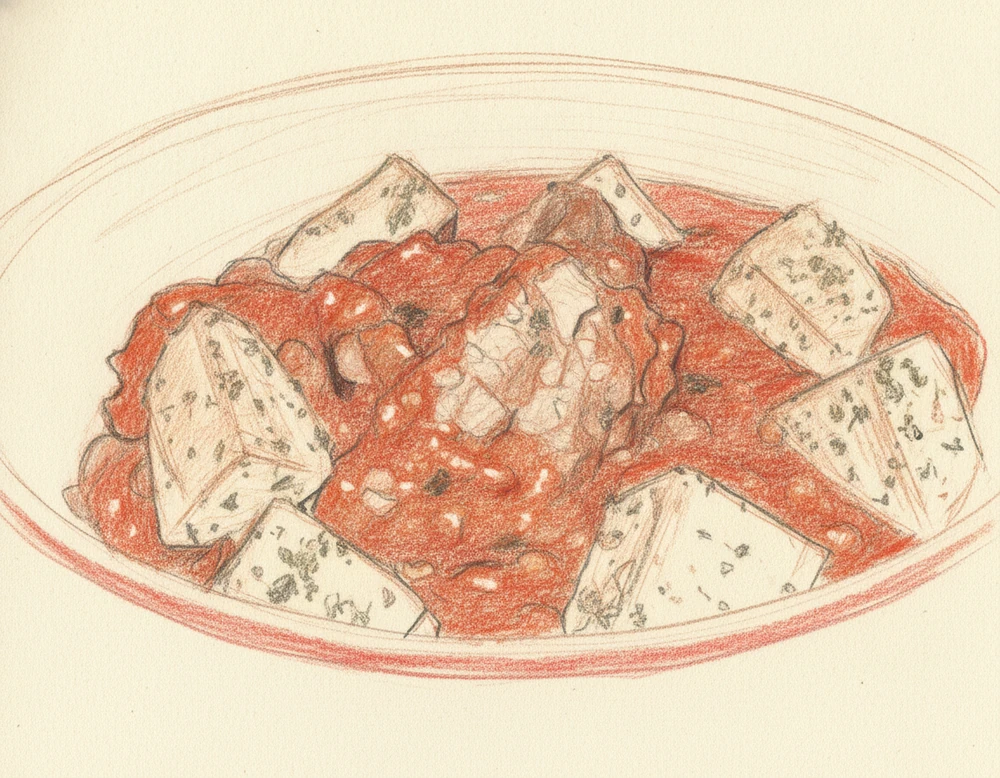
The country northwest of Caltanissetta, Villalba above all, grows lentils and tomatoes in rotation with durum wheat. The first written notice of the lentils is in Giovanni Mulè Bertòlo's Memorie del Comune di Villalba of 1900, though they are far older than that. The local ecotype is large-seeded, as in temperate countries, up to nearly a centimetre across, high in iron and protein and low in phosphorus and potassium.
Lenticchia Nera delle Colline EnnesiPresidio
Colline Ennesi black lentil · Lentils
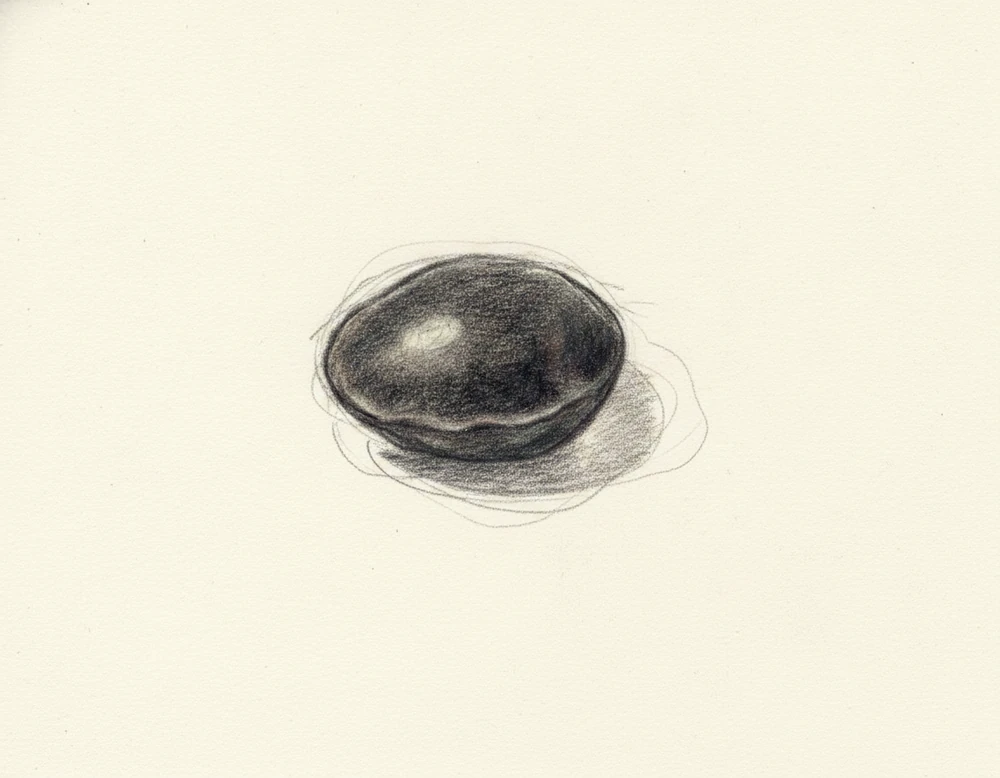
A black lentil of the Enna hills, largely displaced by higher-yielding commercial varieties that mechanise more easily. Fewer than five hectares are now sown with it across the whole Colline Ennesi, mostly around Leonforte.
Limone dell'Etna IGPIGP
Etna lemon · Lemon
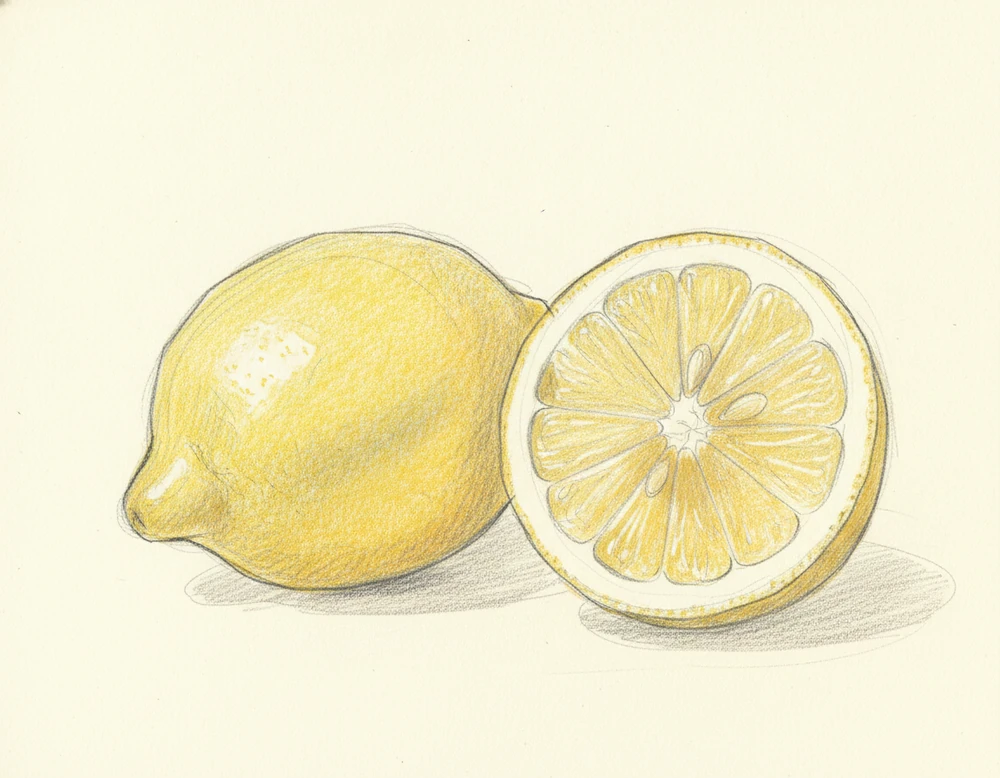
Lemons of the Femminello cultivar and its clones plus the Monachello cultivar, grown in specialised groves on the Etna slopes of Catania province. Fruit must reach the consumer fresh, sound, clean and free of foreign smells.
Limone di Siracusa IGPIGP
Syracuse lemon · Lemon
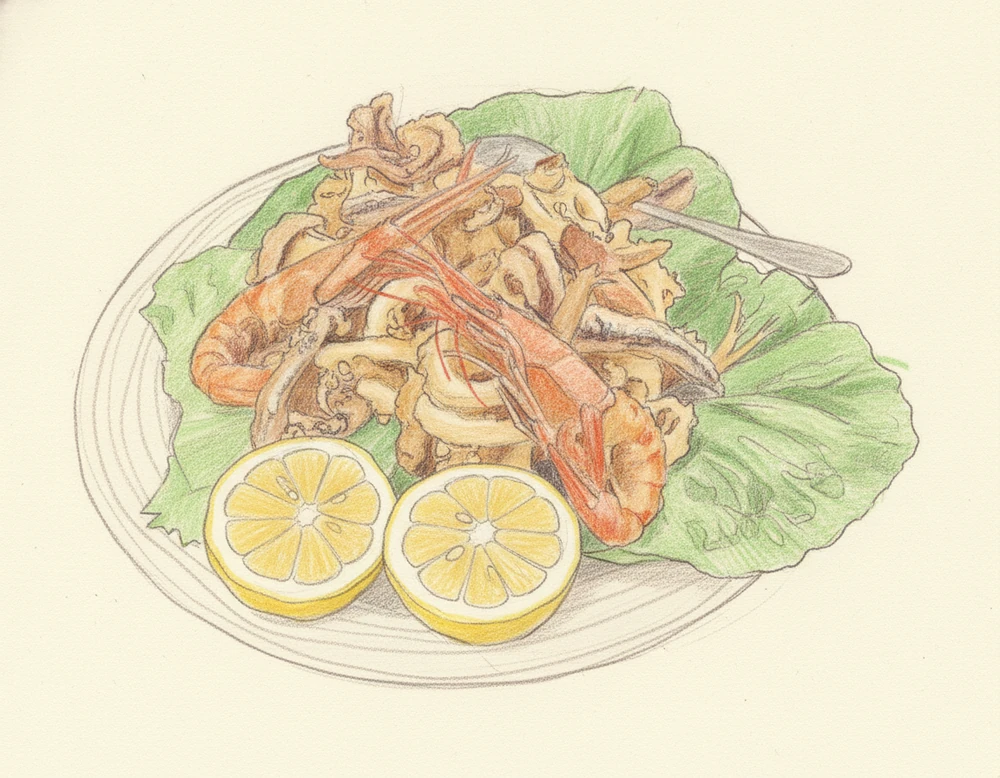
Lemons of the Femminello cultivar and its clones, grown in specialised groves across the province of Syracuse. The fruit is classed by picking season, starting with Primofiore from 1 October.
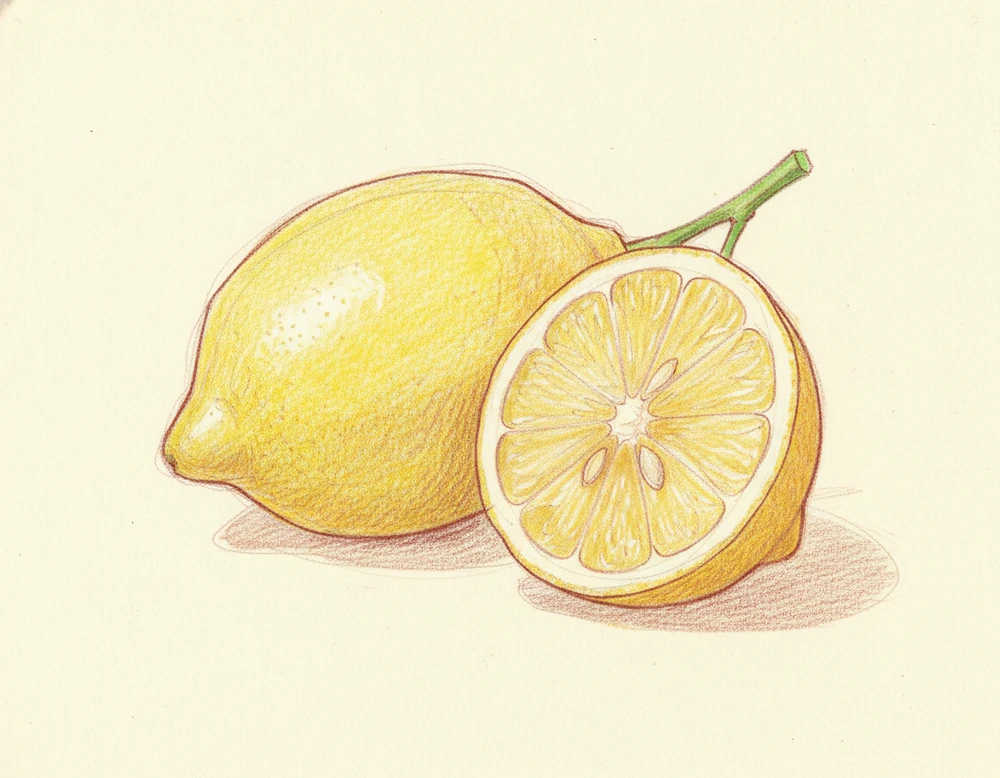
Limone Interdonato Messina IGPIGP
Interdonato lemon · Lemon
The Interdonato lemon of the Ionian coast of Messina, an early lemon with a thin, smooth skin and an elongated shape, named after the 19th-century colonel credited with the cross.
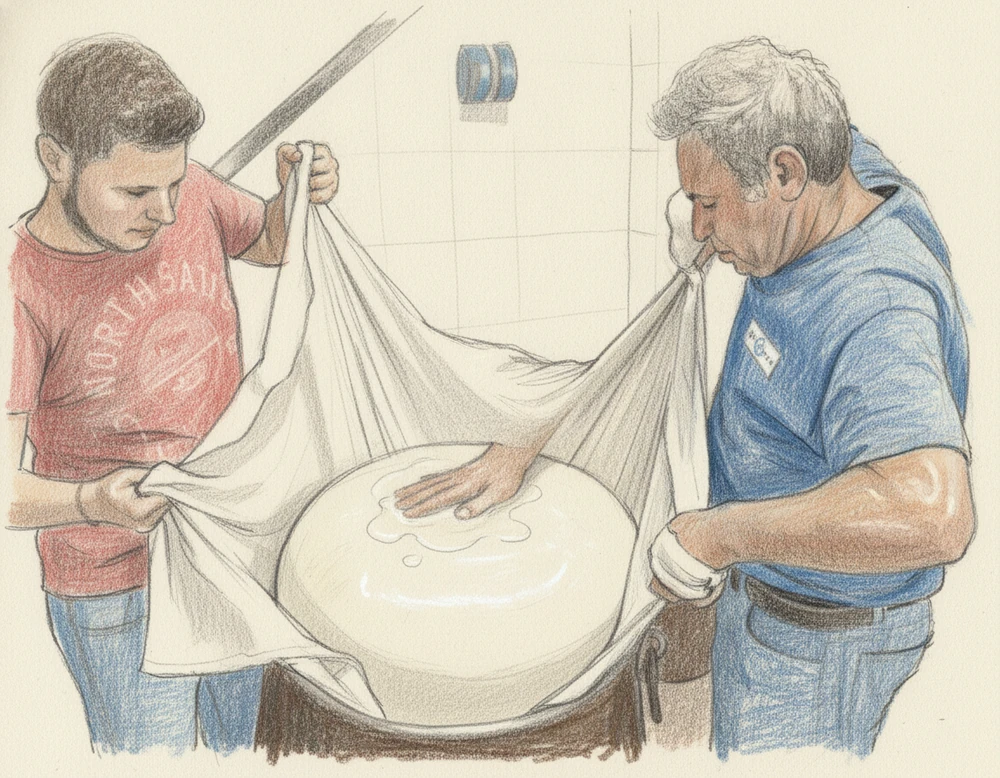
MaiorchinoPresidio
Maiorchino · Sheep's-milk cheese
One of the largest sheep cheeses in Italy, from 10 to 20 kg, made mostly from whole ewe's milk with a little goat's or cow's milk between February and early June, when the Peloritani and Nebrodi pastures are at their richest.
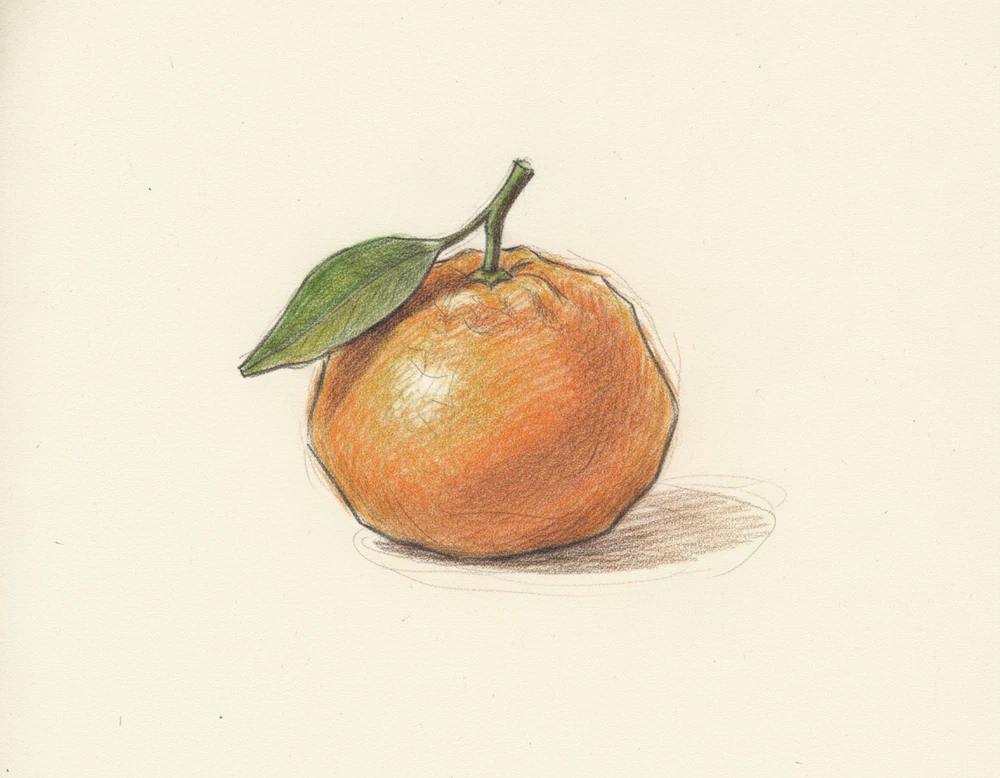
Mandarino Tardivo di CiaculliPresidio
Ciaculli late mandarin · Mandarin
A late-ripening mandarin from the Conca d'Oro, the plain around Palermo that was once a single continuous garden of citrus running up to the mountains behind. Building has taken roughly 80 per cent of that cultivated land, which is what put the variety at risk.
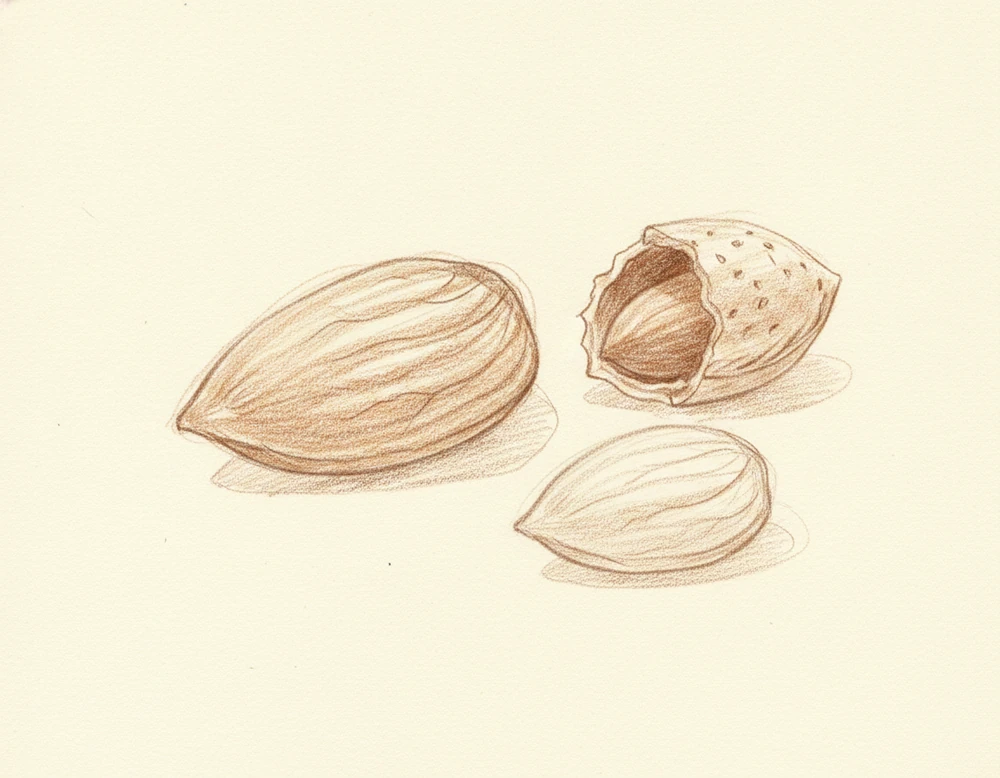
Mandorla di NotoPresidio
Noto Almond · Almond
Almonds from the groves around Noto, where the trees are pruned at the end of September, wild stock is grafted in December, and the ground is ploughed three or four times a year and manured annually.
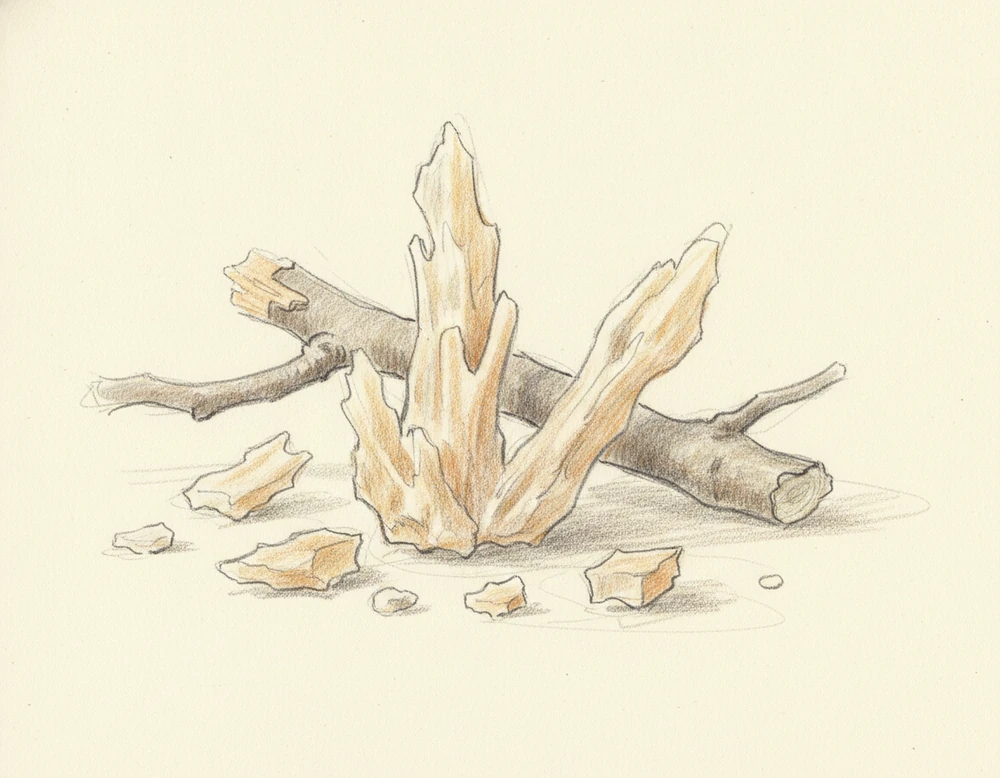
Manna delle MadoniePresidio
Madonie Manna · Manna
The sweet sap bled from ash trees (Fraxinus ornus and F. angustifolia). Thousands of hectares once carried them across north-western Sicily; roughly 250 hectares remain around Pollina and Castelbuono. The steep, marginal ground has never suited mechanisation, which is part of why the practice survived at all.
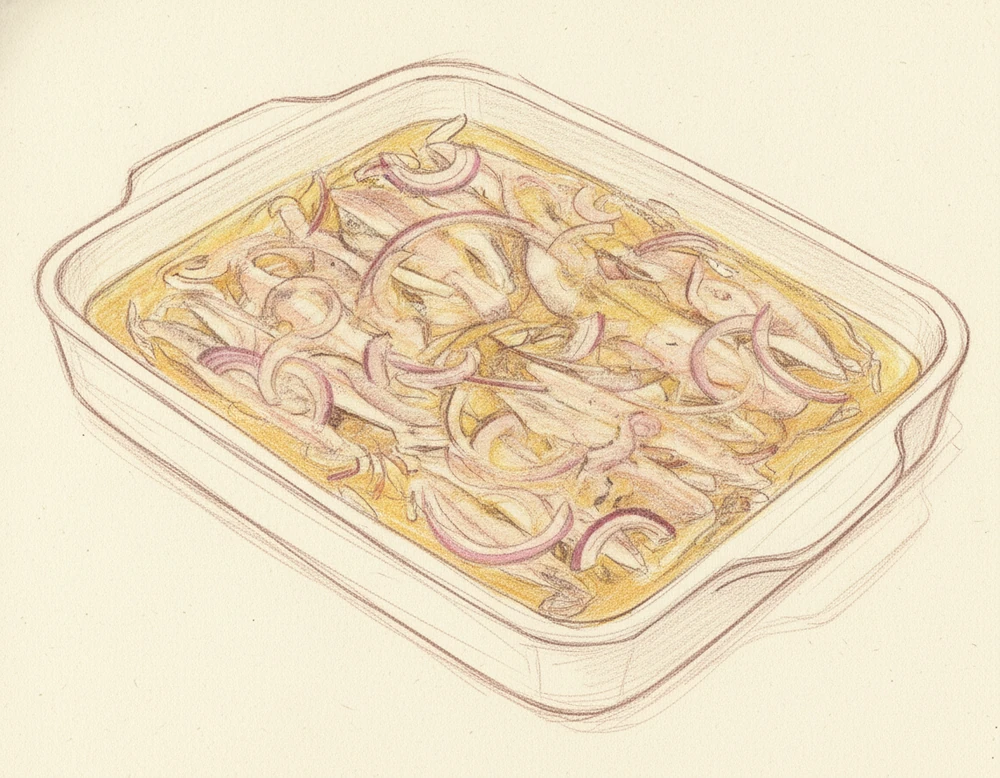
Masculina da MagghiaPresidio
Magghia Masculina · Anchovy
Anchovies caught in the Gulf of Catania from April, taken with tratte drift nets in the dark just before dawn. The fish are caught by the head in the mesh, the maglie that give them their name, so they come aboard whole and undamaged. The technique has been used in the Mediterranean since Homer's time.
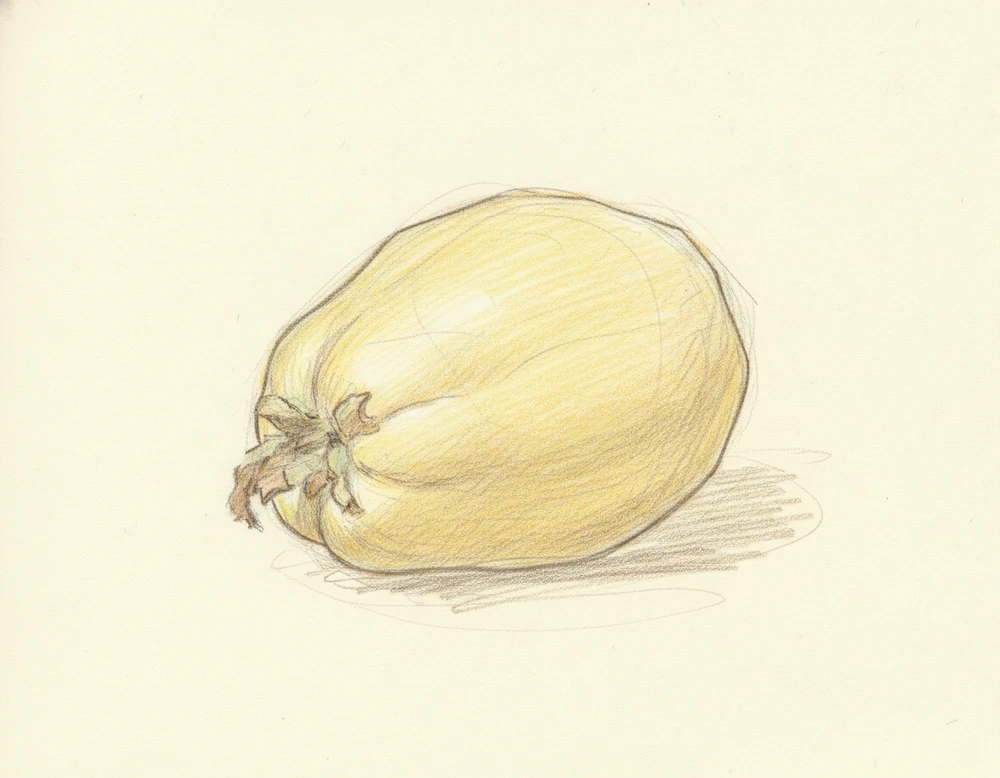
Melone Cartucciaru di PacecoPresidio
Paceco Cartucciaru Melon · Melon
From June the fields around Paceco fill with yellow melons. They are early and very productive, so they meet the Mantuan and Sibari crops at the start of the season, and by late July the glut has taken the price down far enough that the fruit is left in the field for the sheep and goats. Helios, which displaced the old local varieties in the early 1990s, is what is mostly grown now. The Cartucciaru is one of the varieties it displaced: long with a rounded end, smooth yellow skin, white juicy flesh, and very good.
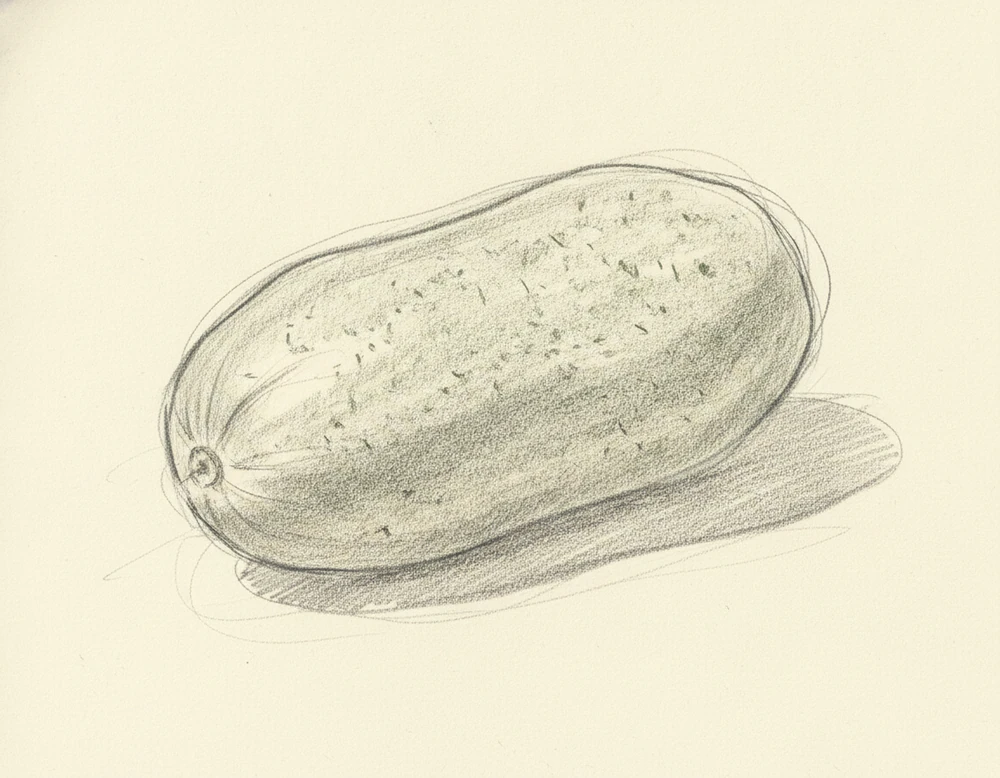
Melone Purceddu di AlcamoPresidio
Alcamo purceddu melon · Melon
A winter melon of the Trapani country, sown in May and picked from June, whose distinguishing quality is how long it keeps: it is still good after Christmas. Traditionally the fruit was laid out on the house terraces or hung from the balconies to see out the autumn. Purceddu means suckling pig in dialect.
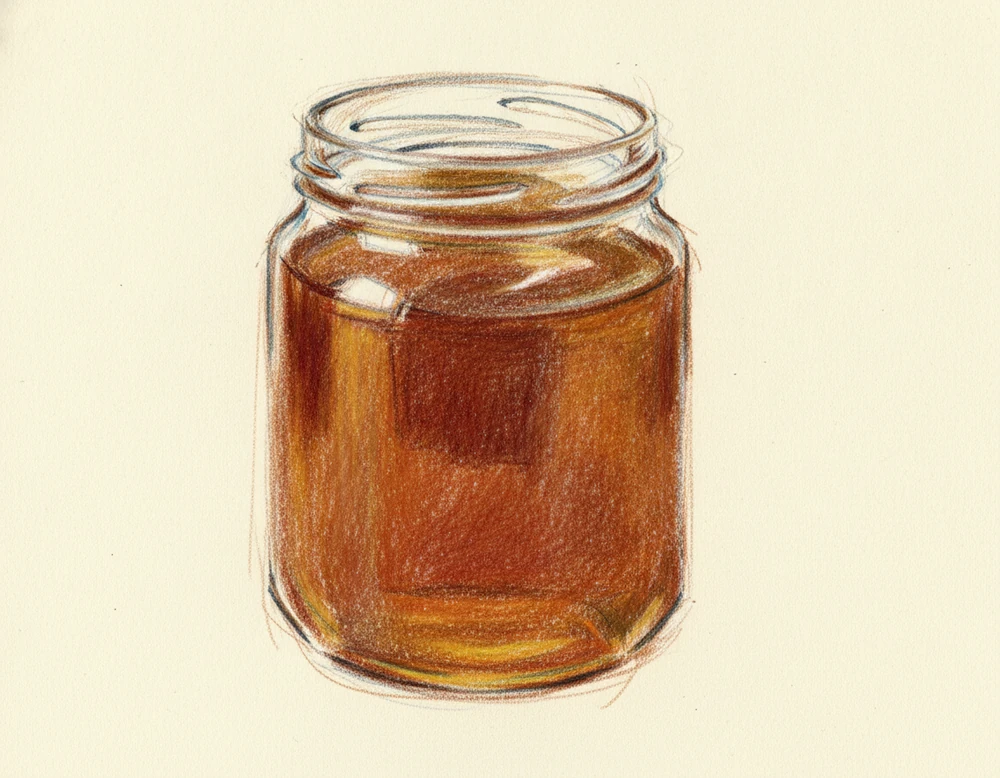
Miele di Timo IbleoPresidio
Hyblaean Mountains Thyme Honey · Honey
A single-flower honey from Thymus capitatus, the only thyme species that yields one. Known locally as satra or sataredda, it grows wild across much of the Mediterranean and, in the Iblei mountains, gives this honey.
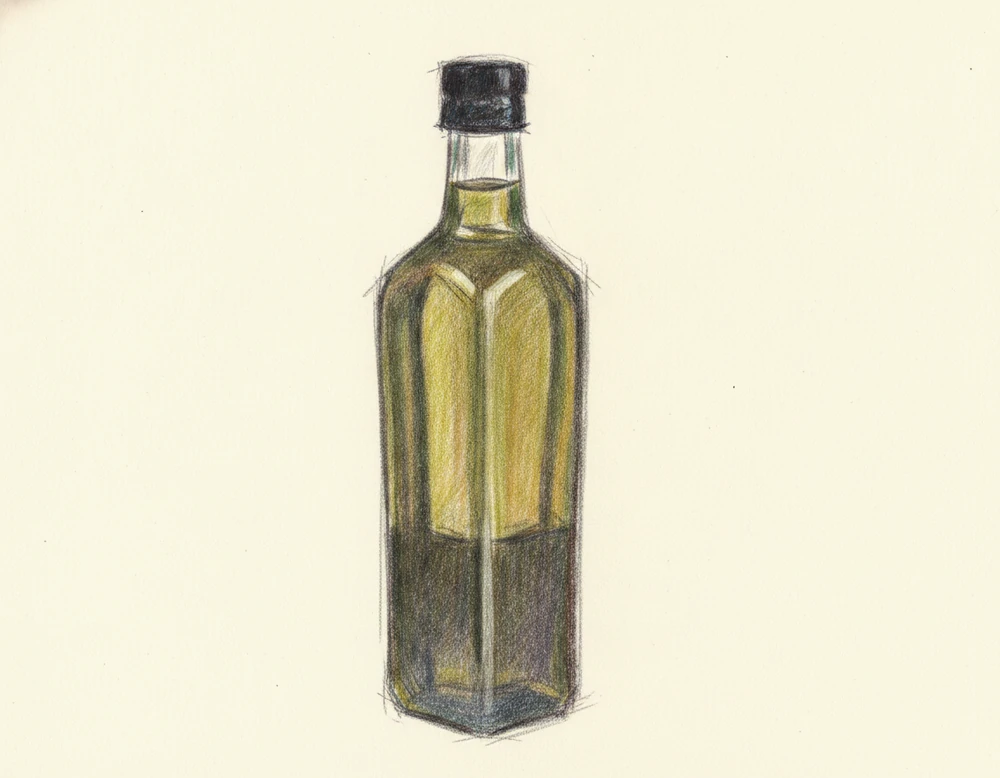
Monte Etna DOPDOP
Monte Etna olive oil · Extra-virgin olive oil
Extra-virgin olive oil from the Etna slopes, at least 65 per cent Nocellara Etnea, the remaining 35 per cent from any other native Sicilian cultivar.
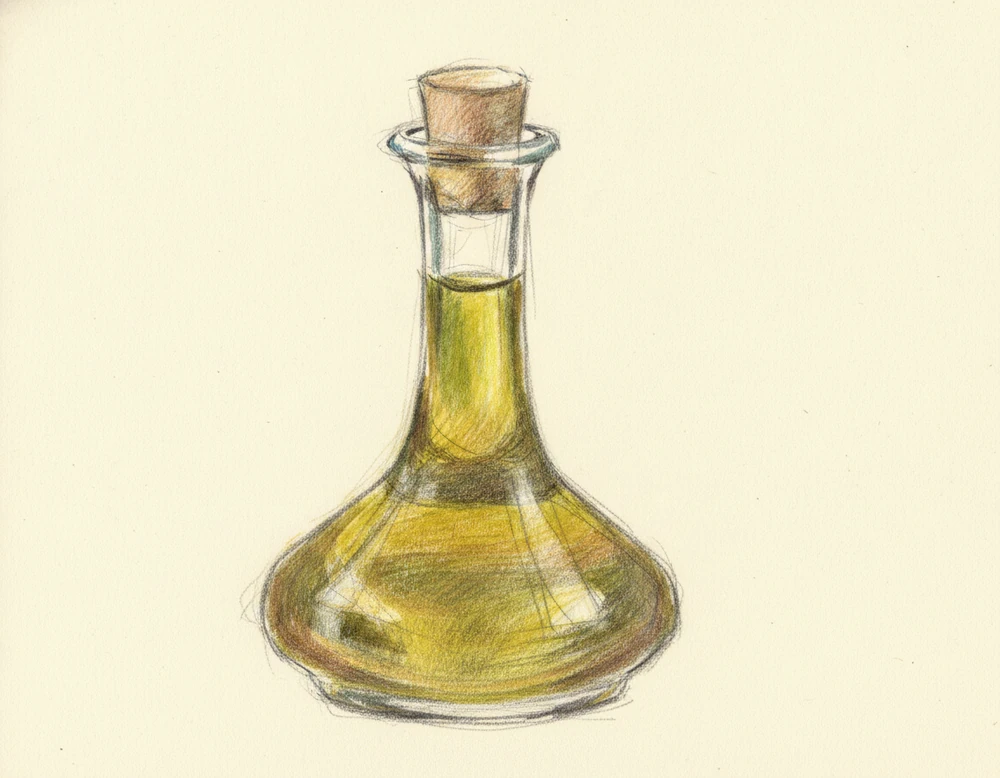
Monti Iblei DOPDOP
Monti Iblei olive oil · Extra-virgin olive oil
Extra-virgin olive oil from the Iblei plateau, optionally carrying one of the named sub-zone mentions. At least 80 per cent must come from Tonda Iblea, Moresca, Nocellara Etnea, Verdese, Biancolilla or Zaituna and their synonyms.
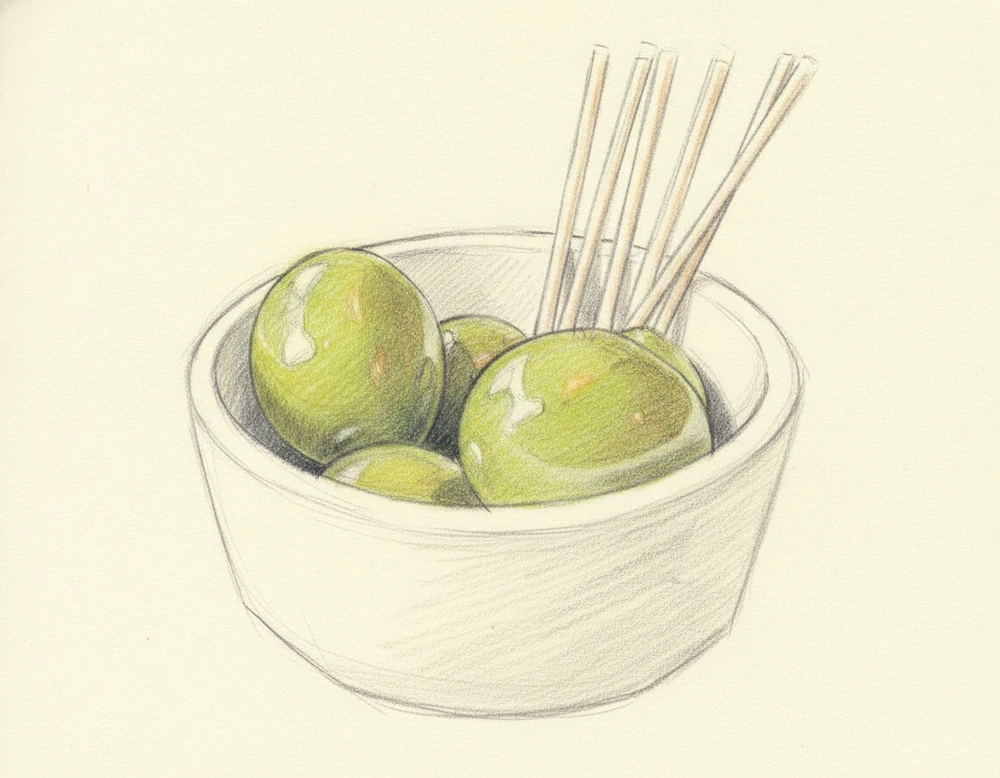
Nocellara del Belice DOPDOP
Nocellara del Belice olives · Table olive
Table olives from groves of clones of the native Nocellara del Belice variety, identified by the Sicilian regional technical services. They are the big, bright green olives of the Belice valley.
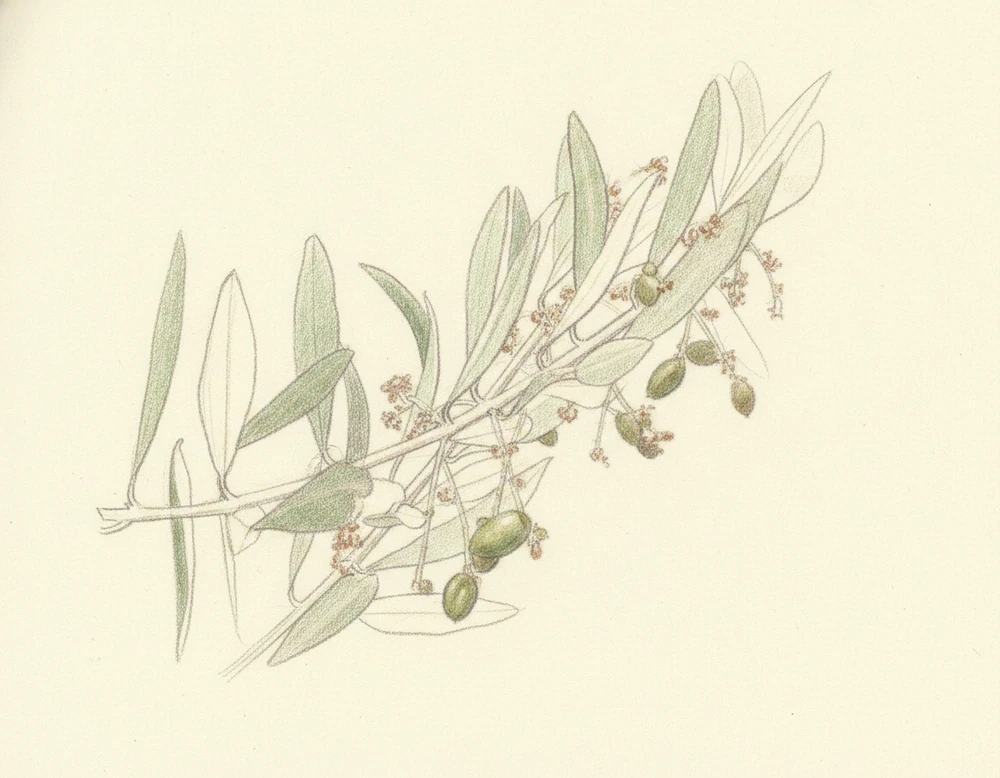
Oliva MinutaPresidio
Minuta Olive · Olive
A rare old Sicilian olive cultivar of the Nebrodi, concentrated in the Fitàlia valley and around Castell'Umberto and Sinagra. It accounts for roughly 90 per cent of the groves higher in those hills, and stands up to bad weather better than the Santagatese.
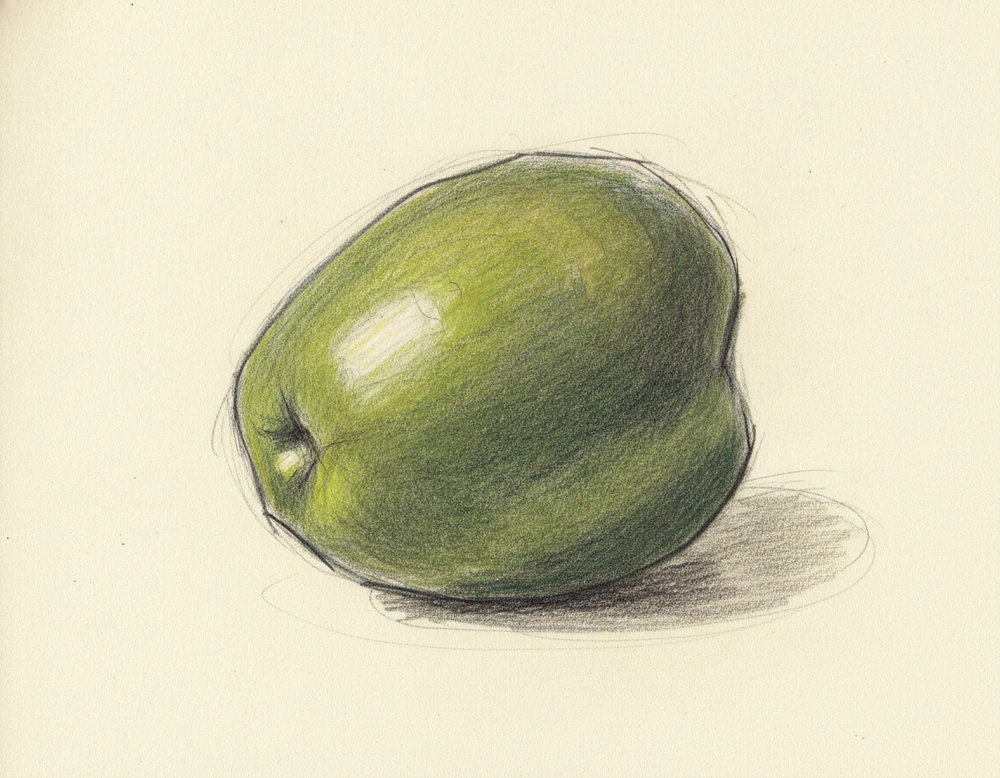
Oliva ZaitunaPresidio
Zaituna Olive · Olive variety
The name is the Arabic zaytūna, and the Zaituna is widely held to be the first olive cultivated in Sicily. It grows only on the hills above the Gulf of Syracuse, in a landscape that documents itself: rock-cut presses from the late Bronze Age, Hellenistic amphorae, centuries-old trees. The fruit is large, heart-shaped, deep green with paler highlights.
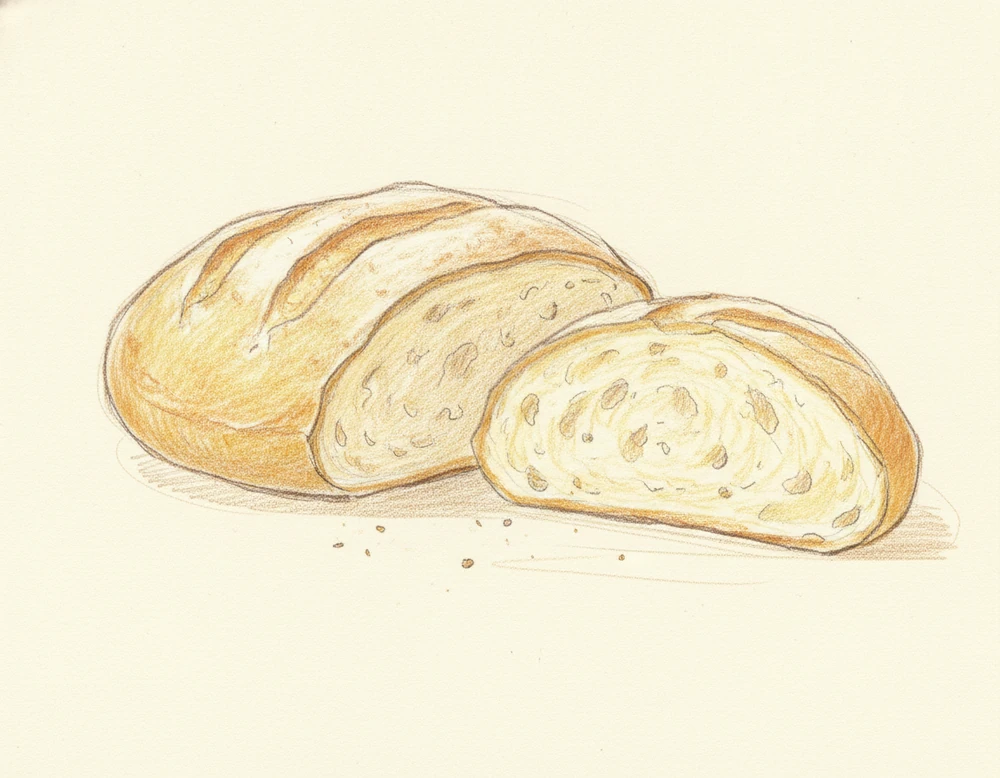
Pagnotta del Dittaino DOPDOP
Dittaino loaf · Bread
A round durum-wheat loaf from the Dittaino valley, 500 to 1,100 g, also sold as a sliced half. The crust is 3 to 4 mm thick and moderately firm; the crumb is pale yellow with a fine, compact, even structure.
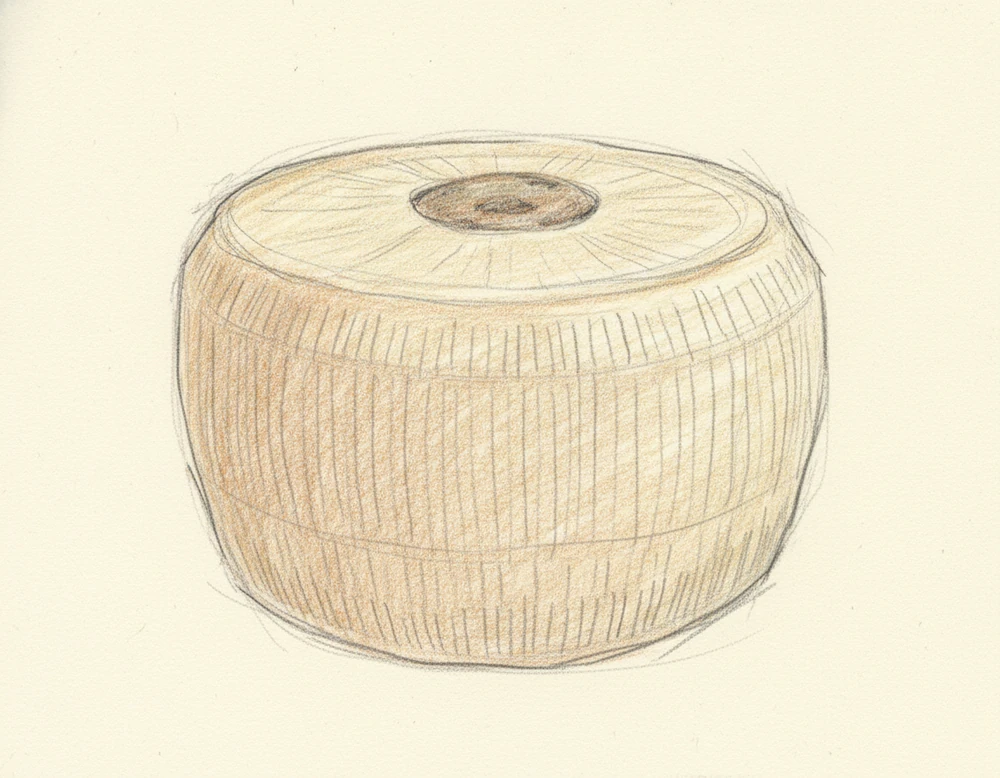
Pecorino Siciliano DOPDOP
Sicilian pecorino · Sheep's-milk cheese
A raw-milk, semi-cooked sheep cheese, cylindrical with flat faces or a slightly concave top. It is sold at three ages: Fresco, Semistagionato and Stagionato.
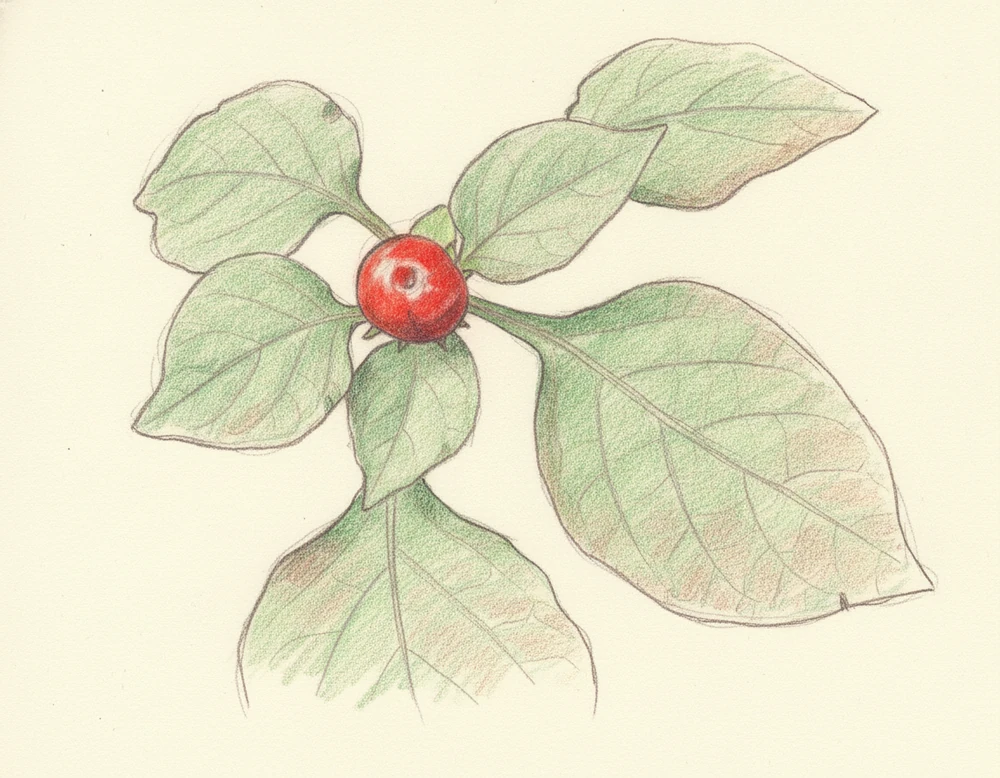
Peperone di Polizzi GenerosaPresidio
Polizzi Generosa Pepper · Pepper
Polizzi Generosa is a stone village of barely 3,000 people and more than 40 churches, on a ridge in the middle of the Madonie, and it keeps its food as it keeps its palaces: Badda beans, hazelnuts, and the pepper the dialect calls pipiddu. Small and roughly conical, bright green turning red, and odd in that it grows upward, the pod standing above the leaves instead of hanging below. Its history is oral only: the seasonal hazelnut pickers were apparently paid partly in bread topped with olives, pecorino and roast pipiddu.
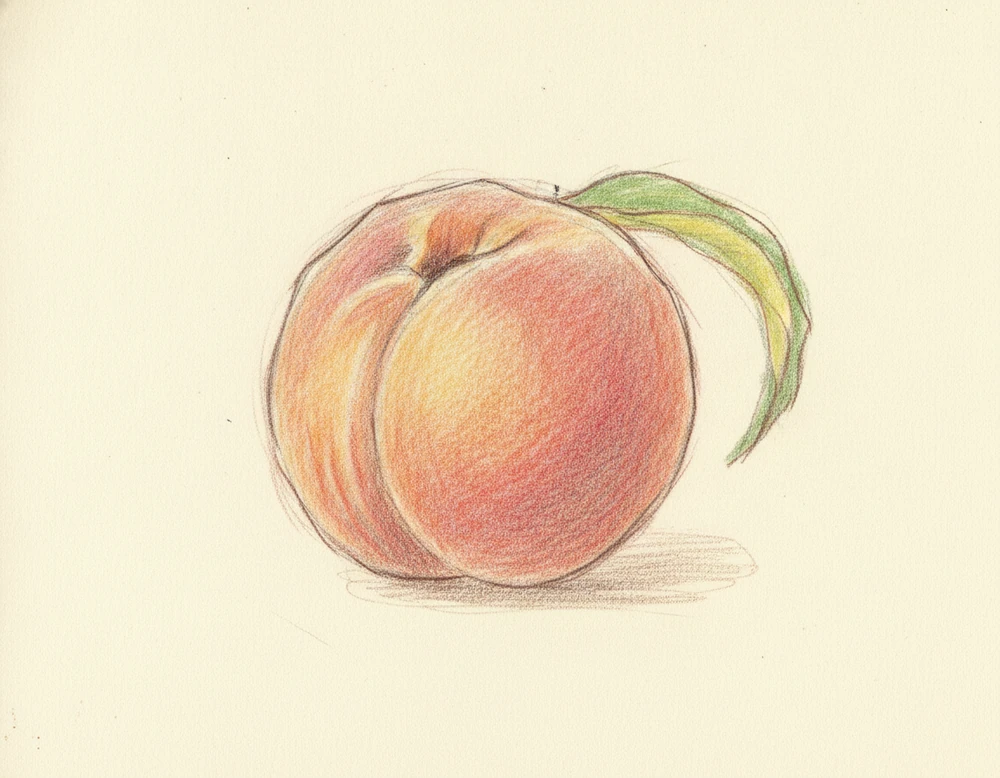
Pesca di Delia IGPIGP
Delia peach · Peach
Yellow- and white-fleshed peaches from the Delia area, admitted in named early, mid and late varieties: Rich May, Ruby Rich, Spring Crest and Royal Glory early; Elegant Lady, Rome Star, Symphonie and Rich Lady mid; Fartime, Flaminia, Lucie and O'Henry late.
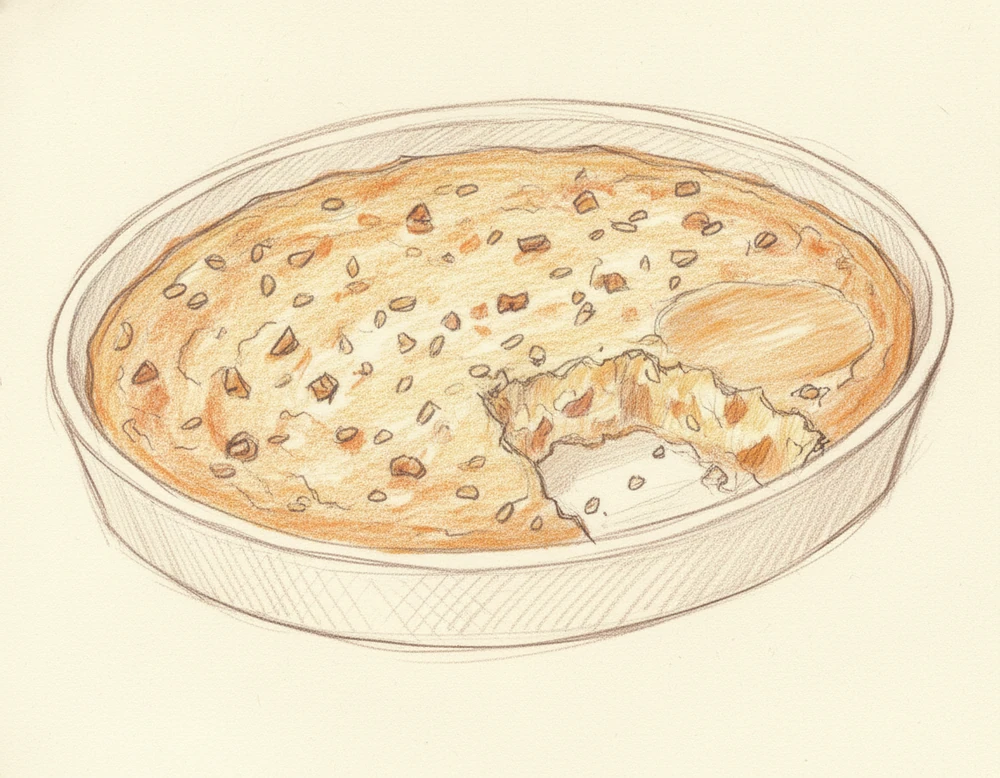
Pesca di Leonforte IGPIGP
Leonforte peach · Peach
Peaches from two local ecotypes, Bianco di Leonforte and Giallone di Leonforte, neither of which is registered in the national variety catalogue. They are famously bagged on the tree, which lets them ripen late into autumn.
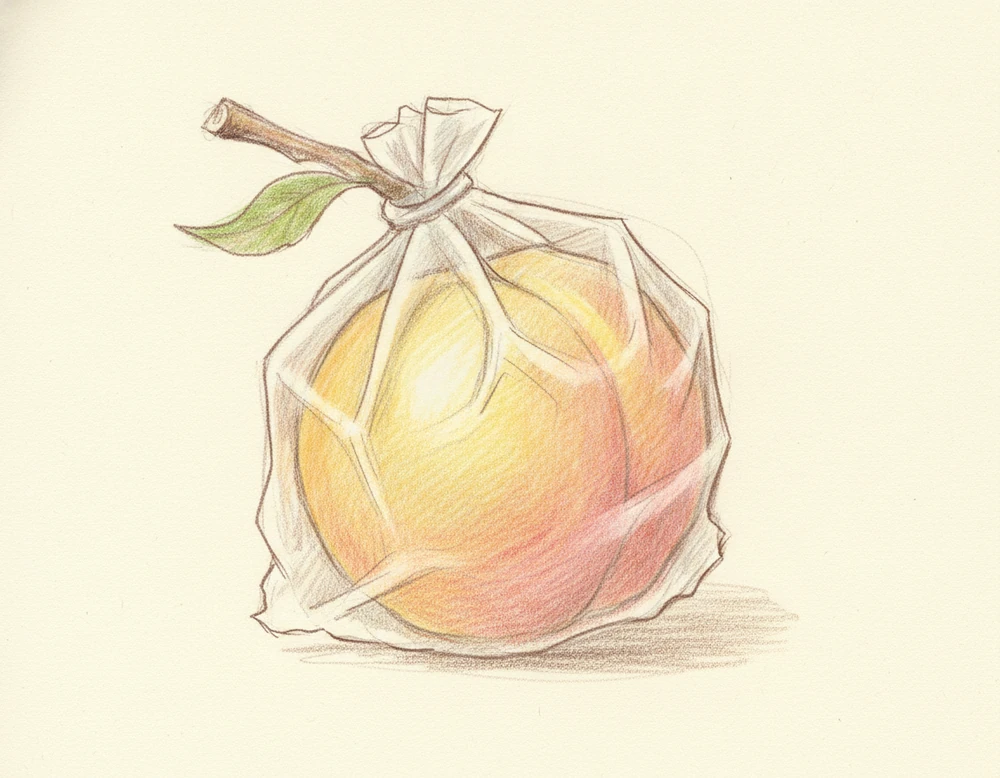
Pesca nel SacchettoPresidio
Peach in a Bag · Peach
In a country of citrus and almonds, olives and prickly pear, Leonforte grows peaches, and every June does something faintly mad: as they prune, the men bag the still-green fruit one by one in little vellum sacks. It is exacting work that allows no mistakes, and the fastest can bag more than 2,000 in a day. Inside the bag the peach is out of reach of pests and wind and can hang on the tree to the last moment, ripening from August into October and sometimes November. They are not showy fruit, ripening late and in the dark, at most an intense yellow with faint red streaking, but they smell wonderful and the flesh is yellow, firm and sweet with something caramelised in it.
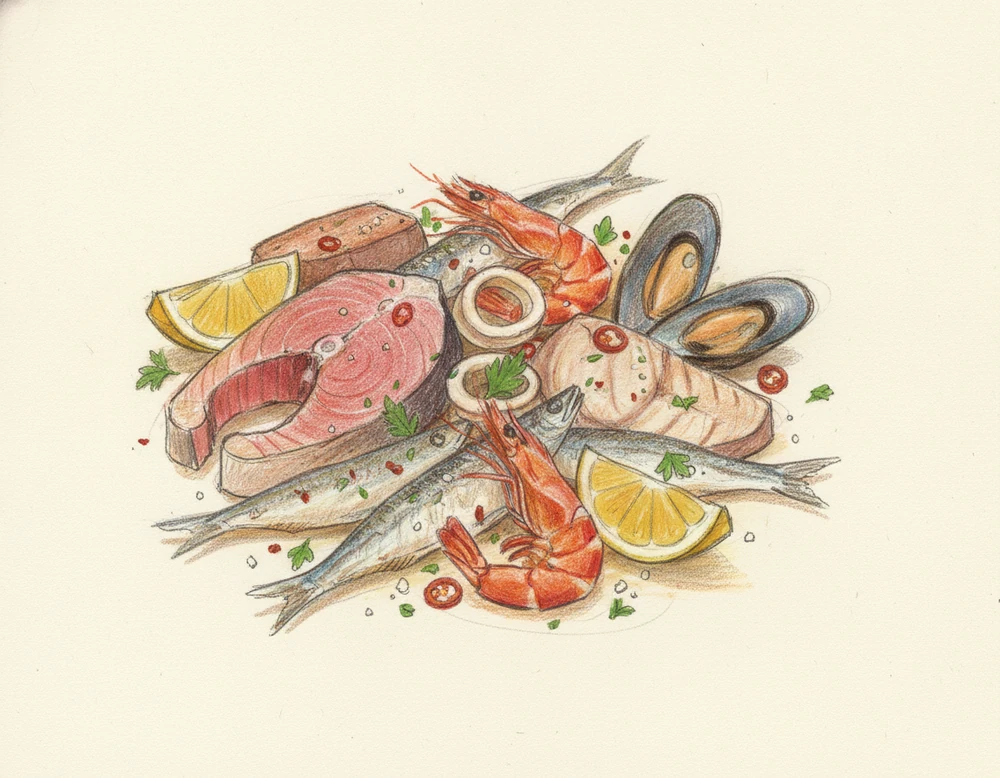
Pesca Tradizionale dello Stretto di MessinaPresidio
Traditional fishing of the Strait of Messina · Artisanal fishery
The Strait divides Sicily from Calabria and the Ionian from the Tyrrhenian, and it has carried migrations and colonies for millennia. Its currents and winds are in the Odyssey, as Scylla on one side and the whirlpool of Charybdis on the other, which is where the phrase comes from. It is also one of the Mediterranean's great biodiversity hotspots, a corridor between the western and eastern basins: the bottom is wreck-strewn and cut by canyons that begin at the Sella, the narrowest and shallowest point at 64 metres between Ganzirri and Punta Pezzo, and fall past 3,000 metres off Syracuse. Fishing here is as old as the record of eating tuna.
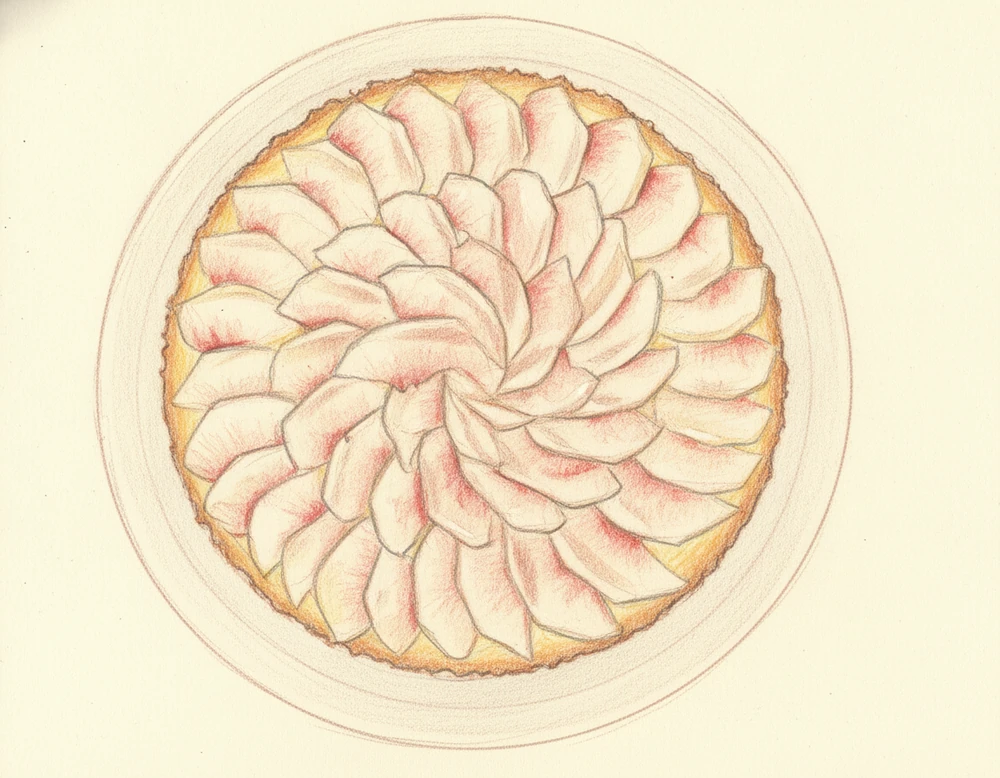
Pescabivona IGPIGP
Bivona peach · Peach
White peaches from four ecotypes that arose and evolved in the Sicani hills around Bivona, staggered so the harvest runs from mid-June to late October: Murtiddara or Primizia Bianca, then Bianca, then Agostina, then Settembrina.
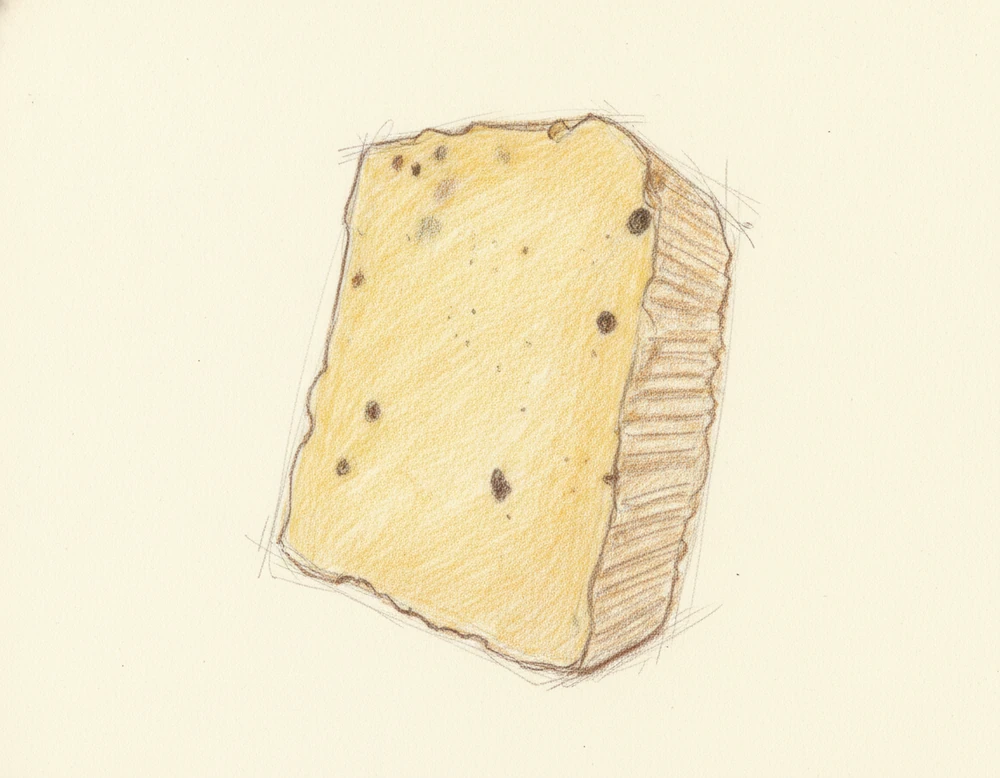
Piacentinu Ennese DOPDOPPresidio
Piacentinu Ennese · Sheep's-milk cheese
A pressed sheep cheese from the Enna highlands, made with whole raw ewe's milk at its natural fermentation acidity, from the native Sicilian breeds Comisana, Pinzirita and Valle del Belice and their crosses. It is traditionally saffron-yellow and studded with peppercorns.
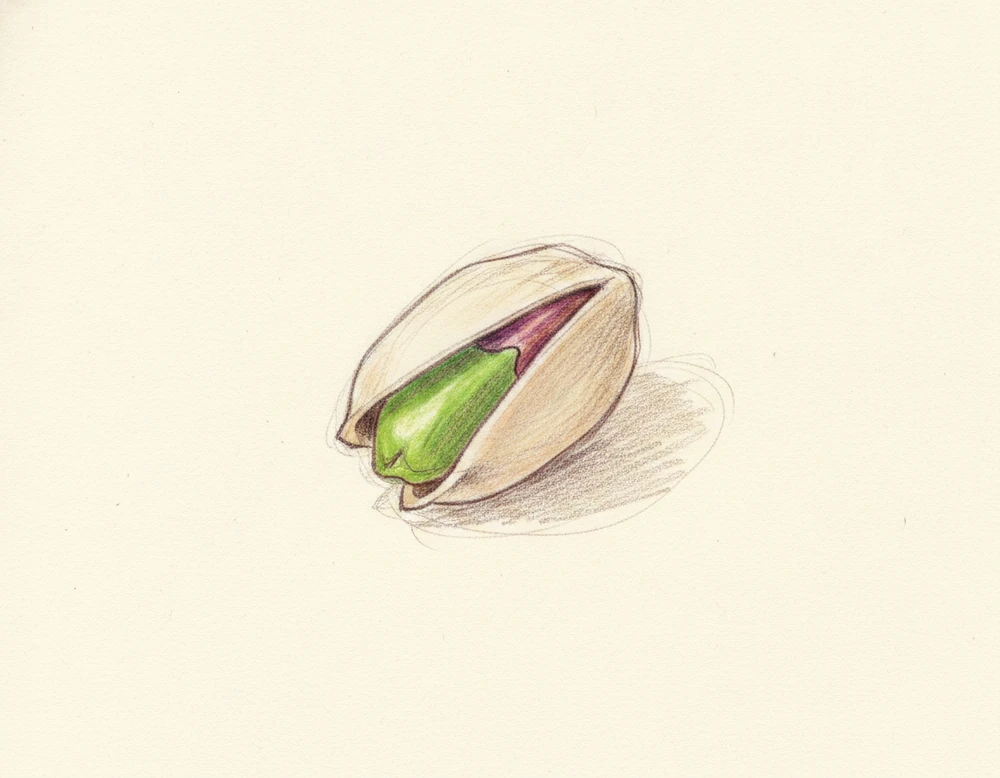
Pistacchio di Raffadali DOPDOP
Raffadali pistachio · Pistachio
Pistachios from Raffadali in the Agrigento hills, sold in shell, shelled or peeled. The cultivar is Napoletana, also called Bianca or Nostrana, grafted onto Pistacia terebinthus, known locally as Scornabeccu.
Pistacchio Verde di Bronte DOPDOPPresidio
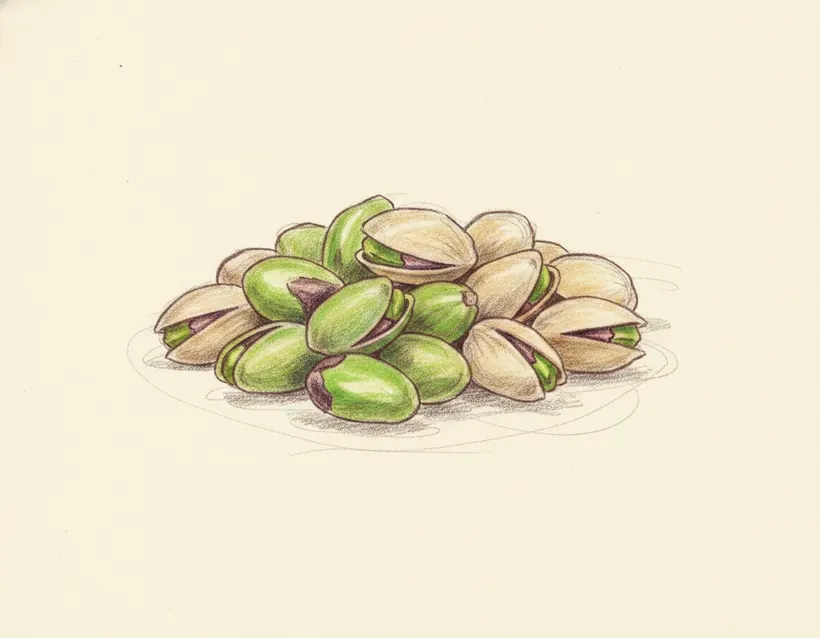
Bronte pistachio · Pistachio
The intensely green, aromatic pistachio grown on the black lava soils of Bronte below Etna, harvested only every other year.
Pomodoro Buttiglieddru di LicataPresidio
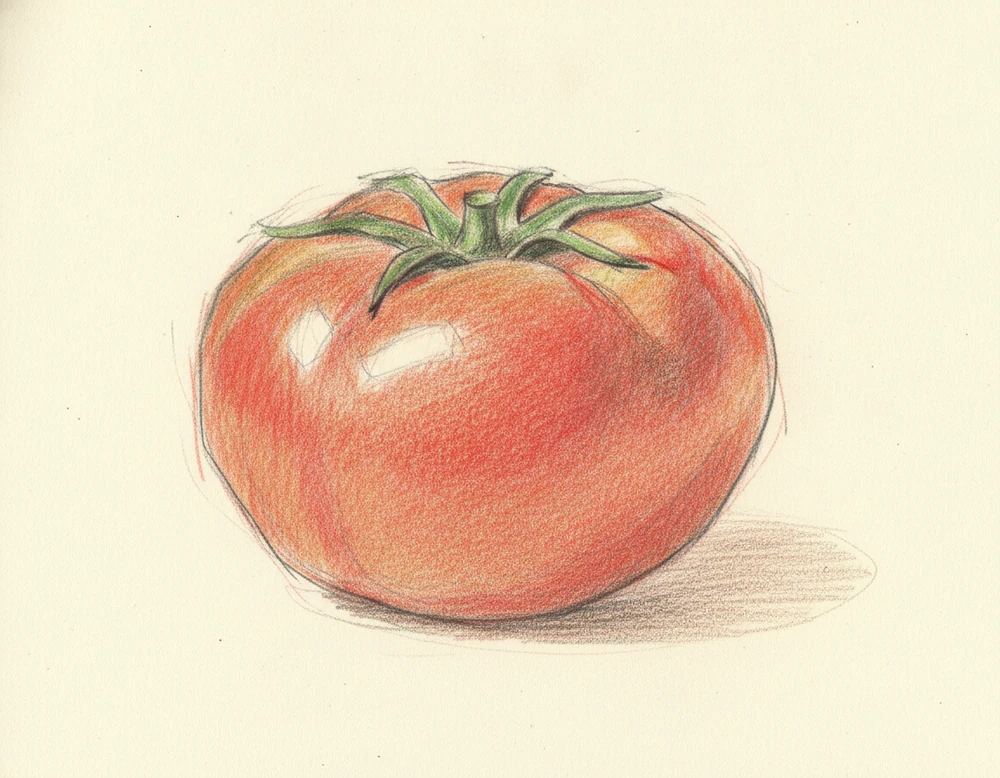
Licata Buttiglieddru Tomato · Tomato
A tomato from the Licata plain on Sicily's southern coast, where the Salso river leaves potassium-rich soils. Those soils and the high salinity of the water together give the fruit its particular character.
Pomodoro di Pachino IGPIGP
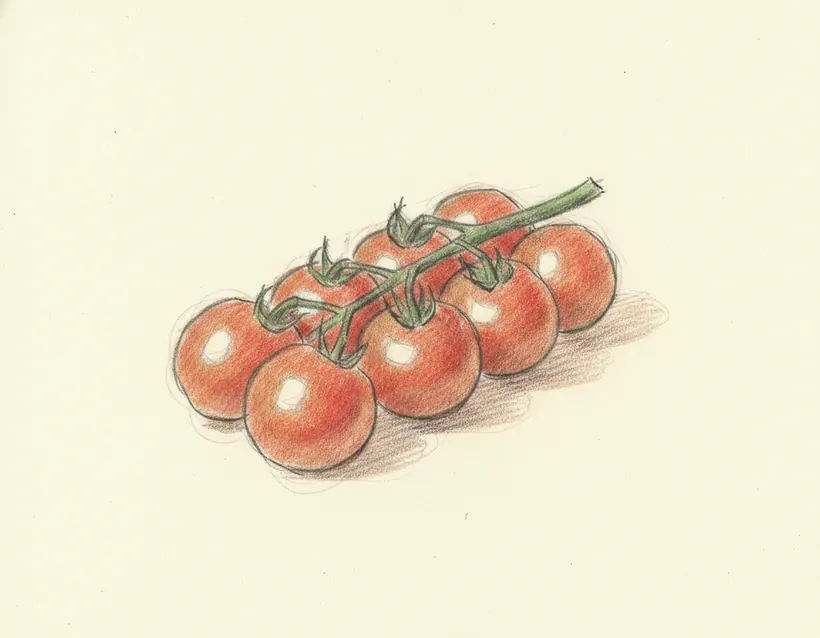
Pachino tomato · Tomato
Small, intensely sweet cherry and cluster tomatoes grown in the sun-baked south-eastern tip of Sicily.
Pomodoro Pizzutello delle Valli EricinePresidio
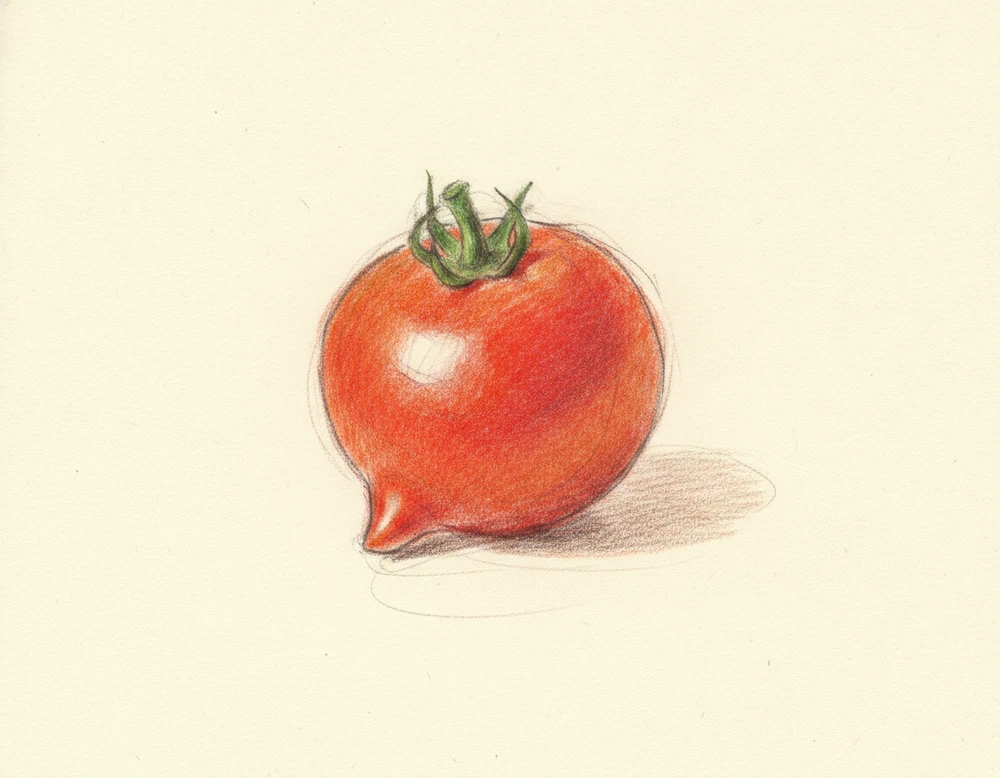
Ericine Valley Pizzutello Tomato · Tomato
A small round tomato that turns bright red when ripe and carries a pointed tip at the base, the pizzo that names it. It is grown without irrigation, as it has been for generations, in the red, salt-rich earth of the valleys running from Monte Erice down to the sea at Trapani.
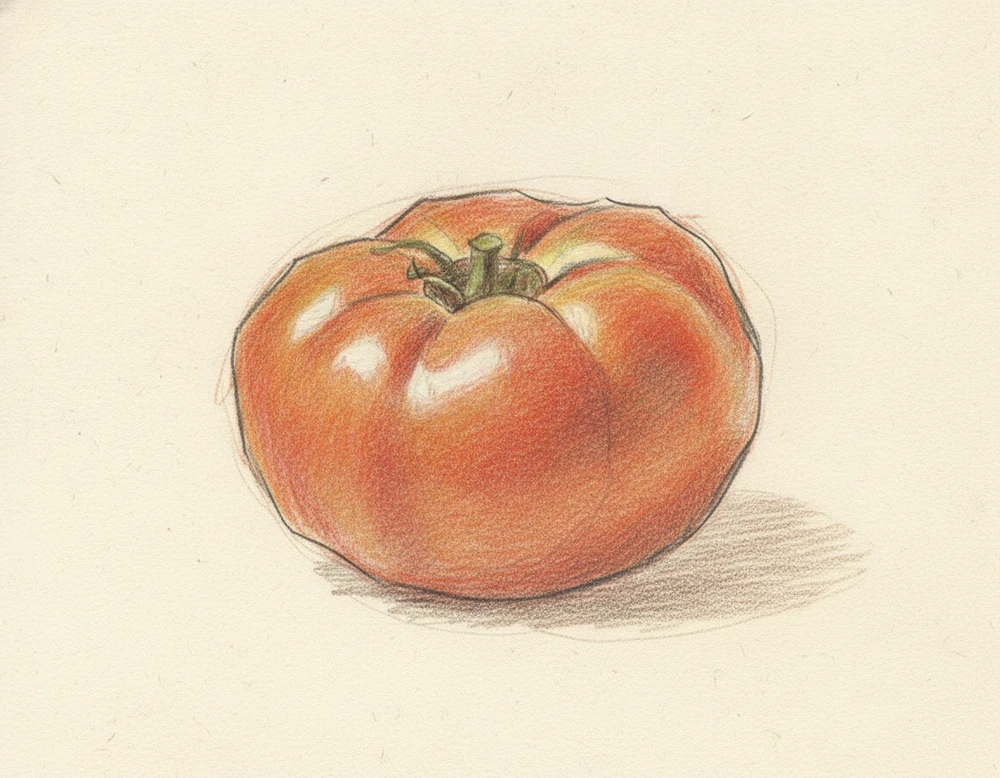
Pomodoro Siccagno della Valle del BiliciPresidio
Bilìci Valley Siccagno Tomato · Tomato
A dry-farmed tomato of the upper Belìci valley, grown for passata rather than for the table. No family in inland Sicily would once go into winter without a stock of it, put up alone or with the rest of the village.
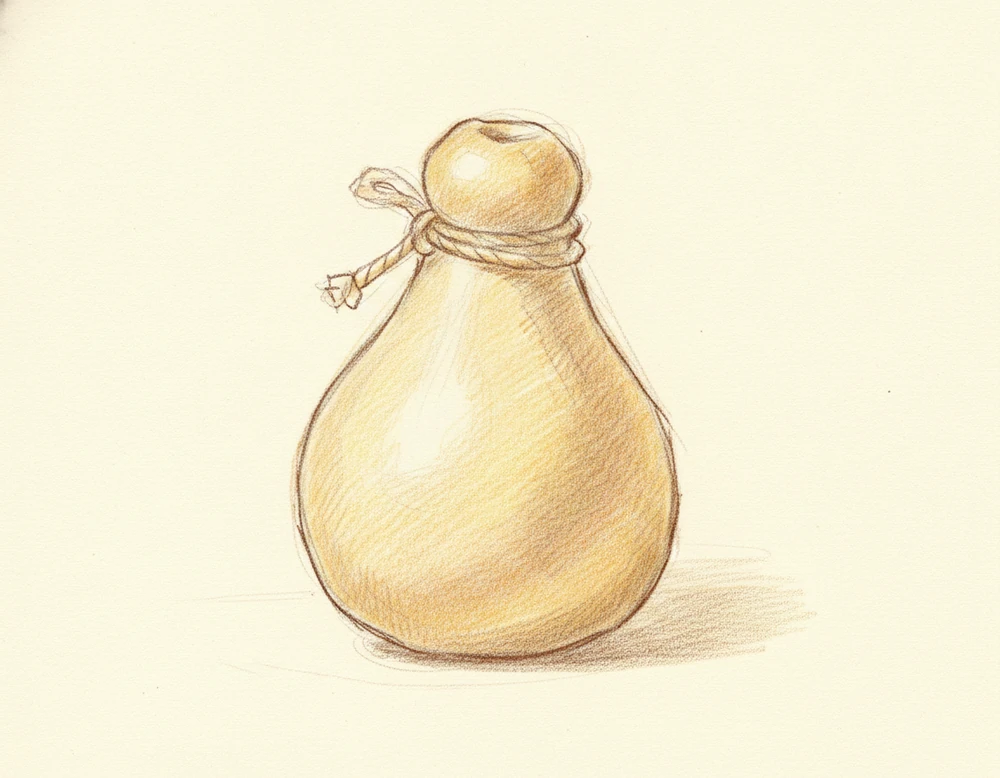
Provola dei Nebrodi DOPDOPPresidio
Nebrodi provola · Cheese
A pasta-filata cow's-milk cheese from the Nebrodi mountains, made in five types: fresh, semi-aged, aged, sfoglia and one flavoured with green lemon. The fresh type keeps the classic pear shape, with or without the little head on top.
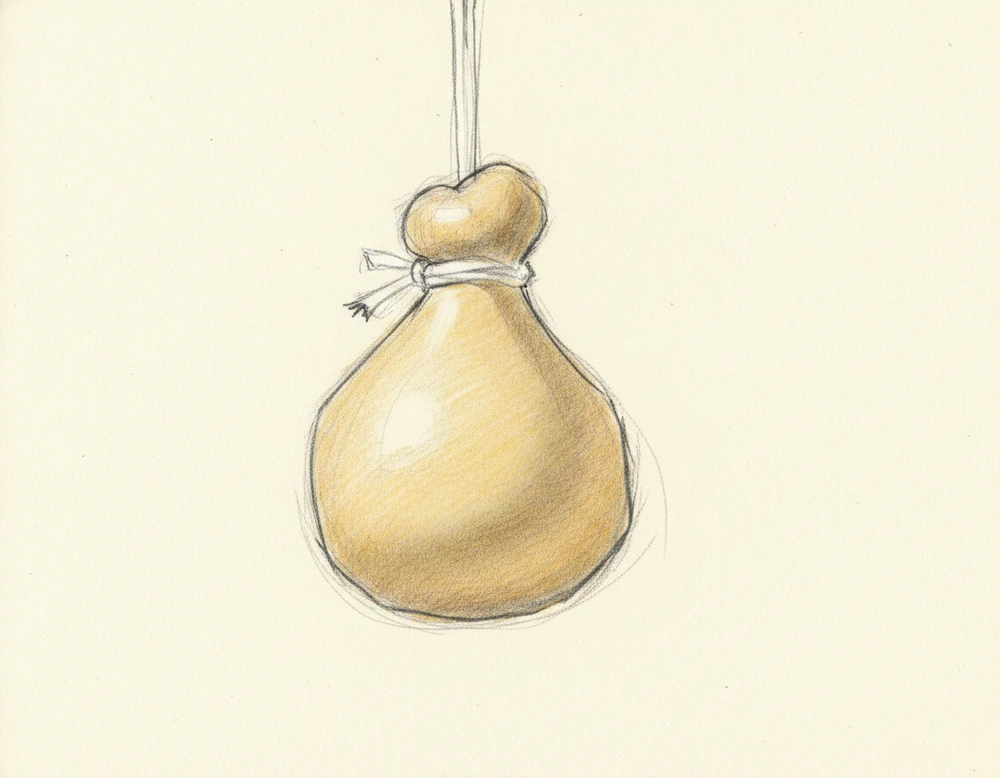
Provola delle MadoniePresidio
Madonie Provola · Cheese
A full-fat cow's-milk pasta-filata cheese from the Madonie, squatter and more pear-shaped than the Nebrodi provola, with a short neck and a rounded head. The rind is smooth, thin and straw-yellow, and the cheeses are hung in pairs over a pole to age.
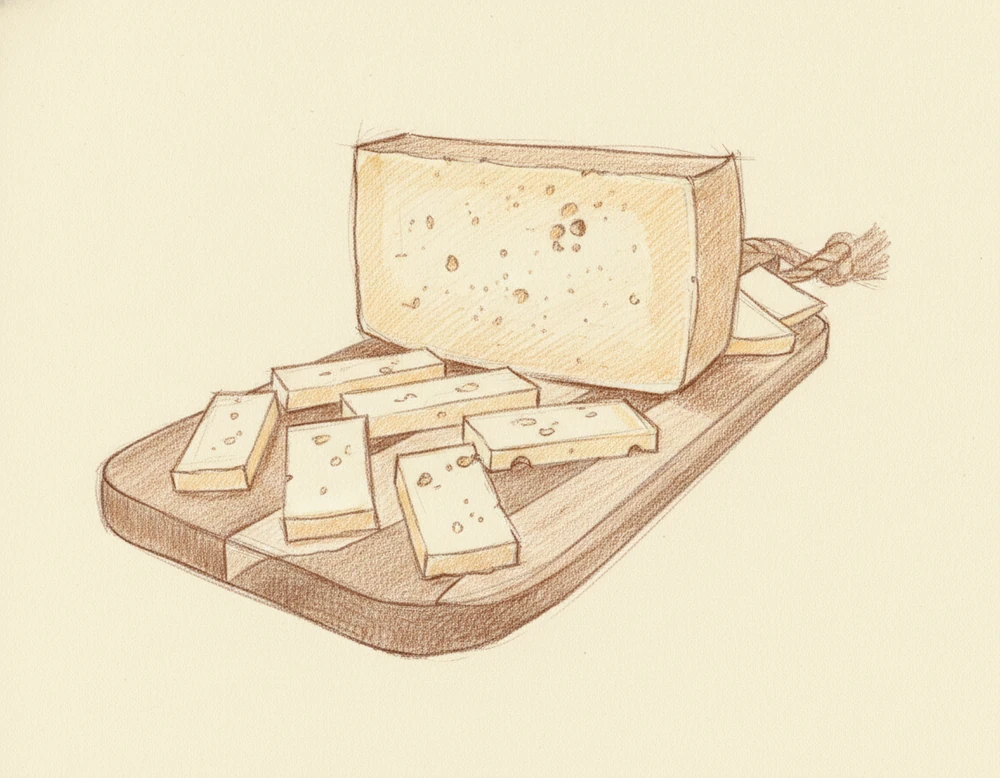
Ragusano DOPDOP
Ragusano · Cheese
A big rectangular pasta-filata cow's-milk cheese from the Iblei plateau, hung in pairs to age. It is one of the oldest Sicilian cheeses still made to its historic shape.
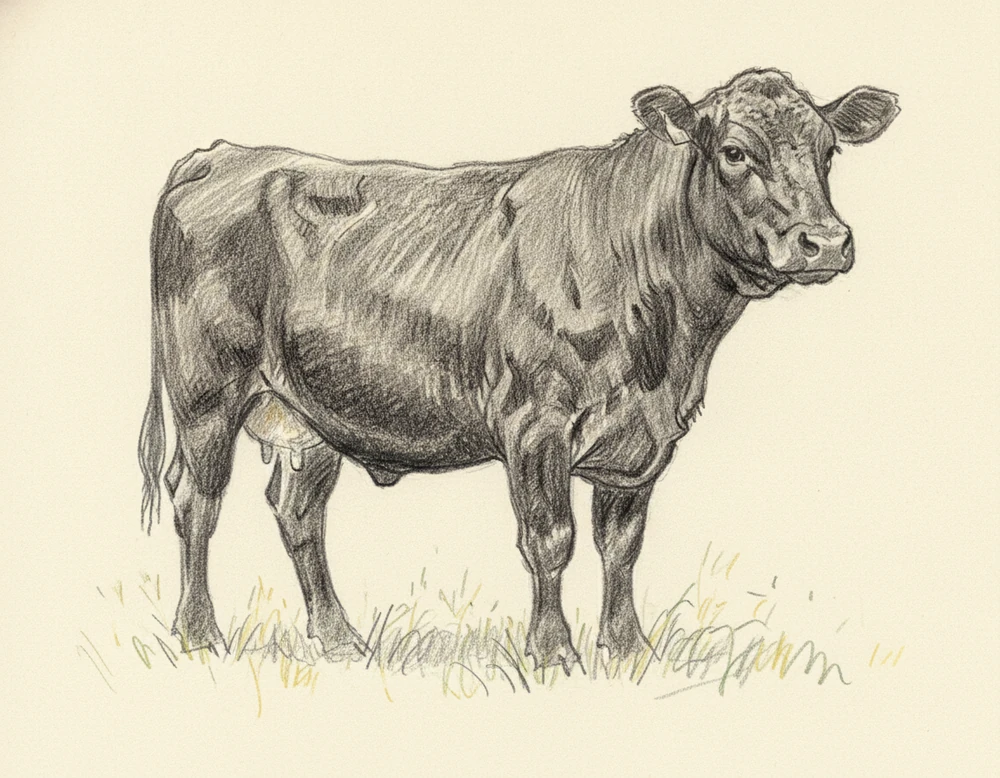
Razza Bovina CinisaraPresidio
Cinisara Cattle · Cattle breed
A black Sicilian cattle breed of the Palermo hinterland, kept for both milk and beef, and the source of the caciocavallo made in its area. Its cheese and its meat are available year round.
Razza ModicanaPresidio
Modicana Cow · Cattle breed
A Sicilian cattle breed of centuries' standing, with a dark red coat running from wine-red to near black in the bulls. Mechanisation, modest milk and meat yields, and dairies giving up their own cheesemaking drove the decline: from tens of thousands in the 1960s to a fraction of that.
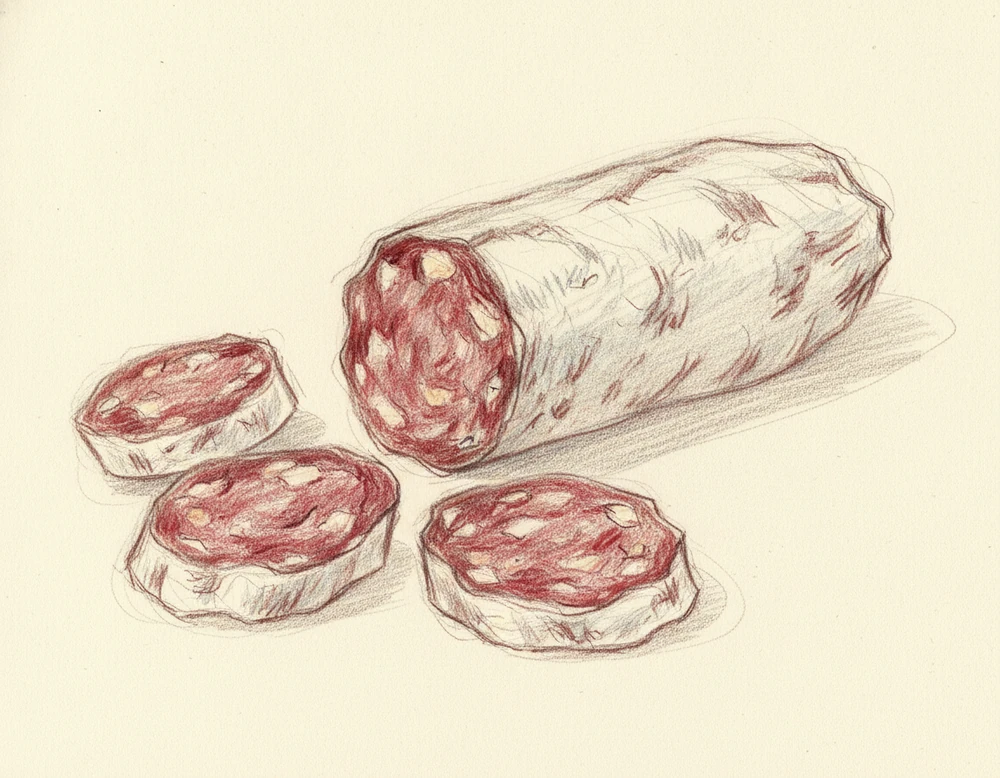
Salame S. Angelo IGPIGP
Sant'Angelo salame · Salami
A coarse-grain pork salame from Sant'Angelo di Brolo in the Nebrodi, cased in natural pig gut. The outside is cylindrical and irregular under the classic fioritura, the whitish bloom of an aged sausage; inside it is tender and compact.
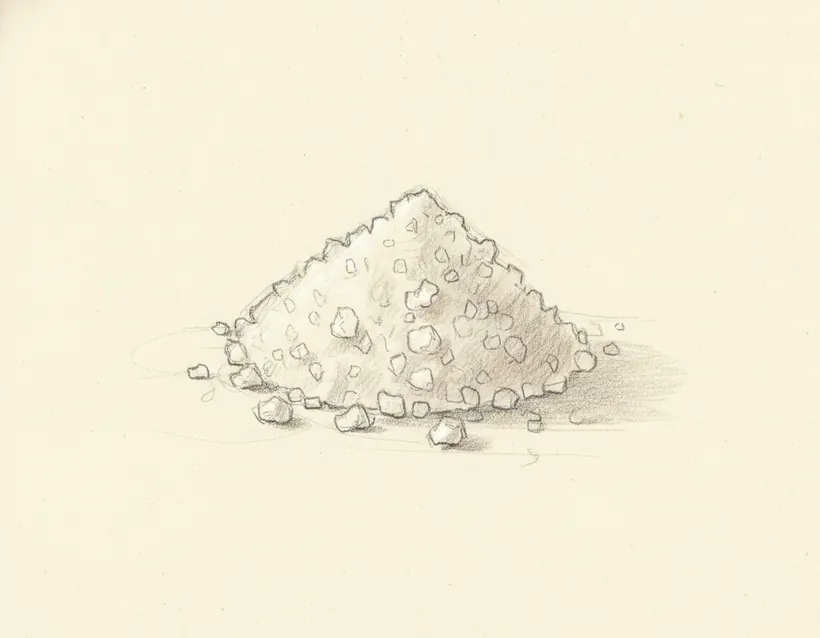
Sale Marino di Trapani IGPIGPPresidio
Trapani sea salt · Sea salt
Hand-raked sea salt from the shallow coastal pans of Trapani and Marsala, dried by sun and wind.
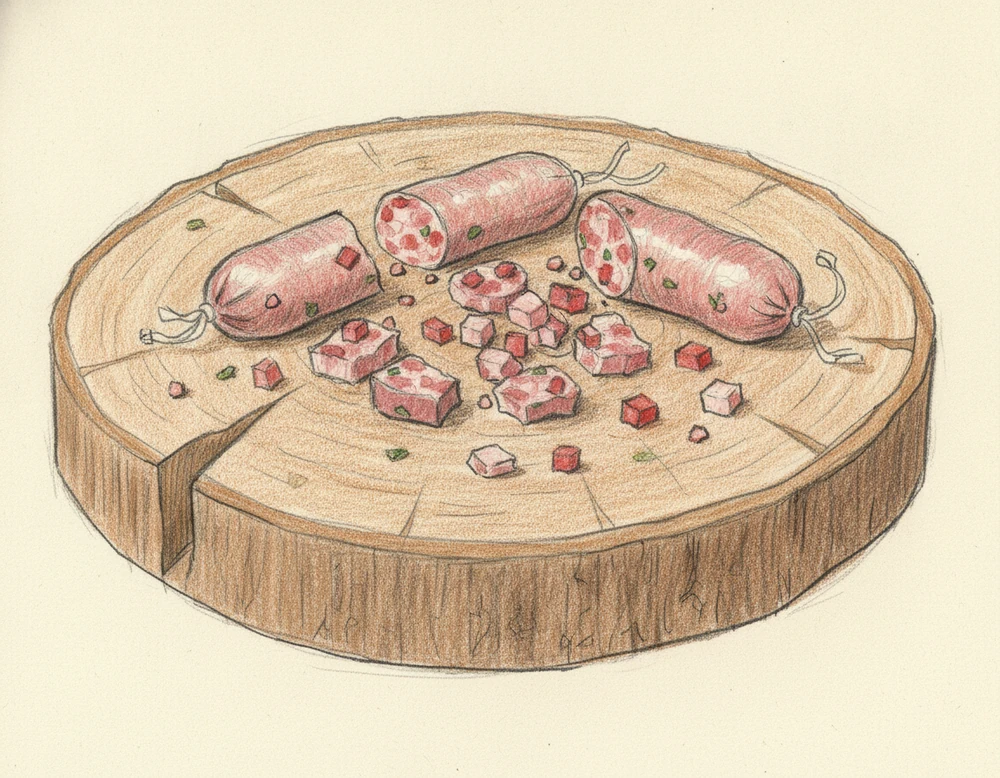
Salsiccia al Ceppo di LinguaglossaPresidio
“Al Ceppo” Sausage of Linguaglossa · Sausage
A sausage chopped by hand on the ceppo, a block cut from the trunk of an Etna oak. The volcanic soil leaves the wood very dry, and a well-kept block lasts decades: when the surface wears uneven, a local cabinetmaker planes it flat again.
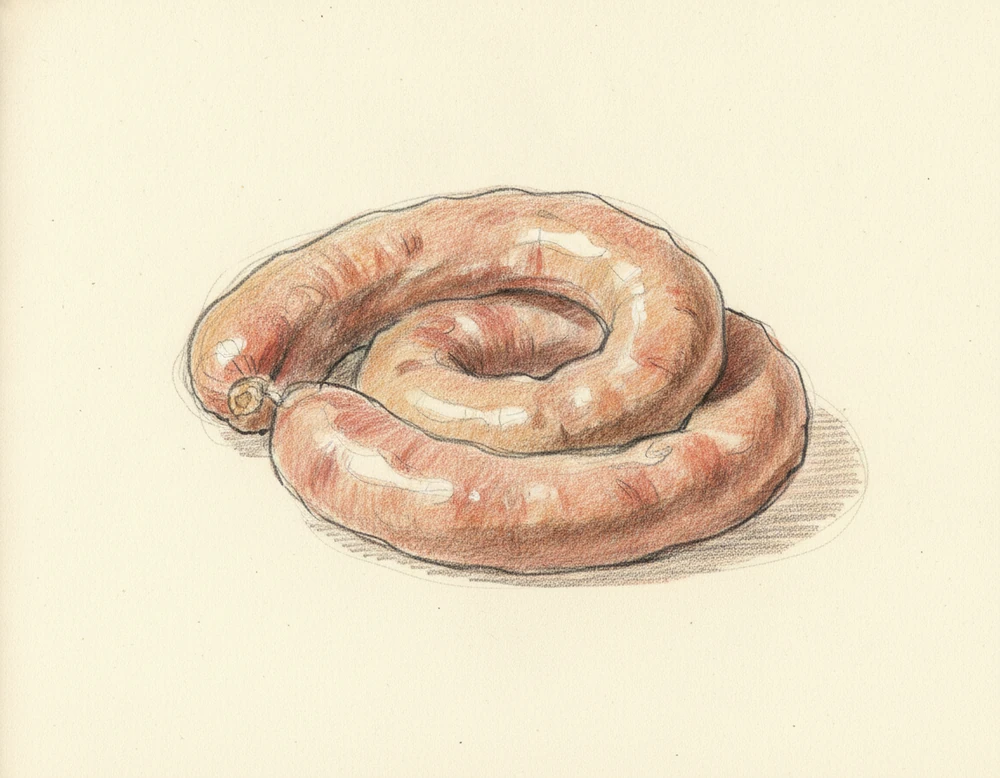
Salsiccia di Palazzolo AcreidePresidio
Palazzolo Acreide Sausage · Sausage
Palazzolo Acreide is a baroque town of Greek foundation near Syracuse, better known for its architecture than for its pork, though the curing there is old: the Romans travelled with pigs and sheep for meat and milk, and small pig-keeping spread across Sicily after them. Each family raised one or two black pigs, enough meat for the year, and of everything they made the sausages were the most prized, because they could be eaten fresh, to season a dish or grilled over charcoal, or dried.
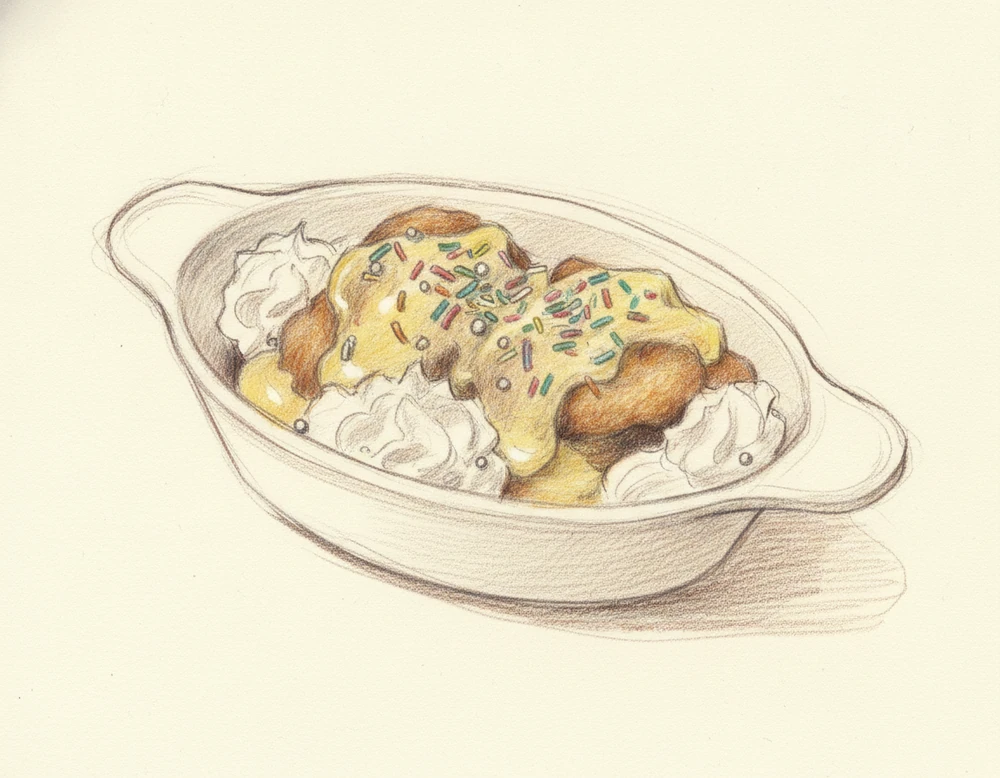
Scattata di AliaPresidio
Alia Scattata · Sweet pastry
A sweet from Alia, a small town on the western slopes of the Madonie with a view running from Etna to the Aeolian islands. The area's layered history shows in its monuments, notably the Arab-origin rock structures known as the caves of Gurfa.
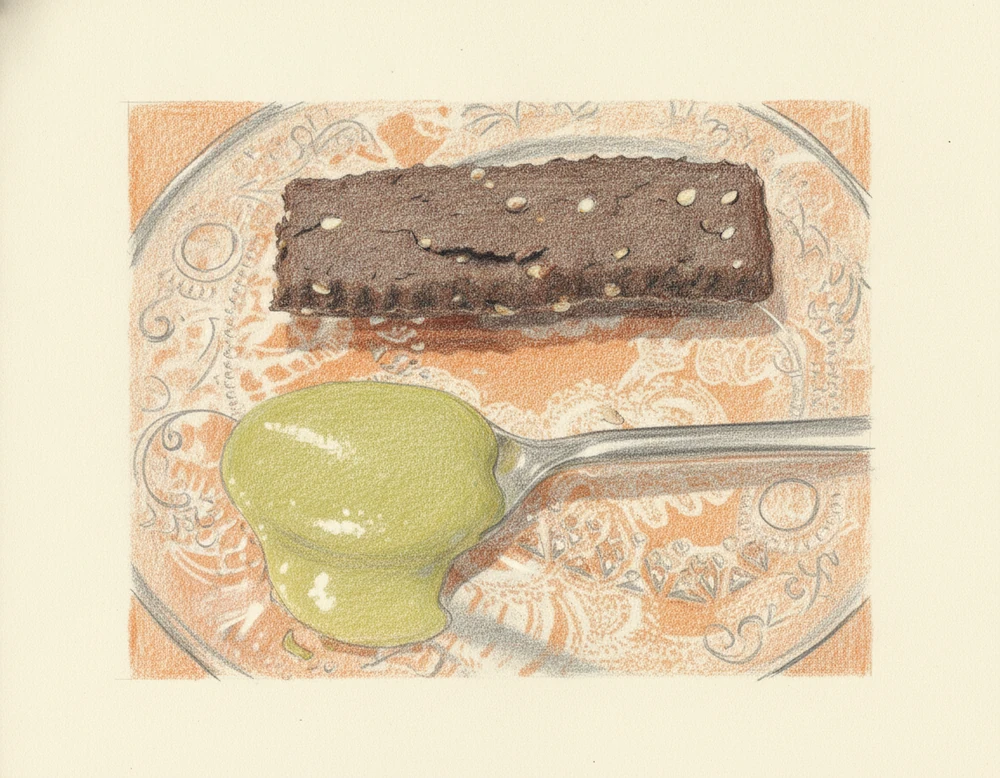
Sesamo di IspicaPresidio
Ispica Sesame · Sesame
Sesame grown at Ispica, introduced to Sicily under Arab rule and still cultivated there. The local variety, with its small seed, was selected by growers about two centuries ago.
Sicilia IGPIGP
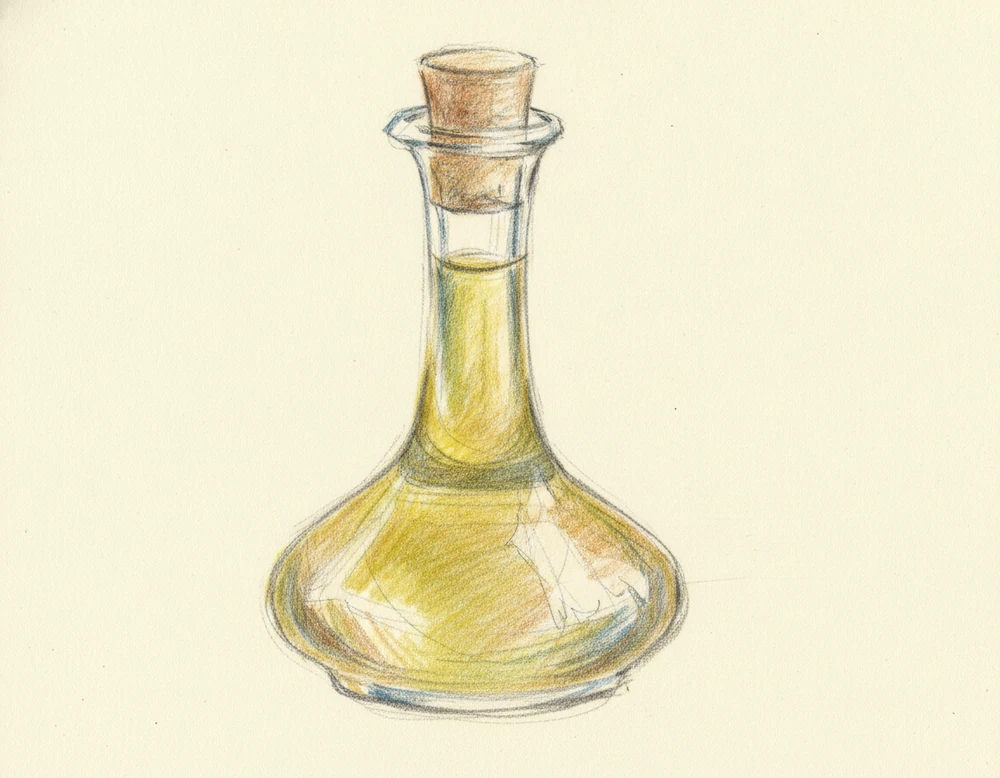
Sicilia extra-virgin olive oil · Extra-virgin olive oil
The island-wide olive oil IGP, drawing on a long list of Sicilian cultivars alone or together: Biancolilla, Cerasuola, Moresca, Nocellara del Belice, Nocellara etnea, Nocellara messinese, Ogliarola messinese, Giarraffa, Brandofino, Calatina, Minuta and more.
Suino Nero dei NebrodiPresidio
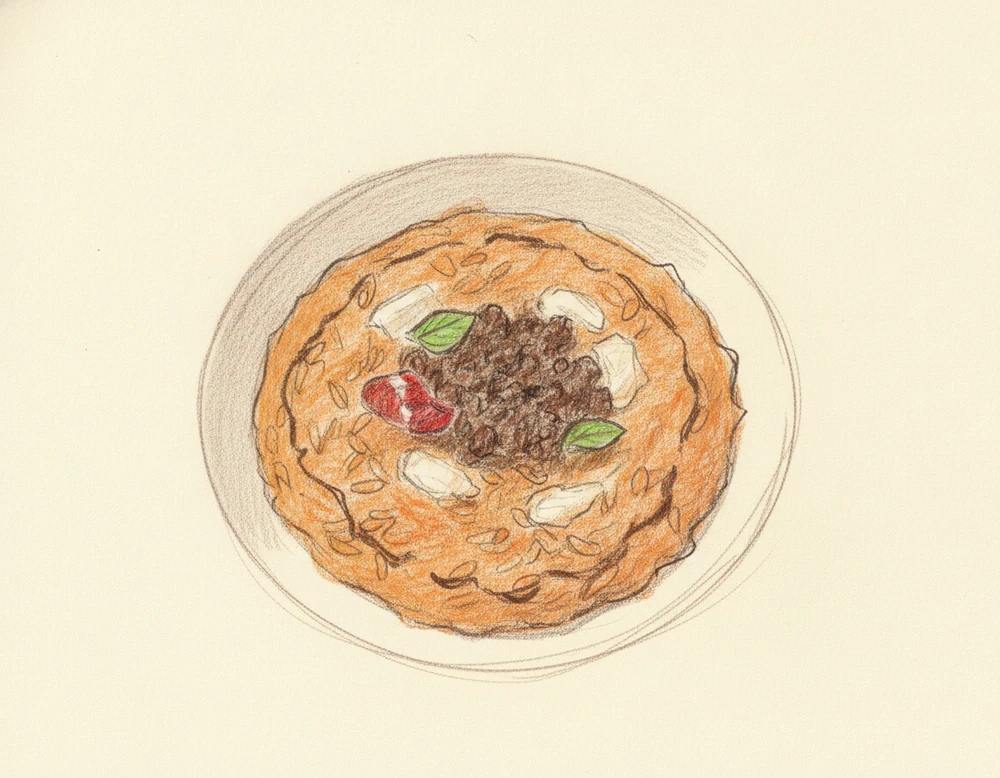
Nebrodi Black Pig · Pig breed
A medium-small black pig with stiff bristles forming a mane along the back, raised semi-wild or wild in the woods and meadows of the Nebrodi. It is given supplementary cereals and legumes and penned in small huts, the zimme, only when necessary or for farrowing.
Susine Bianche di MonrealePresidio
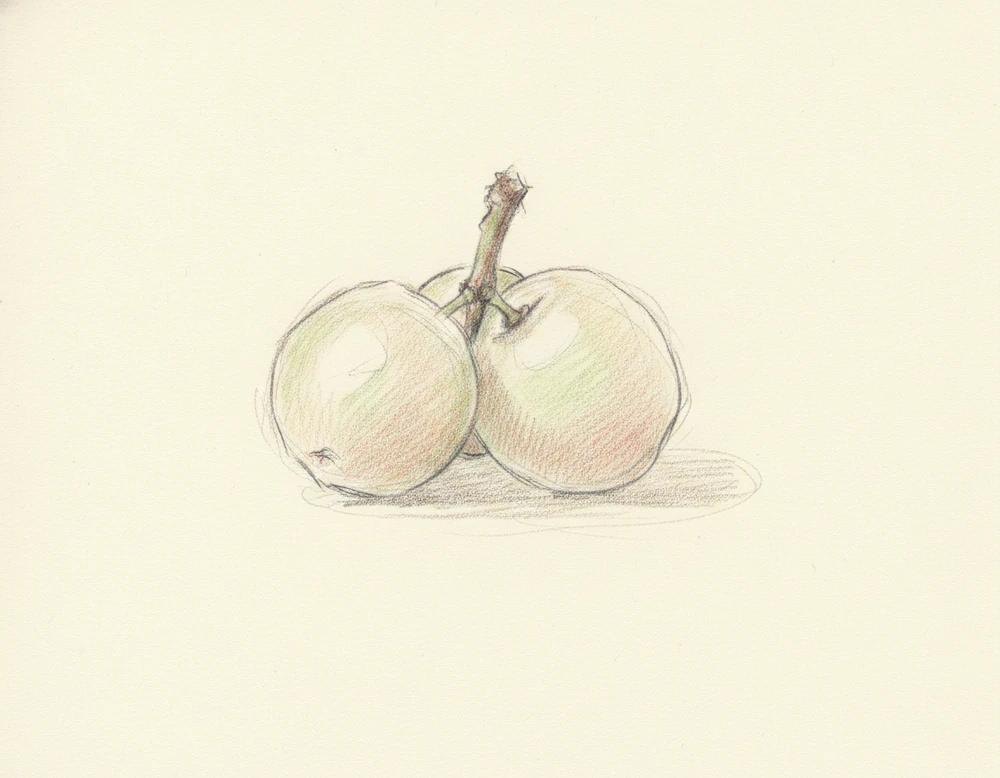
Monreale White Plums · Plum
A white plum of the Conca d'Oro, the valley running inland from Palermo, where more than ten plum varieties once grew alongside citrus, mulberry, medlar and fig. Fifty or sixty years ago the area was one great orchard; Palermo's expansion has taken most of it.
Uva da tavola di Canicattì IGPIGP
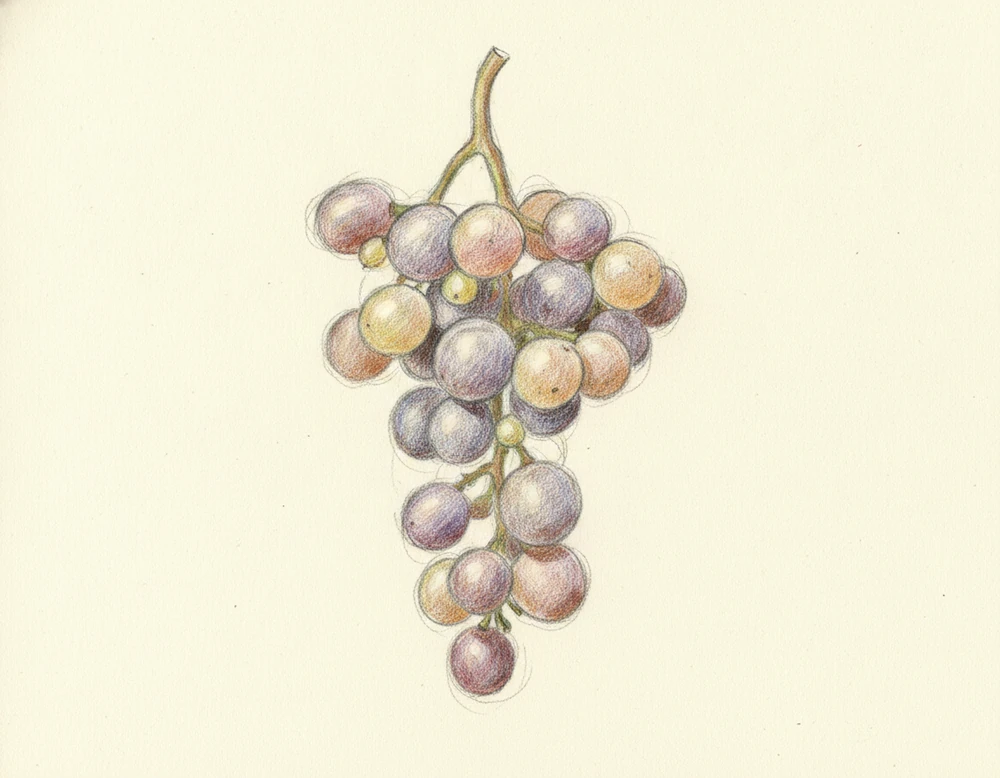
Canicattì table grape · Table grape
Table grapes of the Italia cultivar, the Pirovano 65 cross of Bicane and Moscato d'Amburgo, grown in the Canicattì country. Bunches are medium-large, conical-pyramidal and properly loose, the berries medium-large and spheroidal-ellipsoidal.
Uva da tavola di Mazzarrone IGPIGP
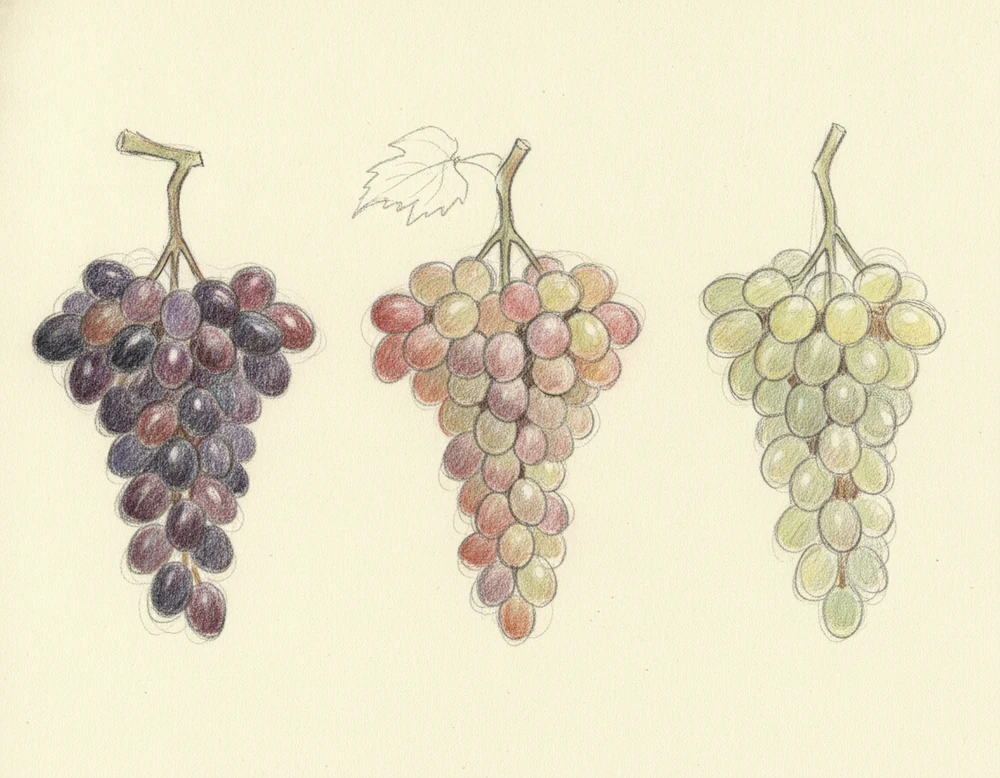
Mazzarrone table grape · Table grape
Table grapes from eastern Sicily around Mazzarrone, made in black, red and white types, each grown as a single variety rather than blended.
Val di Mazara DOPDOP
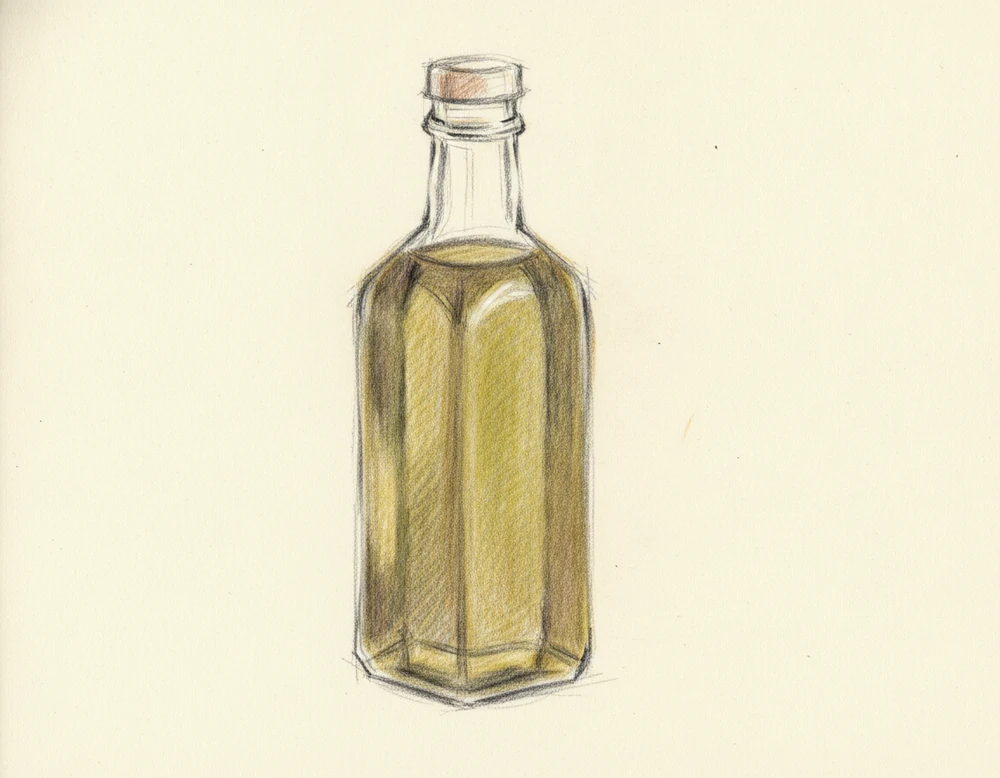
Val di Mazara olive oil · Extra-virgin olive oil
Extra-virgin olive oil from western Sicily, at least 90 per cent Biancolilla, Nocellara del Belice and Cerasuola, with up to 10 per cent of Ogliarola Messinese, Giaraffa, Santagatese or other small local cultivars.
Valdemone DOPDOP
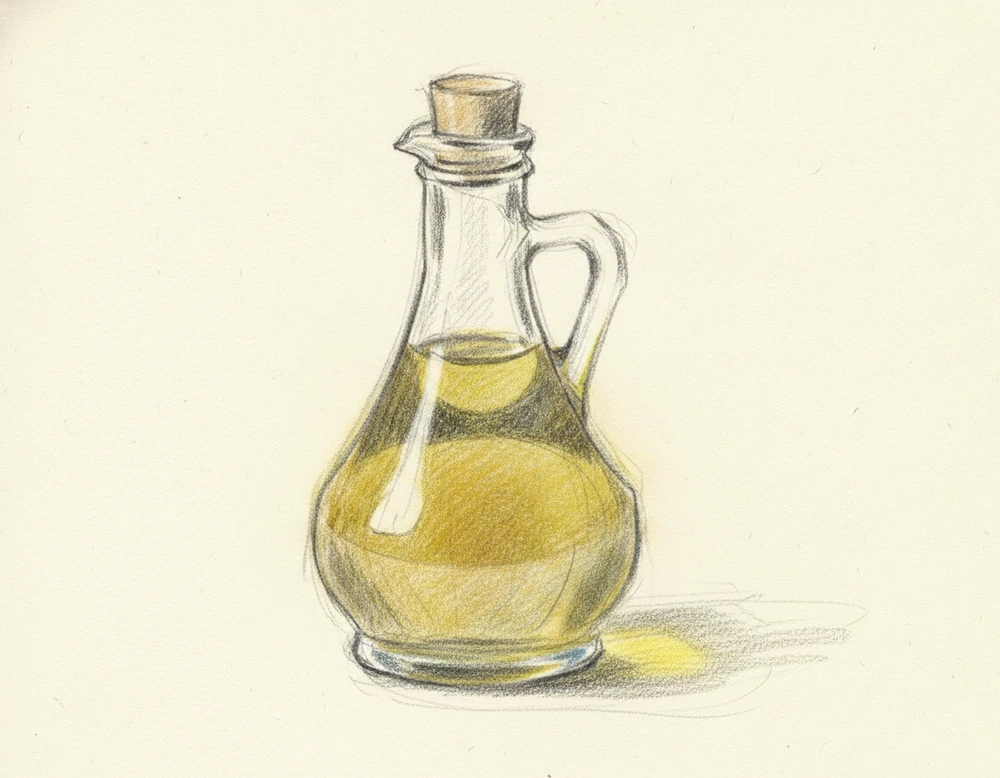
Valdemone olive oil · Extra-virgin olive oil
Extra-virgin olive oil from north-eastern Sicily, at least 70 per cent Santagatese, Ogliarola Messinese and Minuta, with Mandanici, Nocellara Messinese, Ottobratica, Verdello and Brandofino making up the rest.
Valle del Belice DOPDOP
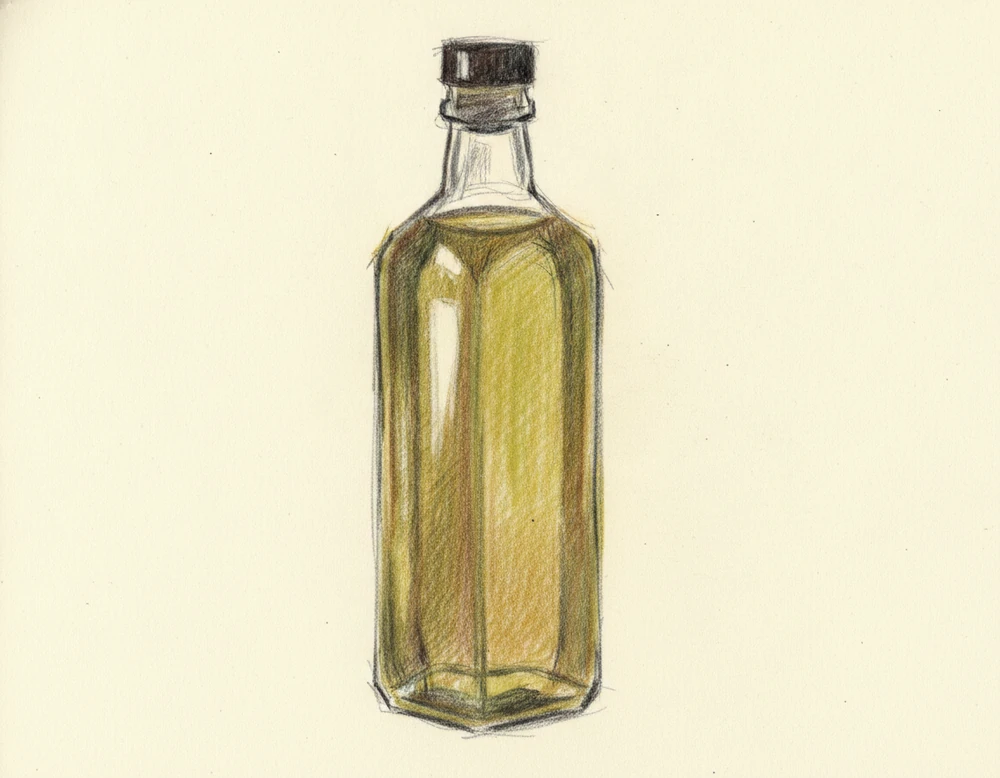
Valle del Belice olive oil · Extra-virgin olive oil
Extra-virgin olive oil pressed from olives grown in six Belice comuni, built principally on the Nocellara del Belice cultivar that also gives the valley its table olive.
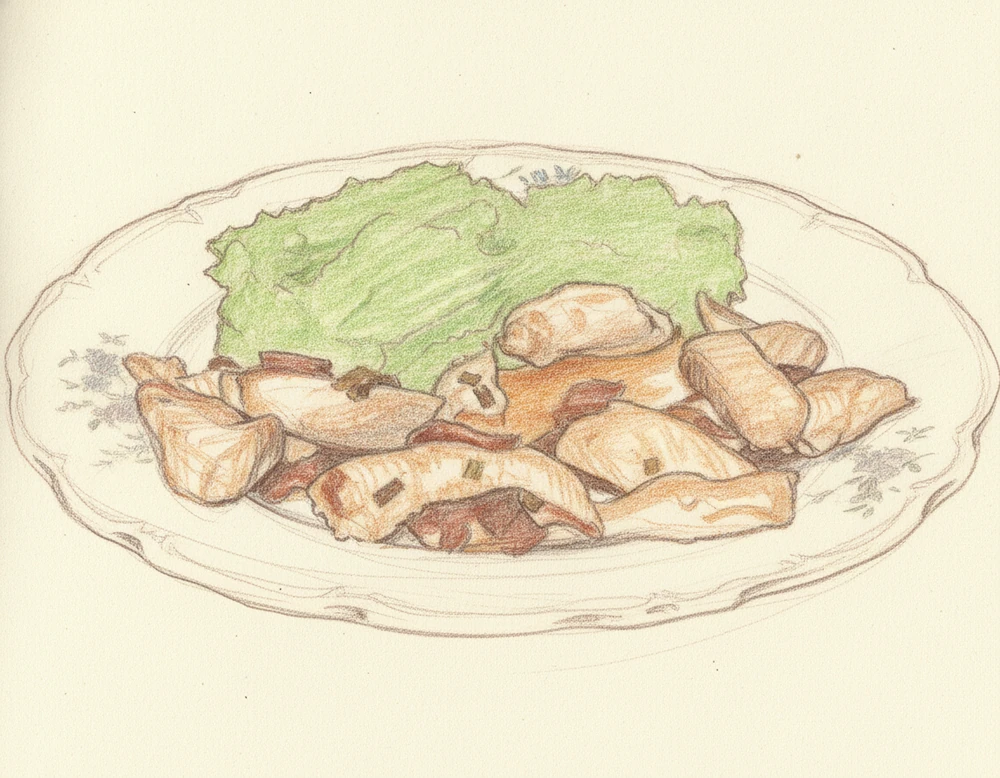
Valli Trapanesi DOPDOP
Valli Trapanesi olive oil · Extra-virgin olive oil
Extra-virgin olive oil from the Trapani valleys, built on Cerasuola and Nocellara del Belice at no less than 80 per cent together, with up to 20 per cent of other varieties present in the groves.
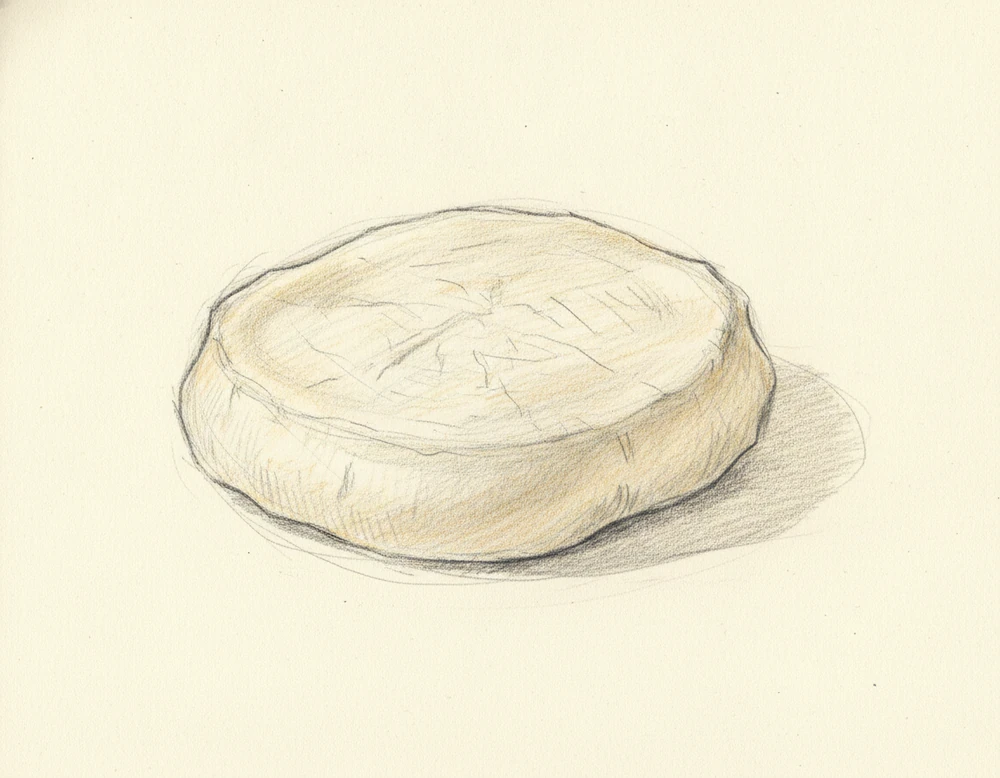
Vastedda della valle del Belice DOPDOPPresidio
Vastedda del Belìce · Sheep's-milk cheese
The only pasta-filata sheep's cheese in Italy, eaten fresh. It is shaped like a small focaccia with slightly convex faces, 15 to 17 cm across, 3 to 4 cm deep and 500 to 700 g.