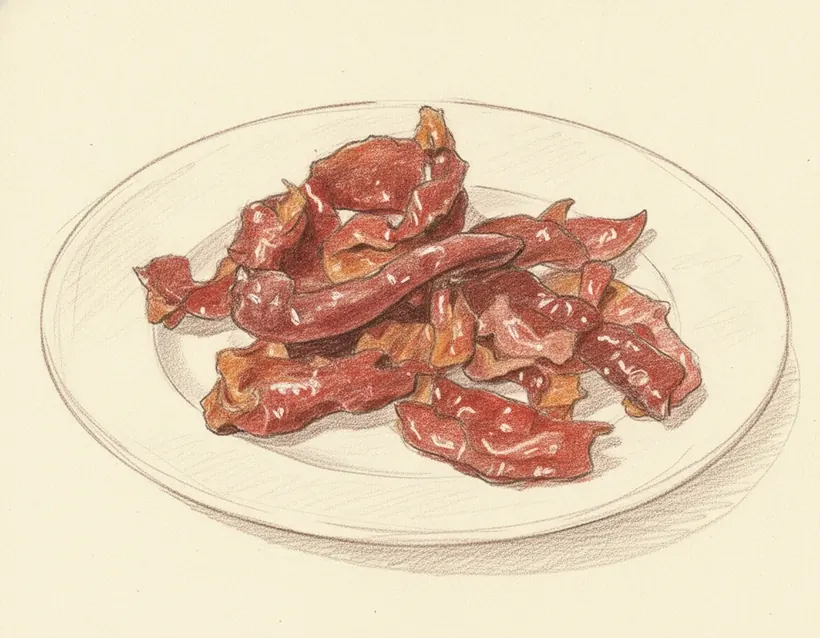
Peperoni CruschiFried dried sweet peppers
Sun-dried sweet peppers of Senise flash-fried in oil until glassy and crisp, eaten as a snack or crumbled over pasta and cod.
Pairs with
Basilicata (Lucania) is mountainous and frugal: dried Senise peppers fried to a crisp, hard durum pasta with breadcrumbs, chickpeas and chicory, mutton stewed in terracotta, and the peppery lucanica sausage the Romans named. Its great wine is the Aglianico of Monte Vulture, one of the south's finest reds, with fresh Matera whites.
Sun-dried sweet peppers of Senise flash-fried in oil until glassy and crisp, eaten as a snack or crumbled over pasta and cod.
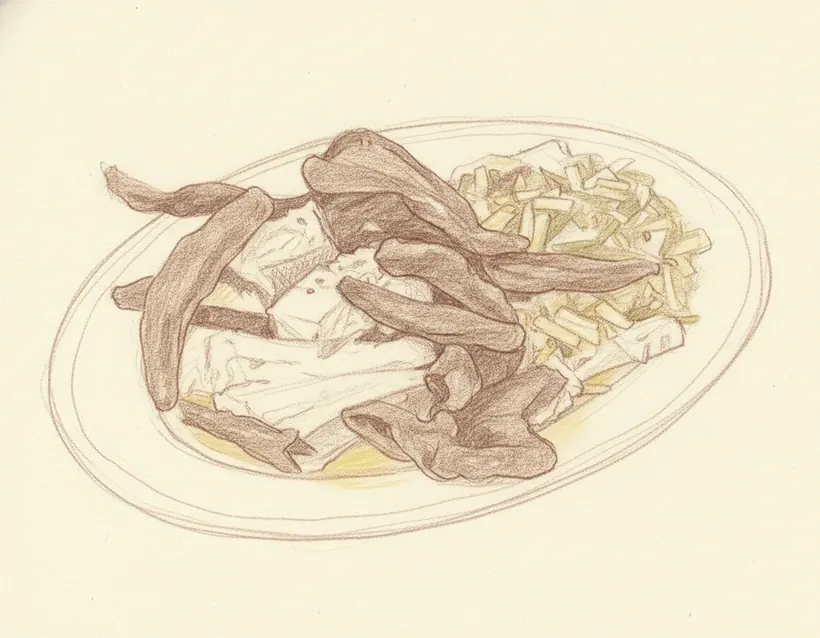
Fried or stewed salt cod topped with crumbled crisp Senise peppers, a Lucanian marriage of sea and mountain.
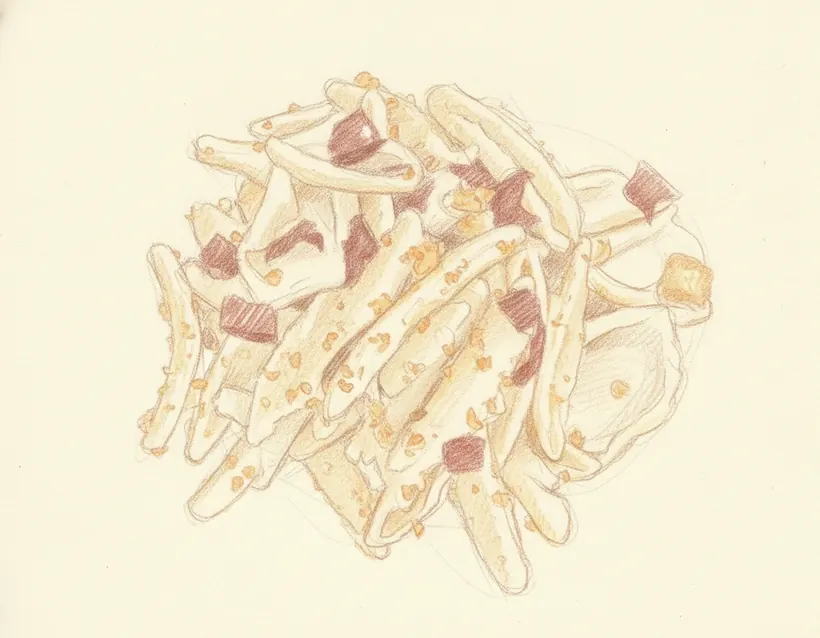
Hand-'dragged' durum pasta dressed with toasted breadcrumbs (the 'poor man's cheese'), garlic, oil and crumbled crisp peppers.
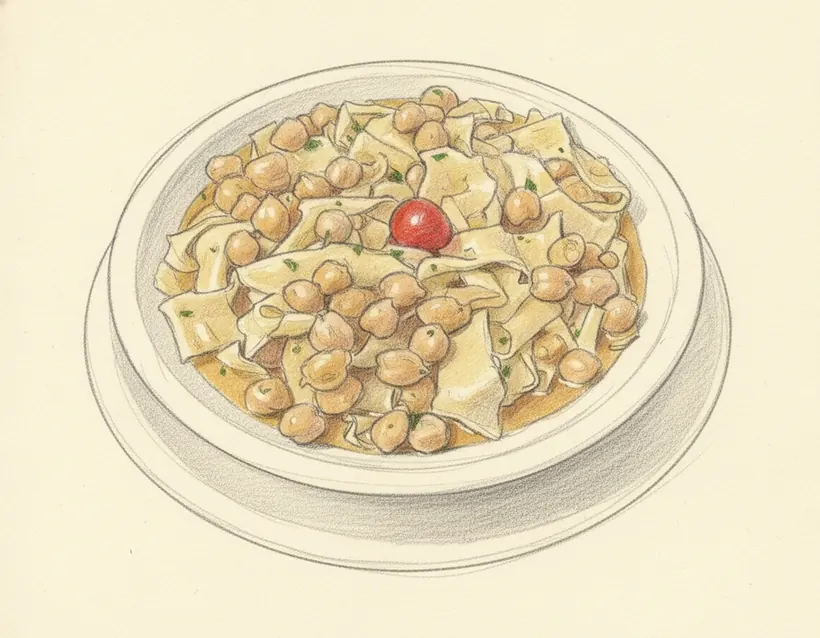
Fresh eggless ribbon pasta (lagane) cooked with chickpeas, garlic and a little chilli, a dish of Roman antiquity still eaten across Lucania.
Mutton slow-cooked with potato, tomato, onion and herbs in a sealed 'pignata' terracotta pot, traditionally by the embers.
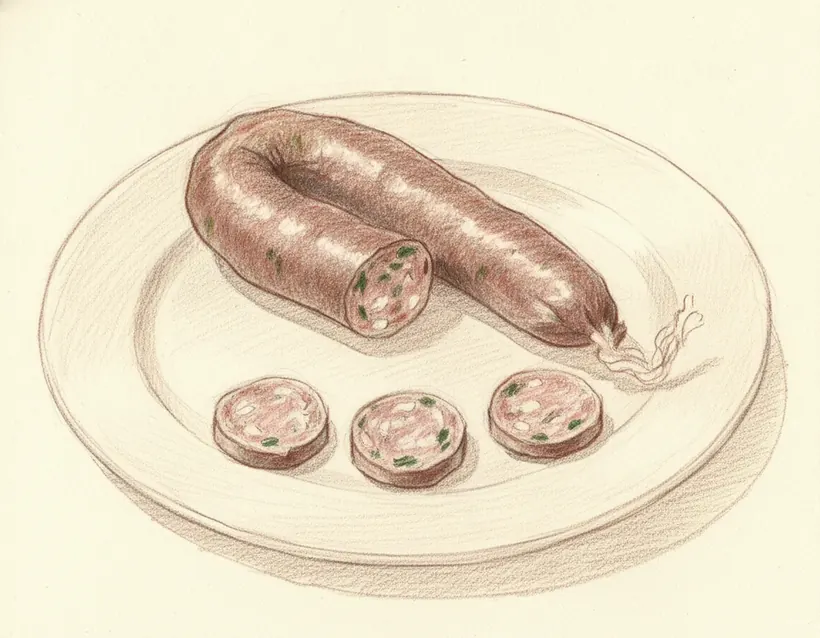
A long, coiled pork sausage seasoned with fennel and chilli, the 'lucanica' the Romans took from here, grilled or dried.
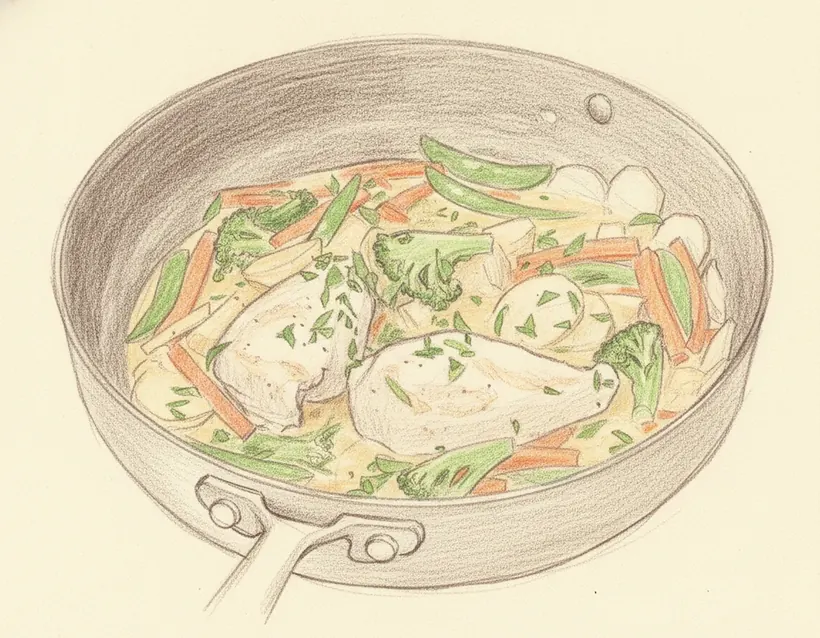
A stew of artichokes, broad beans, potato, onion and pancetta, the taste of the Lucanian spring.
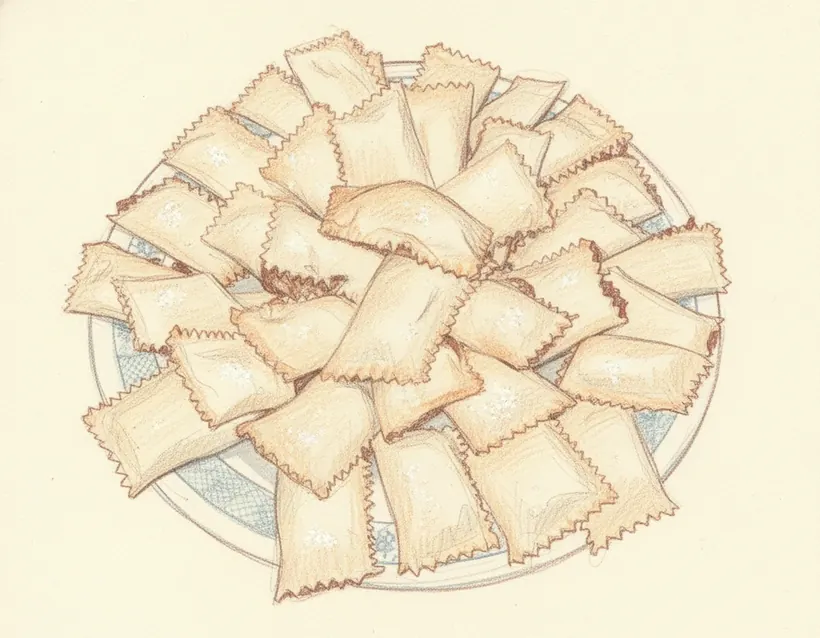
Little fried pastry parcels filled with a sweet chestnut or chickpea, cocoa and cinnamon paste, dusted with sugar, a Lucanian Christmas sweet.
DOP, IGP, STG, Slow Food Presidia and traditional specialities of Basilicata.
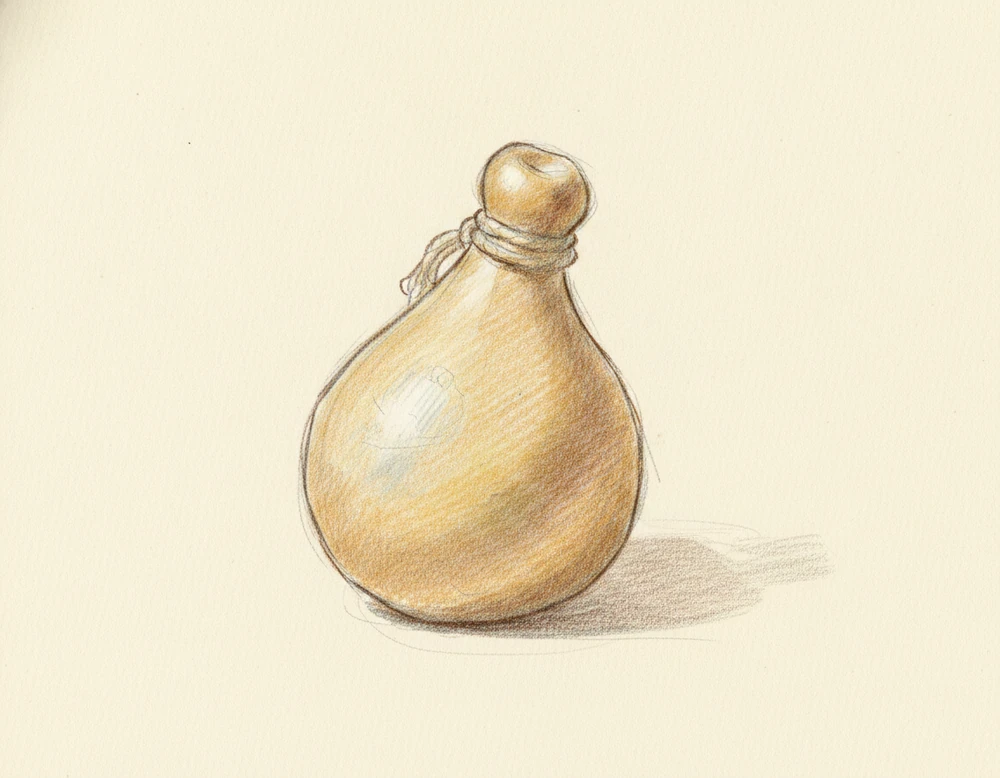
Caciocavallo stands for the whole southern cheesemaking tradition, the stretched-curd method having been worked out here over centuries to make cow's milk keep. The Podolico is the prized version, made from the milk of the Podolica cattle still kept through the southern Apennines.
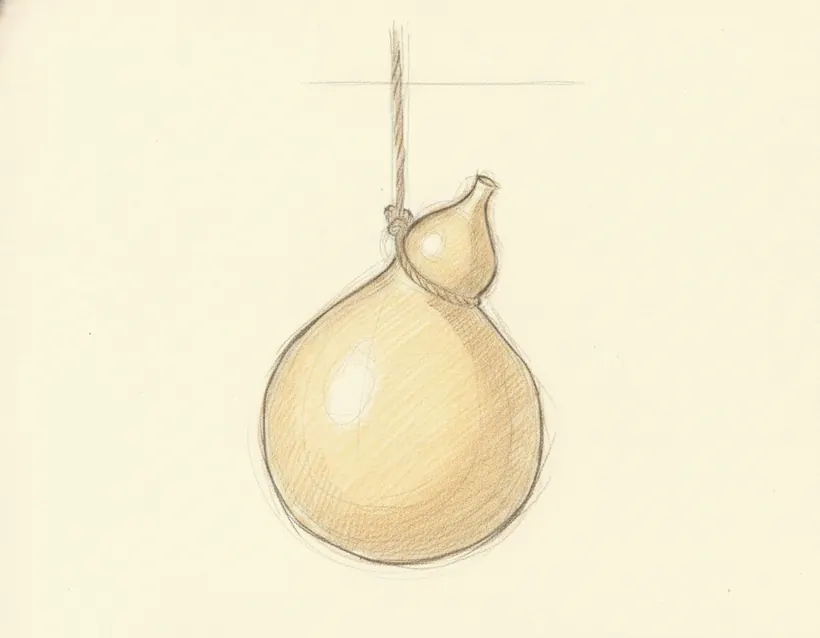
A gourd-shaped stretched-curd cow's-milk cheese of the Sila highlands, aged tied in pairs over a beam.
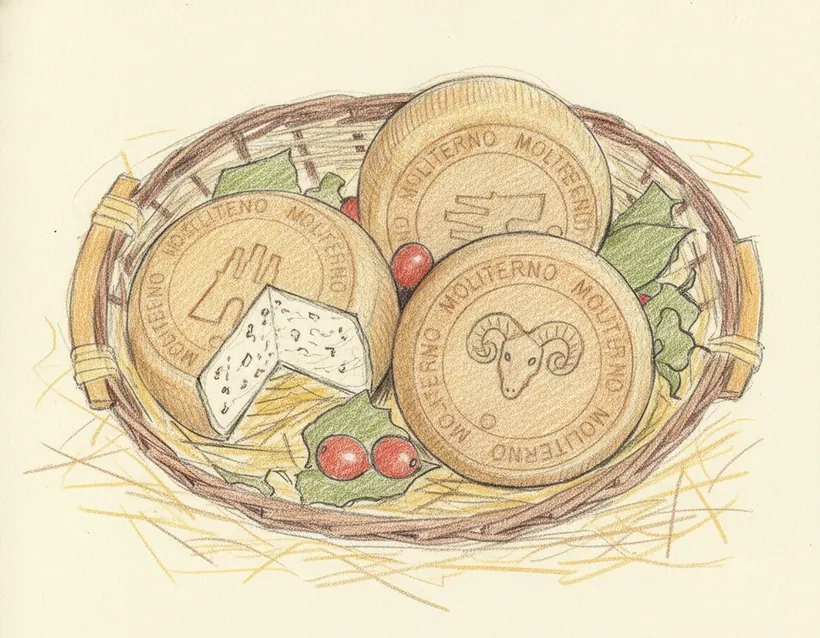
A hard aged cheese of mixed sheep's and goat's milk from Moliterno, ripened in ventilated cellars and ridged by the reed basket ('canestro') it is pressed in.
White beans from the Pollino foothills, grown from the Fagiolo Bianco and Tondino ecotypes.
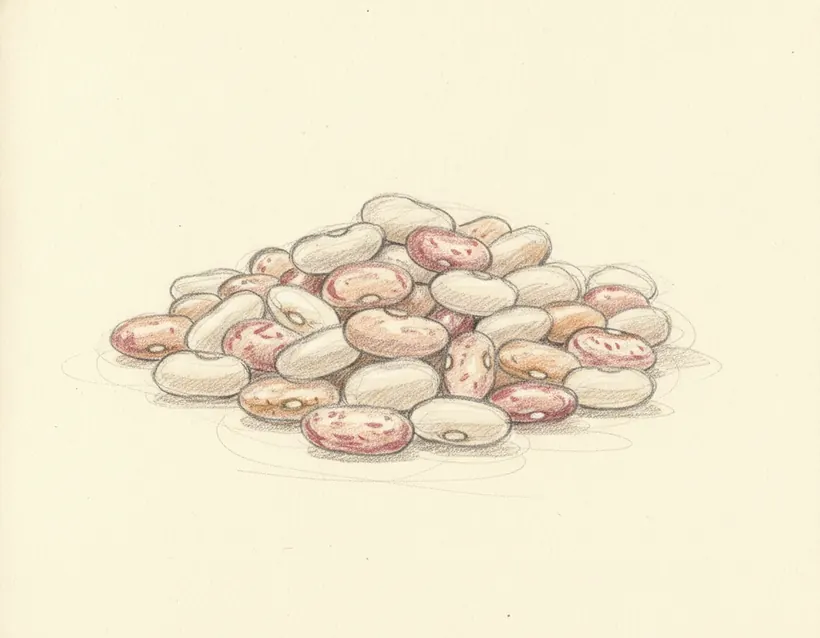
Prized borlotti, and cannellini-type beans grown in the cool Agri valley around Sarconi, thin-skinned, delicate and quick-cooking.
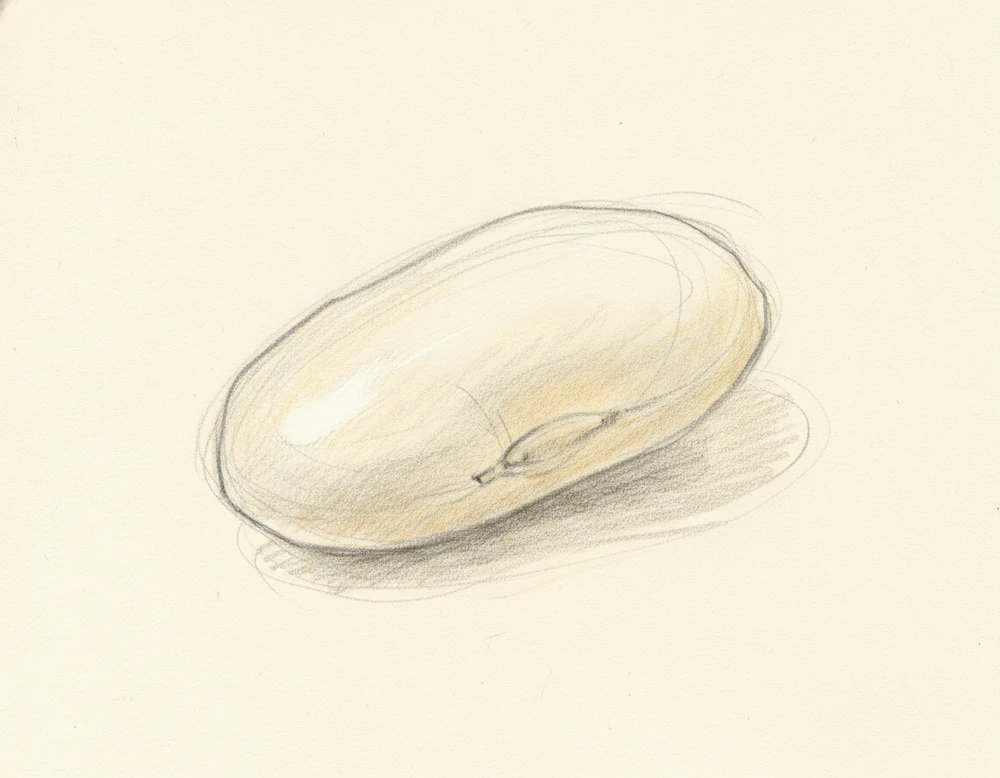
Grown from far back on the watered ground of some mountain villages of the Pollino. The seed is large and ovoid, the skin thin, white, glossy and unmarked. It cooks easily and eats delicately, and wants at least 45 minutes' soaking.
A few kilometres from Potenza, around the Pantano di Pignola, the Maddalena mountains close a basin into a natural amphitheatre, and the microclimate inside it is exact: July, August and September never pass 30 degrees and the humidity sits around 70 percent. The clay-silt soil drains well and yields heavily. The plant climbs; the seed is round to ovoid, beige with the dark red streaking that gives it its name, scritto, written.
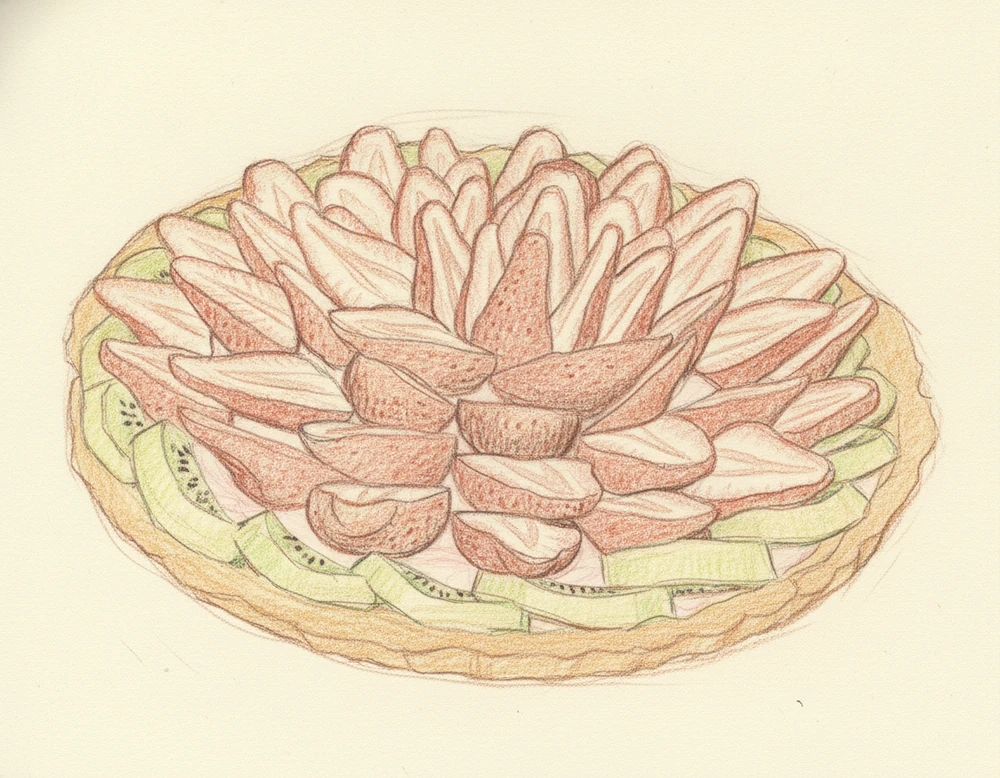
Cultivated strawberries (Fragaria x ananassa) grown on the Metaponto coastal plain, where the mild winters bring the crop early.
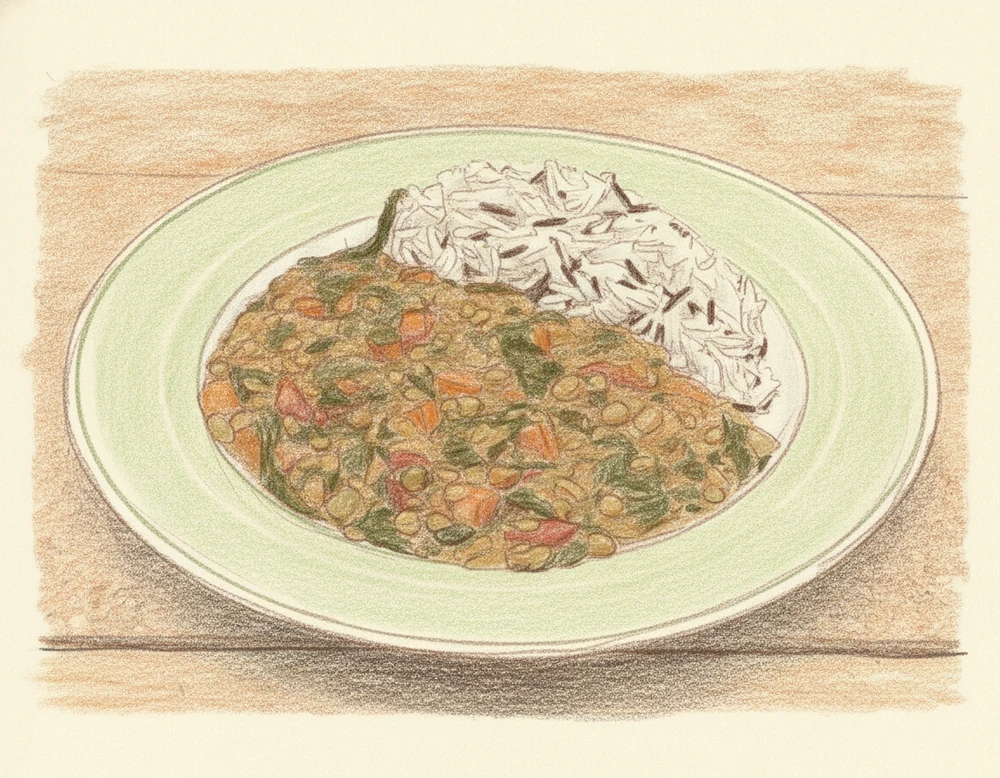
Lentils from the Alta Murgia around Altamura, round and flattened, in shades of green and brown. Eston runs 3 to 4.9 mm across, Laird 5 to 7 mm.
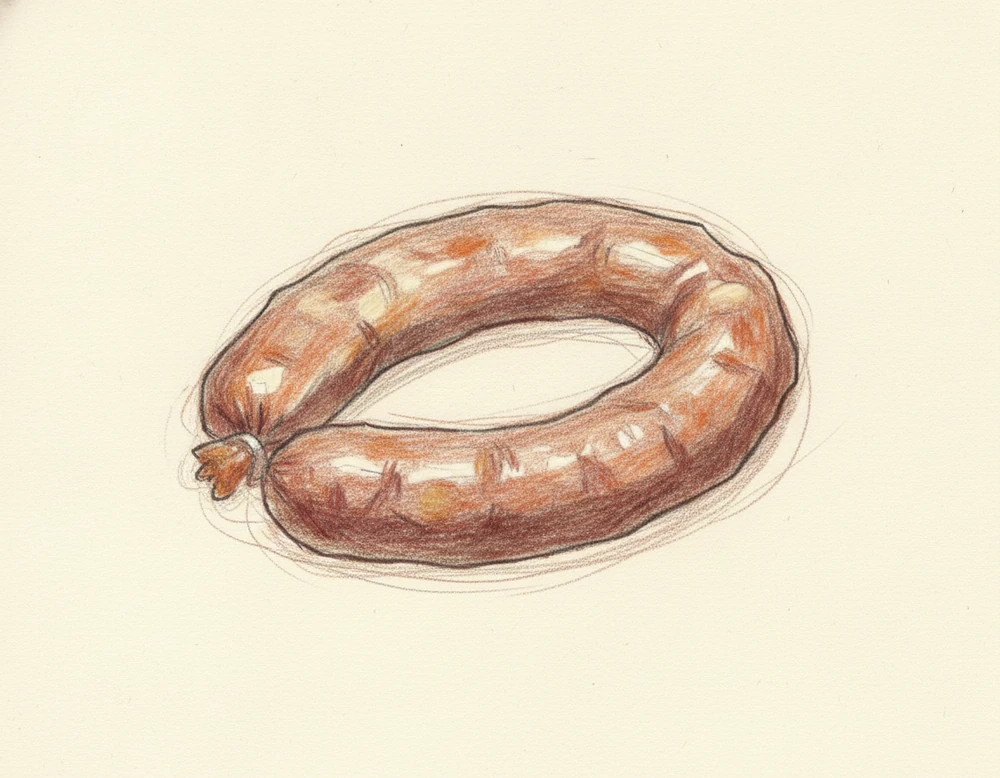
A cured sausage bent into its characteristic U shape, 250 to 350 g, 3.0 to 3.6 cm across and 20 to 35 cm long. The version destined for slicing runs up to 1.2 kg.
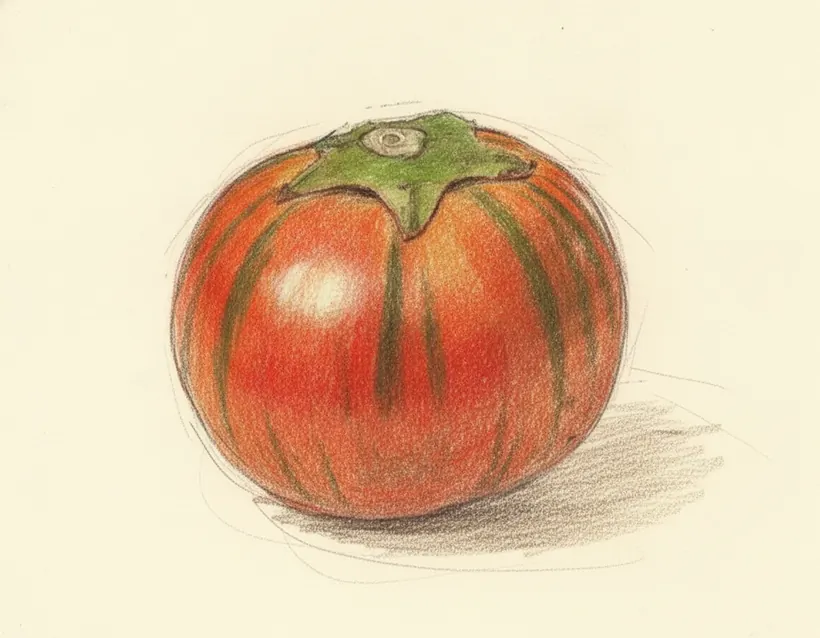
A rare round red-orange aubergine from Rotonda that looks like a tomato, with firm, slightly bitter and spicy flesh, usually preserved in oil.
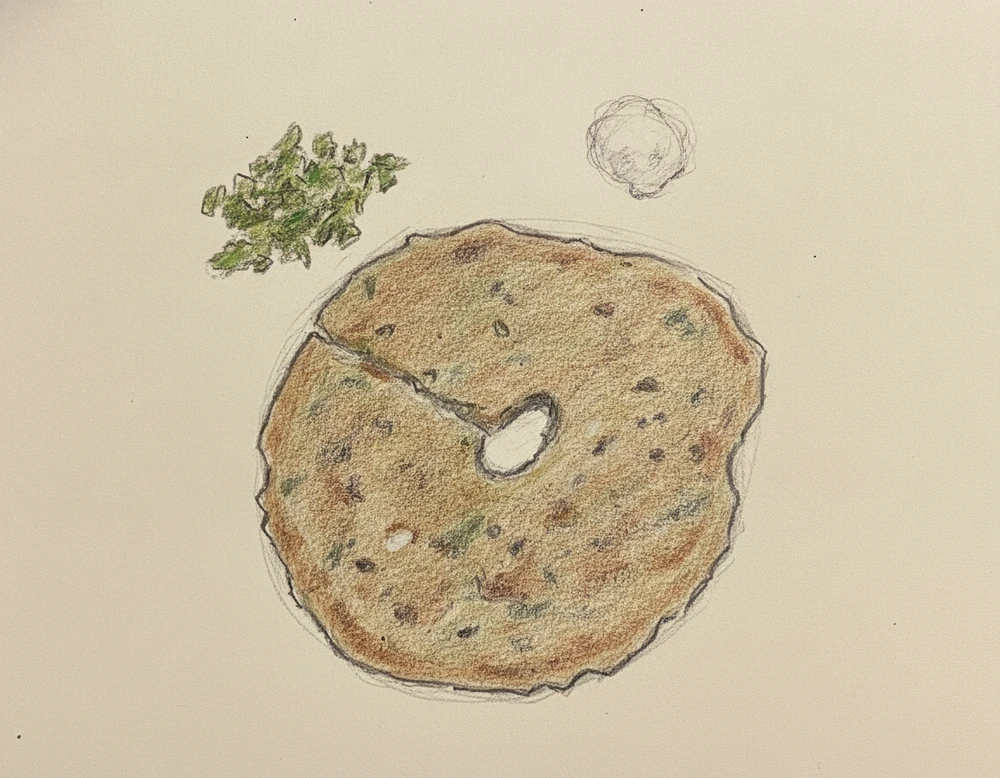
Four comuni of the Serrapotamo valley between the Sinni and the Serrapotamo, inside the Pollino park; Chiaromonte sits on a spur above the whole valley. The ground is fertile enough to have been called a little Mesopotamia but does not suit grain, and in past centuries the farmers grew wheat mainly to pay their taxes, with too little left to feed the household. Mischiglio was the answer: wheat flour extended with other cereals, oat and barley, and with pulses, chickpea, fava and field bean. The mixture makes a particular version of rascatielli.
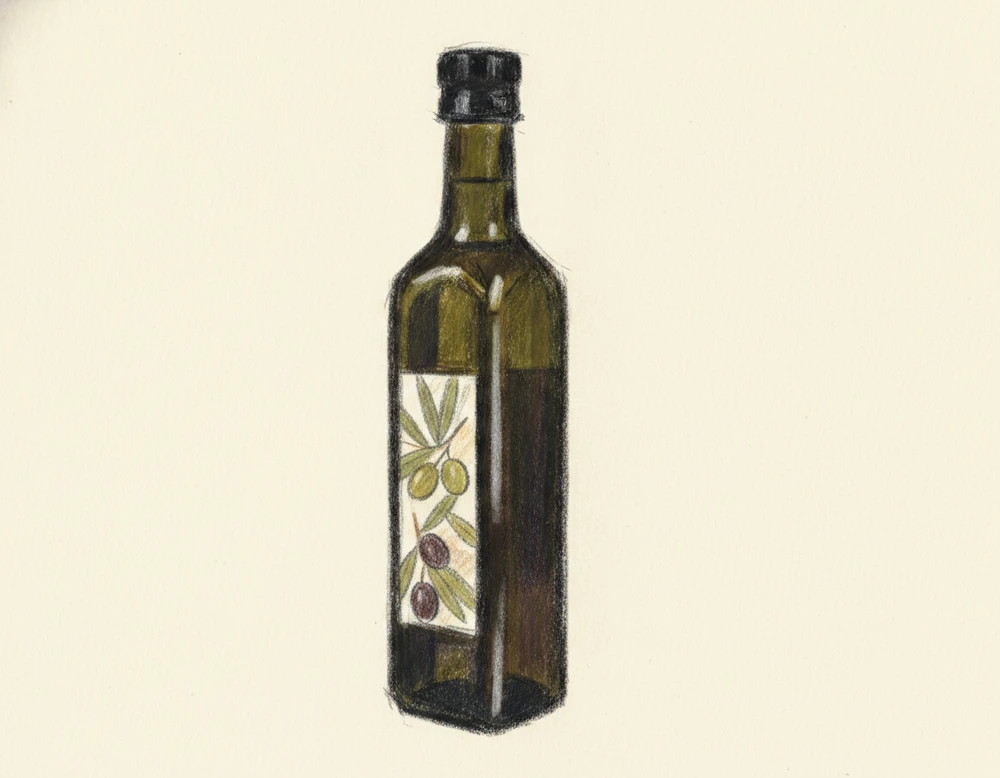
The region-wide Basilicata olive oil IGP, drawn from native varieties and their synonyms alone or together: Acerenza, Ogliarola del Vulture (also Ripolese, Rapollese, Ogliarola di Melfi or Nostrale), Ogliarola del Bradano and Maiatica among them.
Olives cover 80 percent of the arable land in the hills of the Matera country, and the usual cultivar is the Majatica, whose drupes are large with small stones for the amount of flesh, which is exactly what baking them requires.
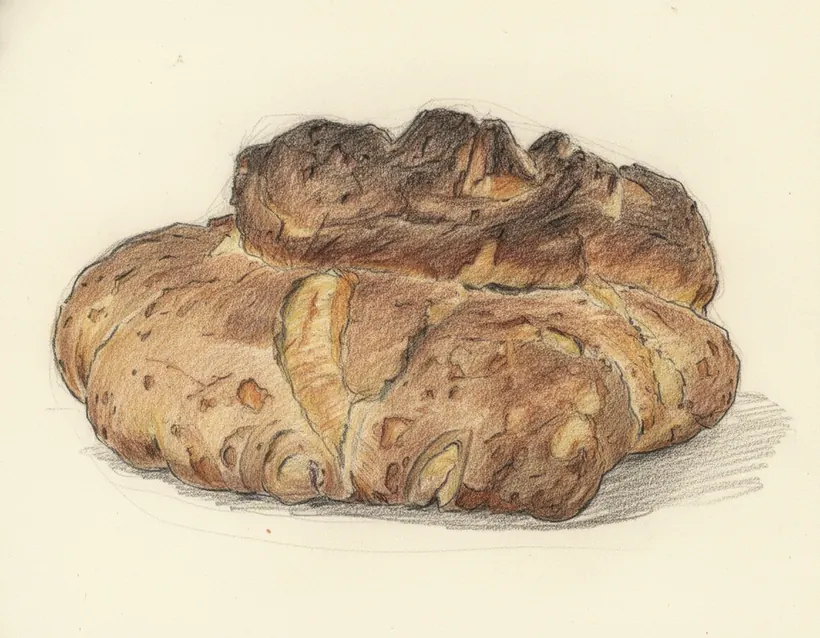
A tall durum-wheat sourdough loaf from Matera with a thick dark crust and a golden, long-keeping crumb, traditionally shaped like a high horn or cottage loaf.
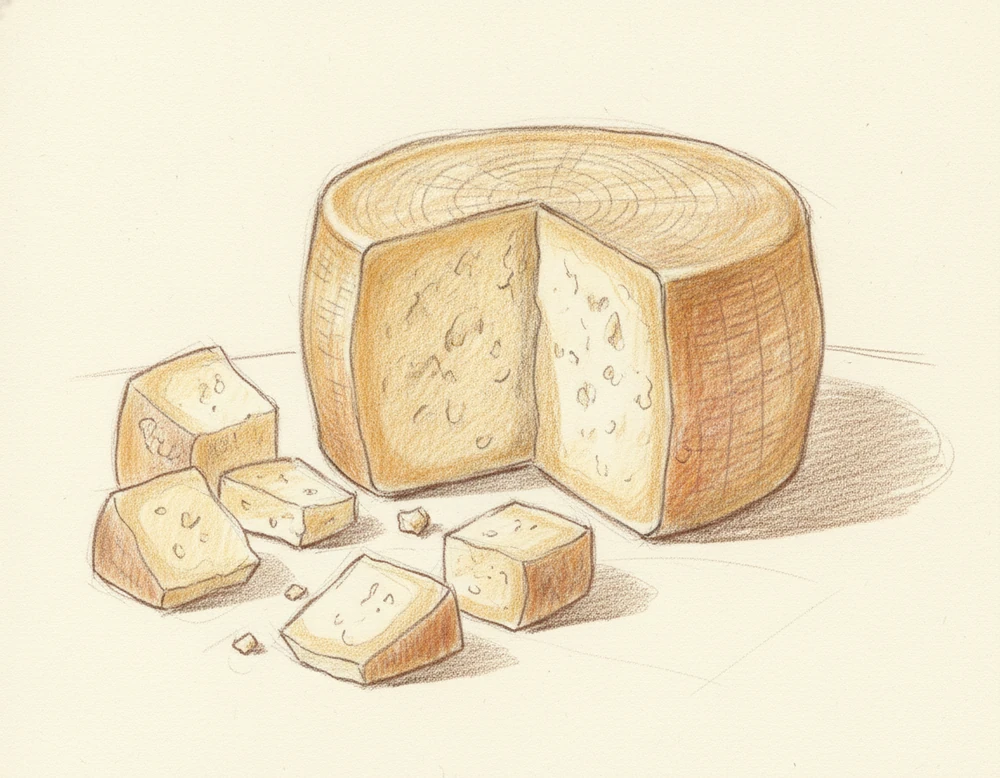
A table and grating sheep cheese from the Vulture, cylindrical with flat faces and a straight or slightly convex heel.
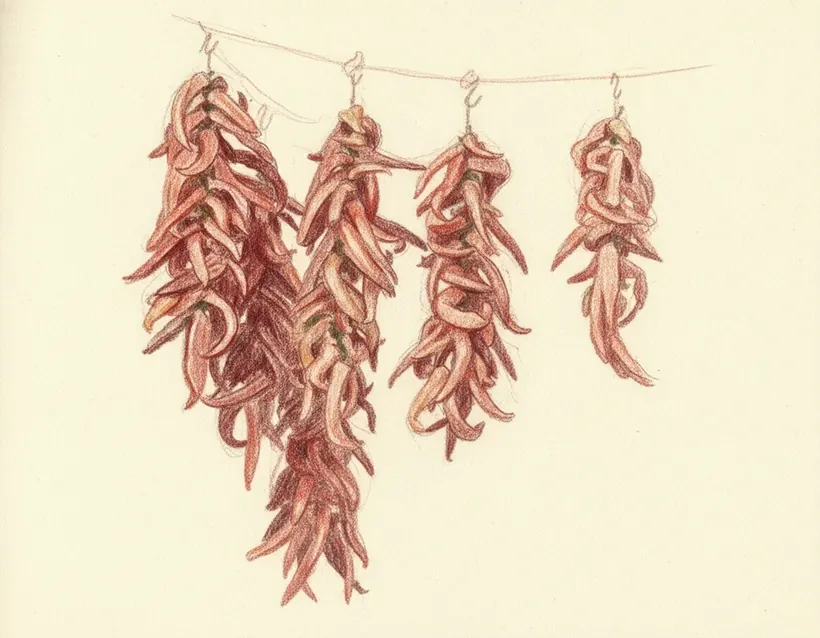
A sweet, thin-skinned, low-moisture red pepper of the Sinni valley, strung up and sun-dried, then flash-fried crisp to make the region's famous peperoni cruschi.
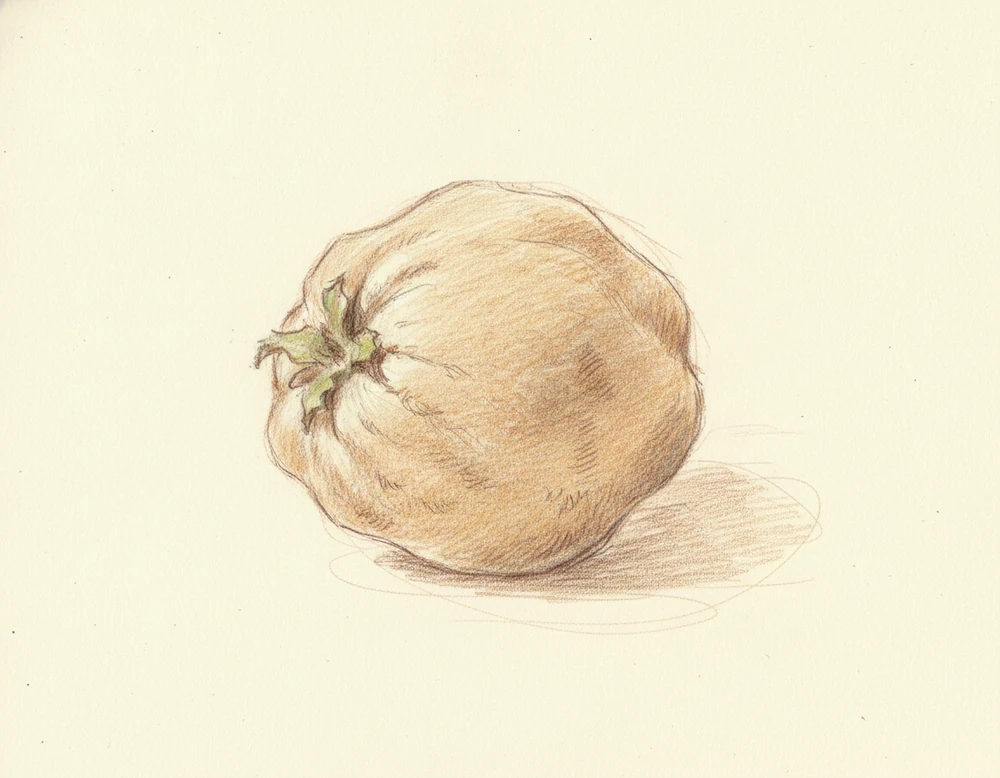
Pears have been grown in the Metapontino since at least the 18th century and are written of in the 19th, and they made the look of this hill country: farmers grafted wild pears along the edges of the cereal fields, onto whichever ecotype, and the crop fed the household and the animals. The local sorts, Muscarelle, Muone, Lardere, Sciesciuu, Granete, San Giuvan, are all worth eating, and until the 1950s some went through middlemen as far as Naples. The best and the most widespread in the Sinni valley was the Signora, delicate in scent and texture and best eaten the moment it is ready.
The first Touring Club guide, in 1931, already told travellers to stop in the Matera country for pezzente. It is made of the lesser cuts, the whole point being that nothing of the pig is wasted, the better cuts going to soppressata, pancetta and guanciale.
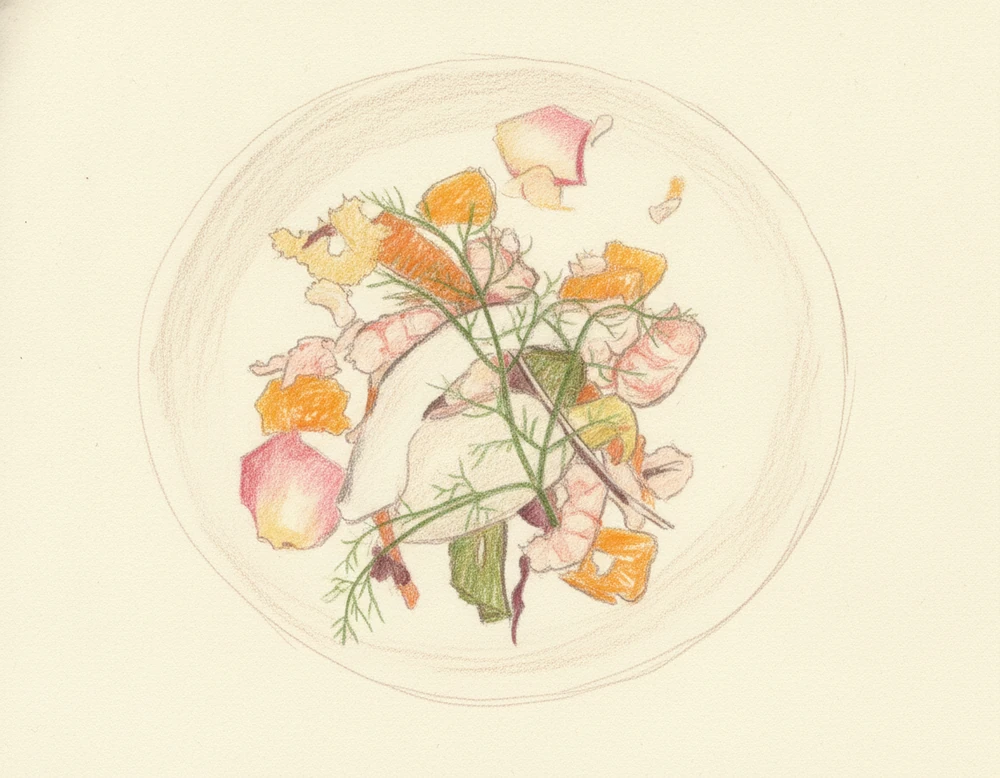
Extra-virgin olive oil from the extinct Vulture volcano, at least 60 per cent Ogliarola del Vulture, with Coratina, Cima di Melfi, Palmarola, Provenzale, Leccino and Frantoio permitted alongside.