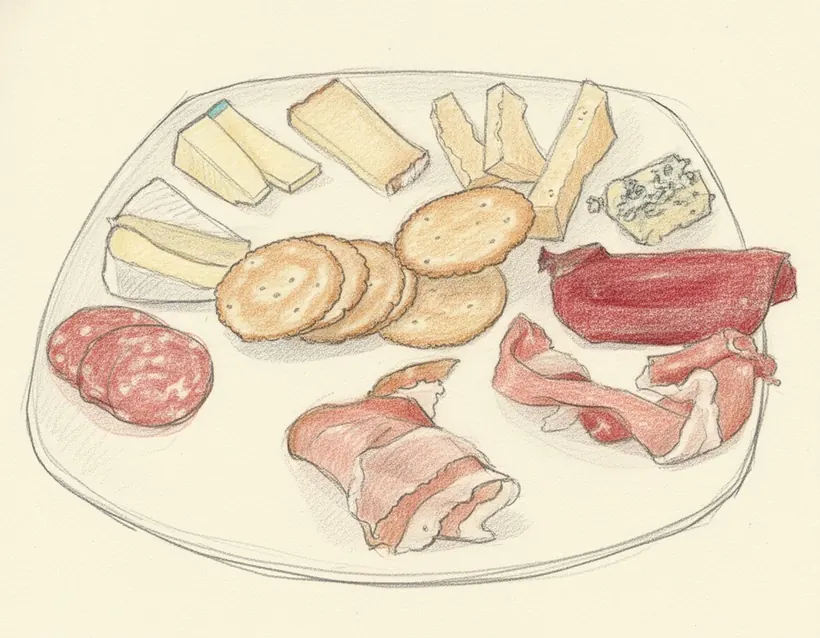
MocettaCured mountain beef
Lean beef (once chamois) salted and air-dried with mountain herbs, sliced thin over rye bread with butter and honey, the Valdostan cured meat.
Italy's smallest, highest region cooks for the cold: Fontina melted into fondue and polenta, rye bread and cured mocetta, cabbage-and-bread soups baked in broth, and beef braised in red wine. Its wines come from Europe's highest vineyards, the Alpine white Prié Blanc of Morgex, the perfumed red Petit Rouge of Torrette, mountain Nebbiolo at Donnas, and the sweet Muscat of Chambave, almost all bottled under the single Valle d'Aosta DOC.
Lean beef (once chamois) salted and air-dried with mountain herbs, sliced thin over rye bread with butter and honey, the Valdostan cured meat.
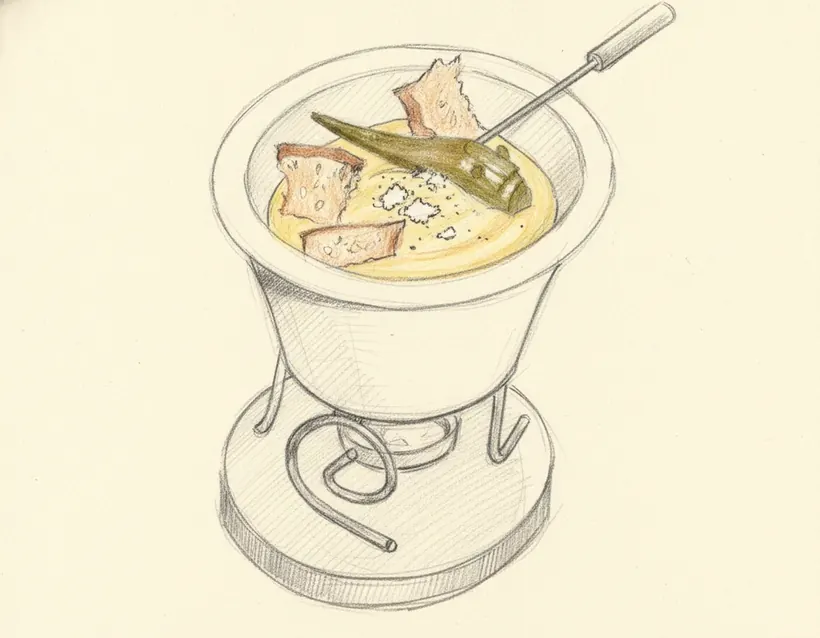
Fontina melted slowly with milk, butter and egg yolk into a smooth fondue, eaten with bread or over polenta, sometimes crowned with white truffle.
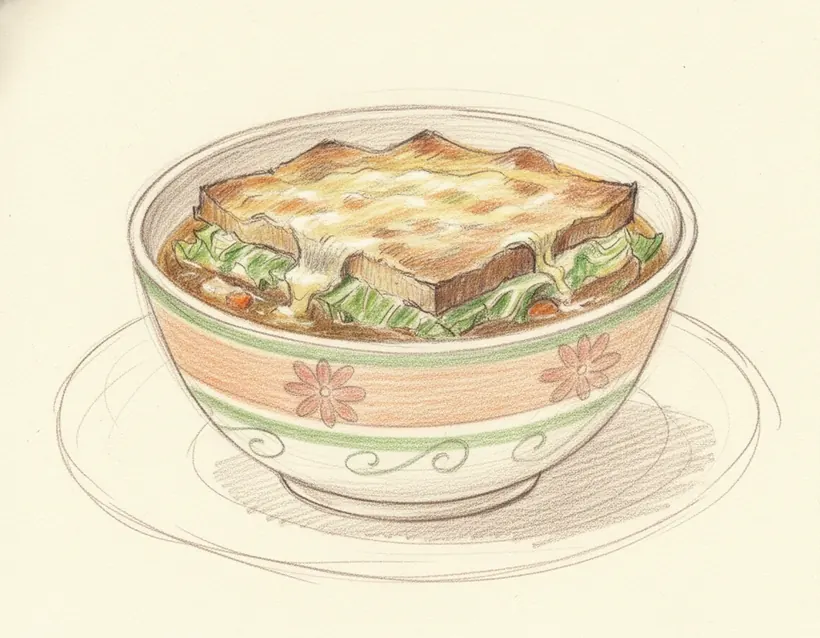
Layers of stale rye bread, Savoy cabbage and Fontina soaked in meat broth and baked until set, the hearty 'soup' of the Valpelline.
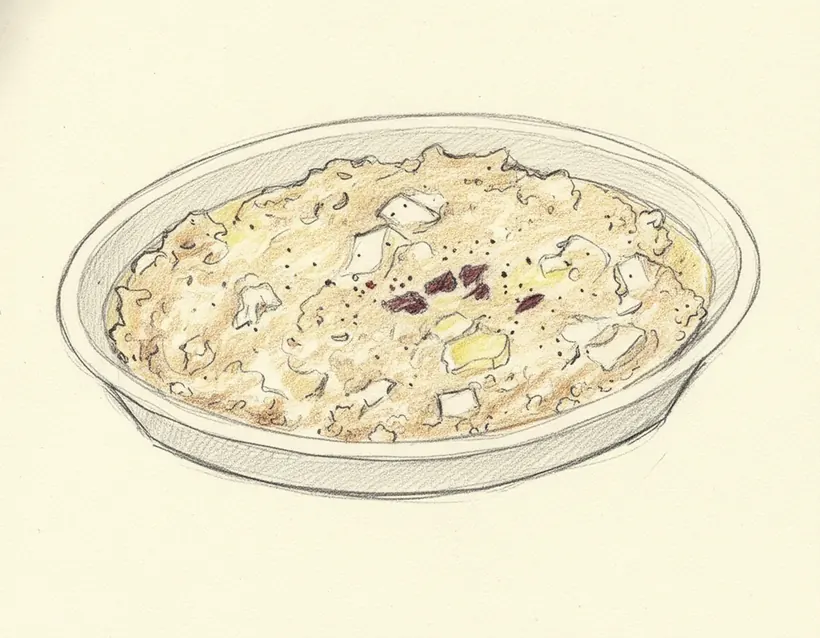
Slow-cooked polenta enriched with cubes of melting Fontina and butter until glossy, Alpine comfort food, often served with game or stew.
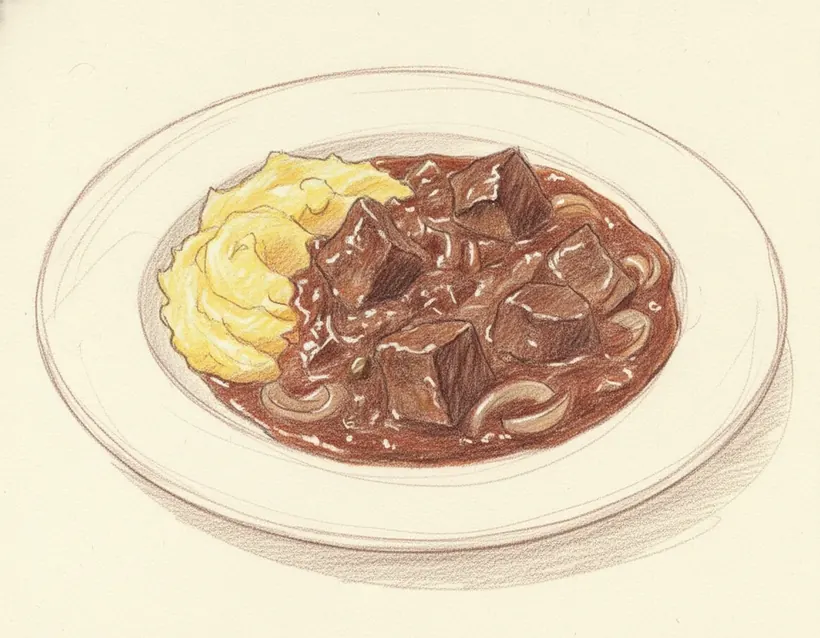
Salt-cured beef stewed long and slow in red wine with onions and spices until dark and tender, served with polenta, the Valdostan winter dish.
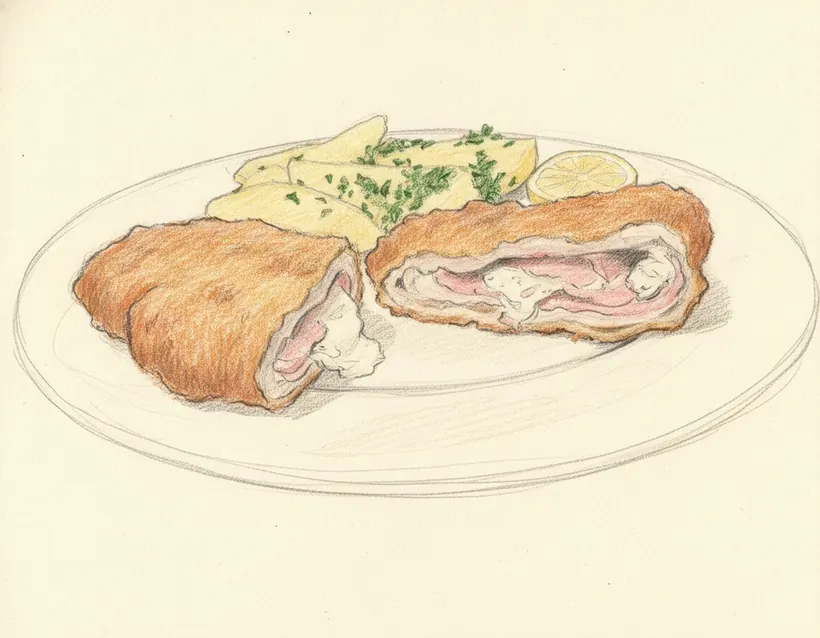
A veal cutlet split and filled with Fontina and cured ham, breaded and fried until the cheese runs, the Valdostan cousin of the Milanese.
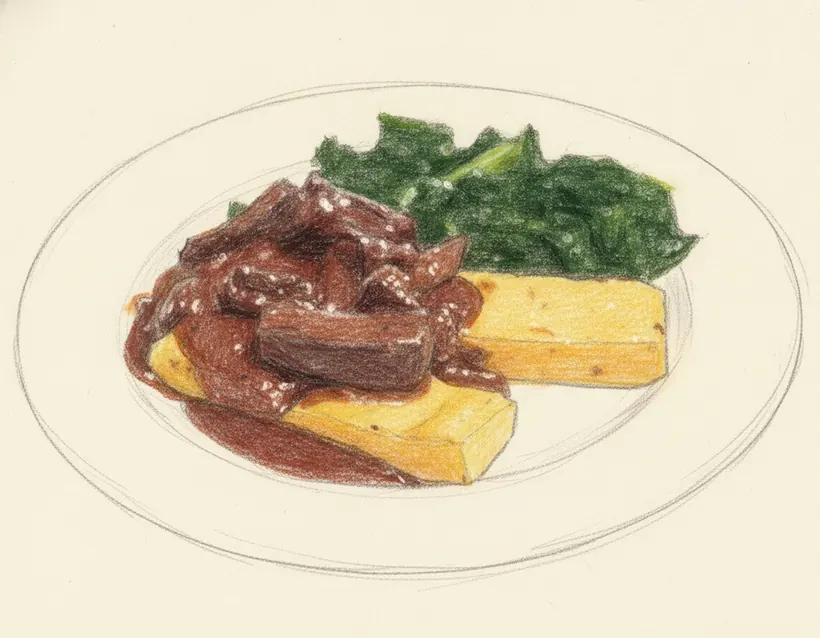
Chamois (or venison) marinated and braised in red wine with juniper and mountain herbs into a dark stew, the game dish of the high valleys.
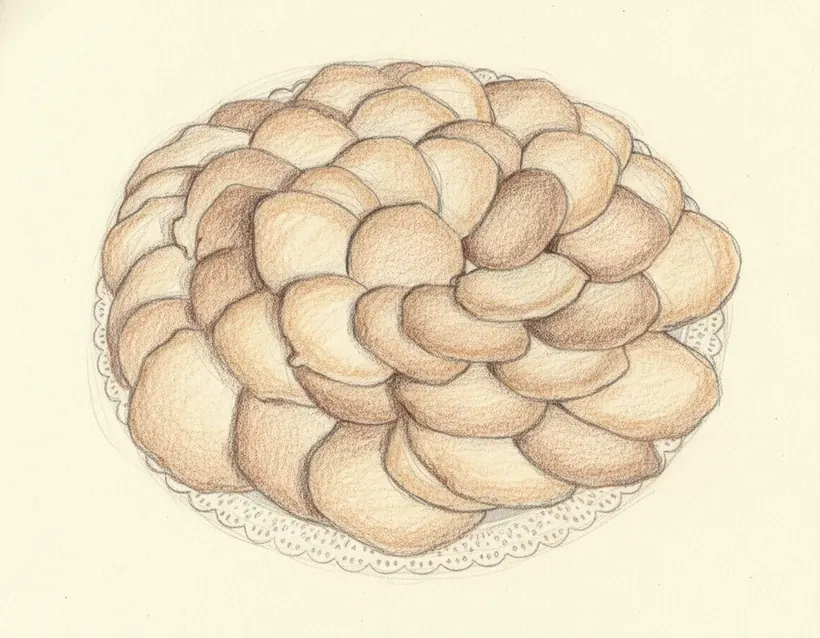
Thin, curved almond-and-hazelnut wafers named for the roof 'tiles' they resemble, the region's coffee biscuit.
DOP, IGP, STG, Slow Food Presidia and traditional specialities of Valle d'Aosta.
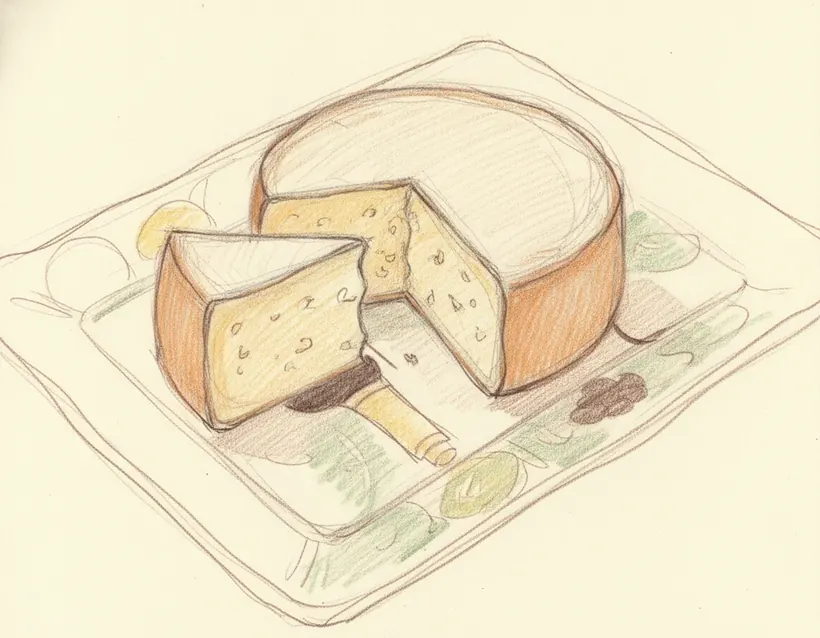
The great semi-soft mountain cheese of Alpine cow's milk, sweet and melting, the heart of fonduta and countless Valdostan dishes.
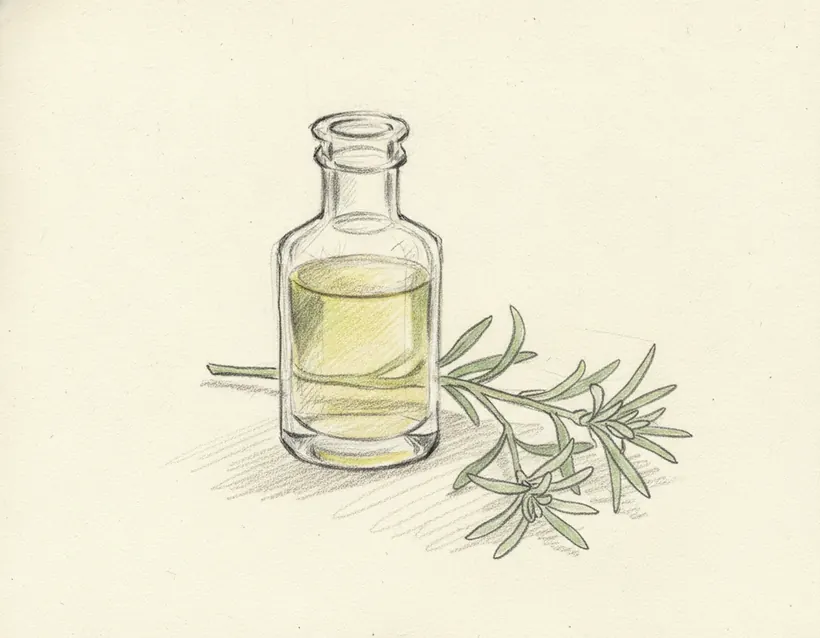
An Alpine liqueur distilled from the wild silvery genepì wormwood of the high peaks, aromatic and bittersweet.
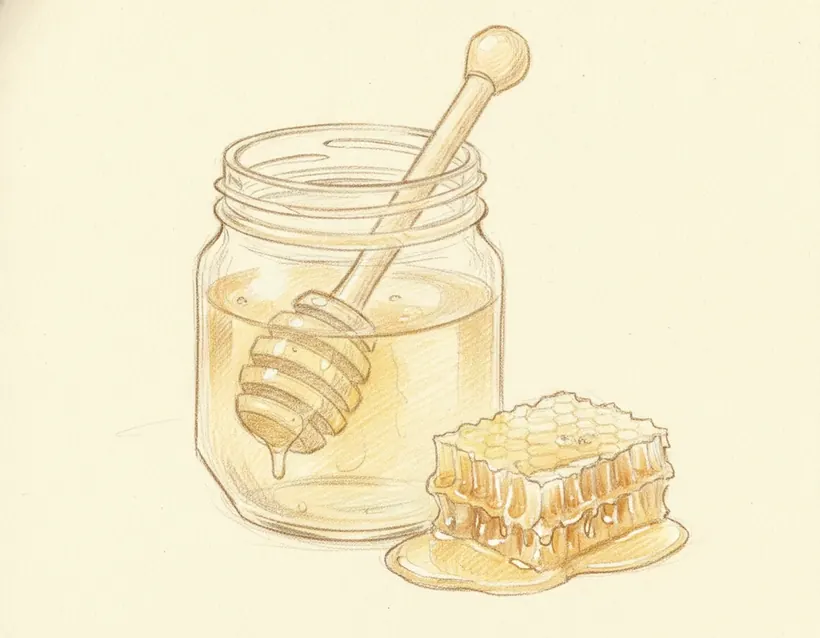
High-altitude honeys from Alpine wildflowers and rhododendron, delicate and pale.
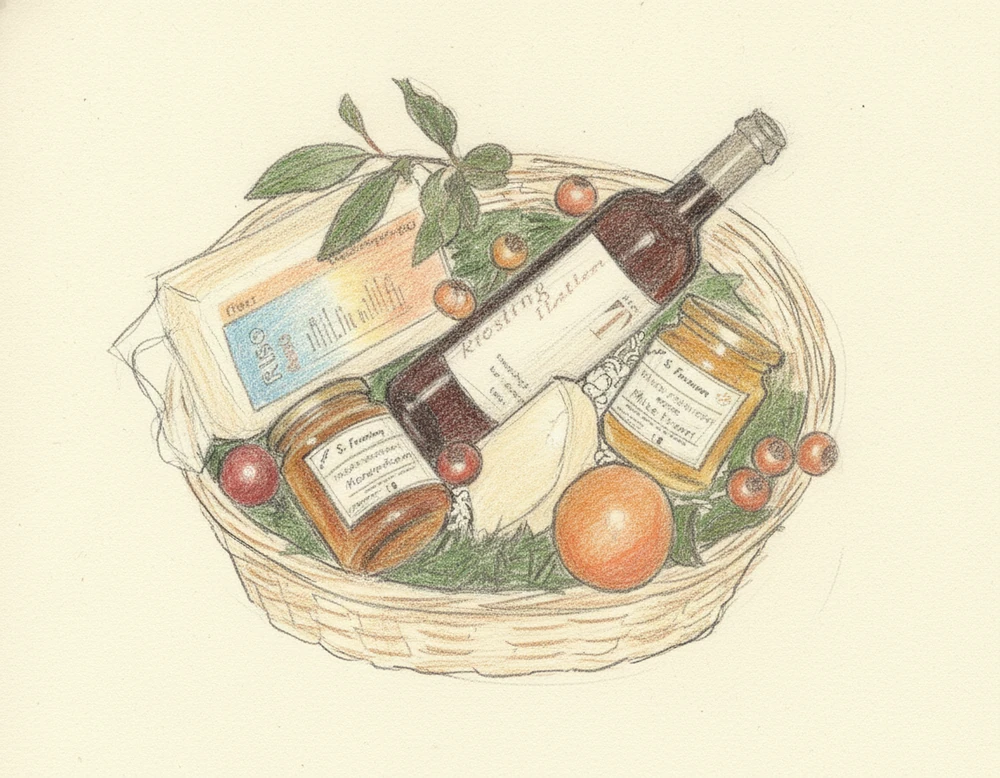
The classic Alpine honeys: rhododendron, millefiori and fir honeydew. Only nectar foraged above 1,400 m counts as high mountain, and even in a good season, which comes round every four or five years, the yield runs to a few hundred quintals.
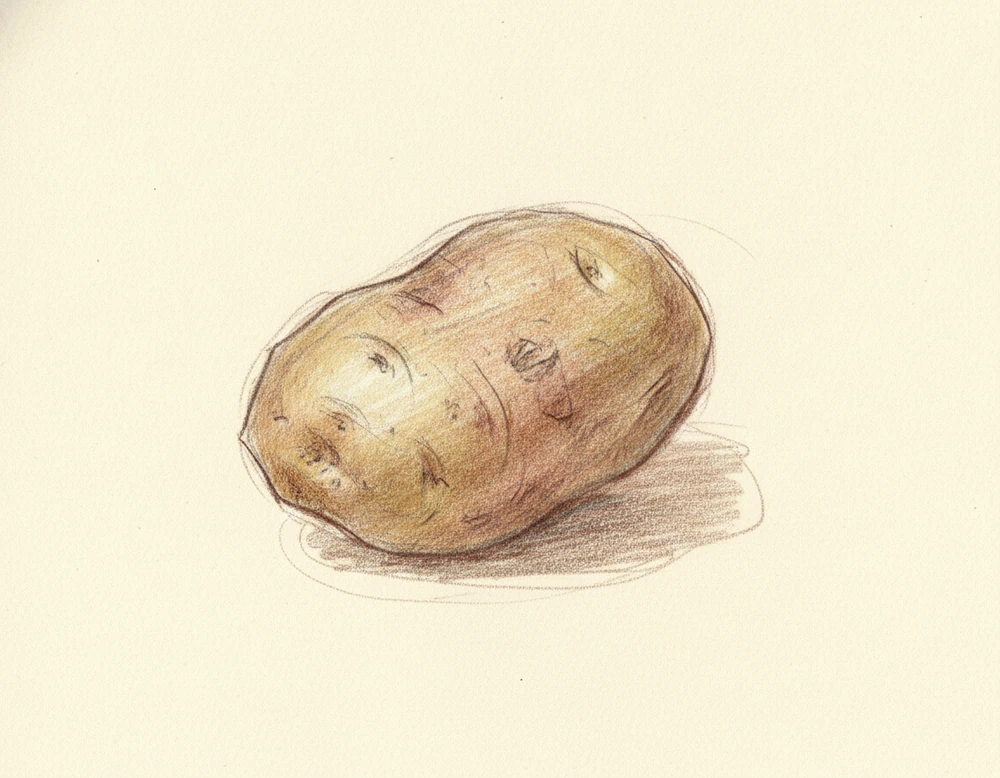
Potatoes belong to mountain farming although they have not been there long. They reached Europe from the Americas at the start of the 16th century and spread into the mountains slowly and with difficulty, for all their hardiness and food value. The Valle d'Aosta began growing them towards the end of the 18th century, probably through trade with Piedmont, but not at any scale until 1817, when a bad famine drove people to them. The fresh, free-draining, mineral-rich soil and the wide swing between day and night temperatures suit them exactly.
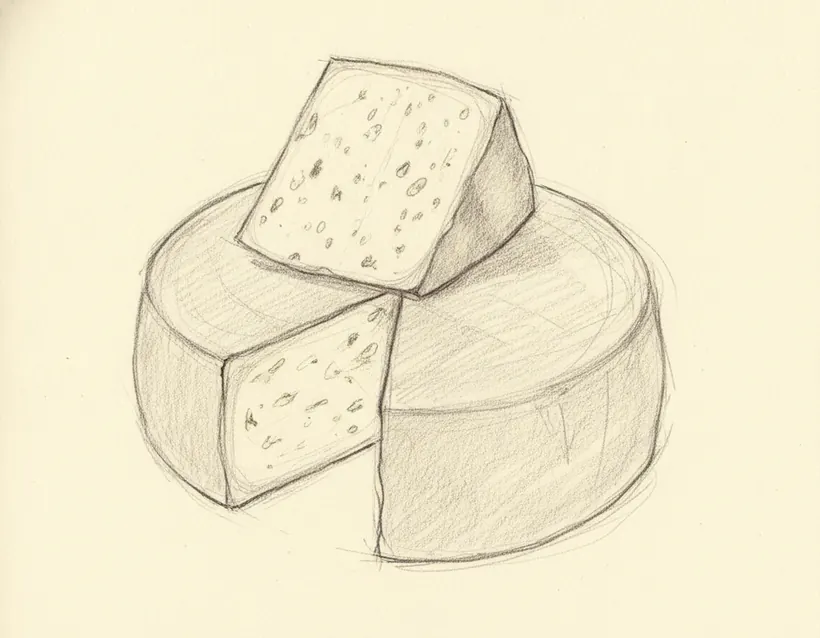
A semi-skimmed cow's-milk cheese, eaten young and mild or aged hard and sharp, sometimes scented with mountain herbs.
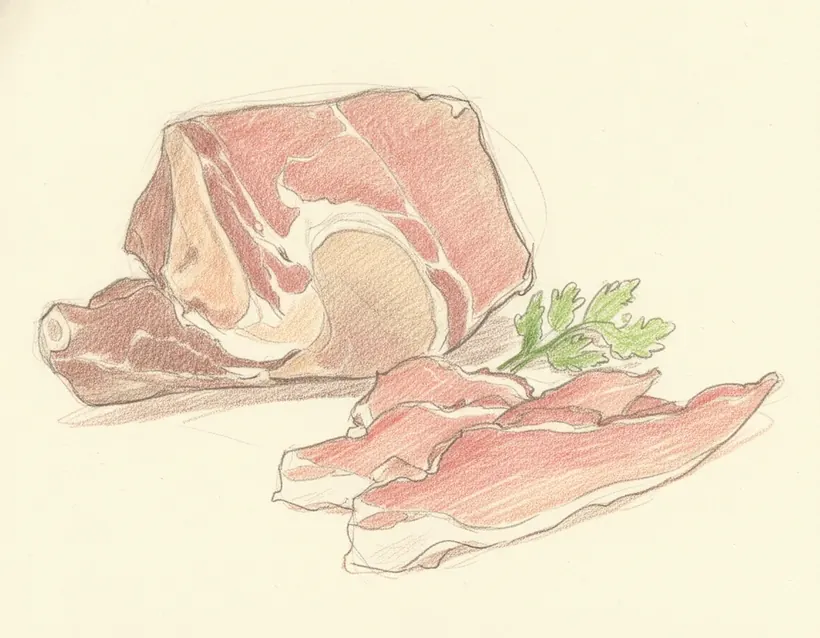
A cured, herb-and-spice-rubbed raw ham from the high hamlet of Saint-Rhémy-en-Bosses, aged in the thin mountain air.
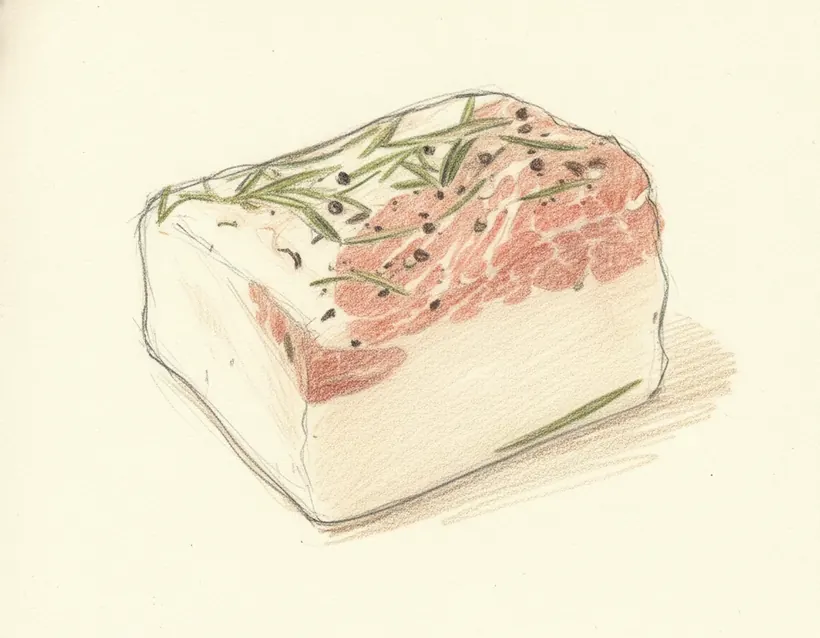
Pork back fat cured in brine with mountain herbs and spices in wooden 'doils', sliced translucent and eaten on rye bread with honey.