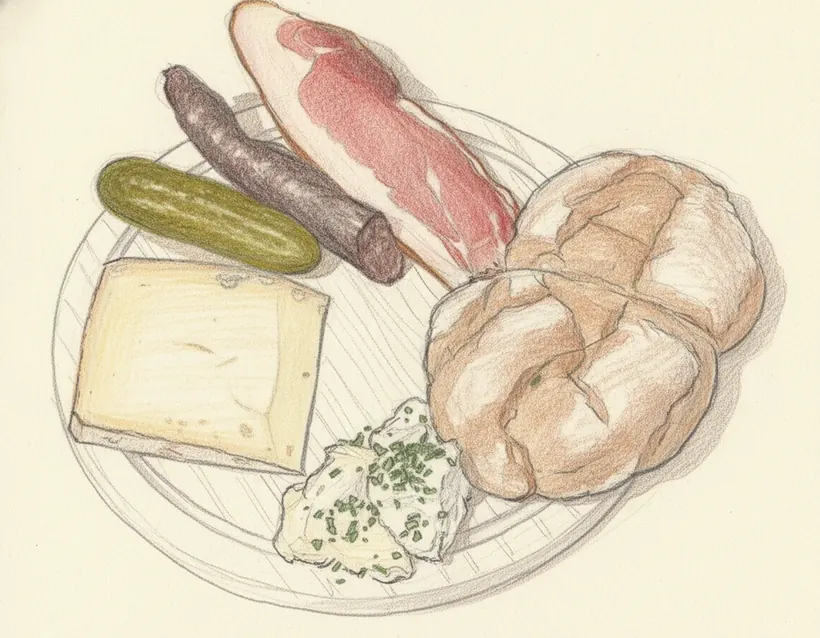
Speck dell'Alto AdigeCured smoked ham
Boned pork leg lightly smoked over beech and juniper, air-cured in the mountain air and sliced thin, the Tyrolean 'merenda' with rye bread and pickles.
Italy's Alpine north is two kitchens: Tyrolean Alto Adige with its smoked speck, bread dumplings, goulash and apple strudel, and Trentino with its herb-green strangolapreti and Vino Santo. The wines follow the valleys, light red Schiava (Vernatsch) and dark, plummy Lagrein and Teroldego, aromatic Gewürztraminer and Nosiola, and the crisp mountain whites of the Alto Adige slopes.
Boned pork leg lightly smoked over beech and juniper, air-cured in the mountain air and sliced thin, the Tyrolean 'merenda' with rye bread and pickles.
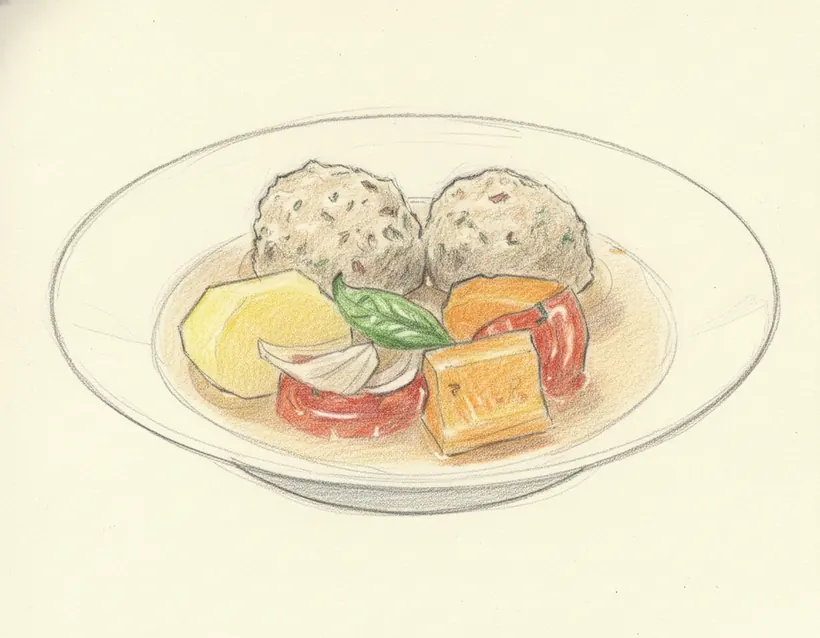
Bread-and-speck (or cheese) dumplings, Knödel, bound with egg and milk, poached and served in a clear beef broth or with melted butter.
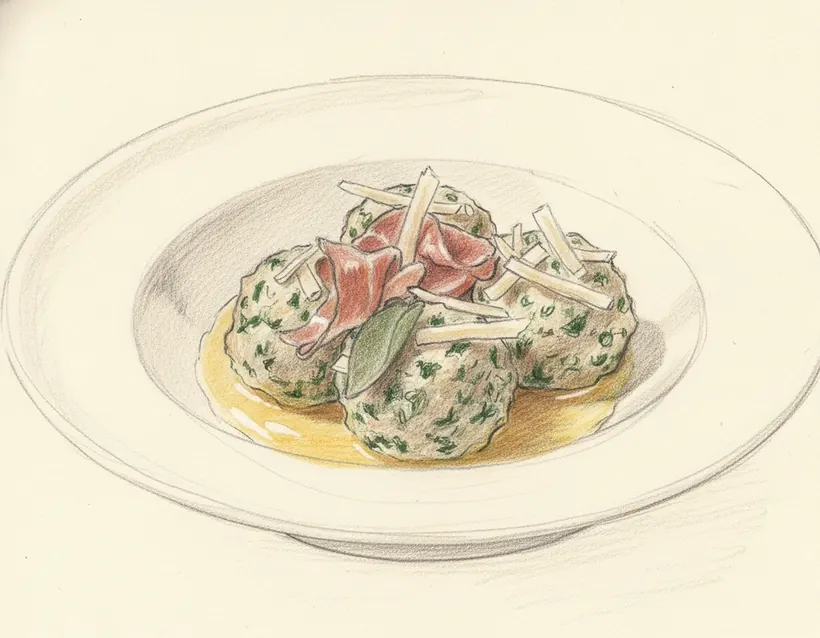
Trentino 'priest-stranglers', green dumplings of stale bread, spinach or chard and egg, dressed with melted butter, sage and grated cheese.
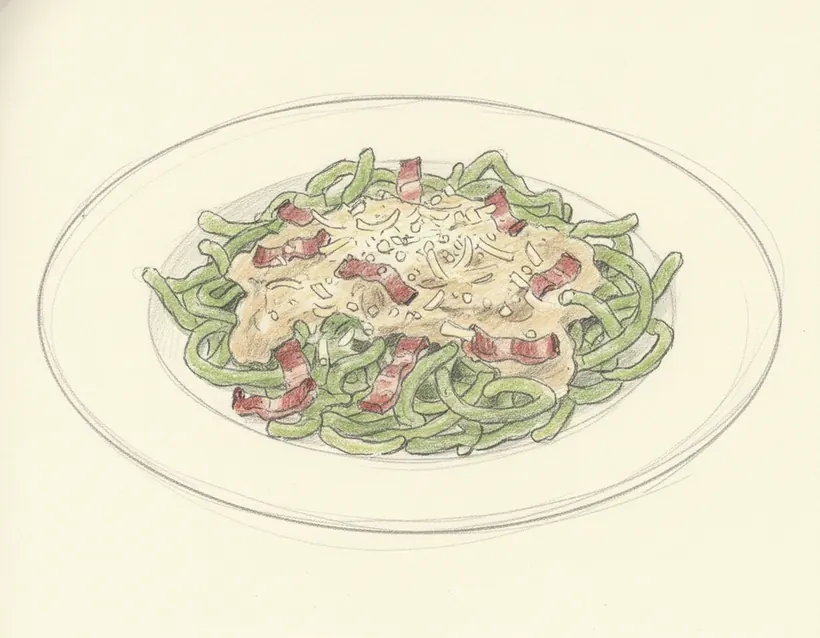
Little green spinach spätzle tossed in a cream sauce with strips of crisped speck and a shower of Parmigiano, a Tyrolean comfort dish.
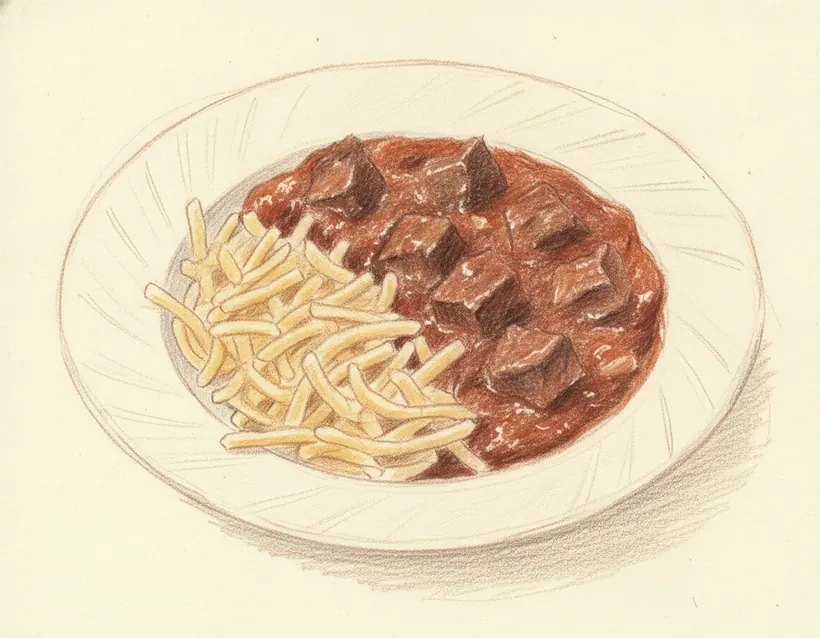
Beef braised slowly with onions, paprika, marjoram and a little lemon zest until thick, eaten with canederli or polenta.
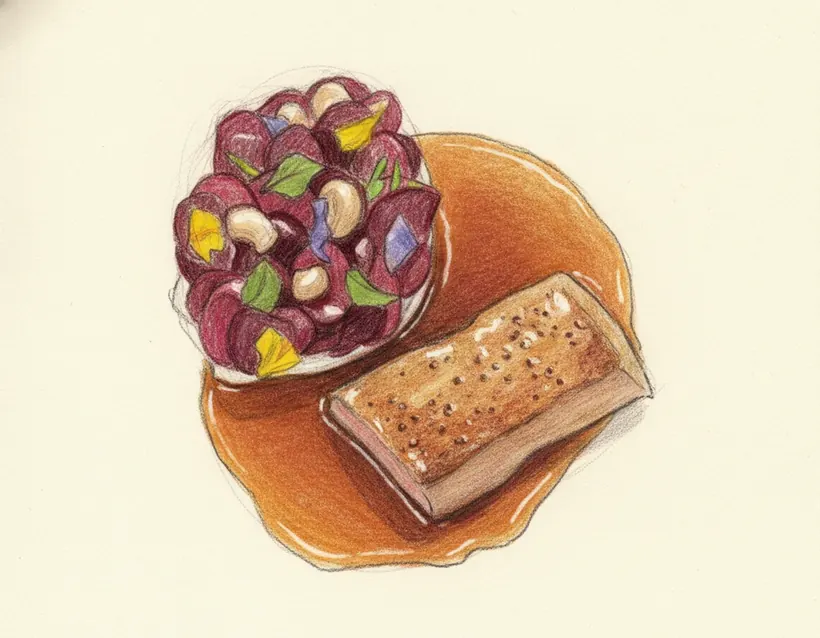
Roe deer marinated in red wine and juniper, then braised into a dark 'salmì', the taste of the Dolomite autumn, served with polenta.
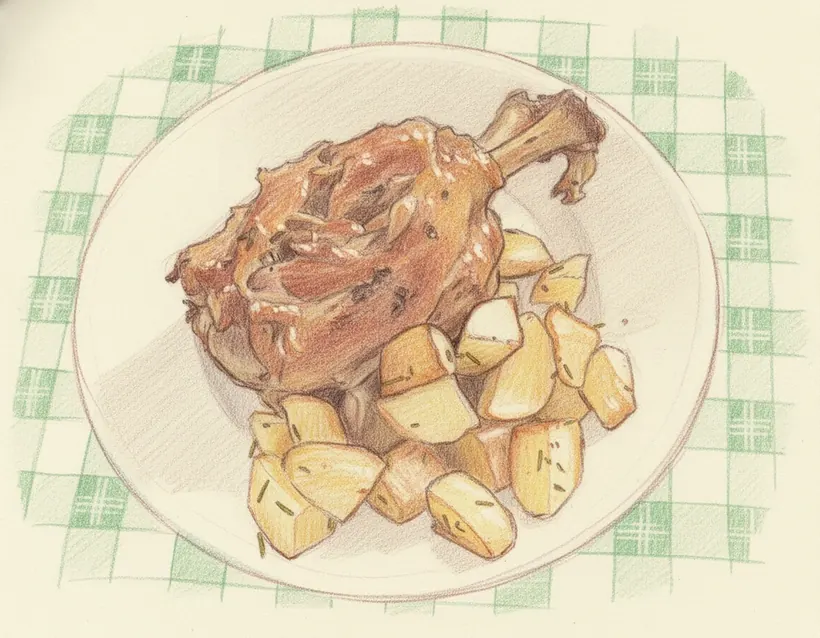
A whole pork shank slow-roasted with herbs and beer or wine until the meat falls off the bone and the skin crackles, a Tyrolean feast dish.
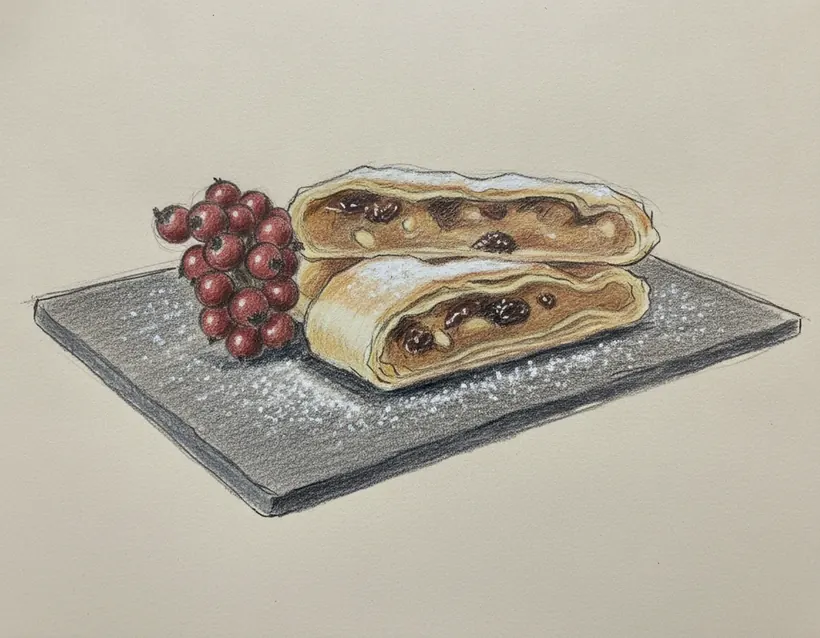
Thin pastry rolled around spiced apples, raisins, pine nuts and breadcrumbs, the Tyrolean dessert brought south into the Alto Adige.
DOP, IGP, STG, Slow Food Presidia and traditional specialities of Trentino-Alto Adige.
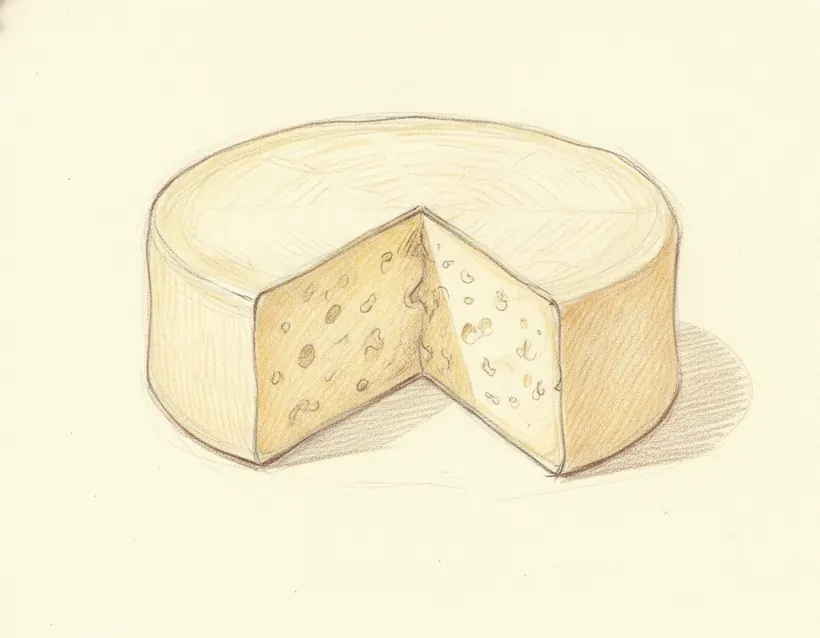
A cow's-milk cheese of the Asiago plateau, made young and springy (pressato) or aged hard and piquant (d'allevo).
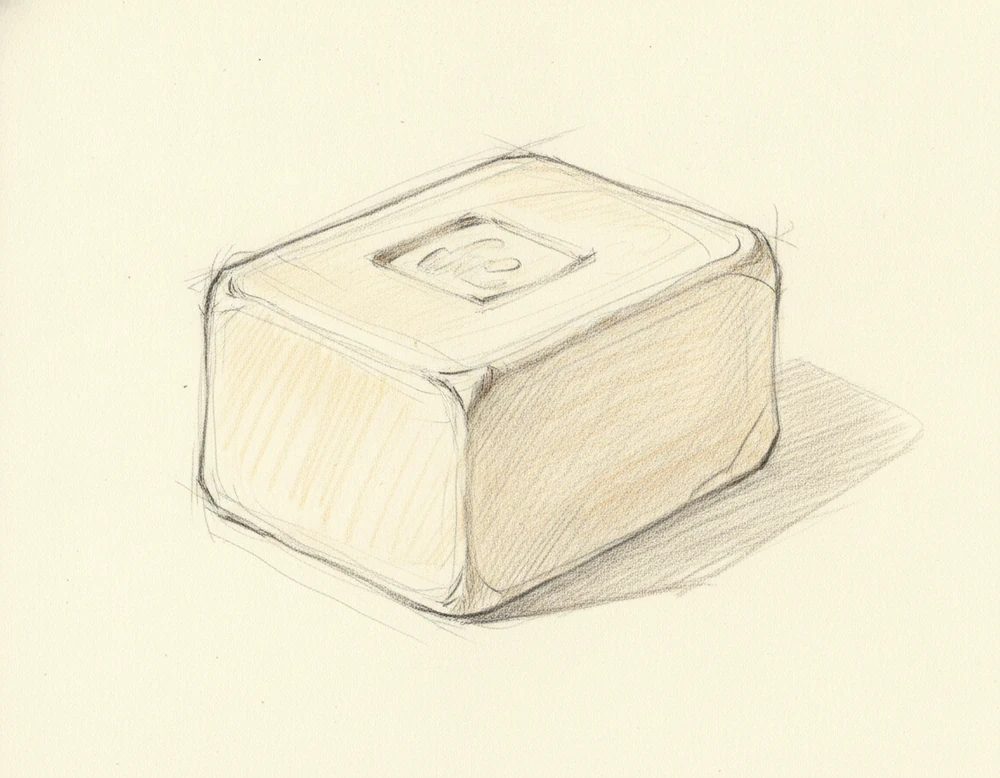
Venice's best butter came from the Primiero meadows, between the Pale di San Martino and the Lagorai, in the days of the Republic, on the strength of both the pasture and the handling of the milk.
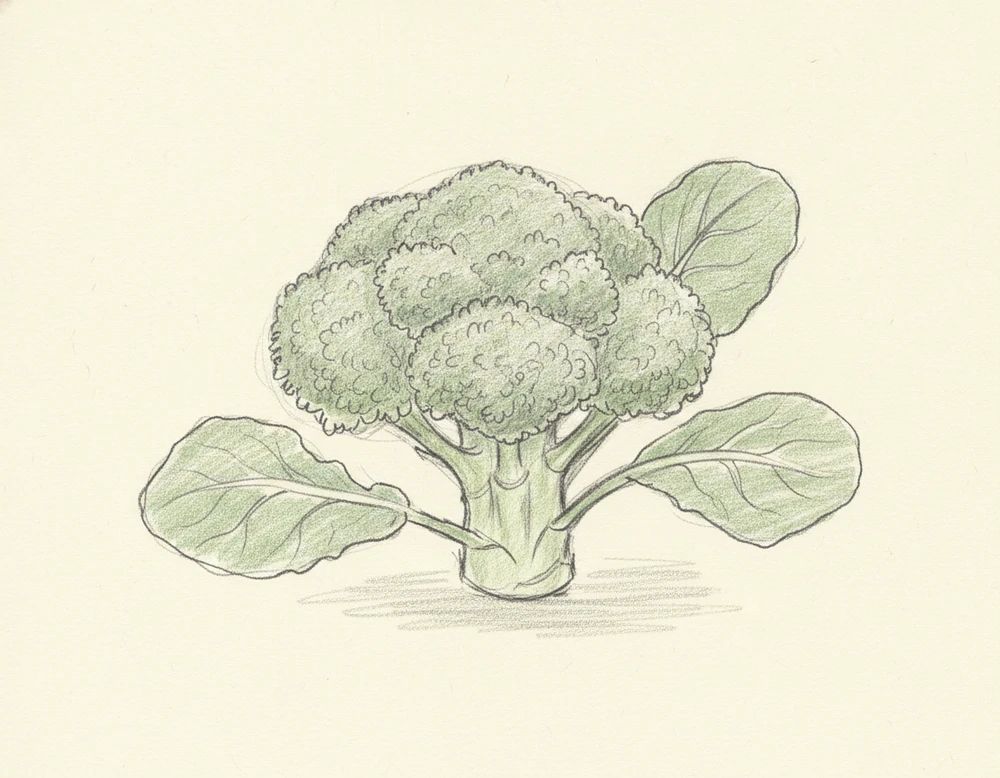
The pelèr, the northeasterly off Lake Garda, makes the microclimate: it lifts the temperature just enough over the market gardens of Torbole and Linfano to keep frost off the heads. The broccoli has drifted from the ordinary brassica type over time and refined its flavour along the way. It is small, 400 or 500 grams on average, grows fast, asks little, and its outer leaves are eaten too.
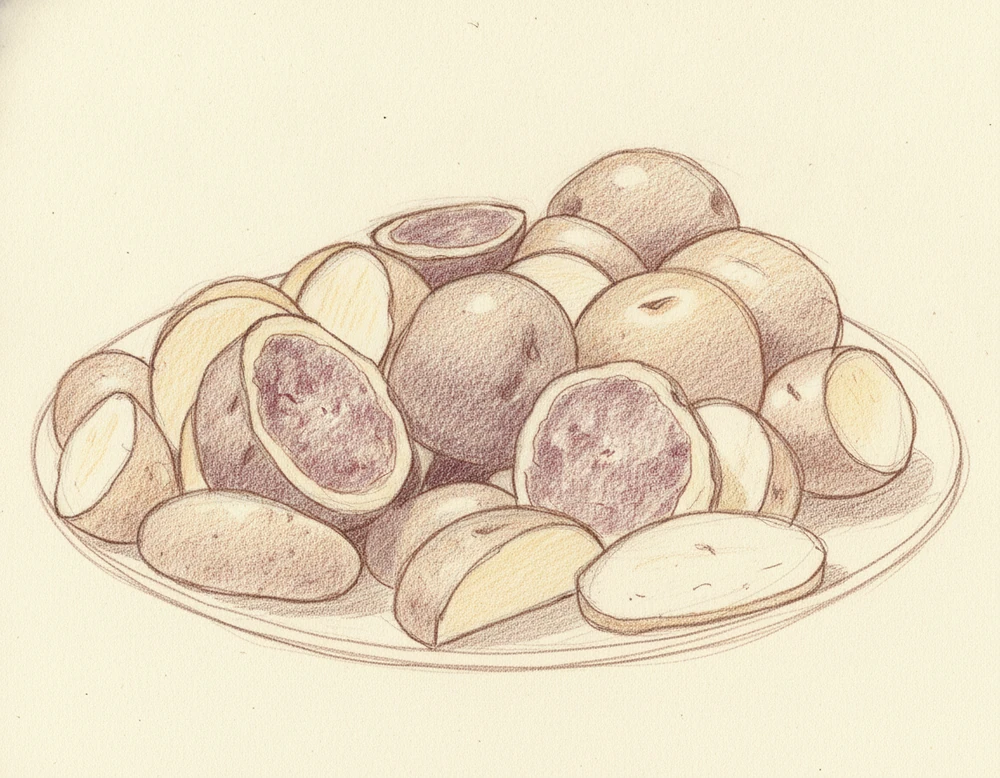
From the Latin caseulus, small cheese; casoletti was what they called the people of the villages in the Sole, Rabbi and Pejo valleys who made them. It was an autumn cheese, made once the herds were down off the alpeggi and the milk was drying up, generally at home and for the winter. It is small and tender and useful, of full-fat raw milk with the curd uncooked, and is now made all year and eaten fresh or half-aged. It has been thought less of than the great alpine cheeses largely because industrial dairies standardised a version of it from heat-treated or pasteurised pooled milk.
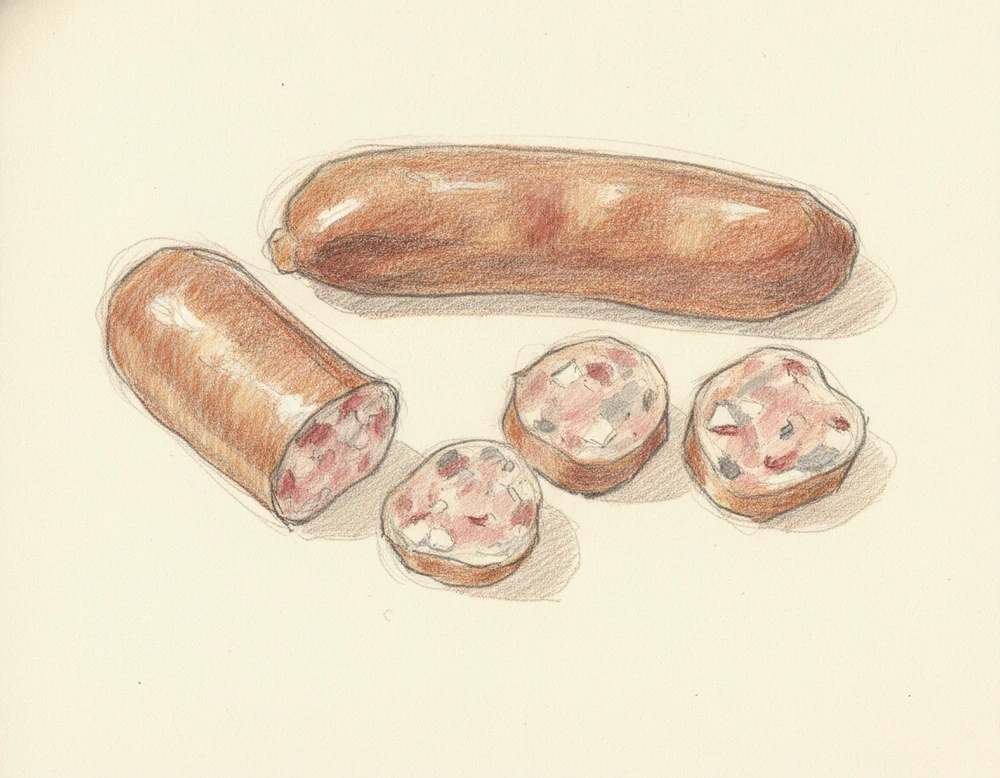
Ciuighe is a record of how poor the Giudicarie Esteriori were, the valley between Lake Garda and the Brenta Dolomites where San Lorenzo in Banale stands. A family that raised a pig sold the good parts and made a salami of the rest, padded out with a large proportion of turnip. The thing survives, though now with decent cuts in it too, shoulder, neck, belly and jowl, and less turnip, 35 to 40 percent.
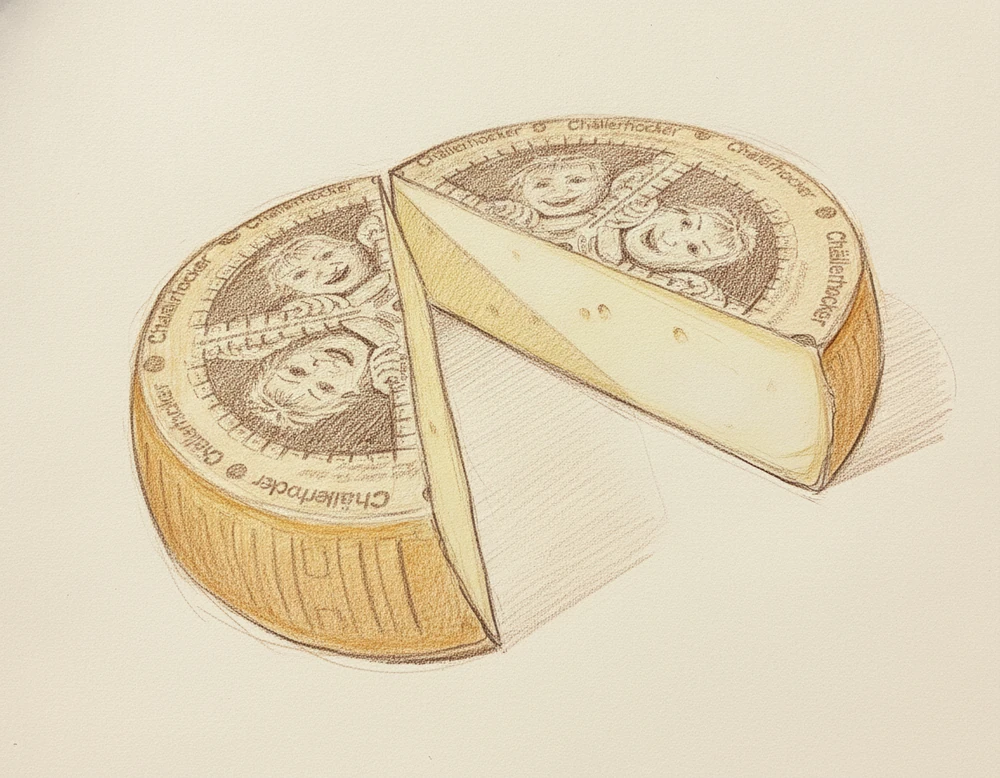
Not a recipe so much as an institution: the latteria turnaria was a cooperative dairy in which each member took his turn at the cauldron, made his own cheese and sold it himself. The system was formalised in 1880, the first opening at Maniago, and it spread by the dozen across Friuli and beyond into Veneto, Trentino and Slovenia. It was already being abandoned after the Second World War when the 1976 earthquake finished most of them; reconstruction closed many dairies outright, and the survivors went as the small family farms went and as policy pushed producers to merge for the volumes and certifications that national sale demands.
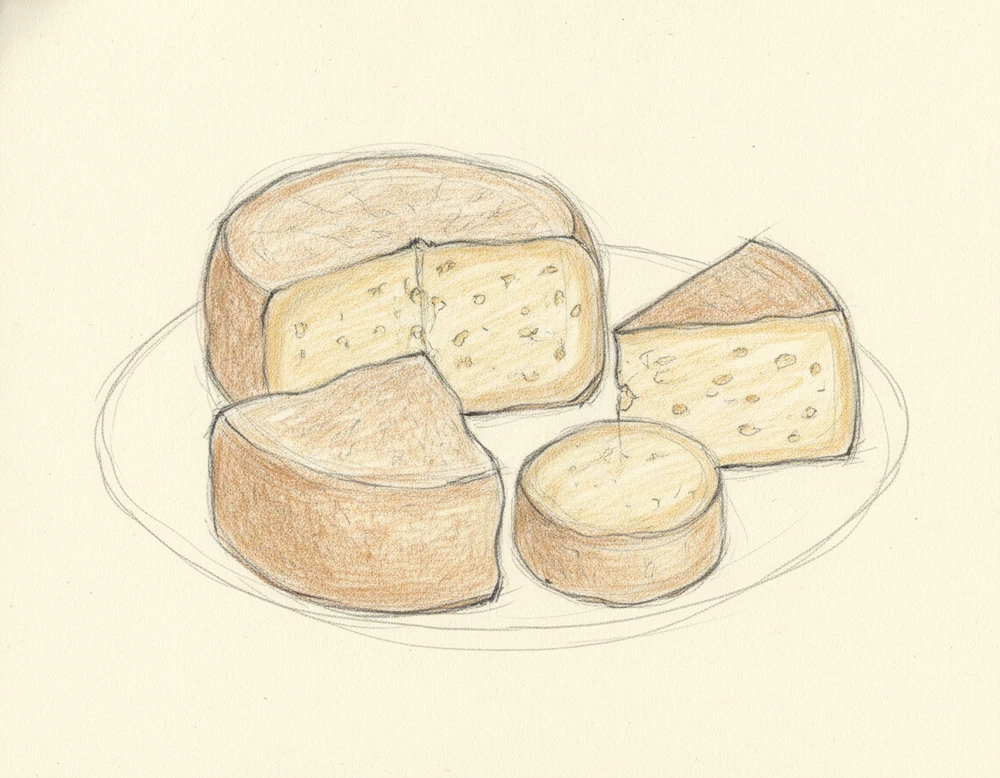
The Lagorai was once known for its cheese, and then decades of keeping the animals indoors down in the valley took the summer dairying with them. A few producers have gone back up to the malghe and are working raw milk again, against the run of the region.
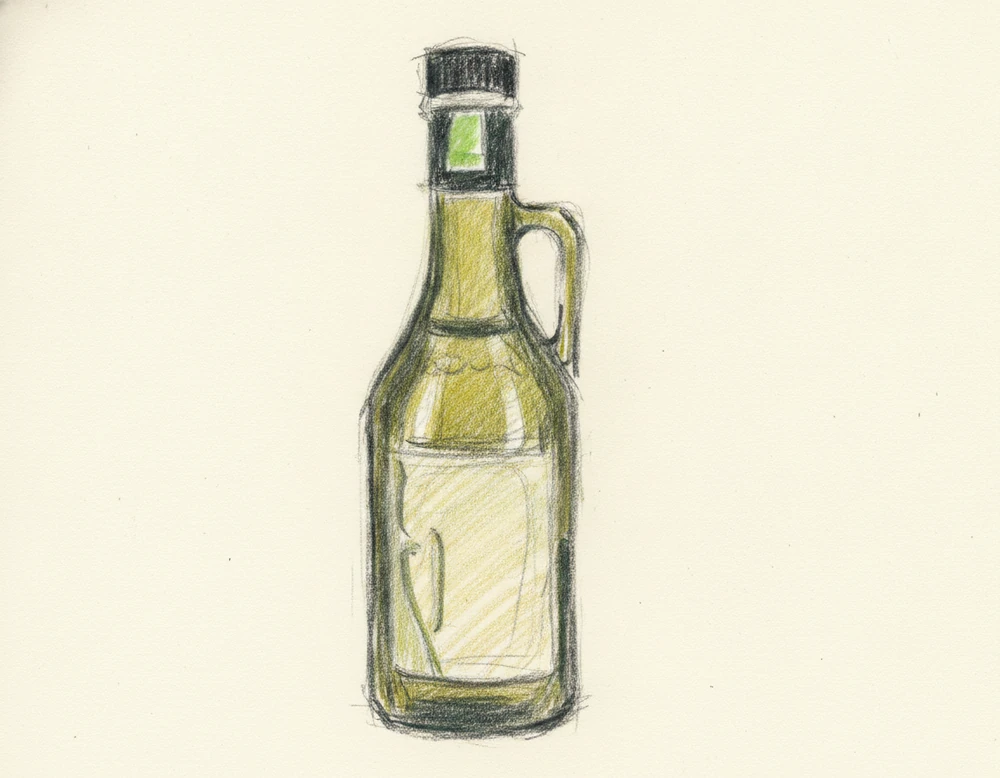
The olive oil of the Lake Garda basin, one of the northernmost olive-growing zones in the world. Green to yellow at varying intensity, with a light to medium fruity nose and a fruity taste with sweet notes and a characteristic almond finish.
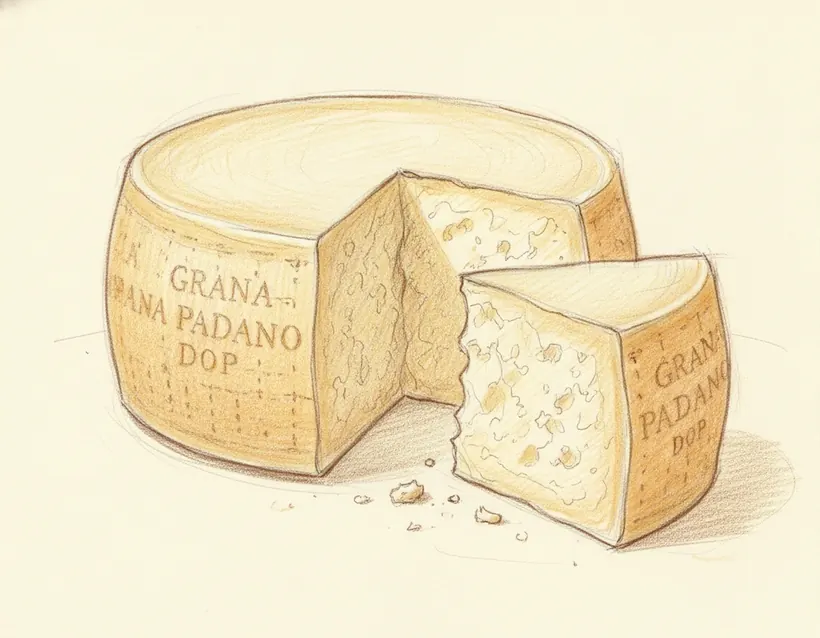
A hard, grainy cow's-milk cheese of the Po valley aged in giant drums, milder and younger-eaten than Parmigiano.
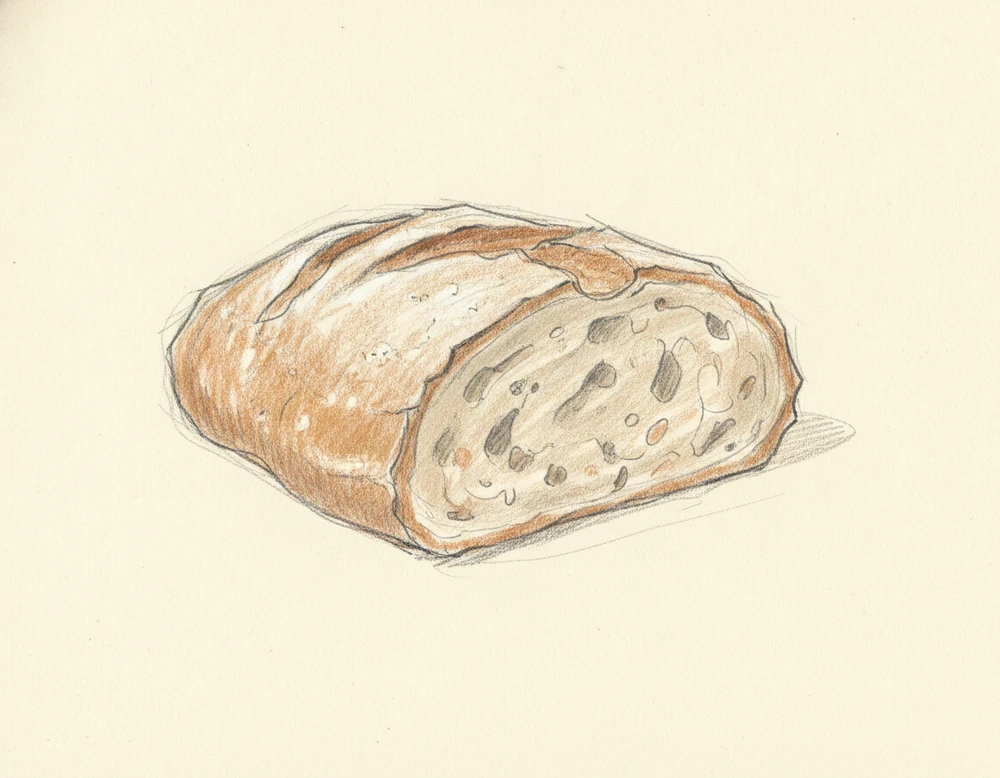
The Italian name is a curiosity: saraceno does not point to any particular origin so much as to somewhere far away, and grano to the resemblance, since it is not a grass at all but a Polygonacea, a pseudo-cereal. It suits the Terragnolo, where it is grown on small terraced plots and is known locally as formentom. The documents go back to the 19th century; local memory says the 16th.
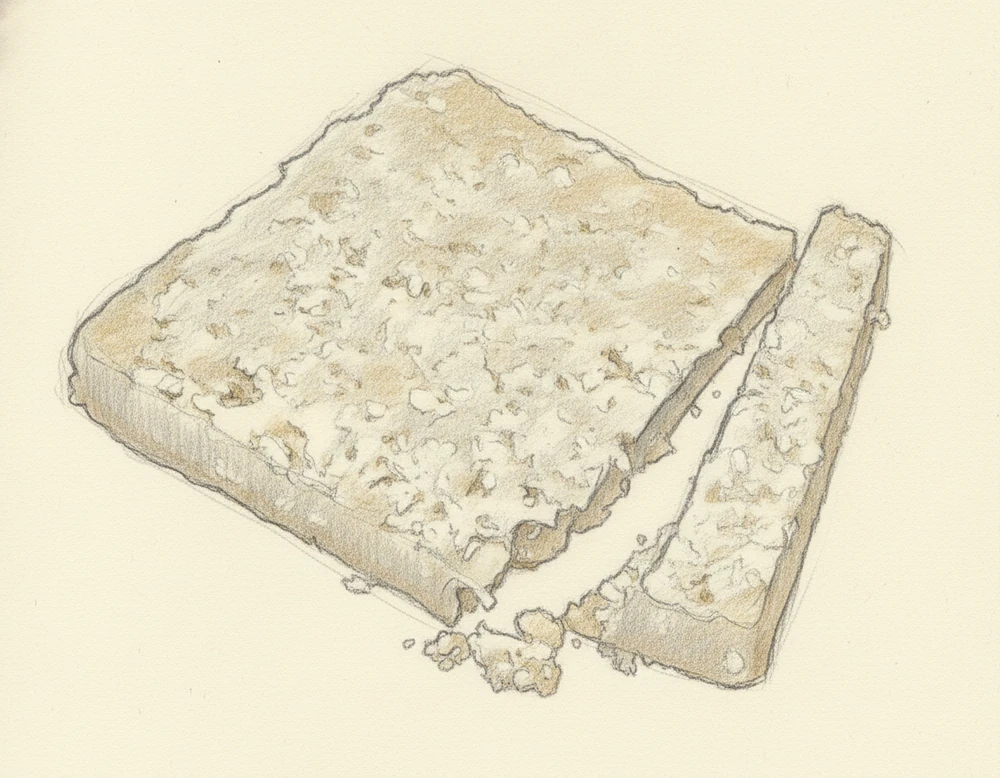
Grey cheese: one of the acid-set cheeses, made with no rennet at all, a type common through the Tyrolean Alps. It is very lean, at most 2 percent fat, being made from the milk left after the butter.
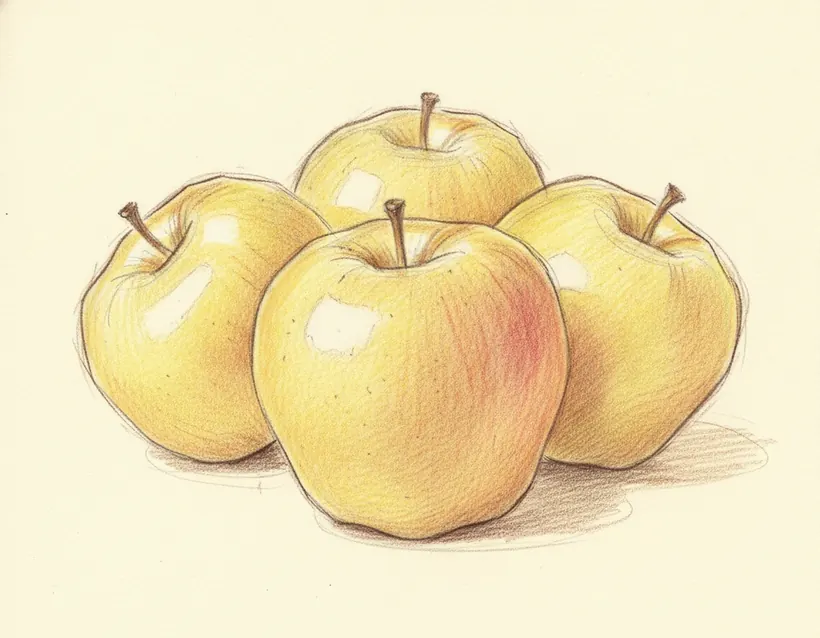
The crisp, sweet-tart mountain apples (above all Golden Delicious) grown on the sunny terraces of the Non valley.
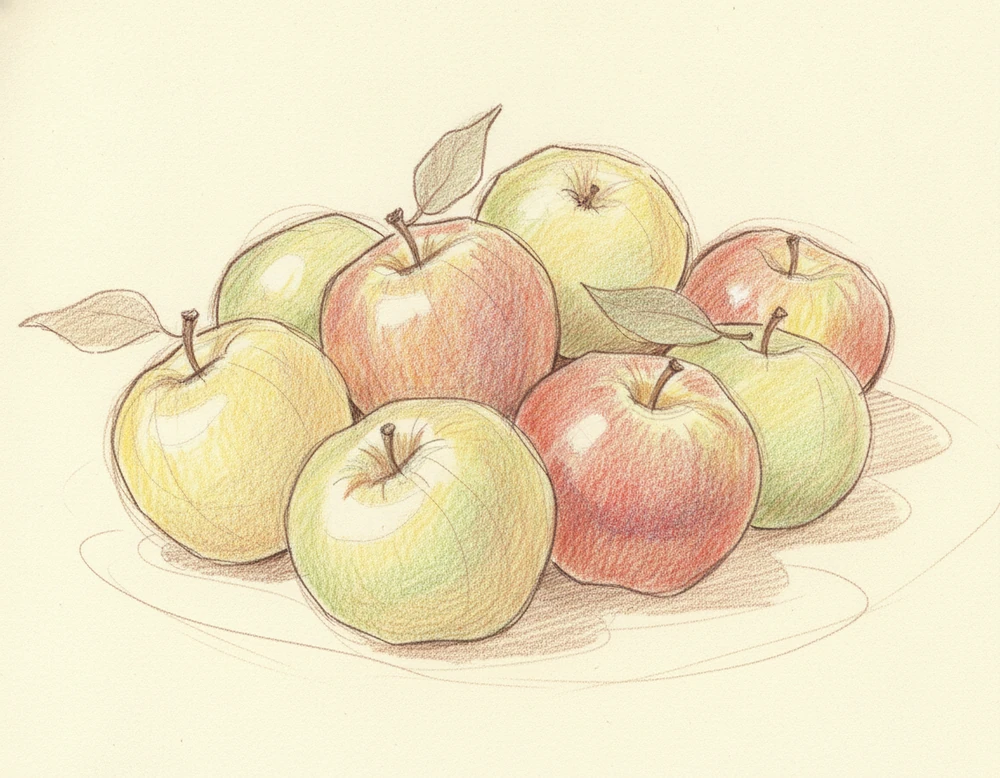
Apples of Malus x domestica in the Golden Delicious, Red Delicious, Gala, Fuji, Morgenduft, Granny Smith, Renetta and Pinova varieties and their clones and mutants.
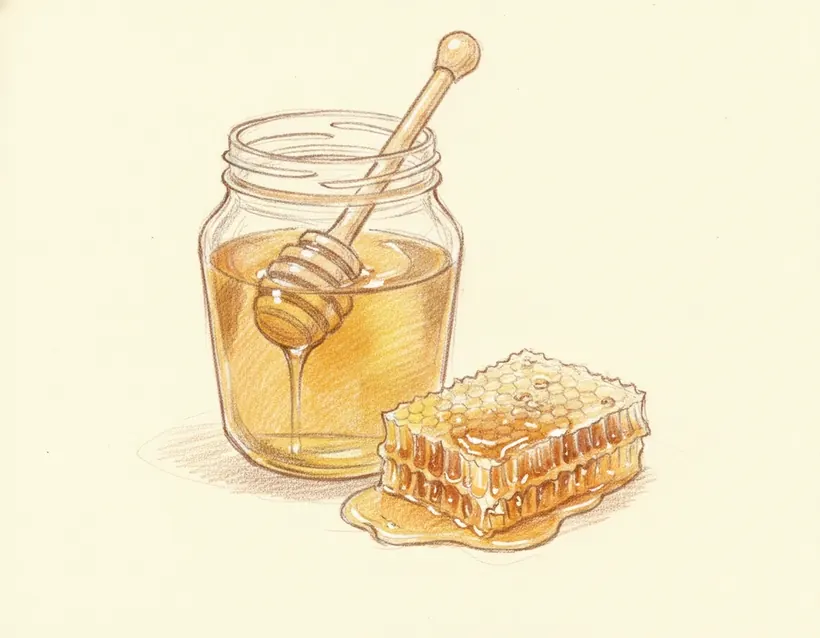
Alpine honeys of the high meadows and forests, from acacia and wildflower to dark honeydew.
The classic Alpine honeys: rhododendron, millefiori and fir honeydew. Only nectar foraged above 1,400 m counts as high mountain, and even in a good season, which comes round every four or five years, the yield runs to a few hundred quintals.
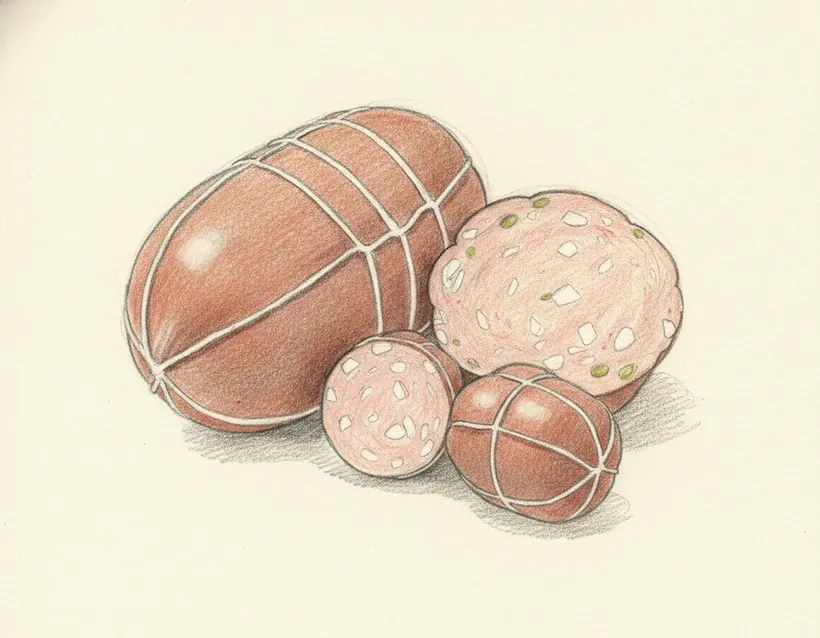
A large, silky pink cooked pork sausage studded with white fat cubes and pistachios, gently spiced, the pride of Bologna.
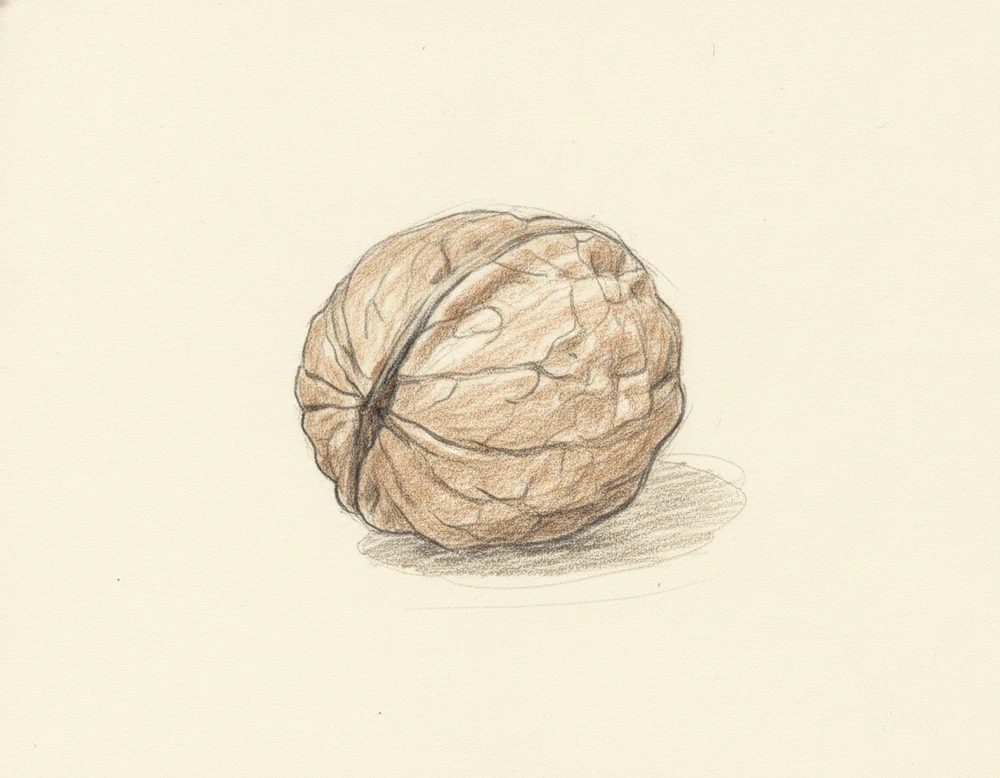
A small walnut, very aromatic, sweet and spiced. It is odd in more than size: oval and round at the base, thin-shelled, the shell cut by deep furrows with prominent ridges along the suture. Walnut trees have shaped the Giudicarie Esteriori for centuries and the record shows what they were worth, particularly in wartime, when the crop was both food and cash.
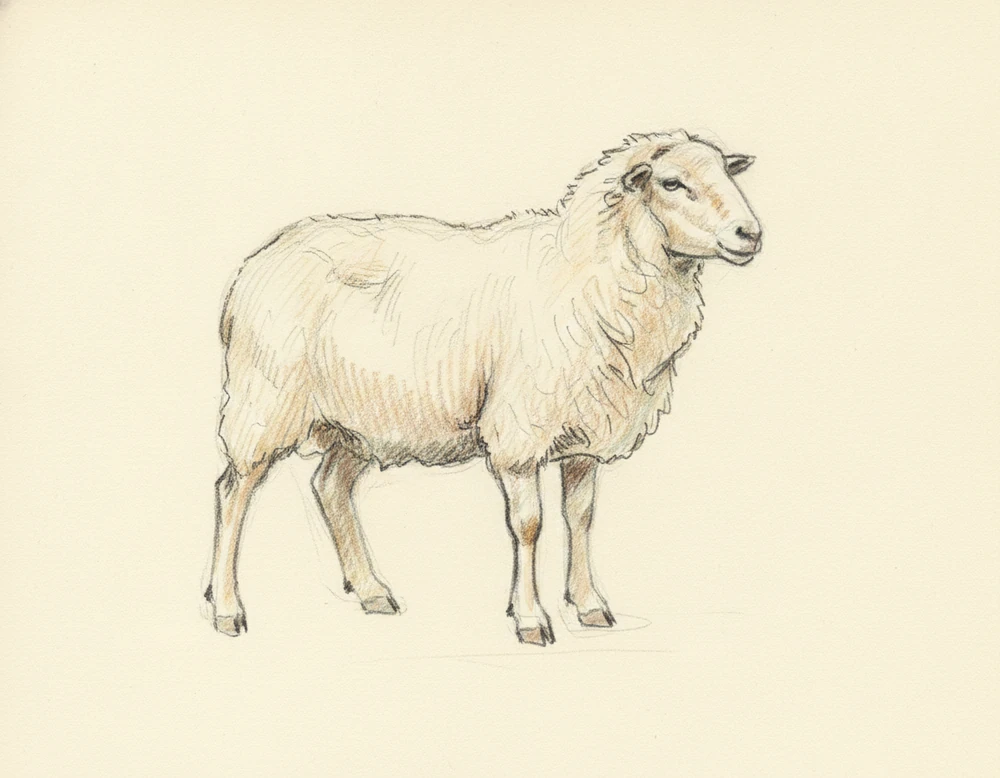
The Val Senales runs from the vineyards at its mouth up to the Ötztal Alps and the Giogo Alto glacier at 3,200 metres. Ötzi came out of that ice, 5,300 years old, and the flocks still cross the highest ridge on the old transhumance, so shepherds have clearly been here a very long time; the col of Ganglegg near Sluderno has yielded Bronze Age spindles from about 1200 BC and thousands of calcined sheep bones, probably from sacrifices. The breed descends from the Bergamasca and other natives, often crossed with the Slovenian Jezersko-Solčava of the Habsburg east. Medium-sized and white.
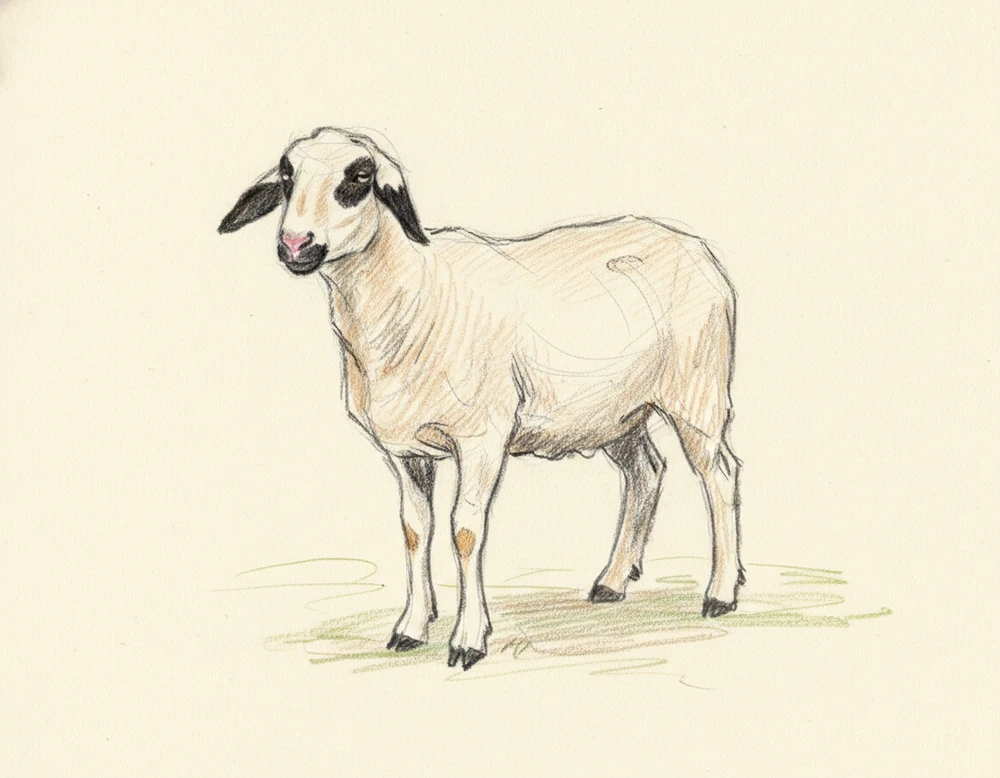
The spectacled sheep of the Villnöss, the oldest breed in Alto Adige, formed in the 18th century out of a local strain of the Austrian Kärntner Brillenschaf, itself a cross of the Alte Heimische Landschläge with the Bergamasca and the Paduaner Seidenschaf. The fleece is white, the eyes ringed black, and at least a third to half of each ear is black too. It was kept for meat and wool.
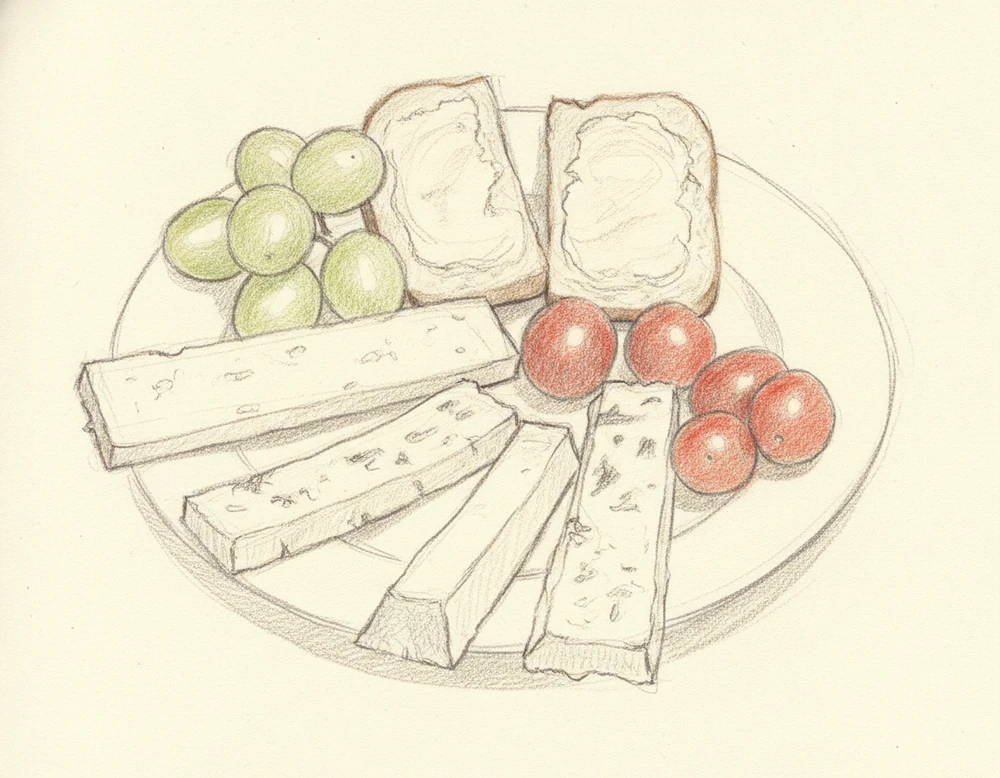
A pasta-filata cow's-milk cheese of the Po valley, made in both a mild and a piquant version and hung in ropes to age. It is one of the few Italian cheeses whose zone is written comune by comune across four regions rather than as a province or a valley.
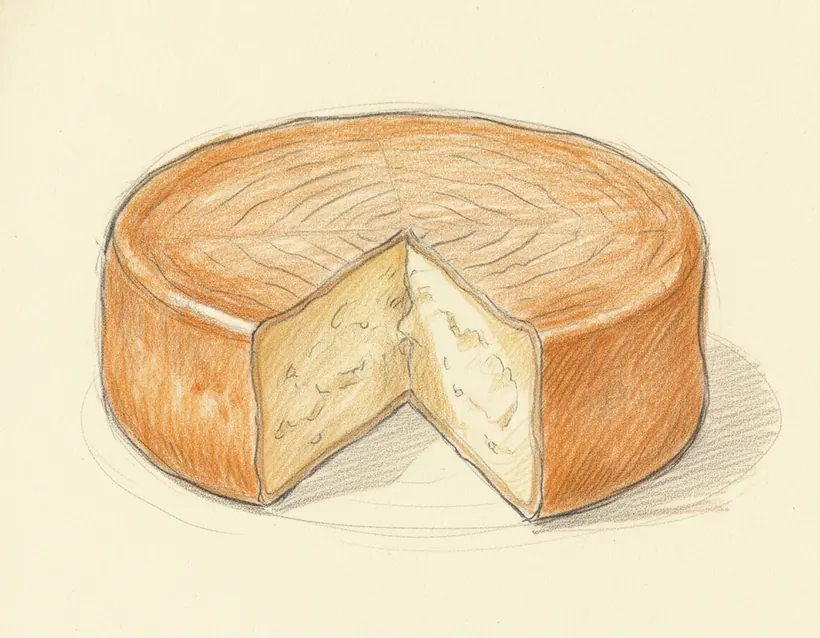
A pungent, smear-ripened cow's-milk cheese of the Val di Fassa, its damp orange rind hiding a supple, aromatic paste.
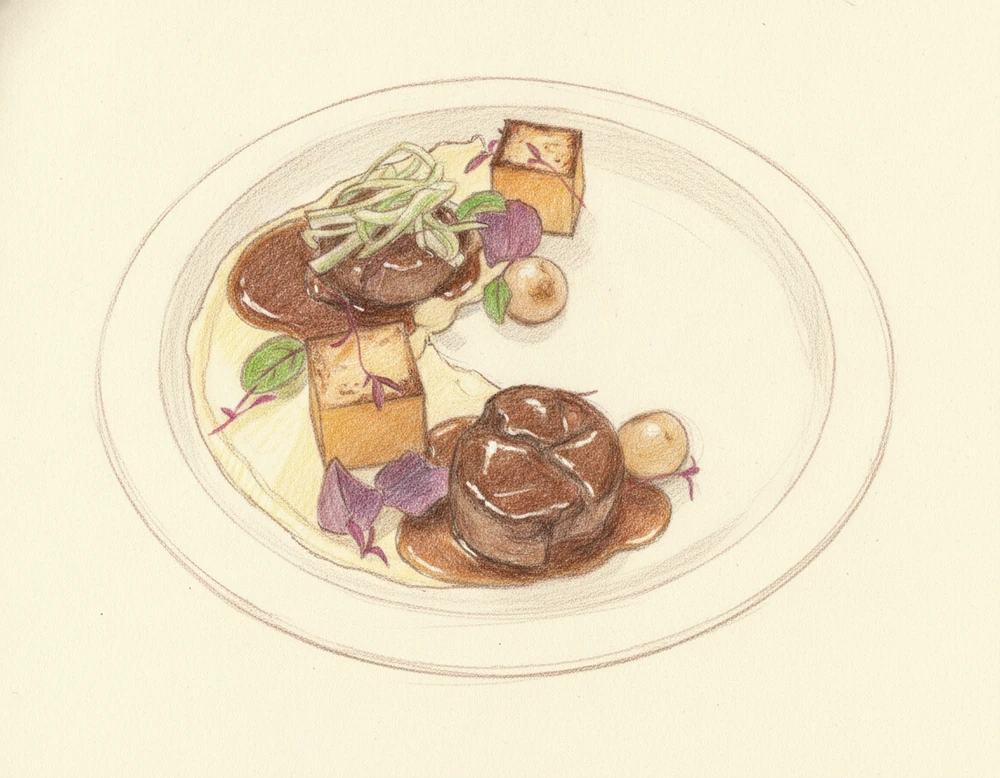
One of the oldest cattle of the Alps, kept on marginal ground and high farms. Medium in size and weight, strong-limbed with notably hard hooves, the coat pale grey shading darker. It is hardy and frugal and has a real instinct for the best forage, going up to pastures other cattle cannot reach.
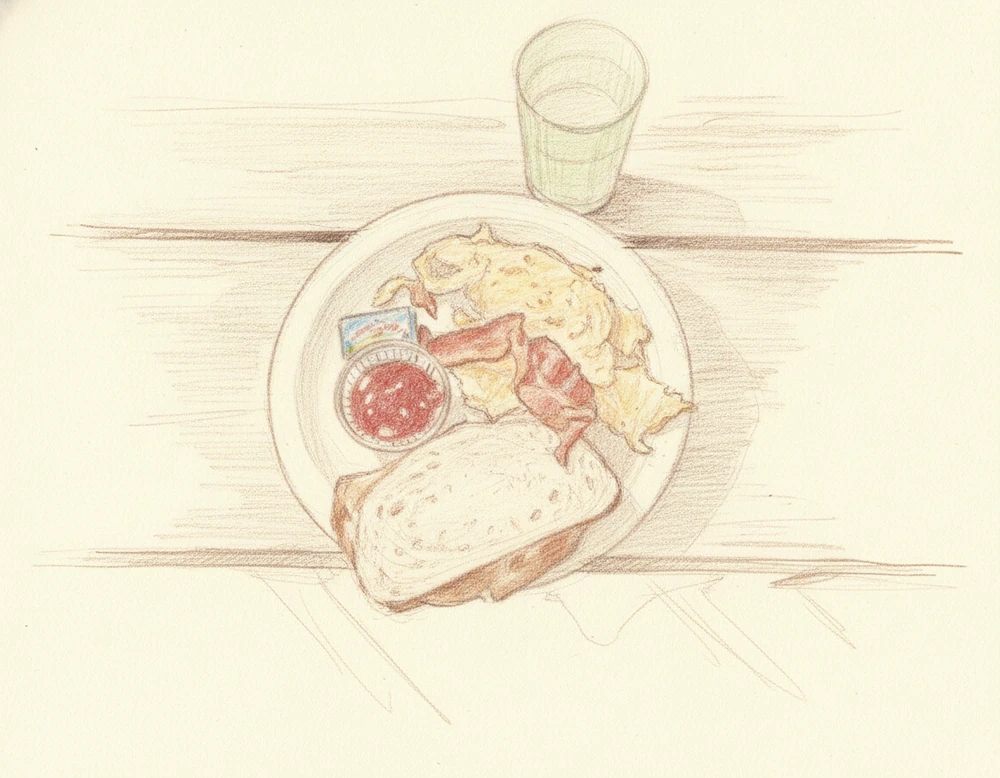
Named for the Trentino valley it has been kept in for centuries, and hardy enough for both hill and mountain grazing. Medium-small, chestnut brown going almost black in the bulls, with a pale line along the back, ivory hair inside the ears and fine horns, white at the base and black at the tip.
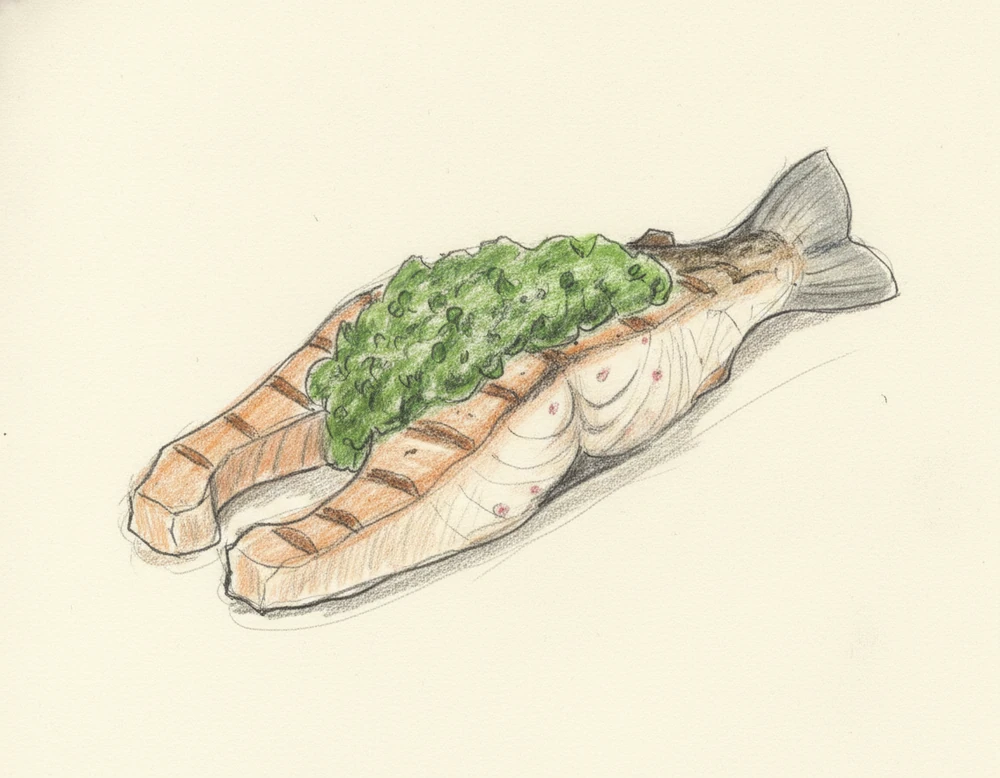
Farmed Arctic char, Salvelinus alpinus, raised in the cold spring water of the Trentino valleys. Grey-green to brown, back and flanks scattered with whitish, yellow or pink spots with no halo, dorsal and caudal fins grey.
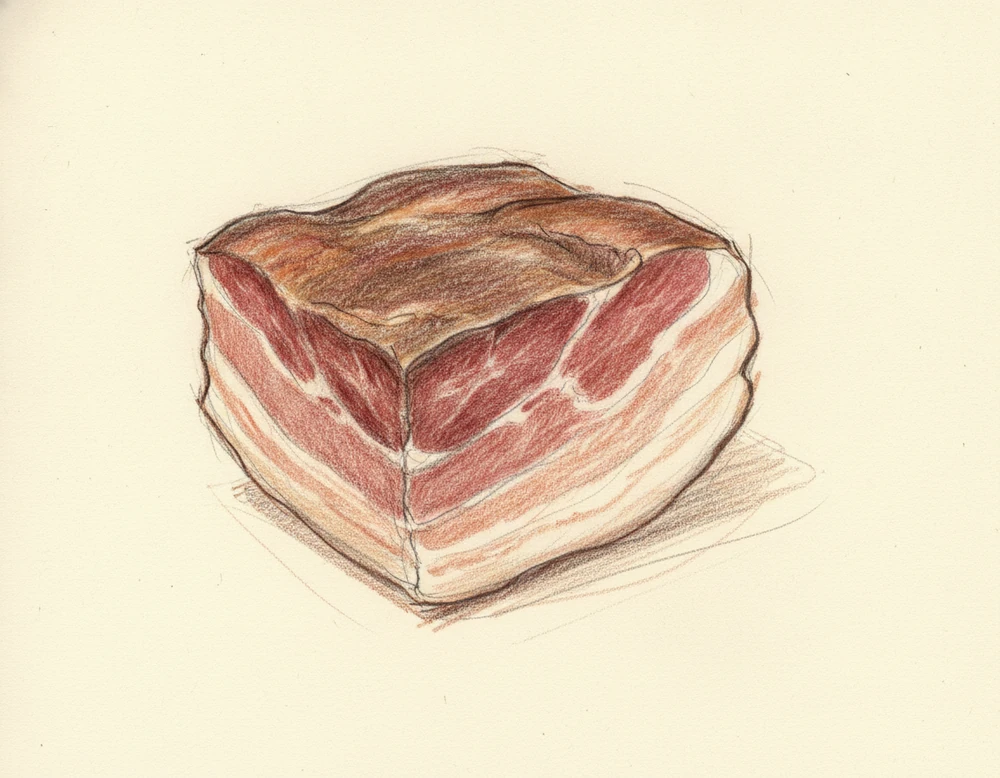
The lightly smoked, juniper-scented cured ham of Alto Adige, matured under protective food-grade films and controlled through the whole ageing period.
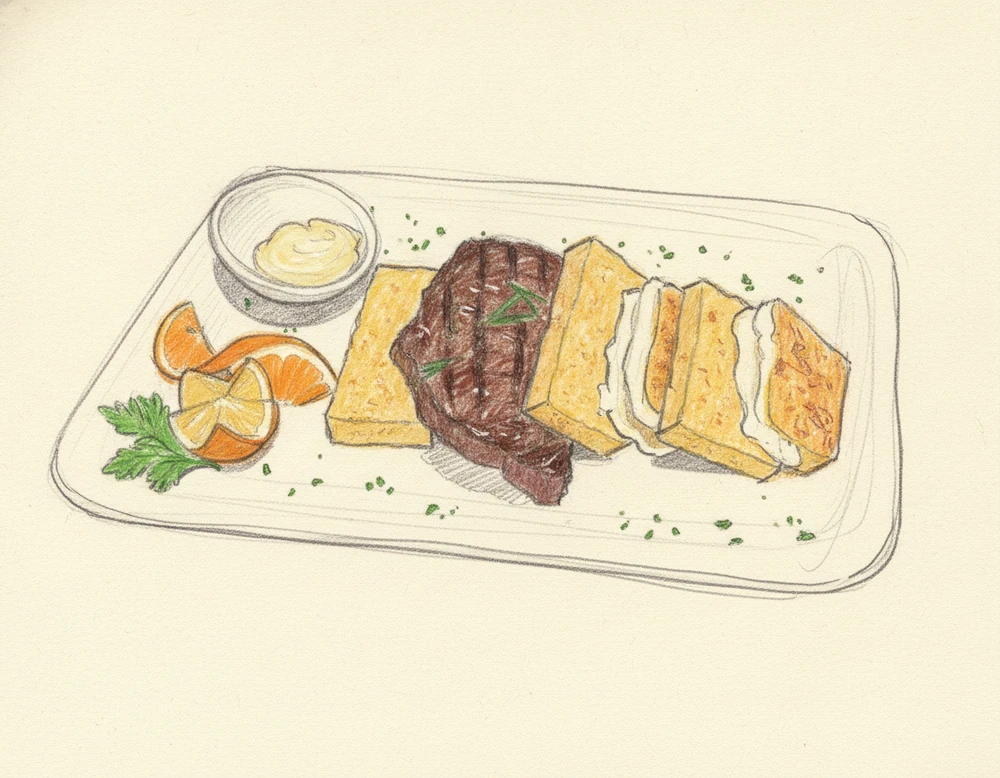
A lean table cheese from the Giudicarie valleys, made from raw cow's milk partly skimmed by natural creaming, fermented naturally or with added natural starters.
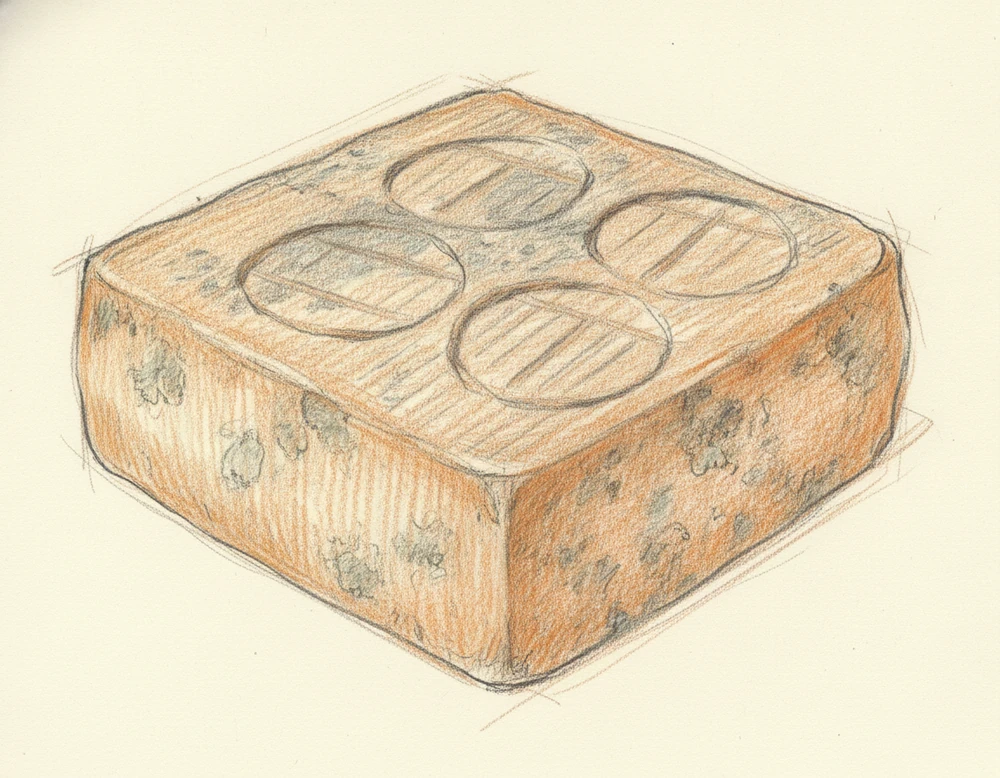
A washed-rind alpine cow's-milk cheese from the Venosta valley, aged at least sixty days, with moisture no higher than 44 per cent and fat on dry matter above 50 per cent.
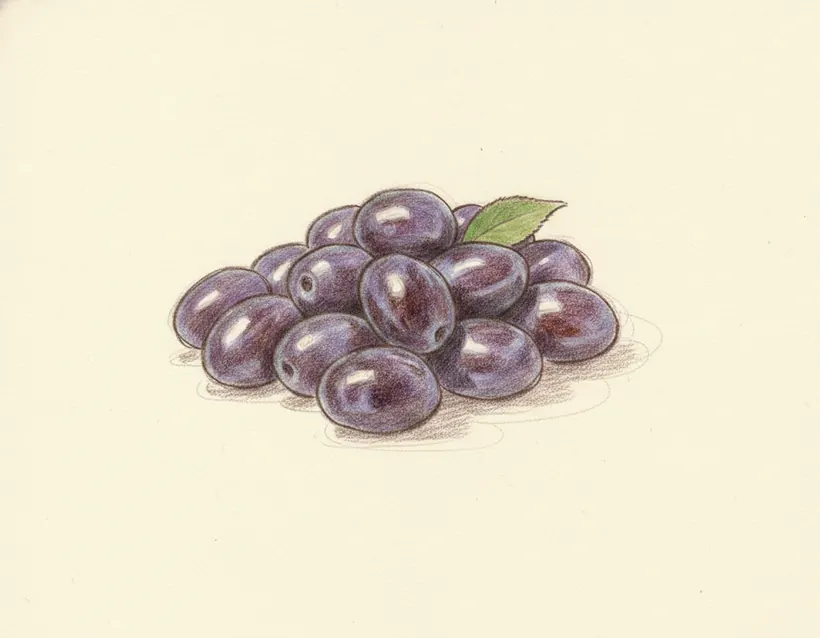
A small, dark, intensely sweet plum of the Sarca valley around Dro, eaten fresh or dried.
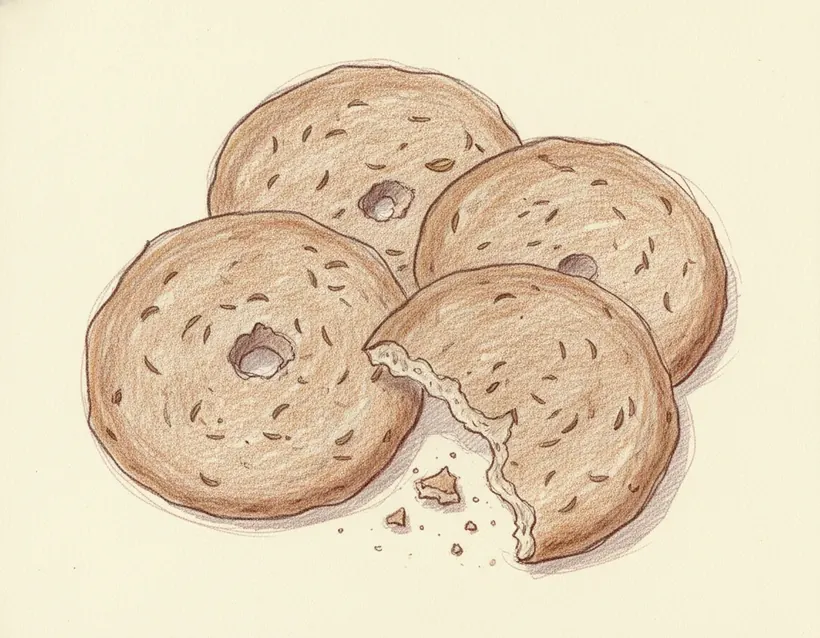
The thin, hard, spiced rye flatbread of South Tyrol, flavoured with fennel and caraway and dried to keep for months.
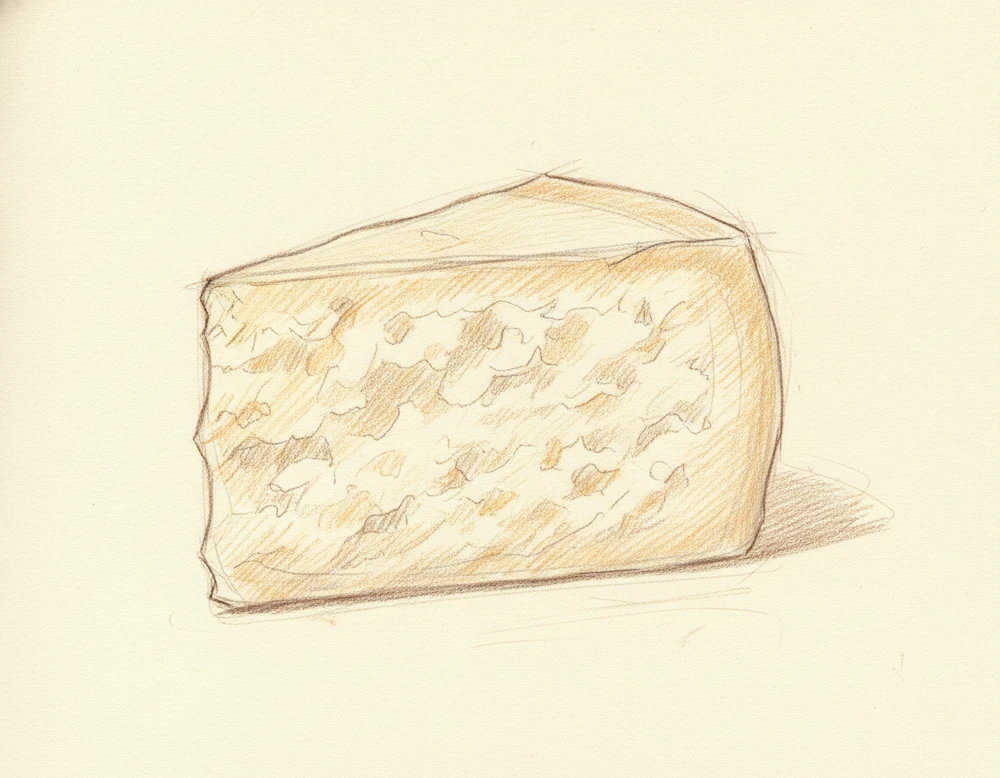
Trentino's first grana was made in 1925 by Michele Marchesi at the cooperative dairy of Rumo in the Val di Non; he was from there and had learned the trade at Mirandola. It spread fast, twelve dairies in the Val di Non by 1934, and in 1973 the Trentingrana name and its consortium brought all the region's grana dairies together. This is the version made with mountain-pasture milk.
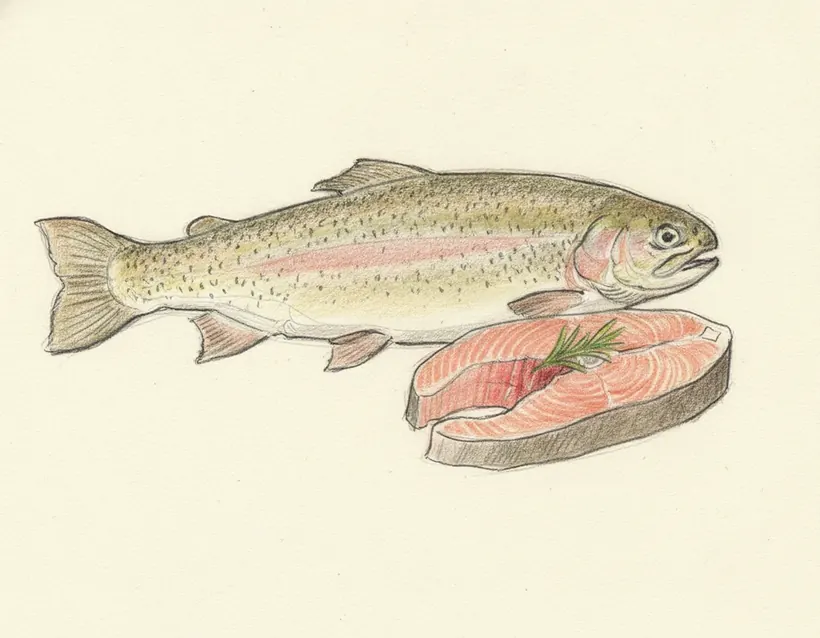
Trout raised in the cold, clear mountain streams and lakes of Trentino, firm-fleshed and delicate.
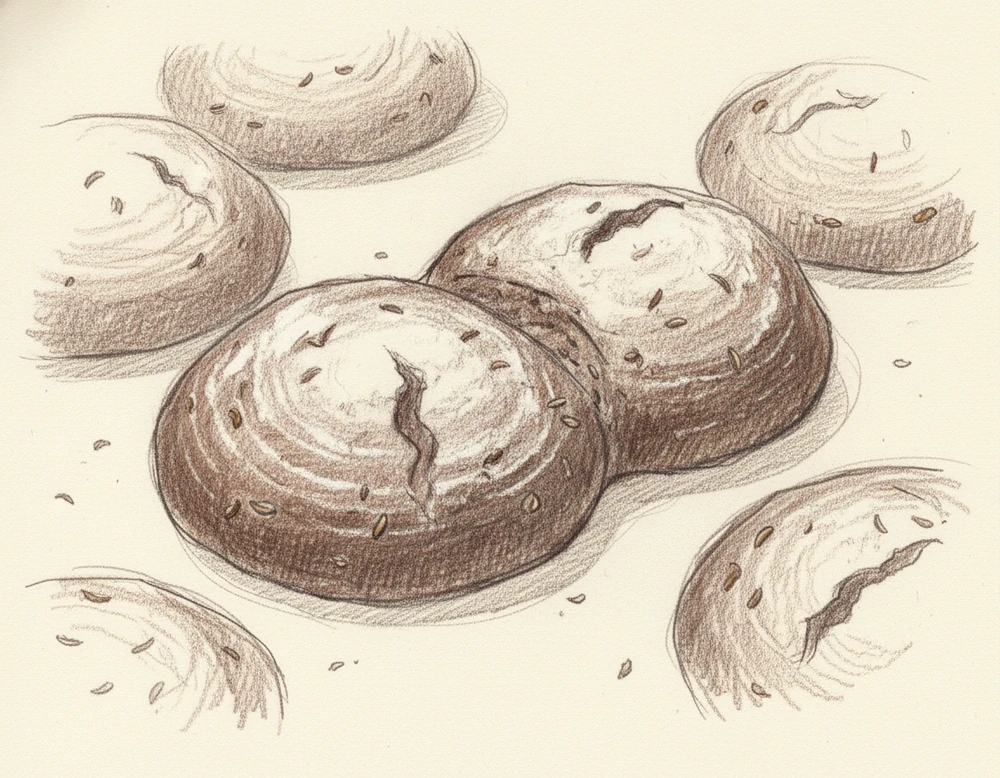
Ur-Paarl nach Klosterart, the original convent-style double rye loaf, is the oldest form of the Venosta bread. Two round flat loaves joined make a squashed figure of eight, which is the Paarl, the couple; they run 10 to 30 cm across and 2 to 3 thick. Every baker has their own version of the basic dough of rye and farro flour with sourdough, varying the fennel seed, caraway and blue fenugreek, all gathered wild off the pastures. With apricots, pears or berries worked in it becomes Früchtebrot.
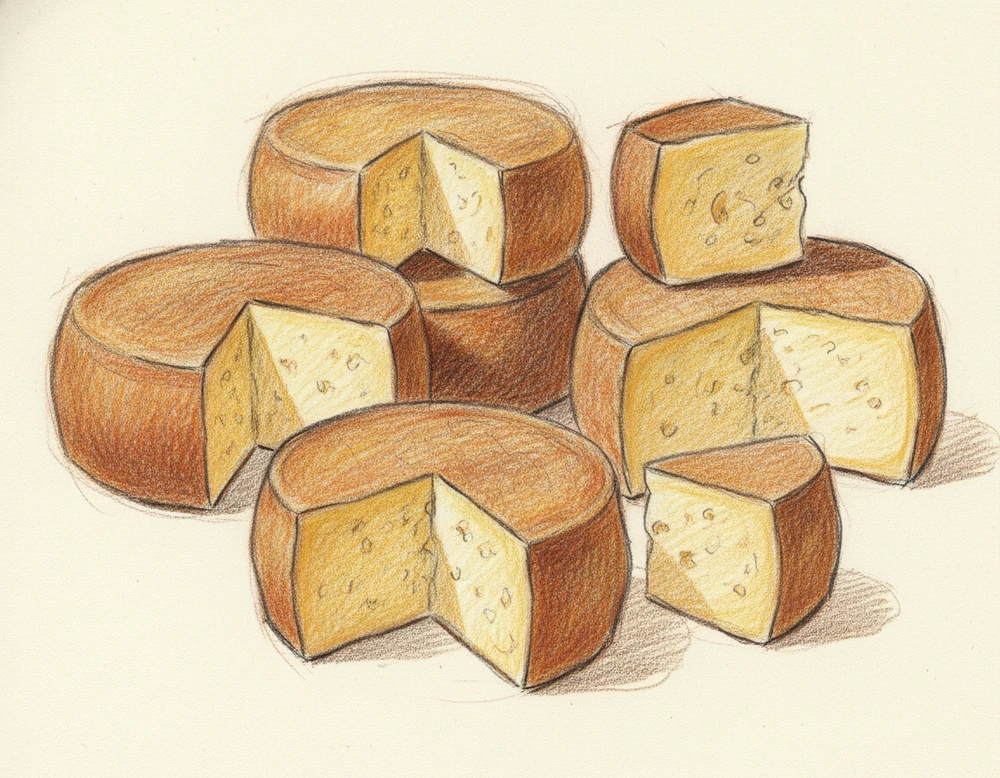
A cow's-milk cheese from two milkings, one of them skimmed for the cream. The method is that of any medium-fat alpine cheese; what makes this one is the wild herbs of the Lavarone plateau and a long ageing. Even very old it keeps an extraordinary buttery smoothness, and what it smells of shifts with exactly when the cows were out. At a year to eighteen months the eyes close up and the deep yellow paste turns slightly grainy, the scent growing complex and herbaceous and the spice filling the mouth. Franz Joseph wanted it on his table daily.