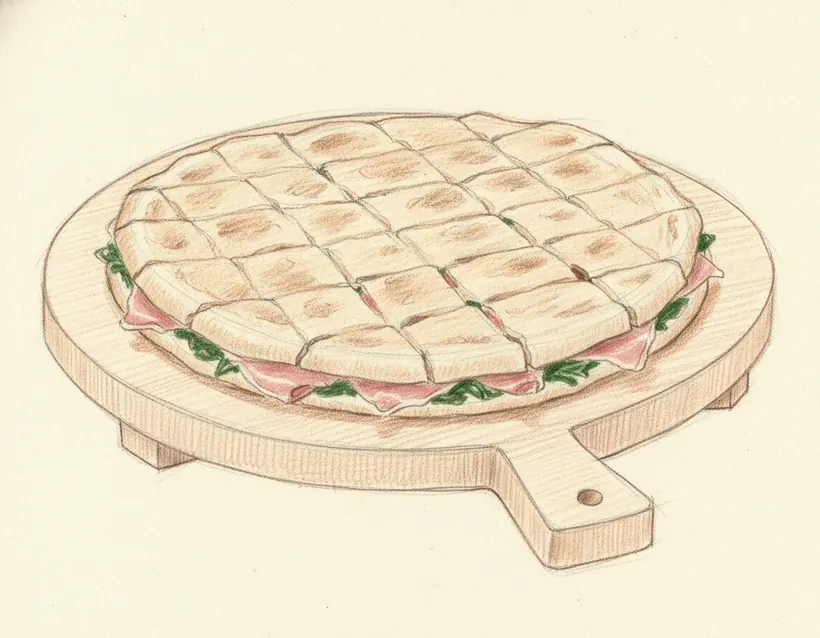
Torta al TestoUmbrian griddle flatbread
A flat, unleavened (or lightly leavened) bread cooked on a hot 'testo' stone and split to fill with sausage and greens, prosciutto or cheese.
Landlocked and green, Umbria cooks with black truffle from Norcia, Castelluccio lentils, wood-fired flatbread and the pork of its master norcini. Its reds are led by the tannic Sagrantino of Montefalco and the Sangiovese of Torgiano, with Grechetto and Trebbiano Spoletino for whites and the golden Orvieto to the south.
A flat, unleavened (or lightly leavened) bread cooked on a hot 'testo' stone and split to fill with sausage and greens, prosciutto or cheese.
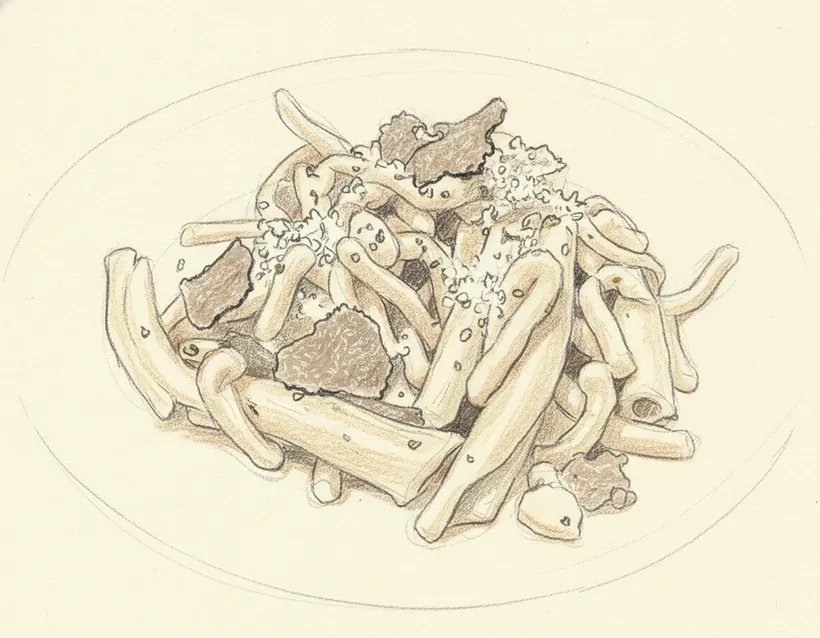
Rough, eggless strangozzi (stringozzi) dressed in oil, garlic and a snow of grated Norcia black truffle.
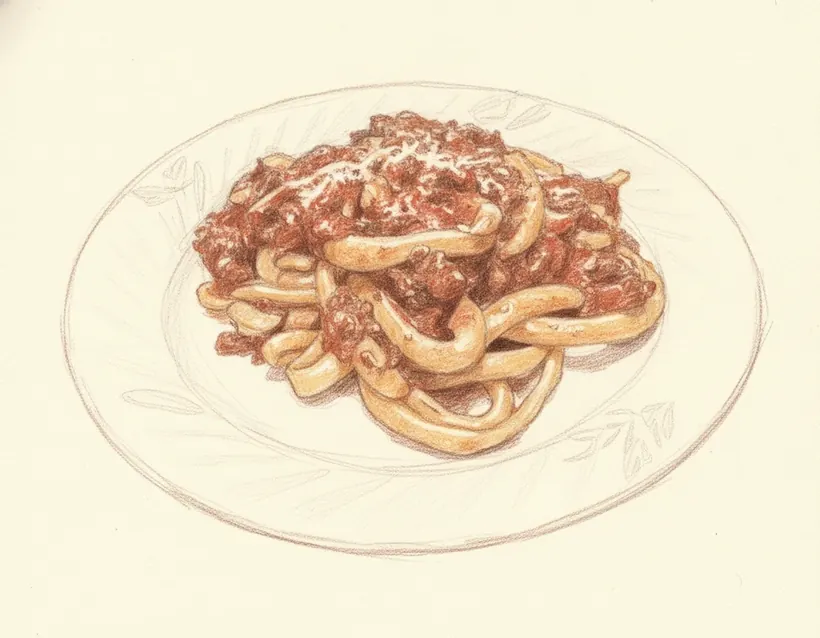
Thick, hand-rolled eggless pasta (also called ciriole), dressed with a simple tomato or meat sauce or with garlic and breadcrumbs.
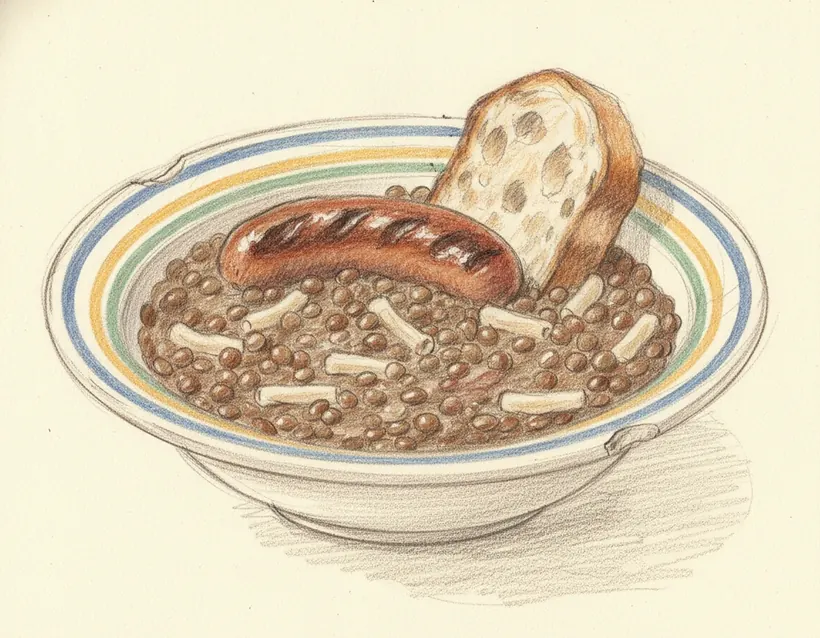
The tiny, thin-skinned lentils of the Castelluccio plain stewed with soffritto and served with grilled sausage, a Norcia mountain staple.
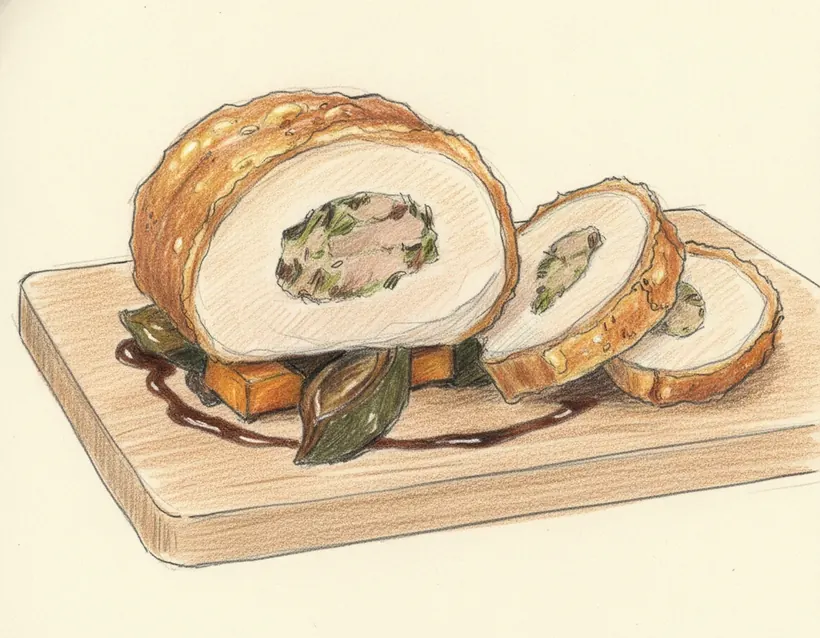
A boned pig stuffed with its offal, wild fennel, garlic and pepper and slow-roasted by the norcini, sliced with crisp crackling.
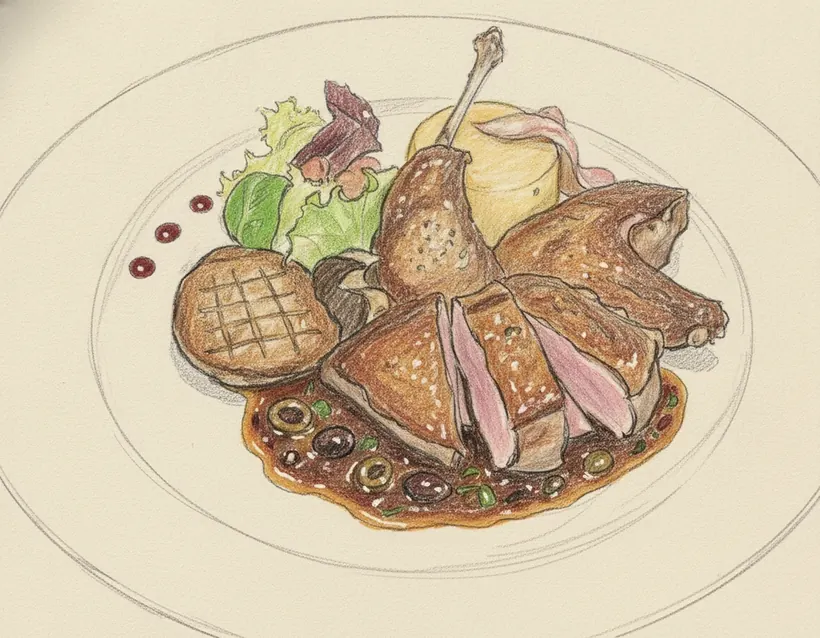
Wild wood pigeon roasted and finished in a dark 'ghiotta' sauce of its offal, red wine, olives, capers and juniper.
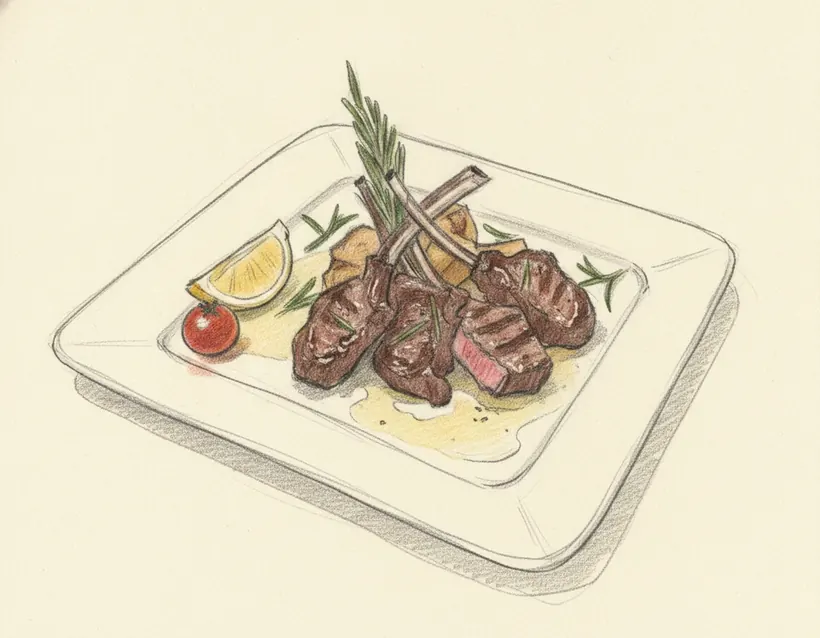
Small lamb rib cutlets grilled fast and eaten hot with the fingers ('scottadito', finger-burning), scented with rosemary.
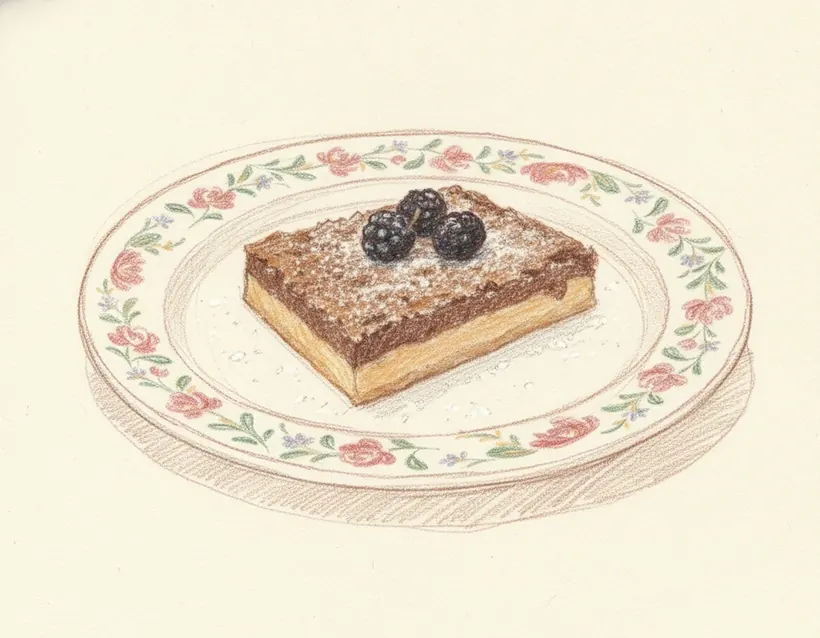
A thin pastry rolled around apples, walnuts, raisins, figs and spices and coiled, an Umbrian cousin of strudel from the Foligno-Assisi area.
DOP, IGP, STG, Slow Food Presidia and traditional specialities of Umbria.
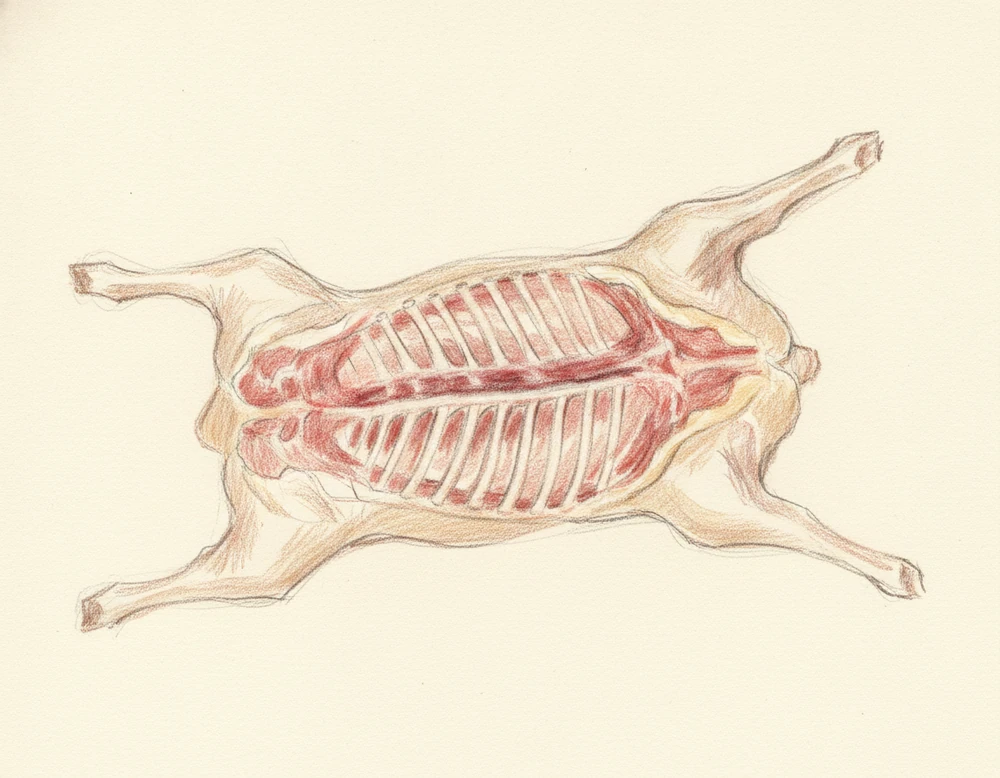
Lamb slaughtered under twelve months of age, graded into three carcass types by weight, conformation and fat cover: light lamb at 8.01 to 13.0 kg, heavy lamb at 13.01 kg and above, and castrato at 20.0 kg and above.
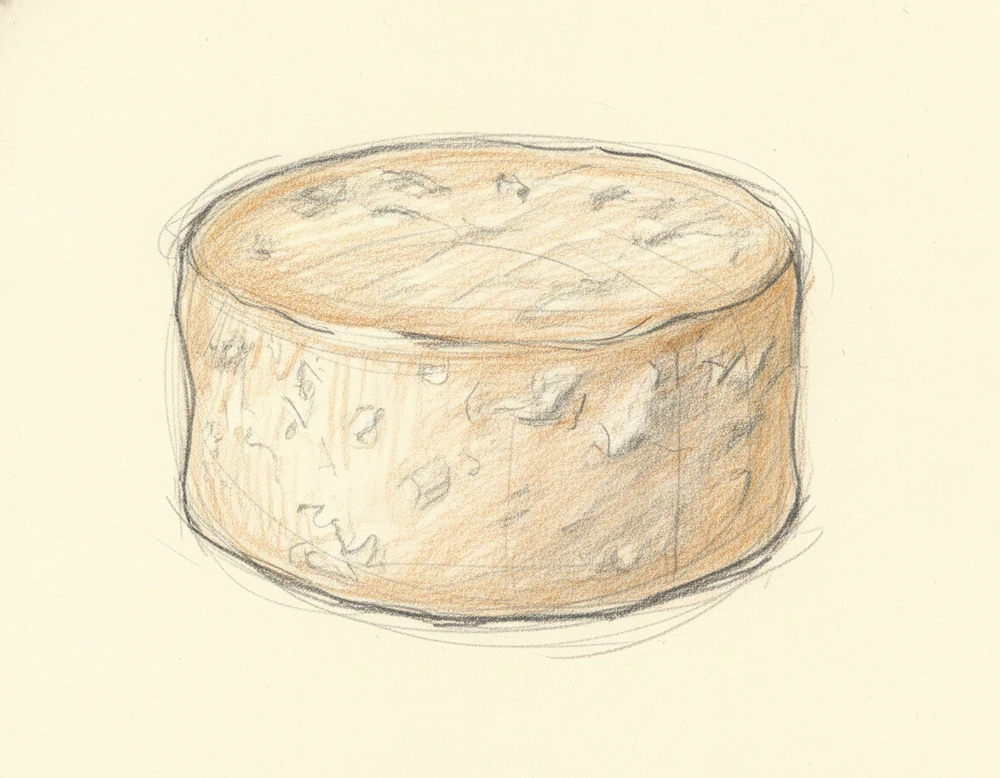
A cylindrical cheese with a straight heel and rounded faces, 20 to 22 cm across and 9 to 11 cm deep, weighing 3.2 kg give or take 12 per cent, made from cow's and sheep's milk.
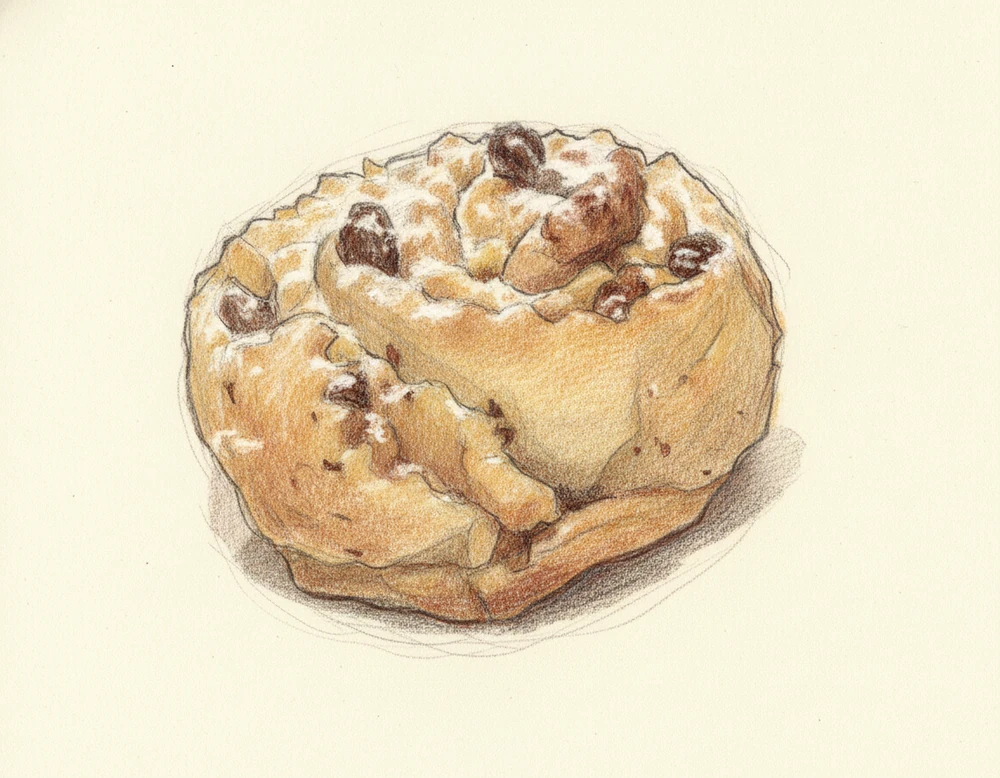
Handed down at Grutti, with every butcher's own mix of seasonings. The ears, snout, shin and innards are prepared and roasted in the oven underneath a whole porchetta, so that they take up the fat dripping off it along with the garlic, rosemary, fennel, salt and pepper it is seasoned with. The method turns up elsewhere in Umbria; what is particular here is building it on the humblest and most flavourful cuts.
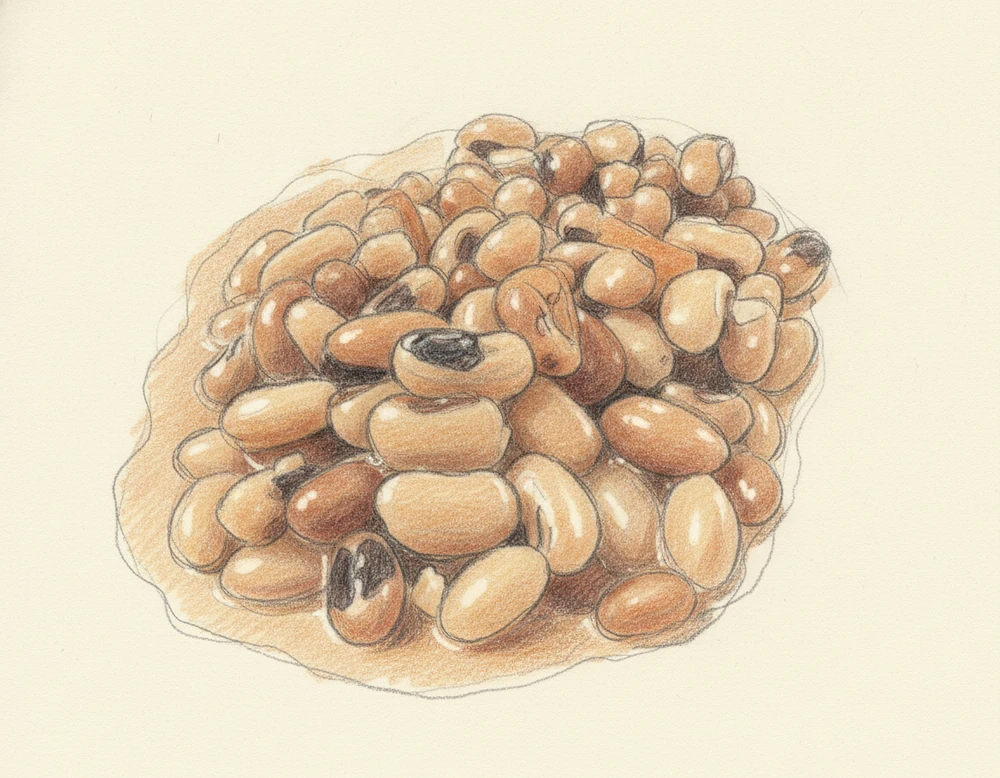
Grown around Trasimeno for centuries and popular until the 1950s, then all but gone: partly the emptying of the countryside, partly the work, which is long and still entirely by hand from sowing to threshing. The beans are tiny and oval and come cream, black, salmon and every shade of brown, sometimes speckled. Cooked they are tender and buttery and taste of a great deal; best boiled and dressed with the local oil.
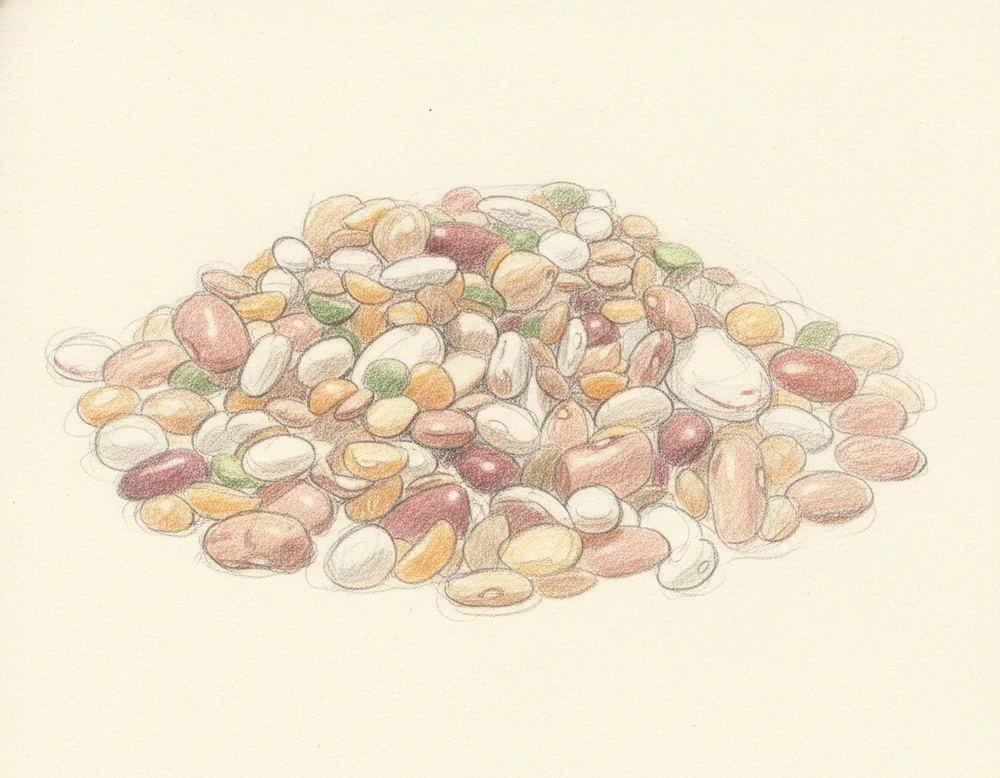
The itinerant agricultural teachers were writing about this bean in the late 1800s. Its odd name is its calendar: it goes in at the start of summer, between the end of June and the first days of July, after the wheat comes off, so it is the second sowing. It grows on the plain below the rock Orvieto stands on, along the banks of the Paglia. Older farmers remember the beans running over the fertile, permeable alluvium there, and in the 1950s it was called the white gold of the Paglia; growers sold it or traded it for oil.
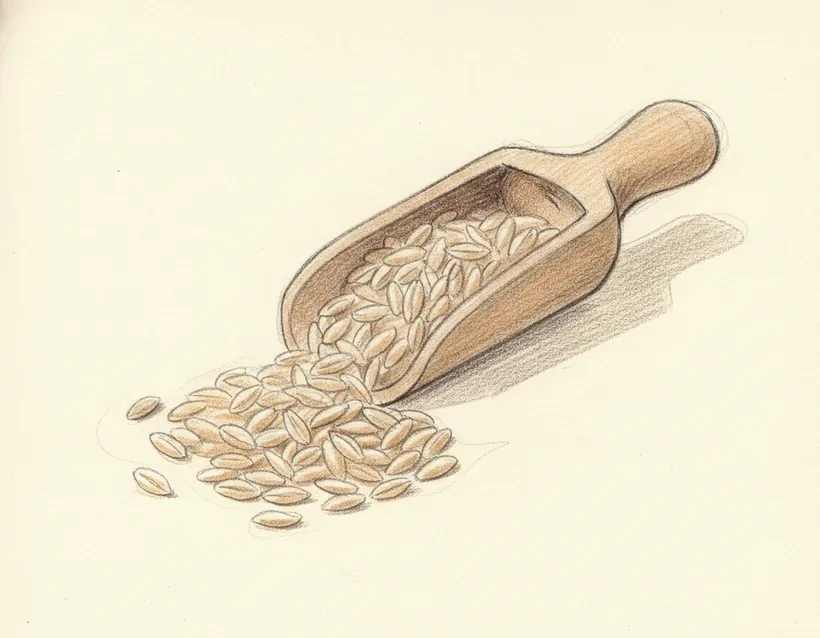
An ancient emmer wheat (farro) grown high around Monteleone di Spoleto, nutty and firm in soups.
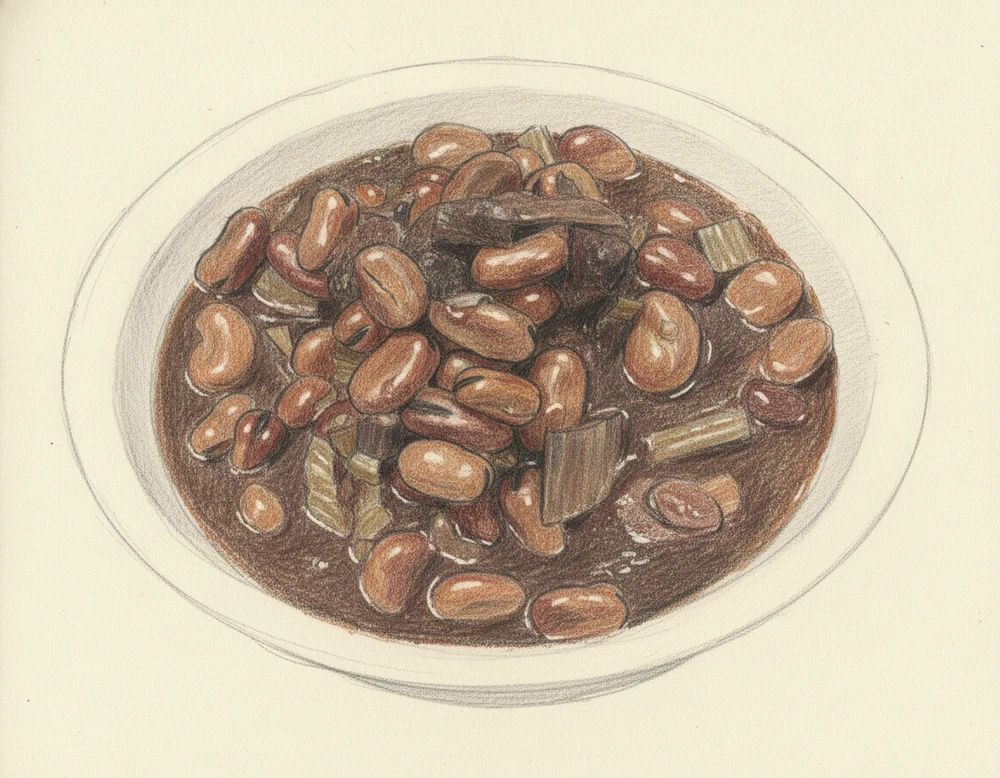
The Amerino, the country around Terni, Amelia and Orvieto, has always held that its favas cook and digest more easily than others, and the ecotype the growers selected is named for it, cottòra, from cotto, cooked. The soil is clay rather than chalk, which is why the beans can be cooked without peeling. They are best plainly dressed with olive oil, salt, pepper and raw onion.
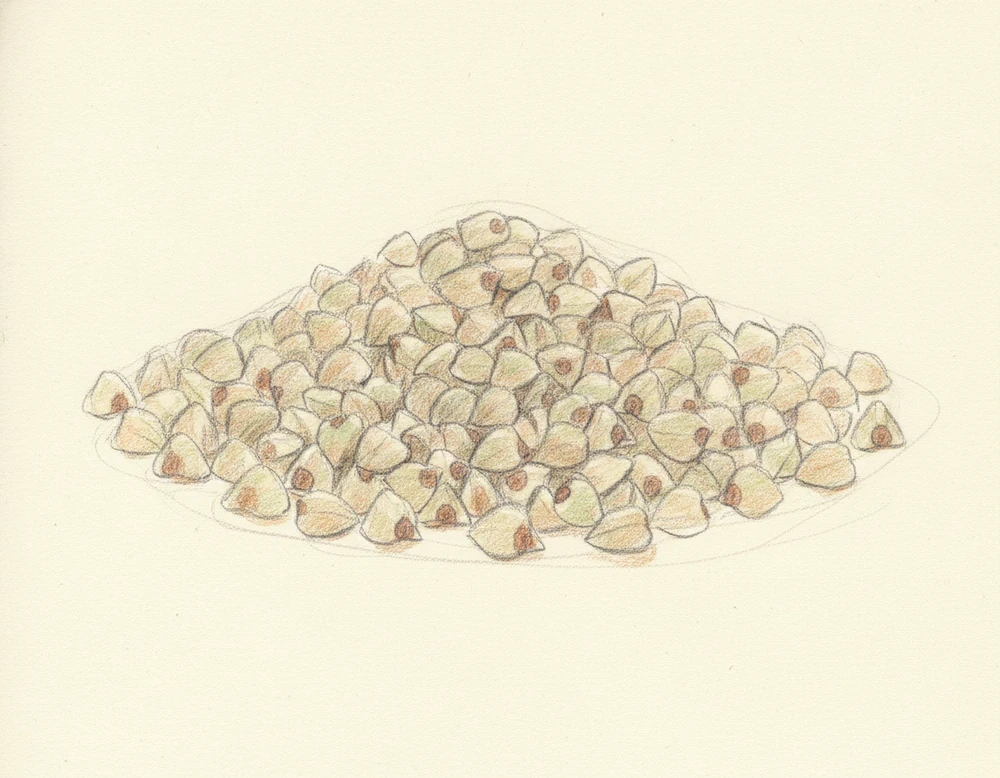
The Nera rises in the Sibillini in the Marche, runs most of its course through Umbria and joins the Tiber in Lazio. Its upper valley, in southeastern Umbria, is steep and hard to farm, and the mountains around it make the winters harder and the summers cooler than the rest of the region, which is why it grows things nowhere else does: roveja, and buckwheat, both of which will take poor and broken ground. Grano saraceno, Saracen grain, is a name that only means from far away.
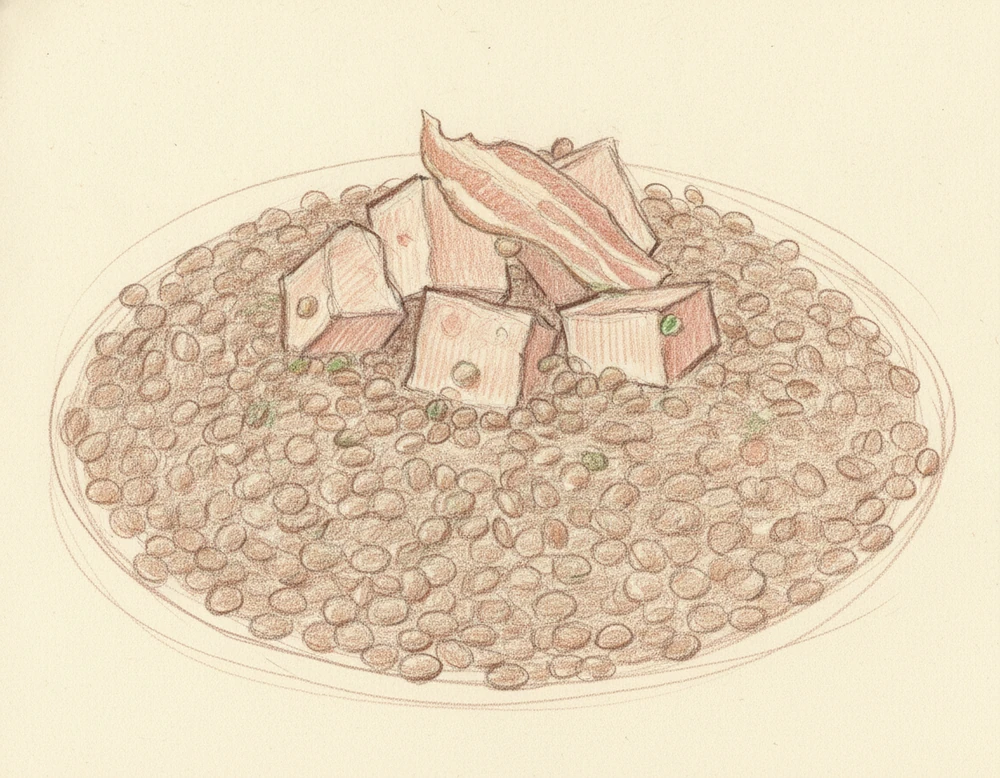
The small lentils of the Piano Grande at Castelluccio di Norcia, grown at altitude on the Sibillini plateau and thin-skinned enough to cook without soaking.
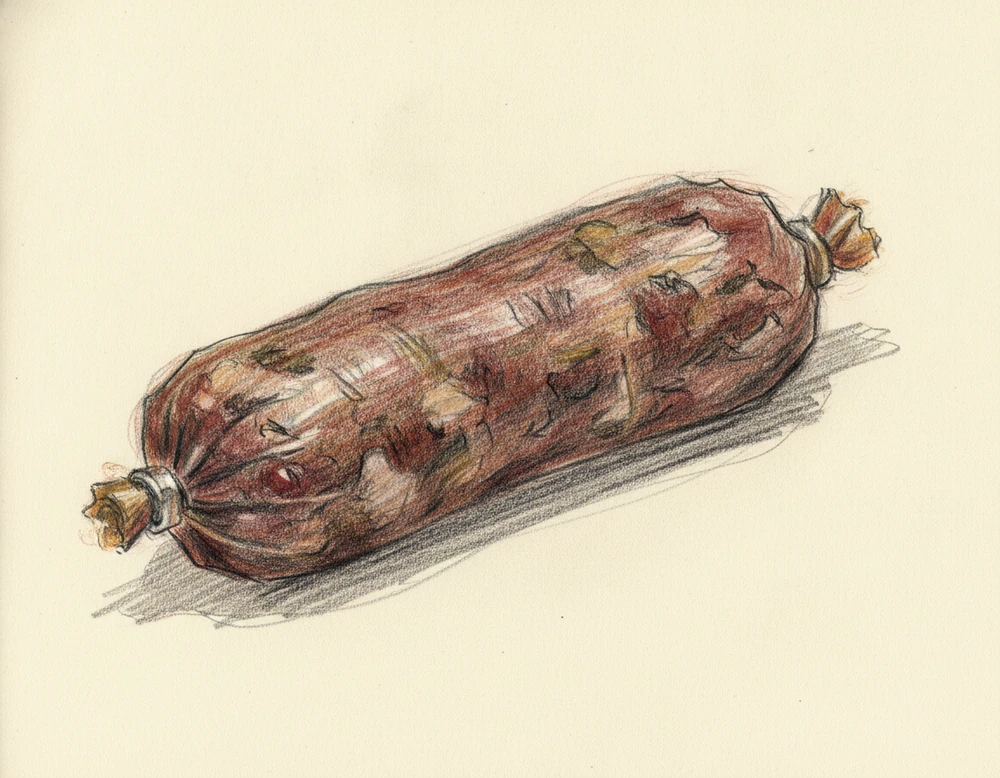
A sausage of central Italy and particularly of the upper Tiber on the Umbrian-Tuscan border, where Tuscany calls it sanbudello. Until a few decades ago it was the poor relation of the sausage, on the table all autumn and winter and tied to the household pig-killing: every family that kept a pig made mazzafegati, to be eaten soon after, often all together, or occasionally kept under lard, in oil, or buried in wheat or semolina.
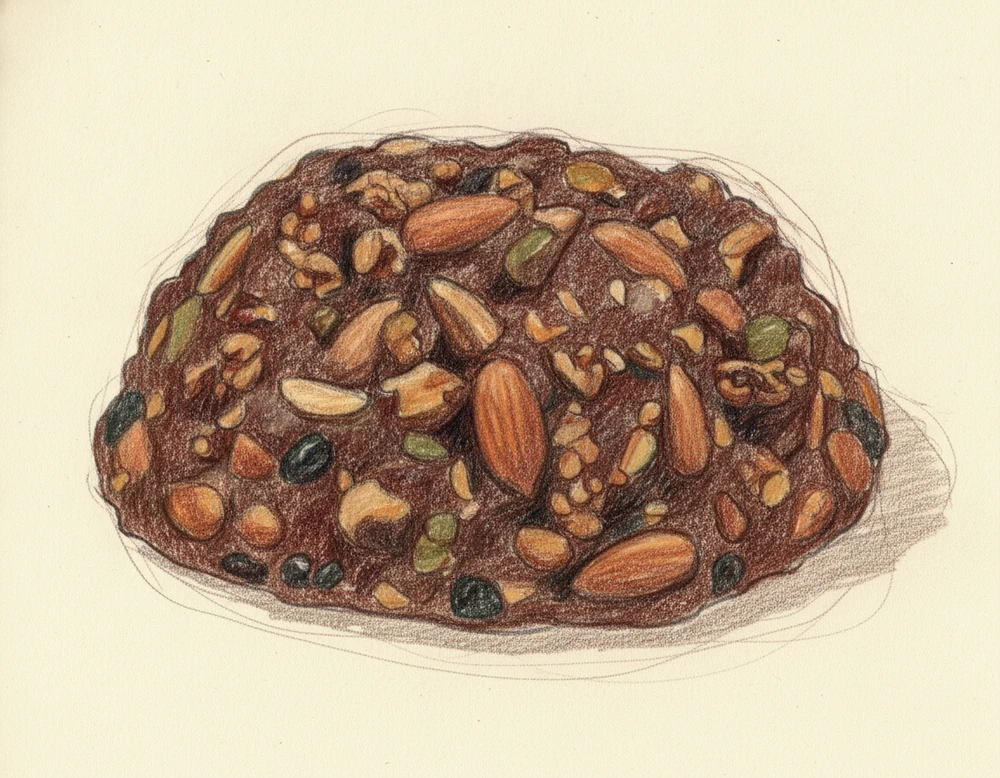
A dense Umbrian Christmas cake of nuts, chocolate, raisins, candied peel, bitter cocoa, honey, coffee, spices and flour.
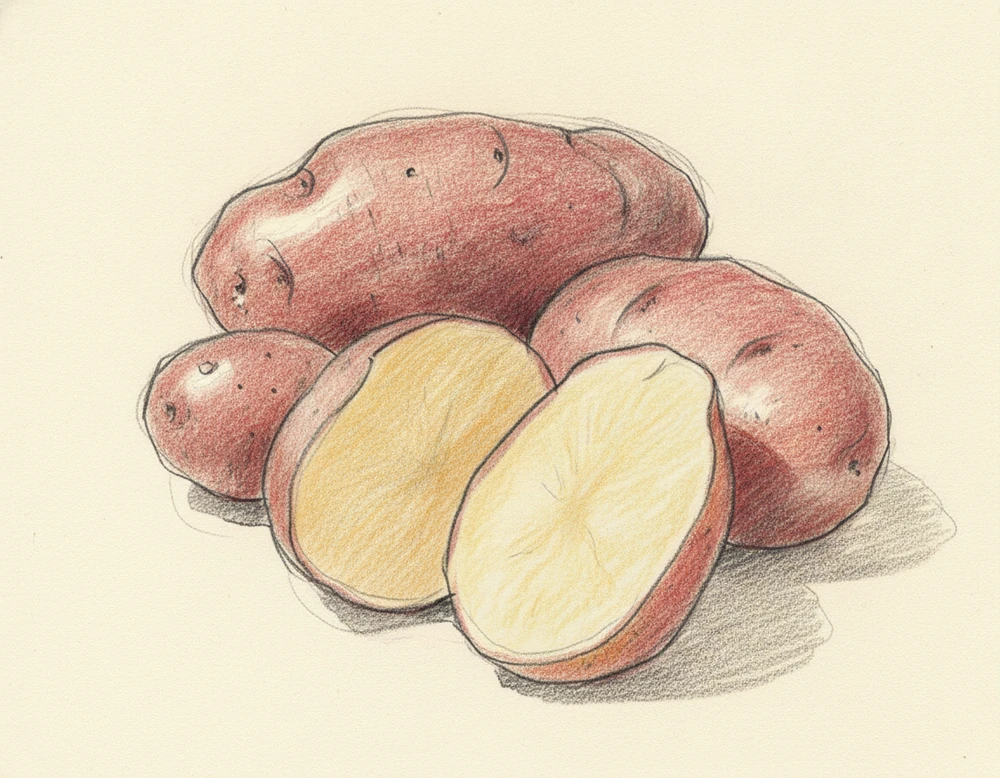
Mature Solanum tuberosum tubers grown on the Colfiorito plateau from basic seed varieties listed in the national variety registers of EU member states.
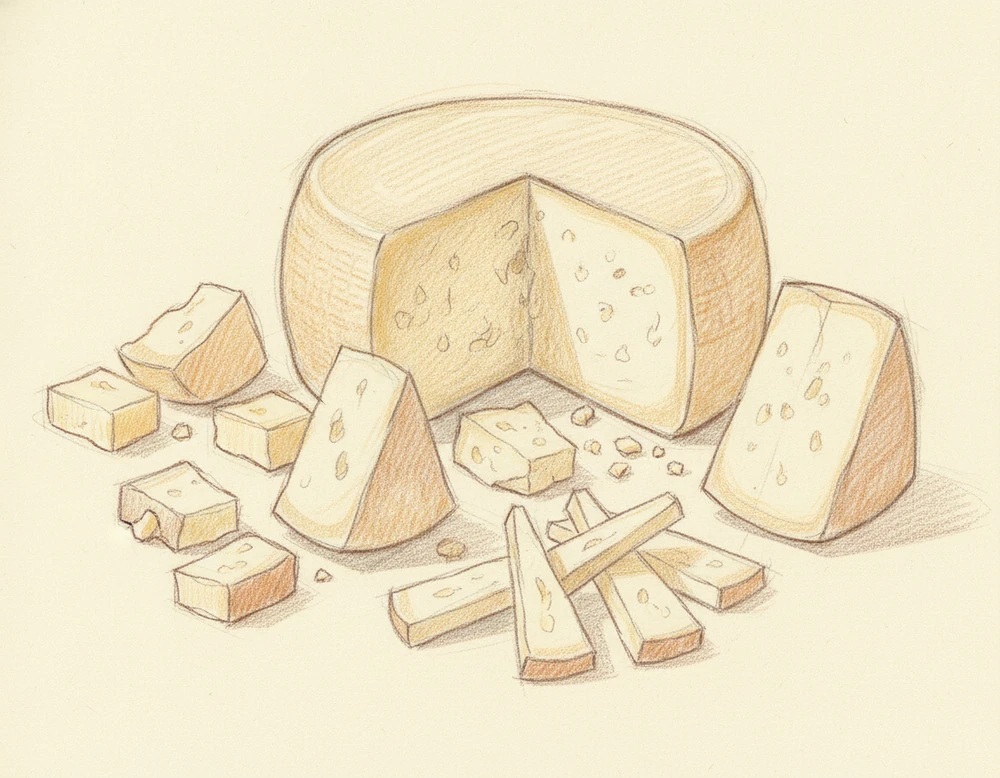
Made from whole sheep's milk from the zone alone, in a soft-paste and a semi-hard type. Soft matures at least 20 days, semi-hard at least four months.
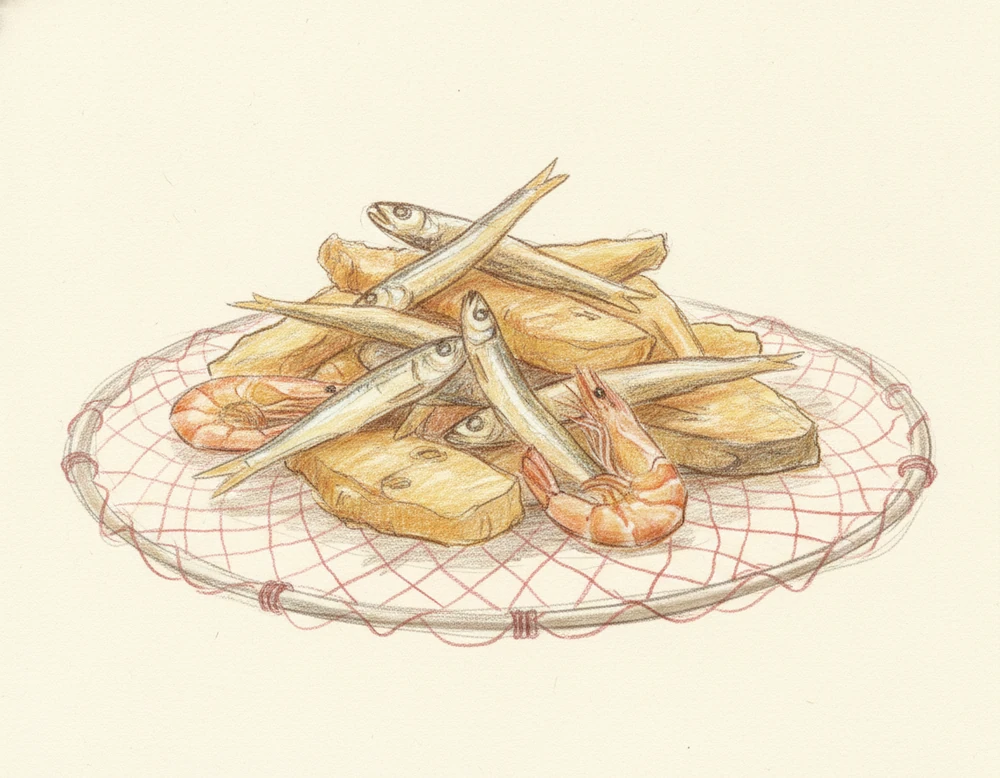
The largest lake in central Italy and a shallow one, laminar: five metres at most and in dry spells rarely over four. It was always the fishermen's lake, they in the lakeside villages and the farmers up in the hills, and the trade was close enough to itself to build a lot of mutual arrangements, among them the oldest cooperative still working, founded in 1929. Fishing was an exclusive occupation, and it was unusual for a fisherman to need any other income.
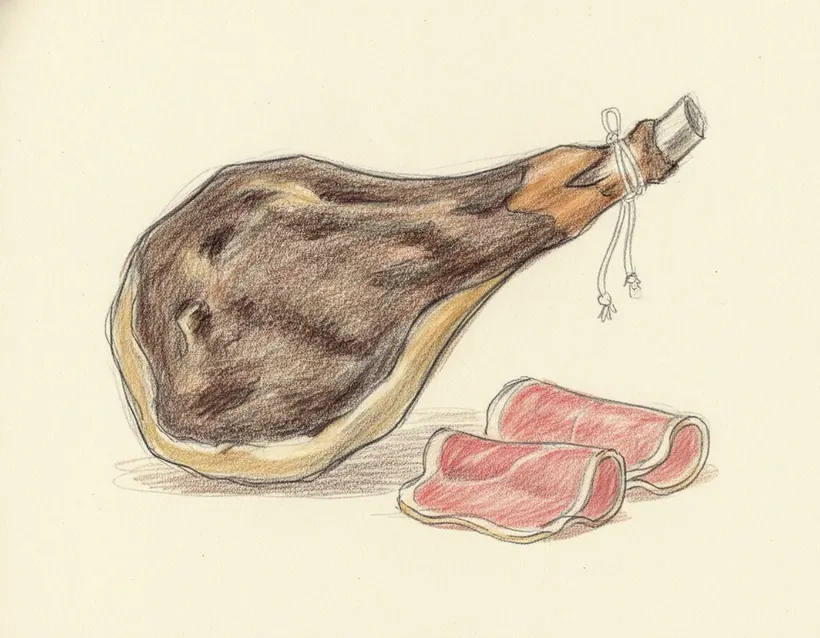
A pear-shaped mountain-cured ham of the high Valnerina, dry-salted and aged over a year to a savoury depth.
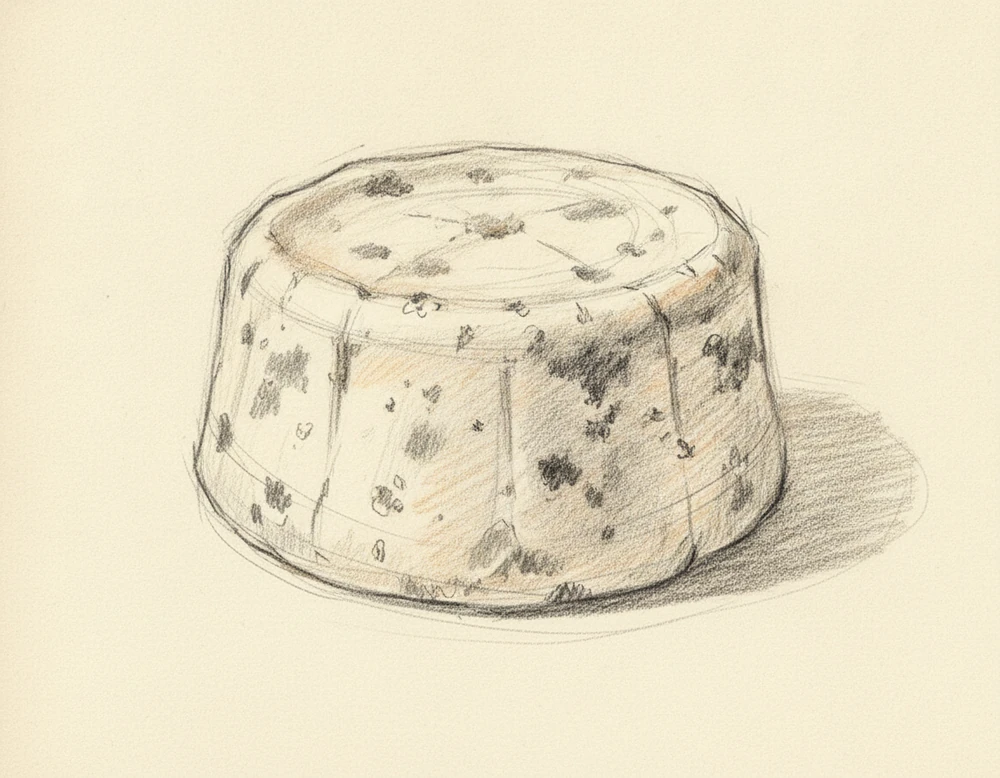
The Valnerina is rough country, wood and pasture, and shepherding was its economy: every family had sheep and goats, flocks came up from other regions to the summer pastures, and from September the Valnerina's own went down to the plains and grasslands of Lazio for the milder winter, coming back at the start of the next summer. Cheese and ricotta made on that road had to keep and travel. Some of the ricotta went into piatto or scotta, a soup of bread and whey with fresh ricotta; the rest went into a hemp sack and was pressed.
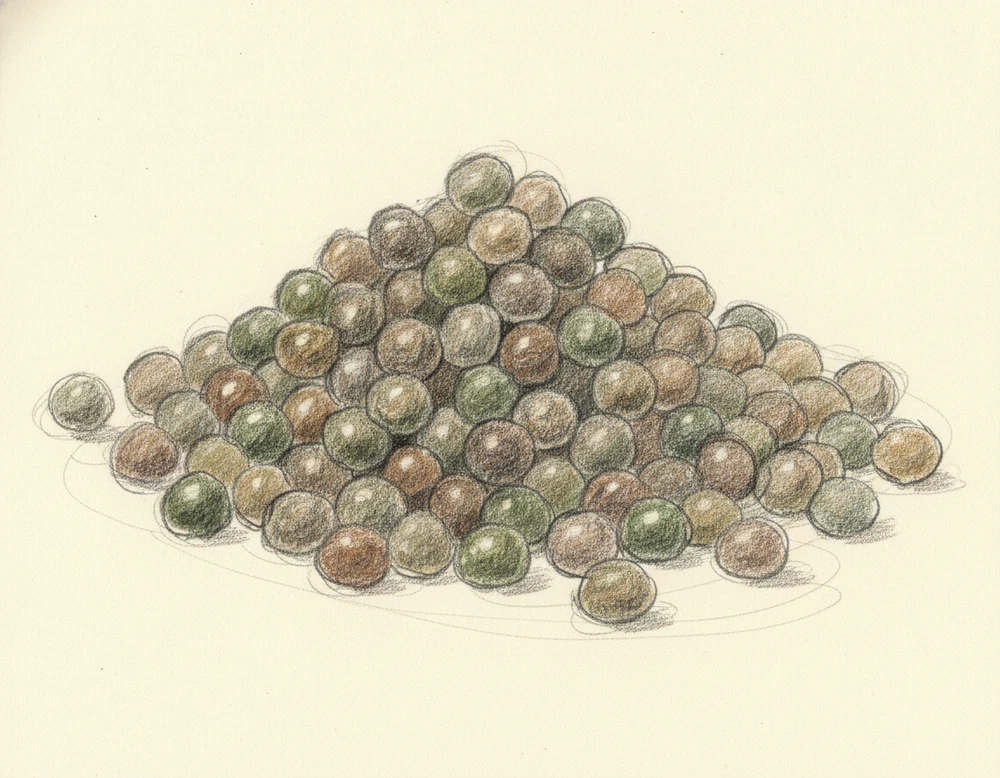
A small pea-like legume running from dark green through brown to grey. Some take it for an ancestor of the garden pea, others for a species in its own right, and its botany is still unsettled. It fed the shepherds and farmers of the Sibillini for centuries and has been nearly abandoned; only the Valnerina, around Cascia, still sows it.
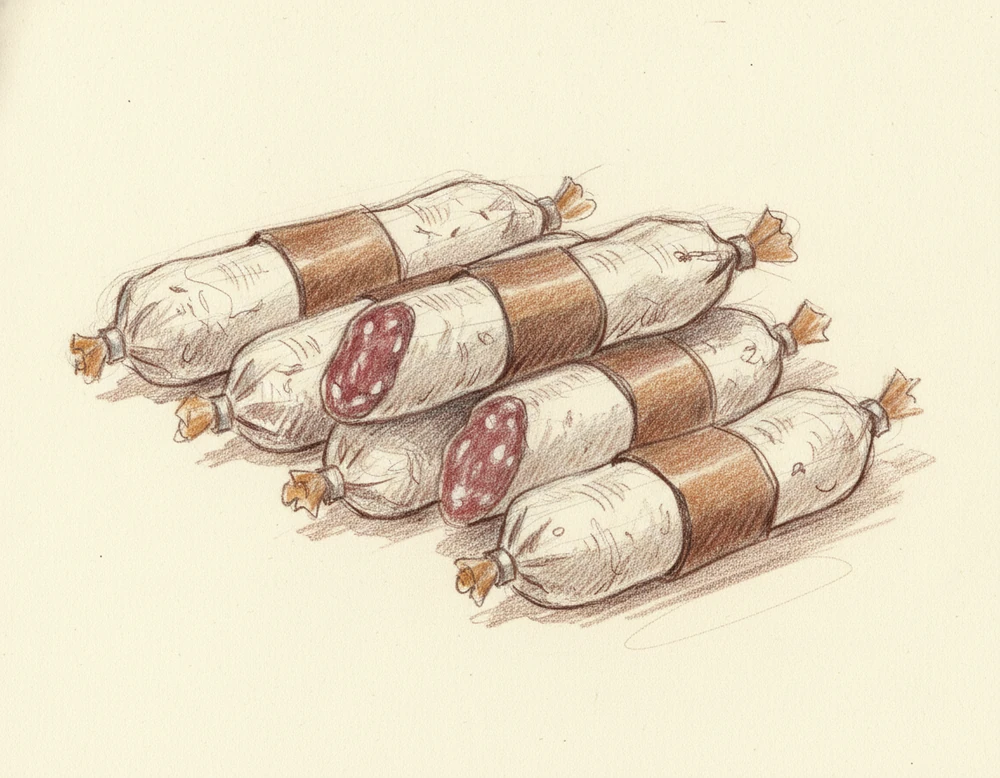
Small salami sized to be carried in a hunter's pocket, which is where the name comes from. The zone is unusually wide: pigs may be raised across eleven Italian regions, from Friuli down to Molise.
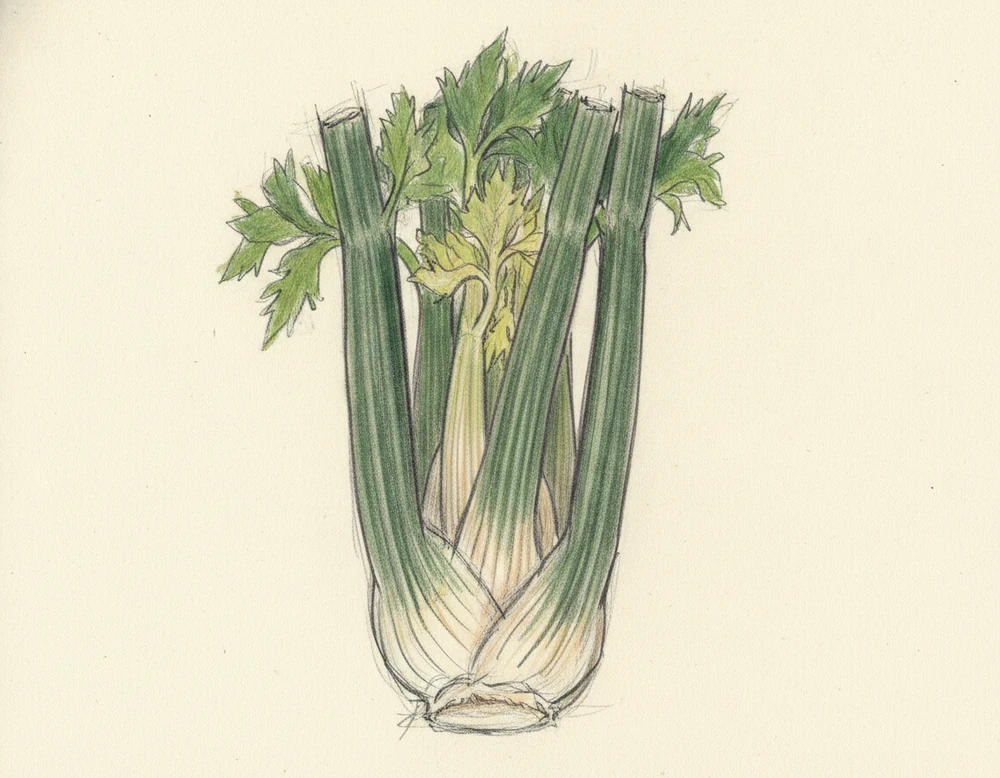
Widely known until a few decades ago and now put in by a few growers only, in the plots near the Clitunno springs that Carducci, Byron and Goethe all wrote about. It went after the Second World War, when American celery arrived. It is longer than other celery, the ribs dark green, entirely without strings, and it smells strongly; earthed up, the ribs blanch almost white and the heart turns tender and juicy.
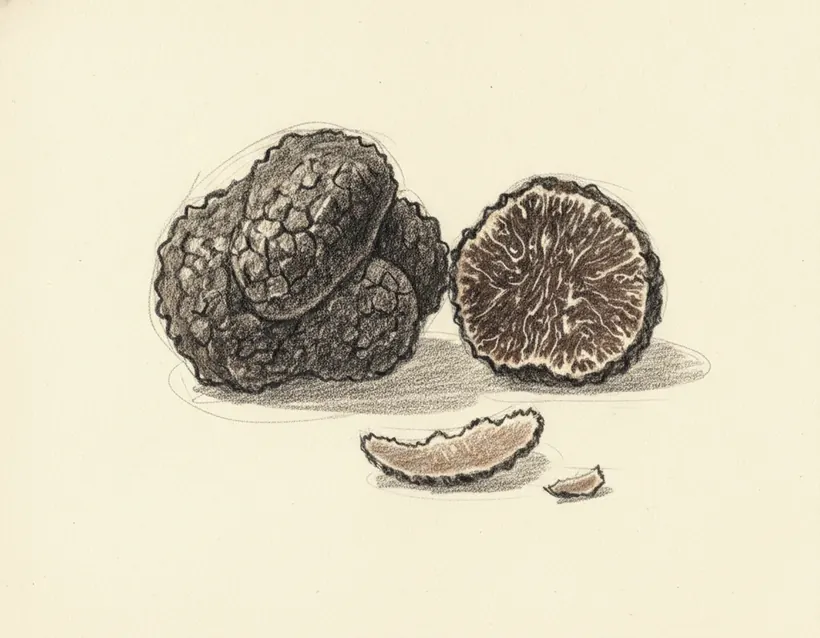
The prized black winter truffle of the Valnerina, shaved over strangozzi and eggs across Umbria.
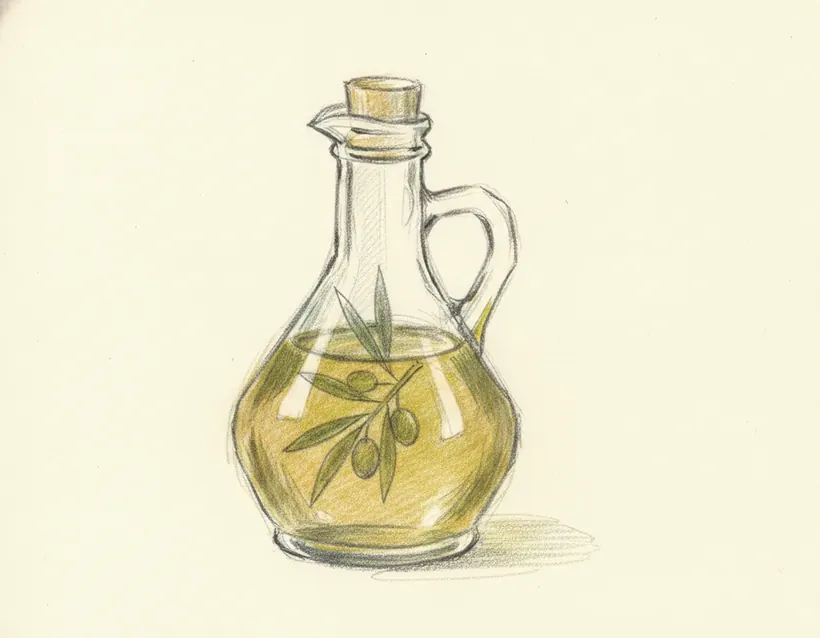
A green, peppery extra-virgin olive oil of the Umbrian hills, from Moraiolo and Frantoio olives.
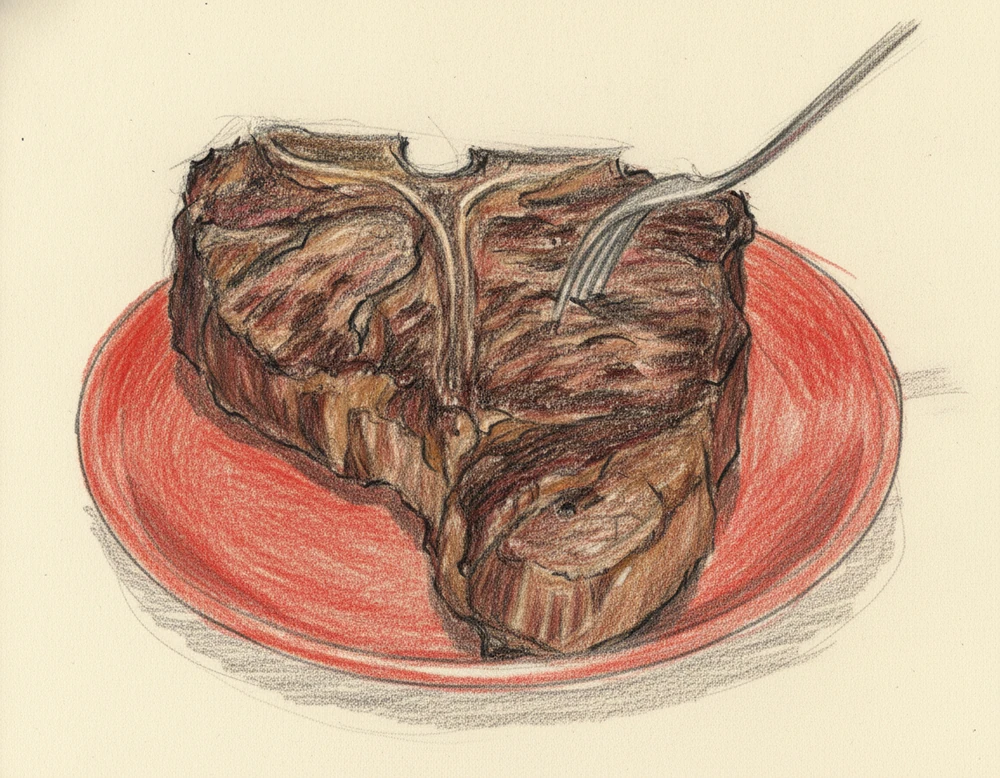
Beef from the white cattle breeds of the central Apennine spine, covering a band of thirty provinces from Bologna down to Latina. It is the designation behind the Chianina, Marchigiana and Romagnola beef that Tuscan and Umbrian cooking is built on.
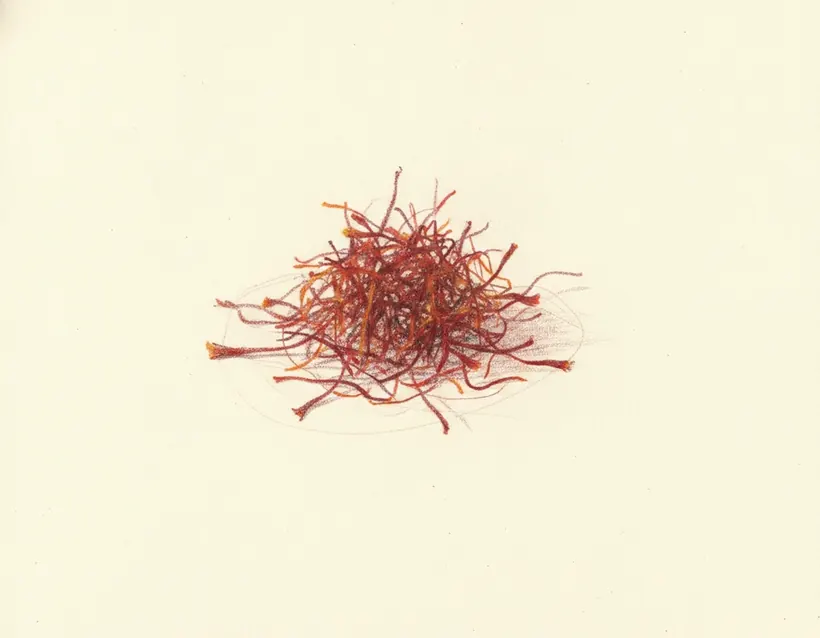
Aromatic hand-picked saffron of the Cascia and Città della Pieve uplands, revived from a medieval trade.